The Pink Garden Look Spreading Through New Jersey Neighborhoods
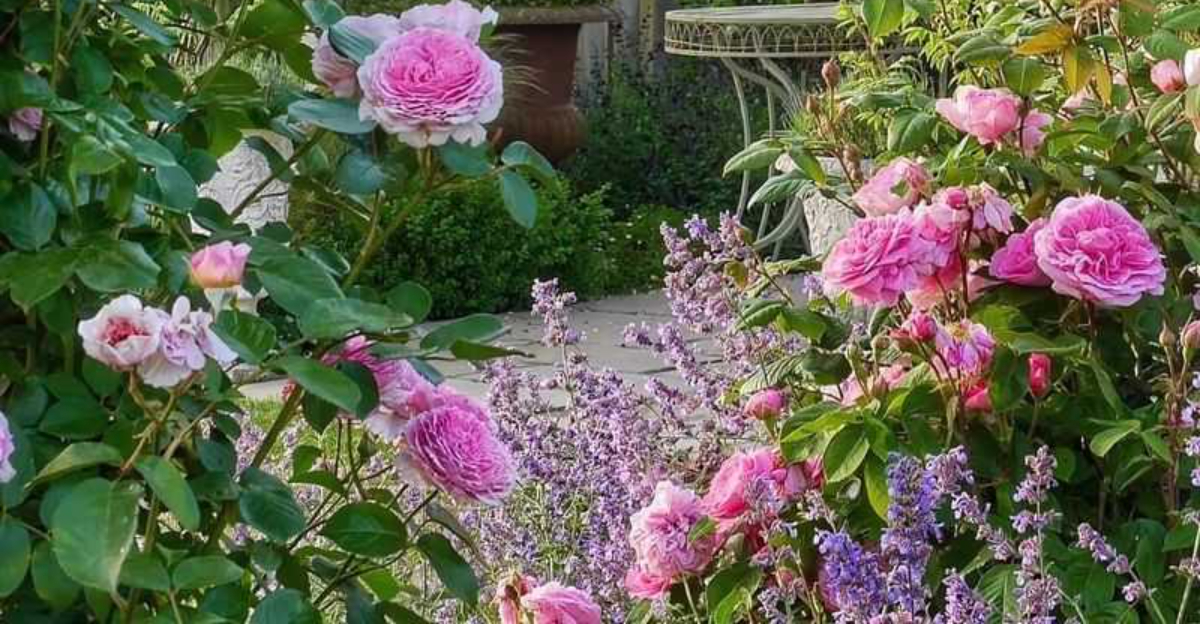
Stroll through a New Jersey neighborhood in bloom season and you might notice a soft but steady takeover.
Pink gardens are popping up everywhere, from tidy front yards to cozy back corners.
This look isn’t loud or flashy, but it leaves a lasting impression.
Layered shades of blush, rose, and petal pink bring a welcoming feel that instantly boosts curb appeal.
New Jersey gardeners love how pink plays well with classic home styles, mature trees, and changing seasons.
It’s a color that feels warm without being overwhelming and polished without feeling stiff.
Part of the charm lies in its versatility, working just as well with spring bulbs as summer perennials and flowering shrubs.
These gardens feel lived-in and loved, like a handwritten note instead of a billboard.
As neighbors notice and borrow ideas, the style keeps spreading.
Pink isn’t just a color choice here; it’s becoming a signature look that feels both familiar and fresh.
The Shrubs That Set The Pink Mood
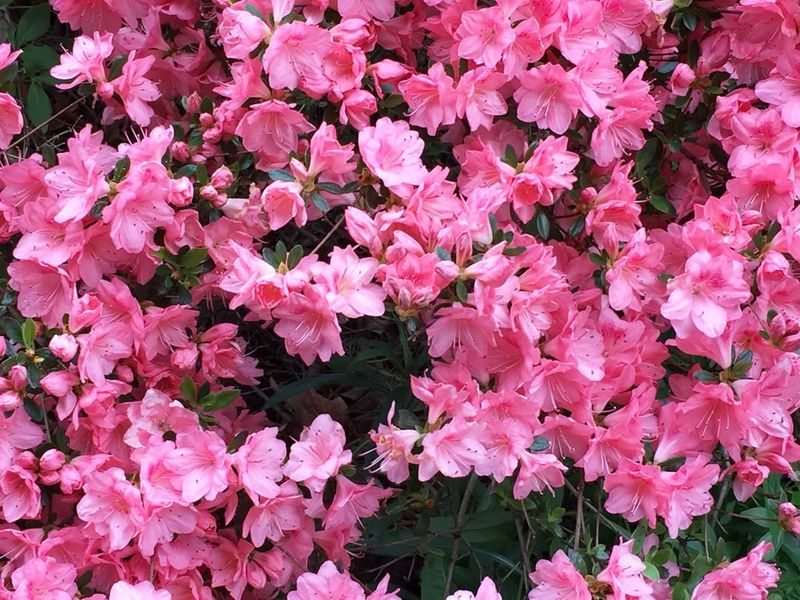
Azaleas explode with color in late spring, covering entire shrubs in layers of pink blooms.
They grow well in acidic soil, which many New Jersey yards naturally provide.
Homeowners love how they fill space quickly and create bold statements without taking up much room.
Hydrangeas bring a softer, longer-lasting presence to gardens throughout summer and into fall.
Their large flower clusters change shades as the season progresses, adding depth and interest.
Some varieties even shift from pink to blue depending on soil chemistry, giving gardeners a fun science experiment.
Both shrubs offer structure that perennials and annuals cannot match on their own.
They create height, volume, and a sense of permanence in garden designs.
Once planted, they require minimal care beyond occasional watering and light pruning.
Neighbors often stop to admire yards filled with these flowering shrubs during peak bloom times.
Their presence instantly elevates curb appeal and makes homes feel more welcoming.
Many real estate agents recommend planting them before listing a house for sale.
Pink Perennials That Come Back Every Year
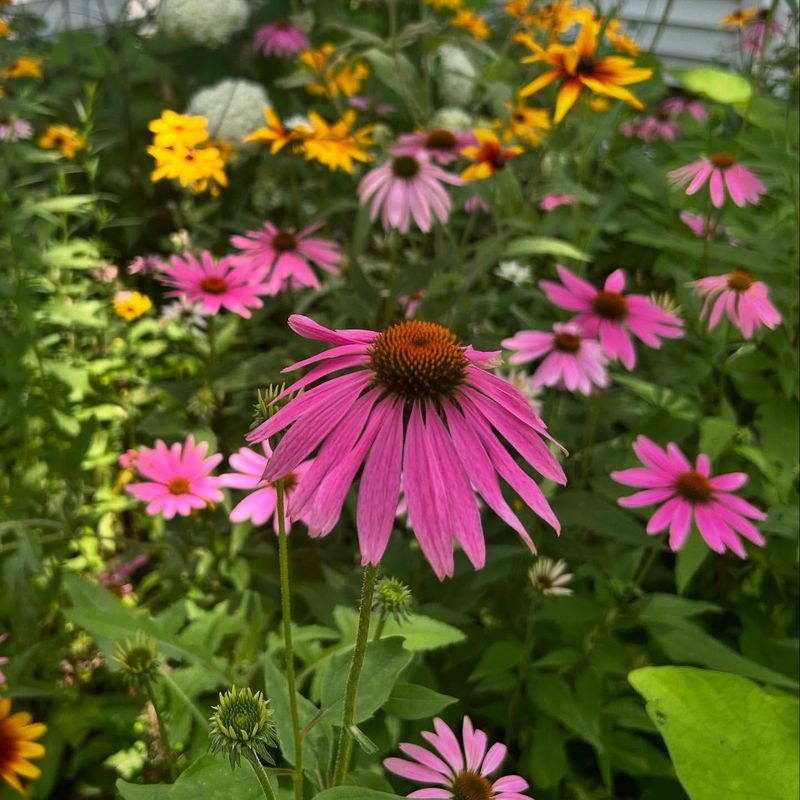
Phlox spreads happily across garden beds, creating carpets of pink that bloom for weeks.
Its sweet fragrance attracts butterflies and adds another layer of sensory pleasure to outdoor spaces.
Gardeners appreciate how it fills in gaps between larger plants without becoming invasive.
Coneflowers stand tall and proud, offering cheerful daisy-like blooms that last from summer into early autumn.
Their sturdy stems hold up well in storms, and their seed heads provide food for birds later in the season.
They tolerate drought better than many other perennials, making them ideal for low-maintenance gardens.
Dianthus brings a cottage garden charm with its fringed petals and spicy-sweet scent.
It blooms repeatedly if deadheaded regularly, giving gardeners plenty of fresh flowers to enjoy.
Its blue-green foliage looks attractive even when the plant is not in bloom.
All three perennials return year after year, reducing the need for replanting and saving money over time.
They establish strong root systems that help them survive harsh winters and hot summers.
Their reliability makes them favorites among both beginner and experienced gardeners.
Soft Pink Flowers For Shady Yards
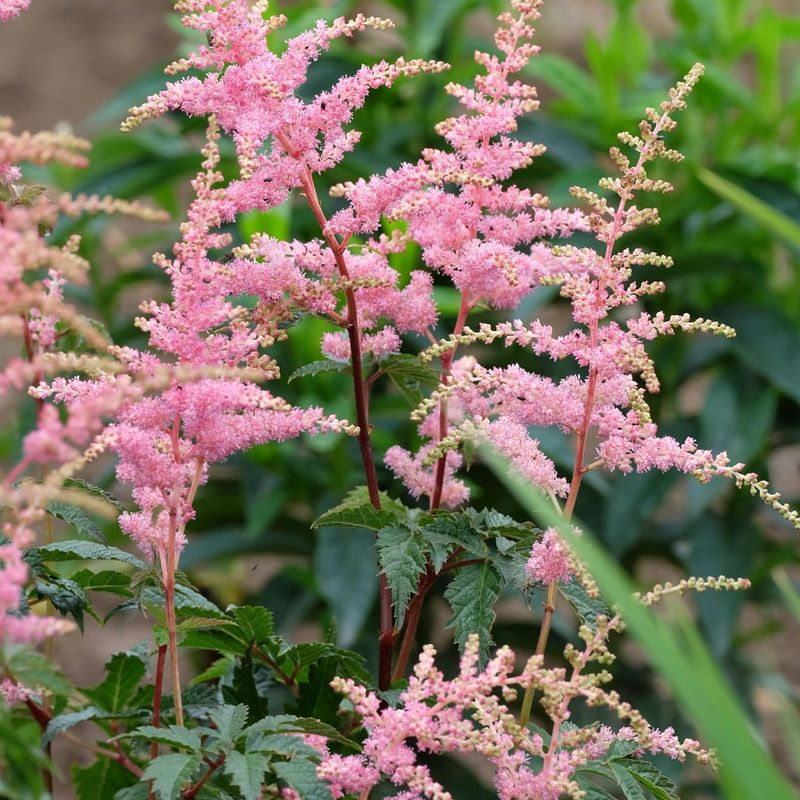
Astilbe thrives where many other flowers struggle, bringing feathery plumes of pink to shaded corners.
Its foliage remains attractive throughout the growing season, even after blooms fade away.
Gardeners with lots of tree cover rely on this plant to brighten areas that would otherwise feel dark and forgotten.
Bleeding heart offers unique, dangling flowers that look like tiny hearts hanging from arching stems.
Children love discovering these whimsical blooms tucked under trees and along shaded walkways.
The plant goes dormant in summer heat, but its spring show is unforgettable and worth the wait.
Both plants prefer moist, rich soil and reward gardeners who mulch well and water during dry spells.
They pair beautifully with hostas and ferns, creating layered shade gardens full of texture and interest.
Their soft pink tones feel calming and peaceful, perfect for quiet garden retreats.
Shade gardens often get overlooked in favor of sunny flower beds, but these plants prove otherwise.
They allow homeowners to make full use of every inch of their property.
Their gentle beauty complements the natural woodland feel many New Jersey yards naturally possess.
Classic Pink Roses That Can Handle Cold Winters
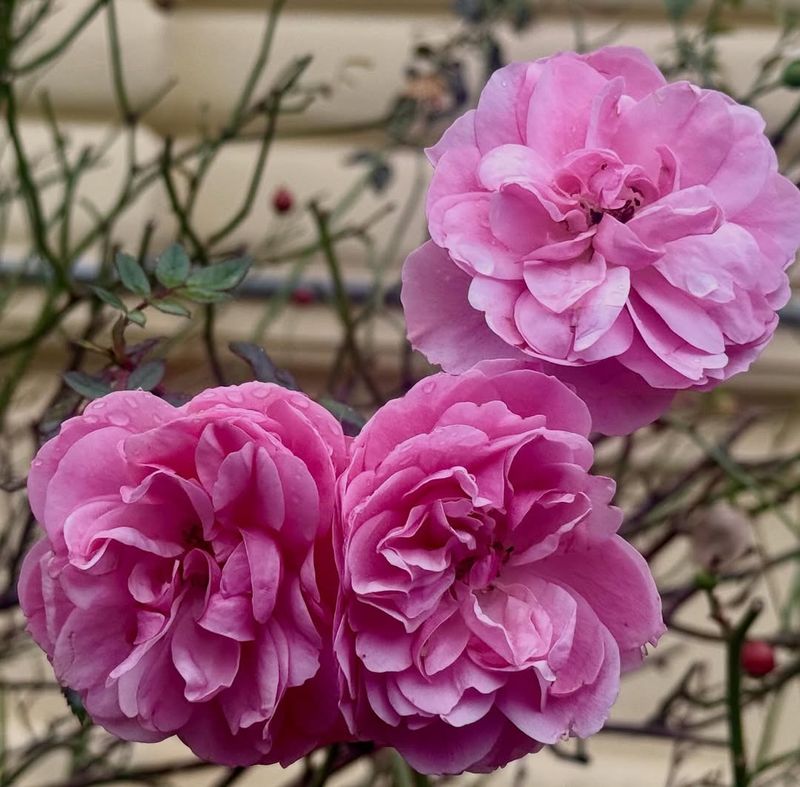
Knock Out roses changed the game for gardeners who love roses but hate complicated care routines.
These hardy shrubs bloom repeatedly from spring through fall without needing much attention.
Their disease resistance means less spraying and more time enjoying beautiful pink flowers.
Rugosa roses bring old-fashioned charm with crinkled petals and a wonderful fragrance that fills the air.
They tolerate salt spray, making them perfect for coastal New Jersey properties.
Their thick canes survive harsh winters, and they produce colorful hips that birds enjoy in colder months.
Climbing roses trained on trellises or fences create stunning vertical displays that draw the eye upward.
Many newer varieties bred for cold climates bloom on both old and new wood, ensuring flowers every year.
Their romantic appearance makes them popular for garden arches and mailbox posts.
Roses have a reputation for being fussy, but modern varieties prove that myth wrong.
With proper variety selection, New Jersey gardeners can enjoy classic rose beauty without constant worry.
Their timeless elegance adds sophistication to any pink garden design.
Pollinator Friendly Pink Blooms
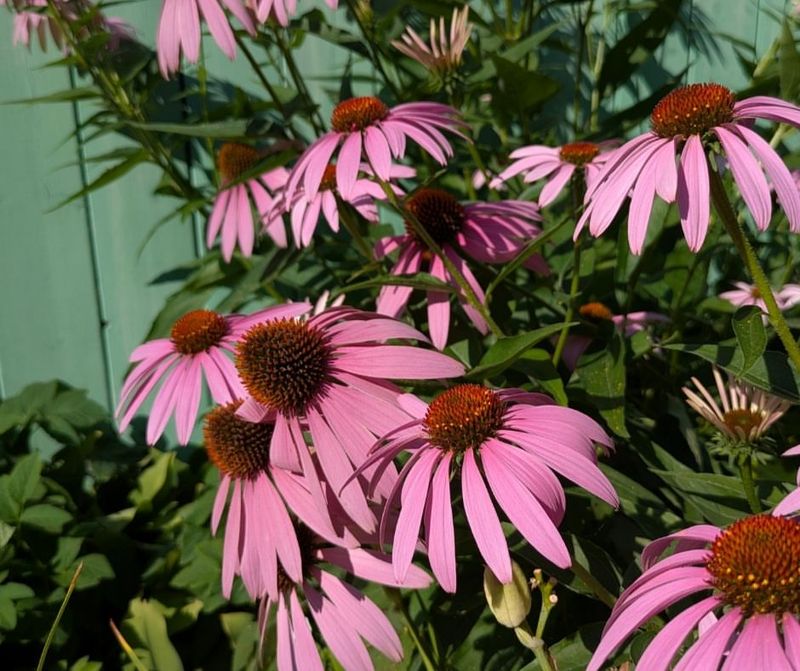
Coneflowers rank among the top choices for gardeners who want to support local bee populations.
Their open flower structure makes nectar easily accessible, and they bloom for months.
Bumblebees and honeybees visit them constantly, creating a lively, buzzing atmosphere in the garden.
Phlox attracts butterflies in impressive numbers, especially swallowtails and fritillaries.
Its tubular flowers provide the perfect landing platform for these delicate visitors.
Watching butterflies flutter from bloom to bloom adds movement and magic to outdoor spaces.
Both plants produce seeds that goldfinches and other songbirds feast on in late summer and fall.
Leaving seed heads standing through winter provides food when natural sources become scarce.
This simple act of not cutting everything back helps wildlife survive harsh months.
Creating pollinator-friendly gardens has become a priority for environmentally conscious homeowners.
Pink flowers that serve double duty as wildlife support make gardening feel meaningful and purposeful.
Neighborhoods filled with these plants become healthier ecosystems that benefit everyone living nearby.
Early Season Pink Favorites
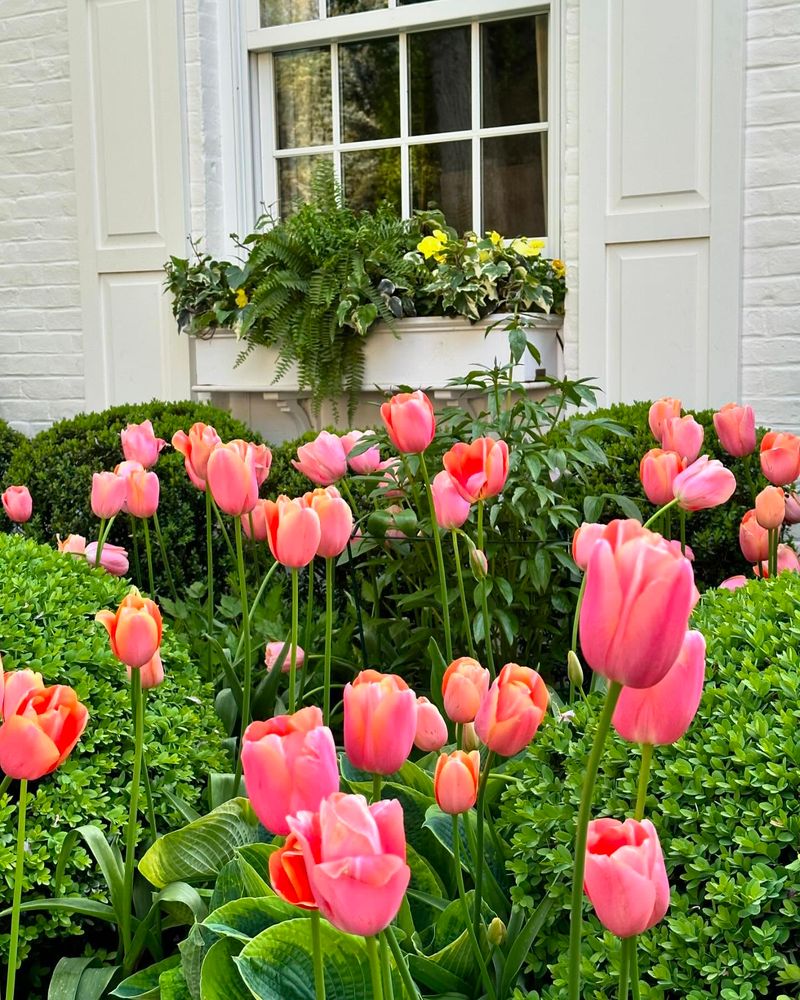
Tulips announce that winter has finally released its grip and warmer days are coming soon.
Their bright pink petals push through mulch and last-minute snow flurries with surprising determination.
Gardeners plant bulbs in fall, then wait eagerly for that first pop of color months later.
Flowering trees like cherry and crabapple varieties create breathtaking displays that entire neighborhoods notice.
Their branches become covered in pink blooms before leaves even emerge, maximizing visual impact.
Many families take annual photos under these trees, documenting their children growing alongside the blooms.
Early bloomers carry extra significance because they represent hope and renewal after long, gray winters.
They remind gardeners why they put in all the work during previous seasons.
Their arrival feels like a celebration worth sharing with friends and neighbors.
Planting early season pink flowers ensures the garden looks intentional and cared for from the very start.
They set a positive tone that carries through the rest of the growing year.
First impressions matter in gardens just as much as anywhere else in life.
Pink Flowers That Handle Rain And Moist Soil
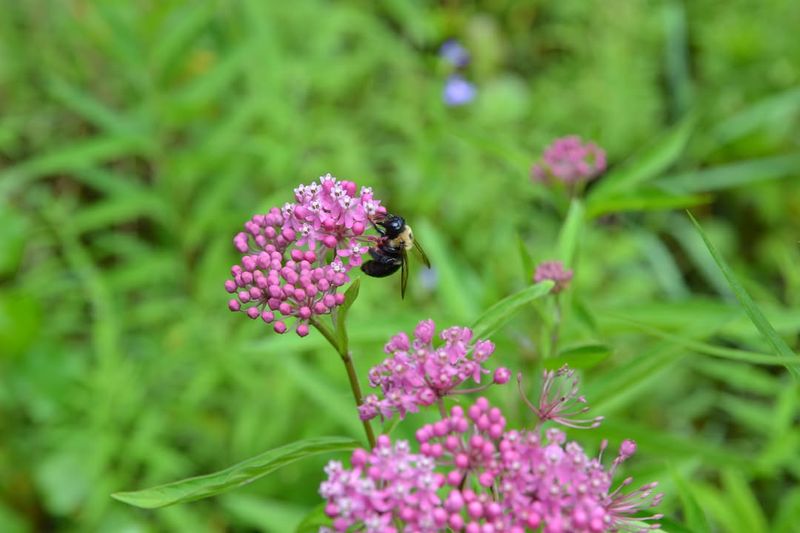
Hydrangeas actually prefer consistent moisture and perform beautifully in areas that stay slightly damp.
Their large leaves and abundant blooms require plenty of water to maintain their impressive size.
Gardeners with drainage challenges often turn to hydrangeas as a solution rather than fighting nature.
Geraniums tolerate wet feet better than many flowering plants, making them versatile choices.
They bloom reliably even during rainy stretches that cause other flowers to sulk or rot.
Their thick stems and waxy leaves shed water efficiently, preventing disease problems common in humid conditions.
New Jersey receives substantial rainfall, especially during spring and early summer months.
Choosing plants that thrive in these conditions creates gardens that look lush rather than bedraggled.
Fighting against natural moisture levels wastes time and money on plants doomed to struggle.
Moist-soil plants often grow larger and bloom more abundantly than their drought-tolerant cousins.
They create that full, overflowing garden look that makes neighborhoods feel established and welcoming.
Embracing local conditions rather than resisting them leads to healthier, happier gardens overall.
Mixing Light And Deep Pink Shades
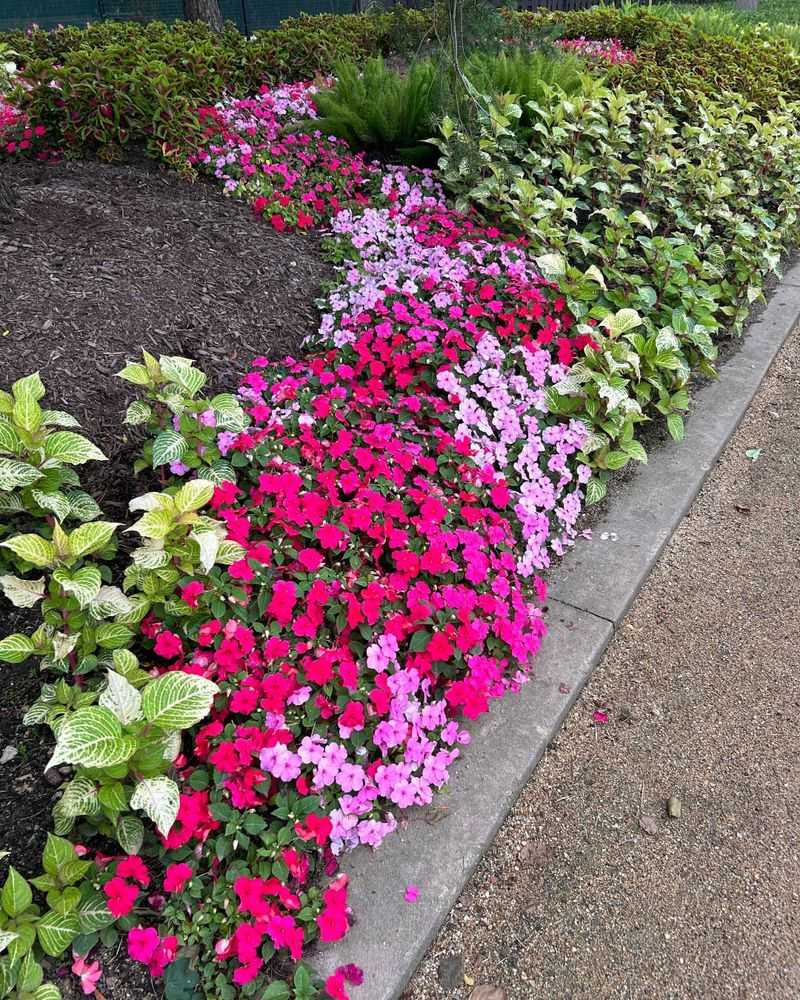
Combining pale blush tones with rich magenta creates depth that single-shade gardens cannot achieve.
The contrast draws the eye through the garden, making spaces feel larger and more interesting.
Gradual color transitions from light to dark feel natural and sophisticated rather than jarring.
Light pink flowers glow at dusk, extending the time gardens remain visually appealing each evening.
Deep pink blooms provide bold focal points that anchor designs and prevent everything from looking washed out.
Balancing these tones requires experimentation, but the results feel professionally designed.
Many gardeners worry about color clashing, but pink shades generally play well together.
The key lies in repeating certain tones throughout the space rather than scattering them randomly.
Grouping plants in odd numbers and layering heights creates harmony even with varied shades.
New Jersey gardens showcasing this approach feel curated yet comfortable, elegant without being stuffy.
They demonstrate that homeowners put thought into their designs while keeping things approachable.
This balance appeals to a wide range of tastes and makes entire neighborhoods more attractive.
Low Care Pink Flowers For Busy Homeowners
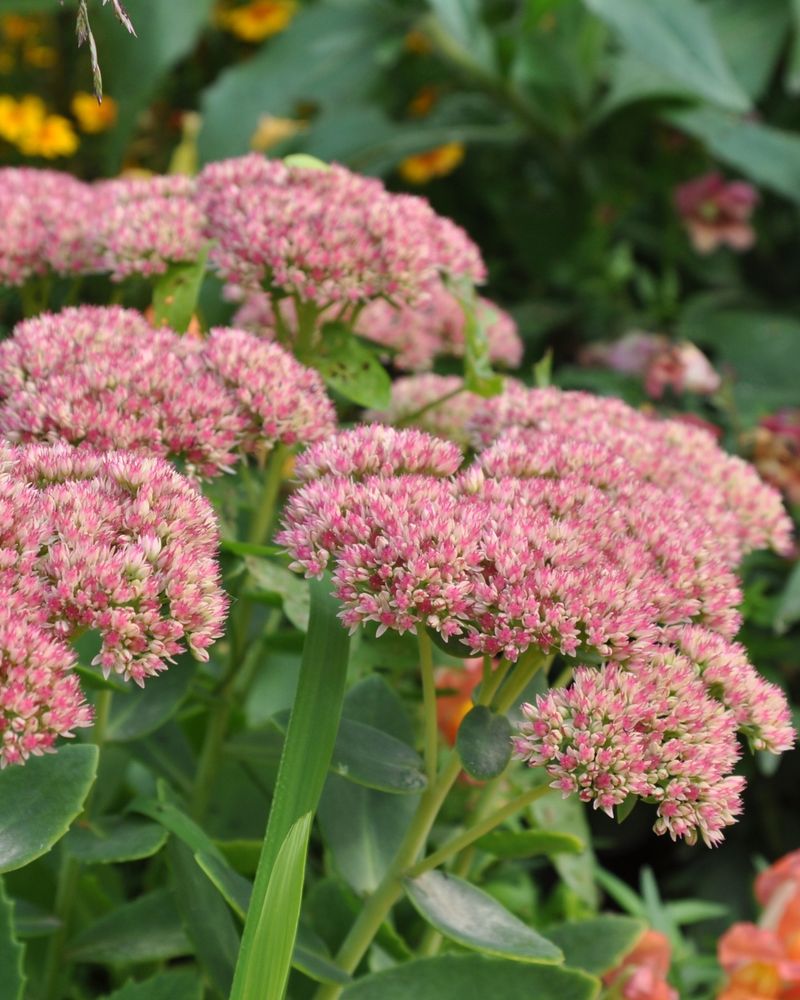
Sedum offers succulent foliage that stores water, meaning it survives neglect better than most garden plants.
Its late-season pink blooms arrive when many other flowers have finished, extending garden interest.
Butterflies flock to sedum in autumn, providing entertainment during a typically quieter gardening period.
Pink daylilies bloom reliably year after year with almost no intervention from gardeners.
Each flower lasts just one day, but plants produce so many buds that blooms continue for weeks.
Their grasslike foliage remains attractive even when flowers are absent, keeping gardens looking tidy.
Coreopsis spreads cheerfully without becoming aggressive, filling spaces with delicate pink blooms.
It tolerates poor soil, drought, and general neglect while still putting on a respectable show.
Deadheading encourages more flowers, but even without it, the plant performs admirably.
Busy families need gardens that look good without demanding constant attention and weekend labor.
Low-care plants allow homeowners to enjoy outdoor beauty without guilt when life gets hectic.
These reliable performers prove that stunning gardens do not require professional-level commitment or expertise.
The Cozy Cottage Feel Everyone Loves
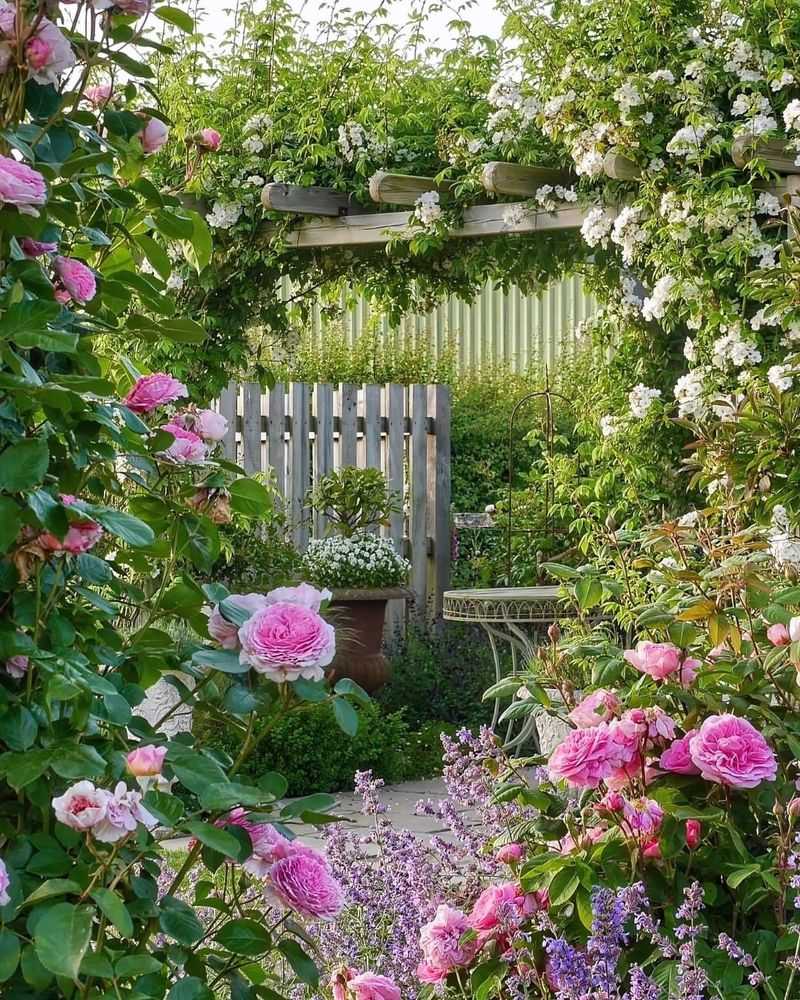
Cottage gardens feel informal and welcoming, like stepping into a storybook where flowers spill over paths.
Pink blooms are essential to this aesthetic, softening hard edges and creating romantic, dreamy spaces.
Mixing different plant heights and textures mimics English country gardens that have inspired homeowners for generations.
This style encourages abundance rather than rigid structure, making gardens feel generous and lived-in.
Flowers tumbling over borders and self-seeding in unexpected places add charm that formal designs lack.
Homeowners appreciate how cottage gardens hide imperfections and feel forgiving to novice gardeners.
Pink flowers contribute warmth that cooler colors cannot match, making properties feel inviting from the street.
They soften architectural lines and help newer homes blend into established neighborhoods.
Real estate experts consistently note that cottage-style landscaping increases buyer interest and home values.
The pink garden trend spreading through New Jersey neighborhoods taps into universal desires for beauty and comfort.
It represents a return to simpler pleasures and a rejection of overly manicured, sterile landscapes.
Gardens filled with pink blooms create communities that feel friendly, approachable, and genuinely delightful to call home.