The 7 Places North Carolina Gardeners Should Never Plant Azaleas
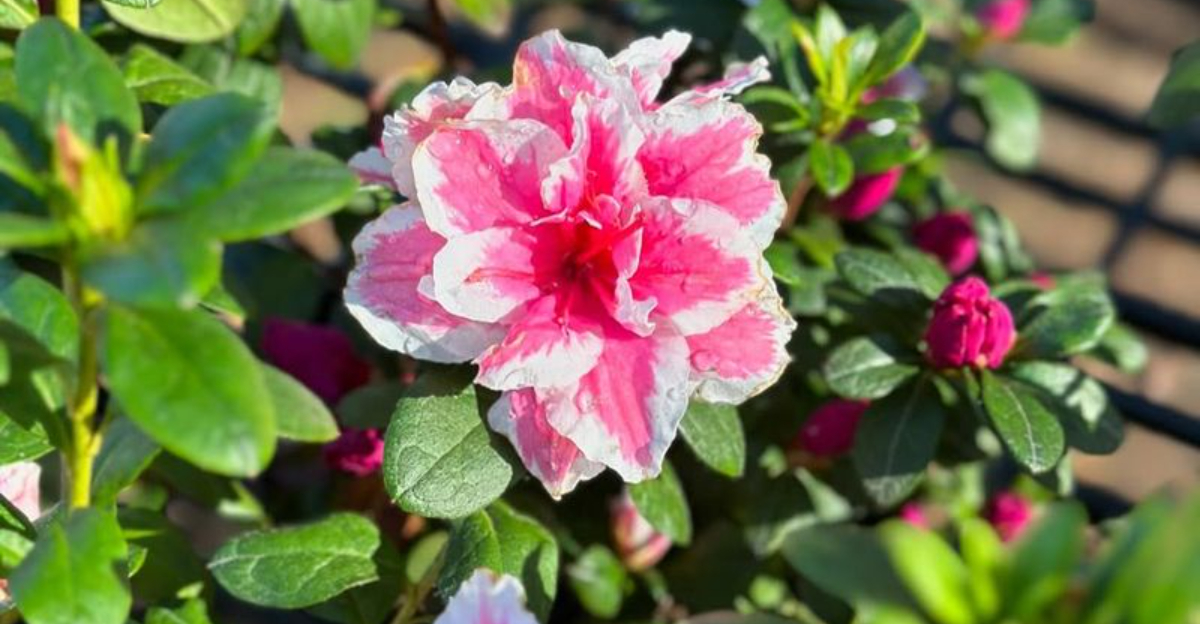
I still remember the first time I planted azaleas in my North Carolina garden. They looked perfect in the sun-soaked corner I had chosen, until they started struggling.
That’s when I learned the hard way that where you plant azaleas matters just as much as how you care for them. Many gardeners unknowingly put these beautiful shrubs in spots that stunt their growth, expose them to disease, or drain their vibrancy.
Azaleas have preferences for soil, sunlight, and drainage, and ignoring these can turn a promising planting into a frustrating struggle. Knowing the right and wrong places to plant them helps your garden flourish while keeping maintenance low.
Planting azaleas in the wrong spot could cost you more than time. It could cost you a season of beauty you will never get back.
1. Full, Intense Sun Exposures
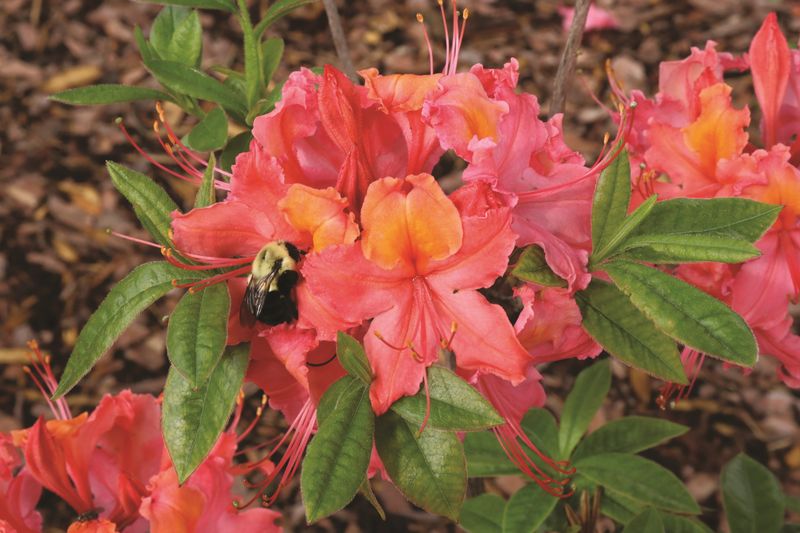
Azaleas prefer dappled shade and gentle morning light rather than blazing afternoon sun. When planted in spots that receive more than six hours of direct sunlight daily, their delicate leaves often develop brown, crispy edges that detract from their beauty.
The intense heat causes moisture to evaporate quickly from both soil and foliage, leaving plants stressed and struggling.
North Carolina summers can be particularly brutal, with temperatures soaring into the nineties during peak growing season. Azaleas exposed to relentless sun often produce fewer blooms and smaller flowers than their shaded counterparts.
The vibrant colors you expect may appear washed out or faded under harsh rays. Even well-watered azaleas suffer when positioned in full sun locations.
The combination of heat and light intensity overwhelms their natural preferences for cooler, protected environments. Their shallow root systems cannot absorb water fast enough to compensate for the increased evaporation rates.
Consider planting your azaleas on the north or east side of your property where they receive morning sun but afternoon shade. This positioning mimics their native woodland habitat and promotes healthier growth patterns.
Your plants will reward you with lush foliage and spectacular spring blooms when given the filtered light they truly need.
2. Heavy Clay Soils With Poor Drainage
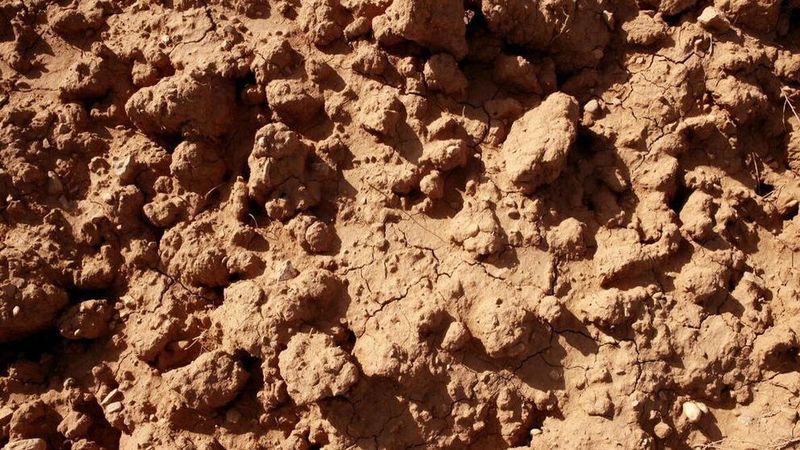
Clay soil presents one of the most challenging conditions for azaleas because it holds water far too long after rain or irrigation. Waterlogged roots cannot access the oxygen they need to function properly, leading to root stress and eventual decline.
Azaleas evolved in acidic, well-draining forest soils that allow water to percolate through quickly while retaining just enough moisture. North Carolina gardeners often encounter heavy clay, especially in the Piedmont region.
When you dig a planting hole in clay soil, it essentially becomes a bathtub that collects and holds water. Azalea roots sitting in this soggy environment begin to struggle within weeks of planting.
The pH level of clay soils also tends to be higher than azaleas prefer. These acid-loving plants thrive in soil with a pH between 4.5 and 6.0, but many clay soils test closer to neutral or slightly alkaline.
This pH mismatch prevents roots from absorbing essential nutrients like iron, causing yellowing leaves and poor growth.
Before planting azaleas in clay soil, amend the area extensively with organic matter, pine bark, and sulfur to improve drainage and lower pH. Alternatively, consider creating raised beds filled with proper acidic soil mix.
These modifications require effort upfront but ensure your azaleas establish strong, healthy root systems that support years of beautiful blooms.
3. Near Foundations With Limited Airflow
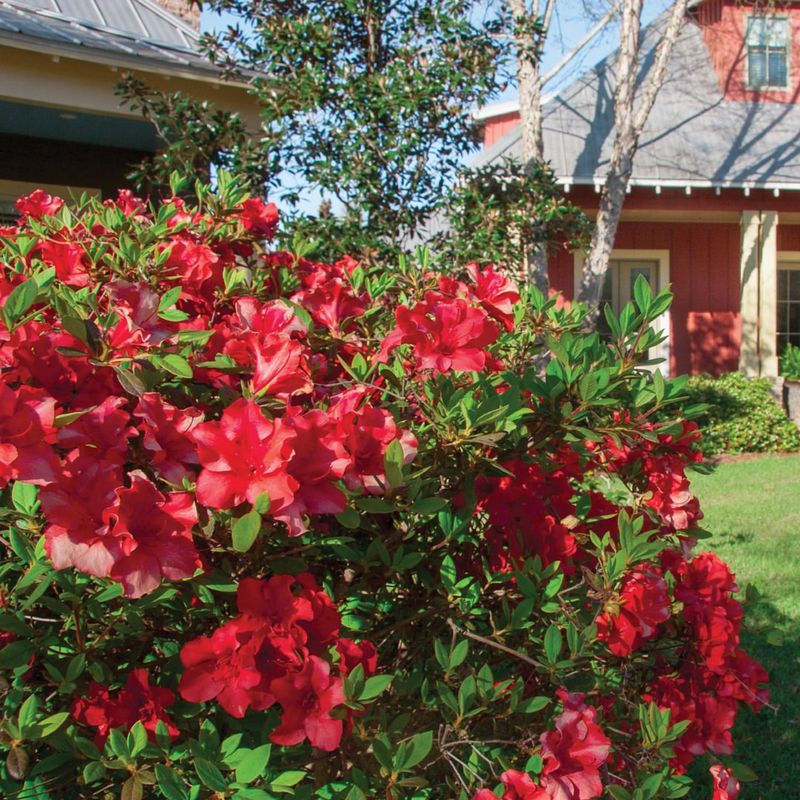
Planting azaleas right against your home’s foundation might seem like an attractive landscaping choice, but this location creates multiple problems.
Buildings radiate heat absorbed during the day, creating a microclimate that stays warmer than surrounding areas.
This trapped warmth combined with restricted air circulation creates conditions that stress azaleas and encourage fungal diseases.
Foundation plantings often lack proper air movement because walls block prevailing breezes. Stagnant air allows moisture to linger on leaves and stems, providing perfect conditions for diseases like petal blight and leaf spot.
These fungal issues spread rapidly when foliage remains damp for extended periods without adequate airflow to dry surfaces.
The eaves of your home may also prevent adequate rainfall from reaching plants positioned too close to the structure. Azaleas tucked against foundations often receive significantly less natural moisture than those planted several feet away.
This rain shadow effect means you must water more frequently, yet the poor air circulation prevents soil from drying properly between waterings.
Position azaleas at least three to four feet away from building walls to ensure proper air circulation and natural rainfall access. This spacing allows breezes to flow around plants, reducing disease pressure while giving roots room to spread.
Your azaleas will develop fuller, healthier shapes when given adequate space rather than being squeezed against structures.
4. Next To Large Trees With Dense Canopy
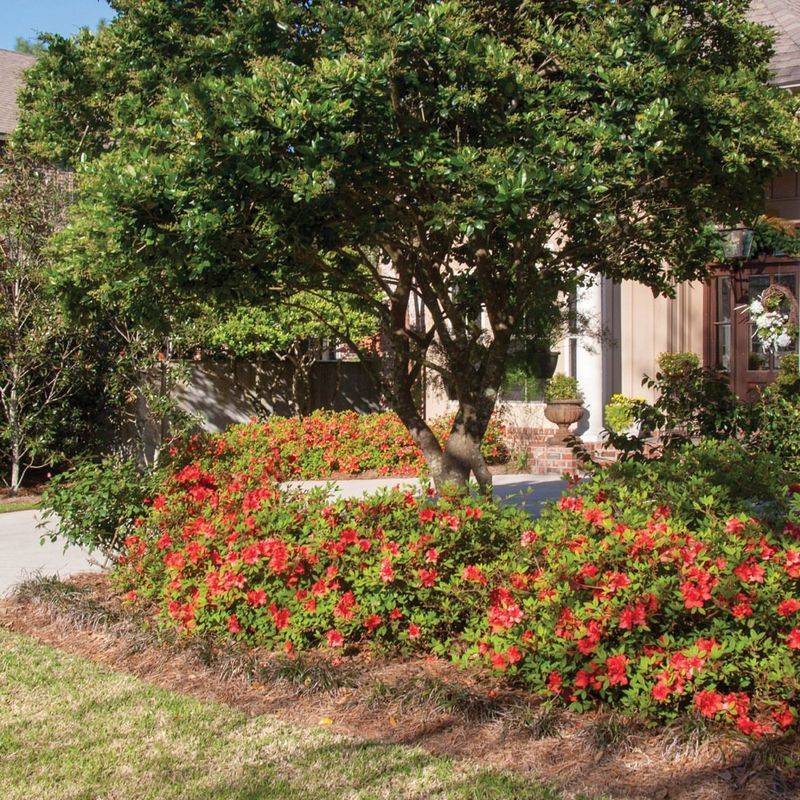
Mature oaks, maples, and other large shade trees might seem like ideal companions for azaleas, but the competition beneath their canopies can be fierce.
Established trees develop extensive root systems that dominate the soil, absorbing most available water and nutrients before azalea roots can access them.
This underground battle leaves your flowering shrubs struggling to get what they need for healthy growth.
Dense tree canopies create deep shade that goes beyond the dappled light azaleas prefer. While these shrubs need protection from intense sun, they still require enough light to produce abundant flower buds.
Too much shade results in leggy growth, sparse foliage, and disappointing bloom displays each spring.
The constant rain of leaves, twigs, and tree debris also creates maintenance challenges. Fallen material can smother azalea foliage and alter soil pH as it decomposes.
Some trees, particularly black walnuts, release chemicals that actively inhibit the growth of nearby plants, making them especially poor neighbors for azaleas.
Choose planting locations away from the drip line of large trees, or select spots beneath smaller ornamental trees with lighter canopies. Dogwoods, redbuds, and Japanese maples provide ideal filtered shade without overwhelming root competition.
Your azaleas will flourish with more consistent access to resources and appropriate light levels for robust flowering.
5. Low-Lying Frost Pockets
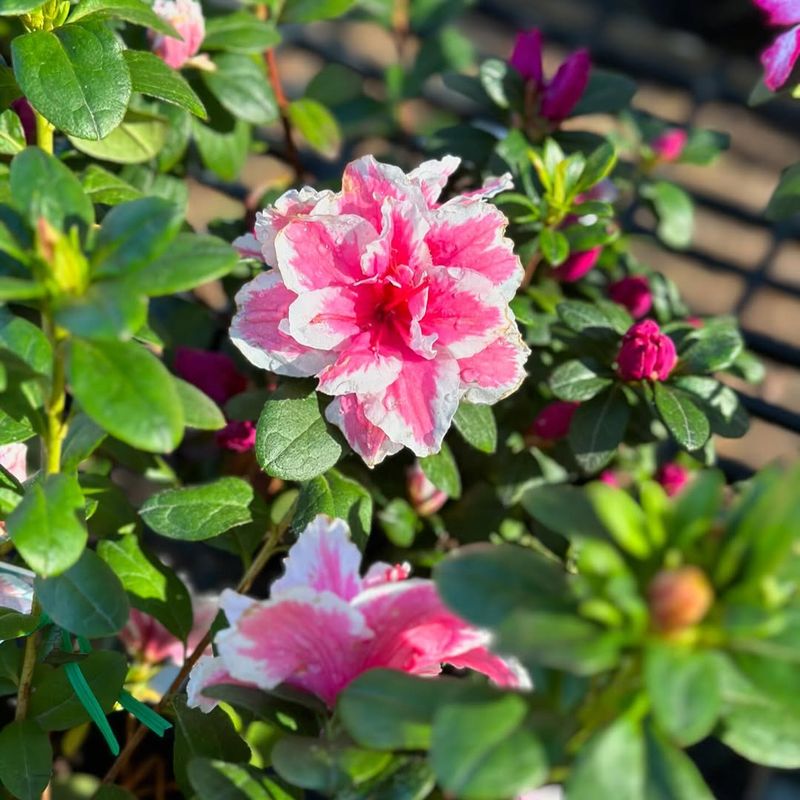
Cold air behaves like water, flowing downhill and settling in the lowest points of your landscape. These depression areas become frost pockets where temperatures drop several degrees lower than surrounding higher ground.
Azaleas planted in these cold zones face significantly greater risk of frost damage, especially to their tender early spring blooms and new growth.
North Carolina gardeners know that spring weather can be unpredictable, with warm spells followed by sudden freezes. Azaleas naturally begin blooming in response to warming temperatures, but late frosts can devastate flowers that have already opened.
When planted in low spots, the damage becomes even more severe because cold air concentrates there for longer periods.
Young shoots and flower buds are particularly vulnerable to freezing temperatures. A single night of frost in a low-lying area can turn beautiful blooms brown and mushy, ruining your spring display.
The tender new growth that emerges after flowering also suffers damage when exposed to lingering cold in frost pockets.
Survey your property on a frosty morning to identify where cold air settles. Plant azaleas on gentle slopes or raised areas where cold air drains away naturally.
Avoid valleys, hollows, and the lowest spots in your yard. This strategic placement protects your investment and ensures you enjoy the full glory of azalea blooms without heartbreaking frost damage.
6. Close To Driveways Or Walkways With Salt Exposure
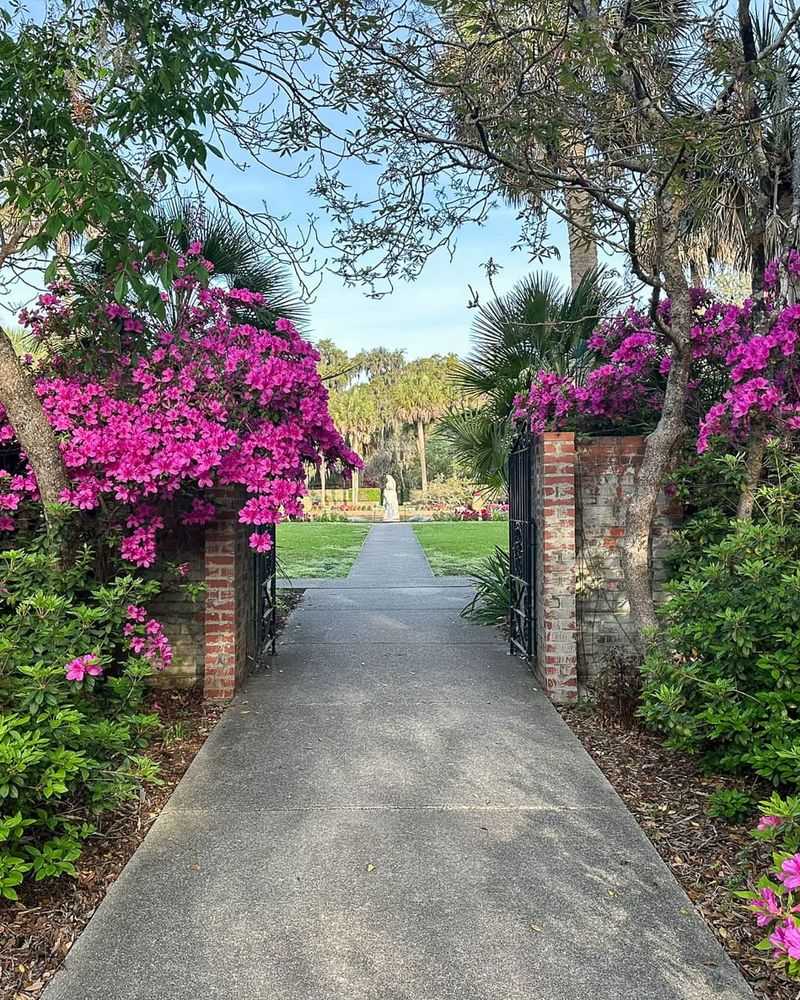
Winter deicing products make sidewalks and driveways safer for people, but they create hazardous conditions for nearby azaleas. Rock salt and chemical deicers dissolve in melting snow and ice, then splash or run off onto adjacent planting beds.
These salts accumulate in soil and on foliage, causing damage that may not become apparent until spring when plants should be thriving.
Salt exposure burns azalea leaves, creating brown tips and margins that look similar to drought stress. The sodium in deicing products also disrupts the soil structure and interferes with the plant’s ability to absorb water and essential nutrients.
Even salt-tolerant plants struggle with heavy exposure, and azaleas are particularly sensitive to these harsh chemicals.
Runoff from treated surfaces carries salt deep into the root zone where it persists for months. Accumulated salts draw moisture away from roots through osmosis, essentially dehydrating plants even when adequate water is present.
This invisible damage weakens azaleas and makes them more susceptible to other stresses and diseases.
Position azaleas at least six to eight feet away from any paved surfaces that receive winter salt treatments. If you must plant near walkways, consider using salt-tolerant alternatives or creating a physical barrier to redirect runoff.
Better yet, switch to sand, kitty litter, or plant-friendly deicing products that protect both your safety and your landscape investments.
7. Areas With High Wind Exposure
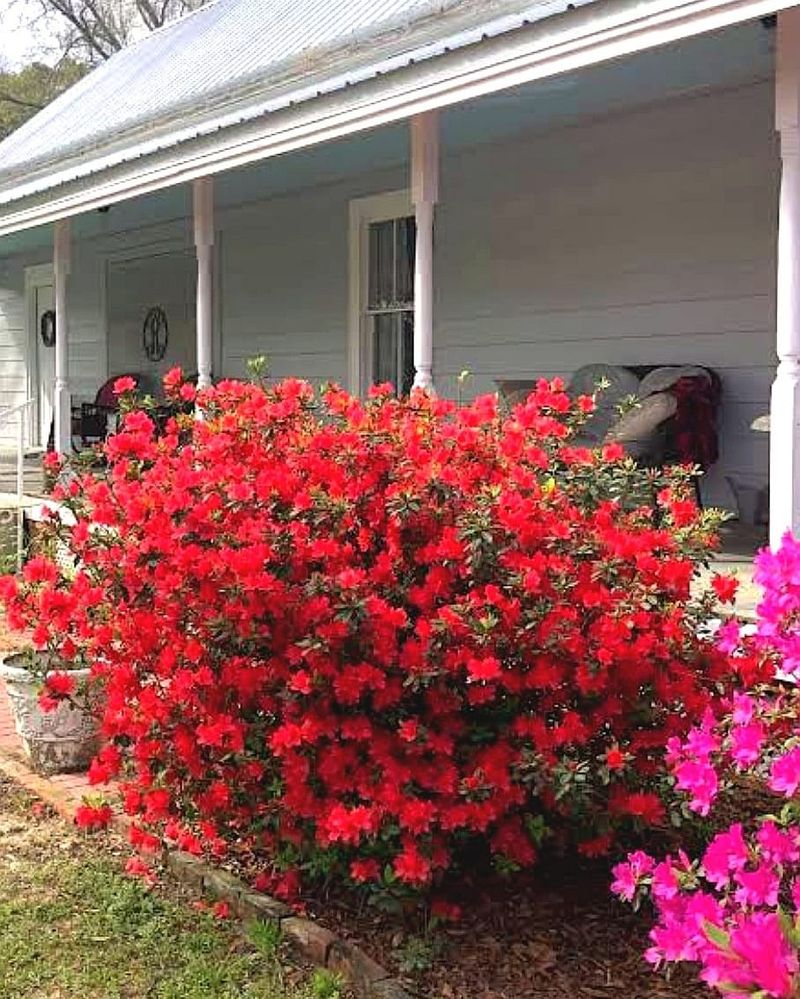
Constant wind creates invisible stress that slowly weakens azaleas over time. Strong breezes pull moisture from leaves faster than roots can replace it, leaving foliage dry and brittle despite adequate soil moisture.
Wind-exposed plants develop a weathered appearance with torn leaves and broken branches that detract from their ornamental value.
North Carolina’s varied topography creates wind corridors in many landscapes. Hilltops, open fields, and gaps between buildings funnel breezes into concentrated streams that batter plants positioned in their path.
Azaleas have relatively brittle wood and shallow root systems, making them particularly vulnerable to wind damage.
Winter winds prove especially harsh, desiccating evergreen azalea varieties when frozen ground prevents roots from absorbing replacement moisture. The combination of cold temperatures and drying winds can cause significant foliage browning and branch dieback.
Even deciduous varieties suffer when spring winds damage tender new growth and delicate flowers.
Scout your property for naturally protected areas that receive shelter from prevailing winds. Locations on the leeward side of structures, fences, or established evergreen plantings provide ideal wind protection.
You can also create windbreaks using taller shrubs or small trees positioned to shield azaleas from harsh breezes.
Protected azaleas maintain healthier foliage, stronger branches, and more abundant blooms than their wind-battered counterparts struggling in exposed locations.