The Plant Covering Mistake Minnesota Homeowners Repeat Each Year

As winter settles in, many Minnesota homeowners reach for plant covers without realizing one small mistake keeps happening year after year.
Cold nights, shifting temperatures, and trapped moisture often turn protection into stress instead of relief for plants.
That repeated misstep can quietly weaken plants long before spring arrives, even when the intention is to help them survive.
Understanding why this happens is the first step toward keeping plants healthier through Minnesota’s toughest winter stretches.
1. Covering Plants Too Early And Trapping Moisture All Winter
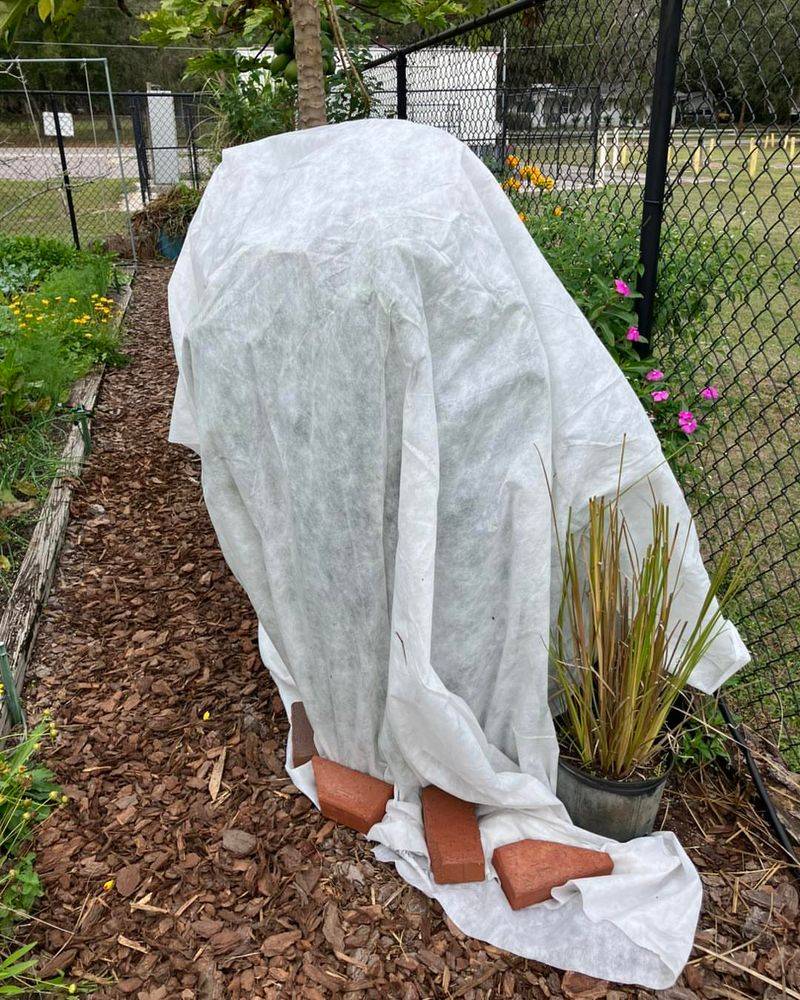
Homeowners in Minnesota often rush to cover tender plants the moment they hear a frost warning on the local news forecast.
This eagerness creates a serious problem because warm autumn days still happen frequently, causing condensation to form under the protective material.
Moisture gets trapped inside the covering, creating a humid environment that encourages fungal growth and rot on leaves and stems.
Plants need time to harden off naturally as temperatures gradually drop, which prepares them for the long cold season ahead successfully.
Covering too early interrupts this natural process and leaves plants weak and vulnerable to damage from winter’s harshest conditions later.
Experts recommend waiting until after several hard frosts have occurred before adding any protective layers to your Minnesota perennial garden beds.
Patience allows plants to enter dormancy properly, which is their natural defense mechanism against freezing temperatures and harsh winter weather patterns.
Early covering also attracts pests seeking warm shelter, adding another layer of potential problems to already stressed plants in gardens.
2. Why Minnesota’s Freeze–Thaw Cycles Make This Mistake Worse
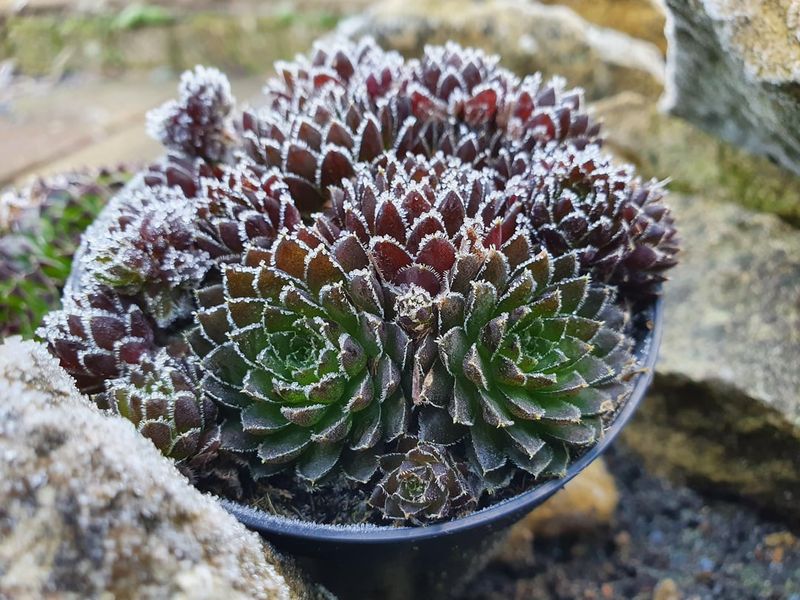
Minnesota experiences unique weather patterns where temperatures swing wildly between freezing nights and surprisingly mild days throughout late fall and spring.
These freeze-thaw cycles cause soil to expand and contract repeatedly, which can push plant roots upward and expose them to air.
Covered plants face even greater stress because the material traps warmth during sunny days, accelerating the thawing process underneath the covering.
When night falls and temperatures plummet again, that trapped moisture freezes solid, forming ice crystals that damage delicate plant cell walls.
This repeated expansion and contraction weakens stems and roots far more than steady cold temperatures would throughout the entire winter season.
Plants that remain uncovered actually fare better because they stay consistently frozen without experiencing dramatic temperature fluctuations under artificial barriers.
The state’s unpredictable climate makes timing and method of protection absolutely critical for successful overwintering of sensitive perennials and small shrubs.
Understanding local weather patterns helps Minnesota gardeners make smarter decisions about when and how to protect their valuable landscape investments properly.
3. How Fabric And Plastic Covers Create Hidden Rot Problems
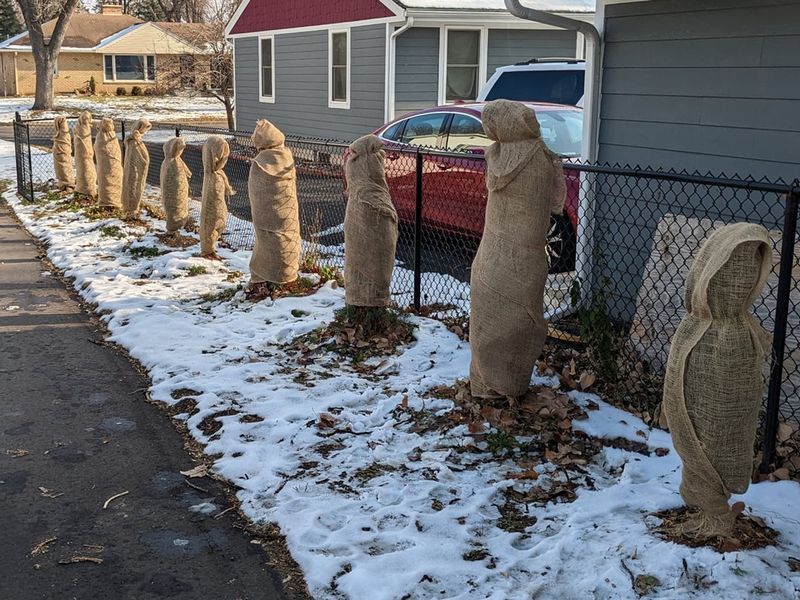
Burlap, landscape fabric, and plastic sheeting seem like perfect solutions for protecting plants from bitter cold winds and heavy snow accumulation.
Unfortunately, these materials create a sealed environment where moisture cannot escape, especially during Minnesota’s occasional warm spells between major snowstorms.
Water vapor from soil and any precipitation that seeps underneath gets trapped, creating a greenhouse effect that promotes bacterial and fungal growth.
Rot begins at the crown of plants where stems meet soil, often going unnoticed until spring when gardeners remove coverings.
By then, significant damage has already occurred, and plants may struggle to recover or fail to emerge from dormancy entirely.
Plastic is particularly problematic because it allows absolutely no air circulation, suffocating roots and creating perfect conditions for disease development overnight.
Even breathable fabrics can cause issues when they become wet and freeze against plant tissue, causing cold damage and rot simultaneously.
Minnesota gardeners should inspect any covered plants periodically during winter thaws to check for signs of moisture accumulation or early rot.
4. What Happens To Plants That Can’t Breathe Under Snow
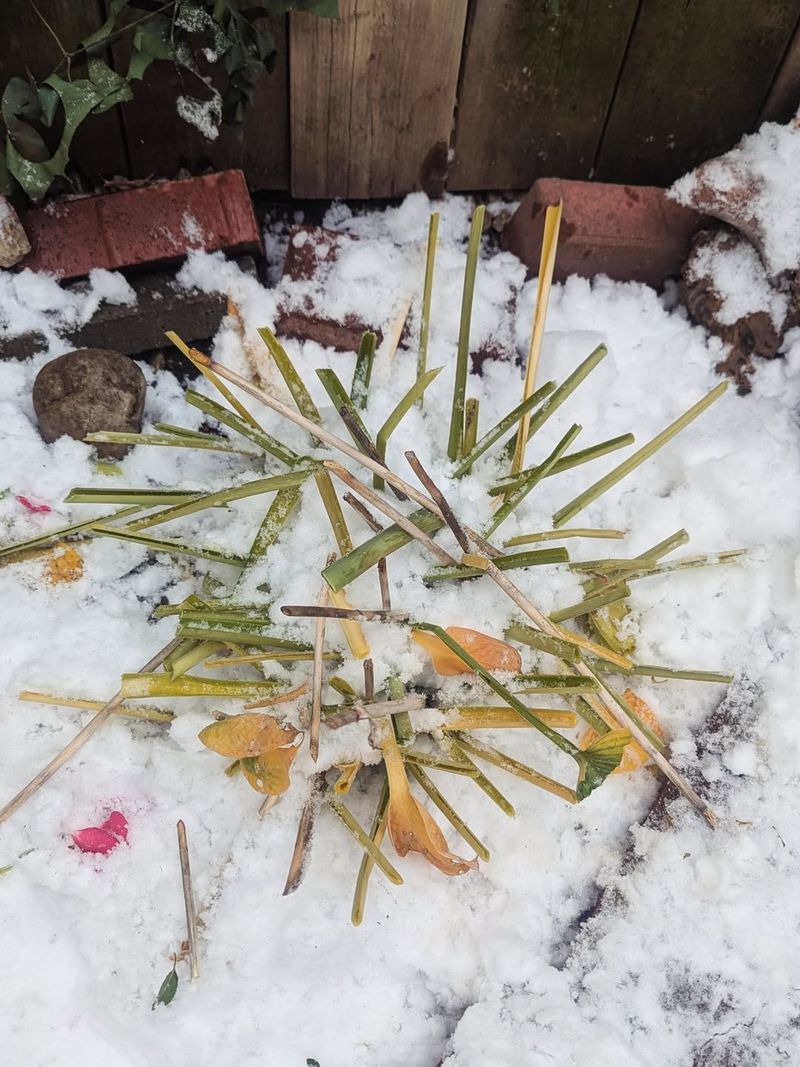
Snow acts as natural insulation for dormant plants, providing protection while still allowing some air exchange through its crystalline structure naturally.
However, when homeowners add artificial covers before snowfall, they create an impermeable barrier that blocks this essential air circulation completely.
Plants continue minimal respiration even during dormancy, requiring small amounts of oxygen to maintain basic cellular functions throughout the cold months.
Without adequate air flow, carbon dioxide builds up around plant tissues while oxygen levels drop dangerously low in the confined space.
This suffocation stress weakens plants significantly, making them more susceptible to disease, pest damage, and failure to break dormancy come springtime.
Minnesota’s heavy snow loads compound this problem by pressing covers tightly against plants, further restricting any possibility of air movement underneath.
Evergreens are especially vulnerable because they maintain active foliage year-round and need consistent air exchange even during the coldest winter periods.
Allowing snow to cover plants directly without artificial barriers underneath provides better protection and healthier outcomes for most hardy perennial species.
5. Why Cold Air Is Less Harmful Than Trapped Warmth
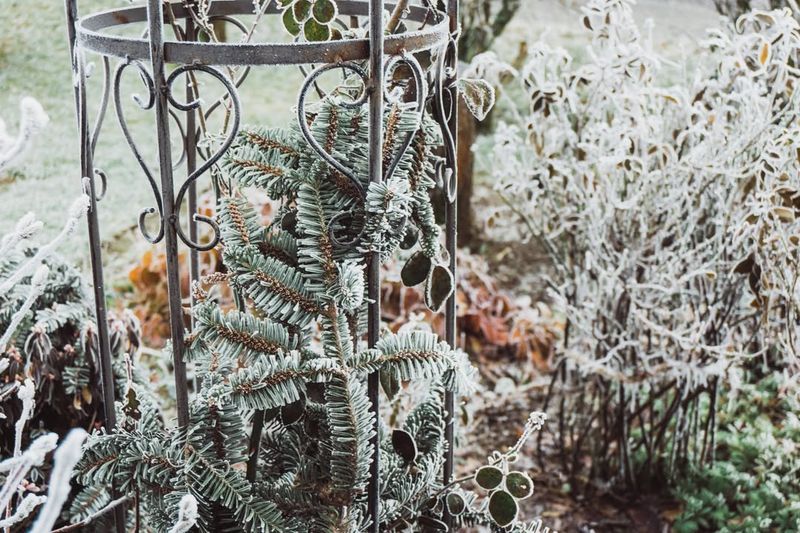
Most perennials and shrubs recommended for Minnesota gardens are already adapted to survive extremely cold temperatures without any additional human intervention.
These hardy plants have evolved mechanisms to protect their cells from freezing, including producing natural antifreeze compounds and reducing water content.
Consistent cold temperatures signal plants to remain dormant, conserving energy and avoiding premature growth that could result in serious frost damage.
Covers that trap warmth during sunny winter days confuse plants, sometimes triggering early bud break or encouraging sap flow too soon.
When temperatures inevitably drop again, this new tender growth gets damaged far worse than if the plant had remained consistently cold.
Cold air itself rarely harms properly hardened plants, but fluctuating temperatures and excess moisture cause the majority of winter damage problems.
Minnesota gardeners achieve better results by choosing appropriate plant varieties for their hardiness zone rather than trying to protect marginally hardy specimens.
Trusting plants’ natural cold tolerance and avoiding unnecessary covering leads to healthier, more vigorous growth when spring finally arrives in gardens.
6. The Difference Between Protection And Suffocation
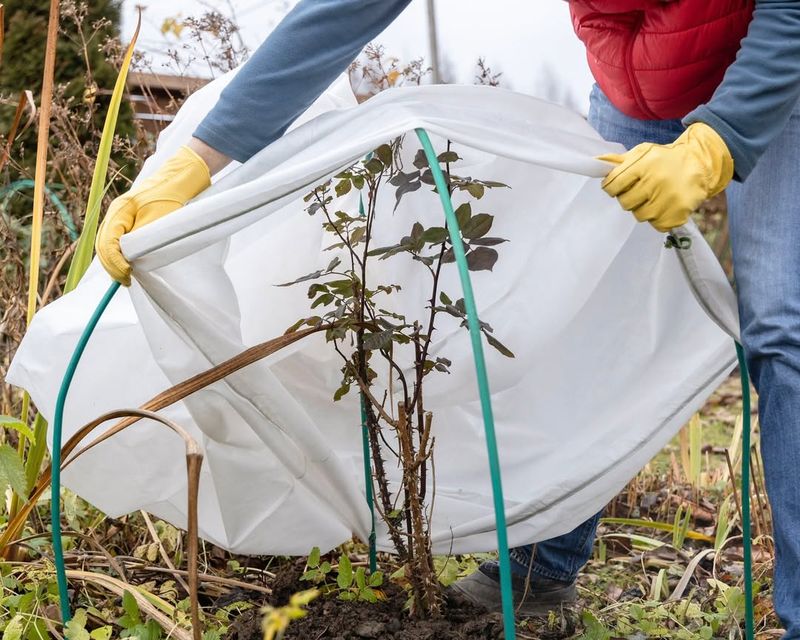
Effective winter protection works with plants’ natural dormancy rather than trying to shield them completely from all environmental conditions and temperature changes.
The goal should be preventing extreme temperature swings and wind desiccation while still allowing plants to experience normal seasonal cold periods.
Suffocation occurs when covers are too tight, too early, or made from non-breathable materials that trap moisture and restrict airflow entirely.
Protection means providing just enough shelter to moderate harsh conditions without creating an artificial microclimate that disrupts natural dormancy cycles completely.
Minnesota gardeners should focus on protecting plant roots with mulch rather than wrapping above-ground portions in layers of fabric or plastic.
A thick layer of shredded leaves, straw, or wood chips insulates soil, prevents heaving, and allows plants to breathe freely.
Windbreaks made from stakes and burlap positioned around plants rather than wrapped directly against them provide protection without suffocation risks present.
Understanding this crucial distinction helps homeowners avoid common mistakes and gives plants the best chance of surviving winter in excellent condition.
7. When Plant Covering Actually Makes Sense In Minnesota

Certain situations genuinely warrant protective covering, particularly for newly planted trees and shrubs that haven’t established strong root systems yet.
Young evergreens benefit from windbreaks that shield them from desiccating winter winds without wrapping foliage tightly or trapping moisture around needles.
Marginally hardy plants that you’re testing in your Minnesota garden might need extra protection, though it’s often better to choose hardier alternatives.
Roses, particularly hybrid teas and floribundas, often require mounding soil around their base and adding loose mulch for crown protection.
However, even with roses, the protection should focus on insulating roots and crown rather than wrapping entire plants in impermeable materials.
Container plants that cannot be moved indoors need insulation around pots to prevent roots from freezing solid in the confined space.
Tender perennials that you hope will survive as annuals might justify covering during brief cold snaps in early fall or spring.
The key in Minnesota is using protection sparingly, appropriately, and removing it promptly when conditions improve to prevent more harm than good.
8. What To Do Instead To Protect Plants Without Damage
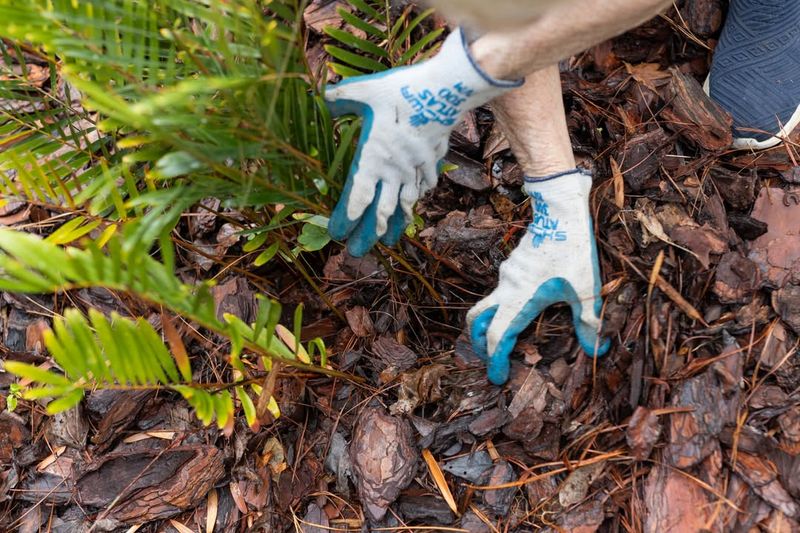
Focus your energy on building healthy soil and choosing plants rated for Minnesota’s hardiness zones rather than relying on artificial winter protection.
Apply a generous layer of organic mulch after the ground freezes to insulate roots, prevent heaving, and maintain consistent soil temperatures.
Water plants thoroughly before the ground freezes to ensure they enter winter well-hydrated, which helps them withstand cold and wind stress better.
Prune dead or damaged branches in late fall to prevent disease spread, but avoid heavy pruning that might stimulate new growth.
Leave perennial foliage standing through winter to catch snow, provide wildlife habitat, and protect crowns naturally without artificial materials needed.
For evergreens, apply anti-desiccant spray to reduce moisture loss through needles during Minnesota’s harsh, dry winter winds and bright sunshine.
Create temporary windbreaks using stakes and burlap positioned several inches away from plants rather than wrapped tightly against tender branches and foliage.
Trust that properly selected and established plants will survive Minnesota winters beautifully without excessive intervention or covering that causes more problems.