The Plant North Carolina Gardeners Should Start In Late Winter For Healthier Soil Next Season
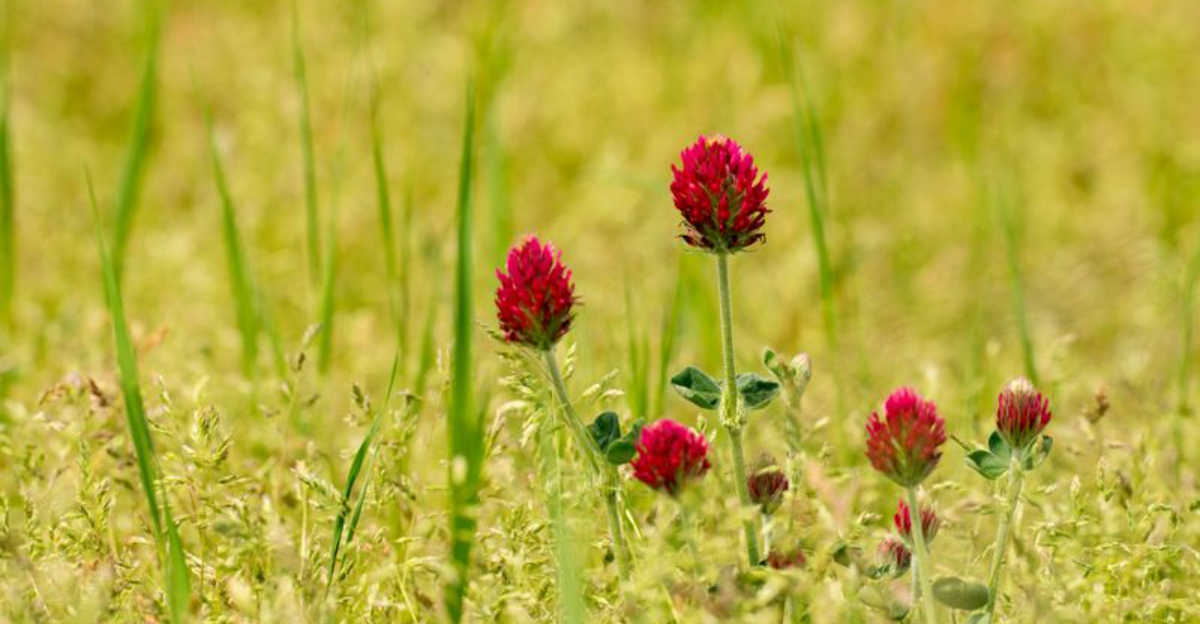
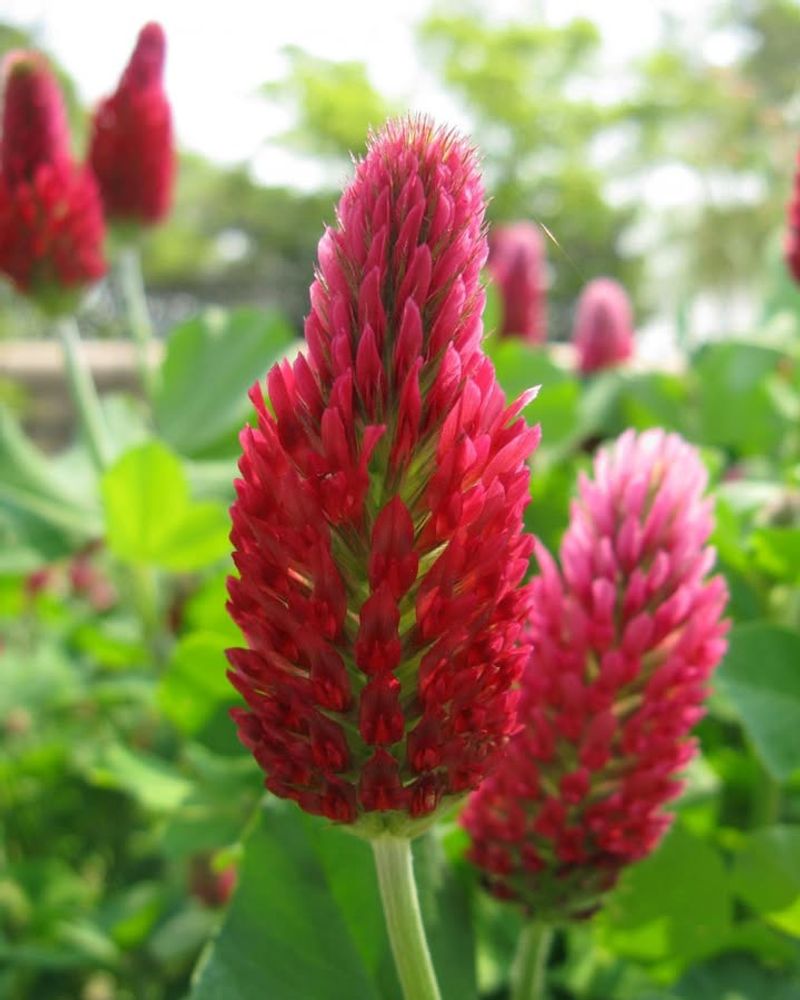
Crimson clover is a beautiful plant that can transform your garden soil while adding bright red blooms to your winter landscape each year.
North Carolina gardeners who plant this cover crop in late winter will enjoy healthier soil packed with nutrients by the following growing season.
This hardy plant works quietly underground, fixing nitrogen and improving soil structure so your vegetables and flowers can thrive without expensive chemical fertilizers.
Learning about crimson clover will help you create a more productive garden while supporting beneficial insects and protecting the environment around your home.
Crimson Clover Fixes Nitrogen Naturally
Crimson clover has special bacteria living in small bumps on its roots that capture nitrogen from the air surrounding the soil particles.
Nitrogen is one of the most important nutrients plants need to grow strong stems and produce bright green leaves throughout the growing season.
Most vegetables and flowers require lots of nitrogen, which gardeners usually add through expensive fertilizers that can harm beneficial soil organisms over time.
When you plant crimson clover in late winter, these helpful bacteria work constantly to convert atmospheric nitrogen into a form other plants use.
After the clover grows for several months, you can cut it down and let it decompose right into your garden beds.
The nitrogen stored in the clover’s leaves and roots becomes available to your next crop of tomatoes, peppers, or flowers without costing money.
One planting of crimson clover can add as much nitrogen as several bags of commercial fertilizer, making it an economical choice for gardeners.
North Carolina’s mild winters provide perfect conditions for this nitrogen-fixing process to continue even during cooler months when other plants stop growing.
Perfect Timing For Late Winter Planting
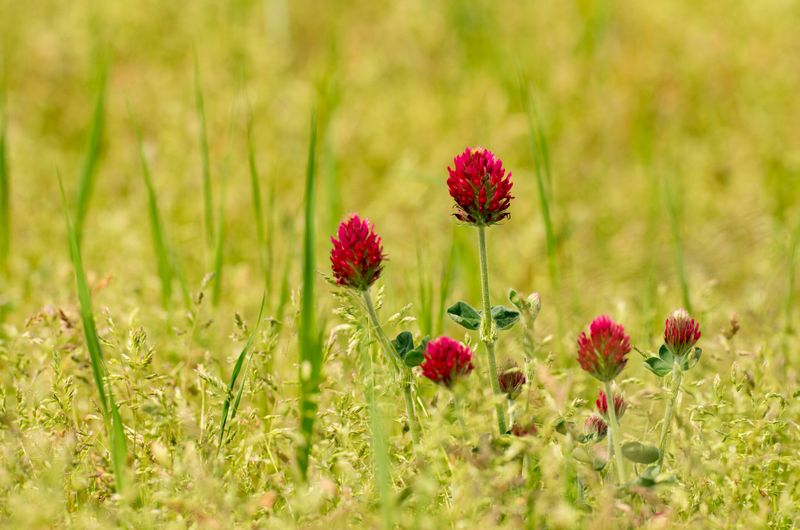
Late winter planting gives crimson clover a head start before spring weeds begin competing for space, water, and sunlight in your garden beds.
North Carolina typically experiences mild temperatures between February and early March, creating ideal conditions for clover seeds to sprout and establish strong roots.
Seeds planted during this window will germinate quickly as soil temperatures rise above forty-five degrees, which happens regularly in most regions.
Early establishment allows the plants to develop deep root systems before hot summer weather arrives, making them more resilient to occasional dry spells.
Gardeners who wait until spring miss this crucial growing period, and their clover may struggle to compete with fast-growing annual weeds nearby.
Planting in late winter also means your cover crop will bloom beautifully in April and May, providing nectar for pollinators during critical times.
The timing works perfectly because you can turn the clover into the soil right before planting warm-season vegetables like tomatoes and squash.
This schedule maximizes the soil-building benefits while keeping your garden productive throughout the entire year without leaving beds empty for long periods.
Improves Soil Structure And Prevents Erosion
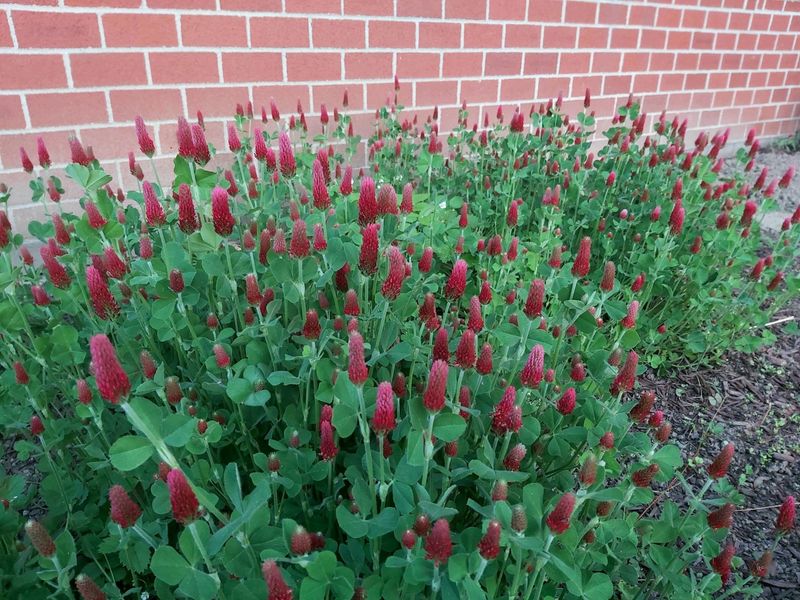
Crimson clover sends down roots that can reach depths of five feet, creating channels that allow water and air to penetrate compacted soil layers.
These deep roots break up hard clay soil common throughout North Carolina, making it easier for future crops to establish their own root systems.
When the clover eventually decomposes, the channels remain open, improving drainage and preventing waterlogged conditions that harm plant roots during heavy spring rains.
The dense network of roots also holds soil particles together, preventing erosion on slopes and in areas where heavy rainfall might wash away topsoil.
Gardeners with sloped beds or raised gardens find that crimson clover protects their valuable soil from washing away during winter storms and spring showers.
As the roots grow and decay over time, they add organic matter deep in the soil profile where traditional compost cannot reach easily.
This organic matter feeds earthworms and beneficial microorganisms that continue improving soil structure long after the clover is gone from view.
Better soil structure means your plants can access water and nutrients more efficiently, leading to healthier growth and bigger harvests throughout the season.
Attracts Beneficial Pollinators And Insects
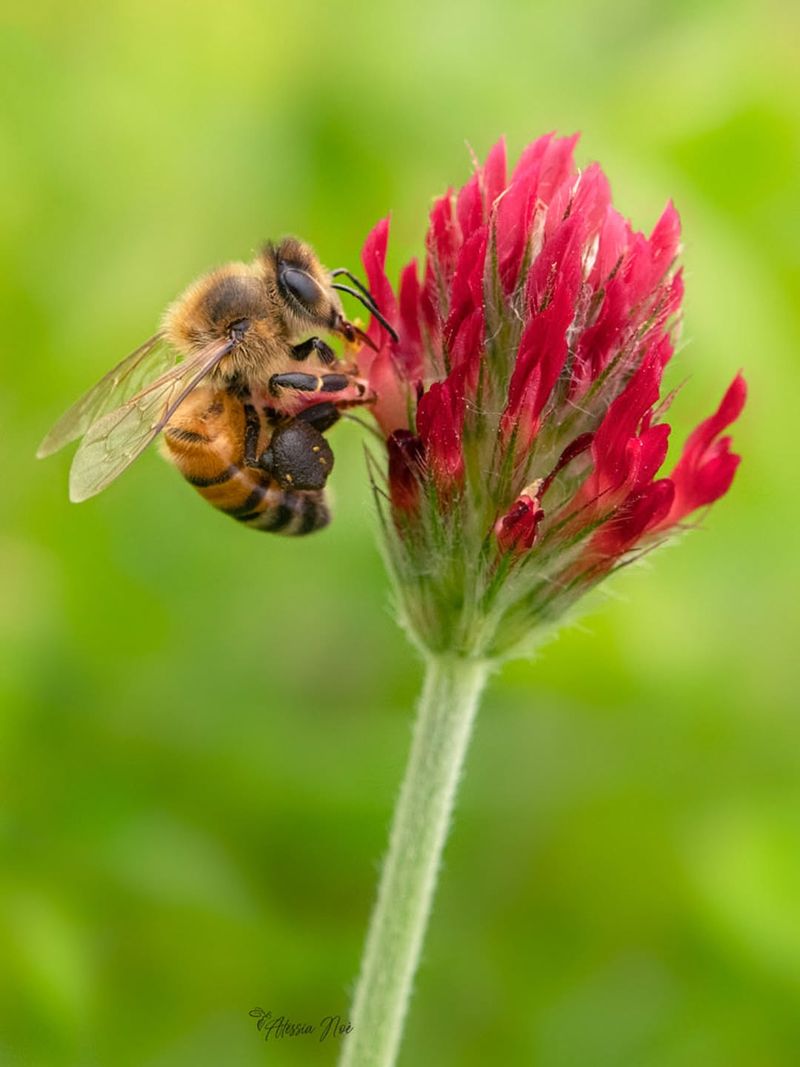
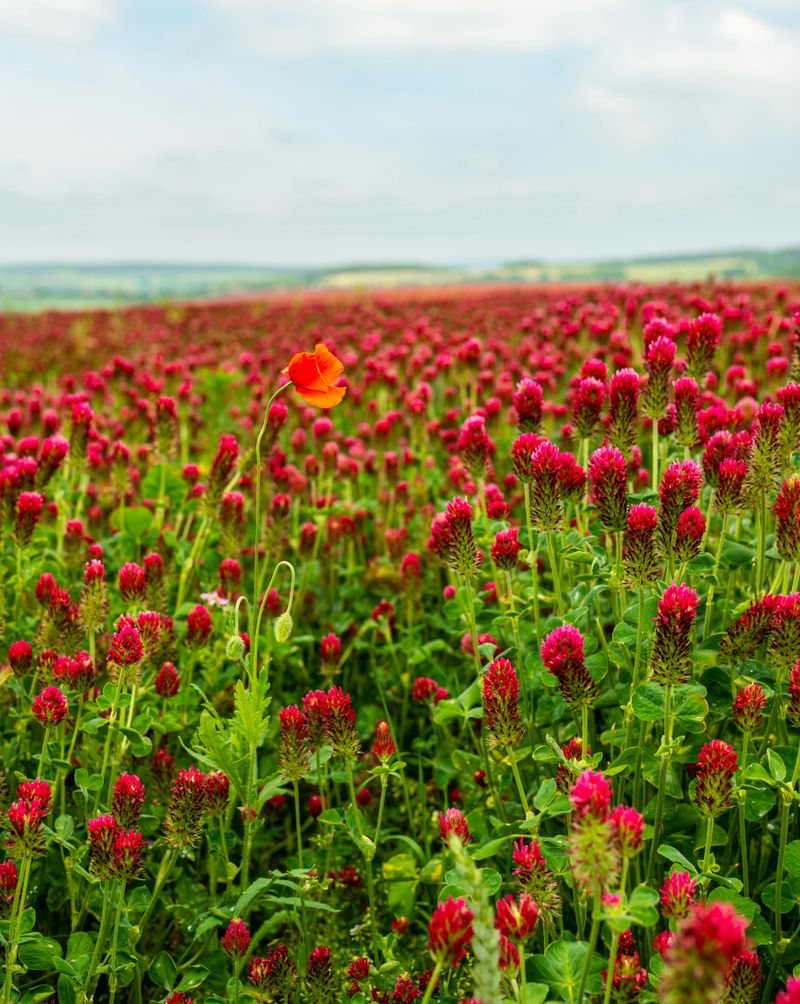
Bright red crimson clover flowers burst into bloom during April and May, creating a stunning display that attracts honeybees, bumblebees, and butterflies.
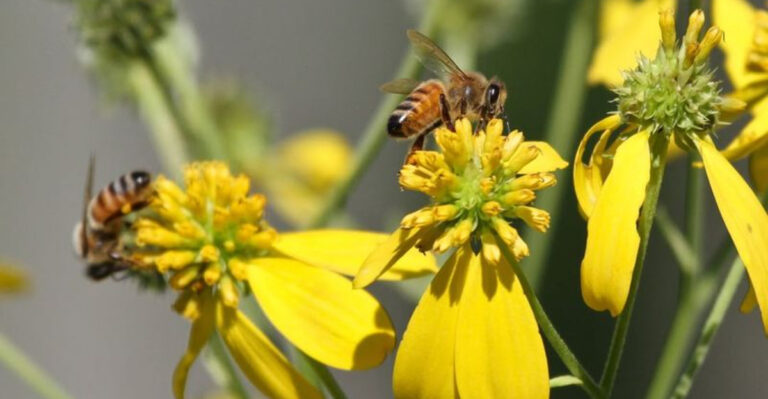
These pollinators need early nectar sources after winter, and crimson clover provides abundant food when many other plants are just beginning to grow.
By supporting pollinator populations in your garden, you ensure better fruit set on vegetables like tomatoes, cucumbers, and squash that need insect pollination.
Beneficial insects like ladybugs and lacewings also visit crimson clover, and these helpful predators stay in your garden to control aphids and other pests.
Creating habitat for beneficial insects reduces the need for pesticides, which can harm both good and bad bugs without discrimination or consideration.
The flowers bloom for several weeks, providing a reliable food source that keeps pollinator populations strong throughout the critical early growing season ahead.
Many North Carolina gardeners report seeing more butterflies and native bees after adding crimson clover to their yearly planting rotation and garden plans.
Supporting pollinators helps your entire neighborhood garden ecosystem become healthier and more productive over time without requiring expensive inputs or complicated management techniques.
Suppresses Weeds And Reduces Maintenance
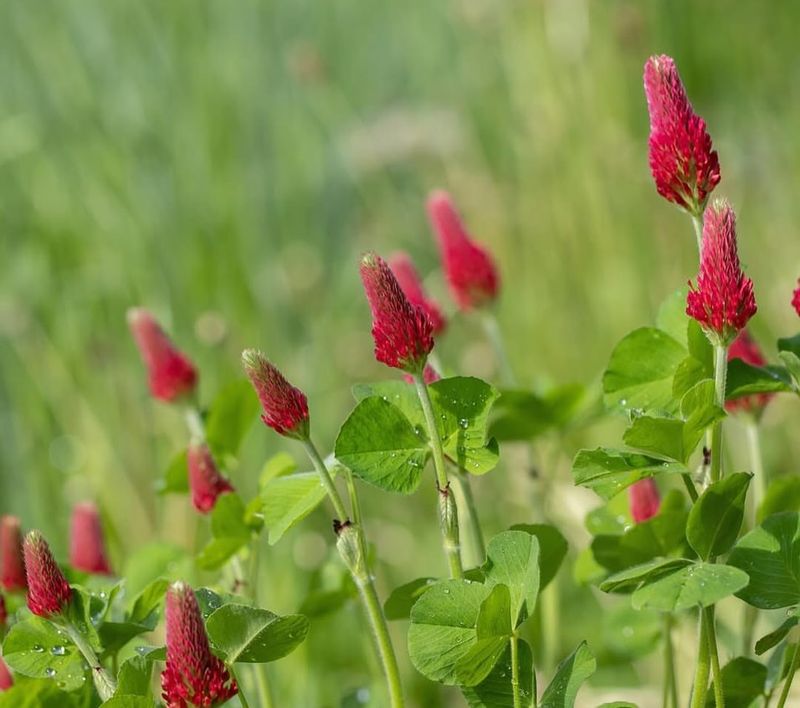
Crimson clover grows quickly once established, forming a thick living carpet that shades the soil and prevents weed seeds from germinating successfully underneath.
This natural weed suppression saves gardeners countless hours of pulling, hoeing, and cultivating that would otherwise be necessary to keep garden beds clean.
Weeds compete with your vegetables for water, nutrients, and sunlight, so reducing their numbers before planting season gives your crops a significant advantage.
The dense canopy of clover leaves blocks sunlight from reaching the soil surface, which most weed seeds need to sprout and begin growing.
Even tough perennial weeds struggle to compete with the vigorous growth of crimson clover during its peak growing period in spring months.
When you eventually cut down the clover and incorporate it into the soil, the decomposing plant material creates a mulch layer that continues suppressing weeds.
This residue also adds organic matter that improves soil health while keeping the ground covered and protected from erosion and temperature fluctuations.
Less time spent weeding means more time enjoying your garden and planning exciting new projects for the upcoming growing season ahead each year.
Adds Valuable Organic Matter To Soil
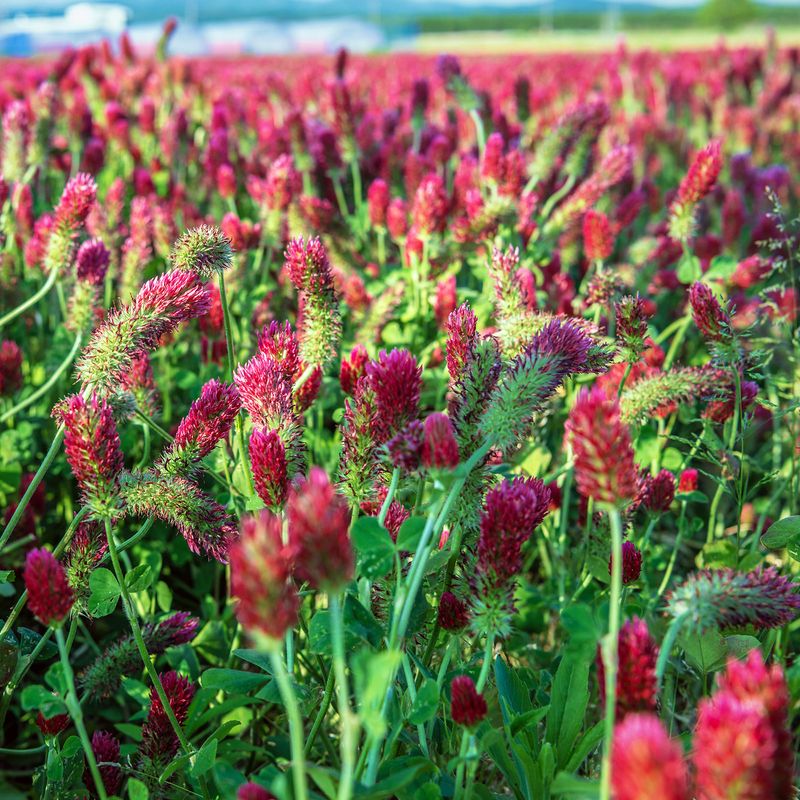
When crimson clover reaches full bloom, it contains maximum nutrients and biomass that can be incorporated directly into your garden beds as green manure.
Green manure is fresh plant material that decomposes quickly, releasing nutrients and adding organic matter that improves soil texture and water-holding capacity significantly.
One planting of crimson clover can add several inches of organic material to your beds, which would require multiple bags of compost to achieve.
Organic matter feeds earthworms and beneficial soil microbes that break down nutrients into forms plants can absorb through their root systems efficiently.
These microorganisms create a healthy soil food web that supports plant growth without relying on synthetic fertilizers that can disrupt natural soil biology.
The decomposing clover also improves soil’s ability to hold moisture during dry periods, reducing the need for frequent watering in summer heat and drought.
Better water retention means your plants stay healthier during stress periods and produce more consistent yields throughout the entire growing season without interruption.
Adding organic matter regularly is the single most important practice for building long-term soil health and fertility in your North Carolina garden over time.
Cost-Effective And Easy To Grow
Crimson clover seeds are inexpensive and widely available at garden centers, feed stores, and online retailers throughout North Carolina and surrounding southeastern states.
A small investment in seeds can cover large garden areas, making it one of the most economical ways to improve soil health naturally.
Unlike expensive fertilizers that must be purchased every year, crimson clover provides lasting benefits that continue improving your soil season after season with minimal effort.
Planting requires no special equipment or skills—simply broadcast the seeds over prepared soil and rake them in lightly to ensure good contact.
The seeds germinate reliably in cool weather, and the plants require almost no maintenance once established in your garden beds or pathways.
Crimson clover tolerates a wide range of soil conditions, from sandy coastal soils to heavy clay found in the Piedmont region of Carolina.
Even beginner gardeners can achieve excellent results with this forgiving cover crop that practically grows itself once seeds hit the ground.
The low cost and minimal effort required make crimson clover an accessible soil improvement strategy for gardeners of all experience levels and budget sizes.
Protects Soil During Winter Months
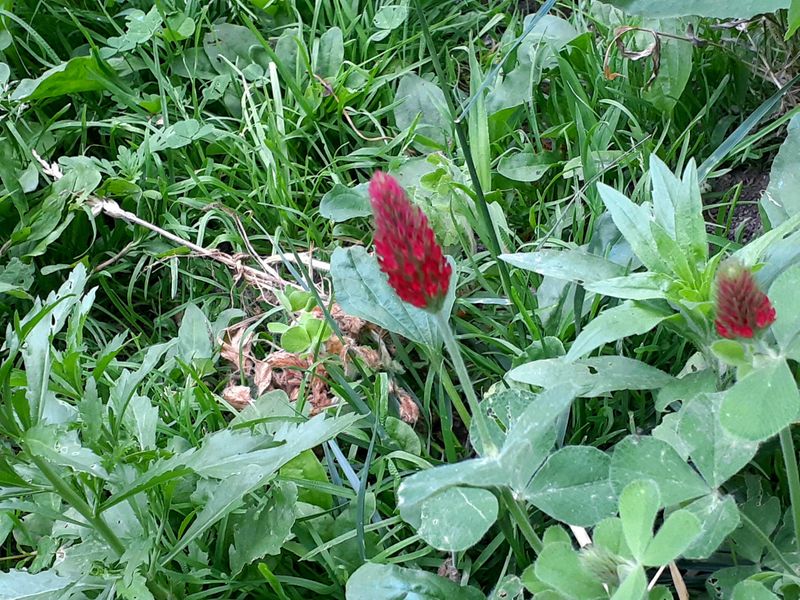
Bare soil left exposed during winter months loses valuable topsoil to wind and rain, and beneficial microorganisms decline without plant roots to feed them.
Crimson clover keeps the soil covered and protected throughout the coldest months, maintaining biological activity even when temperatures drop below freezing occasionally.
The living roots continuously feed soil organisms, keeping the underground ecosystem healthy and active when other plants have stopped growing for winter.
Winter rains can compact bare soil and create hard crusts that prevent water infiltration, but clover’s roots keep soil loose and porous throughout.
The plant canopy also moderates soil temperature fluctuations, protecting roots and soil life from extreme temperature swings between day and night hours.
Protecting your soil during winter means it will be ready for planting much sooner in spring without requiring extensive preparation or amendment.
Gardeners who use winter cover crops like crimson clover often notice their soil stays darker, crumbles more easily, and smells fresher than bare ground.
This year-round soil protection is essential for building the kind of rich, healthy soil that produces abundant harvests and beautiful flowers for years to come.