The Plant Ohio Grandmothers Swore Kept Pests Away

Take a walk through an older Ohio neighborhood in summer and you will spot them almost everywhere, bright marigolds lining garden edges and tucked between vegetables.
Many Ohio gardeners grew up hearing the same advice passed down for years, plant marigolds to help keep pests in check.
Their bold color, distinct scent, and easy nature made them a go-to choice across the state. There is some truth behind that long-standing belief, but the real story is a bit more specific.
Understanding what marigolds actually do in the garden can help you use them more effectively and get better results in your own Ohio beds.
1. Why Marigolds Became A Staple In Ohio Home Gardens
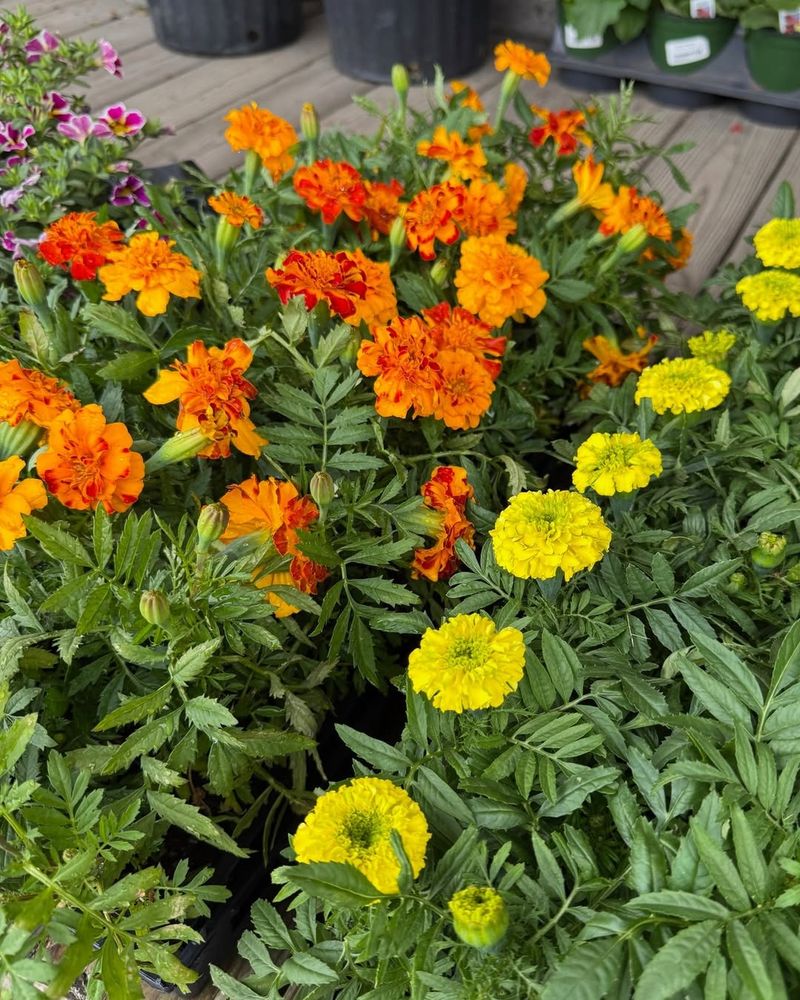
Older Ohio neighborhoods tell a story through their gardens, and marigolds have been part of that story for well over a century.
Drive through small towns across central or southern Ohio during July, and you will still see them lining raised beds, framing front porches, and filling in gaps between tomato plants.
Their presence is not accidental.
Marigolds became popular in Ohio partly because they are incredibly forgiving. They grow well in Ohio’s clay-heavy soils, tolerate summer humidity, and thrive even when gardeners do not fuss over them.
Seed packets were cheap, plants were easy to find at local nurseries, and neighbors freely shared cuttings and seeds across back fences.
Grandmothers in Ohio also valued plants that served more than one purpose. Marigolds provided color, attracted pollinators, and carried a reputation for keeping unwanted bugs away from food crops.
That combination made them feel like a smart, practical choice.
Over time, planting marigolds became less of a gardening decision and more of a seasonal ritual, something passed from mother to daughter without much question.
The habit stuck because the flowers genuinely brightened gardens while offering at least some real benefits that kept experienced growers coming back season after season.
2. Their Strong Scent Shaped Pest Control Beliefs
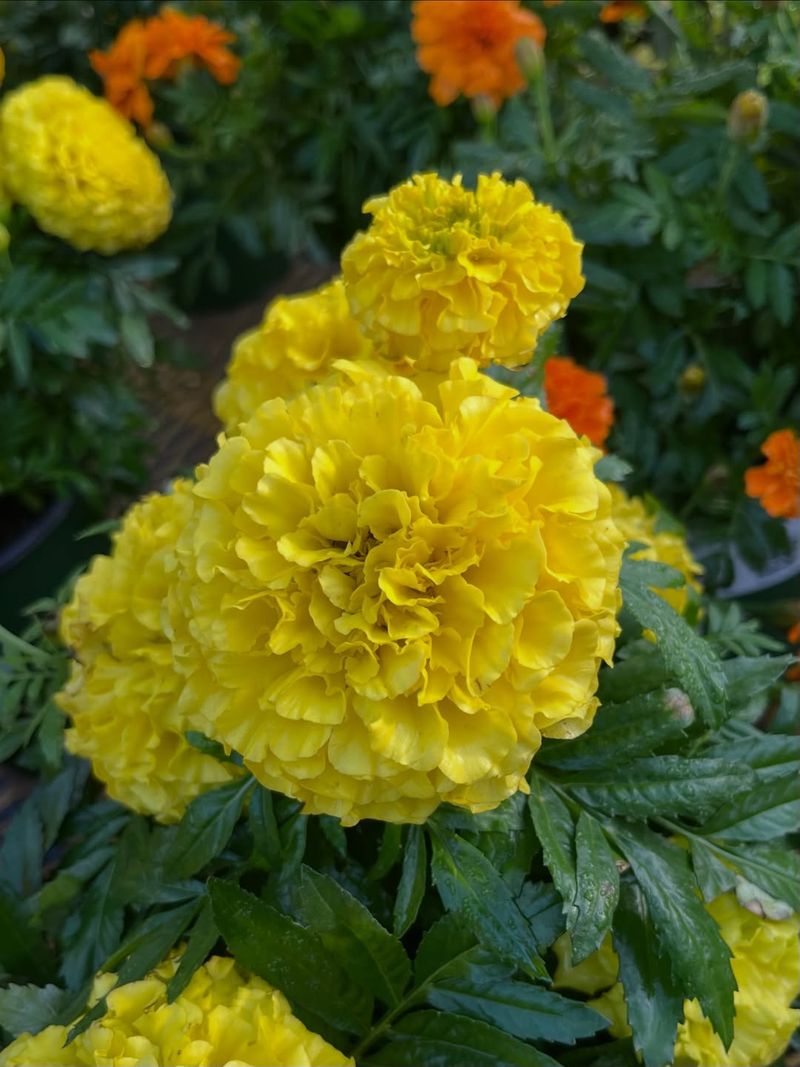
Rub a marigold leaf between your fingers and the smell hits immediately. It is sharp, almost medicinal, and nothing like the soft fragrance of roses or lavender.
That distinctive odor is produced by compounds in the plant’s leaves and stems, and it is the main reason generations of Ohio gardeners believed marigolds could drive pests away.
The belief made intuitive sense. If the scent was strong enough to make a person wrinkle their nose, it seemed reasonable that insects would feel the same way.
Ohio grandmothers planted marigolds near doorways, along vegetable rows, and beneath windows, trusting that the smell would act as an invisible barrier.
Stories were shared at church potlucks and neighborhood gatherings, reinforcing the idea from one generation to the next.
Research does support some of these observations. Certain volatile compounds in marigolds, particularly limonene and other terpenes, have shown some ability to deter specific insects in controlled studies.
However, the results in real garden conditions vary quite a bit depending on pest species, planting density, and environmental factors.
The scent is real, the deterrent effect on some insects is real, but marigolds are not a broad-spectrum insect repellent that works reliably against every garden pest an Ohio gardener might encounter.
3. Marigolds Support Soil And Garden Health In Key Ways

Beyond their scent, marigolds quietly contribute to the overall health of a garden in ways that many Ohio growers do not fully realize.
Their root systems release natural compounds into the surrounding soil, and some of these compounds have demonstrated the ability to suppress certain soil-dwelling pests and harmful pathogens.
That below-ground activity is one of the more interesting and underappreciated benefits marigolds bring to a vegetable garden.
Marigolds also attract a solid lineup of beneficial insects. Hoverflies, parasitic wasps, and ladybugs are drawn to marigold blooms, and all three feed on or parasitize common garden pests like aphids and whiteflies.
Planting marigolds throughout a vegetable bed essentially creates a welcoming environment for the insects that do the pest control work naturally.
Ohio gardeners dealing with worn-out or compacted soil may also find that marigolds help break up planting cycles in a modest but meaningful way.
When plant debris is tilled back into the soil at the end of the season, organic matter is added back to beds that may have been depleted through repeated vegetable growing.
None of these benefits are dramatic on their own, but together they support a healthier garden ecosystem that makes growing food in Ohio a little more manageable year after year.
4. French Marigolds Are Linked To Nematode Reduction
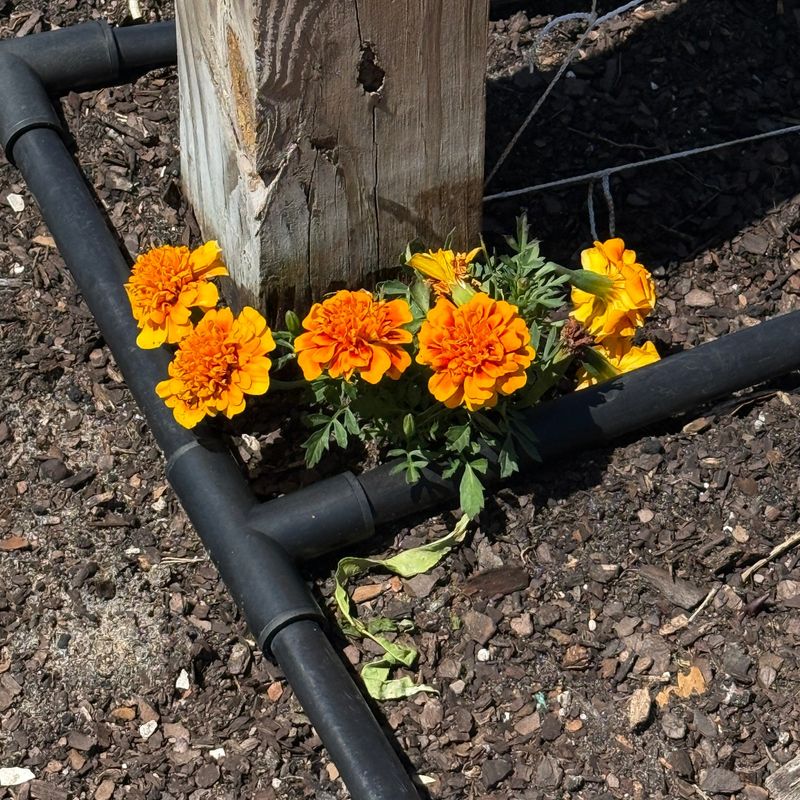
Among all the claims made about marigolds and pest control, the connection between French marigolds and root-knot nematodes is the one with the strongest scientific support.
Root-knot nematodes are microscopic worms that live in soil and attack the roots of vegetable plants, causing stunted growth and poor yields.
They are a real problem in some Ohio garden soils, particularly in areas where the same crops have been grown repeatedly for years.
French marigolds, specifically the species Tagetes patula, release a substance called alpha-terthienyl from their roots. Research has shown that this compound can suppress nematode populations in the soil around the plants.
The catch is that the effect requires a dense, sustained planting. A few marigolds scattered around a bed will not do much.
For meaningful nematode suppression, French marigolds should be planted thickly across the entire bed for a full growing season, then tilled into the soil before planting vegetables the following year.
Ohio gardeners who have struggled with poor tomato or pepper yields in the same beds year after year might find this rotation strategy worth trying. It takes patience and planning, but the research behind it is credible.
French marigolds used this way function more like a soil treatment than a decorative border plant, which is a very different role than most people imagine for them.
5. Marigolds Are Commonly Planted Around Vegetable Beds
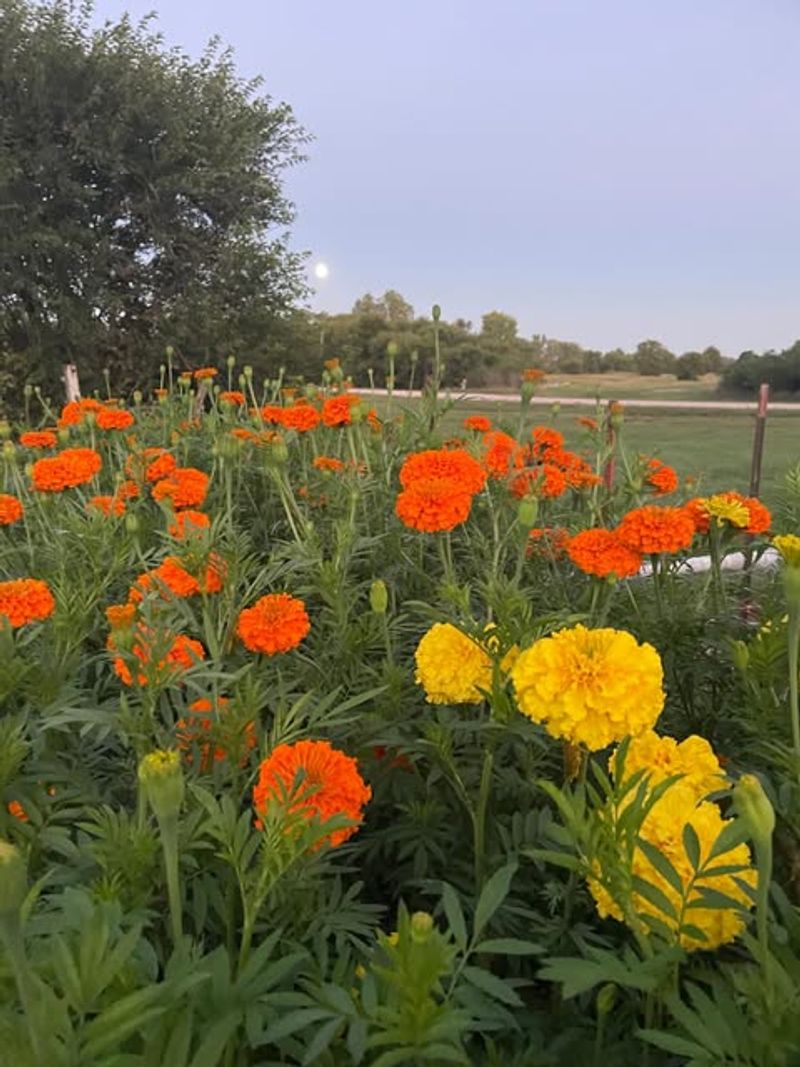
Scan any community garden in Columbus, Cleveland, or Cincinnati during the summer months, and marigolds will almost certainly be growing somewhere near the vegetables.
Planting them as a border around vegetable beds is one of the most common gardening habits in Ohio, and it has been for decades.
The practice looks tidy, adds color, and carries the weight of family tradition for many growers.
The border planting approach does offer some real advantages. Marigolds at the edges of a bed can attract aphids away from vegetable crops, essentially pulling pest pressure toward the perimeter where it is easier to manage.
They also draw in pollinators that help with fruit set on tomatoes, squash, and cucumbers. A vegetable bed surrounded by marigolds tends to feel more alive and active with beneficial insect traffic throughout the season.
That said, planting marigolds only as an outer ring around a bed limits their effectiveness compared to interplanting them directly among vegetables.
Research suggests that closer proximity between marigolds and target crops provides better results for attracting beneficial insects and creating habitat diversity within the bed itself.
Ohio gardeners willing to mix marigolds throughout their rows rather than keeping them strictly at the borders may notice more consistent benefits from season to season, especially in larger growing spaces.
6. Trap Cropping Works Differently Than Repelling Pests

Many Ohio gardeners assume that marigolds work by pushing pests away from vegetables, but there is another mechanism at play that actually draws certain insects toward the marigolds instead.
This strategy is called trap cropping, and it works in a fundamentally different way than repelling.
Rather than creating a scent barrier, trap crops act as a sacrificial plant that attracts pests and concentrates them in one spot.
Marigolds are known to attract spider mites and some aphid species, which means they can pull these insects away from more valuable crops like tomatoes or beans.
Once pests are concentrated on the marigolds, a gardener can remove or treat just those plants rather than dealing with an infestation spread across an entire vegetable bed.
This targeted approach can actually be quite effective when managed consistently throughout the growing season.
The key difference between trap cropping and repelling is important to understand. Repelling would mean pests avoid the garden area entirely, while trap cropping means pests are redirected to a specific plant.
Ohio gardeners who see insects on their marigolds might initially feel the plants are failing, when in reality the marigolds are doing exactly what they are supposed to do.
Recognizing this distinction helps gardeners respond to pest activity in a smarter, more deliberate way rather than abandoning marigolds out of frustration.
7. Placement Matters For Marigolds In Ohio Gardens
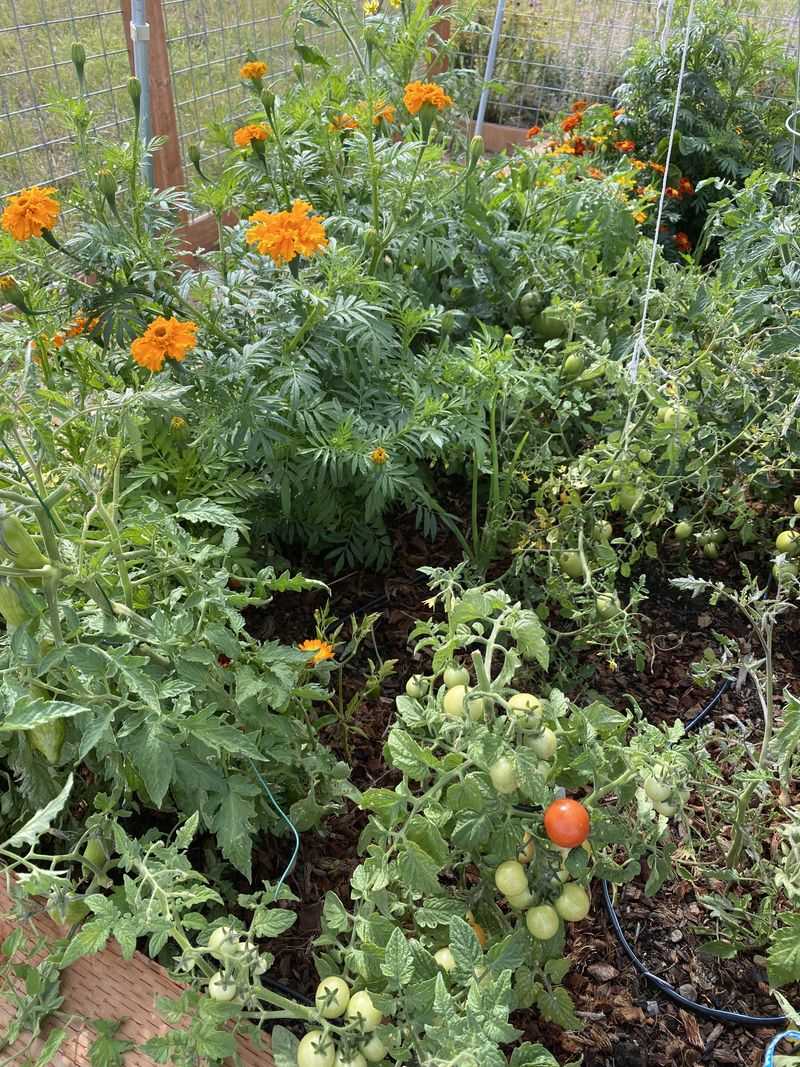
Knowing where to put marigolds in an Ohio garden makes a bigger difference than most people realize. Sunlight, spacing, and proximity to target crops all influence how well marigolds perform, both as flowering plants and as companions to vegetables.
Tucking them into shady corners or crowding them too tightly against tall crops reduces their blooming and limits their ability to attract beneficial insects.
Marigolds grow best in full sun, which in Ohio typically means at least six hours of direct sunlight per day.
They also prefer well-drained soil and do not respond well to consistently wet conditions, which can be a challenge in areas of Ohio where clay soils hold moisture.
Raised beds or slightly elevated planting areas give marigolds a better chance to thrive through Ohio’s variable spring and summer weather patterns.
For companion planting purposes, placing marigolds within a foot or two of vegetable plants gives the best results.
Interplanting them between tomato or pepper rows, rather than only at bed edges, keeps beneficial insects moving through the entire planting area.
Ohio gardeners who plant marigolds in early to mid-May, after the last frost date has passed, give them enough time to establish and bloom well before peak pest pressure arrives in mid-summer.
Thoughtful placement turns marigolds from a decorative addition into a functional part of the garden.
8. Different Marigold Types Offer Different Benefits
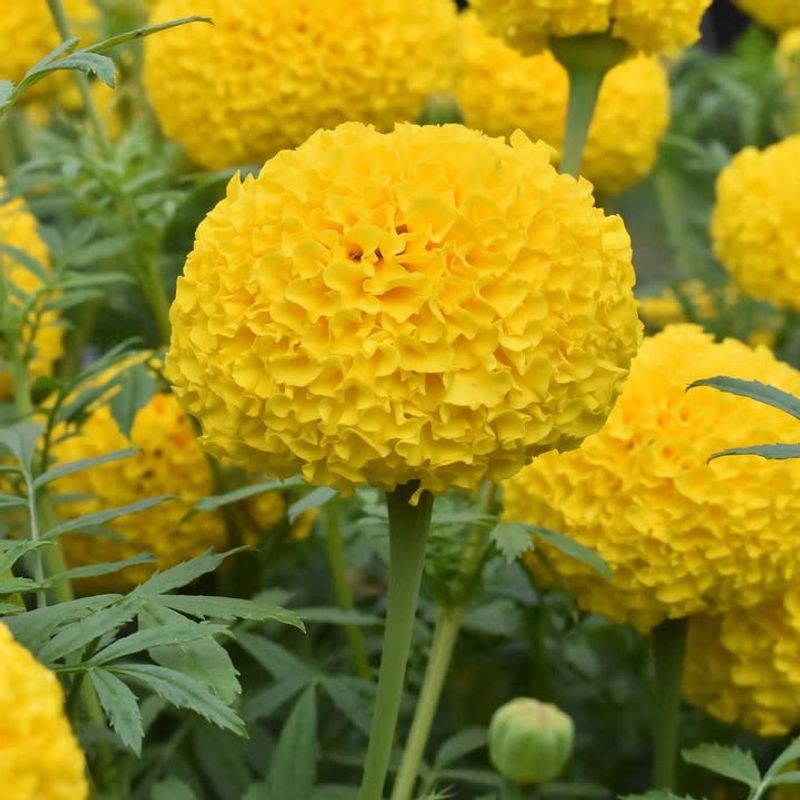
Not all marigolds are the same, and the type a gardener chooses can affect what benefits they actually get.
The two most common varieties found in Ohio garden centers are French marigolds and African marigolds, and they behave quite differently in the garden despite sharing the same common name.
French marigolds, which are smaller and bushier with bicolor blooms in shades of orange, red, and yellow, are the variety most closely linked to nematode suppression.
Their compact size also makes them easier to interplant among vegetables without shading out crops or competing heavily for water and nutrients.
Many Ohio gardeners find French marigolds easier to manage in smaller raised beds or container gardens on patios and decks.
African marigolds grow much taller and produce large, globe-shaped blooms that are excellent for attracting pollinators and beneficial insects.
Their bold flowers are highly visible to bees and butterflies, making them a strong choice for gardeners focused on supporting pollinator populations in Ohio.
Signet marigolds, a third variety less commonly seen in Ohio garden centers, produce small edible flowers with a citrusy flavor and are sometimes used in cooking.
Understanding these differences lets Ohio gardeners select the right marigold for their specific goals rather than simply grabbing whatever is on the nursery shelf in spring.
9. Marigolds Still Play A Role In Companion Planting

Companion planting has been practiced in Ohio gardens long before it had a name, and marigolds have been one of the most frequently used companion plants for generations.
The idea behind companion planting is that certain plants grown near each other can improve growing conditions, deter pests, or attract helpful insects in ways that benefit the whole garden.
Marigolds fit naturally into this approach for several well-documented reasons.
Tomatoes and marigolds are probably the most classic pairing in Ohio vegetable gardens. Marigolds planted near tomatoes may help reduce whitefly populations and attract predatory insects that feed on common tomato pests.
Some gardeners also plant them near squash and melons, where their blooms support the pollinator activity those crops depend on for good fruit set.
Companion planting with marigolds is not a replacement for other good gardening practices like crop rotation, proper watering, and soil management.
Treating it as one useful tool among many gives Ohio gardeners a more realistic and productive mindset.
The research behind companion planting is still developing, and results can vary based on local conditions, pest pressure, and garden layout.
Even so, marigolds have earned their place in Ohio gardens through a combination of traditional knowledge and growing scientific evidence that supports at least some of the benefits growers have observed for decades.
10. Marigolds Have Limits As A Pest Control Method
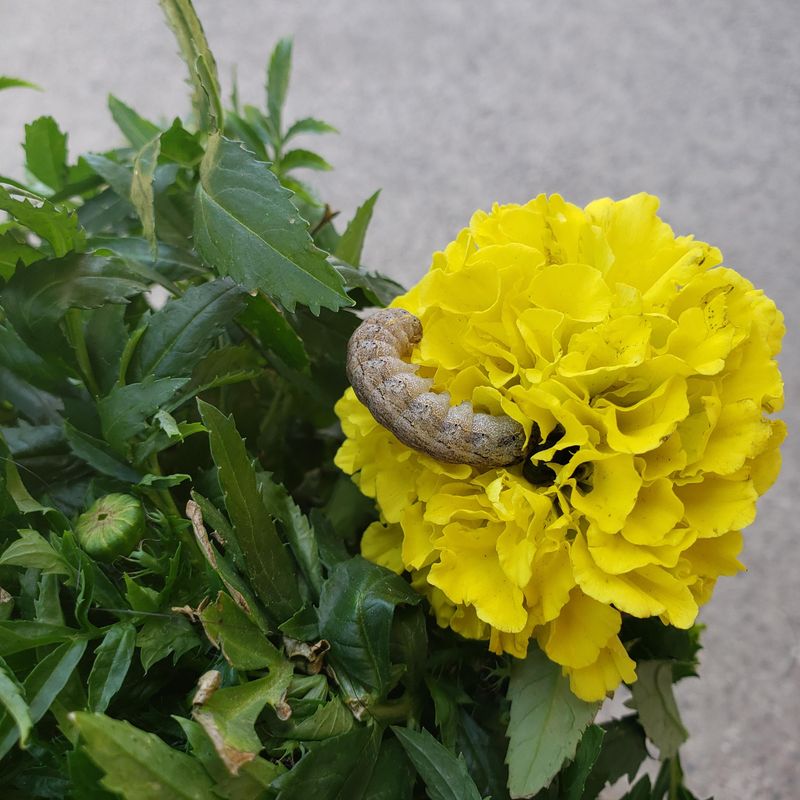
Marigolds do a lot of good things in a garden, but counting on them to solve every pest problem is a setup for disappointment.
The tradition of planting a few marigolds and expecting a pest-free season oversimplifies what these plants can realistically do, and Ohio gardeners who understand the limitations are better equipped to protect their crops effectively.
Japanese beetles, for example, are a serious pest in many parts of Ohio and are actually attracted to marigolds.
Planting marigolds near roses or other susceptible plants can inadvertently increase beetle pressure in that area.
Slugs, earwigs, and other pests that thrive in Ohio’s humid summers are largely unaffected by marigold scent or root compounds. For these insects, different management strategies are needed entirely.
Marigolds also need to be healthy and blooming consistently to provide their best benefits. Plants that are stressed from drought, overcrowding, or poor soil conditions produce fewer flowers and less of the volatile compounds associated with pest deterrence.
Treating marigolds as part of a broader integrated pest management approach, rather than a standalone solution, gives Ohio gardeners the most honest and practical framework for using them.
Combined with good crop rotation, physical barriers, and regular monitoring, marigolds can be a genuinely useful part of keeping Ohio gardens productive and relatively pest-resistant through the growing season.