The Plant Tennessee Gardeners Should Start In Late Winter For Better Soil

Late winter in Tennessee may look quiet, but crimson clover knows better.
While beds rest and frost still bites, this humble plant gets a head start and works like money in the bank.
Its roots loosen tight soil, add natural nitrogen, and set the stage for healthier harvests once spring shows up for good.
Farmers trusted it for generations, and home gardeners now follow suit for the same reason: real results with little fuss.
It thrives in cool weather, covers bare ground fast, and leaves soil richer than it found it.
Start it early, and the payoff shows all season long.
Strong soil rarely comes from chance.
Crimson clover earns it the old-fashioned way, with steady work done when few others bother.
1. Why Crimson Clover Is A Natural Soil Builder For Tennessee Gardens
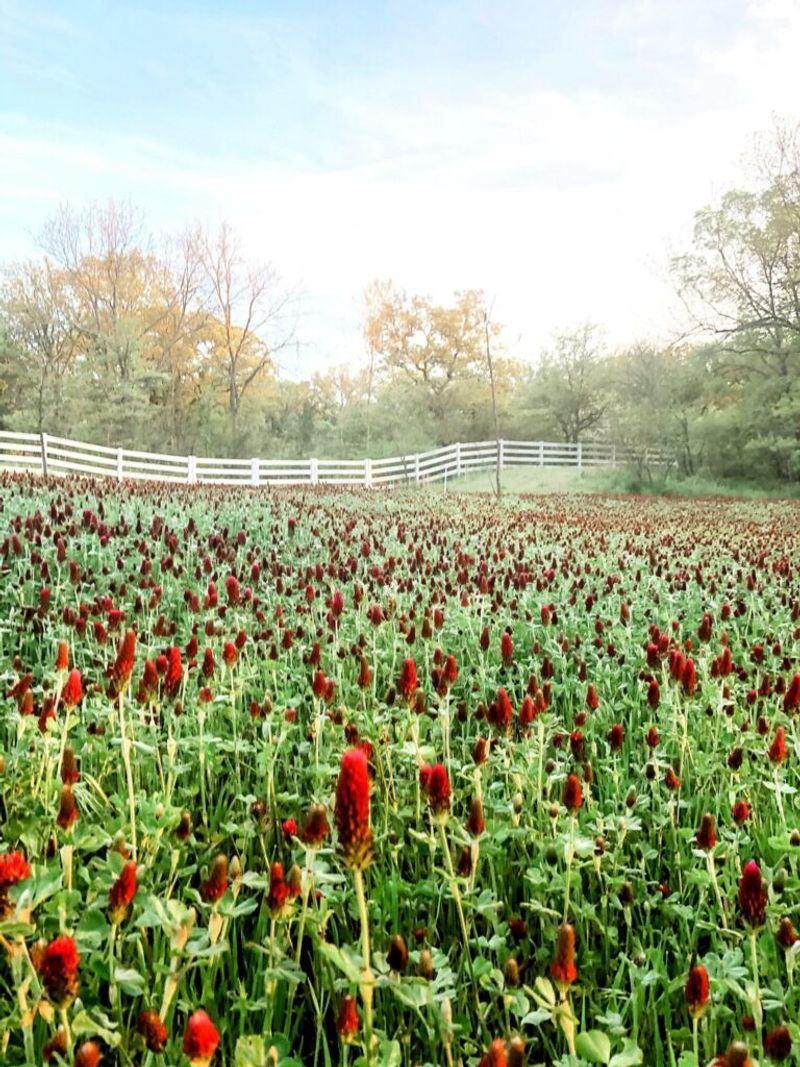
Crimson clover brings a unique combination of benefits that work together to improve soil quality in ways chemical fertilizers simply cannot match.
This legume adds organic matter as it grows, and when turned into the soil, it decomposes quickly to feed beneficial microbes and earthworms.
Tennessee gardeners face challenging clay soils that often lack nutrients and drain poorly, but crimson clover addresses both problems at once.
Its deep taproot system penetrates compacted layers while simultaneously pulling nitrogen from the air and storing it in root nodules.
When the plant breaks down, all that stored nitrogen becomes available to your next crop.
Unlike synthetic fertilizers that wash away or burn plants, crimson clover releases nutrients slowly and steadily throughout the growing season.
The organic matter it adds also improves water retention, helping sandy soils hold moisture and clay soils drain better.
Gardeners who use crimson clover notice darker, richer soil with better texture and improved structure.
This natural approach costs less than buying bags of amendments and creates lasting improvements rather than temporary fixes.
Tennessee’s climate suits crimson clover perfectly, making it an ideal choice for year-round soil building.
2. How Late Winter Sowing Gives Crimson Clover A Head Start
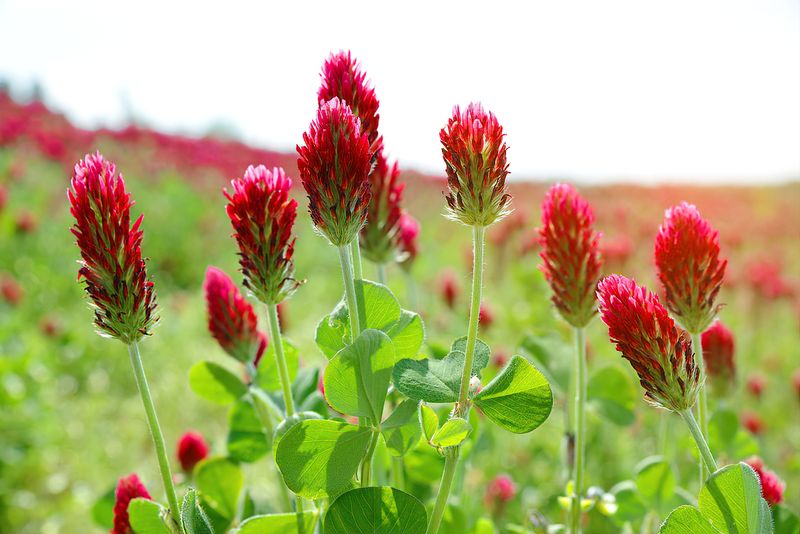
Timing makes all the difference when establishing crimson clover, and late winter offers the perfect window for Tennessee gardeners.
Seeds scattered in February or early March experience natural stratification from freeze-thaw cycles, which actually improves germination rates.
Cold soil temperatures do not harm crimson clover seeds the way they would damage warm-season crops.
Instead, the seeds sit dormant until soil temperatures reach the right range, then sprout vigorously as spring approaches.
This early start means plants develop strong root systems before hot weather arrives, making them more drought-tolerant and productive.
By the time gardeners prepare beds for tomatoes and peppers, crimson clover has already grown thick and lush, ready to be cut and turned under.
Late winter sowing also takes advantage of natural rainfall patterns in Tennessee, reducing the need for supplemental watering.
Gardeners who wait until spring miss this crucial establishment period and often struggle with patchy stands.
The plants need six to eight weeks of growth before warm weather arrives, so starting early ensures maximum biomass production.
This head start translates directly into more nitrogen fixed and more organic matter added to your soil.
3. The Nitrogen-Fixing Power That Improves Spring Plant Growth
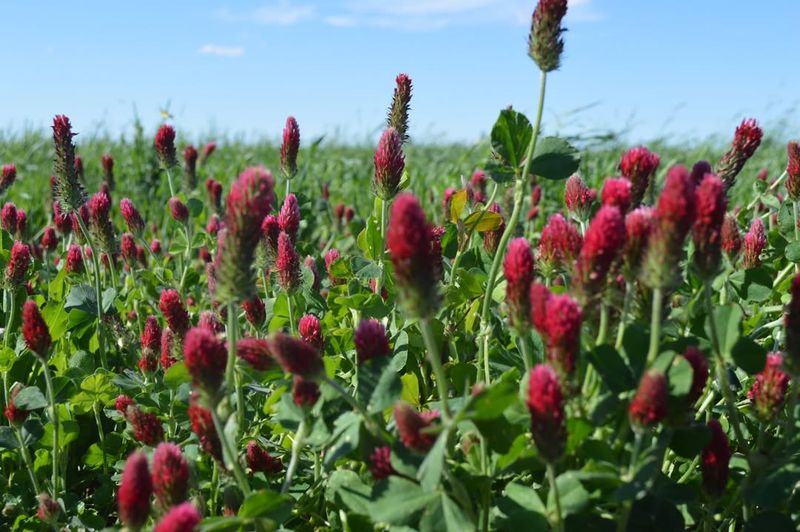
Few plants offer as much free fertilizer as crimson clover, thanks to its remarkable partnership with soil bacteria.
Rhizobia bacteria colonize the roots and form small nodules that convert atmospheric nitrogen into forms plants can use.
A healthy stand of crimson clover can fix 70 to 150 pounds of nitrogen per acre, which equals several bags of commercial fertilizer.
Tennessee vegetable gardens benefit enormously from this natural nitrogen boost, especially for heavy feeders such as corn, squash, and leafy greens.
When you cut and incorporate crimson clover before planting spring crops, all that stored nitrogen becomes available gradually as the plant material decomposes.
This slow release prevents the nitrogen burn that sometimes occurs with synthetic fertilizers while ensuring steady nutrition throughout the growing season.
Gardeners notice stronger plant growth, deeper green foliage, and improved yields without spending money on chemical inputs.
The nitrogen-fixing process also enriches soil for future seasons, creating a cumulative benefit over time.
Even neighboring plants benefit as some nitrogen leaks from living clover roots into the surrounding soil.
This natural fertilization method supports healthy soil biology while reducing environmental impact and gardening costs.
4. How Crimson Clover Loosens Compacted Clay Soil
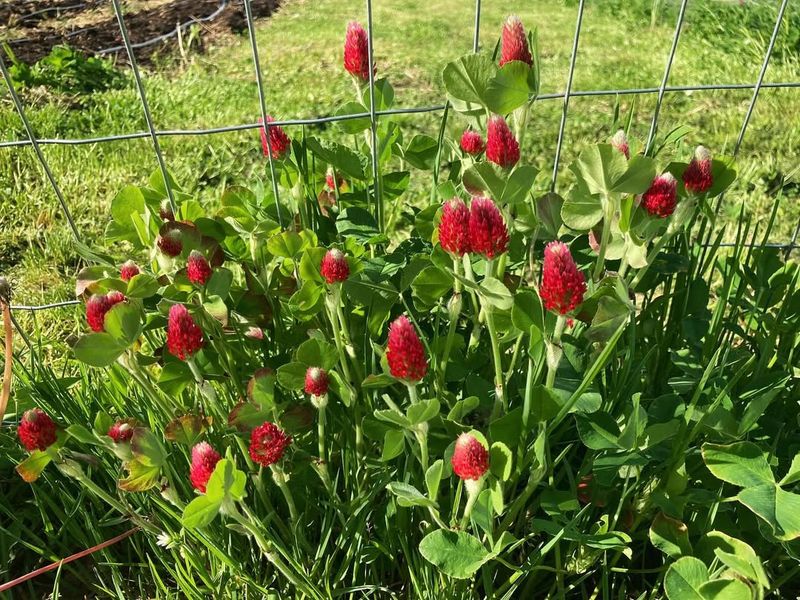
Tennessee gardeners know the frustration of working with heavy clay soil that forms hard clumps and resists water penetration.
Crimson clover attacks this problem from multiple angles, starting with its vigorous taproot that can penetrate several feet deep.
As roots push through compacted layers, they create channels that improve drainage and allow air to reach deeper soil zones.
When roots eventually decompose, they leave behind organic matter and pore spaces that permanently improve soil structure.
The fibrous secondary roots spread horizontally near the surface, breaking up crusted topsoil and creating a crumbly texture.
This mechanical action works better than tilling alone because it happens gradually without destroying beneficial soil organisms or creating hardpan layers.
Gardeners who plant crimson clover in fall or late winter see dramatic improvements by spring, with soil that digs easily and drains well.
The organic matter added when you turn under the clover further improves clay soil by increasing aggregation and reducing compaction.
Over several seasons, regular use of crimson clover can transform unworkable clay into productive garden soil.
This natural solution costs pennies compared to hauling in truckloads of compost or amendments.
5. Weed Suppression Benefits Before The Growing Season Begins
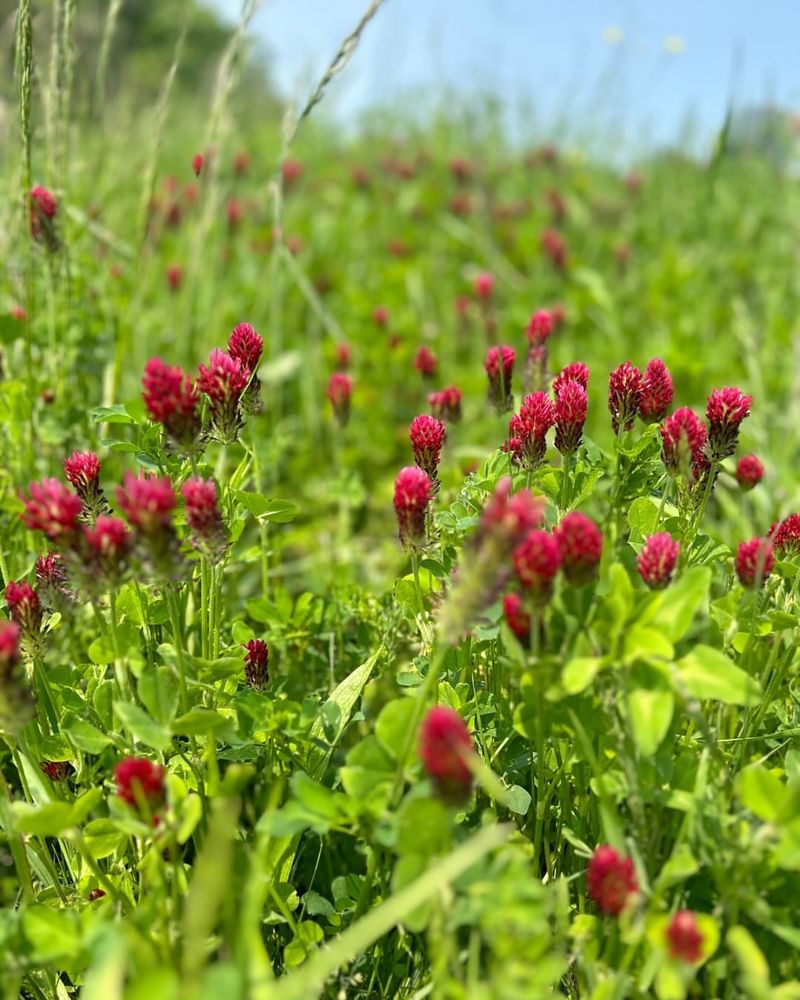
Weeds compete with vegetables for nutrients, water, and space, but crimson clover gives gardeners a powerful tool for controlling them naturally.
Once established, crimson clover grows densely enough to shade out most weed seedlings before they gain a foothold.
This living mulch effect works particularly well against cool-season weeds such as chickweed, henbit, and annual bluegrass that plague Tennessee gardens in late winter and early spring.
The thick canopy blocks sunlight from reaching the soil surface, preventing weed seeds from germinating.
Even aggressive weeds struggle to compete with the fast-growing clover once it reaches full stride.
By planting crimson clover in late winter, you occupy garden space during months when beds would otherwise sit bare and vulnerable to weed invasion.
When you cut down the clover before planting vegetables, the residue continues suppressing weeds as it decomposes on the soil surface.
This means cleaner beds and less time spent on hands and knees pulling weeds during the busy spring planting season.
Gardeners who use crimson clover regularly report significantly fewer weed problems and more time to enjoy their gardens rather than battle unwanted plants.
6. Supporting Pollinators Early With Crimson Clover Blooms
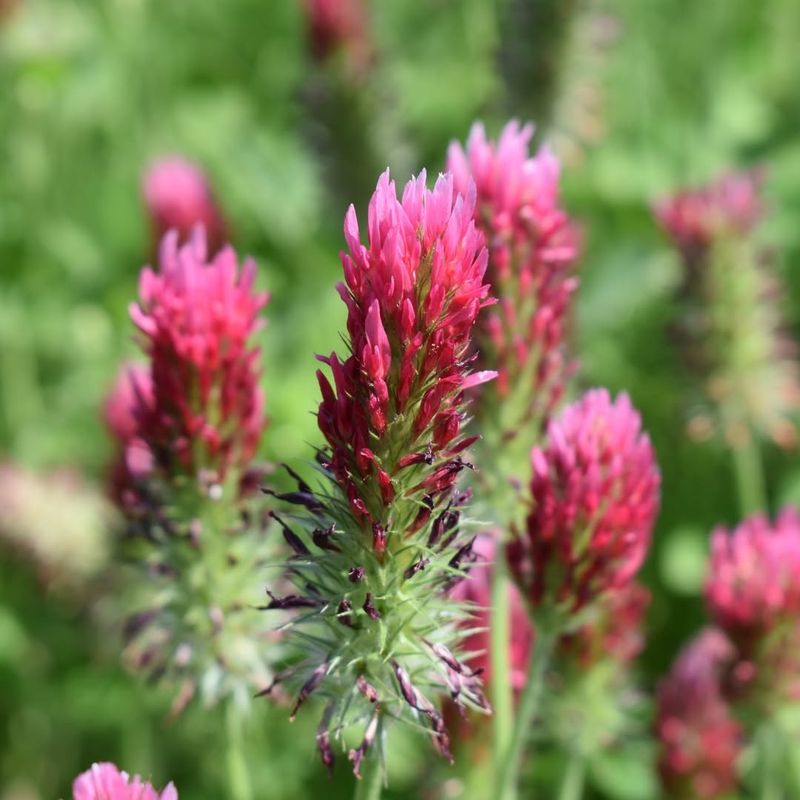
Pollinators emerge from winter dormancy hungry and in desperate need of early nectar sources, and crimson clover delivers exactly when they need it most.
The brilliant red blooms appear in April and May, bridging the gap between early spring wildflowers and summer vegetable blossoms.
Honeybees, bumblebees, and native pollinators flock to crimson clover fields, gathering both nectar and protein-rich pollen.
This early season food source helps bee colonies build strength before the main flowering season begins.
Stronger, healthier pollinator populations mean better fruit set on your tomatoes, squash, cucumbers, and melons later in the season.
Gardeners who prioritize pollinator health see direct benefits in increased yields and improved crop quality.
Crimson clover also attracts beneficial predatory insects that help control garden pests naturally.
The flowers remain attractive for several weeks, providing sustained support rather than a brief bloom period.
Allowing some crimson clover to flower before cutting it down balances soil improvement goals with ecological responsibility.
Tennessee gardeners can feel good about supporting local pollinator populations while simultaneously improving their soil for better harvests.
7. When And How To Cut Crimson Clover For Maximum Soil Benefits
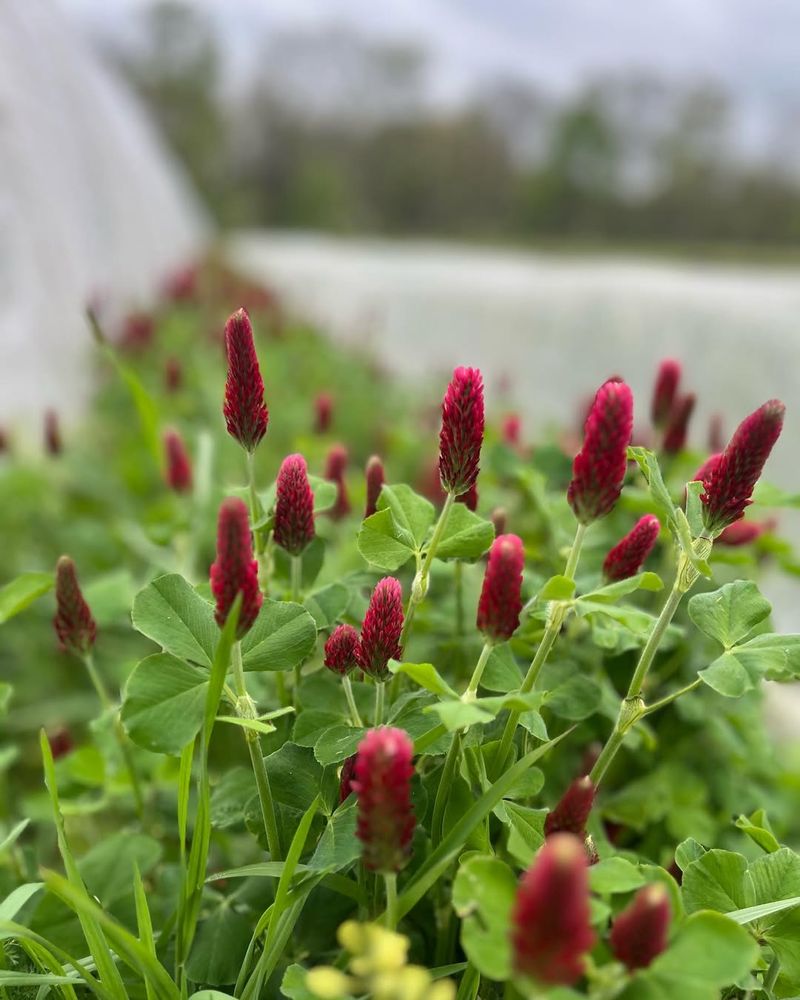
Timing your crimson clover cutdown correctly maximizes the soil benefits while ensuring smooth transition to your main growing season.
Most Tennessee gardeners cut clover two to three weeks before planting warm-season vegetables, typically in mid to late April.
The ideal stage occurs when plants reach full bloom or just after, when biomass production peaks but before seeds mature.
Cutting at this stage provides maximum organic matter and nitrogen while preventing unwanted reseeding.
You can use a lawn mower, string trimmer, or scythe to cut plants close to ground level, leaving the roots intact to decompose underground.
Some gardeners prefer to cut and leave the material as surface mulch, while others incorporate it shallowly with a hoe or tiller.
Surface mulching takes less work and preserves soil structure, but incorporation speeds decomposition and nutrient release.
Wait at least two weeks after cutting before planting to allow the green material to begin breaking down.
Planting too soon can cause nitrogen tie-up as soil microbes consume nitrogen while decomposing the fresh organic matter.
Proper timing and technique ensure you capture all the soil-building benefits crimson clover offers.
8. Using Crimson Clover As A Cover Crop Or Living Mulch
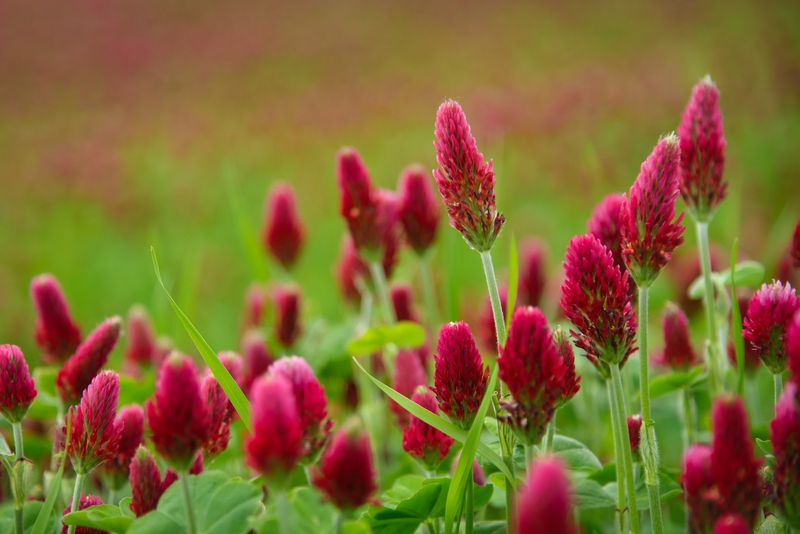
Crimson clover serves multiple roles in the garden, functioning equally well as a traditional cover crop or as a living mulch between plantings.
As a cover crop, you plant it in empty beds during the off-season to protect and improve soil until spring planting begins.
This approach works perfectly for Tennessee gardeners who want to maximize soil health during winter and early spring months.
Alternatively, some gardeners use crimson clover as living mulch by planting it in pathways or between rows of established perennials.
The clover grows low enough not to compete with taller plants while providing continuous soil coverage and nitrogen enrichment.
Living mulch approaches require more management but offer extended benefits throughout the growing season.
You can mow the clover periodically to prevent it from overwhelming garden plants while still maintaining ground coverage.
Both methods improve soil tilth, add organic matter, and support beneficial soil organisms.
Tennessee gardeners with limited space might prefer the living mulch approach, which allows simultaneous crop production and soil building.
Experimenting with both methods helps you discover which approach works best for your specific garden layout and goals.