The Plant Washington State Experts Say You Should Never Burn In Your Fire Pit
A crackling fire pit promises warmth, comfort, and an easy way to clear yard debris—but one common plant turns that cozy scene into a serious health hazard.
In Washington State, experts issue a clear warning about poison oak, a plant that looks harmless when dried and piled with branches, yet becomes dangerous the moment flames touch it.
Smoke carries more than the smell of burning wood; it can spread toxic oils through the air, putting lungs, skin, and eyes at risk in seconds.
Many homeowners recognize poison oak as a cause of itchy rashes after a hike or yard work.
Far fewer realize that burning it can trigger far more severe reactions, even for people who never touch the plant.
Invisible particles drift beyond the fire pit, affecting neighbors, pets, and anyone nearby.
Emergency rooms see cases every year tied to this exact mistake.
As outdoor fires grow popular across the state, this hidden danger deserves attention.
One wrong toss into the flames can turn a relaxing evening into a medical emergency—and Washington State specialists say this is one plant that should never meet fire.
The Toxic Smoke Creates Severe Breathing Problems
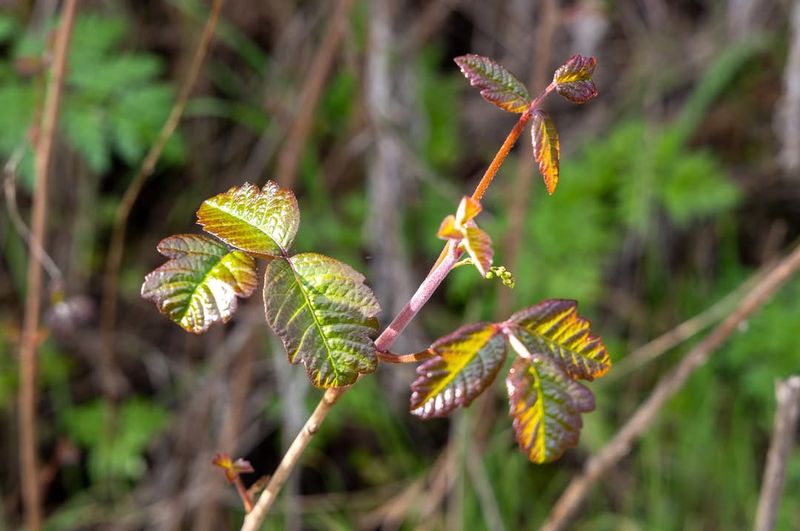
Breathing in smoke from burning poison oak can cause your lungs and airways to swell up in dangerous ways.
The plant contains urushiol oil, which becomes airborne when heated and travels directly into your respiratory system through your nose and mouth.
Washington State fire safety experts have treated numerous cases where people needed emergency medical care after inhaling these invisible toxic particles.
Your throat can become so irritated that swallowing becomes painful, and your breathing passages may narrow significantly within just a few hours.
Even standing downwind from a fire containing poison oak puts you at serious risk of exposure to these harmful compounds.
The oil particles remain active in smoke for long distances, meaning neighbors could also experience severe allergic reactions without realizing the source.
Children and elderly individuals face even greater dangers because their respiratory systems are more vulnerable to airborne irritants and allergens.
Medical professionals across Washington recommend seeking immediate treatment if you suspect you’ve inhaled smoke from burning poison oak or similar plants.
Prevention remains the best strategy, so always inspect firewood carefully and remove any suspicious vines or leaves before starting your fire.
Urushiol Oil Survives High Temperatures
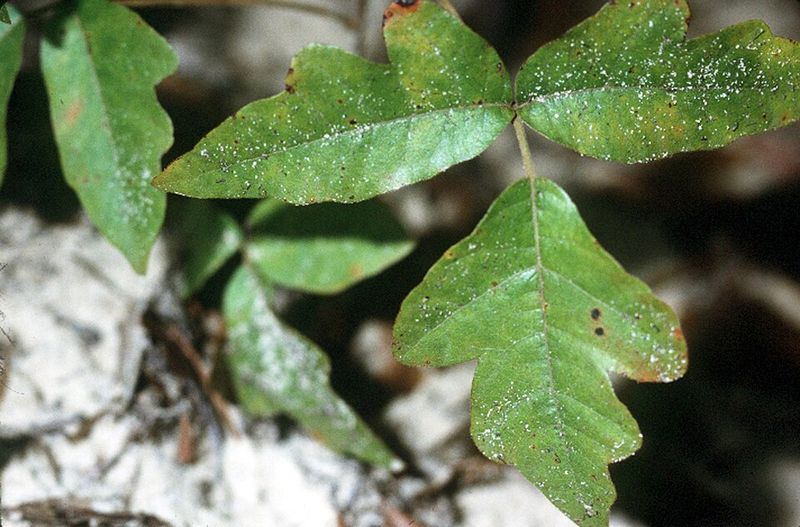
Many people mistakenly believe that fire destroys all harmful substances in plants, but urushiol oil defies this common assumption completely.
This resilient chemical compound remains potent even when exposed to extremely high temperatures that would normally break down most organic materials.
Scientists have discovered that urushiol maintains its allergenic properties at temperatures exceeding 900 degrees Fahrenheit, which is hotter than most backyard fires.
The oil doesn’t simply vanish into harmless ash; instead, it transforms into microscopic particles that float through the air effortlessly.
Washington residents who burn yard waste often don’t realize they’re creating invisible clouds of this powerful allergen around their properties.
The oil can settle on outdoor furniture, toys, pet fur, and clothing, continuing to cause reactions long after the fire ends.
Touching any surface contaminated with these particles can trigger the same itchy, blistering rash as direct contact with fresh leaves.
Experts emphasize that no amount of heat makes poison oak safe to burn, regardless of how dry or old the plant appears.
The only safe approach involves proper identification and disposal through approved green waste facilities that handle hazardous plant materials correctly.
Rashes Can Appear Inside Your Body
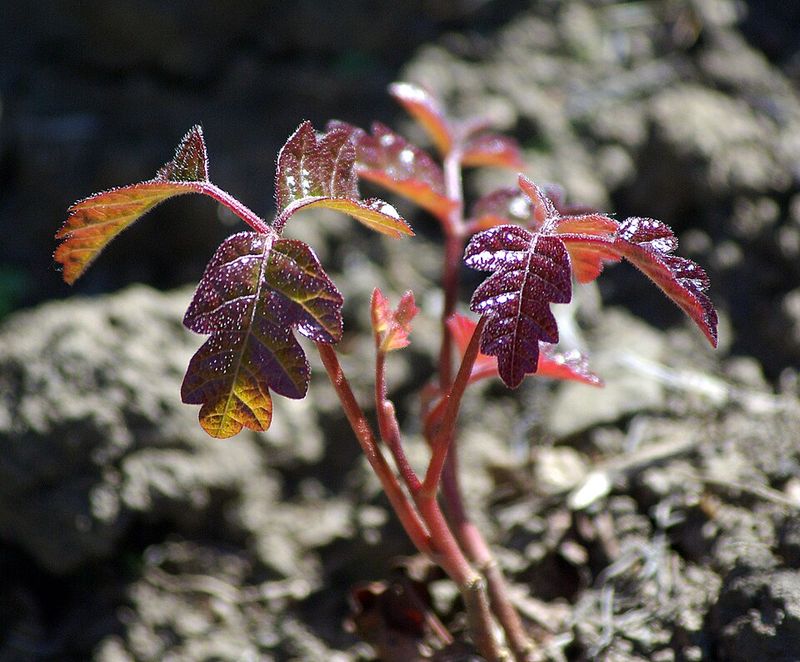
While most people associate poison oak with external skin rashes, internal exposure creates far more frightening medical complications.
Inhaling smoke containing urushiol causes the same allergic reaction to occur inside your mouth, throat, esophagus, and lung tissues.
Washington medical centers report cases where patients develop painful blisters along their entire digestive tract after breathing contaminated smoke.
These internal rashes can’t be treated with typical creams or ointments, making them much harder to manage than surface irritations.
Swelling inside your airways represents a genuine medical emergency that requires immediate professional intervention to prevent breathing from becoming completely blocked.
Symptoms often start subtly with a scratchy throat or mild cough, then rapidly progress to severe distress within hours.
The allergic response can continue intensifying for several days after initial exposure, even without additional contact with the irritant.
Emergency room doctors across the state stress that internal poison oak reactions require completely different treatment protocols than external rashes.
Patients may need steroids, antihistamines, breathing treatments, or even hospitalization depending on the severity of their respiratory system involvement.
Recognizing early warning signs and seeking prompt medical attention can prevent minor irritation from escalating into life-threatening complications.
Identifying Poison Oak In Washington State
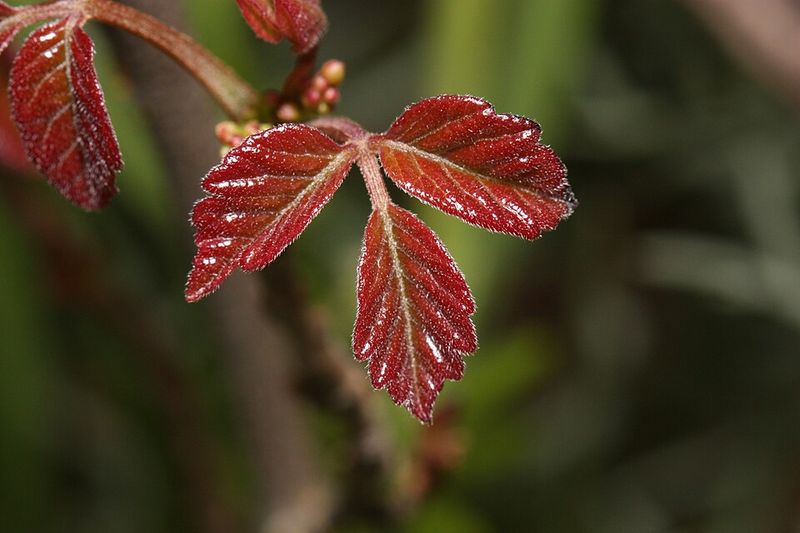
Recognizing poison oak before it ends up in your fire pit requires understanding its distinctive appearance throughout different seasons.
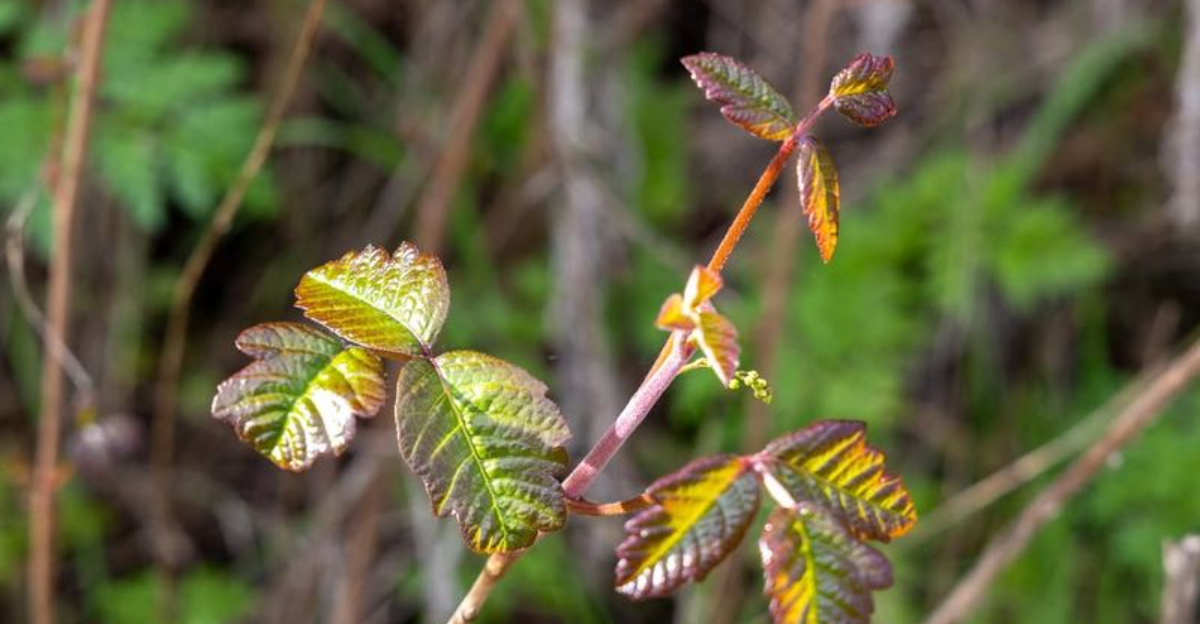
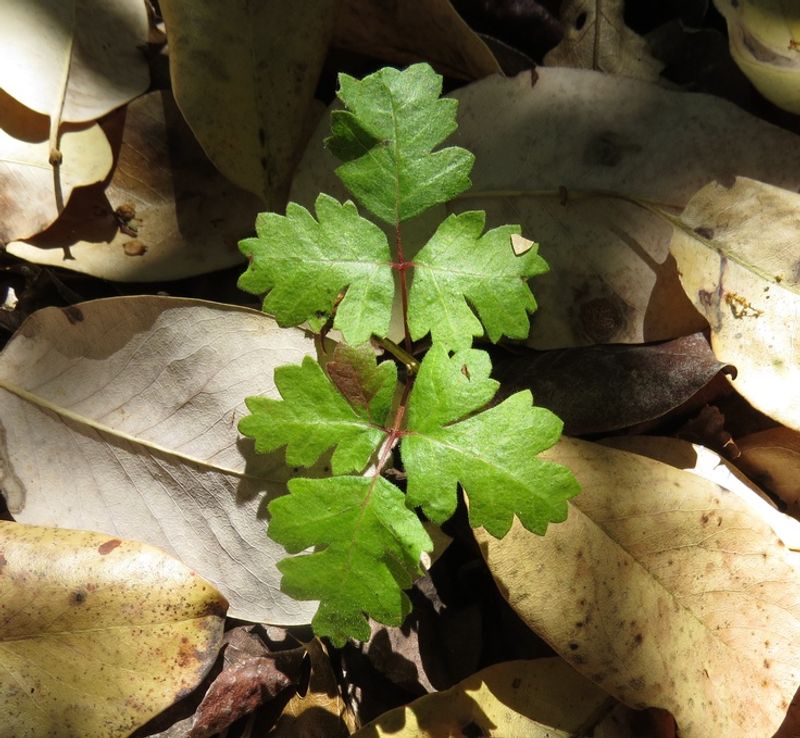
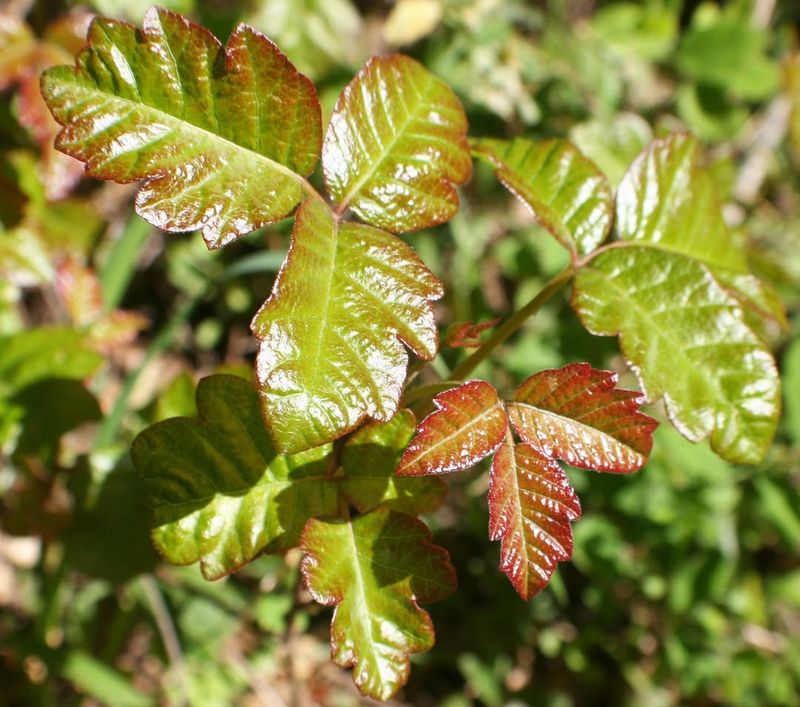
The plant typically grows as a shrub or climbing vine with clusters of three almond-shaped leaves that have slightly scalloped edges.
During spring and summer months, the foliage displays a glossy green color that can easily blend with other vegetation in your yard.
Fall brings dramatic color changes, with leaves turning brilliant shades of red, orange, and yellow that many people find attractive.
Washington State poison oak often grows along fence lines, in wooded areas, and mixed among blackberry bushes and other native plants.
The stems appear woody and may have small hair-like fibers, while mature plants sometimes produce clusters of whitish berries during late summer.
Winter doesn’t make the plant safe; dormant stems and roots still contain high concentrations of urushiol oil year-round.
Local experts recommend learning the saying “leaves of three, let it be” as a basic identification rule for outdoor activities.
Taking photos of suspicious plants and consulting with county extension offices can provide accurate identification before you start clearing brush.
Never assume a plant is safe just because you haven’t reacted to it before, as sensitivity can develop suddenly.
Contaminated Tools Spread The Problem
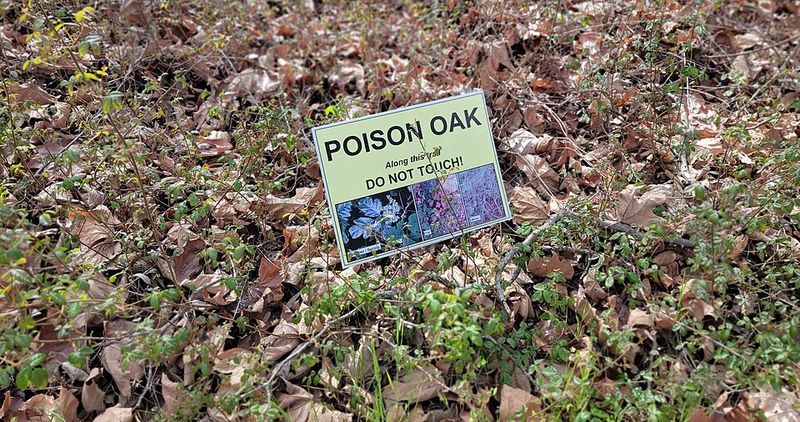
Cutting or handling poison oak transfers urushiol oil onto every surface your tools and equipment touch during the removal process.
Pruning shears, saws, gloves, rakes, and even vehicle surfaces can harbor active oil for months or years if not properly cleaned.
Washington gardeners have reported developing severe rashes weeks after using tools that contacted poison oak during previous yard work sessions.
The oil remains chemically stable and doesn’t evaporate like water, so simply letting tools air out provides absolutely no protection.
Washing contaminated equipment requires more than just soap and water; you need specialized cleaners designed to break down plant oils.
Many hardware stores in Washington carry commercial products specifically formulated to remove urushiol from various surfaces and materials safely.
Wearing disposable gloves during the cleaning process prevents transferring the oil from your tools directly onto your bare hands.
Storing potentially contaminated tools separately from your regular gardening equipment helps prevent accidental exposure during future projects around your property.
Labeling items that contacted poison oak reminds family members to exercise caution and avoid casual handling without proper protective measures.
Some Washington residents choose to designate specific tools exclusively for dealing with hazardous plants, keeping them completely separate from everyday use.
Pets Can Transfer Oil To You
Animals don’t typically react to poison oak themselves, but their fur becomes a perfect vehicle for transporting urushiol directly to you.
Dogs and cats love exploring brushy areas where poison oak commonly grows throughout Washington neighborhoods and hiking trails near residential areas.
When your pet brushes against the plant, oil coats their fur and remains active for extended periods until properly removed.
Petting, hugging, or simply touching your animal companion then transfers the allergen from their coat straight onto your skin surface.
Many pet owners develop mysterious rashes and never connect their symptoms to their furry friends who roamed through contaminated vegetation earlier.
The oil can persist in animal fur for weeks, causing repeated exposure every time you interact with your pet normally.
Even indoor cats can pick up urushiol if they venture outside briefly or if you track plant material inside on shoes.
Washington veterinarians recommend bathing pets with dish soap if you suspect they contacted poison oak during outdoor adventures or yard time.
Wearing rubber gloves during the washing process protects you from exposure while cleaning your animal’s contaminated coat thoroughly and completely.
Keeping pets away from known poison oak patches and staying on clear trails during walks reduces everyone’s risk significantly.
Proper Disposal Methods Protect Everyone
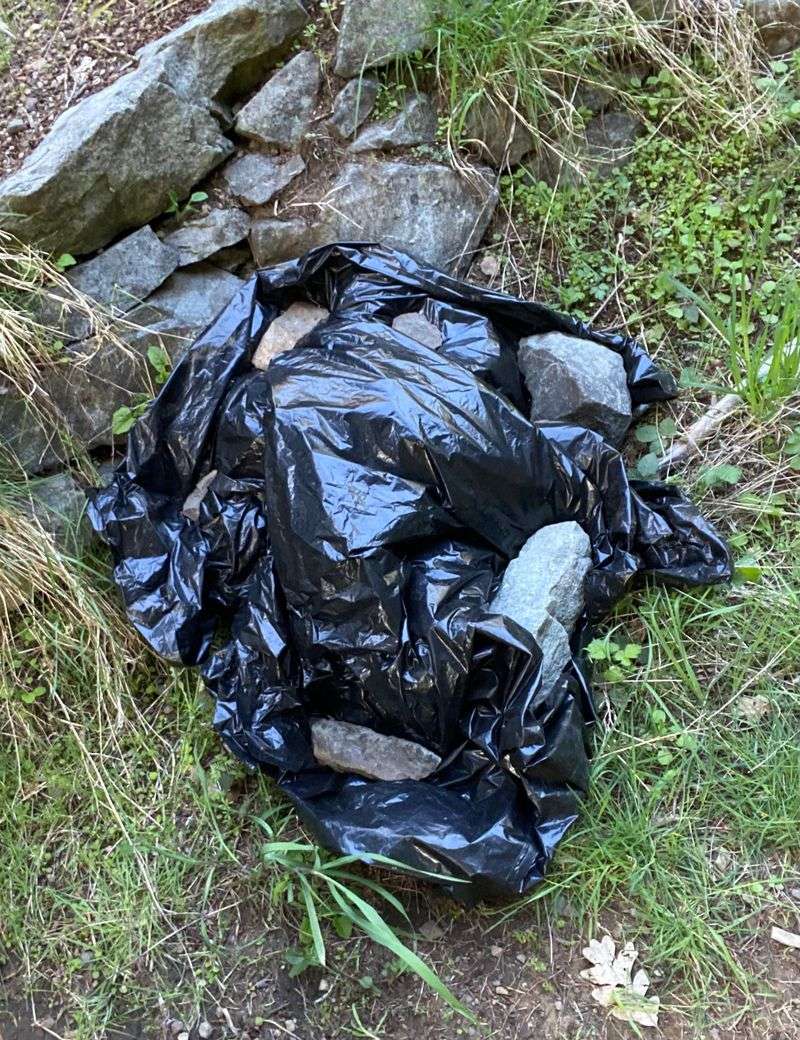
Getting rid of poison oak safely requires following specific protocols that prevent exposing yourself, your family, and waste management workers.
Bagging the plant material in heavy-duty plastic bags while wearing long sleeves, pants, and disposable gloves provides the first layer of protection.
Washington State guidelines recommend double-bagging poison oak and clearly labeling containers to warn anyone handling them about the hazardous contents inside.
Never place poison oak in regular yard waste bins unless your local service specifically accepts this type of dangerous vegetation.
Many counties operate special hazardous plant collection sites where trained professionals handle toxic vegetation using appropriate safety equipment and disposal methods.
Contacting your local solid waste department provides information about collection schedules, drop-off locations, and any specific packaging requirements for your area.
Some municipalities offer seasonal collection events specifically for problematic plants that shouldn’t enter standard composting or waste streams.
Professional removal services represent another option for properties with extensive poison oak growth that seems overwhelming to handle independently and safely.
These companies possess the training, equipment, and disposal connections necessary to eliminate the plant without creating health risks for residents.
The investment in professional help often proves worthwhile compared to medical bills from exposure incidents or repeated failed removal attempts.
Building Awareness Prevents Accidents
Educating your household members and neighbors about poison oak dangers creates a safer community environment for everyone living in Washington.
Children especially need clear instructions about avoiding plants with three-leaf clusters and understanding why they shouldn’t bring unknown vegetation near fires.
Teaching kids to recognize poison oak transforms them into additional watchful eyes who can spot the plant during outdoor play.
Family fire pit nights should include brief safety reminders about checking all wood and kindling for suspicious leaves or vines.
Sharing information with neighbors helps protect entire neighborhoods since smoke and contaminated particles don’t respect property boundaries or invisible lot lines.
Community social media groups provide excellent platforms for posting identification photos and discussing safe removal strategies specific to your local area.
Washington State University Extension offices offer free educational materials, workshops, and expert consultations for residents concerned about poison oak.
Creating a culture of awareness means people feel comfortable speaking up when they notice someone about to make a dangerous mistake.
A friendly warning before someone tosses suspicious vegetation into flames could prevent serious medical emergencies and expensive hospital visits.
Taking poison oak seriously and treating it as the genuine health hazard it represents protects everyone who enjoys outdoor fires.