The Plants Ohio Gardeners Can Start In Late Winter For Better Soil Next Season
Winter in Ohio can feel like a long stretch of cold days and frozen ground.
But smart gardeners know that late winter offers a secret opportunity to improve soil quality for the upcoming season.
One simple plant can transform tired, compacted earth into rich, healthy growing space before spring arrives.
Cover crops, also known as green manure, work quietly beneath snow and frost to add nutrients, prevent erosion, and break up tough soil.
Starting these plants in late winter means they have time to establish roots and do their job before you need the garden space for vegetables and flowers.
When temperatures begin to rise in March, these hardy plants push through the cold soil and start working their magic.
They capture nitrogen from the air, loosen compacted layers, and create organic matter that feeds beneficial soil organisms.
By the time you are ready to plant tomatoes and peppers, your soil will be softer, richer, and more productive than ever before.
Ohio gardeners face unique challenges with heavy clay soil and unpredictable spring weather.
The right cover crop planted at the right time can solve both problems at once.
Your garden will thank you with stronger plants, bigger harvests, and fewer pest problems throughout the growing season.
1. Crimson Clover
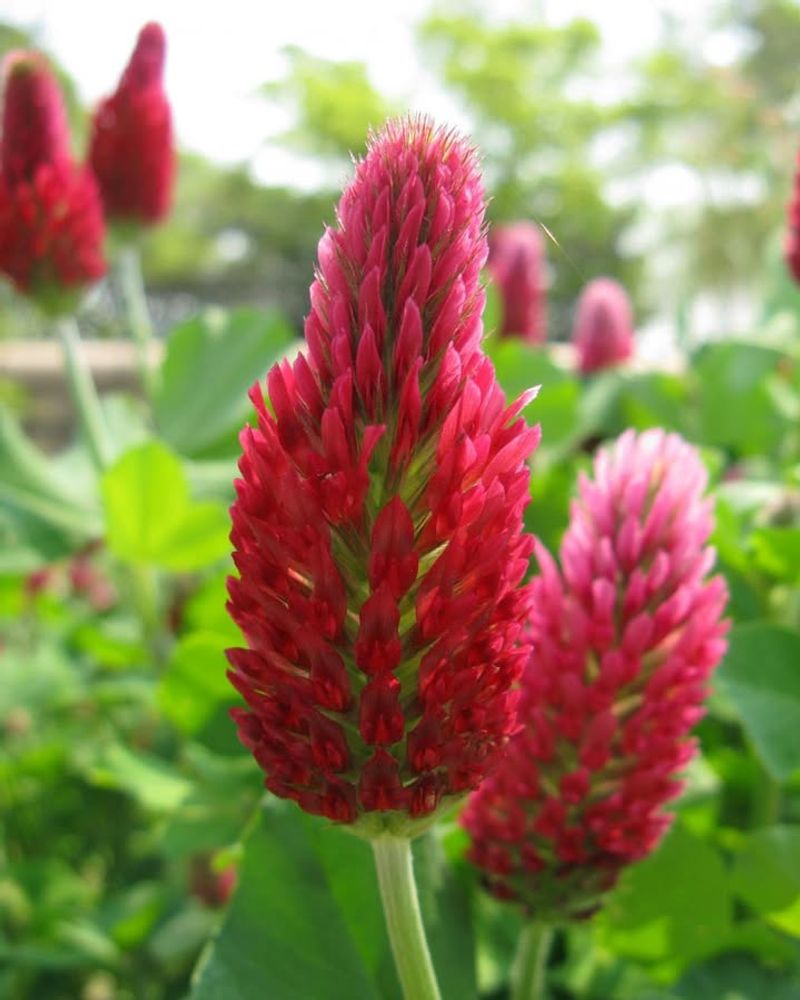
Crimson clover stands out as one of the most beautiful and beneficial cover crops you can plant in late winter.
Its bright red blooms appear in early spring, attracting pollinators to your garden just when they need food most.
But the real magic happens underground, where special bacteria on the roots capture nitrogen from the air and store it in the soil.
This nitrogen becomes available to your vegetable plants later in the season, reducing or eliminating the need for chemical fertilizers.
Crimson clover grows quickly once temperatures warm up, even in Ohio’s unpredictable March weather.
The plants reach about 12 to 18 inches tall and create a thick mat that smothers early weeds before they become a problem.
You can broadcast the seeds directly onto frozen ground in late February or early March.
As the ground thaws and refreezes, the seeds work themselves into the soil naturally.
Once spring arrives, the clover grows rapidly and can be turned under about two weeks before you plant your main crops.
The organic matter from crimson clover improves soil structure in heavy clay, making it easier for roots to penetrate.
Water absorption improves dramatically, and beneficial earthworms multiply in the enriched soil.
Many Ohio gardeners report noticeably better tomato and pepper growth after using crimson clover as a winter cover crop.
2. Winter Rye
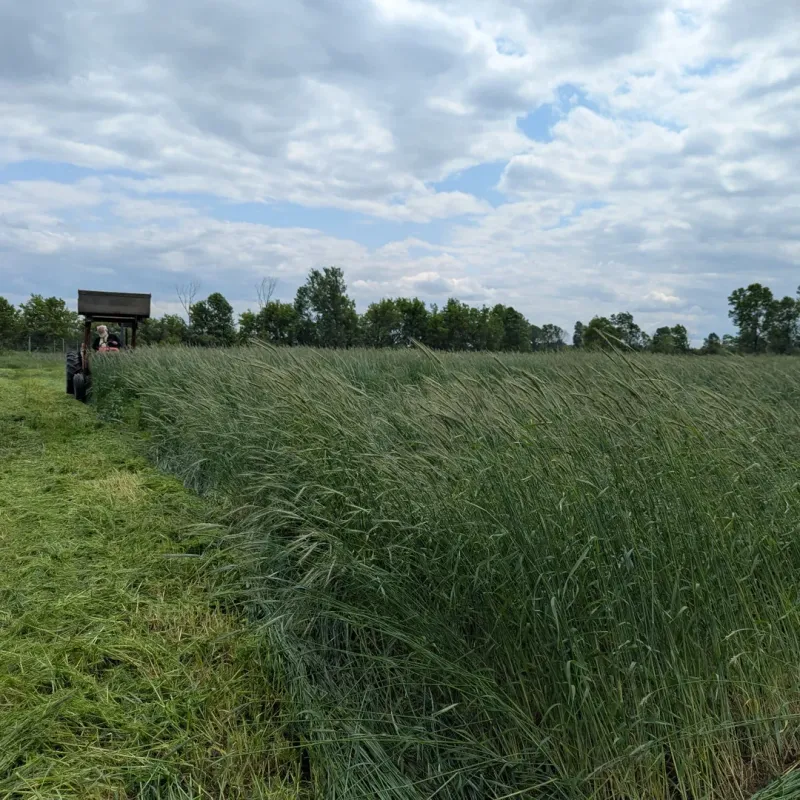
Few plants can match winter rye for toughness and soil-building power in Ohio gardens.
This grain crop tolerates temperatures well below zero and keeps growing whenever the thermometer climbs above freezing.
The extensive root system, which can reach six feet deep, breaks up compacted clay layers that other plants cannot penetrate.
Winter rye acts like a natural subsoiler, creating channels that improve drainage and allow air to reach deeper soil levels.
These root channels remain after you turn the plants under, giving your vegetable roots an easier path downward.
The thick growth on top prevents soil erosion during heavy spring rains and holds precious topsoil in place during windy March days.
Sow winter rye seeds in late February by scattering them on frozen or partially frozen ground.
They germinate quickly when conditions warm up, even sprouting in temperatures as low as 34 degrees.
By late April or early May, the rye will be tall enough to mow down and incorporate into your garden beds.
The decomposing plant material adds substantial organic matter that feeds soil microorganisms throughout the growing season.
Winter rye also suppresses certain soilborne diseases and reduces populations of harmful nematodes.
Ohio gardeners appreciate how this cover crop handles our heavy soils and creates better growing conditions for demanding crops like squash and melons.
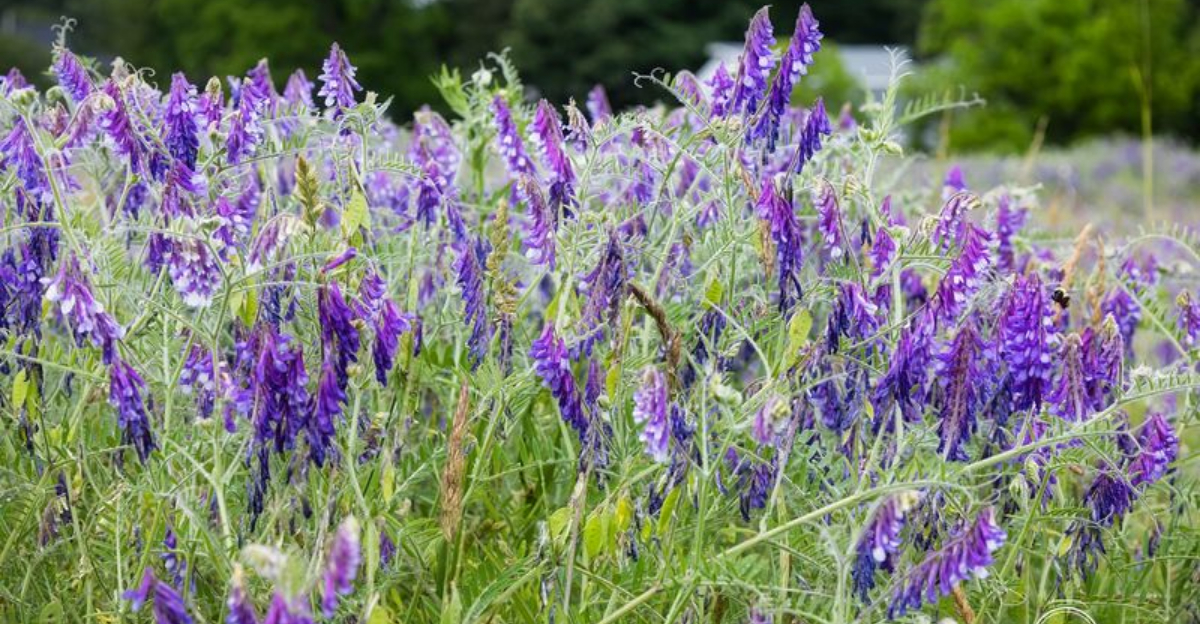
3. Hairy Vetch
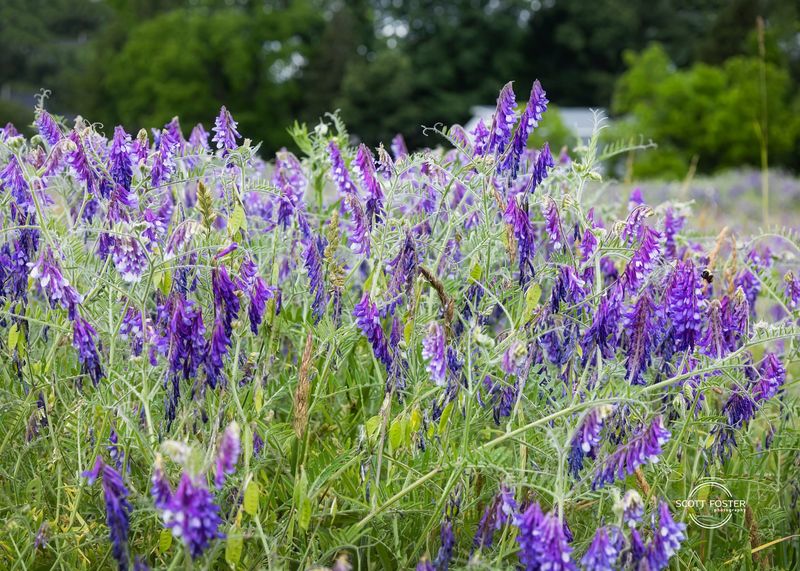
Hairy vetch earns its place in Ohio gardens through exceptional nitrogen-fixing abilities that rival expensive fertilizers.
This legume can add up to 200 pounds of nitrogen per acre to your soil, enough to feed heavy feeders like corn and cabbage all season long.
The vining plants create a dense carpet that protects bare soil from erosion while adding massive amounts of organic matter when turned under.
Unlike some cover crops, hairy vetch thrives in poor soil conditions and actually improves fertility as it grows.
The plants develop slowly through late winter, then explode with growth when April temperatures rise.
Purple flowers appear in late spring, providing nectar for bees and beneficial insects before you incorporate the plants into your garden.
Plant hairy vetch seeds in late winter by mixing them with a small amount of sand for easier broadcasting.
The seeds need good contact with soil to germinate, so rake lightly after spreading if the ground has thawed.
Many Ohio gardeners combine hairy vetch with winter rye for a powerful soil-building partnership.
The rye provides quick ground cover while the vetch fixes nitrogen and adds diversity to the cover crop mix.
When you turn this combination under in spring, your soil receives both nitrogen and carbon-rich organic matter.
Vegetables planted after hairy vetch show darker green leaves and more vigorous growth compared to unfertilized plots.
4. Austrian Winter Peas

Austrian winter peas bring nitrogen-fixing power to Ohio gardens while establishing faster than many other legume cover crops.
These cold-hardy plants germinate in chilly soil and grow steadily through late winter cold snaps that would damage less hardy species.
The plants produce abundant foliage that breaks down quickly when incorporated, releasing nutrients right when your spring vegetables need them most.
Root nodules on Austrian winter peas harbor beneficial bacteria that capture atmospheric nitrogen and convert it into plant-available forms.
This natural process enriches your soil without chemicals or expensive amendments.
The vining growth habit creates a thick mulch layer that moderates soil temperature and keeps moisture from evaporating during dry March winds.
Sow Austrian winter pea seeds in late February or early March when you can work the soil briefly between freezes.
Press the large seeds into the ground about an inch deep for best results.
The plants grow to about 24 inches tall and produce small white flowers that attract early-season pollinators to your garden.
Many Ohio gardeners appreciate how quickly Austrian winter peas decompose after being turned under.
You can plant warm-season crops just two weeks after incorporation, compared to four weeks for some other cover crops.
The rapid breakdown releases a surge of nitrogen that gives transplanted tomatoes and peppers an excellent start in their new home.
5. Field Peas
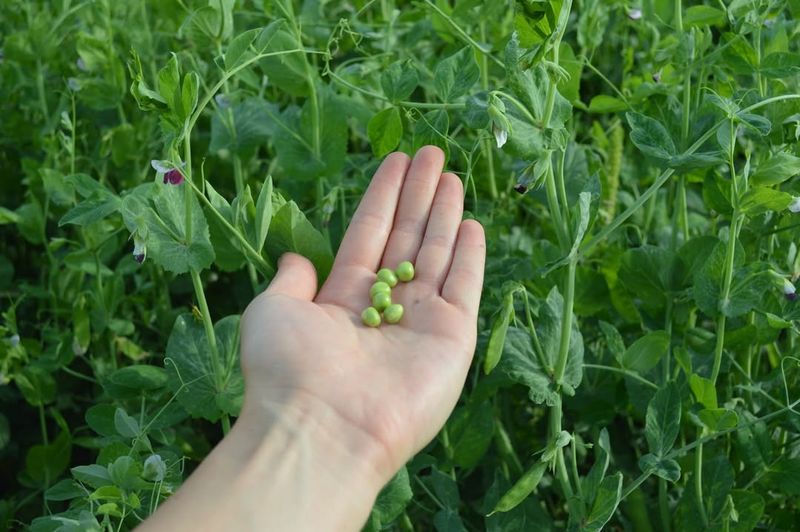
Field peas offer Ohio gardeners a versatile cover crop option that works exceptionally well in transition seasons.
These legumes establish quickly in cold soil and produce substantial biomass in a short growing period.
The plants grow upright rather than vining, making them easier to manage in small garden spaces where tangled growth might be problematic.
Like other legumes, field peas capture nitrogen from the air and store it in root nodules throughout their growth cycle.
When you turn the plants under, this nitrogen becomes available to your vegetables, herbs, and flowers.
The thick canopy shades out early weeds and prevents light from reaching dormant weed seeds in the soil surface.
Plant field pea seeds in late winter by broadcasting them over prepared beds or directly onto crusty snow.
The freeze-thaw cycle helps work seeds into the soil naturally, saving you time and effort.
Field peas tolerate Ohio’s variable spring weather better than many vegetables, continuing to grow through light frosts and chilly rain.
The plants reach maturity quickly, often ready to turn under in just six to eight weeks after germination.
This fast turnaround makes field peas perfect for gardeners who want to plant early crops like lettuce and peas in the same beds.
The improved soil structure after field peas makes planting easier and helps young seedlings establish faster with stronger root systems.
6. Buckwheat

Buckwheat, with its rapidly growing green foliage, is a delightful addition to your winter garden.
This plant not only suppresses weeds but also breaks down quickly, enriching the soil with vital nutrients.
Known for its adaptability, buckwheat thrives even in poor soil conditions, making it an ideal choice for improving garden beds.
Its quick growth cycle means you can plant it late in the season and still reap the benefits of its soil-enhancing properties.
Fun fact: Buckwheat is not a true cereal grain but a fruit seed, related to rhubarb and sorrel!
7. Mustard Greens
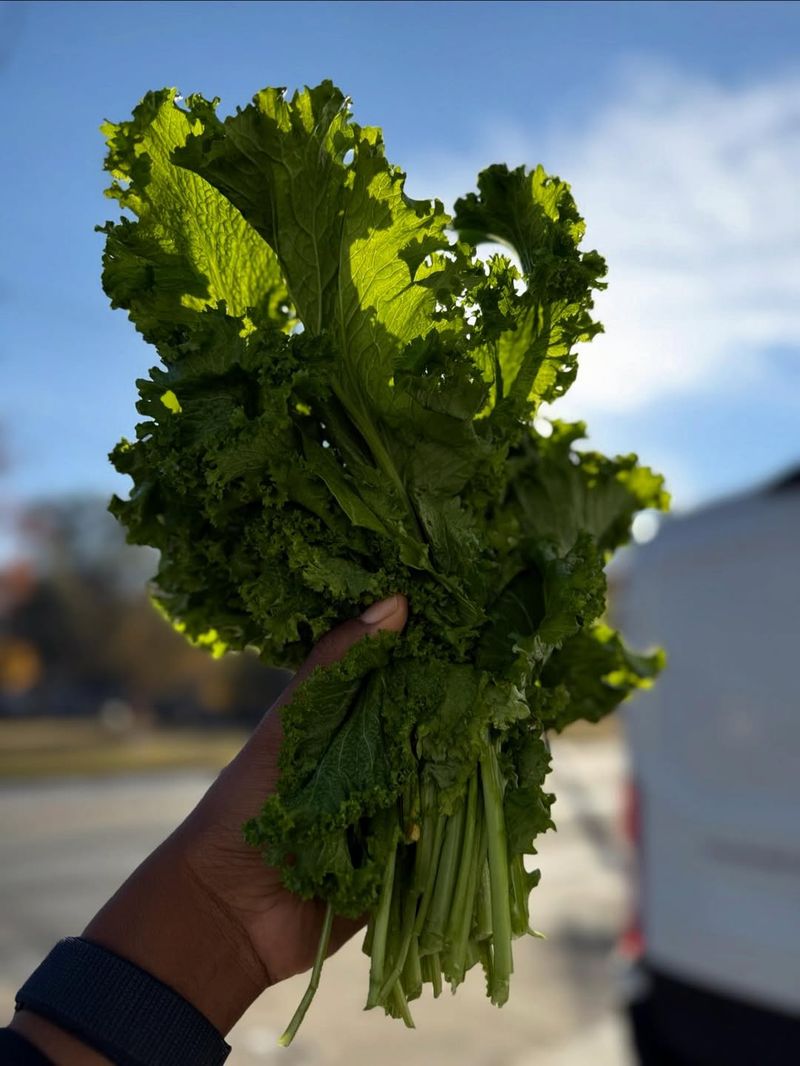
Mustard greens bring a peppery punch to winter soil preparation.
These vibrant greens help break up compacted soil while adding organic matter to enrich it.
As a natural biofumigant, mustard greens can deter pests and diseases, providing a healthier environment for your spring plants.
Their deep roots improve soil aeration, making them a practical choice for garden improvement.
Interestingly, mustard greens have been used in crop rotation for centuries, known for their ability to rejuvenate tired soils and offer protection against nematodes.
They’re nature’s way of setting the stage for a flourishing garden.