The 9 Plants Oregon Gardeners Should Start From Seed This Month
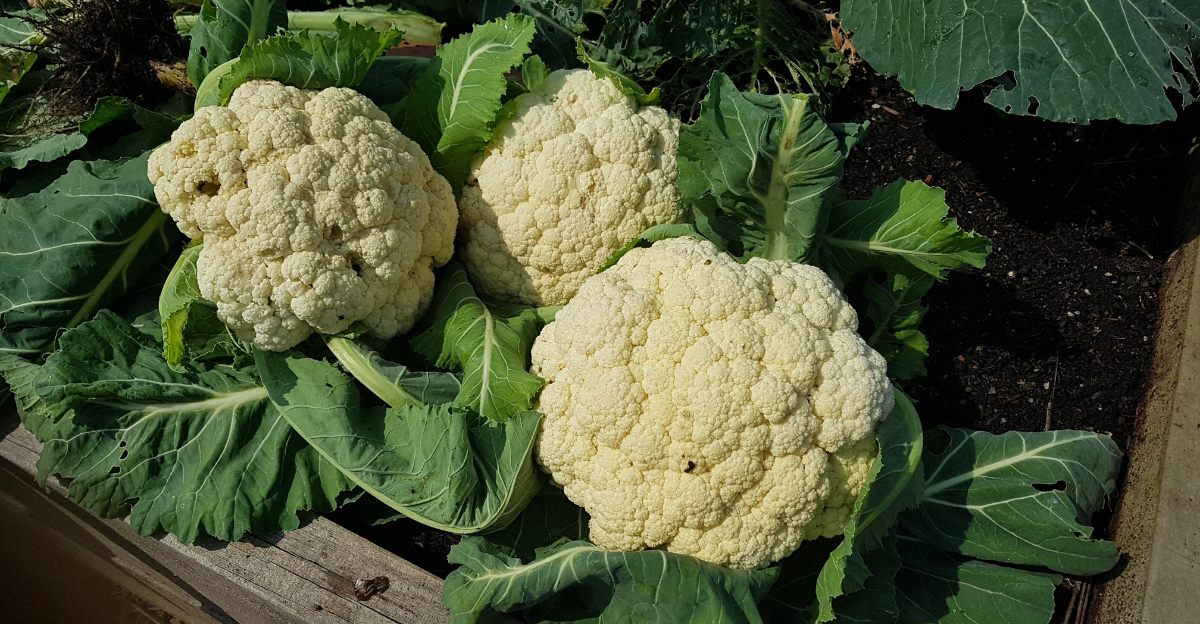
If you’re eager to start your garden but want to skip the trip to the nursery, starting plants from seed is the perfect solution. It’s an affordable way to grow a variety of plants, and it’s incredibly rewarding to watch them thrive from scratch.
Some plants are especially suited for starting now. These fast-growing beauties are hardy enough to handle Oregon’s early weather and will set the stage for a vibrant garden throughout the year.
If you’re after colorful flowers, tasty herbs, or delicious veggies, sowing seeds gives you the flexibility to choose exactly what you want.
Give these plants a head start, and you’ll soon be looking at a thriving garden full of blooms and fresh produce. Get your hands in the dirt, and let nature do the rest.
1. Peas
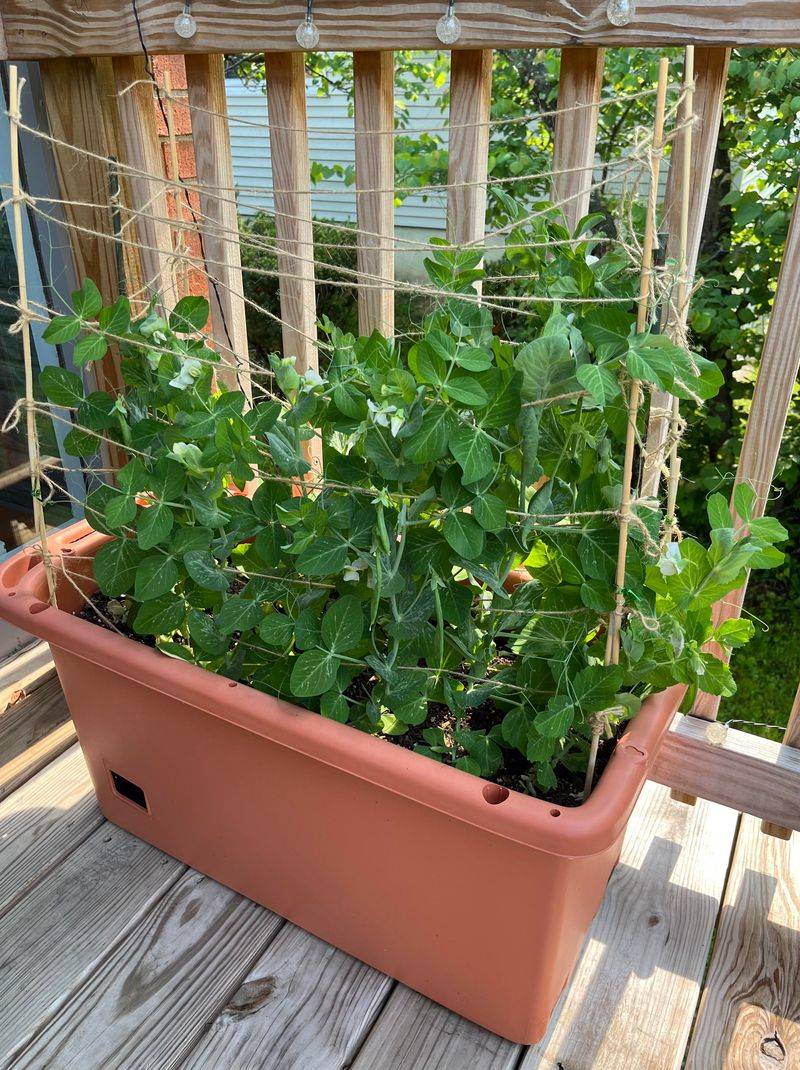
One of the best feelings in an Oregon garden is popping a fresh pea right off the vine. Peas are a cool-season crop, which means they actually prefer the chilly, damp weather that early spring in Oregon tends to bring.
That makes this the ideal time to get them in the ground.
You can direct sow pea seeds straight into your garden bed without any indoor starting needed. Plant them about one inch deep and two inches apart.
They germinate best when soil temperatures are between 40 and 70 degrees Fahrenheit, which is pretty easy to hit in most parts of Oregon right now.
Peas love to climb, so set up a simple trellis or some sticks for support. Without something to grab onto, the vines will sprawl and make harvesting harder.
A basic wire fence or bamboo frame works perfectly.
Keep the soil consistently moist after planting. Peas do not like to dry out, especially during germination.
Once they sprout, they are surprisingly low maintenance. You should see your first pods ready to pick in about 60 to 70 days.
Few things taste better than fresh Oregon-grown peas straight from your own backyard.
2. Parsley
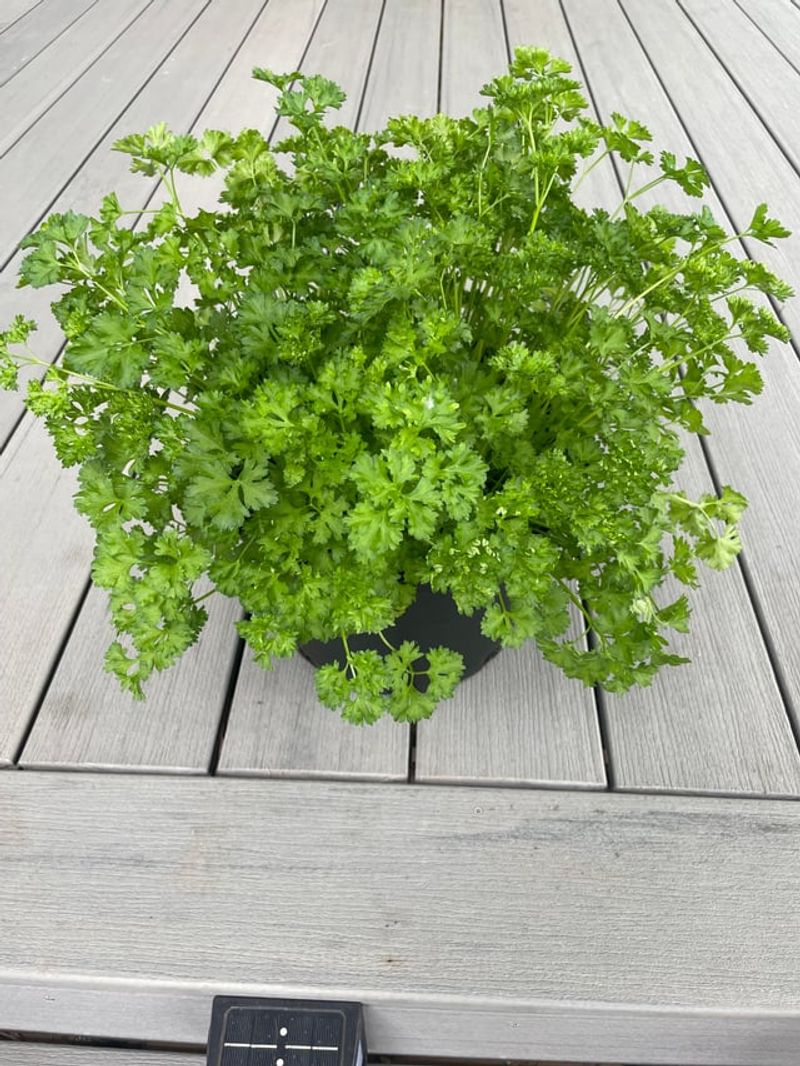
Parsley might seem like a simple garnish, but any serious Oregon gardener knows it is so much more than that. It adds fresh flavor to soups, salads, and roasted vegetables.
Starting it from seed in spring gives it plenty of time to grow strong before the summer heat arrives.
One thing to know upfront: parsley seeds are slow to germinate. They can take two to four weeks to sprout, so patience is key.
Soaking the seeds in warm water for 24 hours before planting can help speed things up a little. Plant seeds about a quarter inch deep in small starter pots or seed trays filled with quality potting mix.
Keep the soil warm and moist. A heat mat placed under your seed tray can make a real difference if your home tends to run cool.
Parsley prefers temperatures between 65 and 75 degrees for the best germination results.
Once seedlings are a few inches tall and the weather has warmed up a bit, you can transplant them outdoors. Oregon’s mild spring climate suits parsley well.
It grows happily in garden beds or containers, making it a flexible and rewarding herb to grow from seed each year.
3. Spinach
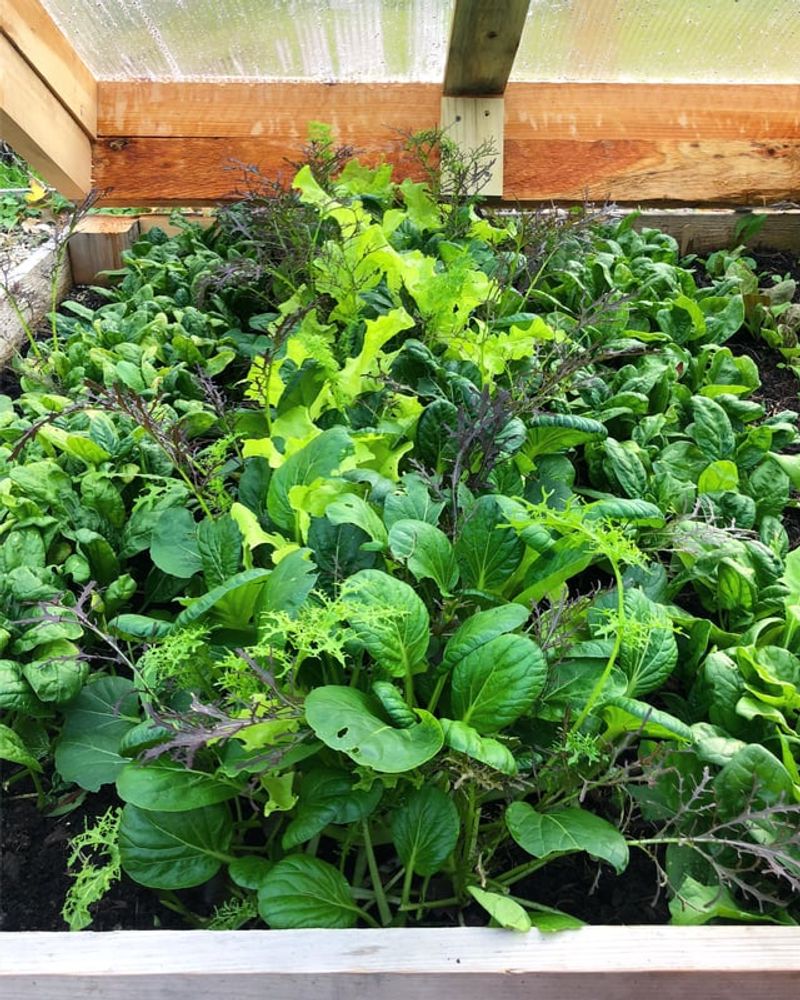
Spinach is one of those plants that practically begs to be grown in Oregon. The cool, wet springs here are exactly what spinach loves.
It grows fast, tastes great, and gives you a nutritious harvest without much fuss. Early spring is the sweet spot for getting spinach seeds in the ground.
Direct sowing is the way to go with spinach. Scatter seeds thinly in rows about 12 inches apart and cover them with about half an inch of soil.
Water gently so you do not wash the seeds around. Germination usually happens within 7 to 14 days when soil temps are above 40 degrees, which is very manageable in most Oregon regions right now.
Spinach does not like warm weather. If temperatures climb too high, it will bolt, meaning it will send up a flower stalk and the leaves will turn bitter.
Starting in spring helps you get a solid harvest before summer heat sets in. You can also sow a second round in late summer for a fall crop.
Thin your seedlings to about 3 inches apart once they sprout. This gives each plant enough room to grow full, leafy, and tender.
Spinach is ready to harvest in as little as 40 days, making it one of the fastest rewards in the garden.
4. Parsnips
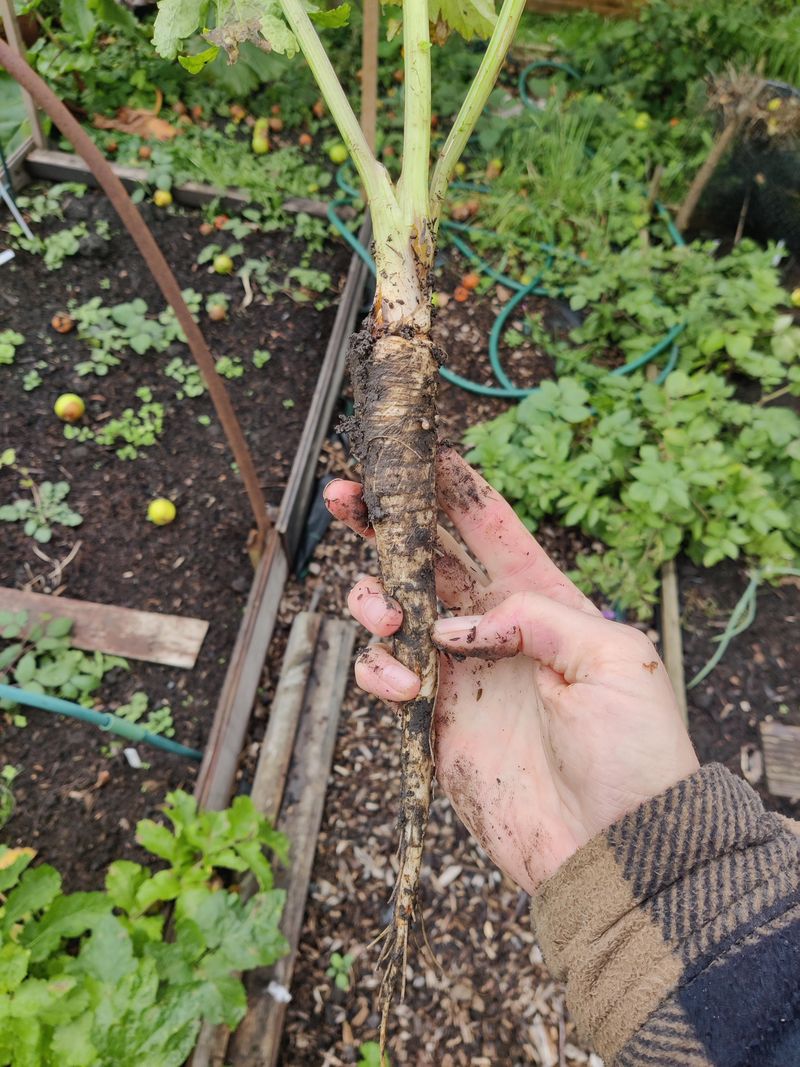
Not every gardener thinks to grow parsnips, but those who do are always glad they started. These sweet, earthy root vegetables are absolutely worth the effort, and March in Oregon is exactly the right time to get them going.
The cool soil and steady moisture create perfect conditions for germination.
Parsnips need to be direct sown outdoors because they do not transplant well. Their long taproots do not like being disturbed.
Sow seeds about half an inch deep in loose, well-worked soil. Rocky or compacted soil will cause the roots to fork and twist, so take time to loosen your bed at least 12 inches deep before planting.
One important heads-up: parsnip seeds have a short shelf life. Always use fresh seeds each season for the best germination rates.
Even with fresh seeds, germination can take 2 to 3 weeks, so mark your rows clearly so you do not accidentally disturb them.
Parsnips are ready to harvest in the fall, usually after about 100 to 120 days. Here is a fun fact: parsnips actually taste sweeter after a light frost because the cold converts their starches into sugars.
Oregon’s autumn climate is perfect for bringing out that natural sweetness right before harvest time.
5. Carrots
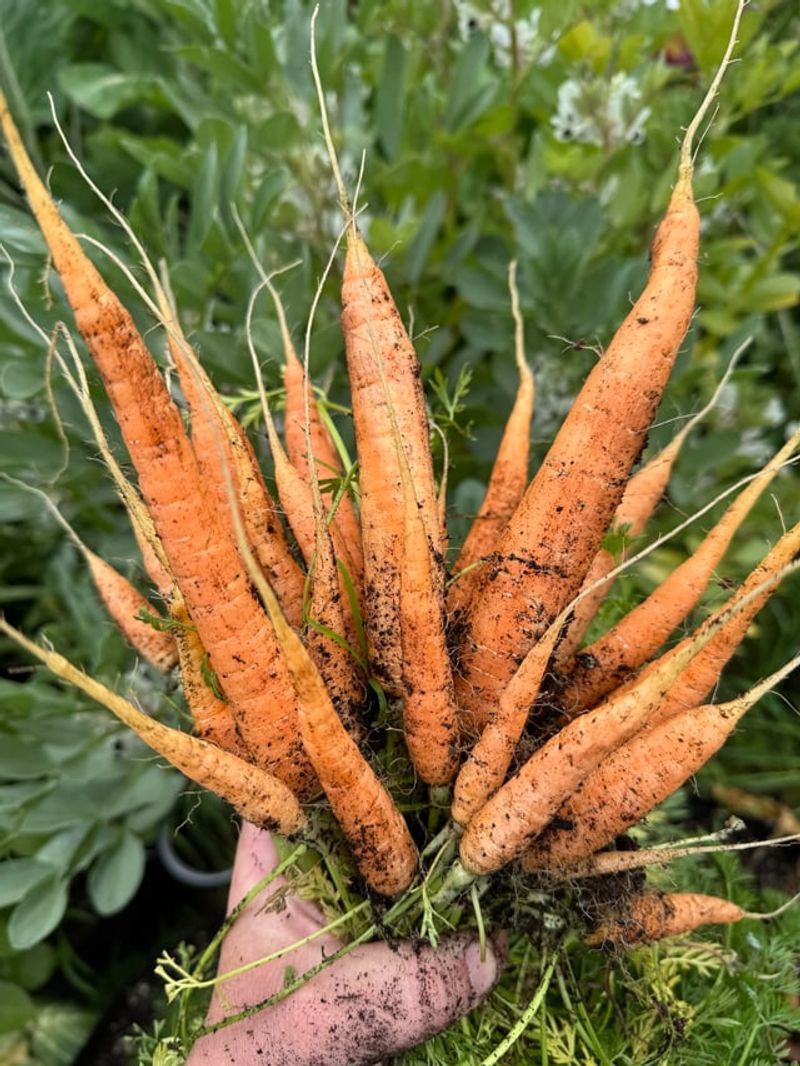
Few vegetables are as satisfying to pull from the ground as a homegrown carrot. Growing carrots from seed in Oregon is very doable, and March is a great time to start.
The cool soil temperatures that come with early spring actually help carrot seeds germinate more evenly and steadily.
Like parsnips, carrots need to be direct sown. They do not like being transplanted once they have started growing.
Prepare your garden bed well by loosening the soil to at least 10 to 12 inches deep. Remove any rocks or clumps that could cause the roots to fork or grow in odd shapes.
Sow carrot seeds very shallowly, just about a quarter inch deep. They are tiny, so try to space them out as much as possible, roughly an inch apart.
Carrot seeds need light to germinate, so do not bury them too deep. Keep the soil surface moist until sprouts appear, which usually takes 10 to 21 days.
Once seedlings are about 2 inches tall, thin them to 2 to 3 inches apart. Crowded carrots will not develop properly.
Oregon’s long, mild spring gives carrots plenty of time to develop before summer. Expect a harvest in 70 to 80 days depending on the variety you choose.
6. Cauliflower
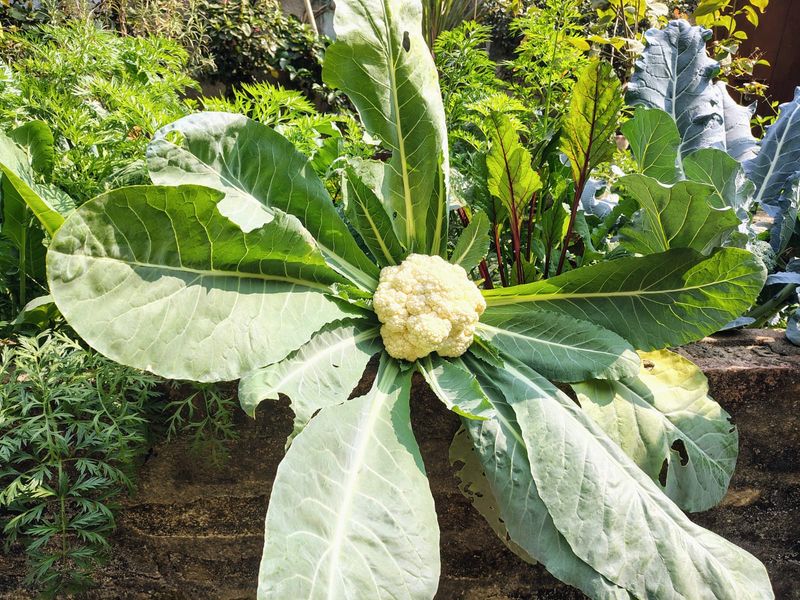
Cauliflower has a reputation for being a bit fussy, but do not let that scare you off. With the right timing and care, Oregon gardeners can grow beautiful heads of cauliflower that rival anything you would find at the farmers market.
Starting seeds indoors in March is the key to success.
Sow cauliflower seeds in small pots or seed trays filled with a good seed-starting mix. Plant seeds about a quarter inch deep and keep the soil warm, ideally between 65 and 75 degrees.
Germination usually happens within 5 to 10 days. Once seedlings develop their first set of true leaves, thin them to one per cell or pot.
Give your seedlings plenty of light. A south-facing window works, but a grow light will produce stronger, stockier transplants.
Weak, leggy seedlings tend to struggle once they go outdoors. You want compact, healthy starts before transplanting in late April or early May.
Cauliflower is sensitive to temperature swings, especially unexpected heat. Oregon’s mild spring is ideal for this crop, but keep an eye on forecasts.
When heads begin to form, you can fold the outer leaves over the head to protect it from sun and keep it white. That process is called blanching, and it makes a big difference in the final quality.
7. Cilantro
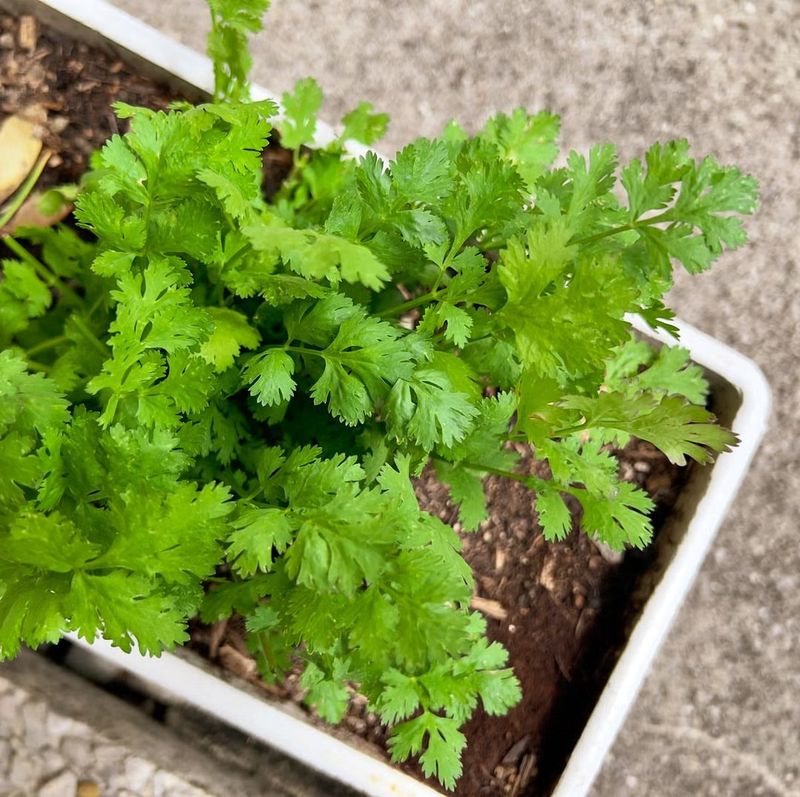
Love it or leave it, cilantro is one of the most popular herbs in home gardens across Oregon. It adds bright, fresh flavor to salsas, tacos, soups, and salads.
The good news is that it is also one of the easier herbs to grow from seed, especially when you start it in the cool days of March.
Cilantro does best when direct sown outdoors or started in containers, since it does not love being transplanted. If starting indoors, use biodegradable pots that can go straight into the ground to avoid disturbing the roots.
Plant seeds about a quarter inch deep and keep the soil lightly moist.
Here is a quirky tip: cilantro seeds are actually two seeds inside one husk. Gently crushing the husk before planting can improve germination rates.
Seeds usually sprout within 7 to 10 days in cool conditions, which makes March in Oregon just about perfect for getting a strong start.
Cilantro bolts quickly in heat, so the cool spring weather in Oregon actually extends your harvest window. Once it bolts and flowers, you can let it go to seed and collect the seeds, which are the spice known as coriander.
Planting in a partly shaded spot can also help slow bolting and keep the leaves coming longer into the season.
8. Dill
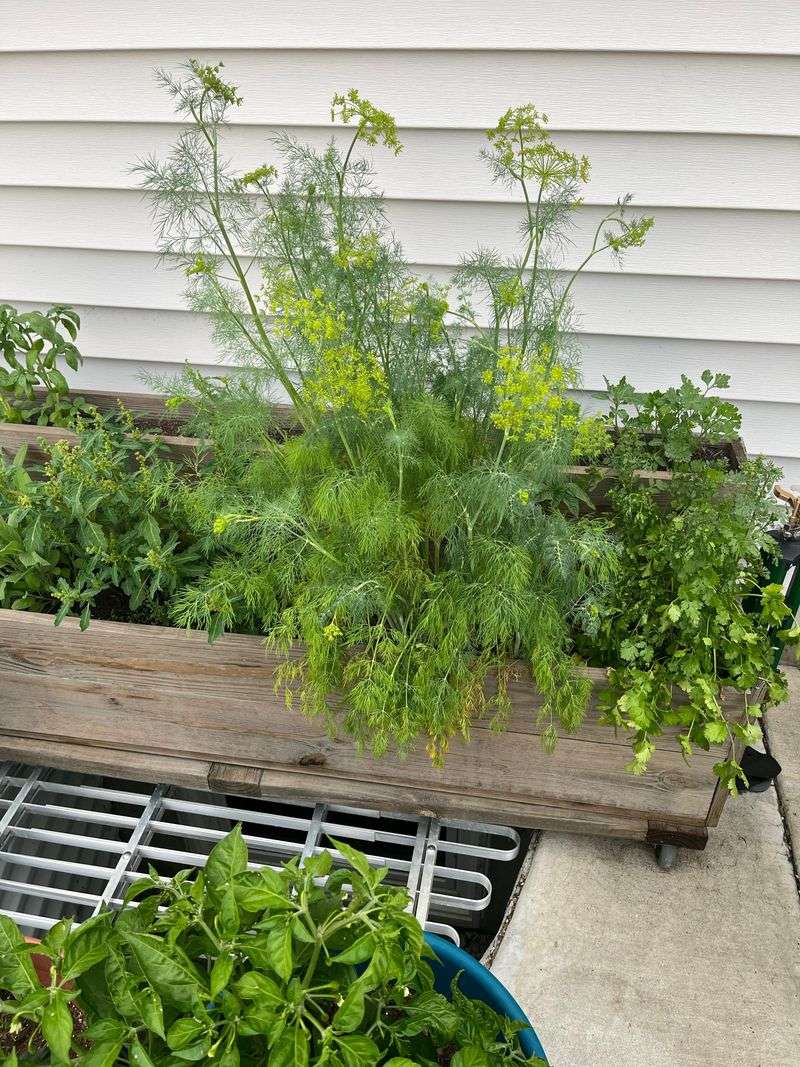
There is something cheerful about dill. Its feathery fronds sway in the breeze, it smells amazing, and it attracts beneficial insects to your Oregon garden.
Starting dill from seed in March is a smart move, and the process is refreshingly simple compared to some other herbs.
Dill does not transplant well because of its long taproot, so direct sowing is the best approach. You can sow seeds directly in your garden bed or in a deep container.
Sprinkle seeds on the surface of the soil and press them down lightly. They need light to germinate, so do not cover them with more than a very thin layer of soil or none at all.
Germination is usually quick, often within 7 to 14 days when temperatures are between 60 and 70 degrees. Oregon’s March weather fits that range well in many parts of the state.
Thin seedlings to about 12 inches apart once they are a couple of inches tall.
Dill grows fast and can reach 3 to 4 feet tall. It pairs beautifully with cucumbers and is a must-have for homemade pickles.
It also acts as a host plant for swallowtail butterfly caterpillars, which is a wonderful bonus for any Oregon gardener who loves supporting local pollinators and wildlife in the backyard.
9. Broccoli
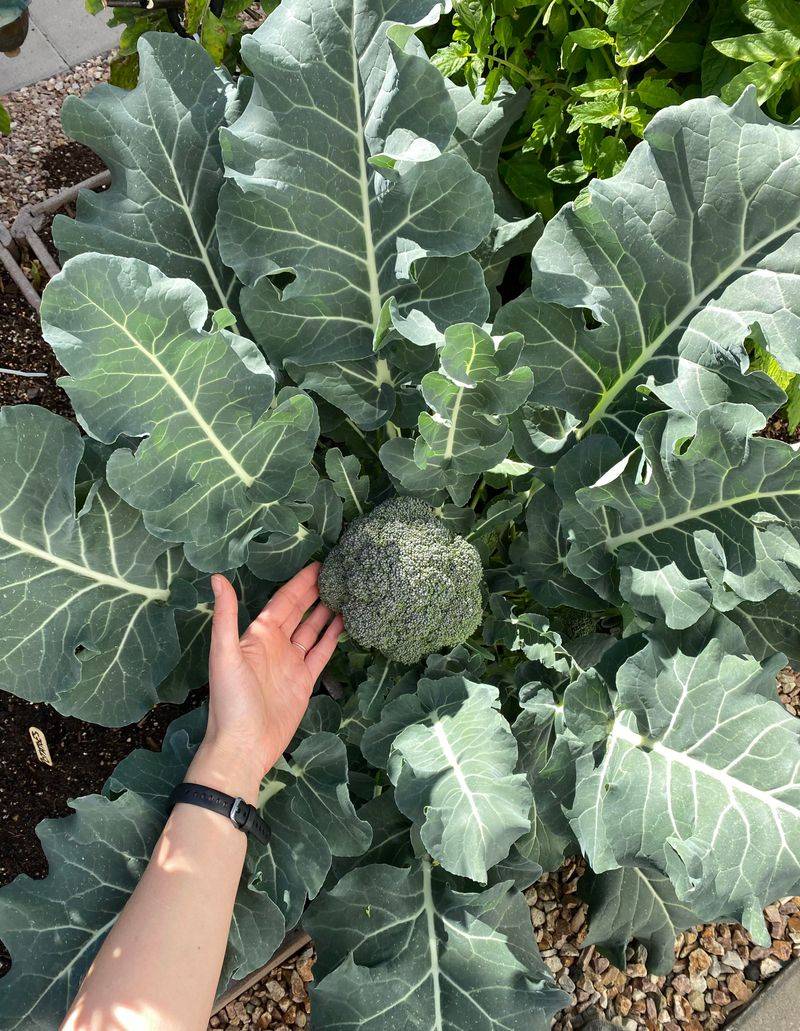
Broccoli is a powerhouse vegetable and a garden favorite across Oregon. Starting it from seed indoors in March gives you a strong head start before the outdoor growing season really kicks off.
By the time the last frost passes, your seedlings will be ready and raring to go into the ground.
Fill small seed-starting pots or trays with a quality seed-starting mix. Sow seeds about a quarter inch deep and keep the soil consistently moist.
Broccoli germinates quickly, usually within 5 to 10 days, especially if you keep the temperature around 65 to 75 degrees. A heat mat can help if your home runs cold.
Once seedlings develop their first true leaves, thin them to one per pot. Place them near a bright window or under a grow light for at least 14 to 16 hours of light per day.
Without enough light, seedlings become tall and spindly, which makes them harder to transplant successfully.
Before moving your seedlings outdoors in late April or early May, harden them off first. This means setting them outside for a few hours each day over a week or two, gradually increasing their outdoor time.
This process helps them adjust to Oregon’s outdoor temperatures and wind without getting stressed. After hardening off, they will settle into the garden bed quickly and grow into strong, productive plants.