The 9 Plants That Chickadees Love In California Gardens
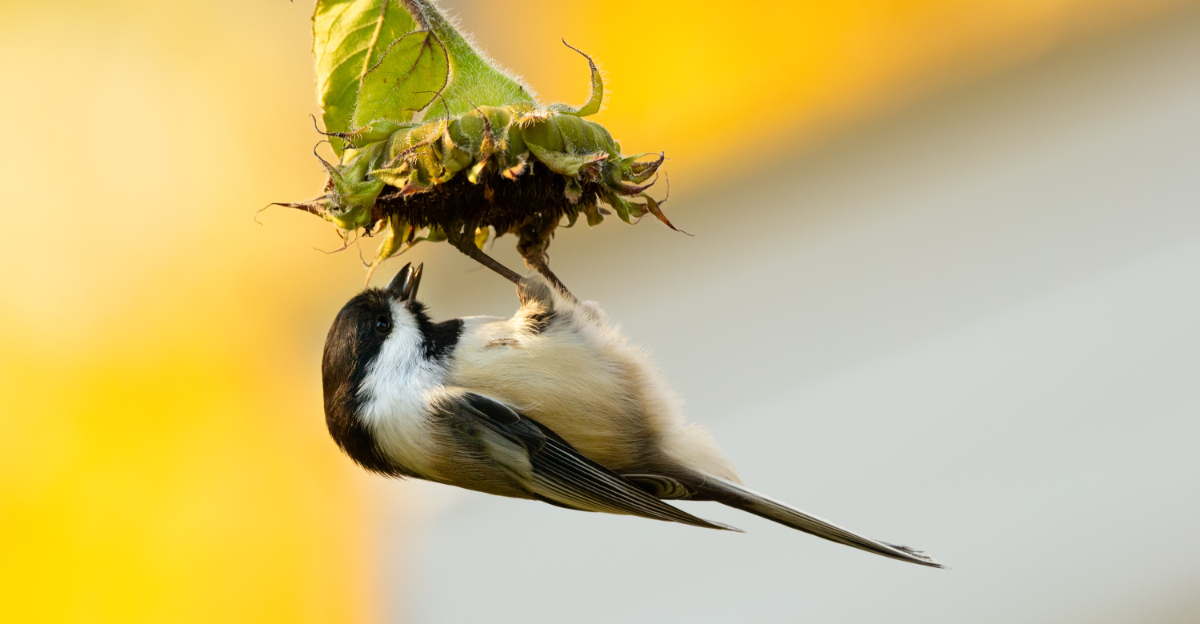
There is something extra satisfying about spotting chickadees in the garden. They do not make a grand entrance, but they bring so much life with their quick movements, curious energy, and cheerful little calls.
In California yards, the right plants can make them feel at home, turning an ordinary outdoor space into a place that feels busy, lively, and full of small surprises. That is part of the magic here. A garden can do more than look pretty on a sunny afternoon.
It can offer cover, food, and the kind of natural comfort that keeps these tiny birds coming back again and again. And once they start visiting, the whole yard seems to feel more animated.
Some plants are especially good at catching their attention, and not always for the reasons people expect. A bloom, a seed head, a dense branch, or a well-timed insect buffet can make all the difference once chickadees start making their rounds.
1. Oak
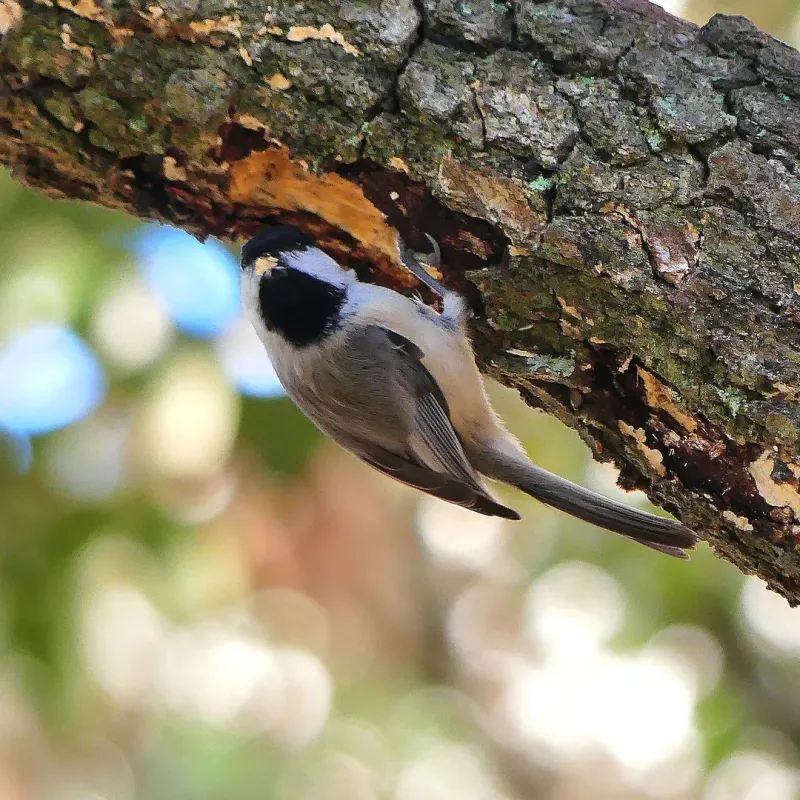
Few plants in the entire California landscape are as important to wildlife as the oak tree. Chickadees are especially drawn to oaks because of one thing: acorns.
These small, protein-packed nuts are a key food source for chickadees, especially during the cooler months when other food is harder to find.
But acorns are just the beginning. Oak trees also host hundreds of species of caterpillars and insects, which are the main food chickadees feed to their chicks.
A single oak can support more bird life than almost any other tree in a California garden.
Oaks also provide excellent nesting spots. Their thick, layered branches give chickadees safe places to build nests and hide from predators.
Native oaks like the Valley Oak and Blue Oak are great choices for California gardens. They are drought-tolerant once established and can live for hundreds of years.
Planting an oak is truly a long-term gift to your garden and the birds that visit it.
2. Elderberry
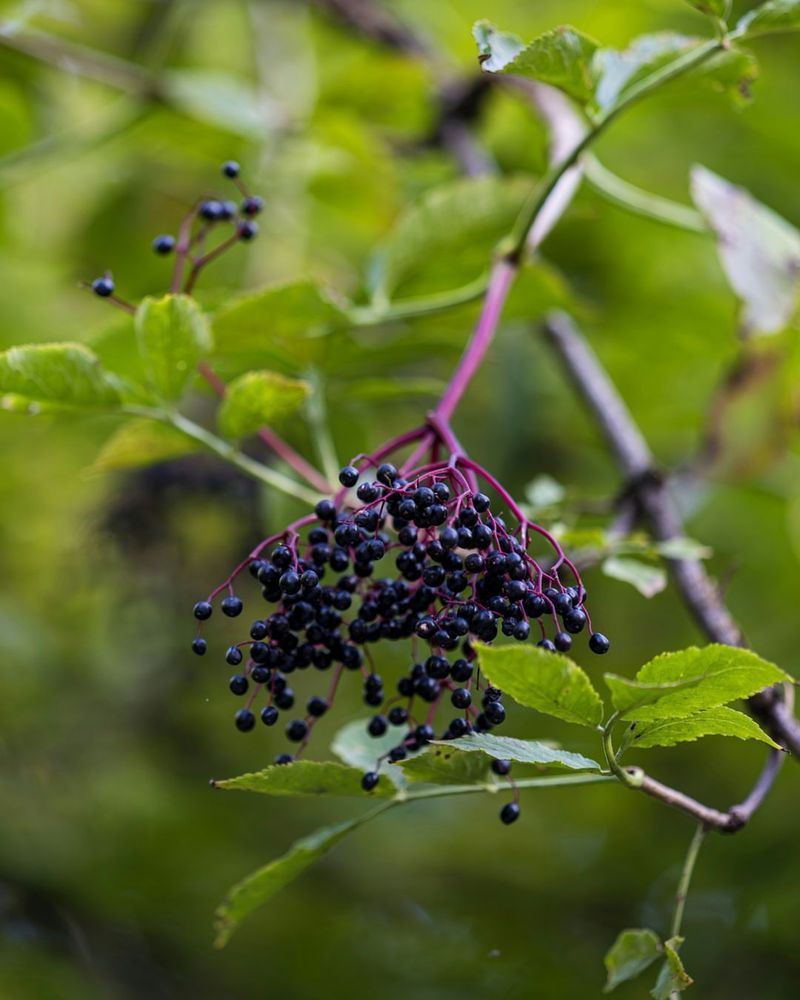
Walk past an elderberry shrub in late summer and you might notice it is absolutely buzzing with activity. Birds, bees, and butterflies all crowd around this plant, and chickadees are no exception.
The dark purple berries that appear in late summer and fall are one of their favorite snacks in any California garden.
Elderberry shrubs grow fast and can reach up to 20 feet tall. They produce flat-topped clusters of tiny white flowers in spring, which attract insects.
Those insects then become food for chickadees too, so this plant basically sets up a buffet from spring all the way through fall.
One of the best things about elderberry is how easy it is to grow in California. It thrives in a wide range of soils and does well near streams or in areas that get some shade.
The Blue Elderberry, which is native to California, is especially popular with local chickadees. Plant it near a fence or along a property edge and you will likely see birds visiting it almost every single day.
3. California Lilac
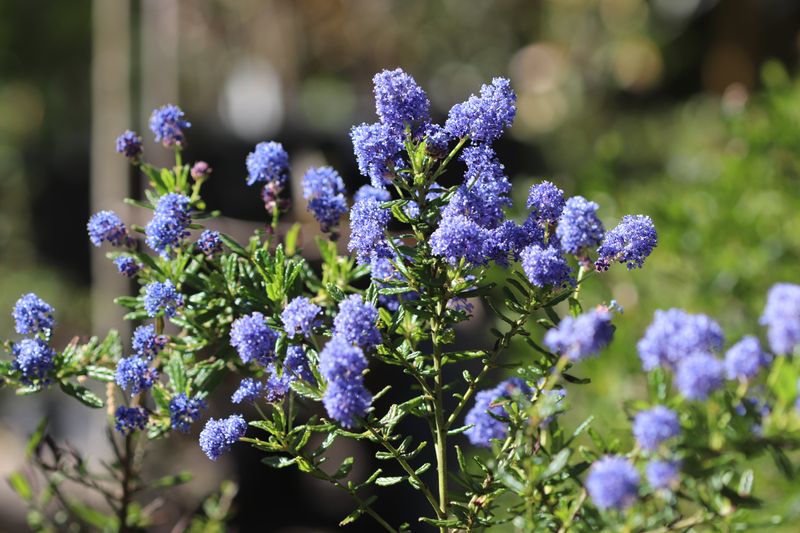
There is something almost magical about a California lilac in full bloom. The clusters of tiny blue or purple flowers cover the entire shrub and fill the air with a light, sweet scent.
Your California Garden Changes Every Week. Your Plan Should Too.
Gardening in California changes quickly throughout the season. Every Friday you’ll receive a simple weekly plan showing exactly what to plant, prune, fertilize, harvest, and protect so you never miss the right timing.
Chickadees are drawn to these blooms not just for beauty, but because the flowers attract a huge number of insects.
California Lilac, also called Ceanothus, is a native shrub that grows well across much of California. It is drought-tolerant, which makes it a smart choice for water-conscious gardeners.
Once it gets established, it needs very little care and rewards you with stunning color every spring.
Chickadees love to hunt for small insects and caterpillars hiding among the dense branches and flowers. The shrub also offers good cover from hawks and other predators, making it a safe resting spot.
Some varieties stay low and compact, while others can grow into large, rounded shrubs. No matter which variety you choose, California Lilac is one of the most bird-friendly plants you can add to a California garden.
It is colorful, tough, and practically a chickadee magnet from the moment the flowers open.
4. Sunflower
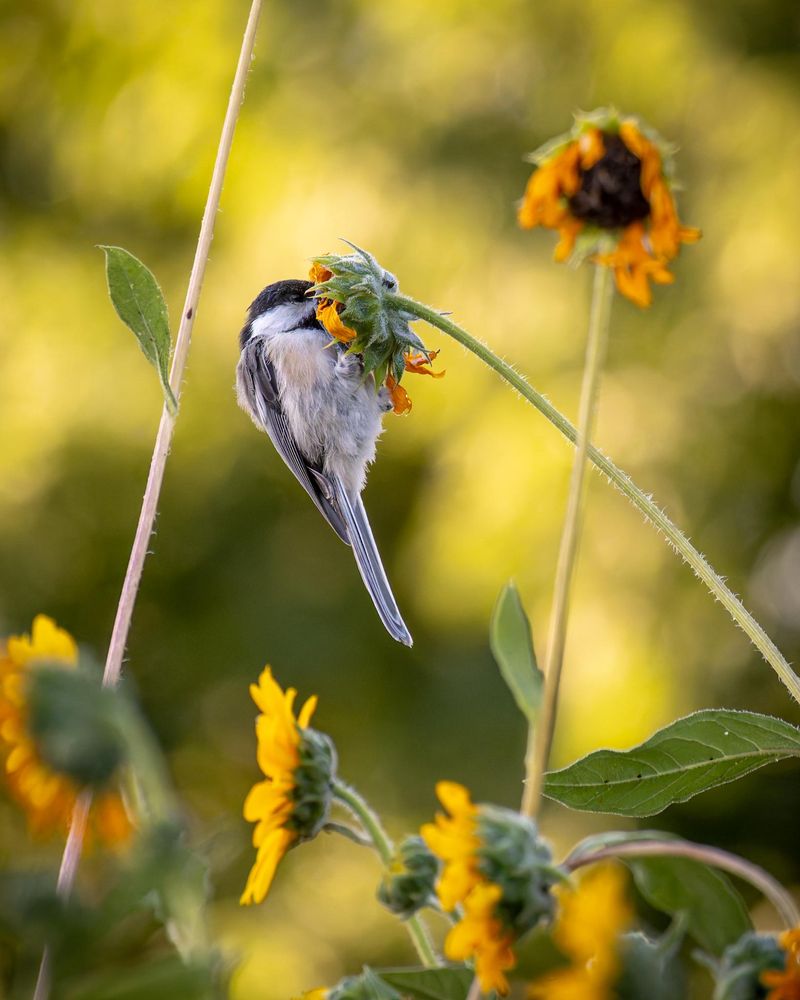
Bold, cheerful, and packed with seeds, sunflowers are one of the easiest ways to get chickadees to visit your California garden. These bright yellow blooms are hard to miss, and their large seed heads are like a built-in bird feeder.
Chickadees will cling to the seed heads and pick out seeds one by one, which is genuinely fun to watch.
Sunflowers grow quickly and do well in most parts of California. They love full sun and warm temperatures, which makes them a natural fit for California summers.
Plant them along a fence or in an open bed where birds can easily land and access the seeds. You can even let the flowers dry out at the end of the season and leave them standing so birds can feed through fall.
Did you know that sunflowers also attract aphids and other small insects? That might sound like a bad thing, but chickadees actually love hunting those insects off the stems and leaves.
So sunflowers provide two kinds of food in one plant. They are affordable, easy to grow from seed, and almost guaranteed to bring chickadees and other birds flocking to your California yard all season long.
5. Coffeeberry
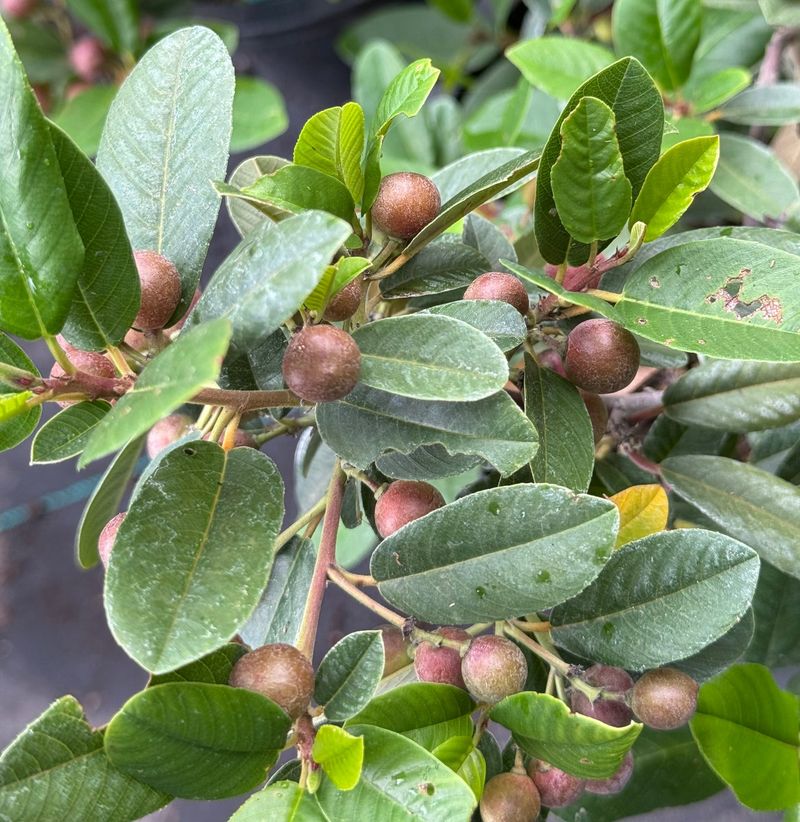
Not many people have heard of coffeeberry, but chickadees in California certainly have. This native shrub produces berries that ripen slowly through the seasons, going from green to red to deep purple-black.
That slow ripening means there is almost always something for birds to eat, making it one of the most reliable food sources in a California garden.
Coffeeberry, or Rhamnus californica, is a tough and adaptable plant. It grows in full sun or partial shade and handles dry California summers without much fuss.
It can grow as a low shrub or a small tree depending on the variety, so it fits into gardens of many different sizes.
Beyond food, coffeeberry also provides dense cover that chickadees use for shelter and nesting. The thick foliage makes it hard for predators to spot small birds hiding inside.
It is also a larval host plant for several native butterfly species, which adds even more insect activity to the plant. If you want a low-maintenance native plant that works hard for wildlife, coffeeberry is a smart pick.
It may not be flashy, but it earns its place in any California bird-friendly garden.
6. Toyon
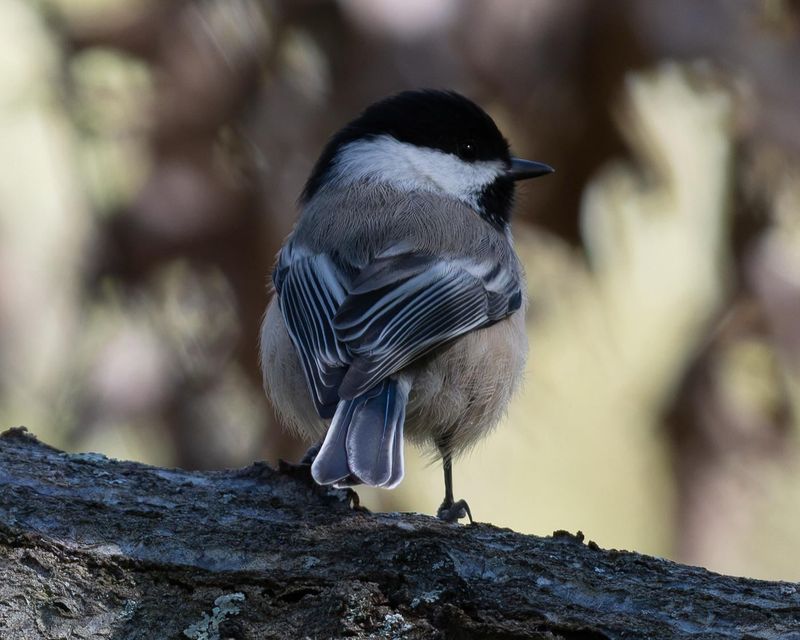
Toyon is sometimes called California Holly because of its bright red berries that appear right around the holiday season. Those berries are a lifesaver for chickadees and other birds during the colder months when food is scarce.
Watching birds flock to a toyon in December is one of the real treats of having a California garden.
This tough native shrub grows across much of California and is extremely drought-tolerant. It can reach up to 15 feet tall and produces clusters of small white flowers in summer.
Those flowers attract insects that chickadees love to snack on, so the plant feeds birds in multiple ways throughout the year.
Toyon is also deeply connected to California history. Some historians believe the plant gave Hollywood its name, since early settlers called the area where toyon grew abundantly “Hollywoood.”
That is a pretty cool piece of trivia to share with neighbors when they admire your garden.
Toyon is easy to grow, looks great as a hedge or background shrub, and provides food and shelter for birds across multiple seasons.
It is one of the most rewarding native plants you can add to a California backyard.
7. Manzanita
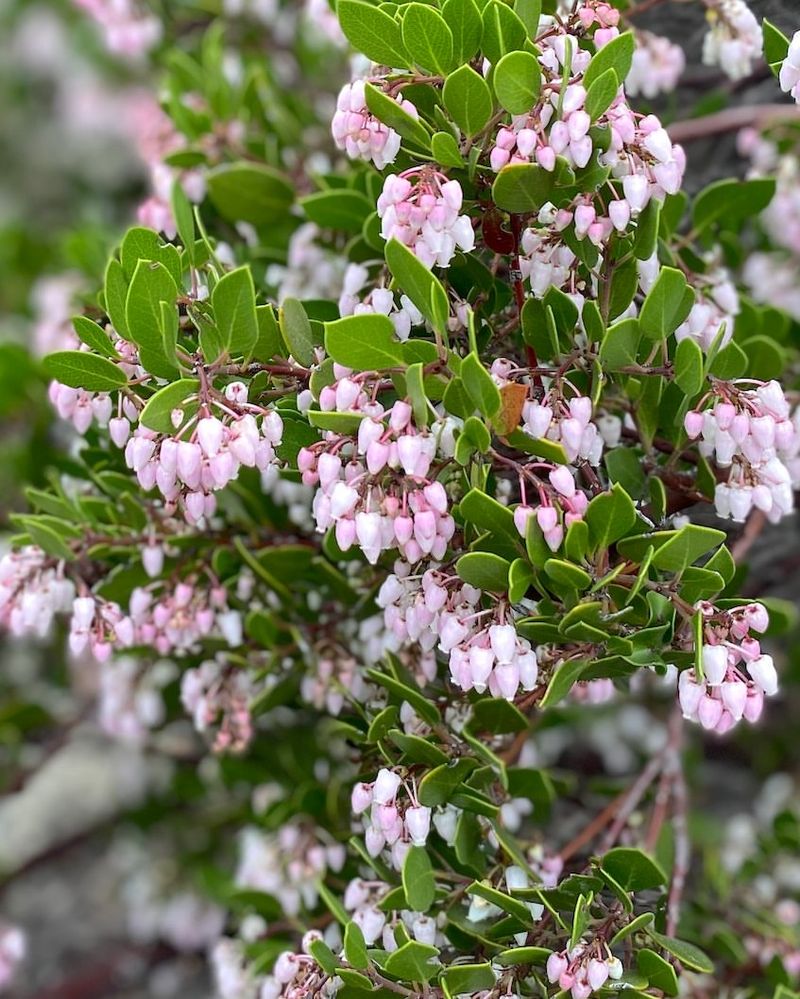
Manzanita might just be the most visually striking native plant in California. Its smooth, deep red bark looks almost polished, and its tiny bell-shaped flowers are delicate and beautiful.
But chickadees are not just attracted to good looks. They come for the small round berries that follow those flowers, which are a solid food source through late spring and summer.
There are dozens of manzanita species native to California, which means there is likely one that fits your specific garden conditions. Some stay low and groundcover-like, while others grow into large, multi-branched shrubs.
Most prefer well-drained, rocky, or sandy soil and do not need much water once they are established. They are a perfect fit for California’s dry climate.
Chickadees also use manzanita’s dense branching structure as shelter. The twisted branches create lots of hiding spots and perching areas.
Insects often shelter in the bark and among the leaves, giving chickadees even more reasons to stop by. Planting a manzanita is a great way to add year-round interest to a California garden while also supporting local wildlife.
It is a plant that looks great, asks for little, and gives back a lot to the birds around it.
8. Snowberry
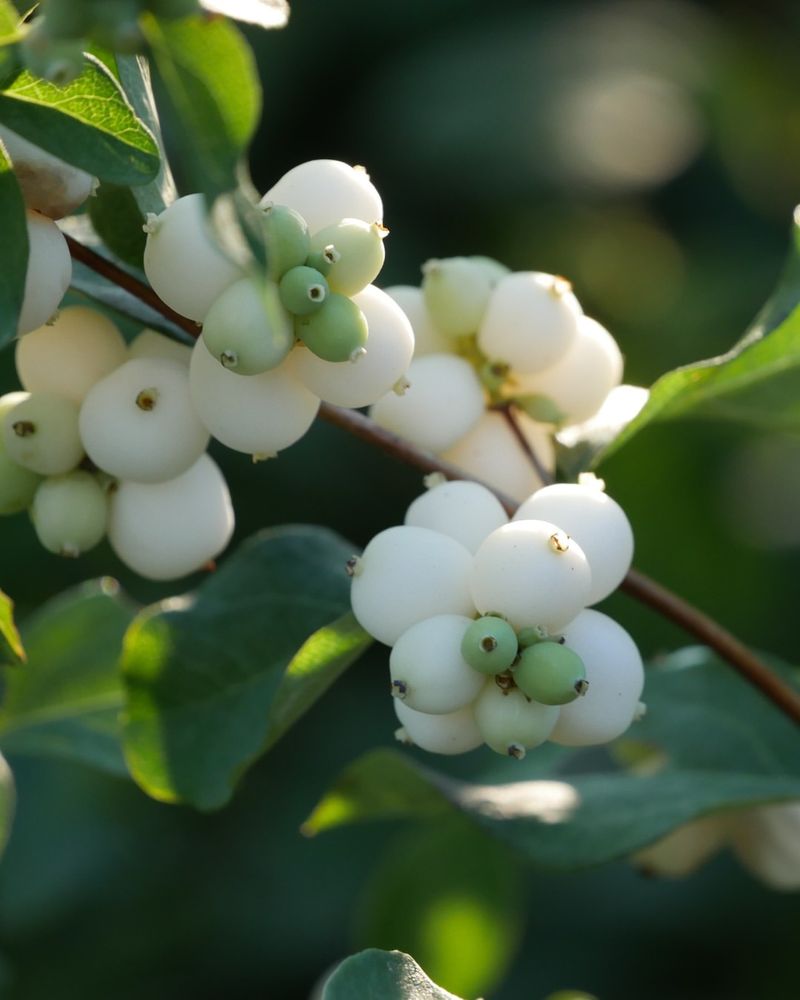
Snowberry is one of those plants that surprises people. Most of the year it blends quietly into the garden, but in fall it suddenly becomes covered in clusters of bright white, puffy berries that look almost like little snowballs.
Those berries may not be popular with humans, but chickadees in California find them very appealing as a late-season food source.
This native shrub, known scientifically as Symphoricarpos albus, grows well in shaded or partially shaded spots. That makes it a great choice for gardens with trees or areas that do not get full sun all day.
It spreads slowly over time and can form a nice low thicket that small birds love to hide in.
The berries last well into winter, which is exactly when birds need reliable food the most. Chickadees will pick at snowberries when other options are limited.
The plant also provides good nesting habitat because of its dense, twiggy growth. It is not a showstopper like toyon or California lilac, but snowberry plays a quiet and important role in supporting bird life throughout the colder months.
For California gardeners looking to support wildlife year-round, snowberry is well worth planting.
9. Douglas Fir
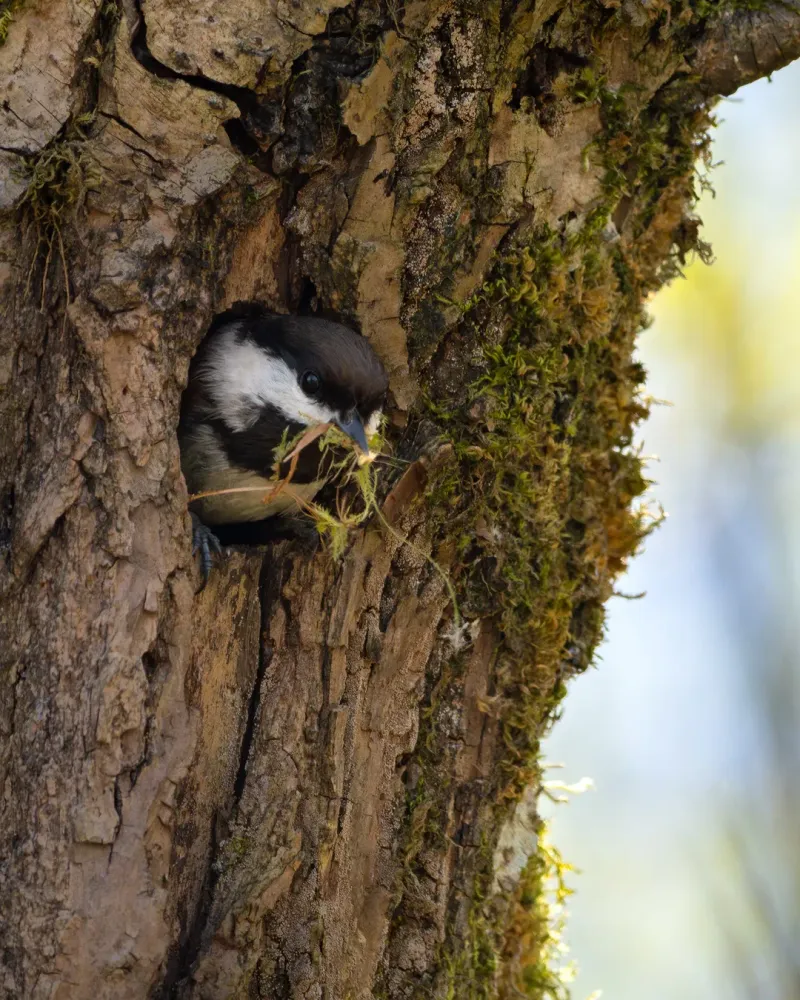
Standing tall and full of life, the Douglas fir is one of the most important trees for chickadees in California. These large conifers provide something that many garden plants cannot: year-round shelter.
The thick, layered branches stay green all year, giving chickadees a safe and cozy place to roost even on cold or rainy California winter days.
Douglas firs also produce cones that carry seeds, which chickadees and other small birds eagerly seek out. The bark and branches host a wide variety of insects and spiders, which are a primary food source for chickadees, especially when feeding their young.
A mature Douglas fir is basically a full-service bird habitat all by itself.
In California, Douglas firs grow best in cooler, moister areas such as the northern part of the state or at higher elevations. If your garden has the right conditions, planting one is a long-term investment that keeps paying off for generations.
Even a young tree will start attracting chickadees within a few years as it fills out and grows. If you have the space and the right climate, adding a Douglas fir to your California garden is one of the best things you can do for local birds.