The Plants That Help Keep Ants Away From California Garden Beds
Walking outside to find a miniature infantry of ants scaling your favorite planters is enough to make any Californian gardener want to retreat indoors.
These tiny invaders have a knack for turning a peaceful afternoon among the poppies into a frantic battle for your flower beds.
While reaching for a chemical spray might feel like the only solution, your landscaping can actually do the heavy lifting for you.
Nature provides a surprisingly stylish arsenal of greenery that smells incredible to humans but acts like an invisible “No Vacancy” sign for scouts.
You deserve a backyard sanctuary where you can actually relax without constantly checking your ankles. By choosing specific aromatic powerhouses that disrupt those persistent scent trails, you can build a living perimeter that protects your soil.
It is time to swap the stress for some strategic planting that keeps the ecosystem balanced and your patio pest-free. These botanical bodyguards are ready to report for duty.
1. Rosemary
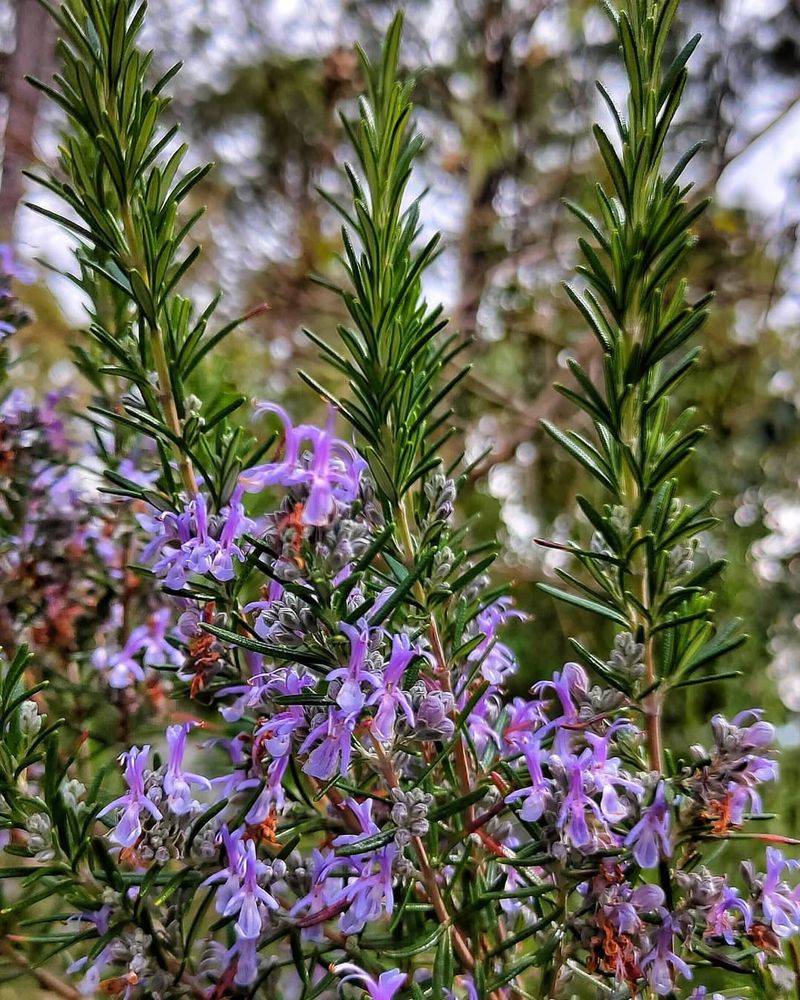
Walk past a rosemary bush on a warm California afternoon and you will immediately understand why ants want nothing to do with it. That bold, piney scent is exactly what makes this herb such a powerful natural repellent.
Ants rely heavily on scent trails to communicate and navigate, and rosemary’s strong aroma throws off those signals completely.
Rosemary is a fantastic choice for California gardeners because it loves the same sunny, dry conditions that much of the state offers. Once it gets established, it barely needs watering.
Plant it along the edges of your garden beds or in the corners to create a fragrant barrier that ants tend to avoid crossing.
Beyond pest control, rosemary is a beautiful plant with silvery-green leaves and small purple flowers that attract bees and butterflies. It grows into a sturdy shrub over time and requires very little maintenance.
You can trim it regularly to keep it tidy, and those trimmings go straight into your kitchen for roasted vegetables, chicken, or homemade bread. In Southern and Central California especially, rosemary thrives almost year-round with minimal effort, making it one of the smartest multi-purpose plants you can add to any garden bed.
2. Lavender
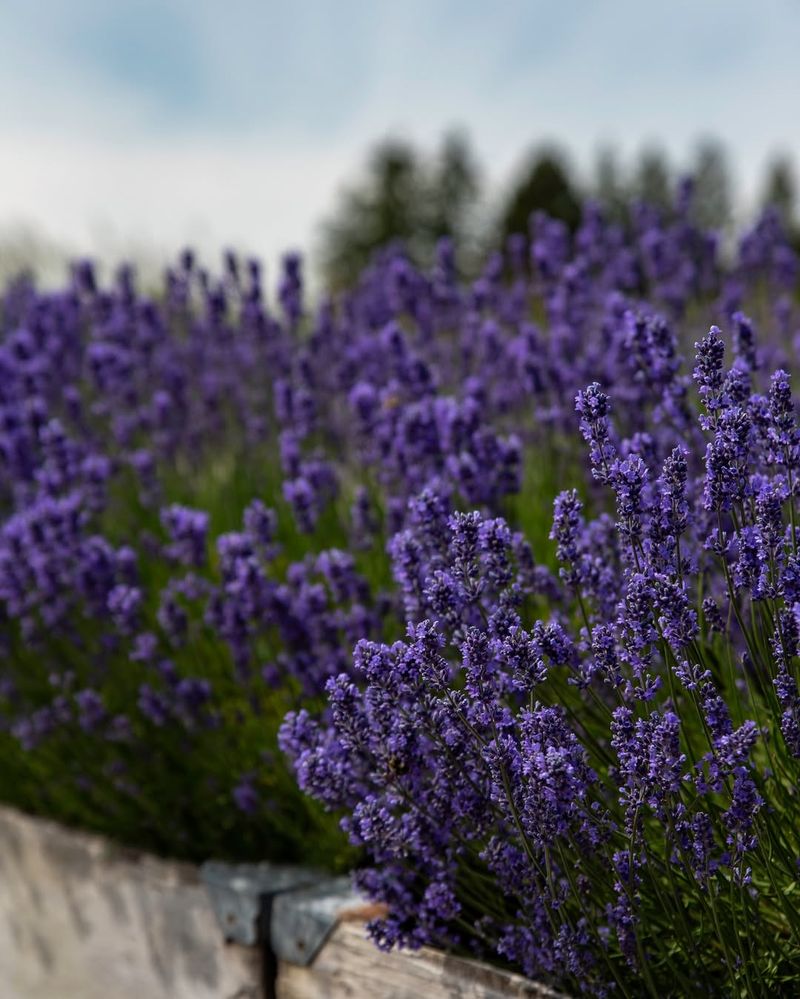
Few plants are as beloved in California gardens as lavender, and it turns out ants share a very different opinion. While people travel to Sequim and Ojai just to enjoy lavender fields, ants find that signature floral scent completely overwhelming.
The linalool compounds in lavender are known to interfere with ant communication, making it hard for them to organize and navigate near the plant.
For California gardeners, lavender is practically a dream plant. It loves full sun, drains well in sandy or loamy soil, and handles drought like a champion once it gets settled.
You can plant it along borders, in raised beds, or in large containers on a sunny patio. Spacing a few plants around the perimeter of your garden creates a scented wall that ants are reluctant to cross.
Lavender also brings incredible beauty to any outdoor space. Those tall purple spikes bloom from late spring into summer and attract pollinators that are great for your garden overall.
Dried lavender bundles placed near garden entrances can extend the repellent effect even longer. In regions like the Central Coast or Inland Empire, lavender grows vigorously and rewards you with season after season of stunning blooms and natural pest protection.
3. Thyme
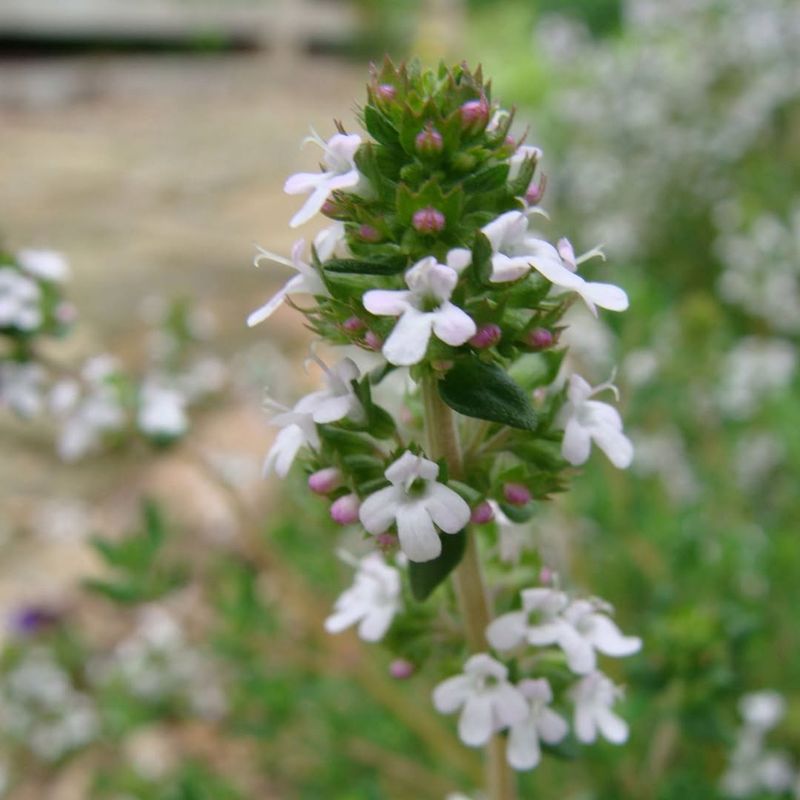
Thyme might be small, but it punches well above its weight when it comes to keeping ants out of California garden beds. This low-growing herb releases a sharp, earthy fragrance loaded with thymol, a natural compound that many insects find deeply unpleasant.
Ants pick up on it quickly and tend to reroute around areas where thyme is growing.
One of the best things about thyme is how it spreads. Creeping varieties like woolly thyme or creeping lemon thyme form a dense, low mat that covers soil between other plants.
That ground-hugging growth style makes it a perfect living mulch around vegetables, roses, or flowers you want to protect. It fills in gaps where ants might otherwise build entry trails into your beds.
California’s warm climate suits thyme extremely well. It handles heat, drought, and poor soil without complaint, which is great news for gardeners in areas like the San Joaquin Valley or Southern California.
Plant it along pathways, between stepping stones, or at the base of raised beds. Every time someone brushes past it or steps near it, the scent releases fresh into the air.
That constant fragrance reminder is exactly what keeps ants from settling in nearby.
4. Basil
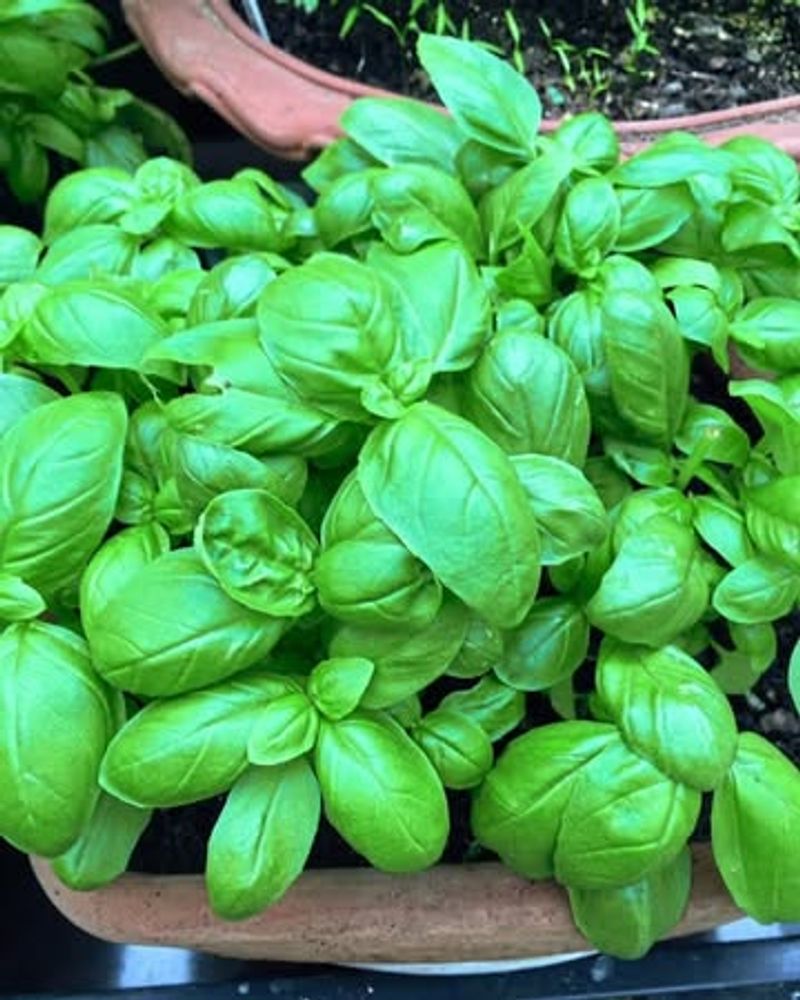
Basil is a staple in kitchens across California, but its usefulness goes far beyond pasta sauce and caprese salads. That sharp, spicy-sweet aroma that makes basil so appealing to cooks is the same thing that makes ants turn around and walk the other way.
The essential oils in basil, particularly eugenol and linalool, are strong enough to disrupt ant behavior around the plant.
Planting basil near tomatoes, peppers, or other vegetables is a classic California gardening trick that works on two levels. It improves the flavor of nearby crops according to many gardeners, and it helps keep pests like ants and aphids at a distance.
Since ants often protect aphid colonies in exchange for their honeydew secretions, reducing ants naturally helps cut down on aphid problems too.
Basil does best in warm, sunny spots with regular watering, making it ideal for California’s long growing season. It grows quickly and can be harvested often, which encourages bushier growth.
Try planting it in clusters rather than single plants for stronger scent coverage. In areas like the Sacramento Valley or coastal San Diego, basil can thrive from spring all the way through fall with just a bit of care and attention.
5. Sage
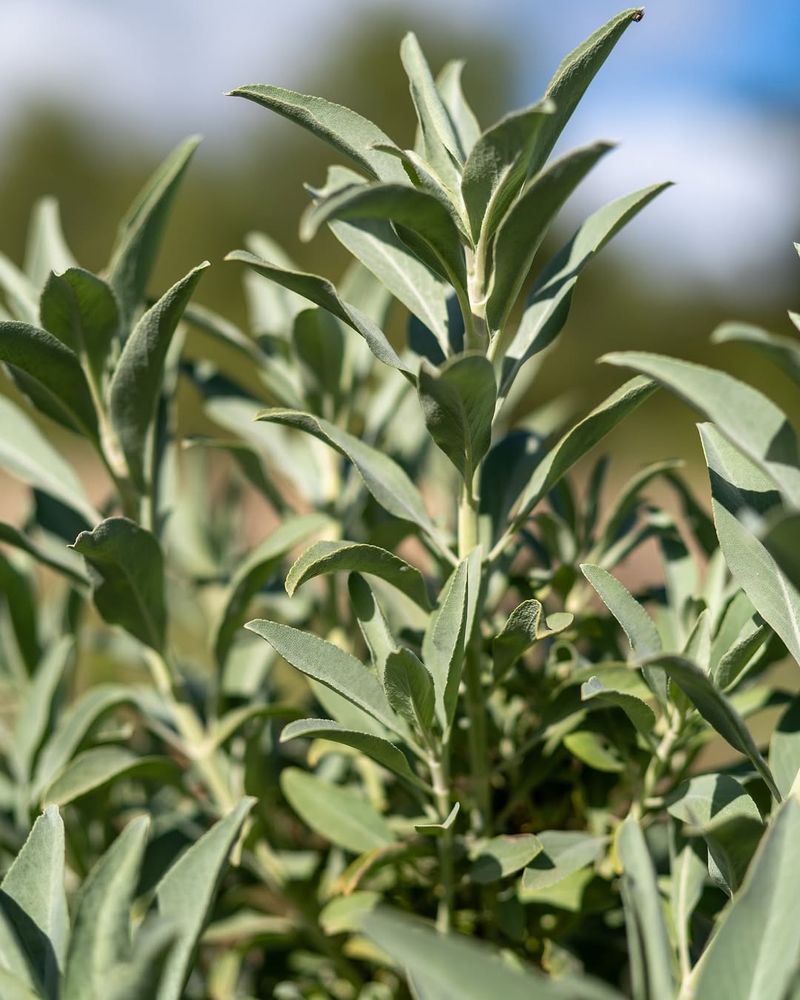
There is something almost ancient about sage. Native cultures across California used it for centuries, and modern gardeners are rediscovering just how useful this tough, aromatic herb can be.
When it comes to ants, sage is no joke. Its pungent, camphor-rich scent is a strong natural deterrent that disrupts the chemical signals ants use to communicate and find food sources.
Sage is especially well-suited for California’s climate because it thrives in dry, sunny conditions. It handles the heat of the Central Valley, the rocky hillsides of Northern California, and the sandy soils near the coast with equal ease.
Once established, it needs very little water, making it an eco-friendly choice for drought-conscious gardeners throughout the state.
Plant sage along the edges of garden beds or near entry points where ants tend to appear. Its silvery-green leaves add a soft, attractive texture to the landscape even when it is not in bloom.
When it does flower, it produces beautiful spikes of purple or blue blossoms that draw in beneficial pollinators.
Regular trimming keeps sage compact and encourages fresh growth, which means more fragrant leaves actively working to keep your California garden beds free from ant activity throughout the season.
6. Chives
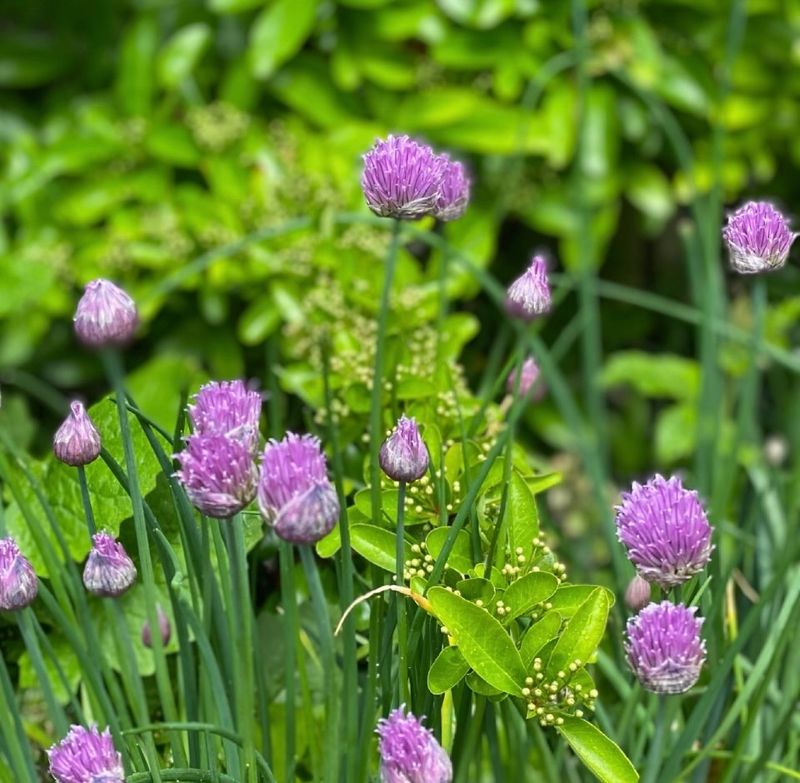
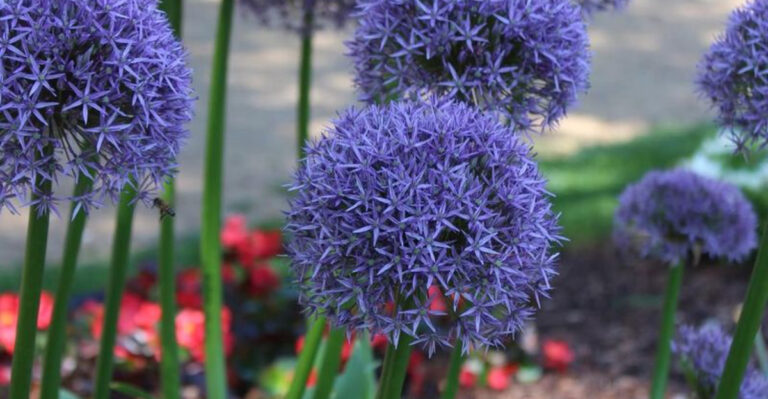
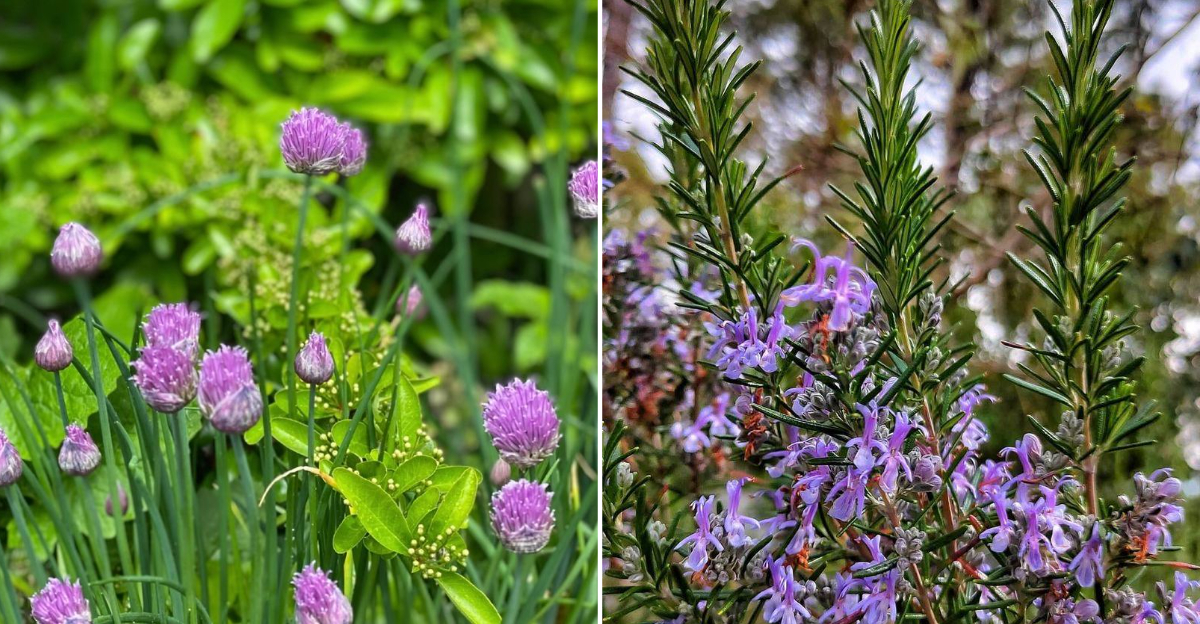
This stunner of a herb belongs to the allium family, the same group that includes garlic and onions, and ants want absolutely nothing to do with any of them. The sulfur-based compounds that give chives their mild oniony bite are deeply off-putting to ants.
Planting chives around your California garden beds creates an invisible chemical barrier that keeps ant trails from forming nearby.
What makes chives especially appealing is how easy they are to grow and maintain. They come back year after year, spread gradually into tidy clumps, and rarely need much attention beyond occasional watering.
In California’s mild climate, chives can stay green and productive for most of the year, giving you long-lasting protection without replanting every season.
Beyond ant control, chives are incredibly practical. Snip them onto eggs, soups, baked potatoes, or salads whenever you need a fresh burst of flavor.
Their round purple flower heads are also edible and make a beautiful garnish. Those flowers attract pollinators too, which is always a bonus for any garden.
Try planting chives in clusters near roses, where ant activity often spikes due to aphid colonies. In California gardens from the Bay Area to San Bernardino, chives earn their place as a hardworking, multi-purpose herb.
7. Oregano
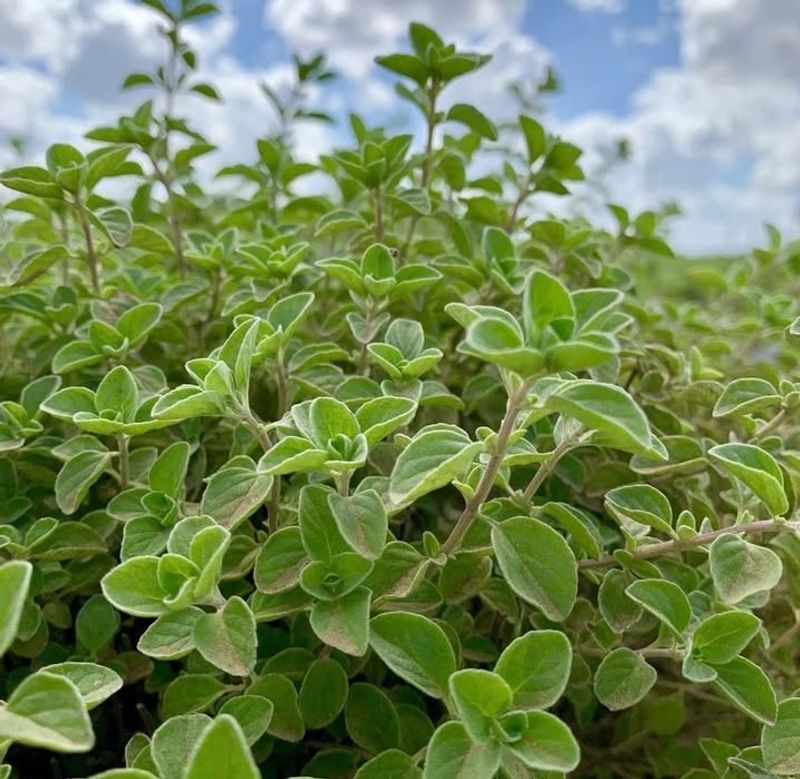
Ask any experienced California gardener about oregano and they will probably tell you it practically grows itself. This Mediterranean herb loves heat, tolerates drought, and spreads readily across garden borders.
It also happens to produce a sharp, robust scent that ants find extremely unpleasant. The carvacrol and thymol compounds in oregano are powerful enough to disrupt ant navigation and keep colonies from establishing near your beds.
Oregano works especially well as a border plant. Its low, spreading growth habit means it fills in the edges of raised beds and pathways where ants commonly travel.
Planting it along the perimeter of your garden creates a fragrant line that acts as a natural checkpoint for would-be ant invaders.
In California’s warmer inland regions like Riverside or Fresno, oregano can grow almost aggressively, so a light trim every few weeks keeps it from taking over.
The culinary benefits are a nice bonus too. Fresh oregano is a staple in Italian, Greek, and Mexican cooking, and California’s diverse food culture means you will never run out of ways to use it.
Dried oregano from your own garden has far more flavor than anything from a store shelf. Growing it in clusters gives you better scent coverage and a more impressive harvest throughout California’s long, warm growing season.
8. Marjoram
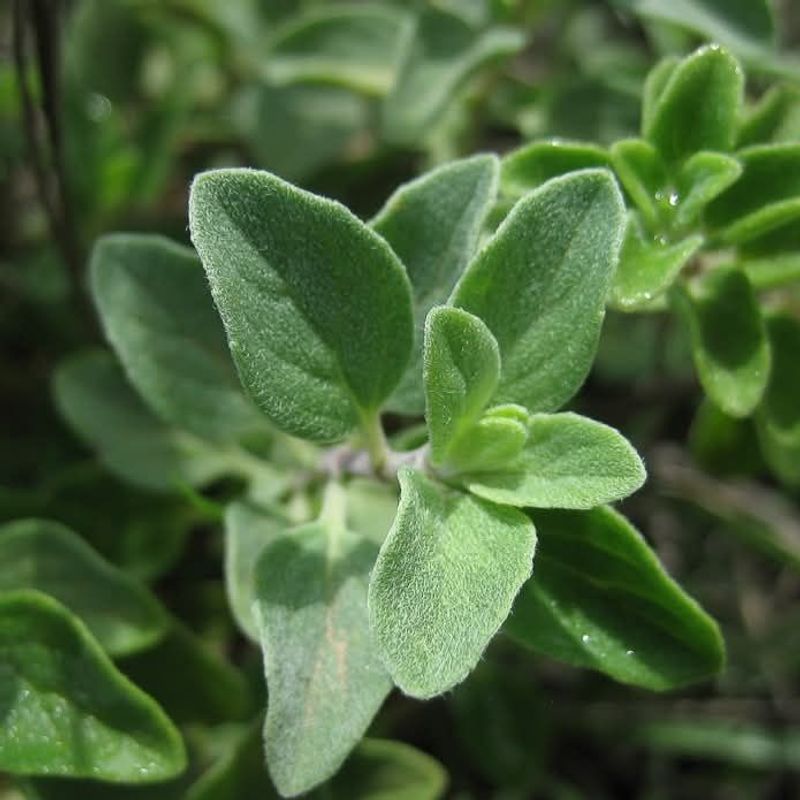
Marjoram does not always get the spotlight it deserves, but California gardeners who have tried it quickly become fans. It is often described as a sweeter, milder cousin of oregano, but do not let that fool you.
Marjoram’s essential oils, including sabinene and terpinene, produce a fragrance that ants find just as off-putting as the stronger herbs on this list. It is a quiet overachiever in the garden.
Growing marjoram in California is straightforward. It loves full sun and well-draining soil, which describes most of the state’s garden conditions pretty well.
In coastal areas like Santa Barbara or Monterey, it thrives in the mild temperatures and occasional sea breeze. In warmer inland areas, a little afternoon shade helps it stay happy through the hottest months of summer.
Marjoram pairs wonderfully with other ant-repelling herbs like thyme and oregano. Planting them together creates a dense, fragrant ground cover that offers overlapping layers of protection for your garden beds.
The tiny white or pale pink flowers that appear in summer are also attractive to bees and other beneficial insects.
Fresh marjoram adds a delicate herbal note to roasted meats, soups, and vegetable dishes, so every harvest gives you something useful for both your garden and your California kitchen.