The Plants That Secretly Struggle In Pennsylvania’s Humid Climate
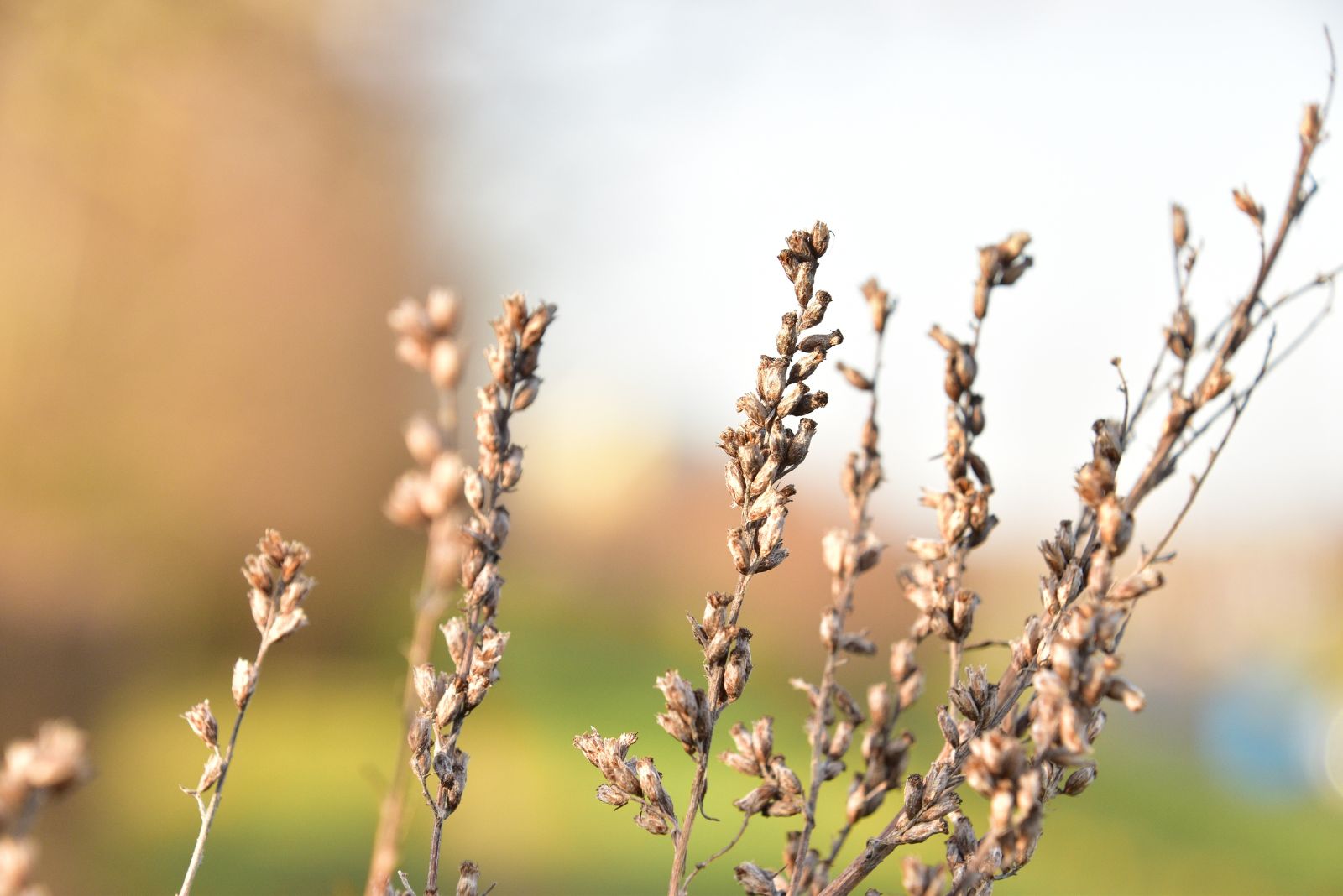
Some plants look perfectly fine at the garden center, then start acting miserable once a Pennsylvania summer settles in. The leaves droop, spots show up, mildew sneaks in, and suddenly that promising plant feels like way more trouble than it seemed worth.
A lot of gardeners blame themselves when this happens, but the real issue is often the climate.
Pennsylvania’s humidity can be surprisingly hard on certain plants, especially the ones that prefer drier air, better airflow, or less moisture hanging around their leaves day after day.
That is what makes this such a frustrating gardening problem. A plant may survive on paper in your zone and still struggle badly once the muggy weather kicks in.
Some get hit with disease, some stop looking good fast, and some never really settle in at all. Knowing which plants tend to have a hard time in humid conditions can save you money, effort, and disappointment.
It can also help you build a garden that stays healthier, prettier, and far less stressful through the stickiest part of the season.
1. Lavender
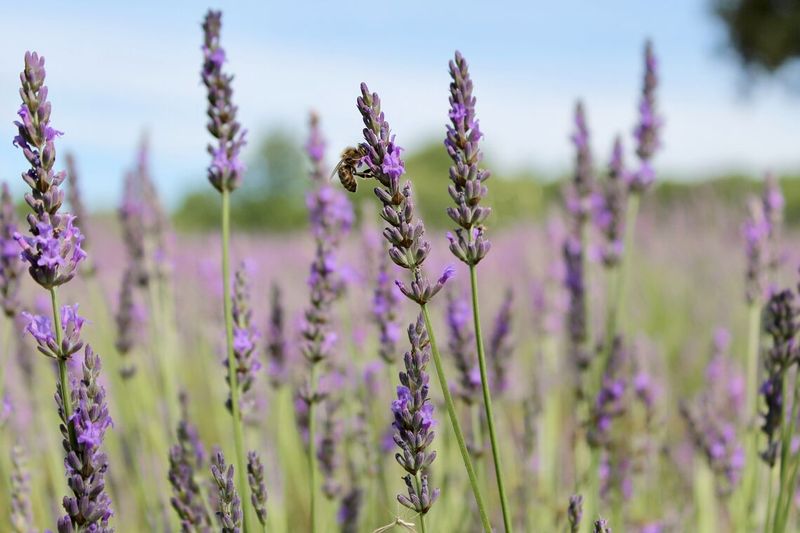
Walk past a lavender plant in full bloom and it is hard not to stop and breathe it in. The silvery stems, the purple flowers, the sweet scent.
It feels like the perfect garden plant. But here is the thing: lavender is secretly not a fan of Pennsylvania at all.
Lavender comes from the dry, rocky hillsides of the Mediterranean. It loves hot sun, sandy soil, and very little water.
Pennsylvania offers the opposite. The state’s humid summers and heavier soils are tough on lavender’s roots.
Moisture sits around the roots too long, and that leads to root rot, which is one of the fastest ways to lose a lavender plant.
Fungal problems also show up when humidity is high. You might notice the base of the plant turning brown or mushy.
Leaves can look grayish and dull instead of healthy silver. The plant may grow slowly or stop blooming altogether.
It can be really discouraging, especially when you have seen lavender thrive in photos from drier climates.
If you want to grow lavender in Pennsylvania, you can improve your chances by choosing a raised bed with very sandy or gritty soil. Good drainage is the most important factor.
Plant it in the sunniest spot in your yard and avoid watering unless it is extremely dry. Choosing a mildew-resistant variety like ‘Phenomenal’ also helps.
With the right setup, lavender can survive Pennsylvania summers, but it will always need extra attention compared to plants that naturally love humid conditions.
2. Rosemary
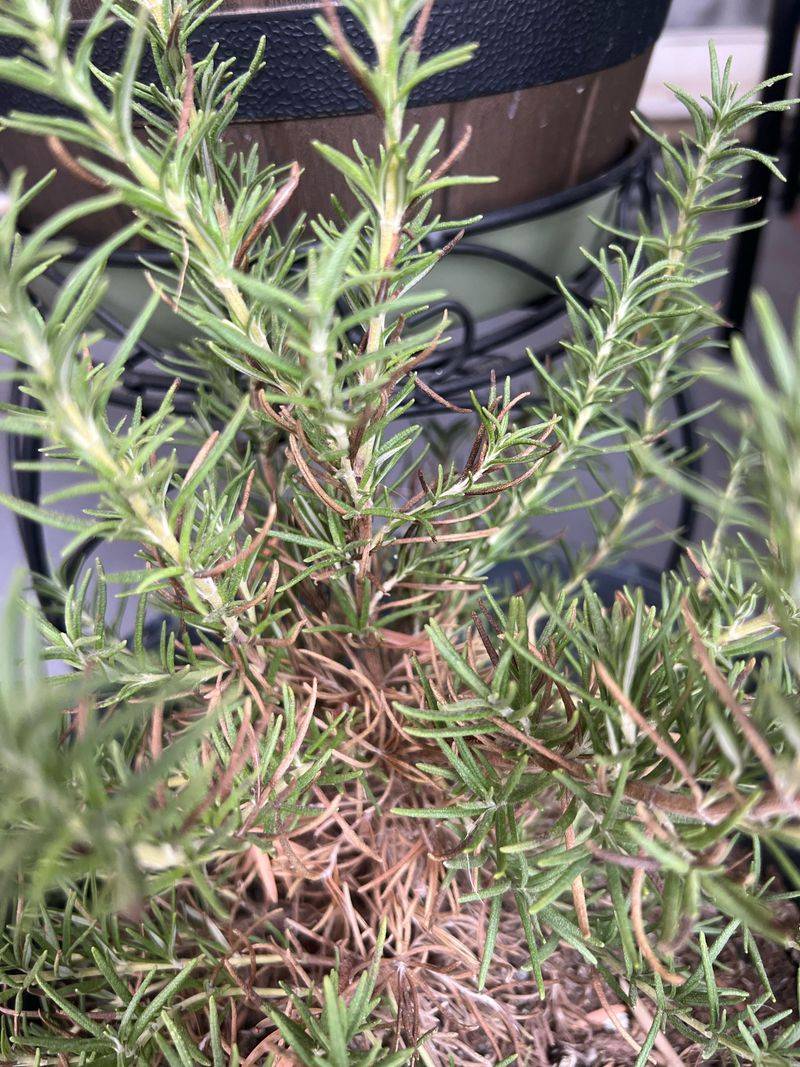
Rosemary smells amazing, looks great as a hedge, and is incredibly useful in the kitchen. It is one of the most popular herbs people try to grow in Pennsylvania.
But rosemary has a secret: it really dislikes wet, humid conditions, and Pennsylvania has plenty of both.
Like lavender, rosemary is a Mediterranean plant. It evolved in places where summers are dry and soils drain fast.
In Pennsylvania, the combination of summer humidity and frequent rain creates conditions that stress rosemary out. The roots sit in damp soil for too long, and fungal diseases start to take hold.
You might see branches turning brown from the base up, or the whole plant looking limp and tired even when it is not hot outside.
Powdery mildew and root rot are the two biggest problems rosemary faces in Pennsylvania gardens. The plant may look fine in spring, then slowly decline as summer humidity builds. By August, some plants look nothing like they did in May.
Growing rosemary in a container is one of the best tricks for Pennsylvania gardeners. Pots dry out faster than garden beds, which helps keep the roots healthier.
Use a well-draining potting mix with some perlite or coarse sand mixed in. Place the container in full sun where air can move around it freely.
Bring potted rosemary indoors before the first frost, since it is not reliably cold-hardy in most of Pennsylvania. With these adjustments, you can enjoy fresh rosemary without fighting the state’s humidity all season long.
3. Peonies
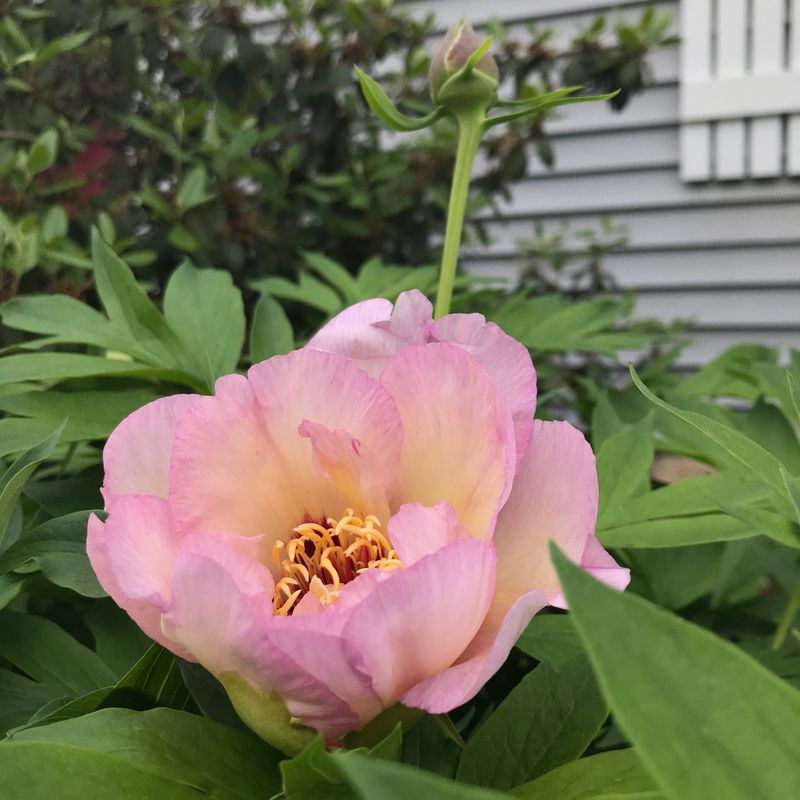
Peonies are one of the most beloved flowers in Pennsylvania gardens. Big, fluffy blooms in shades of pink, white, and red make them a springtime showstopper.
Many gardeners have peonies passed down from grandparents, planted in the same spot for decades. But even these tough, long-lived plants have a weakness: Pennsylvania’s humidity.
The biggest threat is a fungal disease called botrytis blight. It shows up as brown or gray fuzzy spots on leaves, stems, and buds.
In humid springs and summers, botrytis can spread quickly and cause buds to rot before they even open. That is especially heartbreaking after waiting all year for those beautiful flowers.
Poor airflow around peony plants makes the problem worse. When plants are crowded together or tucked against a fence or wall, moisture stays trapped around the leaves.
Pennsylvania’s warm, wet summers create the perfect conditions for fungal spores to spread from plant to plant.
There are some easy steps you can take to protect your peonies. First, give each plant plenty of space, at least three feet between plants.
This allows air to move through the foliage and helps leaves dry out faster after rain. Second, avoid overhead watering.
Water at the base of the plant instead. Third, remove and bag any spotted or infected leaves right away so the fungus does not spread.
Applying a copper-based fungicide early in the season can also help. Peonies can thrive in Pennsylvania with a little extra care and attention to airflow.
4. Zinnias
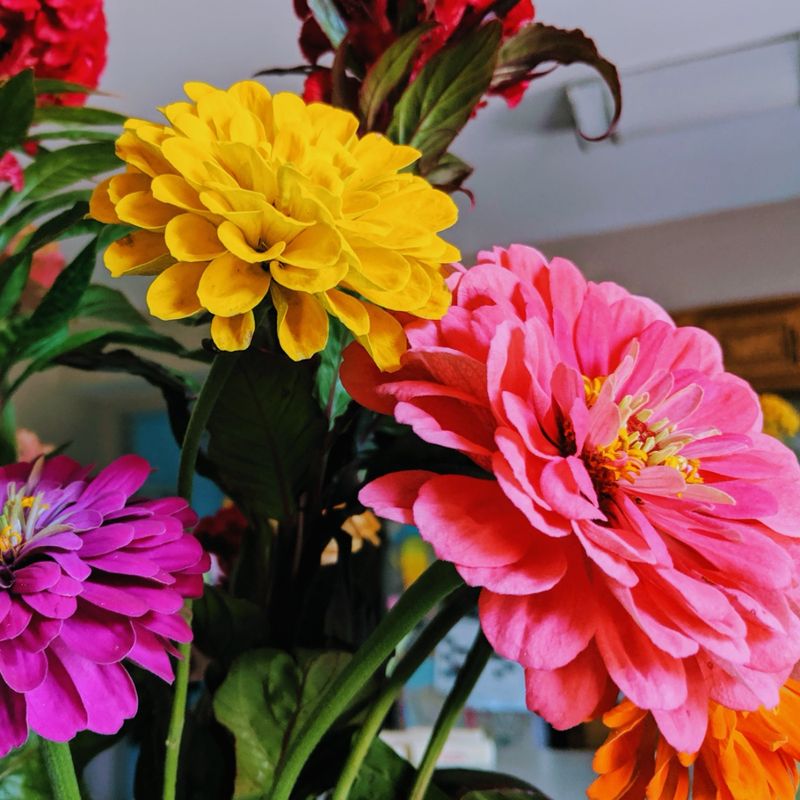
Zinnias are a summer garden staple. Their bright colors attract butterflies, they bloom for months, and they are easy to grow from seed.
Most Pennsylvania gardeners have planted them at least once. But there is a frustrating problem that shows up every single summer: powdery mildew.
Powdery mildew is a fungal disease that looks exactly like it sounds. A white, chalky powder coats the leaves and stems of the plant. It is not just ugly. Over time, it weakens the plant and causes leaves to yellow and drop.
In Pennsylvania’s humid summers, powdery mildew on zinnias is almost guaranteed if plants are not given enough space to breathe.
Zinnias love heat, and Pennsylvania summers deliver that just fine. The problem is the humidity that comes along with the heat.
Wet, warm air creates the perfect environment for fungal spores to spread. Once one plant is infected, others nearby can catch it fast.
Spacing is the single best tool you have against powdery mildew on zinnias. Plant them at least twelve inches apart, or even more for larger varieties.
This lets air move between plants and helps foliage dry out after rain or morning dew. Avoid watering from above, and try to water in the morning rather than evening.
There are also mildew-resistant zinnia varieties available, such as those in the Profusion series, which are a great choice for Pennsylvania gardens. Catching mildew early and removing affected leaves right away can also slow its spread significantly.
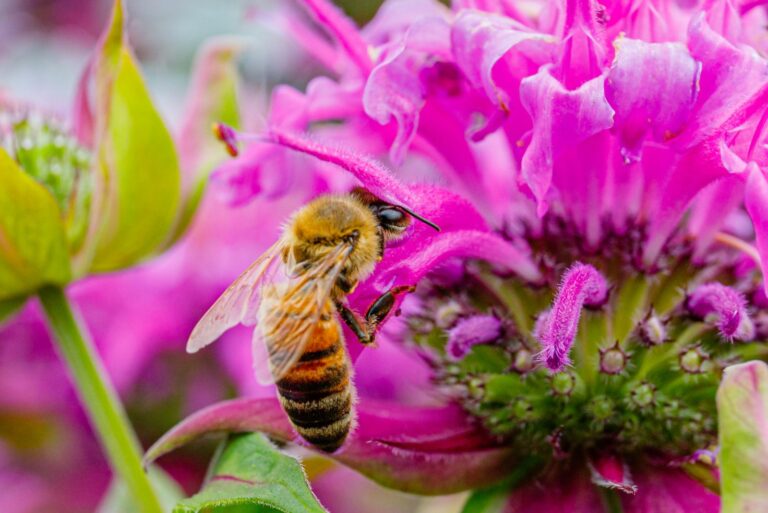
5. Bee Balm (Monarda)
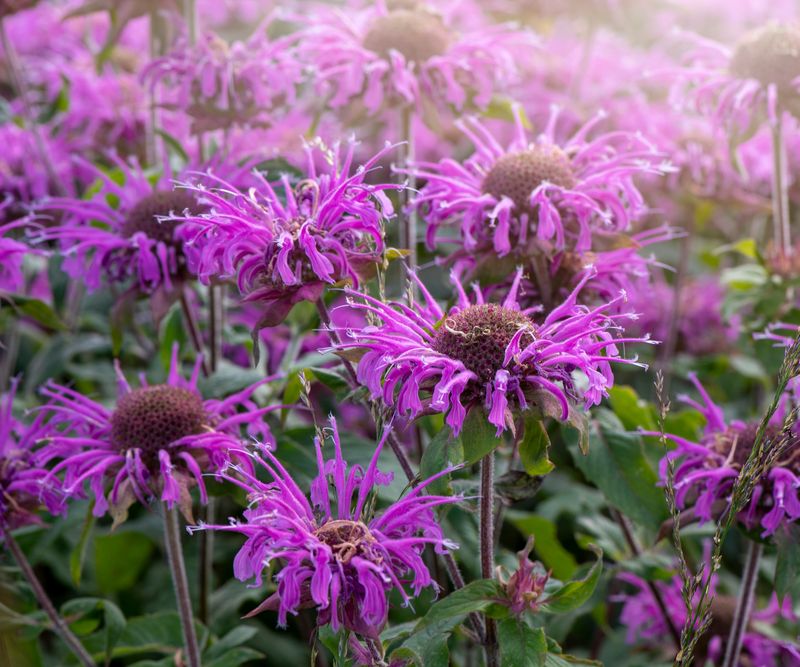
Bee balm is actually native to eastern North America, which makes it sound like the perfect Pennsylvania garden plant. It attracts bees, butterflies, and hummingbirds.
The red, pink, and purple flowers are stunning in midsummer. But here is the surprising part: even native plants can struggle, and bee balm has a well-known weakness for powdery mildew.
By mid to late summer in Pennsylvania, bee balm plants often start looking rough. The leaves develop a white, dusty coating that spreads across the entire plant.
It does not usually harm the plant so badly that it stops growing, but it makes the garden look messy and tired. After a few weeks, the leaves may yellow and drop early, leaving bare stems behind.
Pennsylvania’s warm, humid summers are basically perfect conditions for powdery mildew to spread on bee balm. The disease thrives when nights are cool and days are warm and humid, which describes a lot of Pennsylvania’s late summer weather perfectly.
Choosing mildew-resistant varieties is the smartest move for Pennsylvania gardeners who love bee balm. Look for cultivars like ‘Jacob Cline,’ ‘Raspberry Wine,’ or ‘Grand Marshall,’ which have been bred specifically for better mildew resistance.
Giving plants plenty of space, at least eighteen to twenty-four inches apart, also makes a big difference. Thinning out stems in the center of the clump each spring improves airflow from the inside out.
Cutting plants back hard after the first bloom can encourage fresh, healthier growth in late summer and reduce how much mildew takes hold.
6. Tomatoes
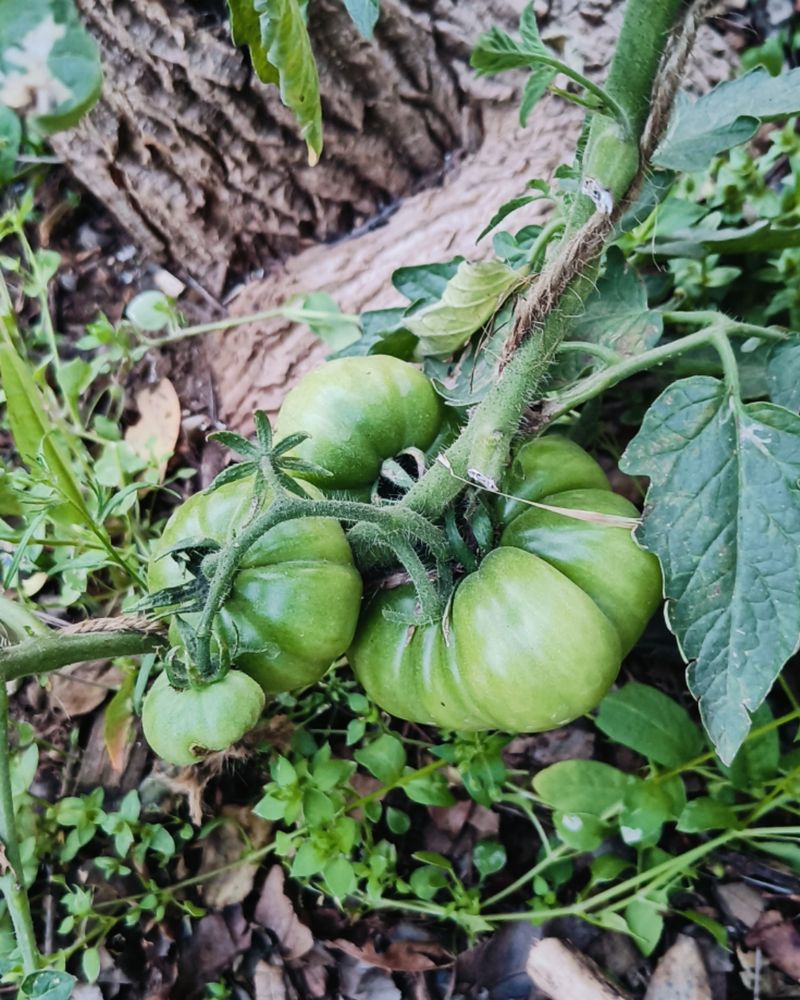
Ask any Pennsylvania gardener what they grow, and tomatoes are almost always on the list. There is nothing better than a homegrown tomato in August.
But year after year, Pennsylvania gardeners deal with the same frustrating problem: fungal diseases that show up right when the plants are hitting their stride.
Early blight and septoria leaf spot are the two most common culprits. Early blight causes dark brown spots with yellow rings on the lower leaves.
Septoria leaf spot creates small, round spots with dark borders and lighter centers. Both diseases spread upward through the plant as the season goes on.
By late summer, many Pennsylvania tomato plants have lost most of their lower leaves, which slows fruit production and weakens the plant overall.
Pennsylvania’s humid summers are practically a breeding ground for these fungal diseases. Warm temperatures, frequent rain, and high humidity give the spores exactly what they need to spread from plant to plant and from the soil onto the leaves.
There are several things Pennsylvania gardeners can do to fight back. First, mulch around the base of each plant to prevent soil from splashing onto leaves during rain.
Second, remove any spotted or yellowing leaves as soon as you see them. Third, stake or cage plants to keep foliage off the ground and improve airflow.
Rotating where you plant tomatoes each year also helps reduce disease pressure in the soil. Applying a preventive fungicide spray early in the season, before symptoms appear, can slow the spread of both blight and septoria significantly.
7. Garden Phlox (Phlox Paniculata)
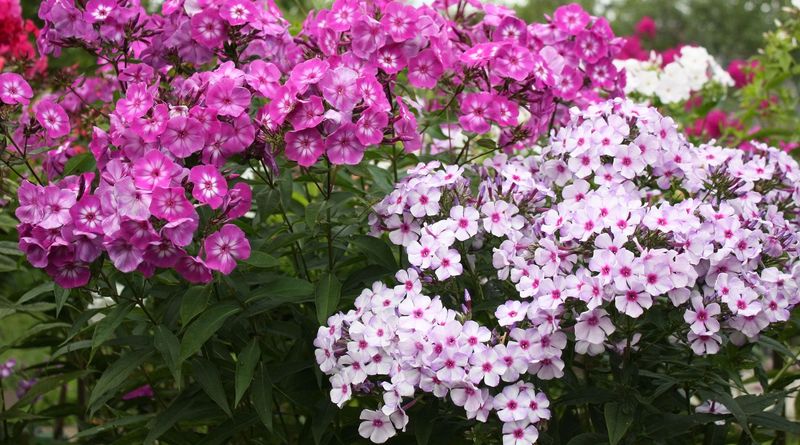
Garden phlox is a summer classic in Pennsylvania landscapes. Tall clusters of fragrant flowers in pink, white, purple, and red light up garden beds from July through September.
It is a go-to perennial for many gardeners across the state. But powdery mildew has given garden phlox a reputation as one of the most frustrating plants to keep looking good in Pennsylvania’s humid climate.
The white, powdery coating of mildew usually starts on the lower leaves and works its way up the plant. In bad years, entire plants can be covered in white residue by August.
The leaves may curl, yellow, and drop, leaving the flower clusters sitting on bare, ugly stems. It does not stop the plant from blooming, but it definitely takes away from the beauty that made you plant it in the first place.
Pennsylvania summers, with their warm nights and high humidity, create ideal conditions for powdery mildew to spread rapidly on garden phlox. Dense plantings and shaded spots make things even worse by trapping moisture around the foliage.
Fortunately, plant breeders have worked hard to develop mildew-resistant phlox varieties. Look for cultivars like ‘David,’ ‘Laura,’ or ‘Robert Poore,’ which hold up much better in humid climates.
Planting in full sun with good airflow around each plant makes a noticeable difference. Water at the base rather than overhead, and thin out crowded stems each spring to open up the center of the clump.
With the right variety and a little extra care, garden phlox can still be a stunning part of any Pennsylvania garden.