The 9 Plants That Thrive Across Western, Eastern, And Southern Oregon
Oregon might be one state, but gardening here can feel completely different depending on where you are.
Coastal winds and cool, damp air in the west, dry heat and colder winters in the east, and a mix of conditions through southern Oregon all create very different growing environments.
That’s what makes finding reliable plants such a win.
Some plants manage to handle it all. They adapt to changing temperatures, tolerate different soil types, and keep performing even when conditions aren’t ideal.
These are the dependable choices that don’t need constant attention or perfect weather to look good.
Planting with versatility in mind takes a lot of the guesswork out of gardening. Instead of worrying about every shift in weather, you can focus on enjoying a garden that stays strong and looks great across Oregon’s diverse regions.
1. Yarrow
Few plants are as tough and cheerful as yarrow. This hardy wildflower grows across Western, Eastern, and Southern Oregon with almost no fuss at all.
It pops up in meadows, roadsides, and home gardens alike, making it one of the most recognizable plants in the state.
Yarrow thrives in full sun and well-drained soil. It handles dry spells really well, which makes it a fantastic choice for Eastern Oregon’s high desert climate.
In Western Oregon, it does just as well in the slightly wetter conditions near the coast and valleys.
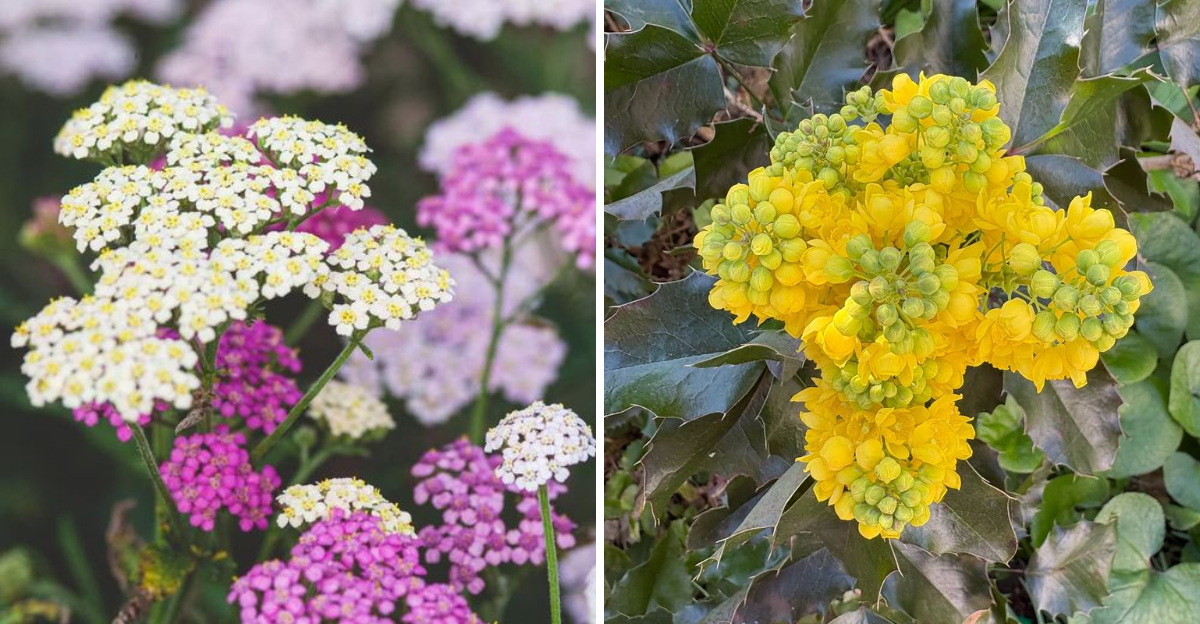
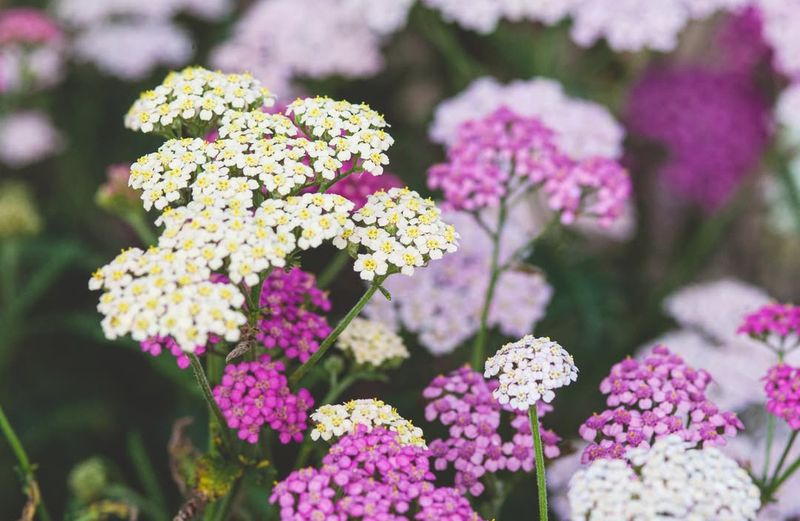
The flat-topped clusters of flowers come in white, yellow, and even pink shades. Pollinators like bees and butterflies absolutely love yarrow blooms.
Planting it near vegetables or other flowers can actually help attract beneficial insects to your garden.
Yarrow spreads easily through underground roots and self-seeding. If you want to keep it contained, simply trim it back after it blooms.
It grows to about one to three feet tall, making it a nice mid-height option in garden borders.
Native peoples across Oregon used yarrow for medicinal purposes for centuries. It is a plant with both beauty and history, and it fits beautifully into any Oregon landscape.
2. Oregon Grape
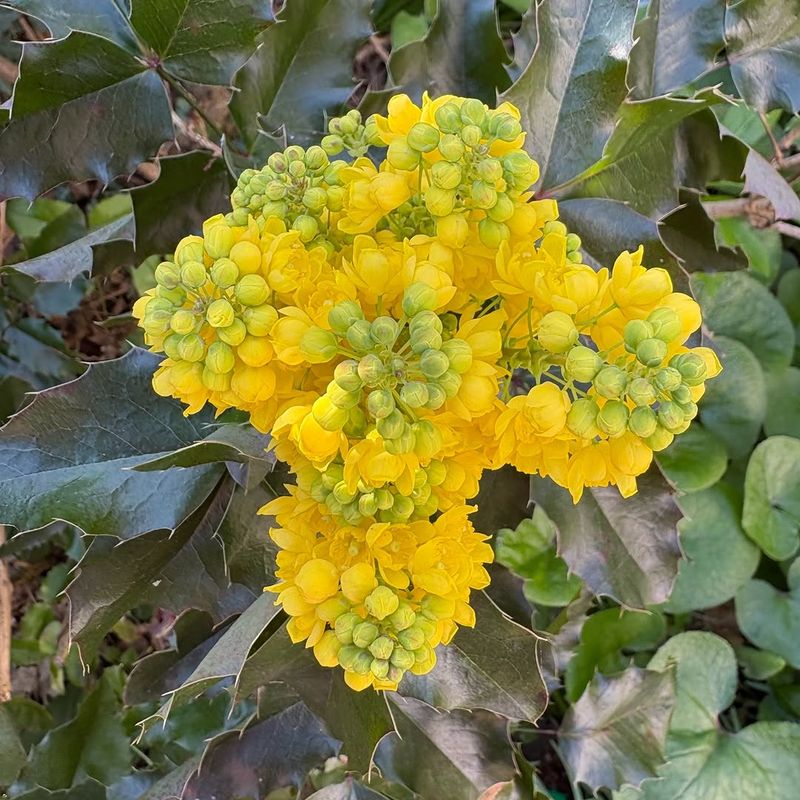
Bold, spiny, and unmistakably Oregon, the Oregon Grape is the state’s official flower for a very good reason. This tough evergreen shrub grows in gardens, forests, and wild spaces across Western, Eastern, and Southern Oregon.
It is one of those plants that looks great all year long.
In early spring, Oregon Grape bursts into clusters of bright yellow flowers that attract early pollinators when not much else is blooming yet. By summer, those flowers turn into dark blue berries that look a lot like grapes.
Birds love the berries, and people have used them to make jams and jellies for generations.
One of the best things about Oregon Grape is how adaptable it is. It tolerates shade, drought, and poor soil once it gets established.
That makes it a smart pick whether you are gardening in the wet west side or the dry east side of the Cascades.
The plant grows anywhere from two to six feet tall depending on the variety. Mahonia aquifolium is the most common species, but smaller varieties work great as ground covers.
The spiny leaves also make it a natural barrier that deer tend to avoid.
If you want a low-maintenance, wildlife-friendly plant that truly belongs in Oregon, Oregon Grape is a perfect starting point.
3. Lavender
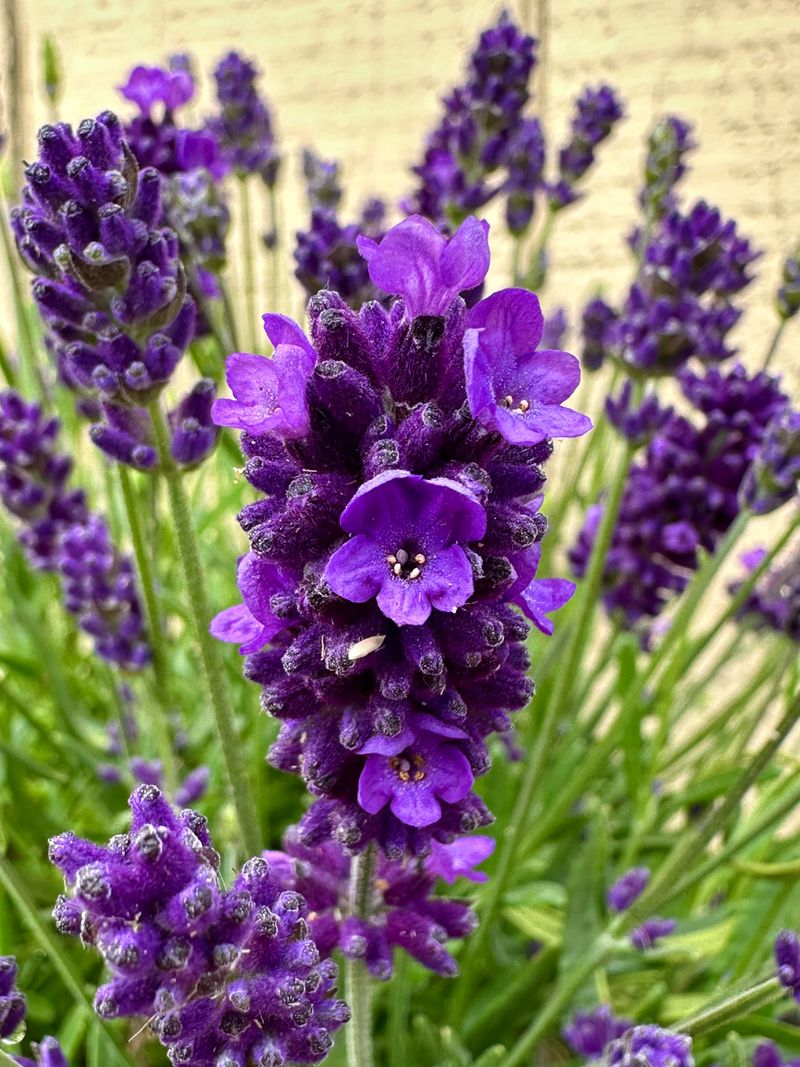
Walk past a lavender plant on a warm afternoon and the smell alone will stop you in your tracks. Lavender is one of the most beloved garden plants in all of Oregon, and it thrives especially well in Southern Oregon’s warm, sunny climate.
The Rogue Valley region is practically famous for its lavender farms.
Lavender loves full sun and well-drained soil. It is very drought-tolerant once established, which makes it a natural fit for both Eastern and Southern Oregon gardens.
Even in Western Oregon, lavender grows well as long as it has good drainage and enough sunshine.
The purple flower spikes bloom from late spring through summer and attract bees, butterflies, and hummingbirds. Beyond the garden, lavender has tons of practical uses.
People dry the flowers for sachets, use the oil for relaxation, and even cook with it in baked goods and teas.
Lavender plants grow about one to three feet tall and wide. They look beautiful planted in rows, borders, or containers.
Trim them lightly after each bloom cycle to keep them full and bushy.
Several lavender festivals take place across Southern Oregon each summer, celebrating the plant’s beauty and versatility. It is a wonderful addition to any Oregon garden that gets plenty of sunshine throughout the growing season.
4. Coneflower
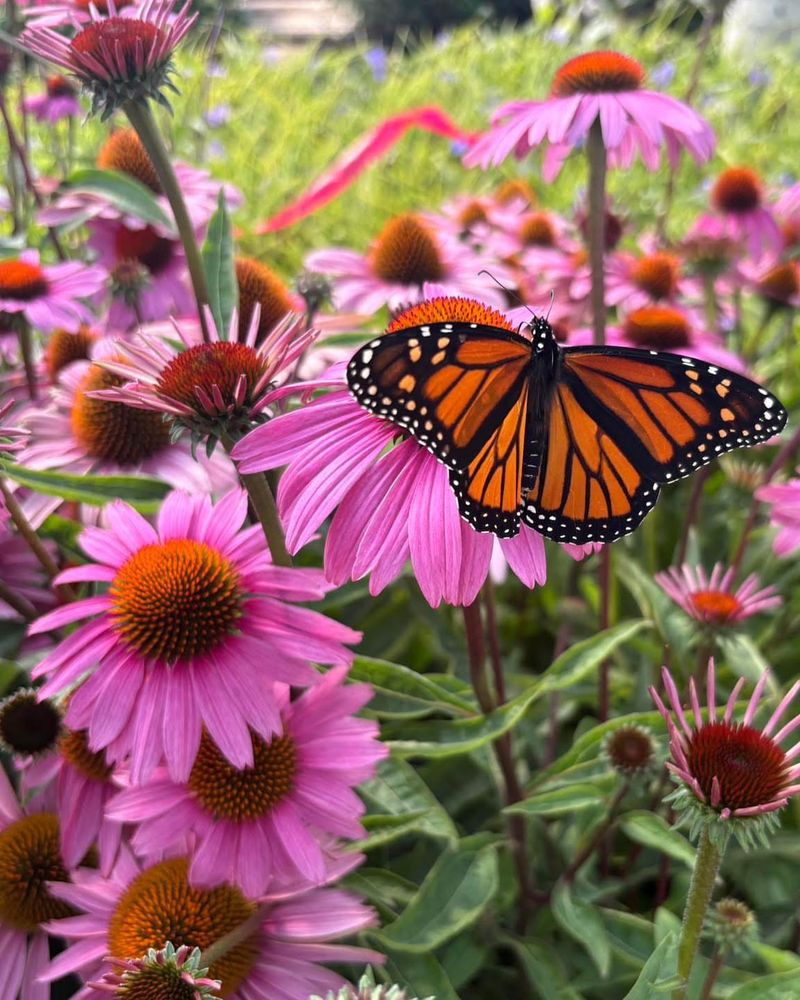
Colorful, easy to grow, and loved by pollinators, coneflower is a garden superstar that performs beautifully across Oregon. Also known as echinacea, this cheerful perennial produces bold purple, pink, or white flowers with distinctive spiky center cones.
It is the kind of plant that makes any garden look lively and full of life.
Coneflower does well in full sun and tolerates a wide range of soil types. It handles dry summers without much complaint, which makes it a reliable choice in Eastern and Southern Oregon.
In Western Oregon, the extra rainfall actually helps it grow even more vigorously.
Pollinators go absolutely wild for coneflower blooms. Bees, butterflies, and even goldfinches flock to these plants throughout the summer.
Leaving the seed heads standing in fall and winter provides a natural food source for birds during the colder months.
Plants typically grow two to four feet tall and spread gradually over time. They are long-lived perennials that come back stronger each year.
Dividing clumps every three to four years keeps them healthy and gives you more plants to spread around the garden.
Beyond its good looks, coneflower has a long history of use in herbal wellness. Many gardeners in Oregon grow it both for its beauty and its reputation as a natural immune-support herb.
It is truly a plant that earns its space.
5. Salvia
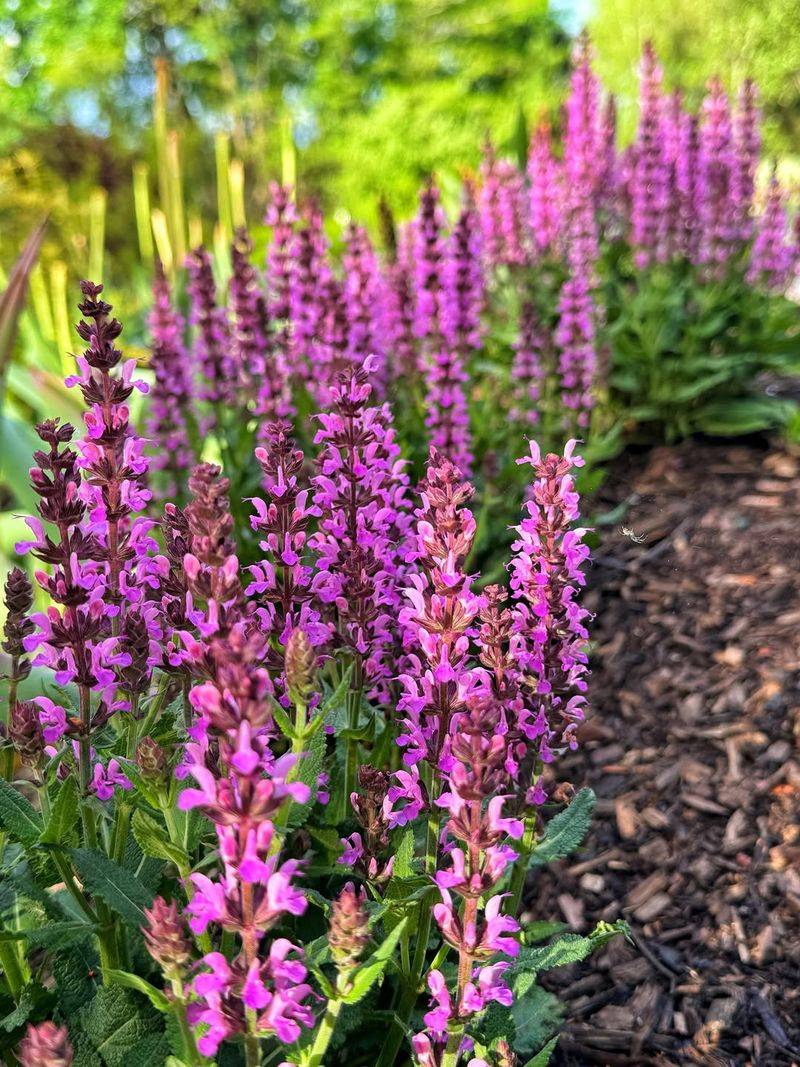
There is something almost electric about a salvia plant in full bloom. The tall, colorful flower spikes in shades of blue, purple, red, and pink create a striking display from late spring all the way into fall.
Salvia thrives in Oregon gardens from the coast to the high desert, making it one of the most versatile flowering plants around.
Full sun is where salvia really shines. It prefers well-drained soil and handles drought conditions impressively well once it is established.
Eastern and Southern Oregon gardeners especially appreciate how little water salvia needs during the hot, dry summer months.
Hummingbirds are absolutely drawn to salvia flowers, especially the red and pink varieties. Bees and butterflies visit regularly too, turning any salvia planting into a buzzing, fluttering spectacle throughout the growing season.
Salvia comes in annual and perennial forms. Perennial varieties like Salvia nemorosa are especially popular in Oregon because they come back reliably each spring.
Most grow one to three feet tall and look great in borders, containers, or mixed plantings.
Deer tend to leave salvia alone, which is a big plus for gardeners in rural parts of Western and Eastern Oregon where deer pressure can be a real challenge. It is a smart, beautiful, and low-fuss plant that rewards even beginner gardeners with a spectacular seasonal show.
6. Sedum (Stonecrop)
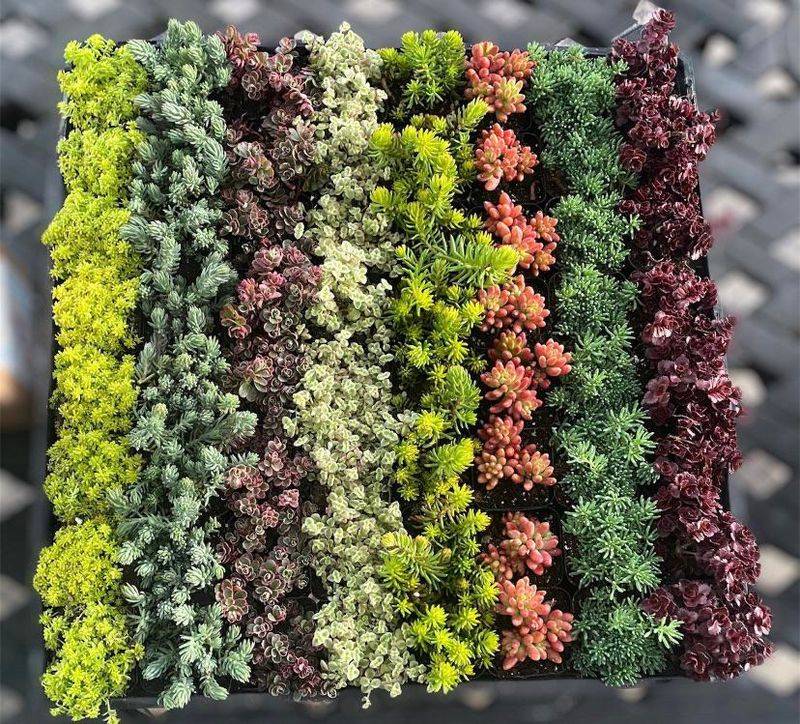
If there were an award for toughest garden plant in Oregon, sedum would be a top contender every single time. Also called stonecrop, this succulent perennial stores water in its thick, fleshy leaves, allowing it to survive in some of the driest and rockiest conditions imaginable.
Eastern Oregon’s high desert is practically tailor-made for sedum.
Sedum comes in low-growing ground cover types and taller upright varieties like Autumn Joy, which grows about two feet tall and produces large, rosy-pink flower clusters in late summer. Both types thrive in full sun and well-drained soil across Western, Eastern, and Southern Oregon.
Late-season blooms make sedum especially valuable in the garden. When most other plants are winding down in late summer and fall, sedum is just hitting its stride.
Bees and butterflies flock to the blooms during this period, stocking up on nectar before the season ends.
Sedum is nearly impossible to overwater as long as drainage is good, but it will struggle in soggy soil. Rock gardens, slopes, and container plantings are ideal spots.
It pairs beautifully with ornamental grasses and other drought-tolerant perennials commonly grown across Oregon.
Propagating sedum is simple. Just break off a stem, let it dry for a day, and stick it in the ground.
New plants establish quickly, making it easy to fill large areas without spending much money at all.
7. Blanket Flower
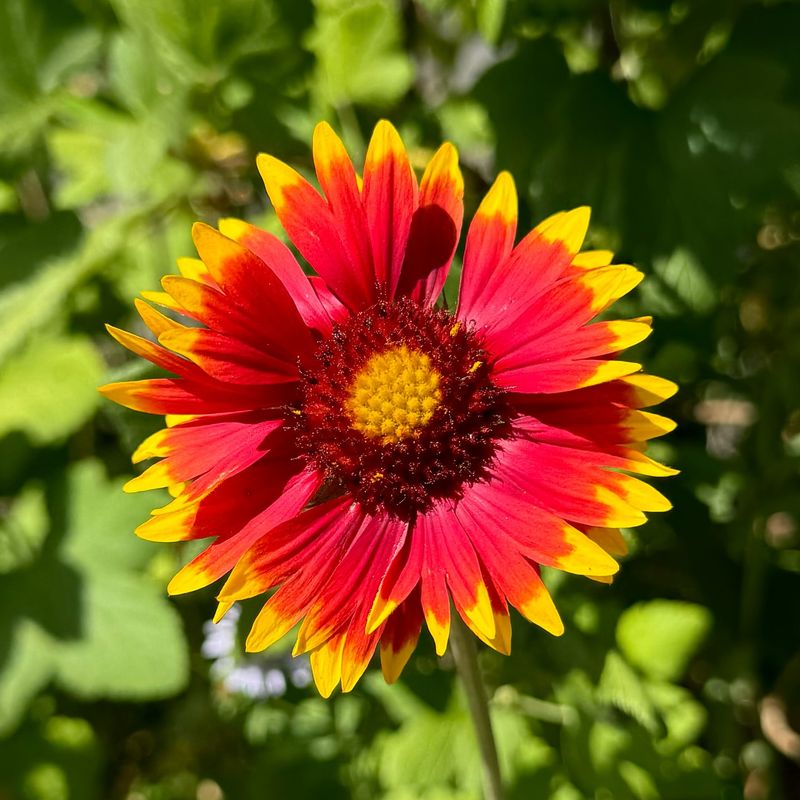
Blazing red and gold petals that look like a sunset in flower form, blanket flower is one of the most eye-catching plants you can grow anywhere in Oregon. Its bold, daisy-like blooms light up garden beds from early summer all the way through the first frosts of fall.
Few plants offer such a long and colorful show.
Blanket flower, also known as gaillardia, is native to North America and adapted to tough growing conditions. It thrives in full sun and actually prefers poor, well-drained soil.
Rich, wet soil can cause it to flop over or rot at the roots, so lean and dry is the way to go.
Eastern and Southern Oregon’s dry summers are no problem for blanket flower. It handles heat and drought with ease, blooming continuously without much extra watering once it settles in.
Western Oregon gardeners should make sure the planting spot gets plenty of sun and drains well.
Plants grow about one to two feet tall and wide. Deadheading spent blooms encourages even more flowers throughout the season.
Leaving some seed heads in place at the end of the season allows the plant to self-seed and return the following year.
Pollinators absolutely love blanket flower. Bees, butterflies, and even some beetles visit the blooms regularly.
It is a tough, cheerful, and wildly productive plant that brings serious color to any Oregon garden all season long.
8. Penstemon
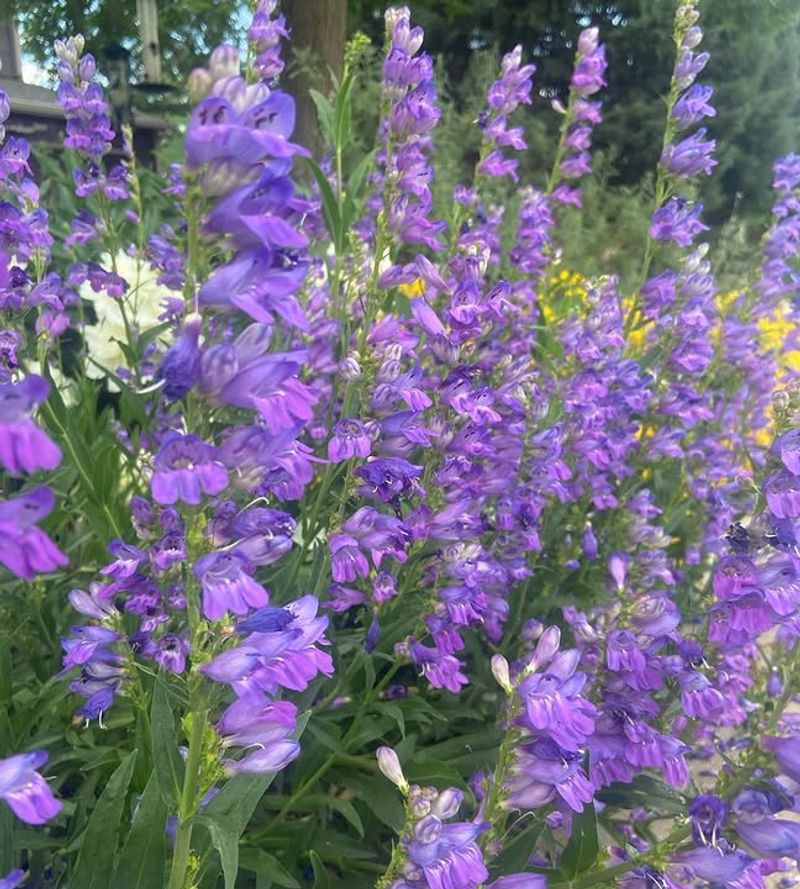
Penstemon is basically built for Oregon. With over 250 species found across North America, many of them are native to the Pacific Northwest, and they grow with remarkable ease across Western, Eastern, and Southern Oregon.
The tubular flowers come in shades of purple, blue, red, pink, and white, making it a stunning choice for any garden style.
One of penstemon’s greatest strengths is its adaptability. It grows naturally in rocky slopes, dry meadows, and open woodlands across the state.
Eastern Oregon’s arid high desert is home to several native species that handle extreme heat and minimal rainfall without missing a beat.
Hummingbirds are huge fans of penstemon. The tubular flower shape is perfectly designed for hummingbird feeding, and you will often see these tiny birds hovering around the blooms throughout summer.
Bees and butterflies visit frequently as well.
Most penstemon varieties prefer full sun and well-drained, even rocky or sandy soil. They actually do better in leaner soil than in rich, heavily amended garden beds.
Once established, they need very little supplemental watering, which is a major plus for Oregon gardeners trying to conserve water.
Penstemon typically blooms in late spring and early summer, growing anywhere from one to four feet tall depending on the species. Pairing it with yarrow or blanket flower creates a beautiful, drought-tolerant planting that looks right at home across all regions of Oregon.
9. Snowberry
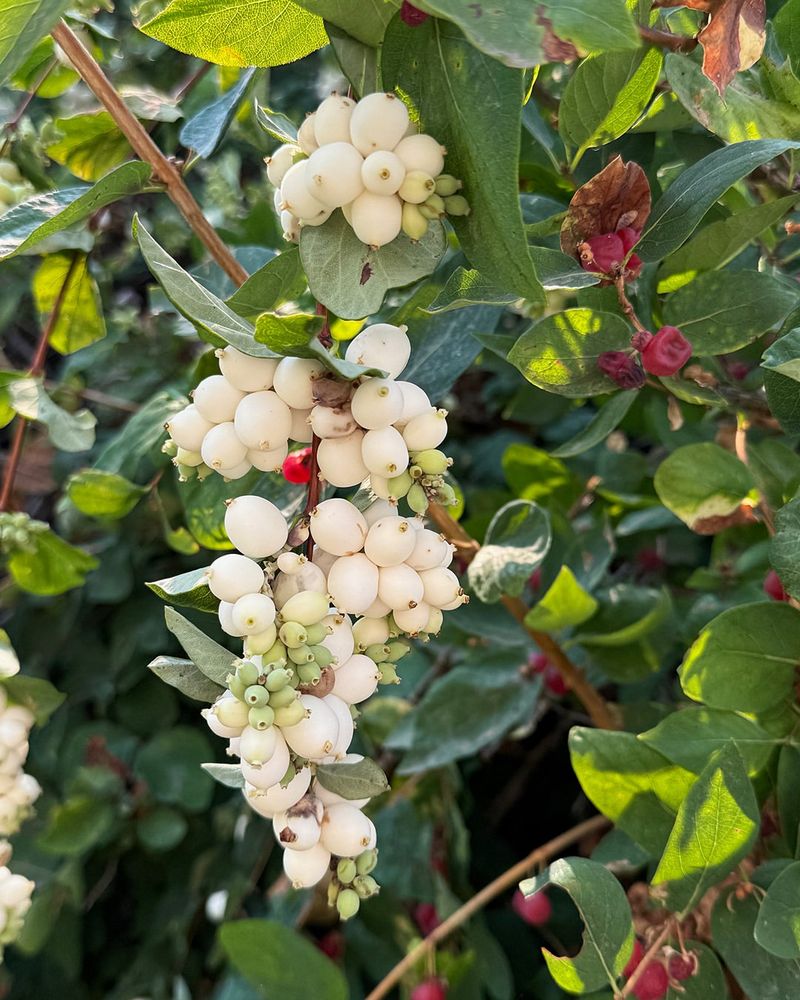
Not every great plant is known for its flowers. Snowberry earns its reputation through its remarkable clusters of bright white, puffy berries that cover the plant from late summer all the way through winter.
Those berries stand out beautifully against bare branches after the leaves drop, making snowberry a real standout in the colder months.
Native to Oregon, snowberry grows naturally across Western, Eastern, and Southern Oregon in a wide range of habitats. You will find it in forest edges, stream banks, open slopes, and shrubby areas throughout the state.
It is a true Oregon original that fits naturally into any native plant garden.
Wildlife absolutely depend on snowberry. Birds like robins, thrushes, and waxwings eat the berries throughout fall and winter.
The dense, arching branches also provide excellent nesting and shelter habitat for small birds and mammals.
Snowberry grows four to six feet tall and spreads by underground runners to form thickets over time. It tolerates shade, dry conditions, and poor soil better than most shrubs.
That toughness makes it especially useful for erosion control on slopes or in difficult spots where other plants struggle.
Small pink flowers appear in early summer before the berries form. The plant is low-maintenance and rarely needs pruning or extra care.
For gardeners across Oregon looking for a native shrub that supports wildlife and looks great all year, snowberry is a genuinely rewarding choice.