The 7 Plum Tree Mistakes That Lead To Weak Growth In Arizona
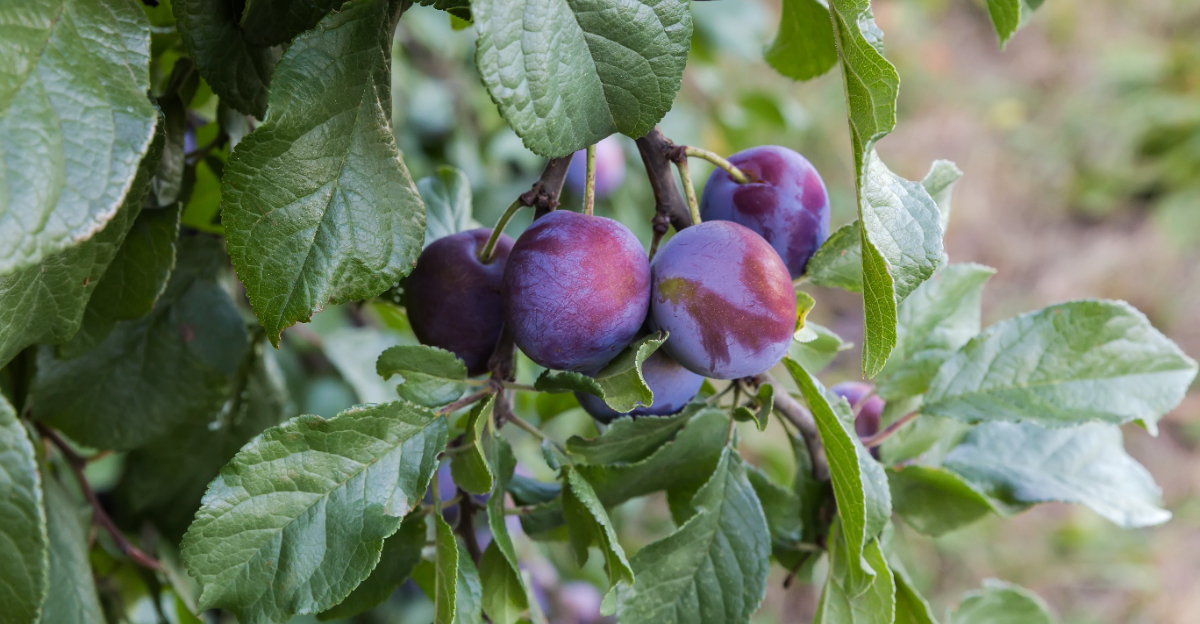
Some plum trees in Arizona look perfectly fine at first, then slowly fall behind without a clear reason. Leaves lose their strength, growth feels uneven, and fruit never quite develops the way it should.
It can feel confusing, especially when everything seems like it should be working.
In a climate like Arizona, small choices matter more than most people realize. The timing, the soil, even how water is used can quietly shape how a tree grows through the season.
What looks like a minor detail early on can turn into a bigger issue by the time spring settles in.
Many of these problems are easy to overlook until the tree starts showing signs that something is off. Once you notice it, the damage is already affecting growth in ways that are harder to fix.
1. Watering Too Much Too Early
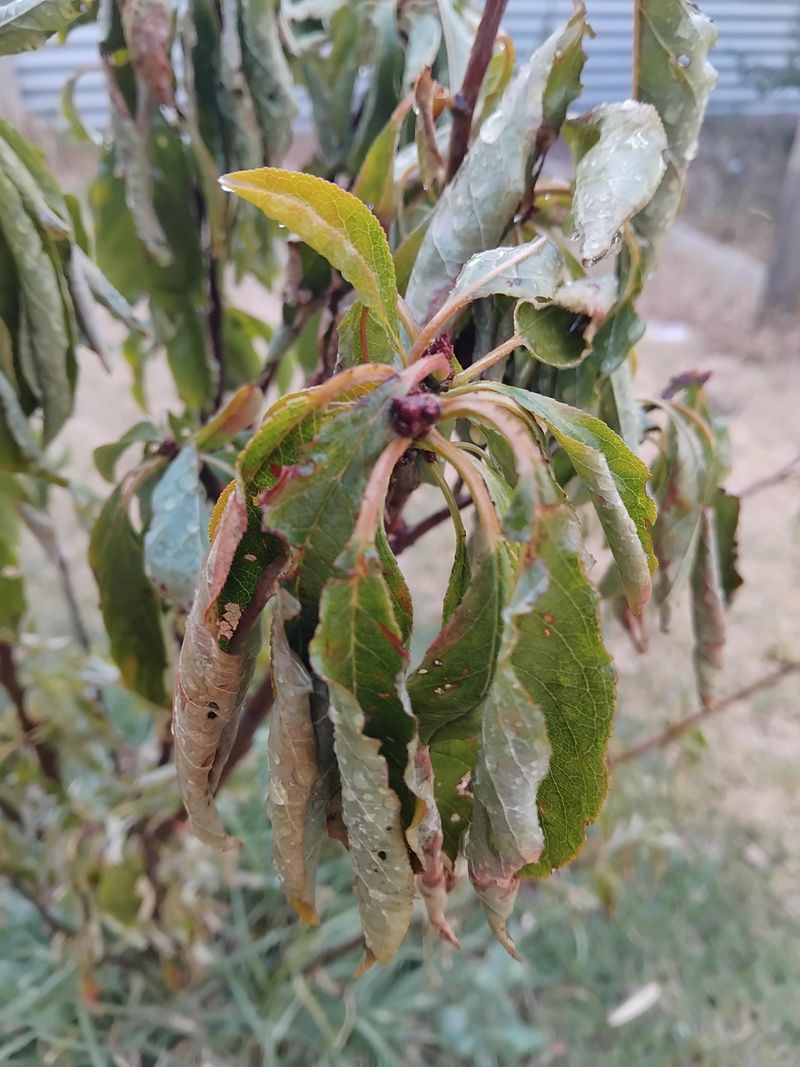
Soggy roots are one of the fastest ways to set back a young plum tree, and it happens more often than most Arizona gardeners expect. Right after planting, it feels natural to water heavily because the tree looks stressed and the desert heat is intense.
But overwatering in those first weeks actually suffocates the roots and keeps them from developing properly.
Plum trees need moisture, but they also need air around their roots. When soil stays wet for too long, oxygen cannot reach the root zone.
In Arizona’s clay-heavy or compacted soils, water tends to sit and pool rather than drain away, which makes this problem even worse.
A good rule of thumb is to water deeply but let the top few inches of soil dry out before watering again. Push your finger about two inches into the soil near the base of the tree.
If it still feels damp, hold off another day or two before adding more water.
During the first month, aim for deep watering two or three times per week rather than light watering every single day. Light, frequent watering keeps roots shallow and weak.
Deep, less frequent watering encourages roots to reach down into cooler soil layers, which helps the tree handle Arizona’s brutal summer temperatures much better over time.
Watch the leaves closely. Yellowing or drooping leaves on a recently watered tree often signal too much moisture, not too little.
Catching this pattern early saves you a lot of trouble down the road.
2. Cutting Back At The Wrong Time
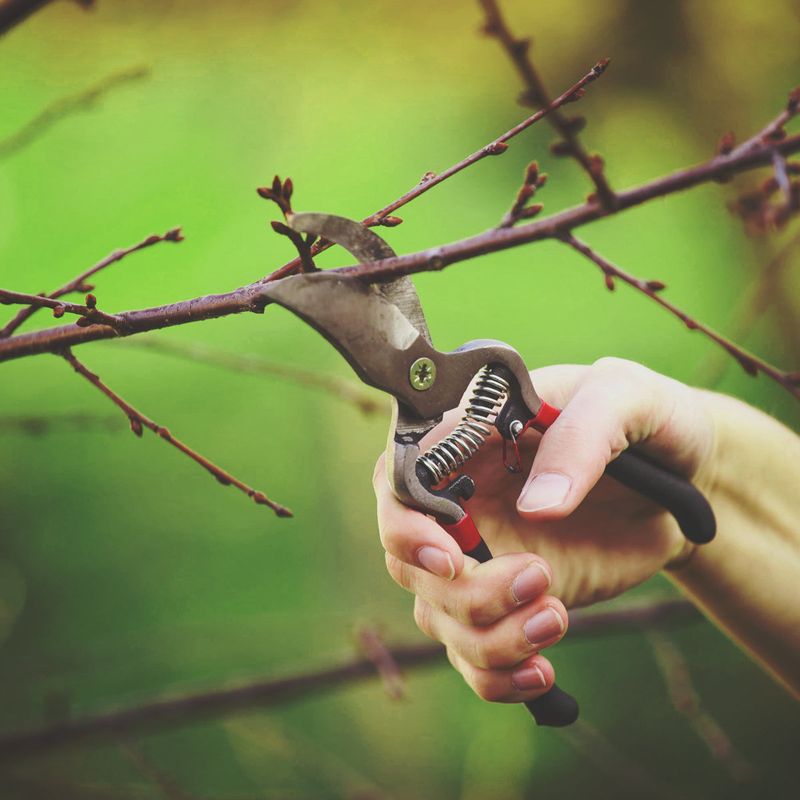
Grab your pruning shears at the wrong time of year, and your plum tree will spend all its energy recovering instead of growing. Pruning during the wrong season is one of the most overlooked mistakes among Arizona gardeners, especially those new to fruit trees.
Late summer pruning is particularly risky here. Cutting branches when temperatures are still climbing above 100 degrees forces the tree to push out new tender growth right before heat stress peaks.
That new growth has almost no time to harden off, and it ends up looking burned and weak within weeks.
Plum trees in Arizona respond best to pruning done in late winter, typically between late January and early March. At that point, the tree is still dormant but about to wake up.
Cuts heal faster, the tree channels energy into strong new shoots, and you get a much cleaner shape going into the growing season.
Opening up the canopy slightly improves airflow, which matters a lot in Arizona where fungal issues can sneak in during monsoon season.
Avoid heavy pruning two years in a row. If you cut back aggressively one winter, give the tree a lighter trim the next year.
Plum trees need time to settle and build strength between major cuts, especially in a climate as demanding as Arizona’s.
3. Soil That Holds Too Much Water
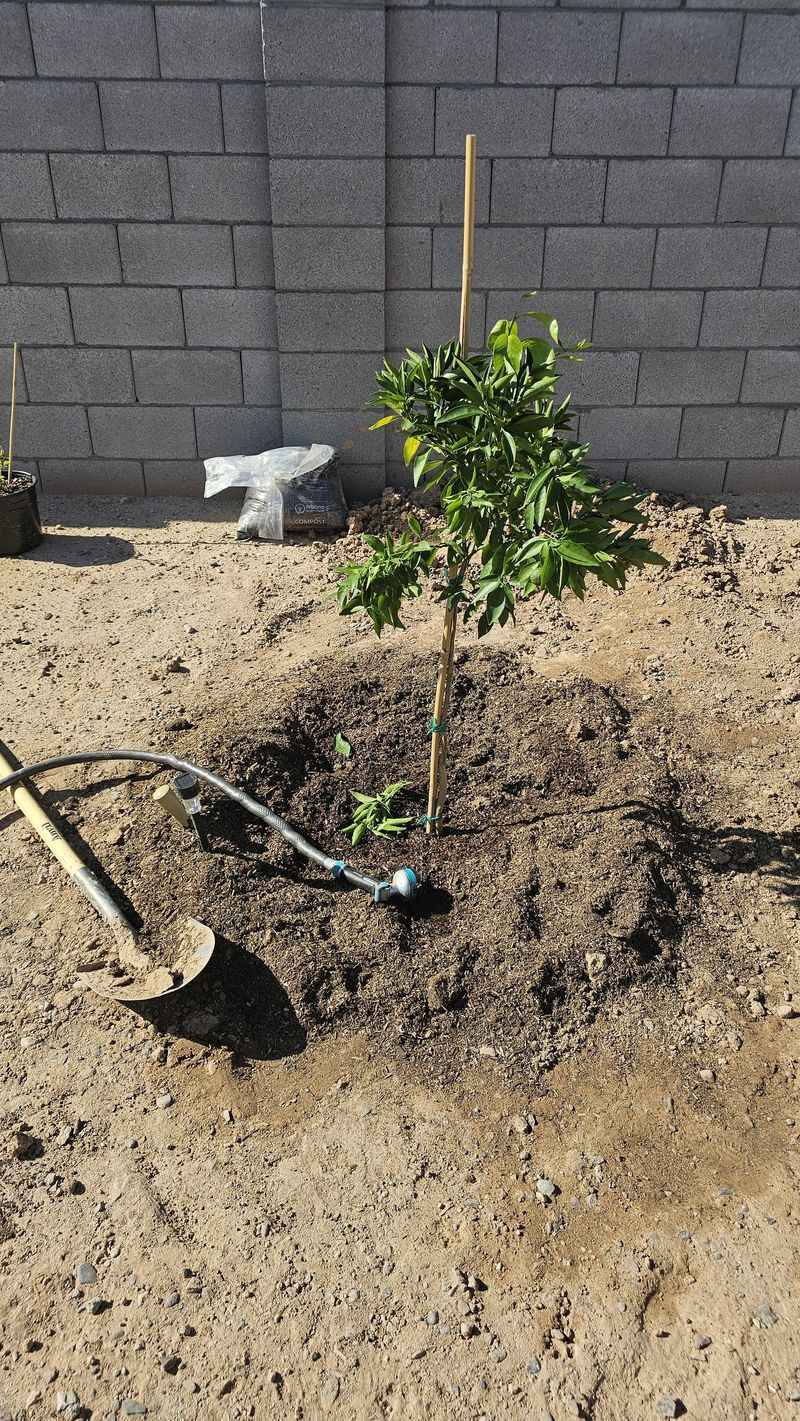
Arizona soil can be deceiving. It looks dry and crumbly on the surface, but dig down six inches and you might find dense, compacted clay that water has nowhere to escape from.
Planting a plum tree into that kind of soil without any preparation is asking for trouble.
Poor drainage keeps roots sitting in wet conditions for hours or even days after a good rain or irrigation cycle. Over time, that leads to weak root development and a tree that never quite gets its footing.
In some parts of Arizona, there is also a layer of caliche, a hard mineral deposit, that sits just below the surface and acts like a concrete barrier for water and roots alike.
Breaking through caliche before planting is essential. Use a pickaxe or rent a jackhammer for stubborn spots.
Mixing organic compost into the planting hole loosens the soil structure and improves drainage significantly without creating an overly sandy mix that drains too fast in summer heat.
Raised planting beds are worth considering in areas with especially bad drainage. Elevating the root zone by even eight to twelve inches gives roots the well-aerated environment they prefer.
Adding a layer of organic mulch around the base of the tree also helps regulate soil moisture without trapping excess water.
Testing your soil before planting is a smart move. County extension offices across Arizona often offer affordable soil testing kits that tell you exactly what you are working with before you commit to a planting spot.
4. Not Enough Direct Sun
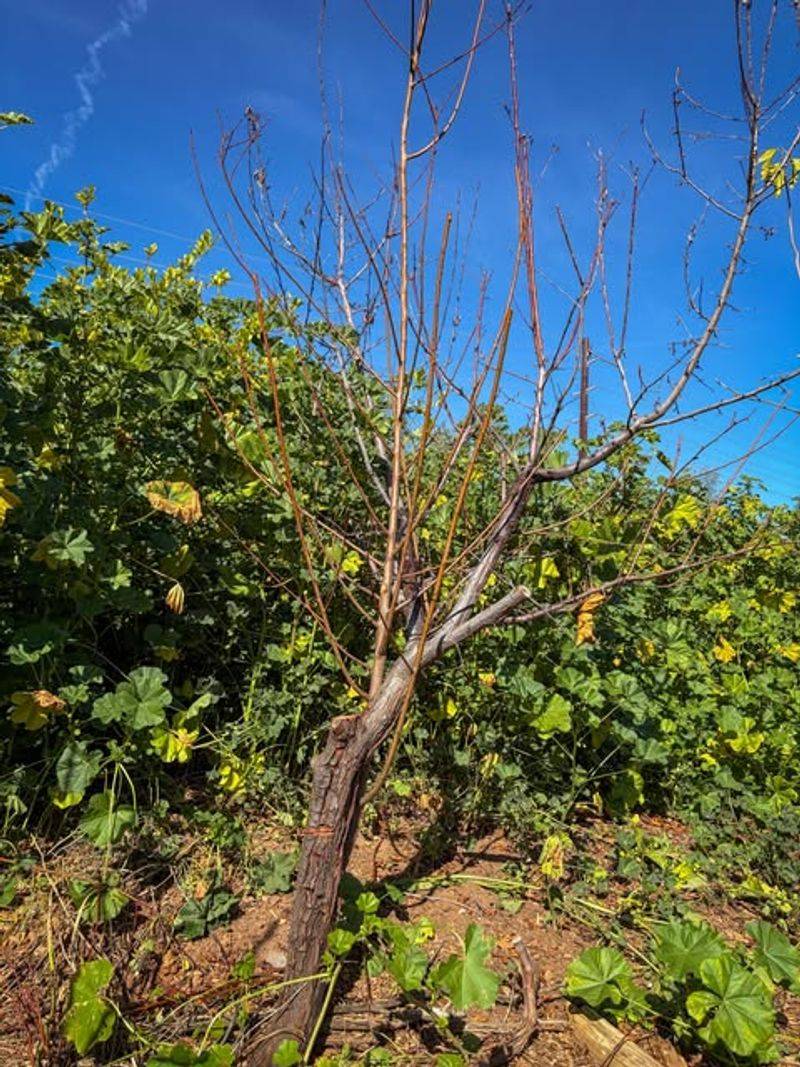
Shade might sound appealing in Arizona’s relentless heat, but plum trees are sun-hungry plants that need full exposure to produce well. Planting one in a spot that gets blocked by a wall, a fence, or a larger tree is a setup for weak, stretched-out growth and very little fruit.
Plum trees need at least six to eight hours of direct sunlight every single day. Less than that and the tree puts most of its energy into reaching toward light rather than building strong branches and producing fruit.
You end up with a tall, leggy tree that looks impressive but delivers almost nothing at harvest time.
In many Arizona backyards, the south and west-facing sides of the yard get the most sun exposure.
Afternoon shade from a structure is less damaging than morning shade because plum trees benefit from early sun to dry off dew and moisture that can encourage fungal issues during monsoon months.
Before you plant, spend a full day watching how sunlight moves across your yard. Mark the spots that stay bright from morning through mid-afternoon.
That is where your plum tree belongs. Soil quality and watering can be adjusted over time, but you cannot move the sun.
Young trees planted in low-light spots rarely catch up even if conditions improve later. Roots establish based on the energy available during those first two years.
Starting in the right location from day one sets the entire trajectory of how well your tree performs in Arizona’s growing conditions.
5. Pests Starting To Spread
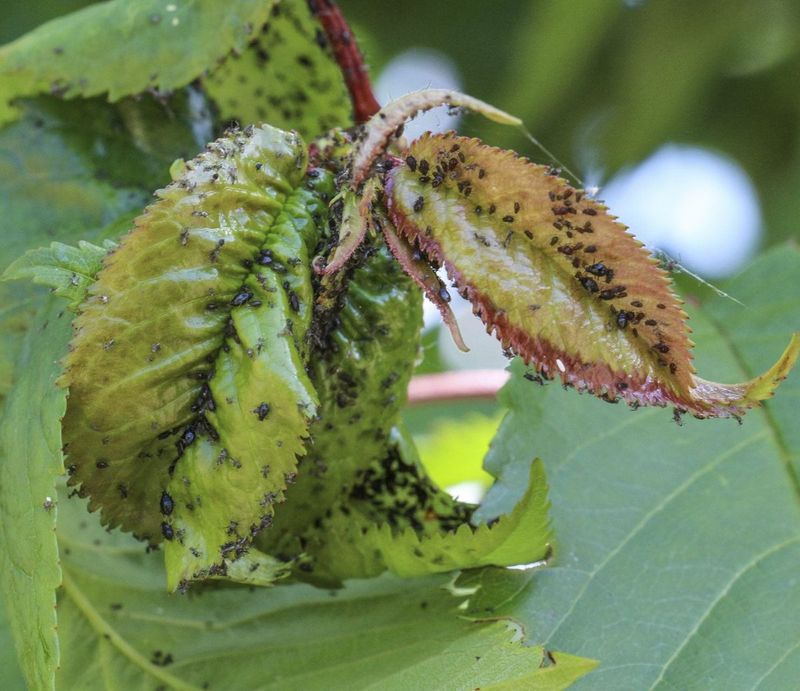
Pest pressure on plum trees in Arizona can escalate fast, especially heading into the warmer months. What starts as a few aphids clustered on new growth can turn into a full infestation within two weeks if nothing is done.
Catching the problem early is the only way to stay ahead of it.
Spider mites are particularly common in Arizona because they thrive in hot, dry conditions. They are tiny and hard to spot, but the damage they leave behind is obvious.
Leaves start looking dusty, then speckled, then yellow. If you hold a white piece of paper under a branch and shake it, you will see the mites fall if they are present.
Aphids tend to attack new shoots and curl leaves around themselves for protection. A strong blast of water from a hose knocks most of them off without needing any chemical treatment.
Doing this consistently every few days during peak season keeps populations from building up to damaging levels.
Scale insects are another issue worth watching for. They look like small brown bumps stuck to branches and stems.
Horticultural oil sprays applied in early spring before temperatures climb above 90 degrees work well against scale without harming beneficial insects in your garden.
Checking trees at least once a week during spring and early summer in Arizona is a habit that pays off. Pests multiply fast in warm weather, and a tree weakened by infestation cannot put energy into healthy growth.
Staying observant is genuinely the most effective pest management tool available to any home gardener.
6. Feeding More Than Needed
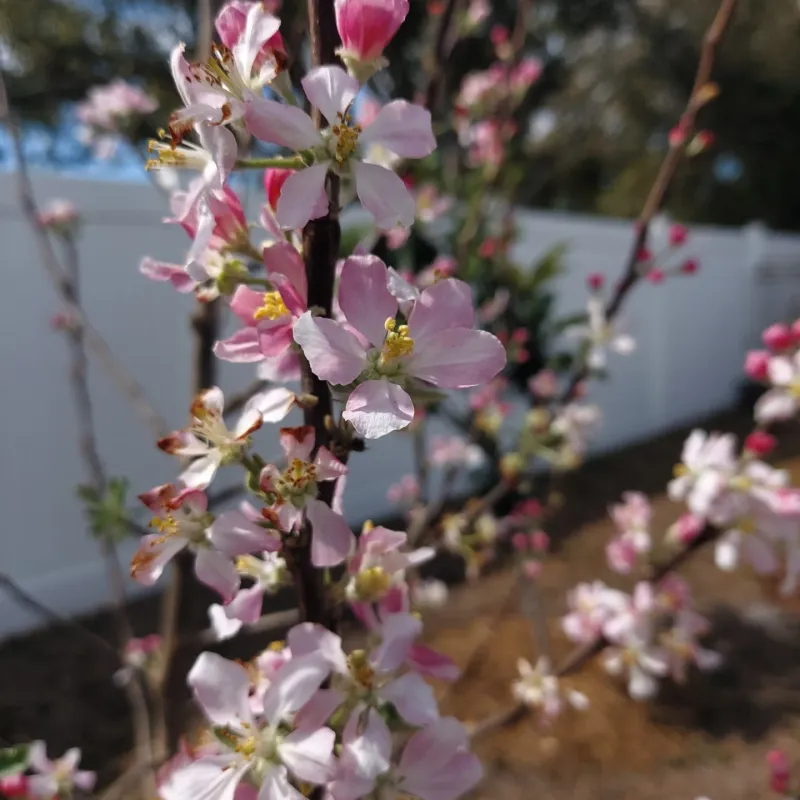
More fertilizer does not mean more fruit, and plum trees in Arizona make that point very clearly. Over-fertilizing pushes trees into excessive leafy growth while fruit production drops off.
It also burns roots, especially in Arizona’s already warm and sometimes salty soils.
Nitrogen is the biggest culprit. A lot of gardeners reach for a high-nitrogen fertilizer thinking it will speed things up.
Instead, it triggers rapid, soft vegetative growth that attracts pests, struggles in heat, and diverts energy away from flower and fruit development. You end up with a lush-looking tree that barely produces.
Plum trees in Arizona generally need one good feeding in early spring as they come out of dormancy, and possibly a light second feeding in early summer if the tree looks pale or sluggish.
Beyond that, most established trees do not need regular fertilizing if the soil has been properly amended with compost.
Balanced fertilizers with equal parts nitrogen, phosphorus, and potassium are a safer choice than anything heavy on nitrogen. Slow-release granular options are especially forgiving because they deliver nutrients gradually rather than flooding the root zone all at once.
Salt buildup from over-fertilizing is a real concern in Arizona’s arid conditions. Salts accumulate in the soil when there is not enough rainfall to flush them through.
Watering deeply after any fertilizer application helps move excess salts below the root zone and protects the tree from chemical stress that slows growth over time.
7. Letting Too Many Fruits Stay On
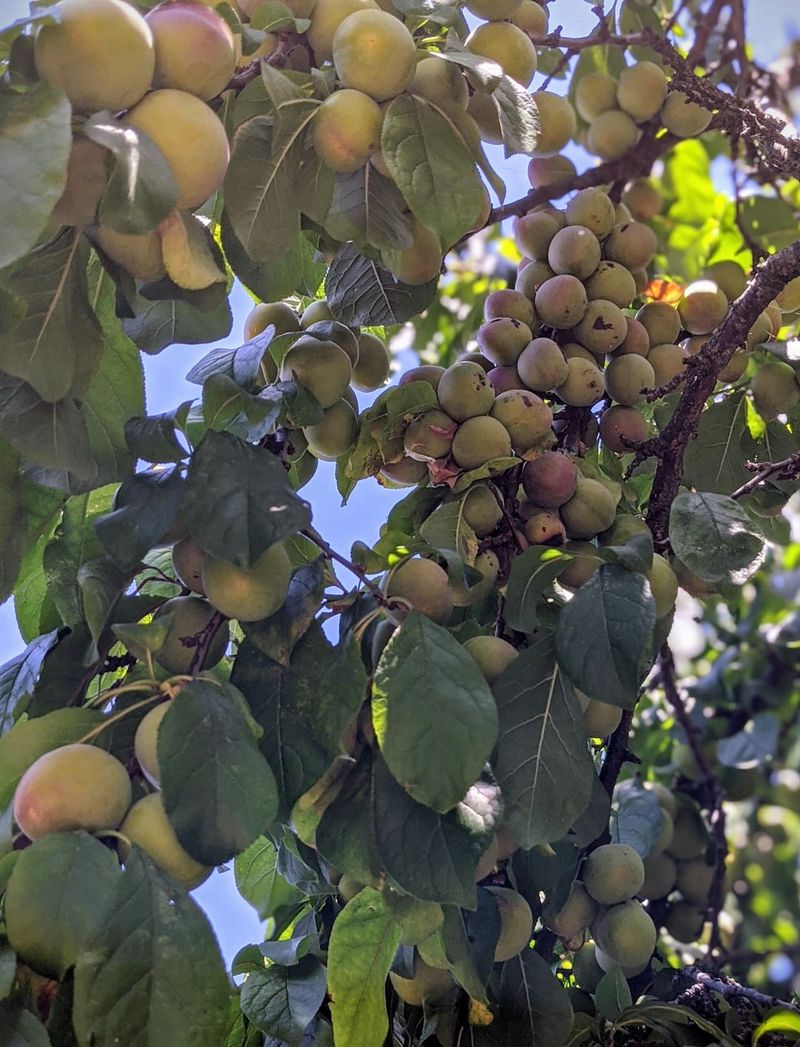
A plum tree loaded with fruit sounds like a success story, but leaving too many fruits on the tree is actually one of the quieter mistakes that leads to long-term weakness.
Arizona gardeners often skip thinning because it feels counterproductive to remove fruit you have been waiting all season to enjoy.
When a tree carries more fruit than it can properly support, every single plum ends up smaller, less flavorful, and lower in sugar. Branches bend under the weight and sometimes snap, leaving wounds that invite pests and disease.
Worse, the tree exhausts itself trying to ripen dozens of fruits at once and often skips a heavy crop the following year.
Thinning fruit early in the season, about four to six weeks after bloom, makes a significant difference. Remove smaller or misshapen fruits and leave the best-looking ones spaced roughly four to six inches apart along each branch.
It feels wasteful in the moment but results in noticeably larger, sweeter plums at harvest.
In Arizona’s heat, fruit development moves fast. A tree that sets a heavy crop and is not thinned can show stress symptoms by midsummer, including premature leaf drop and reduced shoot growth.
Both of those things weaken the tree heading into the following season.
Consistent thinning each year also trains the tree into better structural habits. Branches stay stronger, the canopy stays more open, and the tree maintains better energy reserves going into Arizona’s intense summer heat, which makes a real difference in overall long-term performance.