The Poison Hemlock Lookalikes Oregon Homeowners Should Know Before Pulling Anything
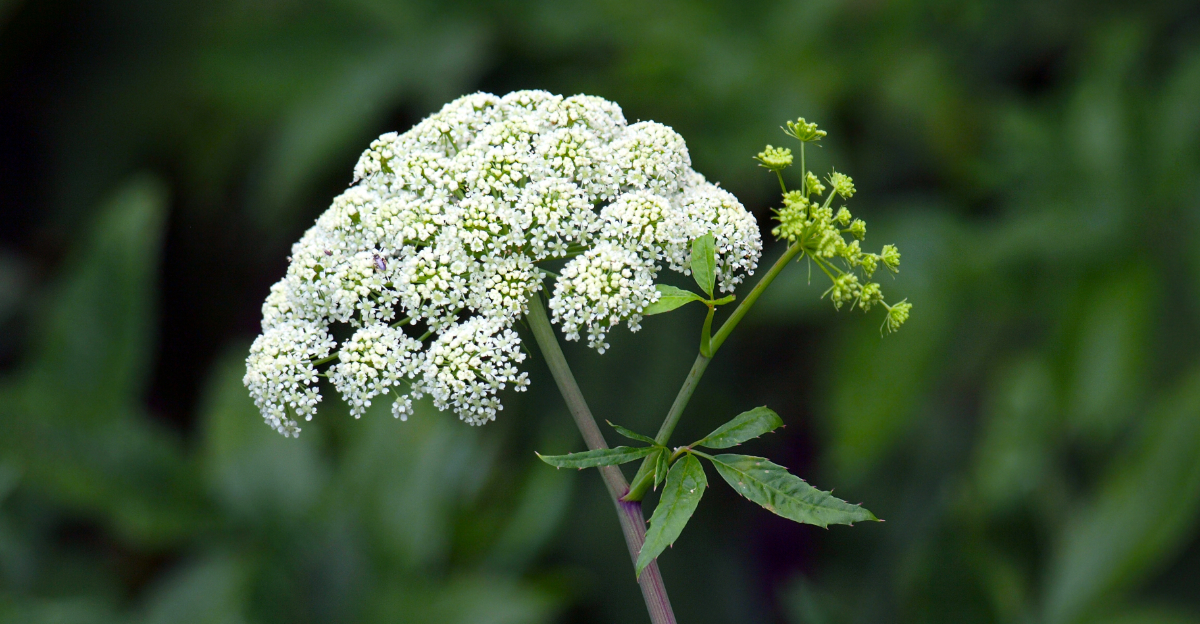
A tall, lacy plant at the edge of an Oregon yard can be easy to dismiss as just another weed. That assumption gets risky when several very different plants share the same general shape at a glance.
Some are harmless, some are useful, and others deserve far more caution before anyone reaches down and starts pulling.
The differences can be subtle, especially once plants are flowering and growing among other vegetation.
A quick visual check may not be enough if you are relying on one feature alone. That is why identification matters before removal begins.
Looking closely at the stem, foliage, growth habit, and surrounding conditions can help narrow things down without turning a routine yard cleanup into a preventable problem.
Knowing which plants are commonly confused with poison hemlock can make that first decision much safer.
1. Queen Anne’s Lace Looking Almost Too Similar
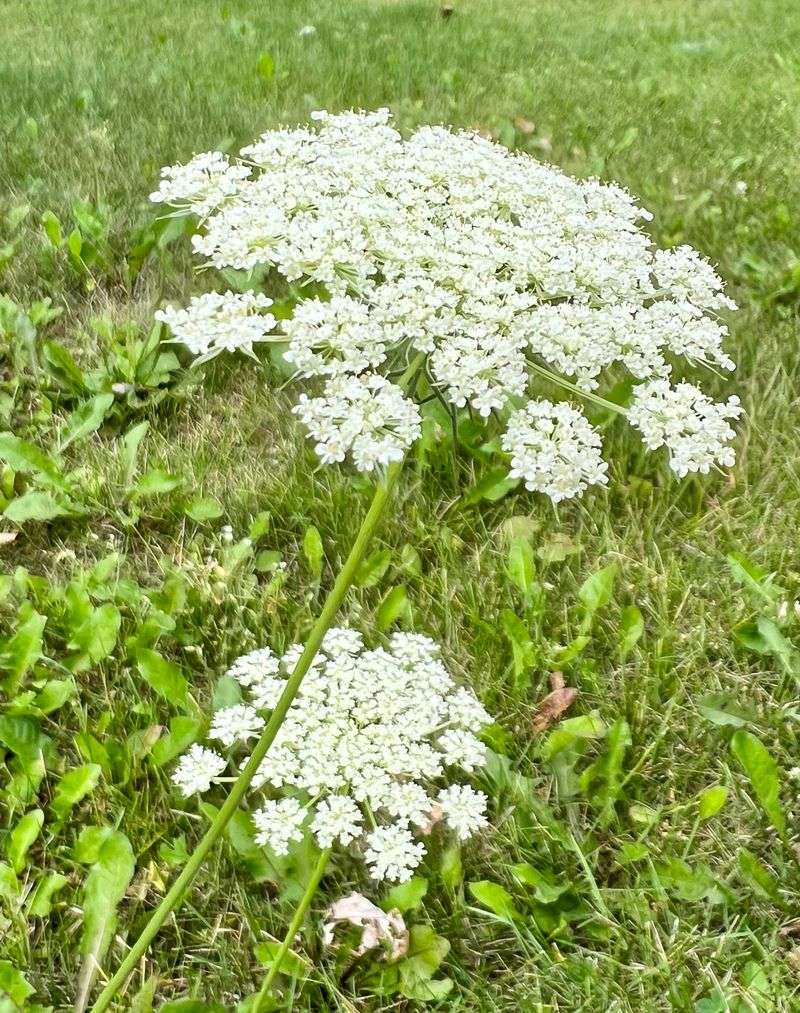
At first glance, Queen Anne’s Lace and poison hemlock look like twins growing side by side. Both have white, umbrella-shaped flower clusters called umbels.
Both grow tall and love open, disturbed ground like roadsides and fields. It is honestly one of the trickiest plant pairs to sort out.
Here is the key difference most people miss: Queen Anne’s Lace has a hairy stem. Run your fingers along the stalk, and you will feel tiny, rough hairs.
Poison hemlock has a smooth, hollow stem with distinctive purple-red blotches or spots. Those spots are one of the clearest warning signs you can find without any tools.
Queen Anne’s Lace also usually has a single tiny purple or dark red flower right in the center of its white flower cluster. Not every plant has it, but when you see it, that is a helpful clue.
The leaves of Queen Anne’s Lace smell like carrots when you crush them gently. Poison hemlock has a musty, unpleasant smell that many people describe as mousy or sour.
Both plants are biennial, meaning they live for two years. In their first year, they grow as low rosettes.
In their second year, they shoot up tall and flower. Always check the stem for spots and texture before you touch or remove any plant that looks like this.
Wearing gloves is always a smart move.
2. Wild Parsnip Bringing The Same Umbrella-Shaped Flowers
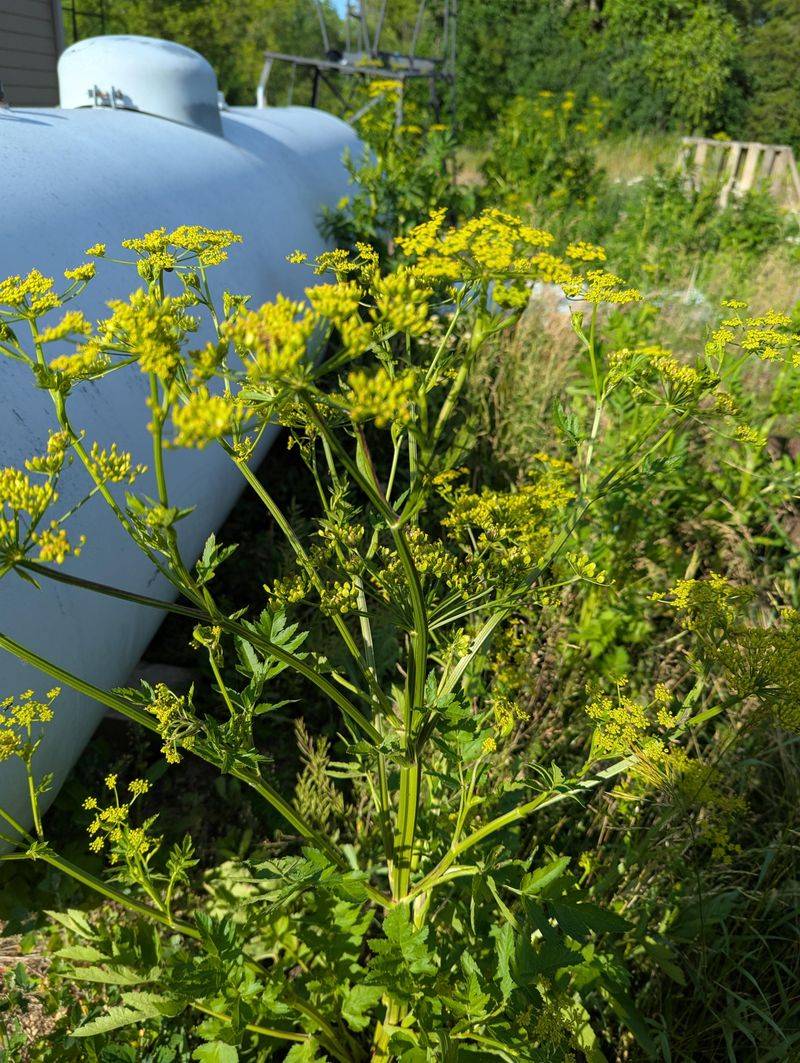
Most people expect poison hemlock lookalikes to have white flowers, but wild parsnip throws a curveball with its bright yellow blooms.
Even so, the plant still has that same wide, flat, umbrella-shaped flower cluster that makes it easy to confuse with other members of the carrot family. From a distance, the shape alone can trip you up.
Wild parsnip is actually more immediately dangerous to your skin than poison hemlock in one specific way. The sap of wild parsnip contains chemicals called furanocoumarins.
When that sap gets on your skin and then gets exposed to sunlight, it can cause severe burns, blistering, and long-lasting dark patches on the skin. This reaction is called phytophotodermatitis, and it can be very painful.
Your Oregon Garden Changes Every Week. Your Plan Should Too.
Gardening in Oregon changes quickly throughout the season. Every Friday you’ll receive a simple weekly plan showing exactly what to plant, prune, fertilize, harvest, and protect so you never miss the right timing.
You will find wild parsnip growing along roadsides, in fields, and in disturbed soil areas. It can grow up to five feet tall, and the leaves are large and pinnately compound, meaning they have multiple leaflets arranged along a central stalk.
The stems are grooved and hollow, similar to many plants in this family.
Always wear long sleeves, gloves, and eye protection when working near this plant. Do not let the sap touch your skin, and wash thoroughly if contact happens.
Removing it on a cloudy day reduces your risk of a skin reaction. When in doubt, call your local Oregon extension office for safe removal guidance.
3. Wild Parsley Making Identification Extra Tricky
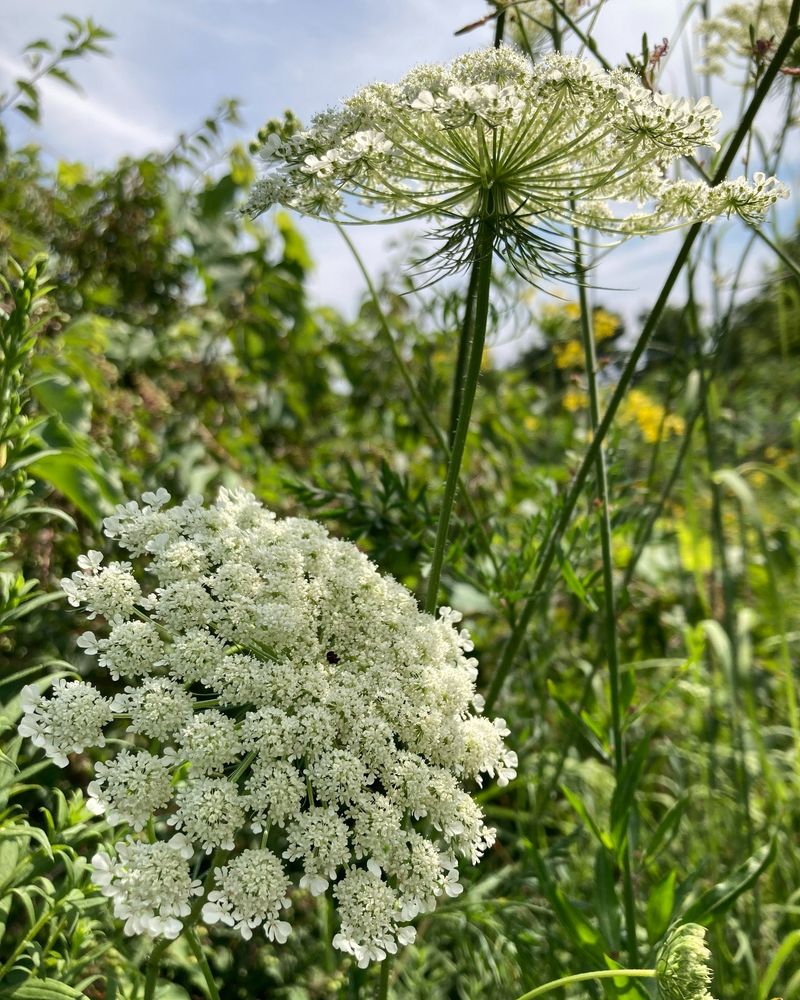
Few plants make plant identification as frustrating as wild parsley. The leaves are finely divided and feathery, almost identical to the parsley you might grow in a kitchen garden.
The flowers are small and white, arranged in flat clusters. Standing next to poison hemlock, wild parsley can look startlingly similar, especially in early growth stages.
One major difference is size. Wild parsley tends to stay shorter than poison hemlock, which can tower over six feet tall when fully mature.
Wild parsley usually tops out around two to three feet. If the plant you are looking at is enormous and has purple-spotted stems, it is almost certainly not wild parsley.
The smell is another helpful clue. Wild parsley has a pleasant, herby aroma when the leaves are crushed.
Poison hemlock smells unpleasant and musty. That nose test takes only a second and can save you a lot of worry.
Just be careful not to crush the plant with bare hands before you know what it is.
Wild parsley is generally not harmful to touch. However, some people with sensitive skin may still experience mild irritation from plants in the carrot family.
The safest approach is always to wear gloves when handling any unfamiliar plant. If you find a cluster of these plants and are unsure, take a photo and use a plant identification app or contact a local expert before removing anything.
4. Cow Parsnip Growing Big Enough To Cause Confusion
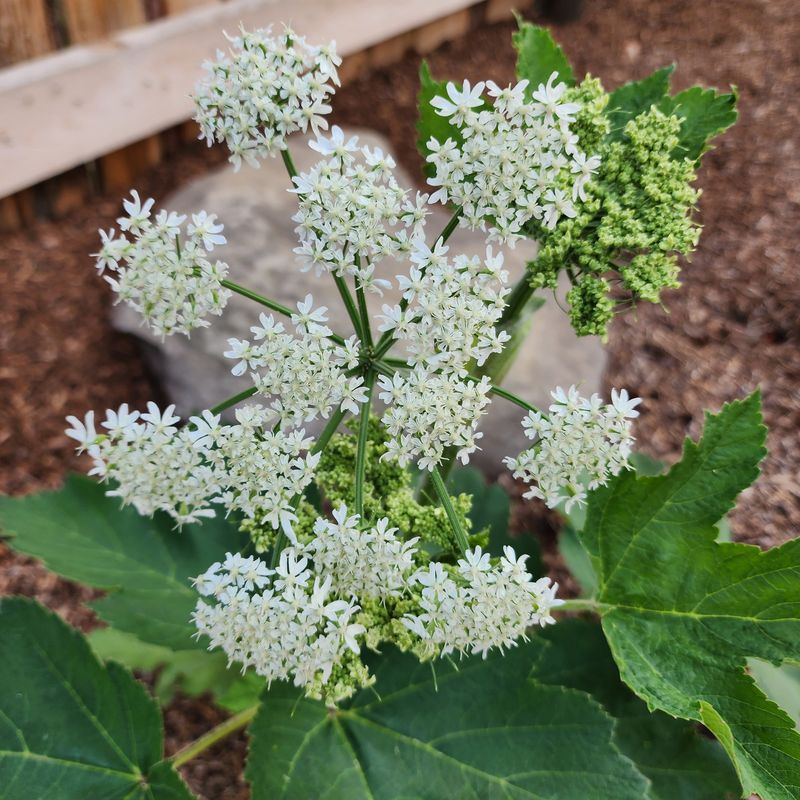
Size alone makes cow parsnip one of the most startling plants you can find in a Pacific Northwest yard or along a trail.
This plant can grow up to eight or even ten feet tall, with enormous flat white flower clusters that can span nearly a foot across.
When you first see it, the sheer scale is impressive and a little intimidating.
Cow parsnip is a native plant in many parts of the region, and it plays an important role in local ecosystems. Pollinators love its flowers.
But it also shares that classic umbrella-shaped flower structure with poison hemlock, which is why homeowners often get confused when they find a massive white-flowered plant near a stream or in a moist, shaded area.
The leaves are the biggest giveaway. Cow parsnip has very large, deeply lobed leaves that look almost like a maple leaf on a grand scale.
Poison hemlock leaves are more finely divided and fern-like in appearance. The stems of cow parsnip are thick, hairy, and hollow, and they do not have the purple blotches that poison hemlock is known for.
Like wild parsnip, cow parsnip sap can cause skin reactions in sunlight, so always wear gloves and cover your arms when working near it. It is a beautiful plant, but handle it with respect.
If you find it growing in an unwanted area, have a professional or your local extension service advise on removal.
5. Western Water Hemlock Looking Similar And Even More Dangerous
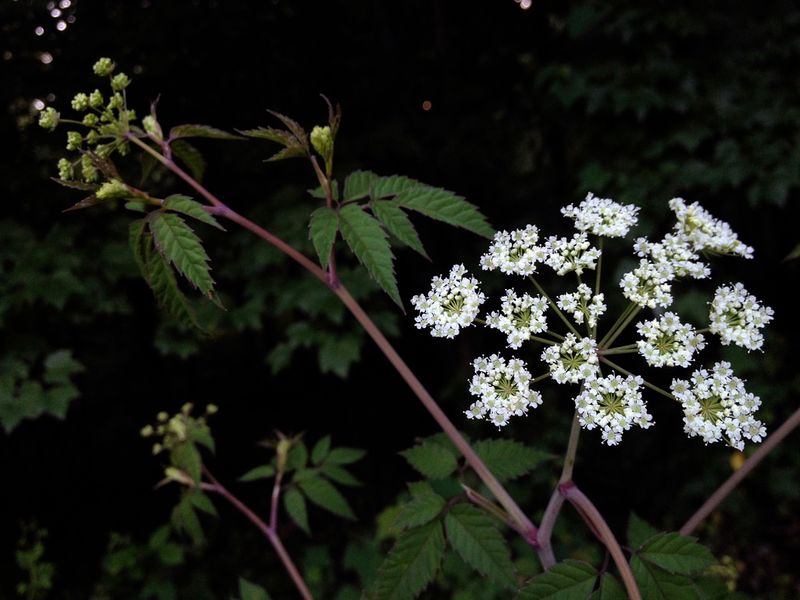
Of all the plants on this list, western water hemlock is the one that demands the most caution. It is closely related to poison hemlock, and many plant experts consider it to be the most violently toxic plant in North America.
It grows near water, in marshy areas, along stream banks, and in wet ditches, which makes it a real concern for homeowners with ponds or drainage areas on their property.
Western water hemlock has white, umbrella-shaped flower clusters that look very similar to poison hemlock. The leaves are compound and toothed along the edges.
One notable feature is the chambered root, which looks almost like a small bunch of parsnips when dug up. The chambers inside the root contain a toxic resin called cicutoxin.
Never dig up or handle the roots without full protective gear.
The stems of western water hemlock are smooth and hollow, similar to poison hemlock, but they typically lack the heavy purple spotting. The plant usually grows in wetter conditions than poison hemlock, which tends to prefer drier disturbed ground.
Location can be a helpful clue when trying to tell them apart.
If you suspect western water hemlock is growing on your property, do not attempt to remove it yourself without proper protection and guidance. Contact your county weed control office or a licensed professional.
This plant is not one to handle casually, and mistaking it for something harmless could have serious consequences.
6. Yarrow Fooling Gardeners From A Distance
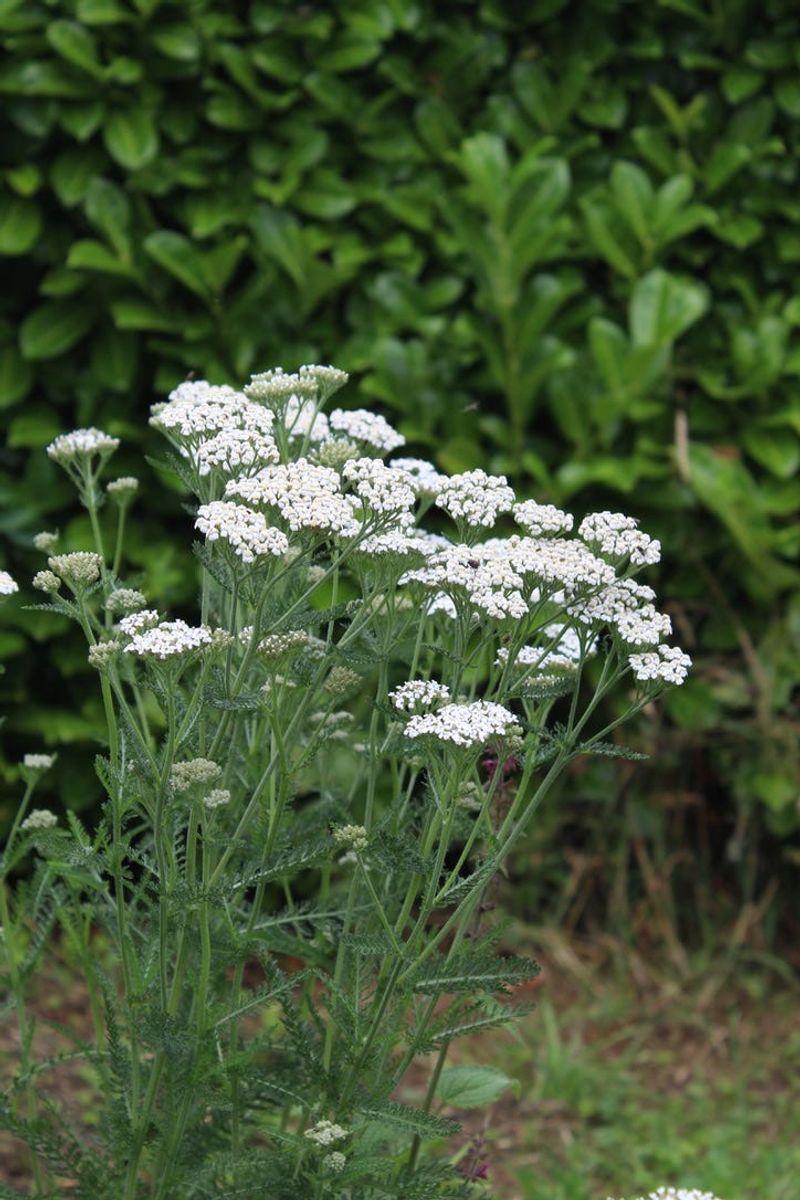
From across an Oregon yard, a patch of yarrow can stop you in your tracks. The flat-topped white flower clusters look remarkably similar to what you might expect from a carrot family plant.
Add in the finely divided, feathery green leaves, and it is easy to see why gardeners sometimes confuse yarrow with younger or smaller poison hemlock plants.
Get a little closer, though, and the differences become clear. Yarrow leaves are incredibly soft and almost fuzzy to the touch.
The texture is completely different from the smoother, more rigid leaves of poison hemlock. Yarrow also has a very distinctive, sharp herbal scent when you crush a leaf.
Many people find it pleasant and recognize it quickly once they have smelled it before.
Yarrow is actually a beloved garden plant and has been used in traditional herbal medicine for centuries. It attracts beneficial insects and is drought-tolerant, making it popular in low-water gardens.
It rarely grows as tall as poison hemlock and usually stays under three feet in height.
The stems of yarrow are solid and leafy all the way up, unlike the hollow, spotted stems of poison hemlock. Yarrow stems also do not have those telltale purple blotches.
Once you learn to recognize yarrow by its texture, smell, and solid stem, you will never mix it up with something dangerous again. It is a great plant to keep in your yard on purpose.
7. Sweet Cicely Hiding Behind Ferny-Looking Leaves
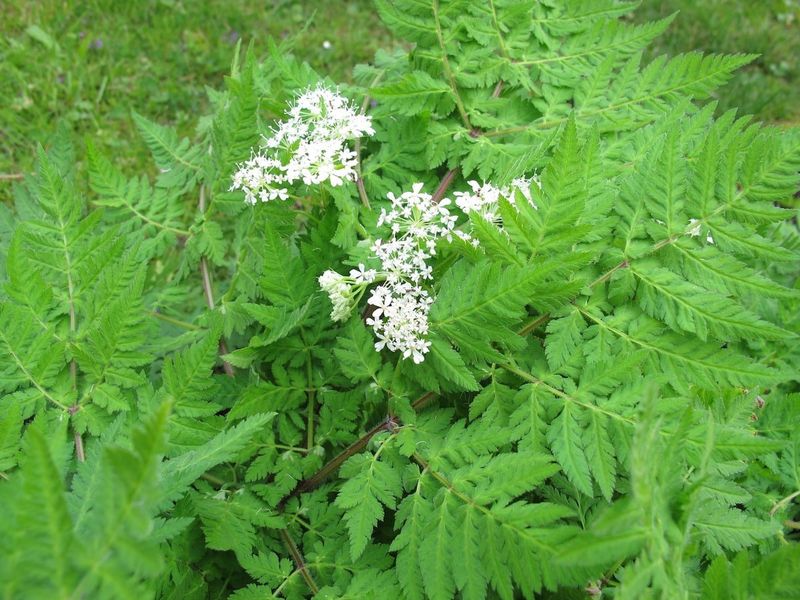
The leaves are soft, bright green, and finely divided in a way that looks almost identical to a young poison hemlock plant.
Growing in shaded spots, woodland edges, and moist garden corners, sweet cicely can easily be mistaken for something much more concerning.
One of the most useful ways to tell sweet cicely apart is by smell. Crush a leaf gently between your fingers, and you will notice a sweet, anise-like aroma, similar to licorice.
That smell is completely different from the unpleasant, musty odor of poison hemlock. If a plant smells sweet and herby, it is a very good sign you are not dealing with something toxic.
Sweet cicely is actually edible and has been used as a culinary herb in Europe for generations. The seeds, leaves, and roots all carry that mild anise flavor.
Some gardeners grow it intentionally as a low-maintenance perennial that adds texture and a pleasant scent to shaded areas. It tends to spread on its own once established.
The plant does not have purple spots on its stems, and the stems are not as dramatically hollow as those of poison hemlock. Sweet cicely also tends to stay shorter, usually under four feet tall.
Still, always confirm your identification before touching or tasting anything wild. Use a trusted field guide or plant identification app as a double-check before making any decisions in the garden.
8. Angelica Sharing That Tall Umbel-Shaped Look
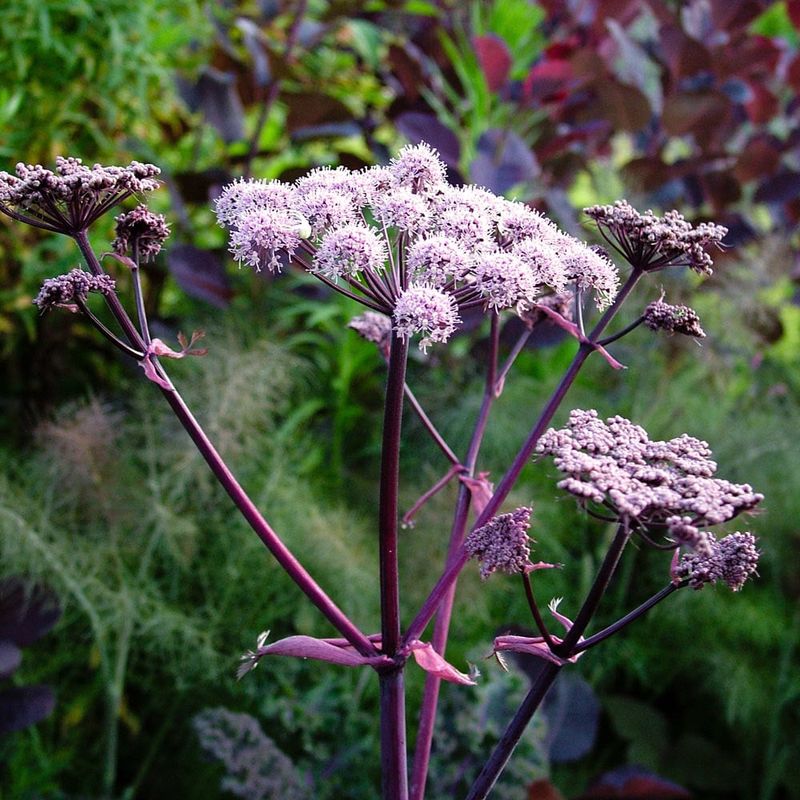
Tall, dramatic, and unmistakably bold, angelica is a plant that commands attention wherever it grows. The flower clusters are large and rounded, sometimes described as globe-shaped rather than flat.
Even so, the overall silhouette of a mature angelica plant, with its towering height and white flower heads, can remind homeowners of poison hemlock at first glance.
Angelica tends to grow near water, in moist meadows, and along stream banks, similar to western water hemlock. It can reach heights of six to eight feet, which makes it one of the tallest plants in the carrot family you are likely to encounter.
The stems are thick, hollow, and often have a purplish tint near the base, which is one reason people sometimes panic when they see it.
However, angelica stems do not have the scattered spots and blotches that poison hemlock is known for. The base of each leaf on angelica wraps around the stem in a distinctive sheath, almost like a little collar.
That feature is quite noticeable and different from how poison hemlock leaves attach to the stem.
Some species of angelica have a long history of use in cooking and herbal traditions across Europe and Asia. However, identification of angelica versus other carrot family plants requires care.
Never eat or handle any plant in this family without being completely certain of what it is. Always use multiple identification features together, not just one clue, before drawing conclusions.