The 10 Pollinator-Friendly Shrubs Blooming In North Carolina
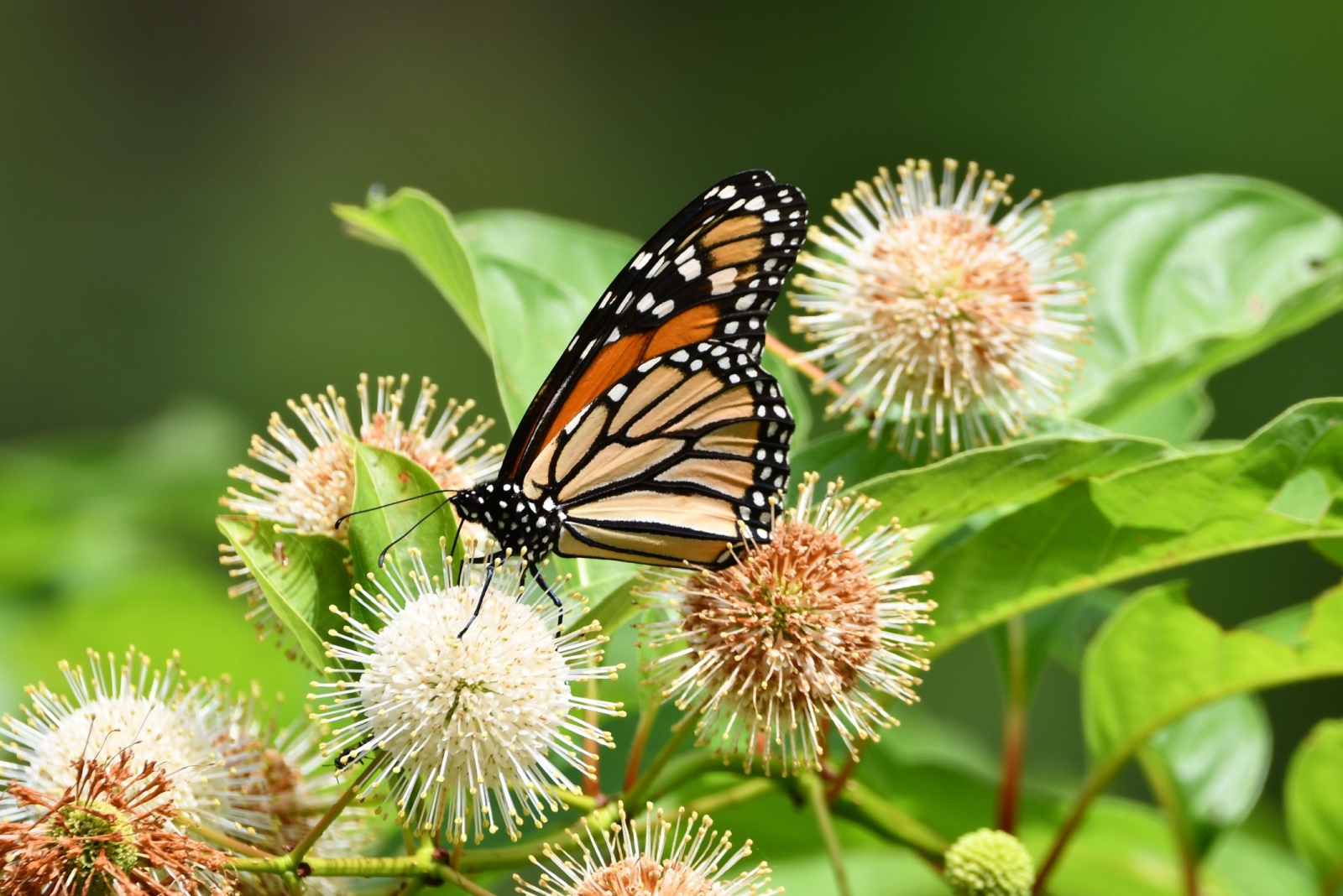
North Carolina gardens come alive with color when pollinators visit shrubs full of nectar and pollen.
Bees, butterflies, and hummingbirds depend on these plants for food, while the plants need these creatures to help them reproduce.
When you plant shrubs that attract pollinators, you create a healthy ecosystem right in your own backyard.
Pollinators face many challenges today, from habitat loss to pesticide use.
Every garden that welcomes these important insects and birds makes a real difference in their survival.
North Carolina’s climate allows many beautiful shrubs to thrive, and the best ones provide food for pollinators throughout the growing season.
Some bloom in early spring when bees first emerge, while others flower in summer and fall when butterflies need energy for migration.
The shrubs on this list are tough, attractive, and beloved by pollinators.
Many are native to the region, which means they’re already adapted to local weather and soil conditions.
They require less water and care than exotic plants, and they support the specific pollinators that evolved alongside them.
Your garden can become a pollinator haven with the right plant choices.
Each shrub offers something special, from fragrant flowers to colorful berries that feed birds after the blooms fade.
Get ready to transform your landscape into a buzzing, fluttering paradise that helps nature thrive.
1. Buttonbush (Cephalanthus occidentalis)
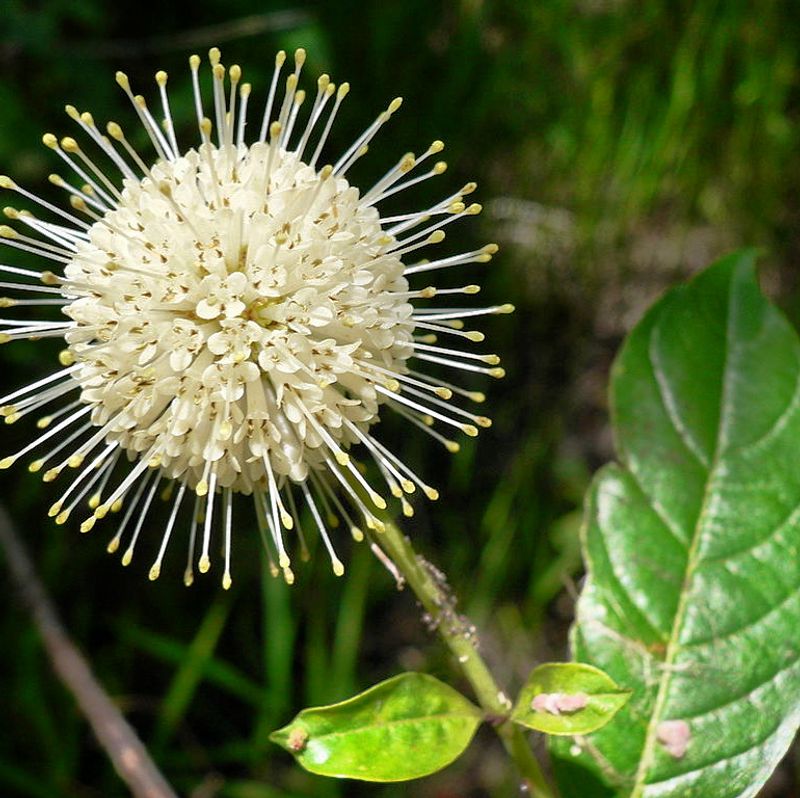
Buttonbush earns its name from the perfectly round, white flower balls that look like pincushions stuck full of tiny tubes.
Each bloom cluster measures about an inch across and attracts dozens of butterfly species, along with bees and hummingbirds.
This native shrub loves wet feet and thrives in areas that stay moist or even flooded part of the year.
Plant it near ponds, streams, or rain gardens where other shrubs might struggle.
The flowers appear from June through September, providing nectar when many other plants have finished blooming.
Buttonbush can grow six to twelve feet tall and equally wide, so give it plenty of room to spread.
The glossy green leaves stay attractive all summer, and the spent flowers turn into round seed balls that birds enjoy in winter.
Gardeners in zones 5 through 10 can grow this adaptable shrub successfully.
It tolerates full sun to partial shade, though it flowers most heavily with at least six hours of direct sunlight.
Once established, buttonbush needs little care beyond occasional pruning to control its size.
The fragrance of the blooms is sweet and slightly spicy, drawing pollinators from across your yard.
This shrub truly shines as a pollinator magnet in wet areas where few other flowering shrubs will grow.
2. Sweetshrub (Calycanthus floridus)
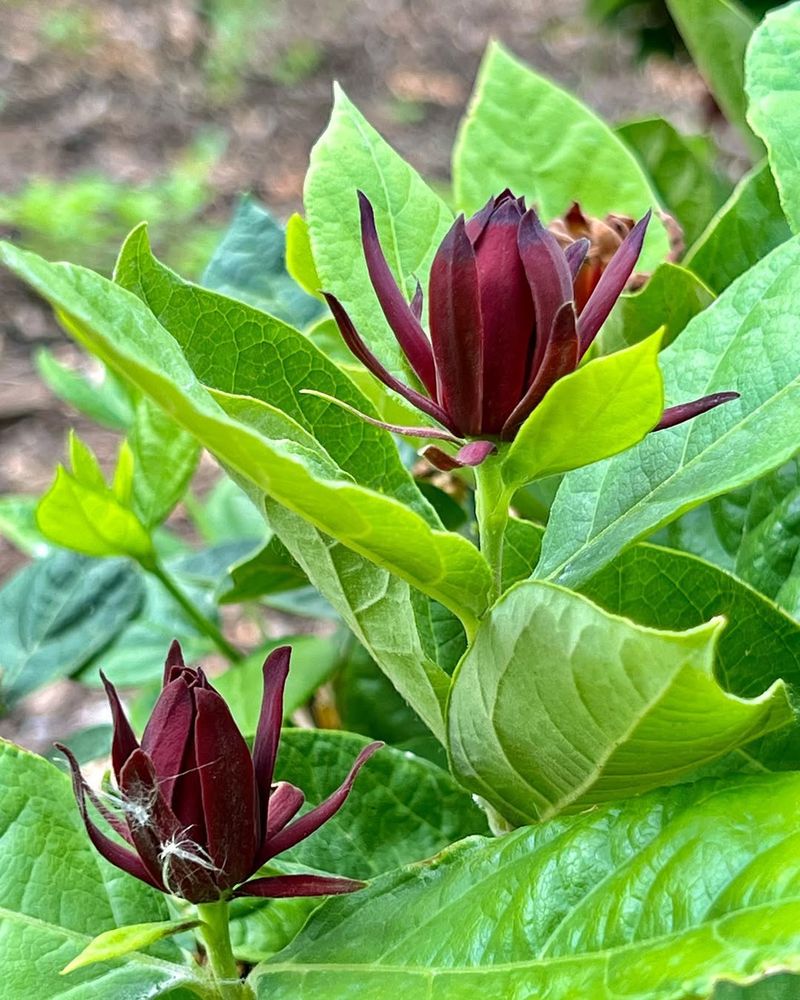
Imagine a shrub whose flowers smell like strawberries, bananas, and spices all mixed together.
Sweetshrub, also called Carolina allspice, produces maroon to reddish-brown blooms that release an incredible fragrance on warm days.
The flowers appear in late spring and early summer, though the exact scent varies from plant to plant.
Pollinators, especially beetles and flies, find the blooms irresistible despite their unusual color.
This native shrub grows four to nine feet tall and thrives in partial shade, making it perfect for woodland gardens.
The leaves are large, dark green, and aromatic when crushed, adding another layer of sensory interest.
Sweetshrub adapts to various soil types as long as drainage is decent.
It spreads slowly by suckers, eventually forming a nice clump that fills in empty spaces.
The plant tolerates drought once established, though it looks better with occasional watering during dry spells.
Fall brings yellow foliage before the leaves drop, and the interesting seed pods persist into winter.
Gardeners love placing sweetshrub near patios or pathways where people can enjoy the fragrance.
Pollinators appreciate the early season nectar source when spring flowers are fading but summer blooms haven’t yet arrived.
3. Summersweet (Clethra alnifolia)
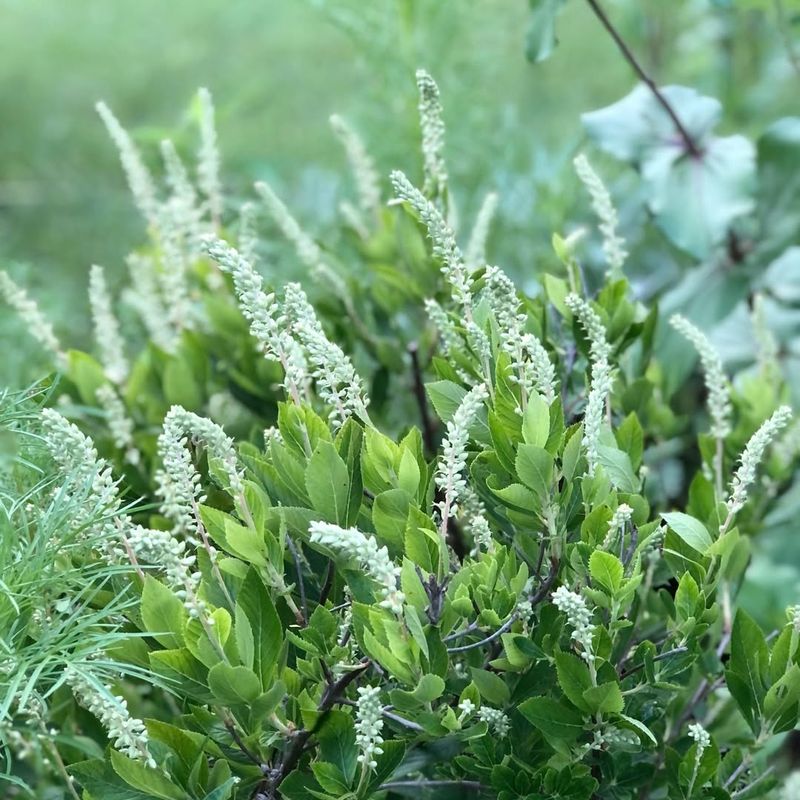
When July heat makes many flowers wilt, summersweet bursts into bloom with fragrant white or pink flower spikes.
The spicy-sweet scent carries across the garden, announcing to every bee and butterfly that nectar awaits.
Each flower spike stretches four to six inches long and stays fresh for several weeks.
Native to the eastern United States, this shrub naturally grows in moist woodlands and swampy areas.
It adapts beautifully to garden conditions and tolerates both wet soil and occasional drought.
Summersweet reaches three to eight feet tall depending on the variety, with a rounded, dense form.
The foliage is clean and disease-free throughout the growing season, turning golden yellow in autumn.
Plant it in partial shade to full sun, though afternoon shade helps in hot climates.
The flowers attract honeybees, bumblebees, butterflies, and even hummingbirds during peak bloom.
After flowering, small seed capsules form and provide food for songbirds in fall and winter.
Gardeners appreciate that summersweet spreads slowly by suckers, filling in an area without becoming aggressive.
It works wonderfully as a foundation plant, in mixed borders, or naturalized along woodland edges where pollinators can feast during the late summer nectar gap.
4. Blueberry (Vaccinium species)
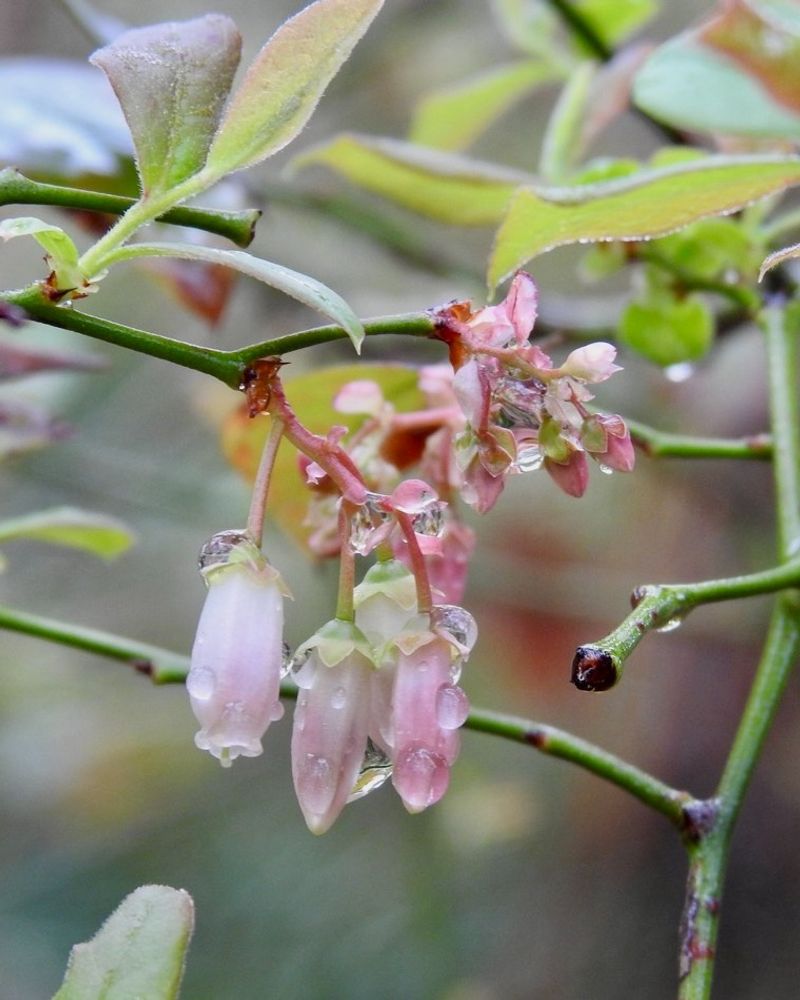
Most people think of blueberries as a delicious fruit, but the spring flowers are pollinator treasures.
Small, bell-shaped blooms dangle in clusters, each one packed with nectar that bees adore.
Native blueberry species like rabbiteye and highbush grow wild throughout North Carolina and adapt easily to gardens.
The flowers appear in early spring, often before many other nectar sources are available.
Bumblebees are especially important for blueberry pollination because they vibrate the flowers to release pollen.
These shrubs need acidic soil with a pH between 4.5 and 5.5, so test your soil before planting.
They grow three to six feet tall depending on the variety and prefer full sun for best fruit production.
The glossy green leaves turn brilliant shades of red, orange, and purple in fall, adding ornamental value.
After the flowers fade and pollinators have done their work, delicious berries ripen in early summer.
You can harvest fruit for your family while still leaving plenty for birds.
Blueberry shrubs need consistent moisture, especially during fruit development, so mulch well and water during dry periods.
Plant multiple varieties to extend both bloom time and harvest season while supporting pollinators over a longer period.
5. Mountain Laurel (Kalmia latifolia)
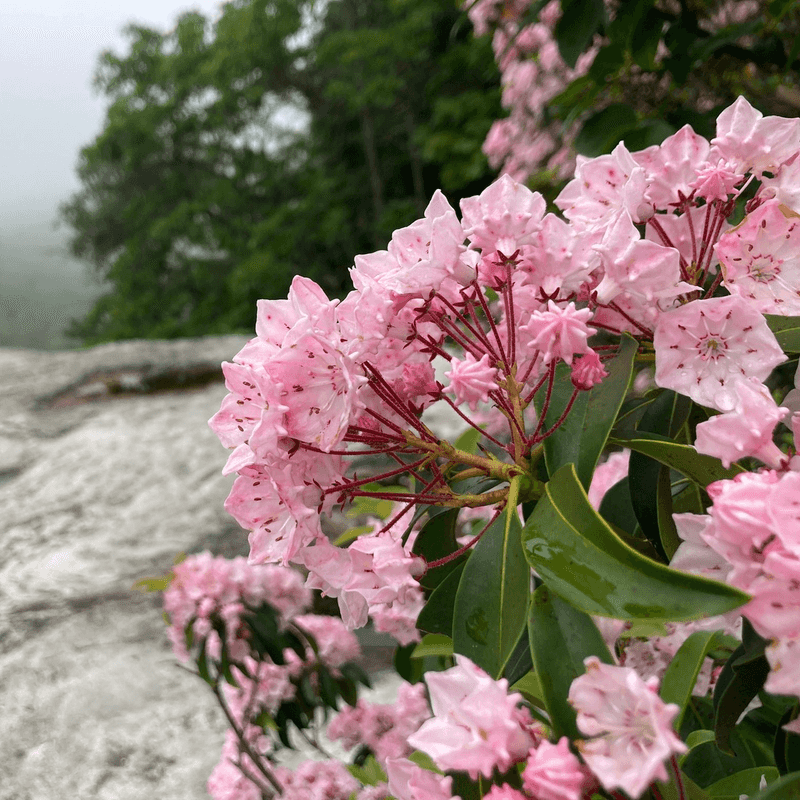
Few native shrubs can match the spectacular flower show that mountain laurel puts on in late spring.
Clusters of pink, white, or rose-colored blooms cover the plant, each individual flower shaped like a tiny cup with decorative markings.
The buds are particularly charming, looking like frosting piped onto a cake before they open.
Bumblebees and other native bees love mountain laurel flowers, though the pollination process is quite dramatic.
Each flower has spring-loaded stamens that catapult pollen onto visiting bees when triggered.
This evergreen shrub grows slowly to reach five to fifteen feet tall, making it suitable for various landscape uses.
The thick, leathery leaves stay green year-round, providing structure to the winter garden.
Mountain laurel prefers acidic, well-drained soil and partial shade, especially in the hottest parts of North Carolina.
It grows naturally in the mountain regions but adapts to piedmont and coastal gardens with proper care.
The plant needs little pruning beyond removing spent flower clusters and shaping as desired.
Mulch around the shallow roots to keep them cool and moist.
When planted in groups, mountain laurel creates a stunning display that supports pollinators while adding year-round beauty to your landscape.
6. Abelia (Abelia x grandiflora)
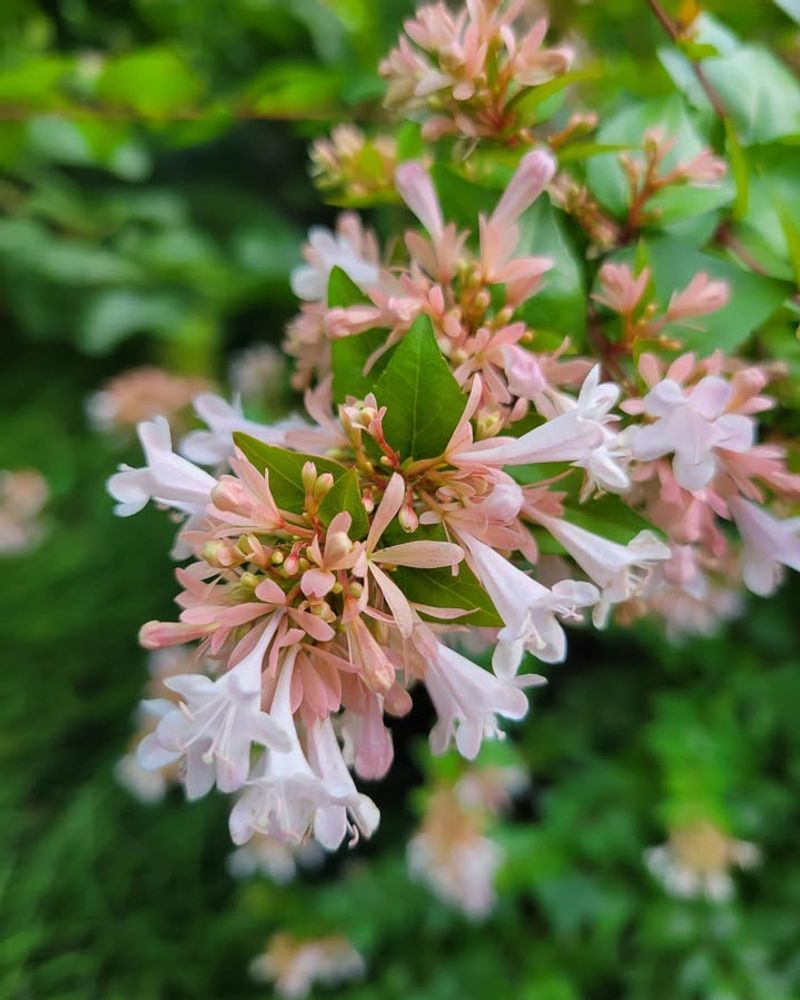
Abelia might just be the hardest-working shrub in your garden, blooming from late spring until frost.
Small tubular flowers in white or soft pink appear continuously, providing nectar for months.
Butterflies flock to the blooms during the day, while sphinx moths visit after dark.
Hummingbirds also appreciate the tubular flower shape and reliable nectar supply.
This semi-evergreen shrub grows three to six feet tall and wide, forming a graceful, arching mound.
The glossy leaves often take on bronze or purple tints in fall and winter, adding extra color.
After flowers fade, rosy-pink sepals remain on the plant, extending the ornamental interest.
Abelia adapts to full sun or partial shade and tolerates various soil types as long as drainage is adequate.
Once established, it handles heat and moderate drought without complaint.
The plant responds well to pruning and can be shaped or allowed to grow naturally.
Deer usually leave abelia alone, making it valuable in areas with heavy browsing pressure.
The extended bloom period means pollinators can count on this shrub for food throughout the growing season, making it an essential addition to any pollinator-friendly garden in North Carolina.
7. Fothergilla (Fothergilla species)
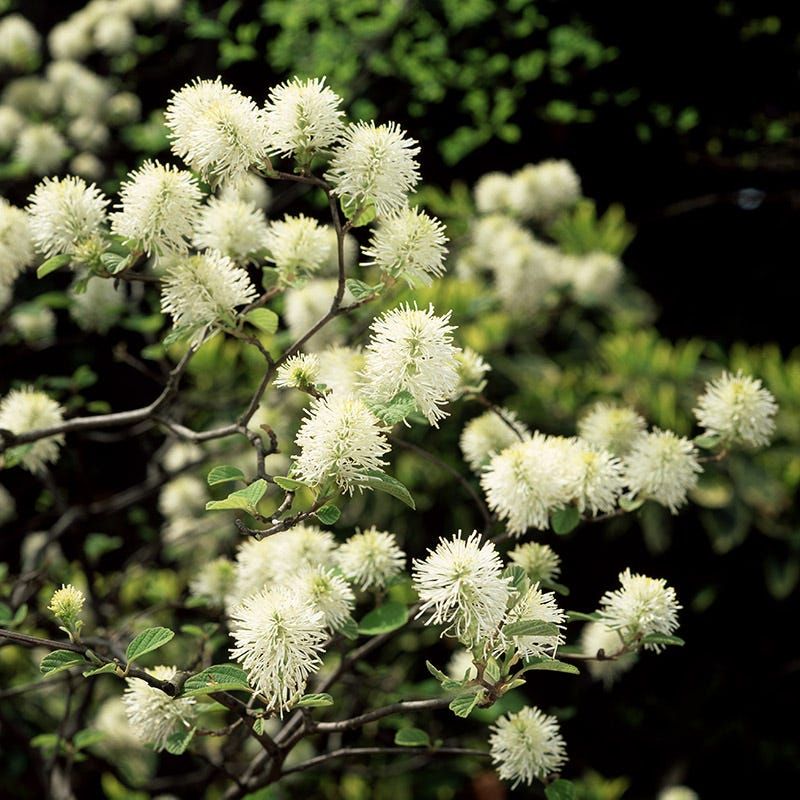
Picture fluffy white bottlebrushes covering a shrub in early spring before most leaves appear.
Fothergilla produces honey-scented flower spikes that attract early-season bees and other pollinators.
The blooms appear in April or early May, providing crucial nectar when bees are just becoming active.
Native to the southeastern United States, fothergilla grows naturally in woodland edges and adapts well to gardens.
Two main species are available: dwarf fothergilla grows two to three feet tall, while large fothergilla reaches six to ten feet.
Both offer the same spectacular spring flowers and amazing fall color.
The blue-green leaves emerge after flowering and stay attractive all summer.
Come autumn, fothergilla puts on another show with foliage that turns brilliant combinations of yellow, orange, and red.
This shrub prefers acidic soil and partial shade but tolerates full sun with adequate moisture.
It grows slowly and needs little pruning, making maintenance easy.
The compact form works beautifully in foundation plantings, mixed borders, or woodland gardens.
Fothergilla is deer-resistant and has no serious pest or disease problems.
Pollinators benefit from the early bloom time, and gardeners enjoy two seasons of outstanding beauty from this underused native shrub.
8. Beautyberry (Callicarpa americana)
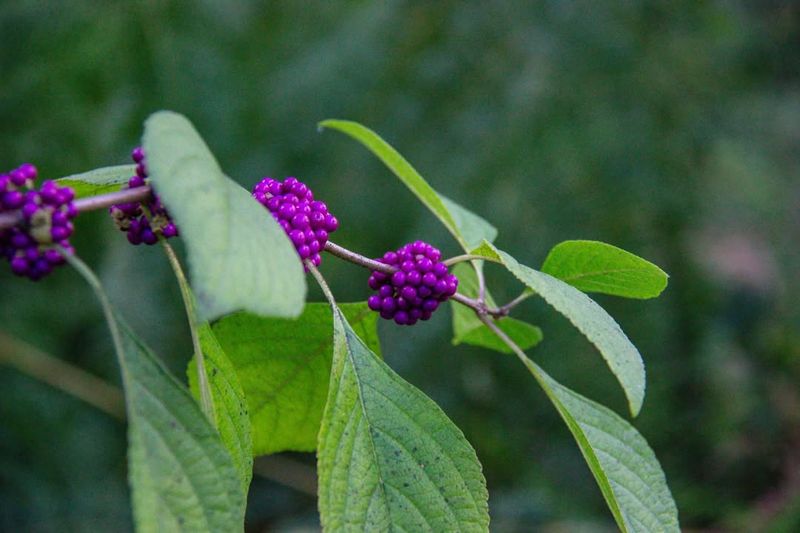
Beautyberry might be famous for its electric purple berries, but the small pink flowers that appear in summer are pollinator favorites.
Clusters of tiny blooms emerge from the leaf axils all along the stems in June and July.
Bees, especially small native species, work the flowers enthusiastically for nectar and pollen.
This native shrub grows four to eight feet tall with an open, arching form.
The foliage is light green and coarse-textured, providing a nice contrast to more refined plants.
After pollination, the flowers develop into clusters of brilliant magenta-purple berries that circle the stems.
The berry display peaks in September and October, creating an unforgettable sight in the fall garden.
Birds eventually consume the berries, though they seem to prefer other foods first.
Beautyberry adapts to sun or shade and various soil types, making it easy to grow.
It tolerates drought once established and has no serious pest problems.
The plant can be cut back hard in late winter to encourage bushier growth and more flowers.
Use beautyberry in naturalized areas, woodland gardens, or mixed borders where its unique berry color can shine and pollinators can access the summer flowers.
9. Inkberry Holly (Ilex glabra)
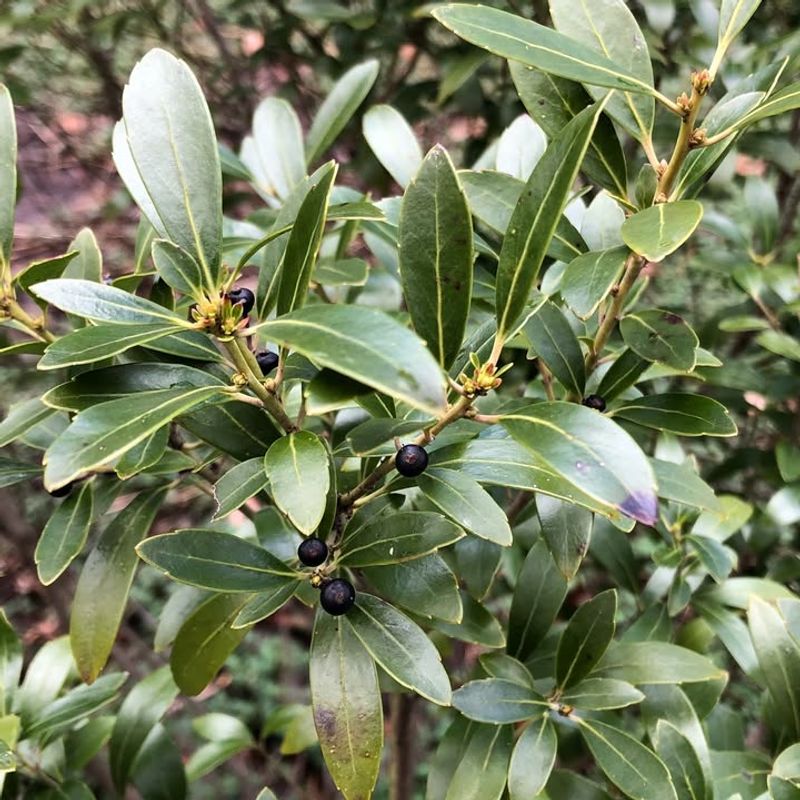
Inkberry holly produces small, inconspicuous white flowers in late spring that pollinators absolutely love.
The blooms are tiny and easy to overlook, but bees find them irresistible.
Each flower offers nectar and pollen at a time when many spring flowers have finished.
This native evergreen shrub grows four to eight feet tall with dense, dark green foliage.
The leaves are smooth and glossy, lacking the spines found on many other hollies.
Inkberry adapts to wet or dry soils and tolerates both full sun and partial shade.
It grows naturally in coastal areas but performs well throughout North Carolina.
Female plants produce black berries in fall that birds eat during winter months.
You need both male and female plants for berry production, though the flowers alone make inkberry valuable for pollinators.
The shrub responds well to pruning and can be shaped into formal hedges or left natural.
Deer rarely bother inkberry, and it has no serious pest or disease issues.
The evergreen foliage provides year-round structure and shelter for wildlife.
Plant inkberry as a foundation plant, hedge, or mass planting where its reliable nature and pollinator-friendly flowers will shine in the landscape.
10. Virginia Sweetspire (Itea virginica)
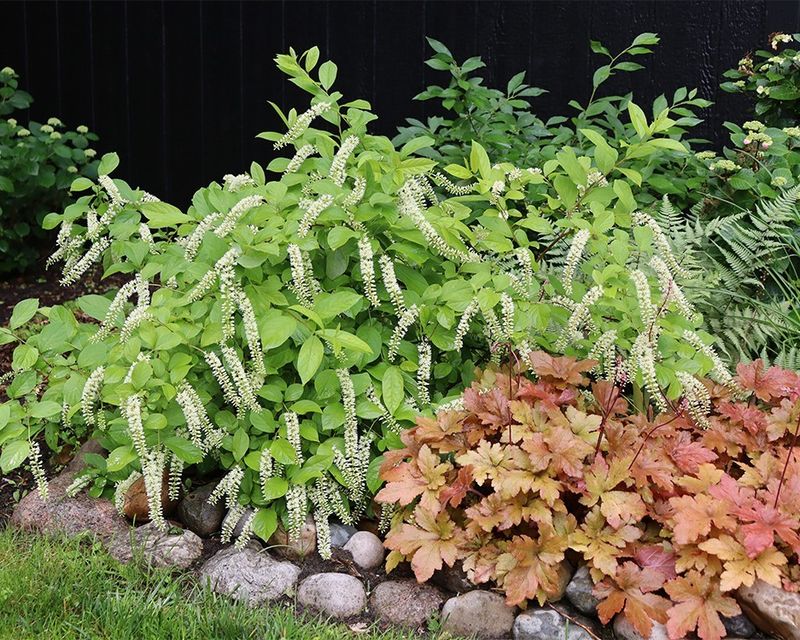
Virginia sweetspire sends out cascades of fragrant white flower spikes in late spring and early summer.
Each bloom cluster dangles gracefully, measuring three to six inches long and packed with tiny flowers.
The sweet fragrance attracts butterflies, bees, and other beneficial insects from throughout the garden.
This native shrub grows three to five feet tall and spreads slowly by suckers to form colonies.
The arching branches create a fountain-like shape that looks attractive year-round.
Virginia sweetspire adapts to wet or dry conditions, making it incredibly versatile in the landscape.
It thrives in full sun to full shade, though flowering is best with at least partial sun.
The foliage is glossy green throughout summer, then transforms into brilliant shades of red, orange, and purple in fall.
The fall color is so intense that the shrub glows in the landscape.
Leaves persist well into winter in mild climates, extending the ornamental season.
This shrub needs little care beyond occasional removal of spreading stems if you want to control its size.
Use Virginia sweetspire in rain gardens, along streams, in woodland gardens, or anywhere you need a tough, beautiful shrub that supports pollinators while providing multi-season interest.