The Pollinator Shrub Maryland Experts Say Homeowners Should Stop Removing From Their Yards
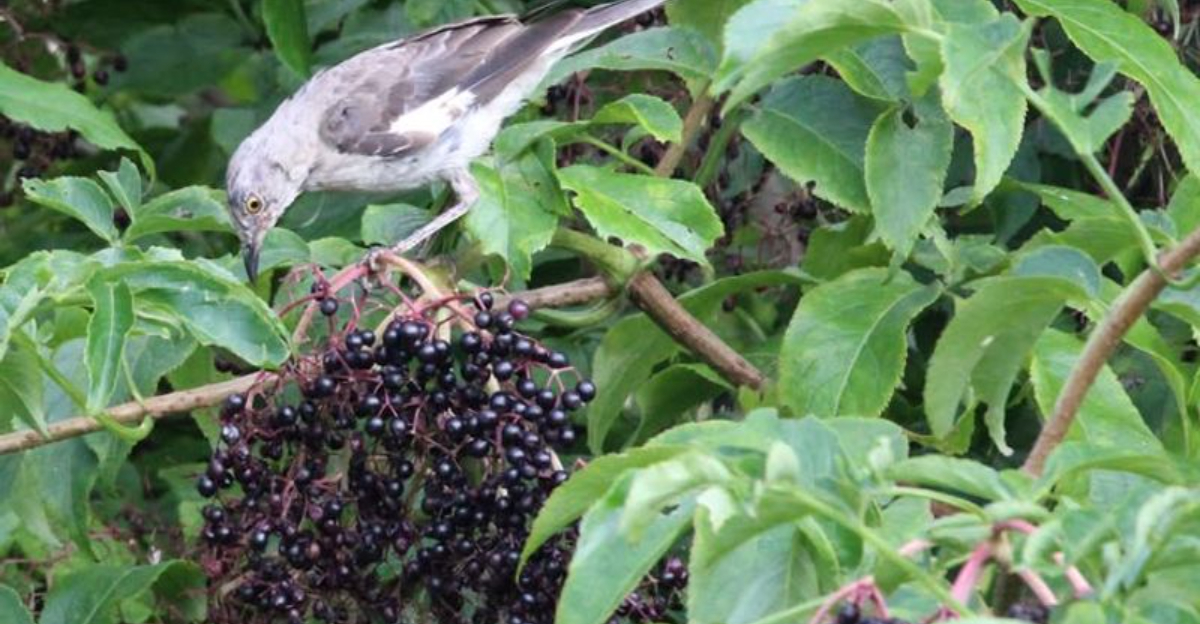
For years, Maryland homeowners have been pulling out this unassuming shrub without a second thought—often mistaking it for clutter or an overgrown nuisance.
But experts now say removing it may be doing more harm than good.
Quietly and reliably, this shrub has been supporting some of the state’s most important pollinators, right under our noses.
Unlike showy ornamentals that demand attention, this plant works behind the scenes.
Its blooms provide critical early or late-season nectar when pollinators struggle to find food, and its structure offers shelter during unpredictable weather.
As pollinator populations face increasing pressure, Maryland researchers and gardeners alike are urging homeowners to pause before reaching for the pruners.
What looks messy to the human eye can be a lifeline to bees, butterflies, and beneficial insects.
In many cases, this shrub is native, resilient, and perfectly adapted to local conditions.
Keeping it isn’t about letting your yard go wild—it’s about understanding what’s actually working.
Sometimes the smartest move isn’t adding more plants, but learning which ones deserve to stay put.
It’s The American Elderberry (Sambucus Canadensis)
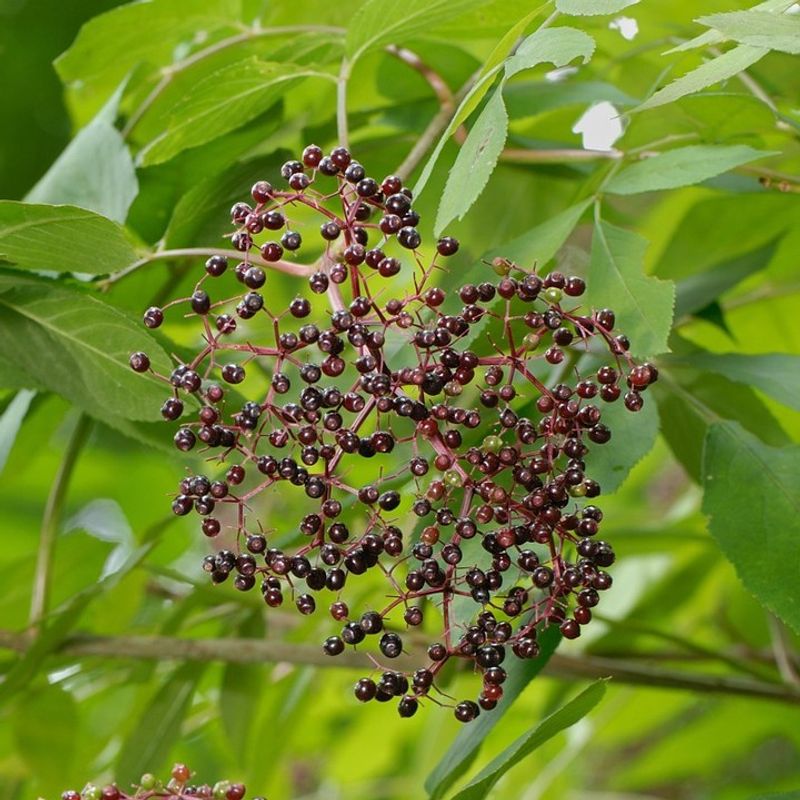
Maryland conservation experts are sounding the alarm about a native shrub that too many homeowners mistake for an unwanted weed.
The American elderberry, scientifically known as Sambucus canadensis, grows naturally throughout the state but rarely gets the respect it deserves.
This vigorous native plant often pops up along property edges, near drainage areas, and in partially shaded spots where other ornamentals struggle.
Many people see its fast growth and sprawling habit as signs of an invasive nuisance rather than recognizing it as a valuable native species.
Landscapers and homeowners frequently cut it down during yard cleanups, not realizing they’re removing one of Maryland’s most beneficial wildlife plants.
The shrub’s tendency to spread through suckers and seeds makes some property owners view it as aggressive, leading to repeated removal efforts.
Misidentification plays a major role in elderberry’s unfortunate reputation.
Its compound leaves and somewhat wild appearance don’t match the manicured aesthetic many suburban yards aim for, so it gets lumped in with actual invasive species.
Extension agents across Maryland report that elderberry removal ranks among the most common native plant mistakes homeowners make.
What looks like a scrappy volunteer shrub actually represents decades of evolution perfectly adapted to local conditions.
Native wildlife depends on elderberry in ways that imported ornamental shrubs simply cannot replicate.
Before reaching for pruning shears or herbicide, Maryland experts urge homeowners to reconsider and recognize this plant’s true ecological value.
Keeping elderberry in your landscape means supporting an entire web of native species that call Maryland home.
It Supports An Exceptionally Wide Range Of Pollinators
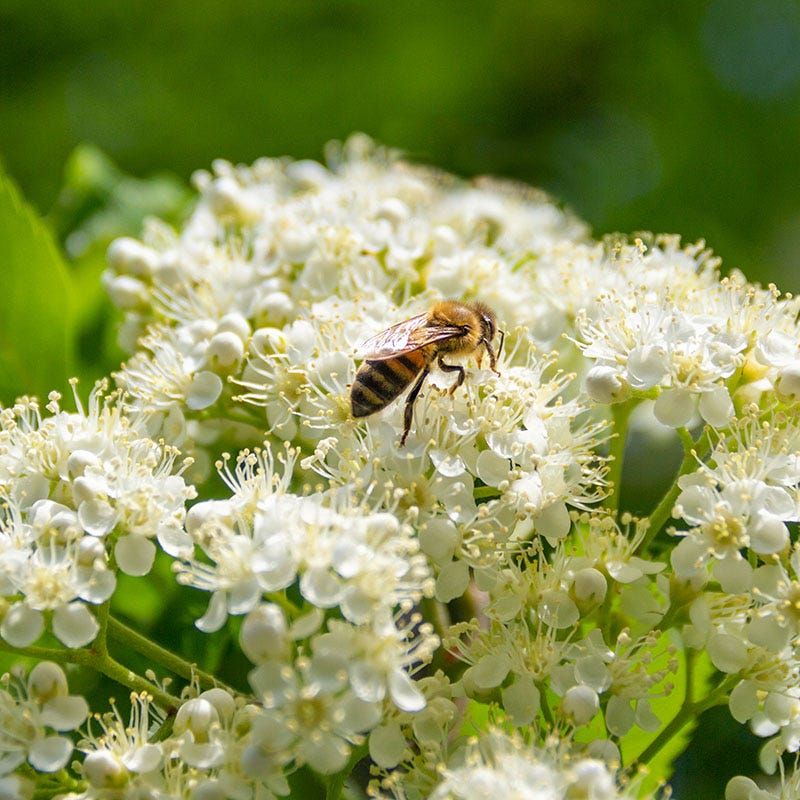
When American elderberry bursts into bloom during late spring and early summer, it becomes a buzzing hub of pollinator activity.
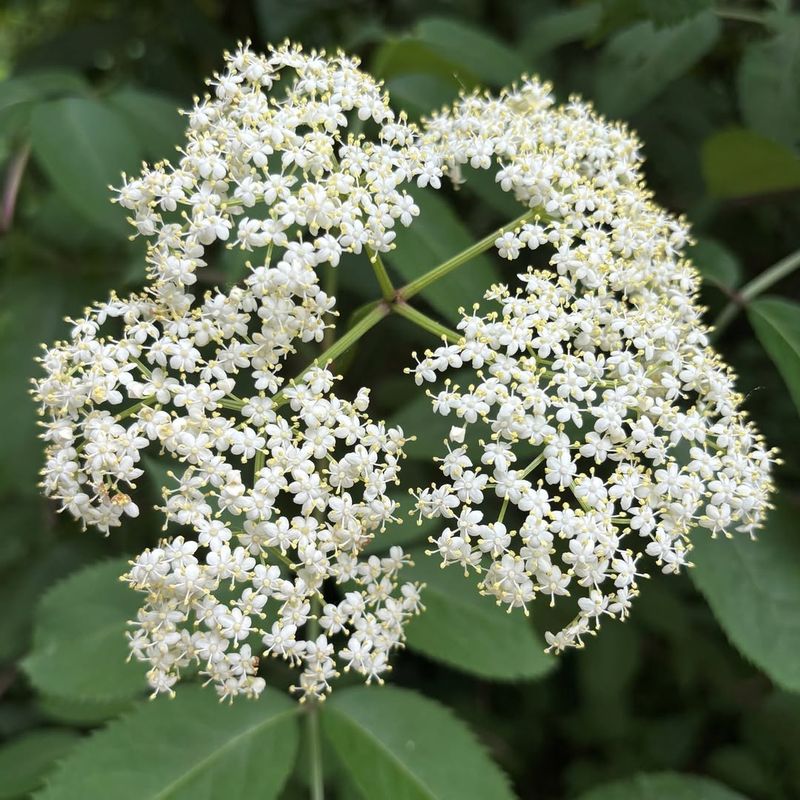
The shrub produces large, flat-topped clusters of tiny creamy-white flowers that serve as landing platforms for an impressive variety of beneficial insects.
Native bees, including bumblebees, mason bees, and countless solitary species, visit elderberry flowers throughout the day to gather nectar and pollen.
Butterflies find the accessible flower structure particularly appealing, with species like swallowtails, fritillaries, and skippers regularly stopping by for a meal.
Even insects that don’t always get attention as pollinators, such as beneficial flies and beetles, play important roles when they visit elderberry blooms.
The flower clusters provide abundant resources that can feed dozens of individual pollinators simultaneously, making each shrub a miniature pollinator café.
Unlike some native plants that attract only specialized pollinators, elderberry’s open flower structure welcomes generalist species too.
This inclusive design means the shrub supports pollinator diversity rather than favoring just one or two insect types.
Maryland’s native bee populations especially benefit from elderberry because the pollen provides essential protein for developing larvae back in their nests.
The sheer abundance of flowers on a mature elderberry shrub translates to substantial pollinator support.
A single established plant can produce thousands of individual blooms, creating a reliable food source during a critical time in many insects’ life cycles.
For homeowners interested in supporting pollinators, few native shrubs deliver as much bang for the buck as American elderberry.
Removing this plant eliminates a proven pollinator magnet that imported ornamentals struggle to match in ecological value.
Its Bloom Timing Fills A Critical Seasonal Gap
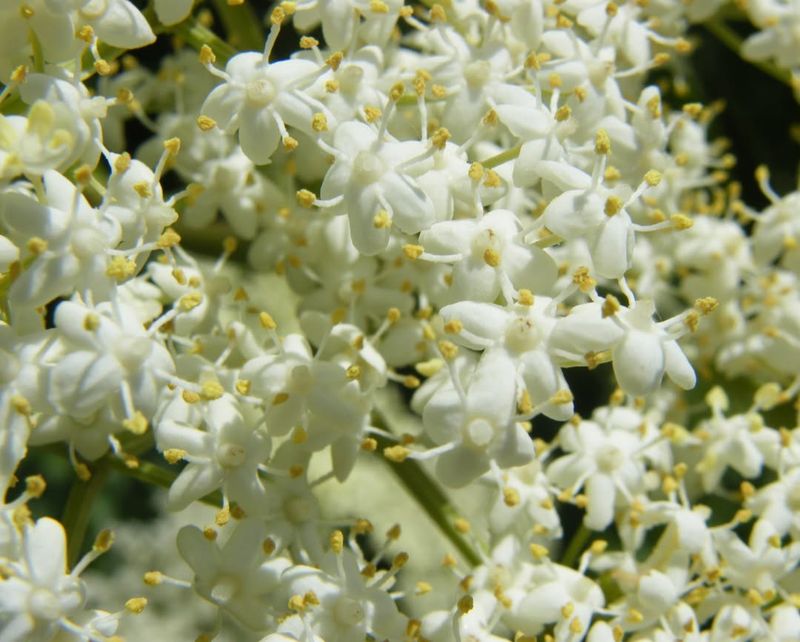
Timing matters tremendously in the pollinator world, and American elderberry blooms exactly when Maryland’s beneficial insects need it most.
The shrub typically flowers from late May through June, a period when many spring bloomers have finished but summer flowers haven’t yet peaked.
This seasonal gap can leave pollinators scrambling for food sources, making elderberry’s reliable blooms especially valuable.
Early summer represents a critical time for native bee populations as many species are actively provisioning nests and raising young.
Queen bumblebees have established their colonies and need consistent nectar and pollen to feed rapidly growing worker populations.
Solitary bees are collecting provisions for their offspring, making nutrient-rich elderberry pollen particularly important during this life stage.
Maryland’s butterfly populations also benefit from elderberry’s well-timed blooms.
Many butterfly species have multiple generations per year, and the adults emerging in early summer rely on available nectar sources to fuel reproduction.
Without plants like elderberry bridging the seasonal gap, these pollinators face nutritional stress that can impact survival and reproduction.
The shrub’s extended blooming period provides insurance against weather variations too.
If late spring rains or cool temperatures delay some flowers, elderberry’s lengthy bloom time ensures pollinators still find food when they need it.
Native plant experts emphasize that successful pollinator support requires food sources throughout the growing season, not just during peak spring or summer.
Removing elderberry from the landscape eliminates a bloom-time resource that few other native shrubs can replace.
Homeowners who want to genuinely support pollinators should think carefully about the seasonal timing of their yard’s flowering plants.
Keeping elderberry means maintaining a critical food source during a vulnerable period for Maryland’s native pollinators.
It Hosts Native Insect Larvae Pollinators Depend On
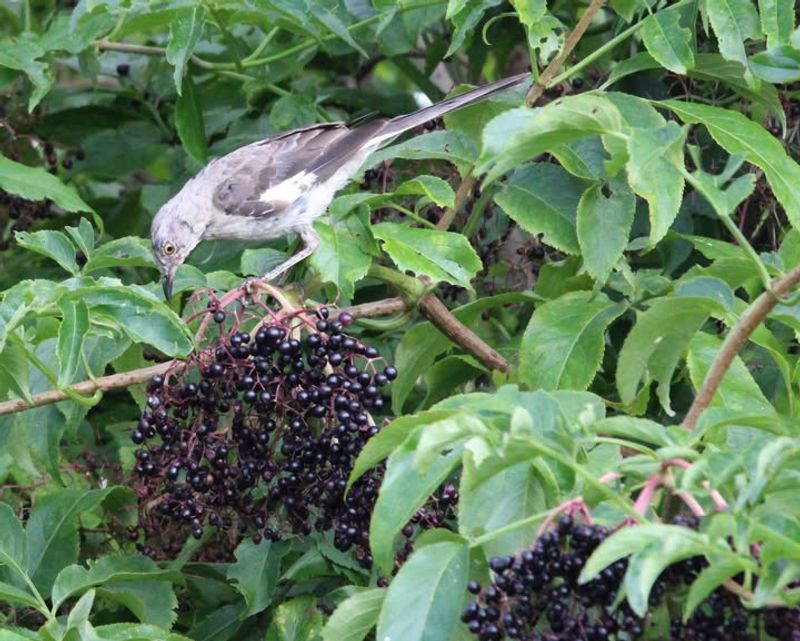
Beyond providing nectar and pollen for adult pollinators, American elderberry plays a less visible but equally important role as a host plant for native insect larvae.
Several species of native moths depend on elderberry foliage to feed their caterpillars, including the elderberry longhorn beetle and various sphinx moth species.
These leaf-eating larvae might seem like pests, but they’re actually essential components of healthy ecosystems that indirectly support pollinators.
Caterpillars and other insect larvae represent crucial protein sources for many pollinator species during their own larval stages.
Native bees provision their nests with pollen, but countless other beneficial insects rely on caterpillars as food.
The larvae feeding on elderberry leaves become part of a complex food web that sustains birds, predatory insects, and parasitoid wasps that help control actual pest species.
Maryland’s ecosystem depends on these intricate relationships between plants, herbivorous insects, and the creatures that feed on them.
Elderberry’s role as a host plant means it contributes to overall insect abundance, which in turn supports pollinator populations through indirect pathways.
Gardens and yards that include host plants like elderberry maintain higher insect diversity than landscapes planted exclusively with non-native ornamentals.
The modest leaf damage caused by native larvae shouldn’t concern homeowners.
Healthy elderberry shrubs easily tolerate feeding by native insects without suffering serious harm or reduced vigor.
This natural interaction represents normal ecosystem function rather than a problem requiring intervention.
Removing elderberry eliminates habitat for native insects that have evolved alongside this plant for thousands of years.
Supporting pollinators means thinking beyond just flower nectar to consider the complete life cycles of beneficial insects.
Keeping elderberry in Maryland yards helps maintain the insect abundance that healthy pollinator populations absolutely depend upon.
Its Berries Feed Birds That Spread Pollinator-Friendly Plants
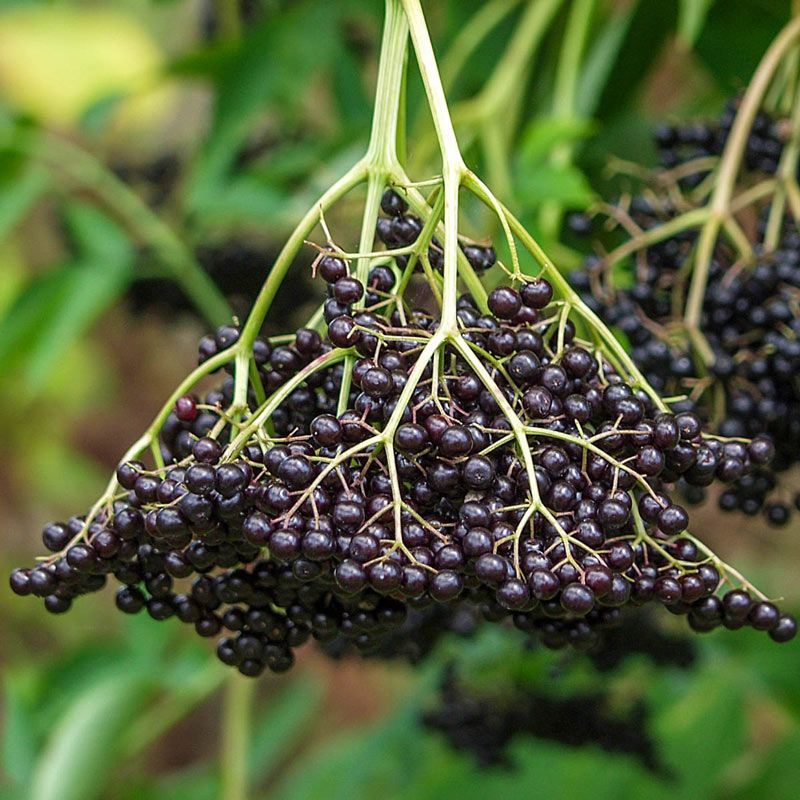
After the flowers fade, American elderberry produces clusters of dark purple berries that ripen in late summer, creating another wave of wildlife benefits.
These nutritious fruits attract an impressive variety of bird species, including robins, catbirds, thrushes, waxwings, and woodpeckers.
The berries provide essential fats and nutrients that help birds prepare for migration or survive the upcoming winter months.
Birds don’t just eat elderberries for their own benefit—they also serve as mobile seed dispersers for other native plants.
As birds move through neighborhoods feeding on elderberry and other native fruits, they spread seeds from pollinator-friendly plants across the landscape.
This natural seed dispersal helps establish new patches of native vegetation that support pollinators beyond individual property lines.
The relationship between berry-producing shrubs and seed-dispersing birds creates expanding networks of pollinator habitat.
A single elderberry shrub in your yard might indirectly lead to new native plant growth in nearby parks, vacant lots, or neighbors’ properties.
Maryland’s ecological health depends on these connected patches of native vegetation rather than isolated landscape islands.
Elderberry’s prolific fruit production means each shrub can feed numerous birds throughout late summer and early fall.
Unlike many ornamental shrubs planted for their berries, elderberry fruits actually get eaten by native birds rather than persisting untouched on branches.
This heavy use by wildlife demonstrates the plant’s evolutionary fit with local species.
Homeowners who remove elderberry eliminate not just one shrub but potentially dozens of future native plants that birds might have established.
Supporting pollinators requires thinking about landscape-level habitat connectivity, not just individual yard features.
Keeping elderberry helps maintain the natural processes that spread pollinator-friendly plants throughout Maryland communities.
It Thrives With Little Care In Maryland Conditions
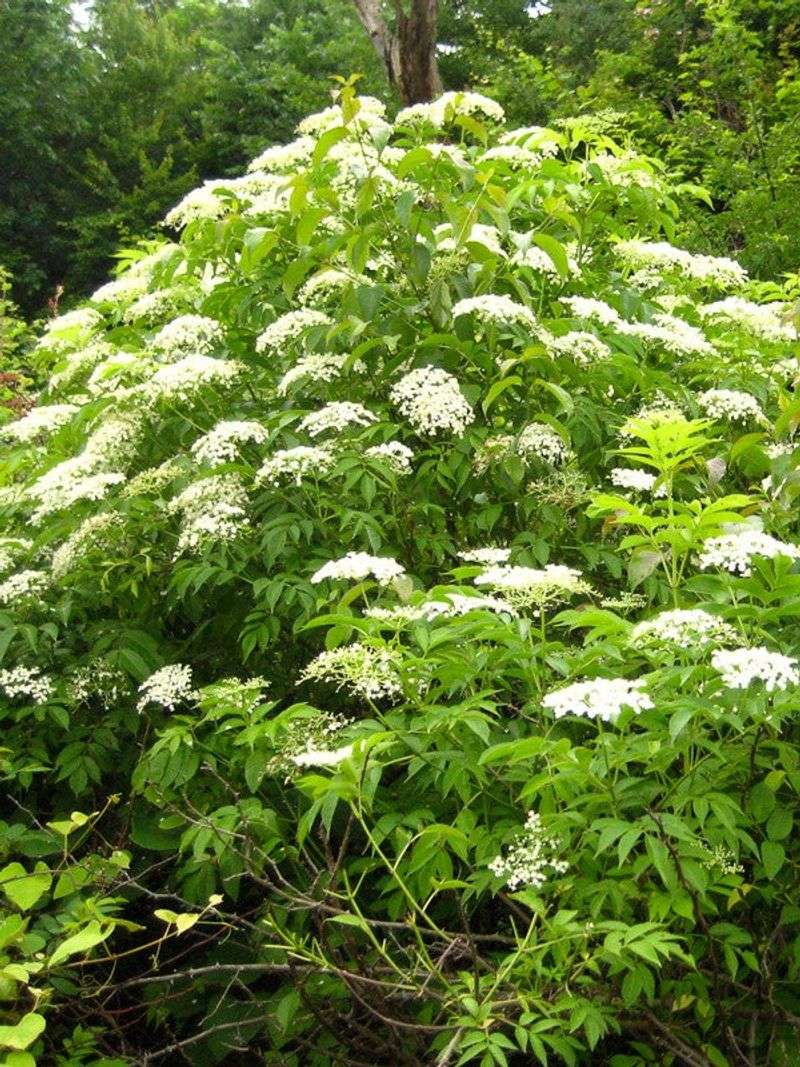
One of American elderberry’s greatest advantages is its remarkable adaptability to the challenging conditions many Maryland yards present.
The shrub tolerates wet soil that would rot the roots of most ornamental plants, making it perfect for low-lying areas, drainage swales, and spots with poor water management.
Homeowners struggling with soggy problem areas often spend money on drainage solutions when elderberry could thrive there naturally.
Partial shade doesn’t slow elderberry down either.
While it produces the most flowers and fruit in full sun, the shrub grows vigorously even with several hours of shade daily.
This flexibility allows elderberry to succeed along woodland edges, under tall trees, and in side yards where many sun-loving ornamentals fail.
Poor soil quality barely fazes this tough native plant.
Elderberry grows in clay, sandy soil, and even compacted ground that hasn’t been amended with expensive compost or fertilizers.
Its nitrogen-fixing root associations actually improve soil quality over time rather than depleting nutrients.
Maryland extension services consistently recommend elderberry as a low-maintenance native alternative to finicky ornamental shrubs.
Once established, elderberry requires no supplemental watering except during extreme drought, no fertilization, and minimal pruning to maintain an attractive shape.
The shrub’s natural pest resistance means homeowners can skip the chemical treatments that many landscape plants demand.
This combination of toughness and ecological value makes removing elderberry particularly shortsighted.
Why eliminate a plant that thrives without help while supporting countless native species?
Maryland experts encourage homeowners to work with their landscape’s natural conditions rather than fighting them.
Keeping elderberry means embracing a beautiful native shrub that succeeds where imported ornamentals struggle, all while delivering unmatched wildlife benefits with essentially zero maintenance required.
Removing It Actively Reduces Local Pollinator Survival
The cumulative effect of elderberry removal across Maryland neighborhoods directly contributes to declining pollinator populations at the local level.
When one homeowner removes an elderberry shrub, it might seem insignificant, but multiply that action across dozens or hundreds of properties and the impact becomes substantial.
Pollinators need abundant, diverse food sources within their limited foraging ranges, and each removed elderberry shrub reduces available resources.
Native bees typically forage within a few hundred yards of their nests, creating small territories where habitat quality determines survival.
If the elderberry shrubs within a bee’s foraging range get removed, that individual bee faces nutritional stress that reduces reproduction and survival.
Scale this up across entire neighborhoods, and you see how landscape decisions collectively impact pollinator populations.
Maryland extension services have launched education campaigns specifically encouraging homeowners to preserve elderberry when it appears naturally on their properties.
Rather than viewing volunteer elderberry as a weed requiring removal, experts ask residents to recognize it as a valuable native asset worth protecting.
Simple preservation of existing plants costs nothing but delivers measurable benefits for struggling pollinator species.
The repeated removal of elderberry and other native plants creates ecological deserts even in seemingly green suburban landscapes.
Yards filled with non-native ornamentals might look lush but provide minimal support for native pollinators that evolved alongside plants like elderberry.
Maryland’s pollinator populations cannot sustain themselves in landscapes that systematically remove their essential food and habitat sources.
Homeowners hold tremendous power to support or harm local ecosystems through their landscape choices.
Keeping elderberry represents one of the easiest, most effective actions individuals can take to support pollinator conservation.
Before removing any native shrub, Maryland experts urge residents to consider the broader ecological consequences.
Your yard’s elderberry might be supporting far more life than you realize.