The Quiet Signs A Coyote Visited Your South Carolina Property
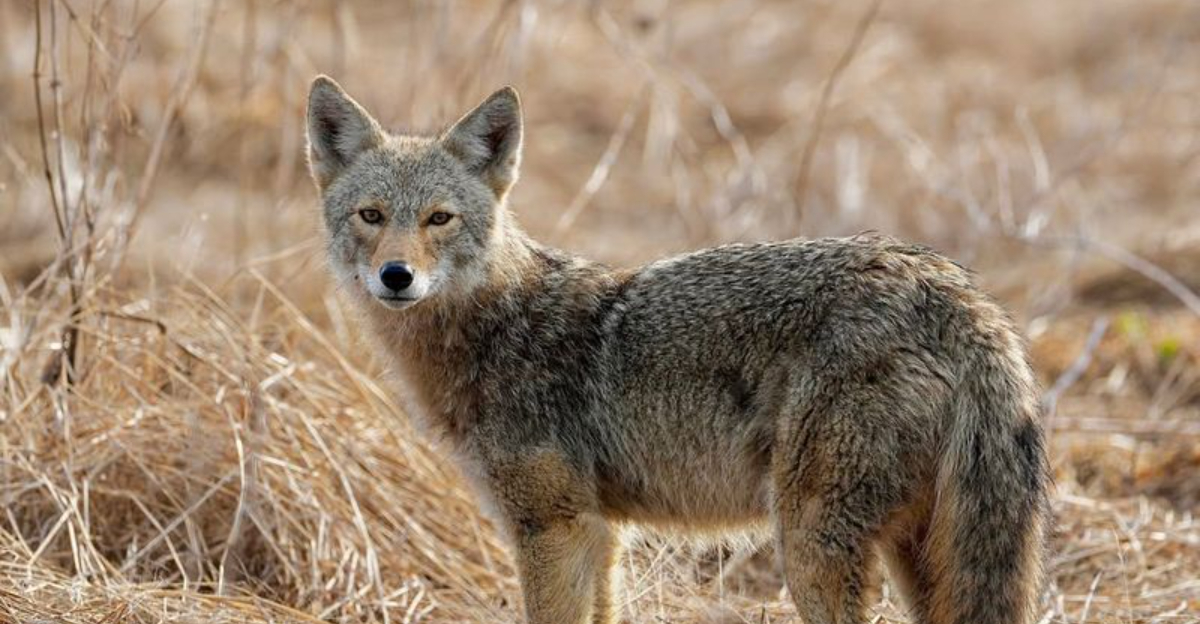
Coyotes are masters of slipping in and out without raising an eyebrow, and in South Carolina they often move like ghosts in the night.
Most homeowners never see them, yet that does not mean they were not there.
These clever animals leave behind subtle clues, and if you know where to look, the signs can be as plain as day.
A quiet visit can happen while the rest of the neighborhood sleeps.
By morning, everything looks normal at first glance, but a closer look may tell a different story.
A trail through tall grass, a tipped trash lid, or an unusual silence among birds can speak volumes.
Coyotes are not careless, but even the smartest visitor leaves footprints now and then.
Ignoring these hints can put you a step behind.
Pets, poultry, and even outdoor food sources can become part of the picture if patterns go unnoticed.
Spotting the signs early helps you stay ahead of the curve and avoid unwanted surprises.
Like reading between the lines of a good mystery, learning these quiet signals gives you peace of mind and a better sense of what is really happening on your property after dark
1. Tracks With Four Toe Pads In Soft Soil
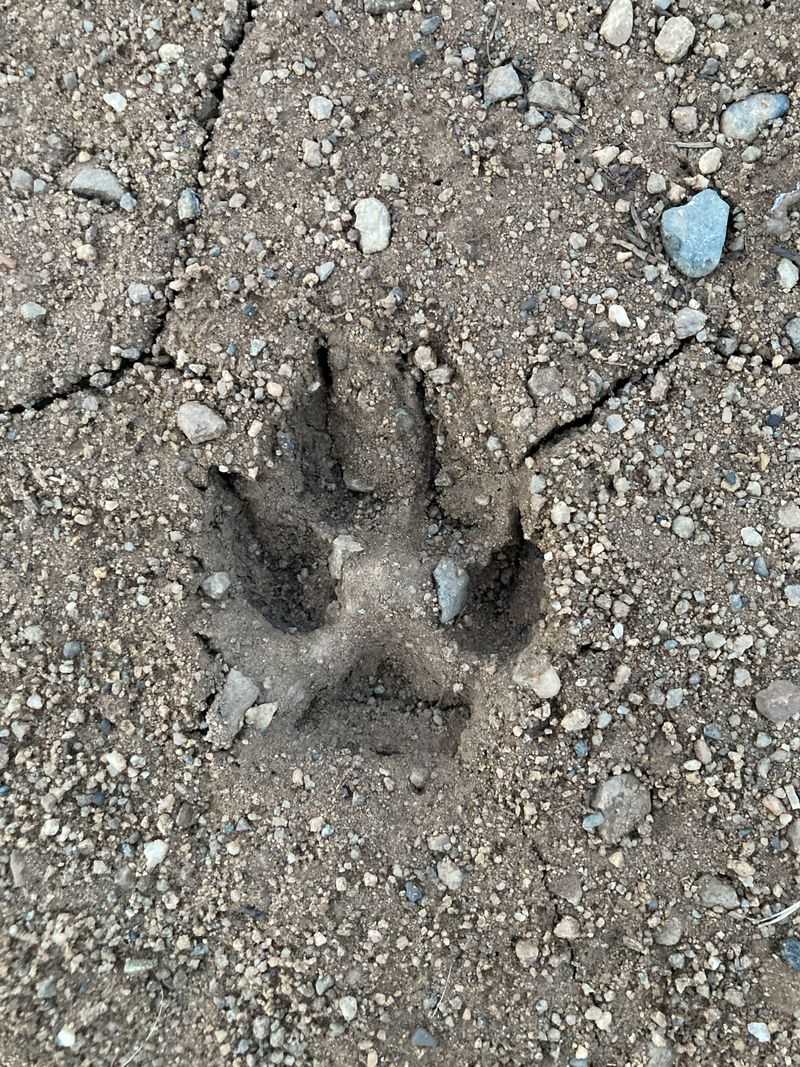
Paw prints left in mud, sand, or soft garden soil often provide the clearest evidence that a coyote has wandered through your South Carolina yard.
Coyote tracks typically measure about 2.5 inches long and wide, appearing more oval-shaped than the rounder prints left by domestic dogs.
Each print shows four toe pads arranged in front of a larger heel pad, with visible claw marks extending from the toes.
The walking pattern of coyotes differs noticeably from dogs because they tend to travel in straight lines rather than wandering aimlessly.
Their tracks often follow fence lines, property edges, or natural pathways where they can move efficiently while staying somewhat concealed.
Pay special attention to areas near water sources, garden beds, or spots where you’ve noticed other unusual activity.
Fresh tracks will have crisp edges and clear details, while older prints become weathered and less defined over time.
Morning checks after rainfall or dewy nights provide the best opportunities to spot fresh tracks in South Carolina’s clay-rich soil.
Comparing the size and shape to your own pet’s prints helps you distinguish between neighborhood dogs and wild visitors.
Photographing any tracks you discover allows you to compare them with online identification guides or share them with local wildlife officials if needed.
Document the location, date, and any other signs you notice nearby to build a clearer picture of coyote movement patterns around your property.
This information becomes especially valuable if you’re working with neighbors to monitor wildlife activity across multiple properties in your South Carolina community.
2. Scat Left Along Walking Paths Or Driveways

Finding twisted, rope-like droppings along your driveway, walking paths, or near property boundaries often indicates recent coyote activity in your South Carolina neighborhood.
Coyote scat typically measures between three to four inches long and appears darker than dog waste, often containing visible fur, bones, seeds, or insect fragments from their varied diet.
The ends usually taper to points, and the overall appearance resembles a twisted cord rather than the formless piles left by domestic pets.
Coyotes frequently deposit scat in prominent locations as a way of marking territory and communicating with other coyotes in the area.
You might discover these droppings on top of rocks, at trail intersections, near fence posts, or right in the middle of pathways where they’re impossible to miss.
This behavior serves as a calling card that tells other coyotes about their presence and territorial claims throughout South Carolina’s diverse landscapes.
The contents of coyote scat change seasonally based on available food sources across the Palmetto State.
During summer months, you might notice berry seeds and insect parts, while winter scat often contains more fur and bone fragments from small mammals.
This dietary flexibility demonstrates how successfully coyotes have adapted to South Carolina’s environment, taking advantage of whatever food sources each season provides.
Always avoid direct contact with any wild animal droppings due to potential parasites and diseases they may carry.
Use a stick or tool to examine scat more closely if needed, and wash your hands thoroughly afterward.
Documenting the locations where you find scat helps you understand which routes coyotes prefer when traveling through your property.
3. Howling Or Yipping Heard At Dawn Or Dusk
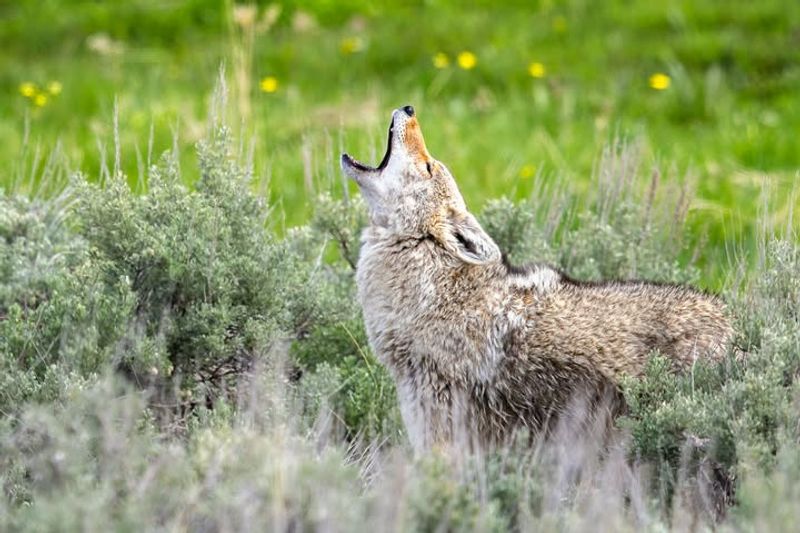
Distinctive vocalizations echoing through your South Carolina neighborhood during early morning or evening hours strongly suggest coyotes are actively using the area.
Unlike the steady, prolonged howl of domestic dogs, coyote calls include a complex mix of yips, barks, and howls that rise and fall in pitch.
Groups often engage in chorus howling sessions that sound like many more animals than are actually present, creating an eerie symphony that carries across considerable distances.
Coyotes vocalize for various reasons including gathering family members, announcing territorial boundaries, and celebrating successful hunts.
The most common times to hear these calls are during twilight hours when coyotes become most active throughout South Carolina’s rural and suburban areas.
Breeding season from January through March brings increased vocalization as pairs establish territories and communicate with potential mates across the landscape.
Recording these sounds on your phone provides valuable documentation of coyote presence even when you can’t see the animals themselves.
The frequency and timing of vocalizations often reveal patterns about how regularly coyotes visit your property.
Some South Carolina residents report hearing coyotes nearly every evening, while others only notice occasional calls during certain seasons or weather conditions.
Neighboring pets often respond to coyote vocalizations with their own barking or howling, creating a back-and-forth exchange that can last several minutes.
This interaction demonstrates how close coyotes may be to residential areas despite rarely being seen directly.
Understanding these vocal patterns helps you plan outdoor activities and pet supervision during times when coyotes are most likely to be nearby your South Carolina home.
4. Missing Pet Food Left Outside Overnight
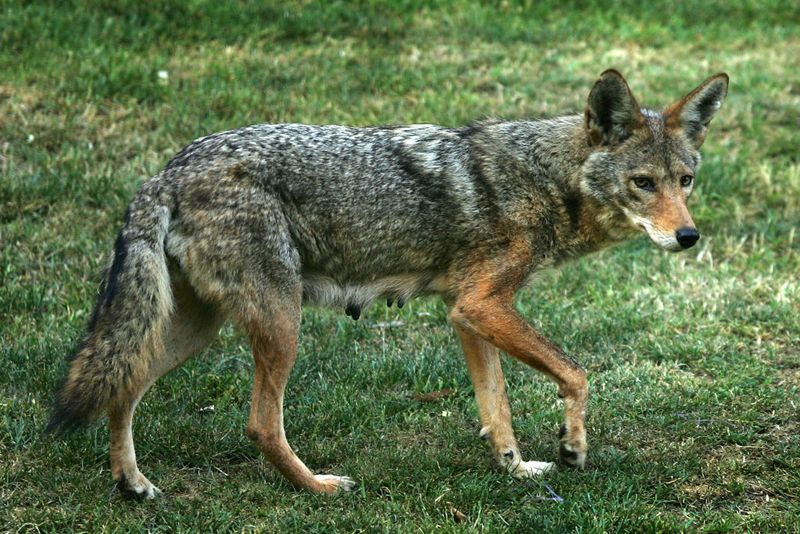
Pet food dishes that mysteriously empty overnight often signal that coyotes have discovered an easy meal source on your South Carolina property.
These resourceful animals quickly learn household routines and will return repeatedly to locations where food is reliably available.
Outdoor cat feeding stations, dog bowls left on porches, and even bird seed that falls beneath feeders can attract coyotes looking for convenient calories.
Coyotes possess excellent memories for food locations and will incorporate productive stops into their regular travel routes across South Carolina neighborhoods.
Once they identify your property as a feeding site, they may visit nightly or several times per week depending on food availability.
This pattern creates potential dangers for outdoor pets who might encounter coyotes drawn to the same food sources.
The problem extends beyond just the food itself because coyotes that become comfortable approaching homes lose their natural wariness of human spaces.
This habituation makes them bolder over time, potentially leading to daytime appearances or closer approaches to buildings.
South Carolina wildlife experts consistently emphasize that removing food attractants represents the single most effective step homeowners can take to discourage coyote visits.
Bringing pet food indoors immediately after feeding times eliminates this attraction and encourages coyotes to hunt natural prey instead.
Secure garbage cans with tight-fitting lids and clean up any fallen fruit from trees to further reduce food sources.
Neighbors working together to remove attractants across an entire South Carolina subdivision or rural road creates the most effective long-term solution for reducing unwanted coyote activity around homes and yards.
5. Scattered Feathers Or Fur In Your Yard
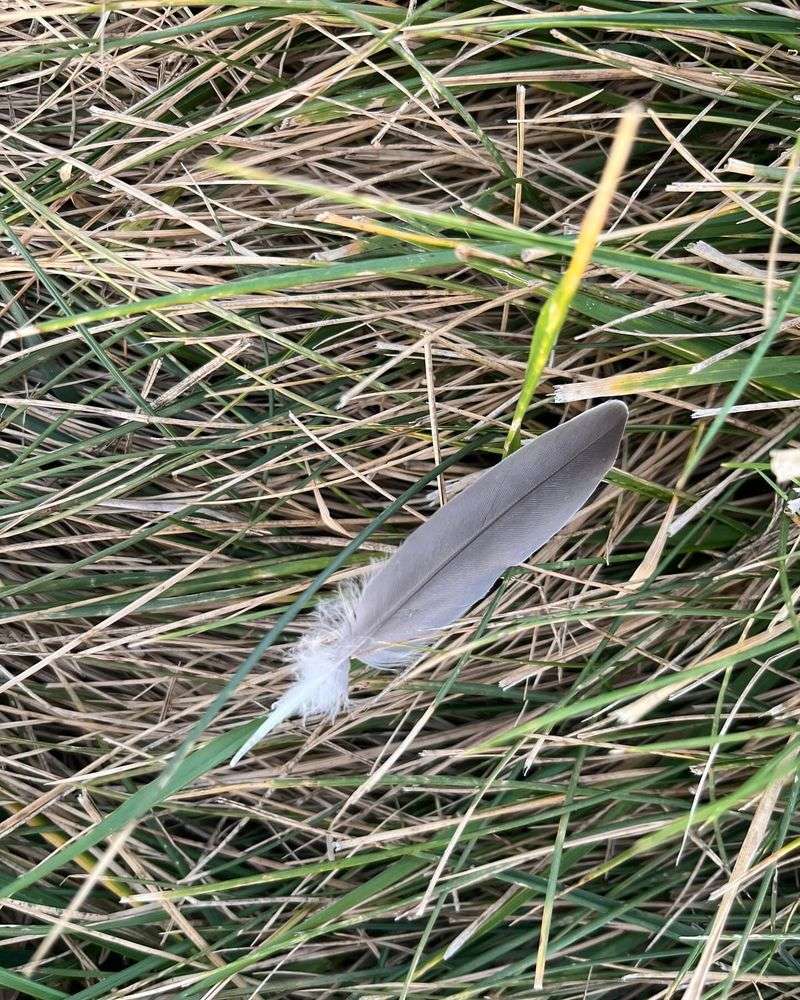
Discovering scattered feathers, fur tufts, or small piles of animal remains in your South Carolina yard often points to recent coyote hunting activity.
Coyotes are opportunistic predators that hunt rabbits, squirrels, rats, birds, and other small animals commonly found around residential properties.
Unlike some predators that consume prey entirely at the capture site, coyotes frequently carry food to secluded spots where they can eat undisturbed, leaving telltale debris behind.
Chicken owners across South Carolina know coyotes pose a serious threat to backyard flocks, especially when coops lack secure fencing and locks.
Evidence of coyote predation on poultry includes scattered feathers, disturbed nesting areas, and missing birds with little blood or struggle signs at the scene.
Coyotes often strike during early morning hours before homeowners wake, making it difficult to catch them in the act despite the obvious aftermath.
Wild bird populations around feeders can also attract coyotes who have learned that concentrations of small animals provide hunting opportunities.
Fur remnants from rabbits or squirrels near brush piles, under decks, or along fence lines indicate coyotes are actively hunting on your property.
The presence of these remains doesn’t necessarily mean coyotes caught their prey on your land, as they sometimes transport food from nearby areas to safer eating locations.
Examining the scatter pattern and type of remains provides clues about what happened and when.
Fresh kills with minimal scavenging suggest very recent coyote activity, while older remains may have been visited by multiple scavengers over several days.
Protecting small pets and livestock becomes especially important when you find evidence that coyotes are successfully hunting around your South Carolina home.
6. Disturbed Garbage Cans Or Compost Bins
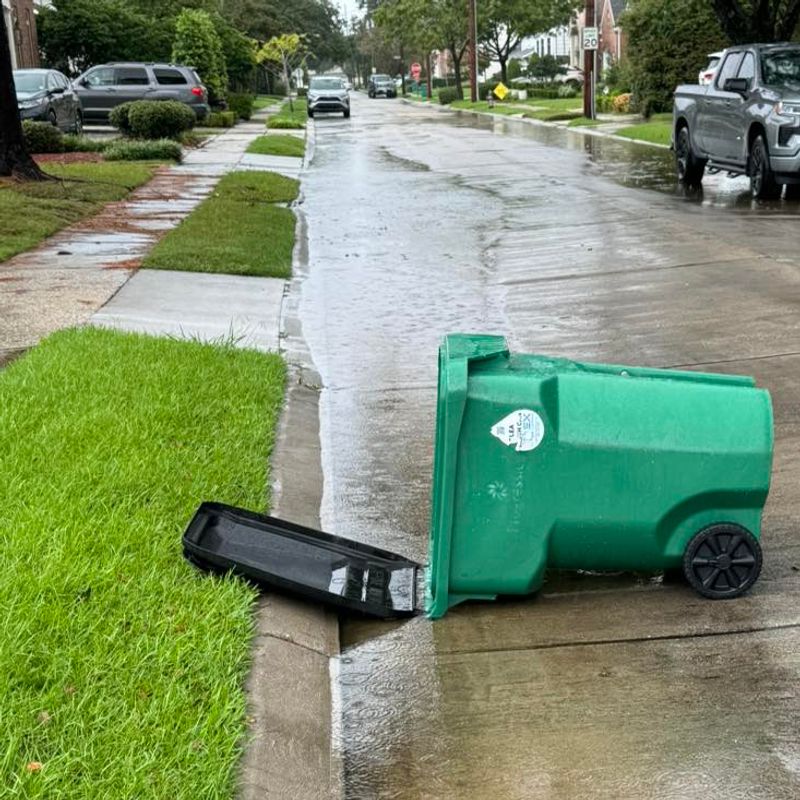
Garbage cans knocked over and trash scattered across your South Carolina driveway or yard might indicate coyote visits, especially when combined with other signs of their presence.
While raccoons and dogs also raid trash, coyotes have become increasingly bold about approaching homes in search of easy food sources.
They can tip lightweight bins, pry open loose lids, and tear through plastic bags to access anything edible inside.
Compost piles containing food scraps particularly attract coyotes because the concentrated smells advertise available meals from considerable distances.
Meat scraps, dairy products, and even fruit and vegetable waste draw these opportunistic feeders who have adapted remarkably well to supplementing their diet with human-related food sources.
South Carolina’s warm climate accelerates decomposition, making compost odors even more noticeable to wildlife with keen senses of smell.
Regular trash disturbances that occur on specific nights or during particular moon phases often reveal patterns in coyote movement through your neighborhood.
Some homeowners notice problems only on trash collection mornings when cans sit at curbs overnight, while others experience repeated raids despite bringing bins close to their homes.
The persistence of these visits demonstrates how effectively coyotes remember rewarding food locations.
Investing in animal-proof trash containers with locking lids or storing bins in secured garages until collection morning eliminates this food source.
Properly maintained compost systems with secure covers and careful management of what materials go inside reduce attractants significantly.
Working with neighbors throughout your South Carolina community to secure all potential food sources creates an environment where coyotes must rely on natural prey rather than human-provided meals, ultimately encouraging them to spend less time around residential areas.
7. Pets Acting Nervous Or Refusing To Go Outside

Dogs and cats often detect coyote presence through scent and sound long before their owners notice any signs, displaying behavioral changes that serve as early warning systems.
Pets who previously enjoyed outdoor time may suddenly refuse to leave the house during certain hours, act anxious near doors and windows, or bark persistently at seemingly nothing in the yard.
These reactions typically indicate they’ve detected coyote scent marks, heard distant vocalizations, or possibly even spotted a coyote on your South Carolina property.
Cats especially may refuse to use outdoor areas they previously frequented, choosing instead to stay indoors or close to the house where they feel safer.
Dogs might exhibit hackles-raised posturing, intense staring toward fence lines or wooded areas, and reluctance to venture into yards they normally patrol confidently.
Some pets become more clingy or protective of their owners, sensing potential threats in the environment that humans can’t perceive directly.
Nighttime restlessness, whining, or pacing near windows often corresponds with coyote activity during their most active hunting hours.
South Carolina pet owners who investigate these behavioral changes frequently discover other coyote signs like tracks or scat that confirm their animals’ instincts were accurate.
Trusting your pet’s reactions provides an additional layer of awareness about wildlife activity around your home.
Never ignore sudden changes in pet behavior, as these animals rely on instincts honed over thousands of years of evolution.
Increased supervision during outdoor time, especially during dawn and dusk hours, helps keep pets safe when coyotes may be nearby.
Installing motion-activated lights around your South Carolina property perimeter can deter coyotes while making your pets feel more secure about venturing outside when necessary.
8. Trails Worn Through Grass Along Fence Lines
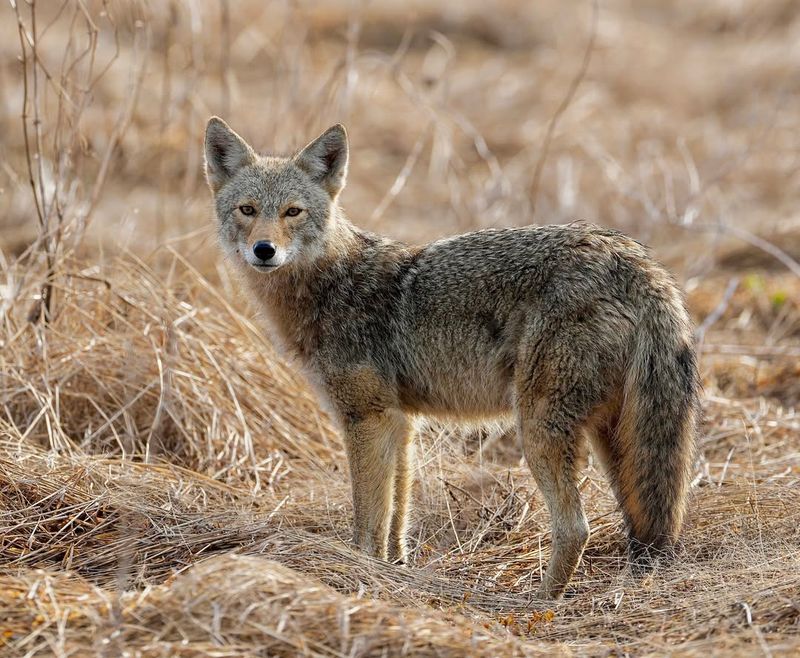
Narrow pathways worn through grass along your property’s fence lines, edges, or between buildings often reveal regular coyote travel routes across South Carolina landscapes.
Coyotes are creatures of habit who prefer using the same efficient routes repeatedly rather than blazing new trails each time they travel.
These paths typically follow the easiest terrain and provide some cover, allowing coyotes to move through areas while remaining relatively concealed from view.
Property boundaries naturally attract coyote traffic because fence lines offer navigation guides and often connect different habitat types or resources.
A worn trail might lead from wooded areas to open fields, connect water sources to denning sites, or simply provide an efficient route through residential neighborhoods.
The width of these trails generally measures just a few inches across, much narrower than paths created by deer or larger animals.
Examining these trails closely may reveal tracks, scat, or fur caught on fence wires that confirm coyotes are the primary users.
The trails might show fresh disturbance with bent grass stems and exposed soil, or they could be well-established paths with compacted earth from months or years of use.
South Carolina’s mix of residential development and natural areas creates ideal conditions for coyote travel corridors that weave through communities.
Identifying these travel routes helps you understand how coyotes move through your property and plan accordingly.
Avoiding leaving pets unattended near these pathways during high-activity times reduces encounter risks.
Some homeowners choose to modify landscaping near these trails by removing low cover or installing motion-activated deterrents, though others prefer simply being aware of the routes so they can exercise appropriate caution when coyotes are most likely to be traveling through their South Carolina property.