The 9 Rat-Repelling Flowers California Gardeners Are Planting Now
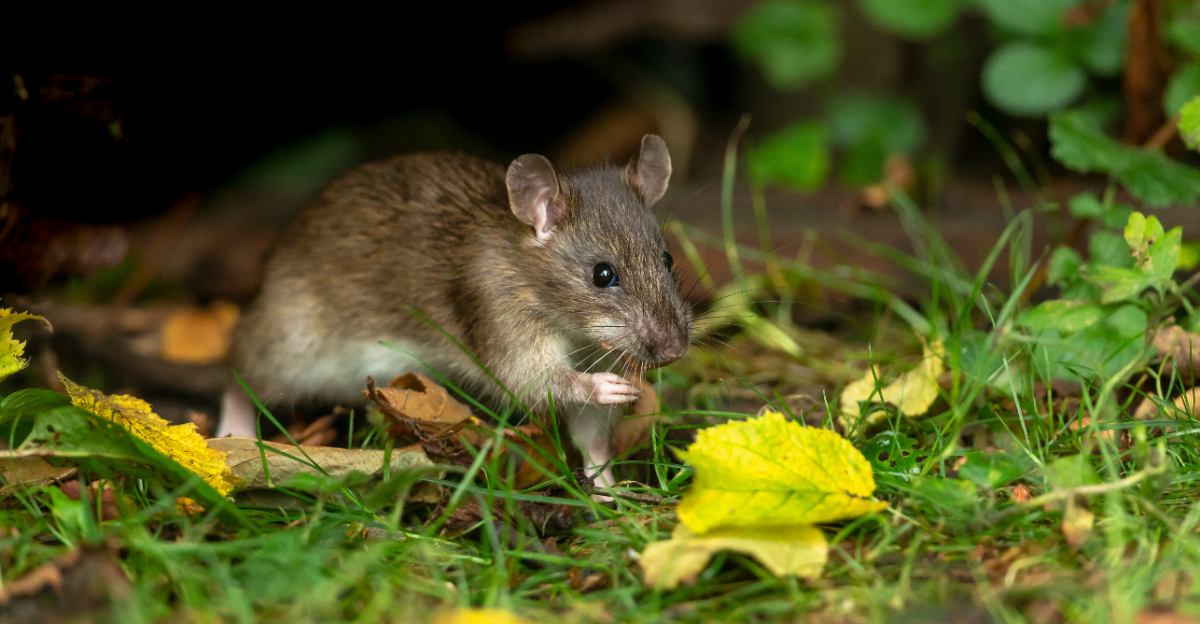
If rats have been turning your garden into their own personal buffet, it’s time to fight back with flowers that do more than look pretty.
California gardeners are quietly planting blooms that seem to send rodents packing, turning once vulnerable beds and borders into far less inviting hangouts for those whiskered troublemakers.
Some flowers give off strong scents rats dislike. Others have textures and growth habits that make nesting uncomfortable.
The best part is you do not have to sacrifice color to gain a little protection. These blooms deliver bold petals, bright foliage, and serious curb appeal while helping tip the odds in your favor.
Coastal yards, inland valleys, foothill properties, it does not matter. A thoughtful mix of strategic plantings can change how inviting your space feels to unwanted visitors.
Instead of relying only on traps or barriers, you can design a garden that quietly works behind the scenes. And you still get a landscape bursting with color that you actually enjoy spending time in.
1. Marigolds
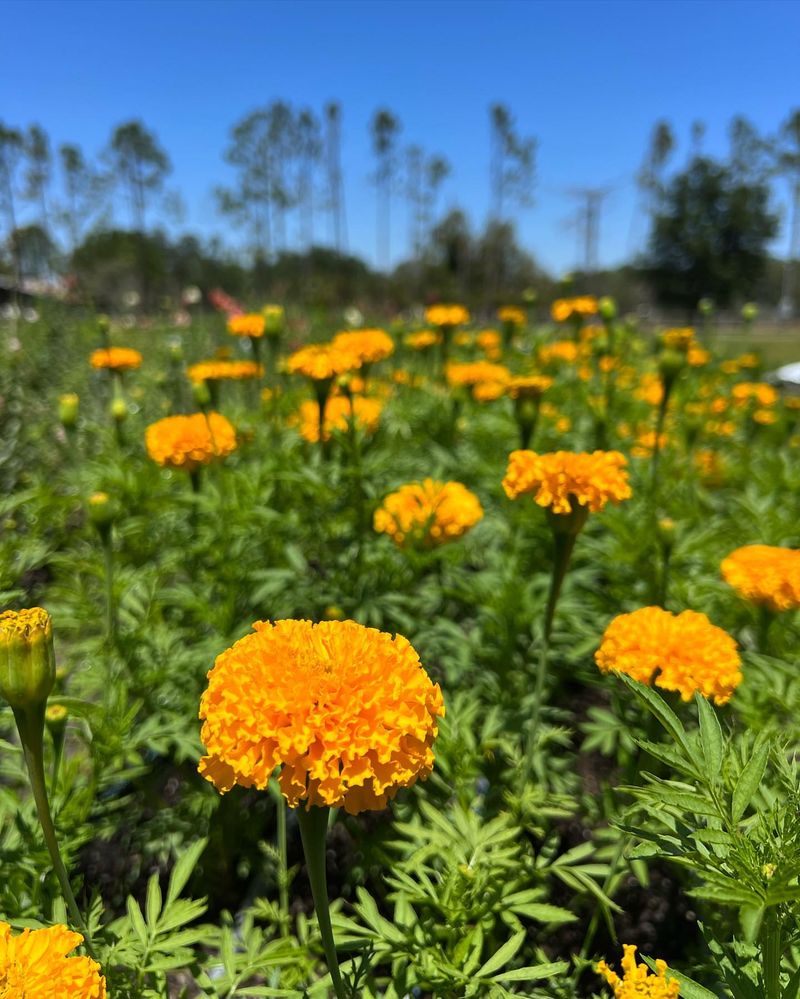
Walk through almost any California nursery right now and you will spot marigolds front and center. That is no accident.
These cheerful orange and yellow flowers have a sharp, pungent scent that rats find deeply unpleasant. The smell comes from natural compounds in the plant, and it works like a warning sign for rodents passing through your yard.
Marigolds are one of the easiest flowers to grow in California’s warm climate. They do well in full sun and do not need a lot of water once established.
Plant them along the edges of your garden beds or near entry points like fences and gates to create a natural barrier.
Beyond keeping rats away, marigolds also repel aphids, whiteflies, and even some soil pests. So you are getting multiple benefits from one affordable plant.
You can find marigold seeds or starter plants at most California garden centers for just a few dollars. They bloom from spring through fall, giving you months of protection and color.
For best results, plant them in clusters rather than single rows so the scent is stronger and more consistent across your garden space.
2. Lavender
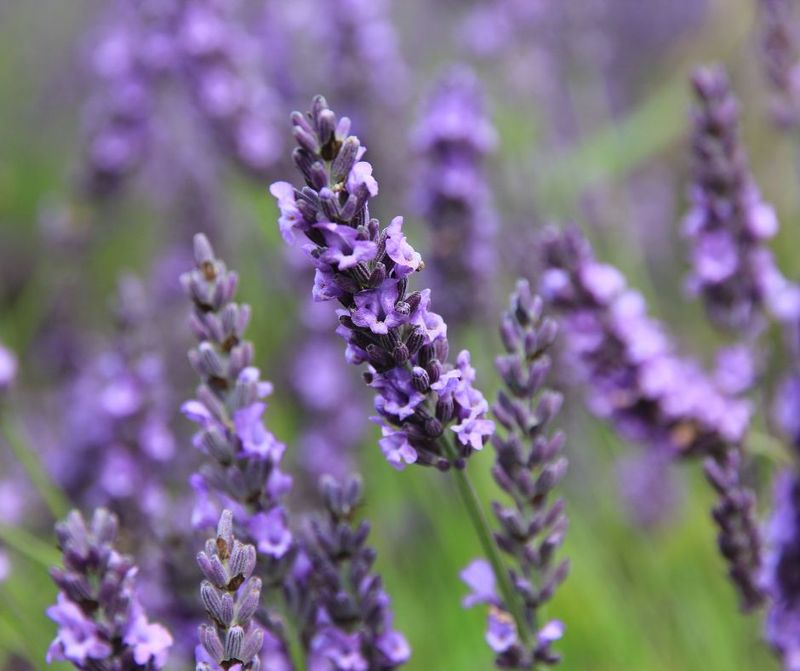
Few plants smell as wonderful to humans as lavender does. But rats?
They want nothing to do with it. The strong floral and herbal scent that we love in candles and soaps is overwhelming to a rat’s sensitive nose. That makes lavender one of the most popular rat-deterring plants in California right now.
Lavender thrives in California’s Mediterranean climate. It loves dry, sunny conditions and actually does better with less water.
That makes it a smart choice for gardeners in drought-prone areas like Southern California. Plant it near doorways, along pathways, or in raised beds close to your home’s foundation where rats are most likely to try to enter.
One fun fact: lavender has been used for centuries in Europe to keep pests out of closets and pantries. Ancient Romans used it to freshen bathwater and repel insects.
So this plant has a long track record of doing exactly what California gardeners need it to do today. Trim your lavender regularly to keep it bushy and productive.
The more it blooms, the stronger the scent and the better your protection against unwanted garden visitors.
3. Daffodils
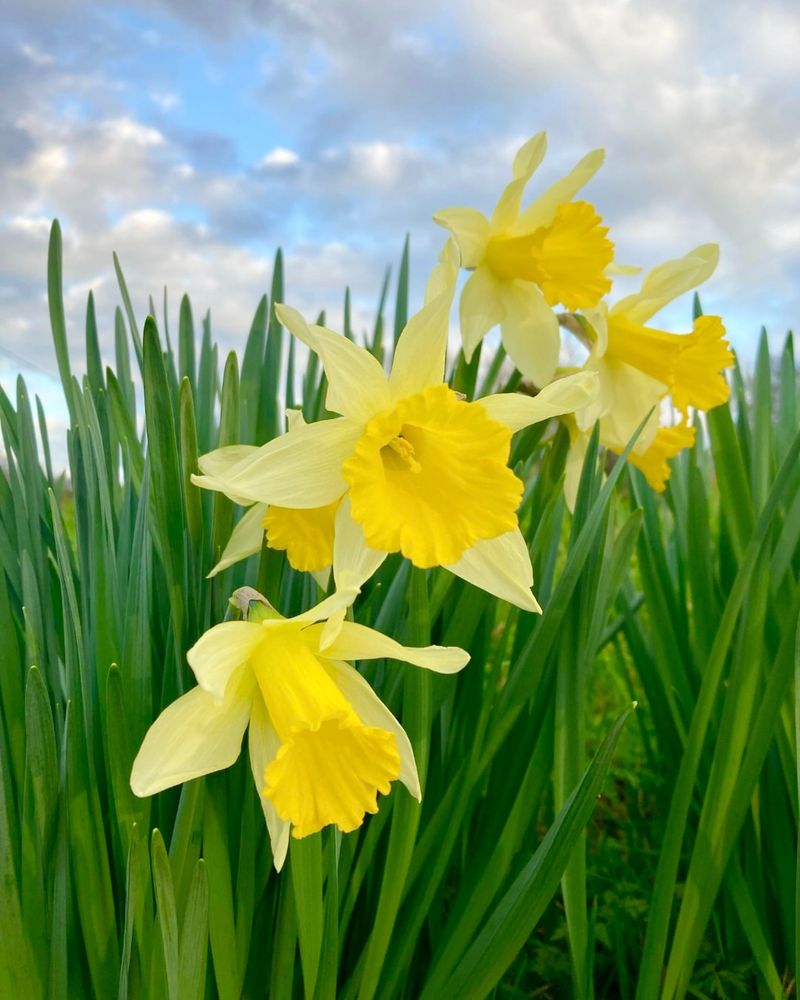
Every part of the daffodil plant contains a toxic alkaloid called lycorine. Rats have a natural instinct to avoid plants with this compound, which means planting daffodils is like putting up a natural no-entry sign for rodents.
You will often see daffodils planted in front yards and community gardens throughout Northern California, especially in cooler coastal areas where they thrive. They prefer well-drained soil and a spot with morning sun.
Planting the bulbs in fall means you will get beautiful blooms right when late winter and early spring arrive.
Another great thing about daffodils is that they come back every year without much effort. Once the bulbs are in the ground, they multiply on their own over time.
This means your rat-deterring border actually gets stronger with each passing season. Mix daffodils with other rodent-repelling plants like lavender or marigolds to create a layered defense that covers more ground.
California gardeners who use this combination often report seeing far fewer signs of rat activity around their garden beds throughout the year.
4. Chrysanthemums
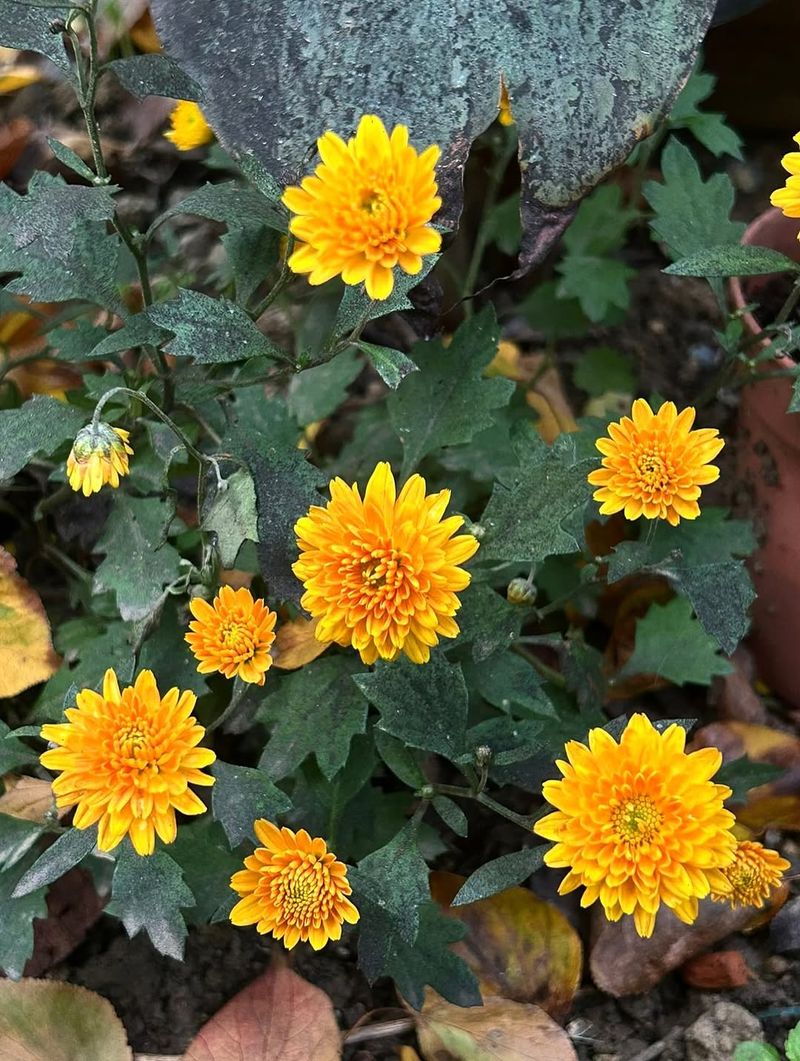
Mums are more powerful than they look. These full, round blooms contain a natural chemical called pyrethrin.
In fact, pyrethrin is so effective against pests that it is used as an ingredient in many commercial insect sprays. Rats pick up on this scent and tend to steer clear of areas where mums are growing.
California’s mild climate is ideal for growing chrysanthemums. They do especially well in coastal regions like Santa Barbara and Monterey, where temperatures stay moderate year-round.
Plant them in borders, containers, or mixed flower beds to spread their protective scent across a wider area of your garden.
Mums come in a huge range of colors, from deep burgundy to bright white, so you can choose varieties that match your garden’s style.
They bloom in late summer through fall, which is actually a peak time for rat activity as the weather cools and rodents start looking for food and shelter.
Planting mums gives you a natural deterrent right when you need it most. Water them regularly and deadhead spent blooms to encourage continuous flowering and keep that pest-fighting scent going strong all season long.
5. Snapdragons
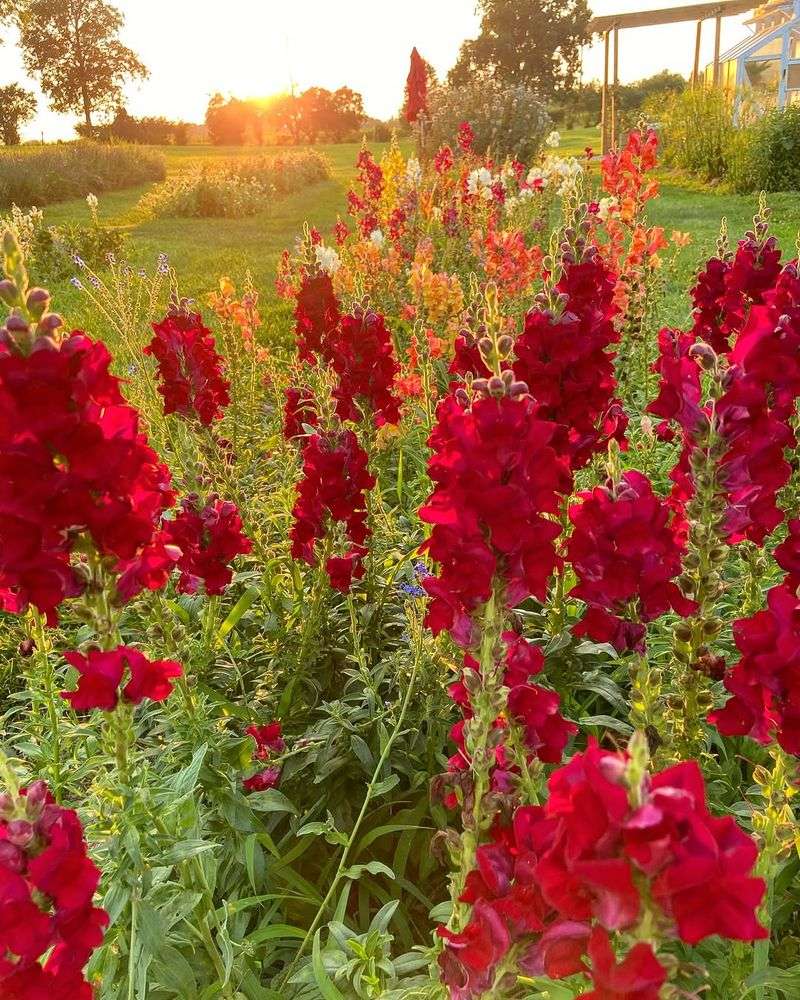
Snapdragons have a slightly bitter, medicinal scent that most humans barely notice but rats find off-putting.
These tall, elegant flowers are a staple in California gardens during the cooler months, especially from fall through spring when the weather is mild enough for them to flourish without too much heat stress.
You will see snapdragons lining the walkways of homes throughout the Sacramento Valley and along the Central Coast. They grow well in raised beds, borders, and even large containers on patios or balconies.
Their upright growth habit means they take up little horizontal space while still spreading their scent effectively around the garden perimeter.
Snapdragons are also a great choice for families because they are non-toxic to people and pets, unlike some other rat-repelling plants. Kids love squeezing the little snap-shaped blooms, which makes gardening with them more fun and interactive.
Plant snapdragons in groups of five or more for the best visual impact and the strongest scent coverage. Deadhead them regularly to encourage new blooms and keep the plants healthy.
With proper care, snapdragons can bloom for several months, giving California gardeners a long window of both beauty and natural rodent deterrence throughout the season.
6. Alliums
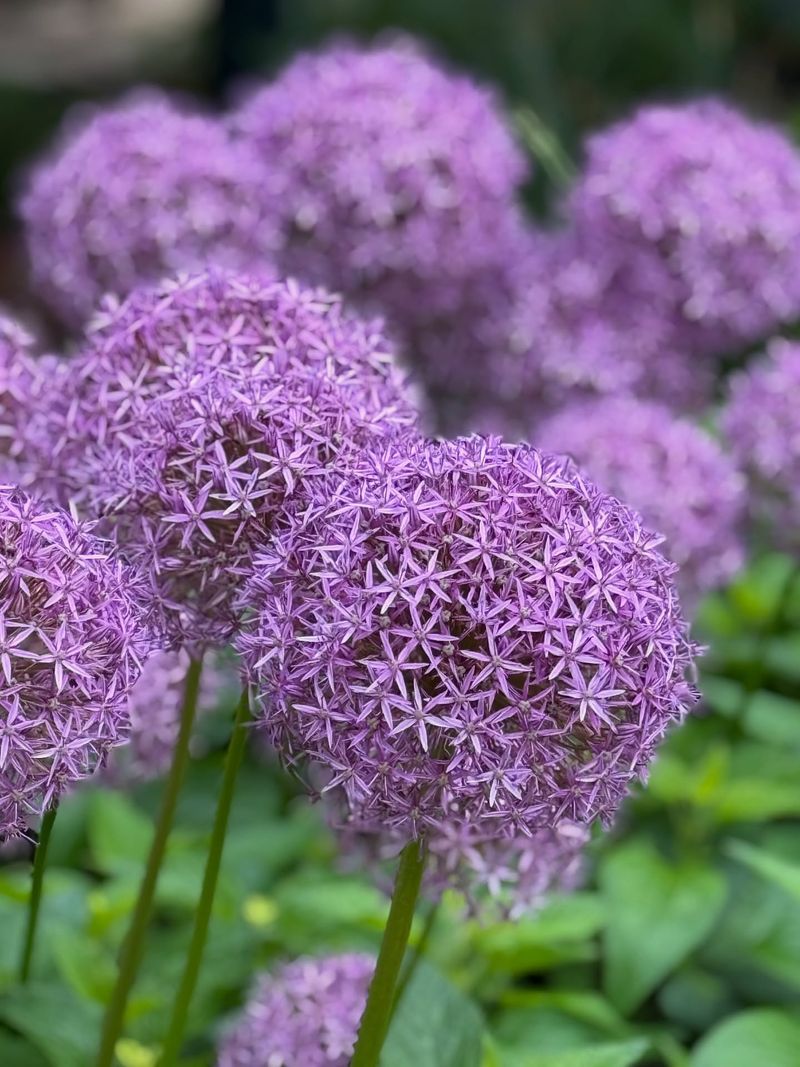
If you have ever chopped an onion and felt your eyes water, you already understand why rats avoid alliums.
Alliums are the plant family that includes onions, garlic, and chives, but they also include stunning ornamental varieties with large, globe-shaped purple flower heads.
The sulfur compounds in alliums are strong enough to send most rodents running in the opposite direction.
Ornamental alliums are having a real moment in California gardens right now. They look dramatic and architectural, with tall stems topped by perfect spheres of tiny flowers.
They work beautifully in modern garden designs, cottage-style beds, and even as cut flowers for indoor arrangements. Plant the bulbs in fall for a spectacular spring show.
Alliums are incredibly low-maintenance once planted. They need full sun and well-drained soil, which is easy to find in most parts of California.
They are also drought-tolerant after their first season, making them a smart pick for water-conscious gardeners in the state. Pair them with daffodils or lavender for a multi-layered approach to keeping rats out of your yard.
Over time, allium bulbs naturalize and spread, so your garden’s natural defenses actually grow stronger each year without any extra effort on your part.
7. Geraniums
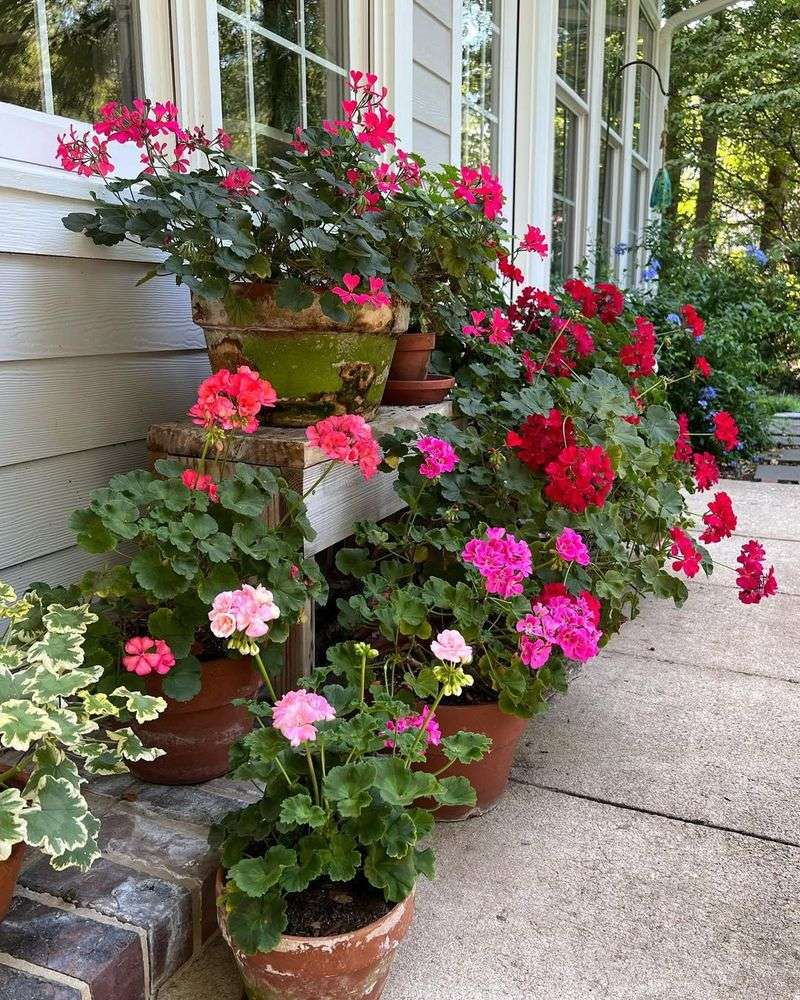
The citrusy, slightly sharp scent of geranium leaves is something rats genuinely dislike. While the flowers are pretty and cheerful, it is actually the leaves that do the pest-deterring work here.
You can find geraniums thriving on porches, balconies, and in garden beds throughout California’s warmer inland regions. They love sunshine and handle heat reasonably well, especially when given consistent watering.
Place pots of geraniums near doorways, along fence lines, or beneath windows to create a fragrant barrier that discourages rats from coming too close to your home.
Scented geraniums are especially effective because their fragrance is even more concentrated than standard varieties. Look for lemon, rose, or peppermint-scented geraniums at your local California nursery.
These varieties release their scent more readily when leaves are brushed or touched, which happens naturally when wind moves through the garden. Pinch back leggy stems regularly to keep plants full and fragrant.
Geraniums are also very forgiving plants, making them a solid choice for beginner gardeners who want effective, low-stress protection against rodents in their outdoor spaces.
8. Catmint
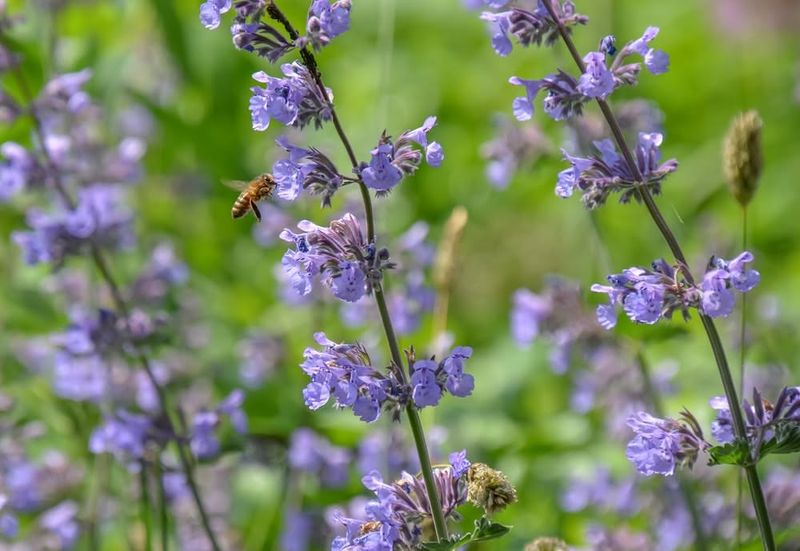
Catmint might sound like something that would attract animals rather than repel them, and yes, cats do love it. But here is the interesting twist: while cats are drawn to catmint, rats are not.
The strong minty, herbal scent that makes cats go wild is actually a deterrent for rodents. So planting catmint could bring friendly neighborhood cats into your yard, which in itself helps keep the rat population down.
Catmint is a low-growing, spreading plant that works beautifully as a garden border or ground cover. It produces masses of soft purple-blue flowers that look stunning against California’s bright sunshine.
It is drought-tolerant and thrives in the state’s warm, dry summers, making it a practical and attractive option for water-smart gardeners.
Plant catmint along pathways, at garden edges, or beneath windows where it can spread freely and release its scent. Cut it back by half after the first bloom and it will flower again, giving you two rounds of beauty and protection in a single season.
Catmint is also a favorite of bees and butterflies, so you are supporting local pollinators at the same time. For California gardeners looking for a plant that works hard without needing much attention, catmint is a seriously smart pick.
9. Rosemary
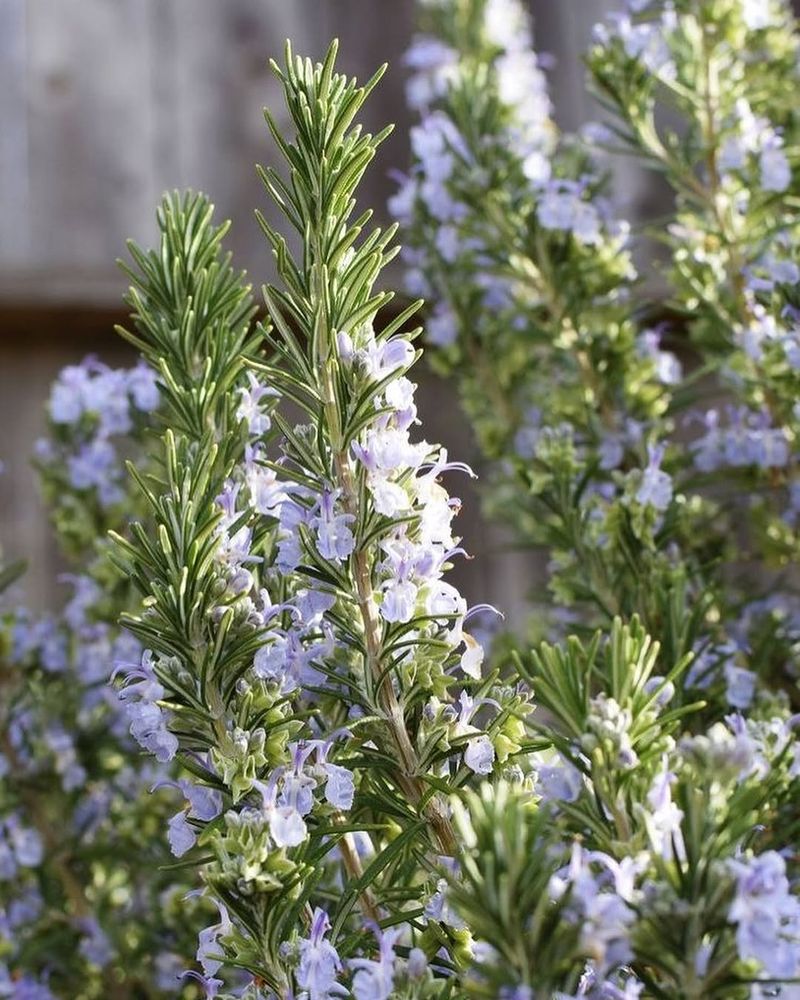
This powerful plant is practically a California native at this point. It grows wild along roadsides, fills front yard hedges, and lines countless driveways across the state.
Most people think of it as a cooking herb, and it is fantastic in the kitchen. But its powerful, piney, camphor-like scent is also one of the strongest natural rat deterrents you can plant in your garden.
Rats rely heavily on their sense of smell to navigate and find food. Rosemary’s intense aroma confuses and overwhelms them, making areas where it grows feel unsafe and disorienting.
Plant rosemary as a low hedge along fences or property edges to create a fragrant wall that rats are reluctant to cross. It also grows well in large containers on patios and decks.
Rosemary is one of the most drought-tolerant plants you can grow in California, which is a huge plus given the state’s ongoing water challenges. Once established, it needs very little care and can live for many years, growing larger and more effective over time.
It is also a year-round plant, meaning it never stops releasing its protective scent the way seasonal flowers do.
For California gardeners who want a permanent, beautiful, and low-maintenance solution to rat problems, rosemary might be the single best plant to start with today.