The Real Reason Houseplants Fail In Georgia And How To Save Them
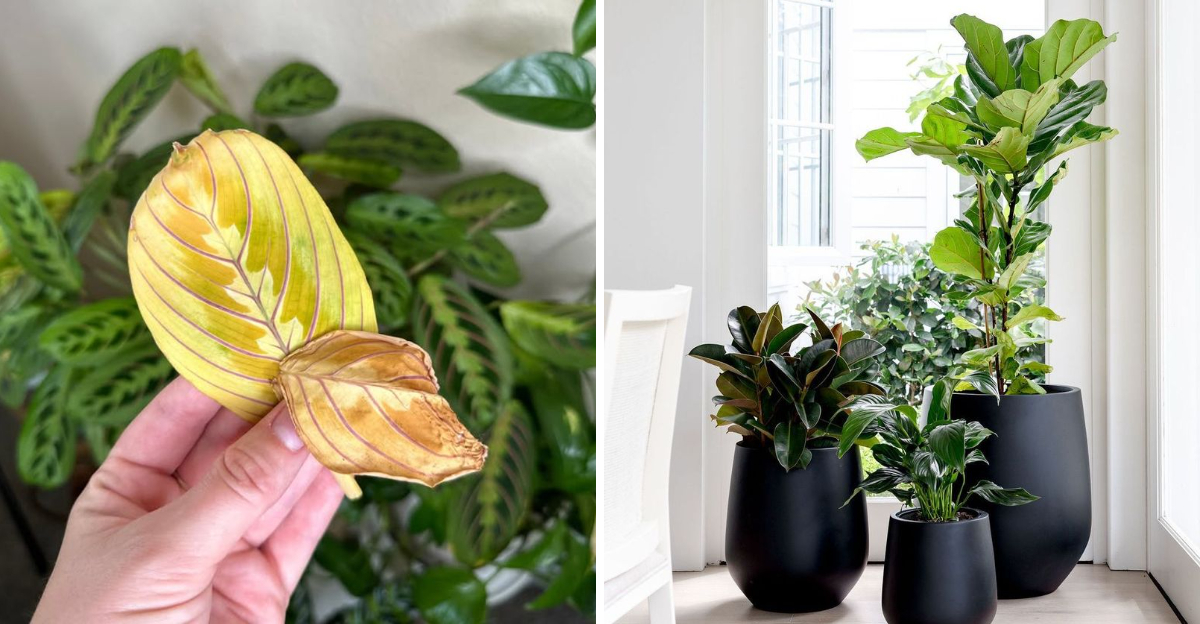
Houseplants in Georgia rarely fail because you skipped one watering or forgot a feeding, even though that is usually what gets blamed first.
The real problem builds slowly inside your home, where light shifts through the seasons, air conditioning dries the air, and humidity rises and falls in ways that plants notice long before you do.
You might be caring for your plant regularly, yet the leaves still yellow, growth slows, or buds drop without explanation.
Georgia homes feel bright and comfortable to you, but indoor light angles, dry airflow, and uneven moisture levels quietly stress roots over time.
Most struggling houseplants are reacting to their environment, not a lack of effort. When you adjust placement, steady your watering routine, and pay attention to airflow and humidity, the change can be dramatic and far more predictable.
1. Indoor Light In Georgia Homes Is Often Weaker Than It Looks
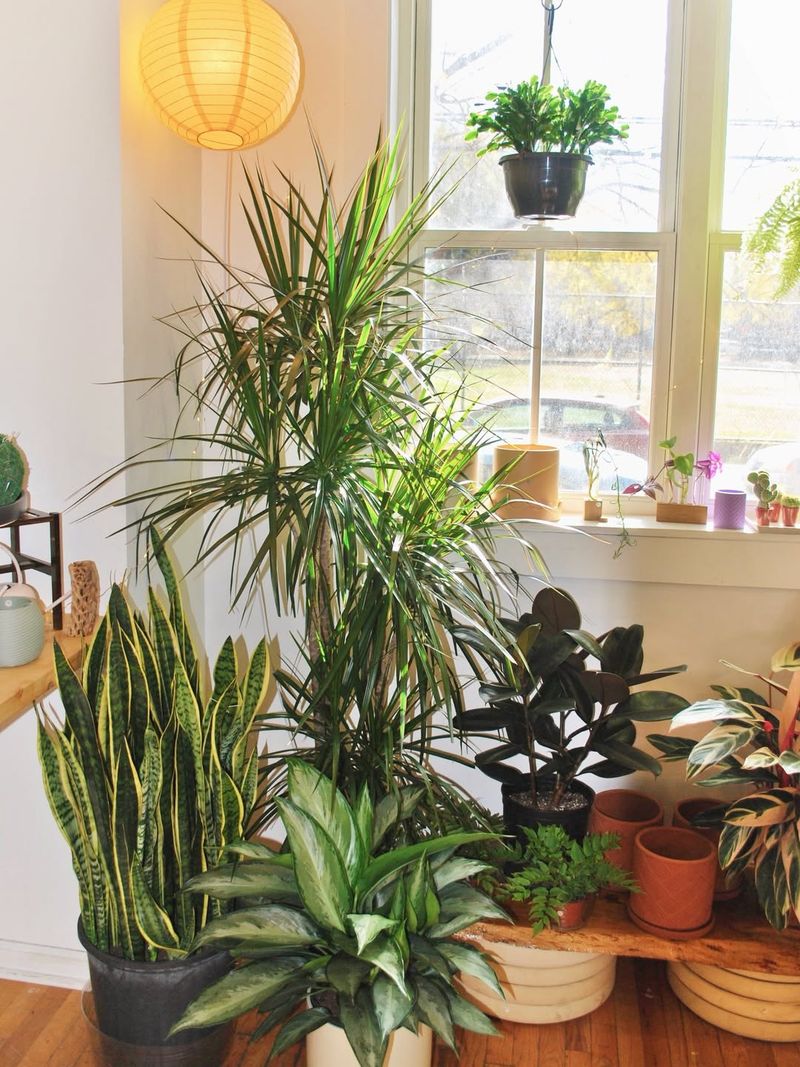
Bright doesn’t always mean bright enough. Windows filter out more light than most people realize, and even rooms that feel sunny to us can leave plants starving for the intensity they need.
Georgia’s abundant outdoor sunshine tricks many plant owners into thinking their indoor spaces get plenty of light too.
Glass blocks a significant portion of UV rays and reduces light intensity by half or more. What looks like a well-lit corner to you might only provide low to medium light for your plants.
This mismatch explains why so many houseplants in Georgia homes grow leggy, lose their variegation, or simply stop thriving despite being near windows.
Distance matters more than you’d think. A plant placed six feet from a window receives dramatically less light than one sitting right on the sill.
Light intensity drops off quickly as you move away from the source, and most plants need to be much closer than their current spot to truly flourish.
Georgia homes often have trees, porches, or overhangs that further reduce incoming light. These architectural features create beautiful shade outdoors but can significantly dim your indoor growing conditions.
Understanding that your eyes perceive light differently than plants do is the first step toward solving most houseplant struggles in Georgia.
Measuring light with your phone’s camera or simply observing how shadows fall throughout the day helps you assess what your plants actually receive versus what you assume they’re getting.
2. Check Window Direction Before Blaming The Plant
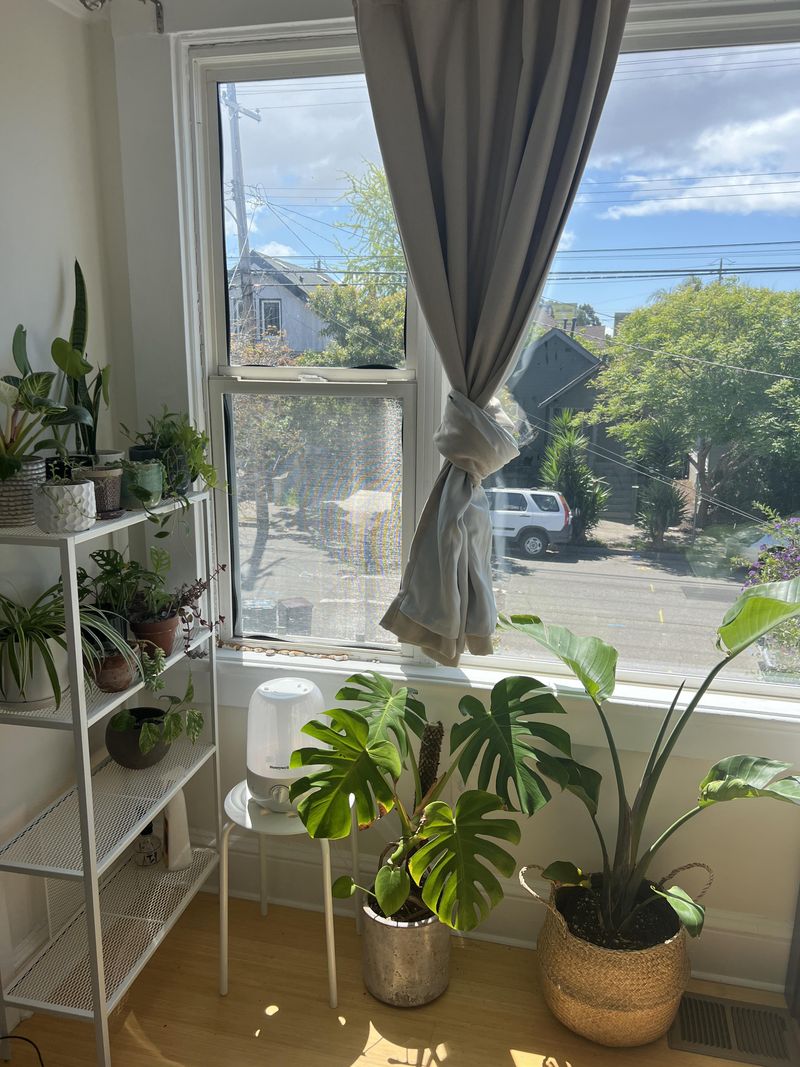
South-facing windows deliver the strongest, most consistent light throughout the day in Georgia homes. These windows receive direct sun for most daylight hours, making them ideal for sun-loving plants like succulents, cacti, and herbs.
If your plants are struggling elsewhere, a south window might be exactly what they need.
East-facing windows provide gentle morning sun followed by bright indirect light for the rest of the day. This combination works beautifully for most common houseplants in Georgia, including pothos, philodendrons, and ferns.
Morning light is less intense than afternoon sun, reducing the risk of leaf burn while still providing adequate energy for healthy growth.
West-facing windows can be tricky. They get hot, intense afternoon sun that can scorch sensitive leaves, especially during Georgia’s long summers.
Plants placed here often show brown, crispy edges or faded colors. If you only have west-facing windows, position plants a few feet back or use sheer curtains to diffuse that harsh afternoon light.
North-facing windows receive the least direct sun and provide only indirect light throughout the day. While this seems limiting, many popular houseplants actually prefer these conditions.
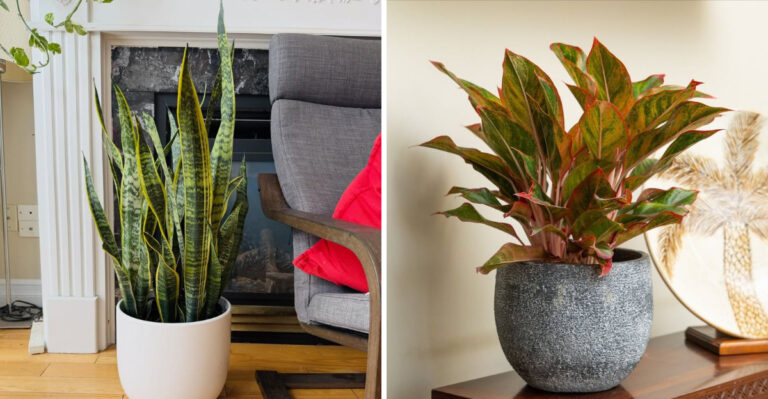
Snake plants, ZZ plants, and peace lilies tolerate lower light beautifully. Knowing your window directions helps you match plants to appropriate spots instead of fighting against your home’s natural light patterns.
Georgia’s latitude means our sun angle changes significantly between summer and winter, so window intensity shifts with seasons too.
3. Move Plants Closer To Light Without Causing Burn
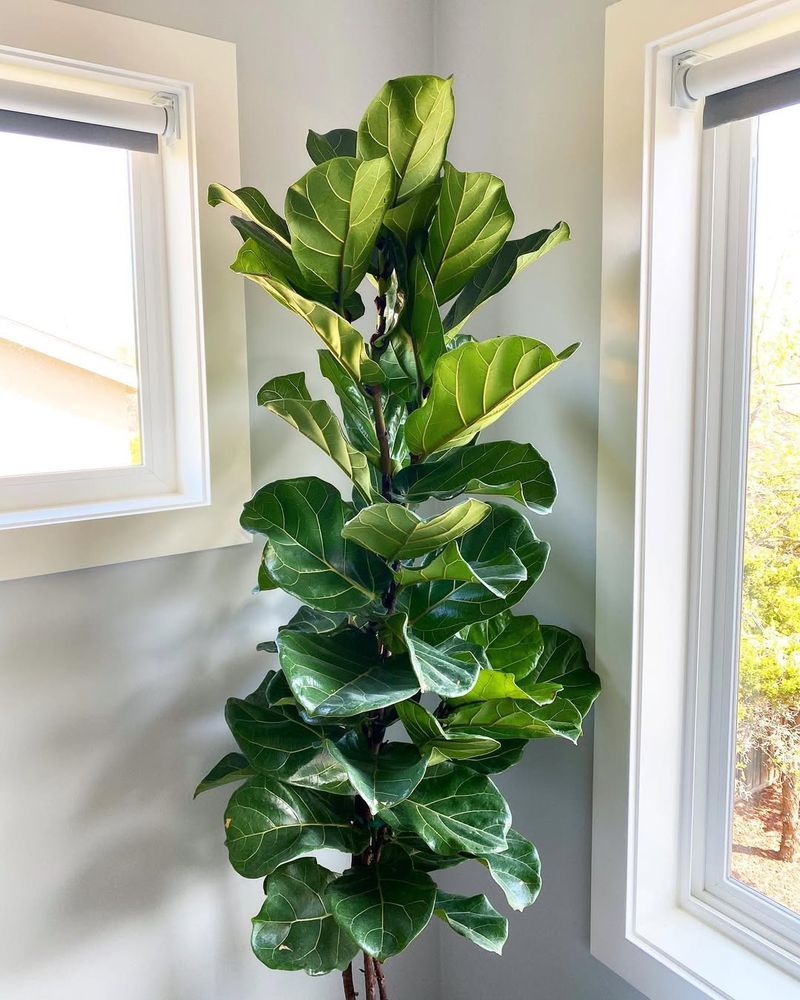
Proximity is everything when it comes to indoor plant health. Moving a plant just two or three feet closer to your window can double or triple the light it receives.
Georgia plant owners often place houseplants where they look nice decoratively rather than where they’ll actually thrive, and this simple mistake causes more problems than almost anything else.
Start by positioning light-hungry plants directly on windowsills or within twelve inches of the glass. Plants like fiddle leaf figs, rubber trees, and most succulents need this close placement to maintain their compact growth and vibrant coloring.
In Georgia homes, even bright rooms become too dim for these species when plants sit across the room.
Watch for signs you’ve moved too close. Bleached or pale leaves, brown scorched spots, or leaves that feel papery and thin indicate too much direct sun.
This happens more often in summer when Georgia’s sun is strongest and windows heat up significantly. If you notice these symptoms, simply shift the plant back a foot or use a sheer curtain to filter the intensity.
Medium-light plants do well placed within two to four feet of windows. This range works perfectly for popular Georgia houseplants like monsteras, prayer plants, and most trailing vines.
They’ll receive enough brightness to grow steadily without risking sun damage. Adjust placement seasonally since winter light in Georgia is much weaker than summer sun.
Plants that needed protection from direct rays in July might benefit from windowsill placement come December when the sun sits lower and days are shorter.
4. Rotate Pots To Prevent Uneven Growth
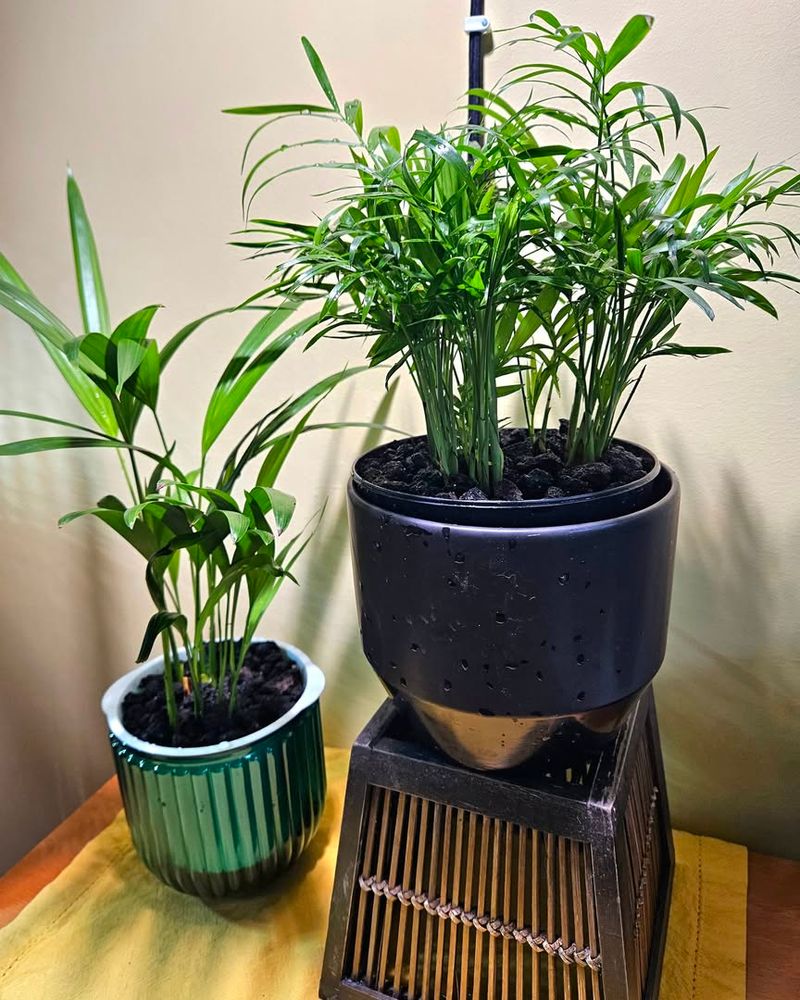
Plants naturally grow toward their light source, a behavior called phototropism. In Georgia homes where light comes primarily from one direction through windows, this means your houseplants will constantly lean and reach toward that brightness.
Without regular rotation, you’ll end up with lopsided, unbalanced plants that look unhealthy even when they’re otherwise well cared for.
Rotating your pots every week or two keeps growth symmetrical and attractive. Simply turn each plant a quarter turn in the same direction each time you water.
This easy habit ensures all sides of the plant receive equal light exposure over time, promoting fuller, more balanced development. Georgia’s strong directional light makes this practice especially important compared to regions with more diffuse lighting conditions.
Vining and trailing plants need rotation too. Pothos, philodendrons, and string of pearls will send all their new growth toward the light source if left alone.
Regular turning encourages vines to fill out evenly around the pot rather than clustering on just one side. This creates a much fuller, more attractive appearance.
Some plants show rotation needs more obviously than others. If you notice your plant leaning dramatically or all new leaves emerging on just one side, you’ve waited too long between turns.
Severely lopsided growth can become permanent as stems harden in their bent position. Setting a phone reminder or rotating during your regular watering routine helps you stay consistent.
The few seconds this takes each week prevents months of uneven growth and keeps your Georgia houseplants looking their absolute best from every angle.
5. Let The Top Layer Of Soil Dry Before Watering Again
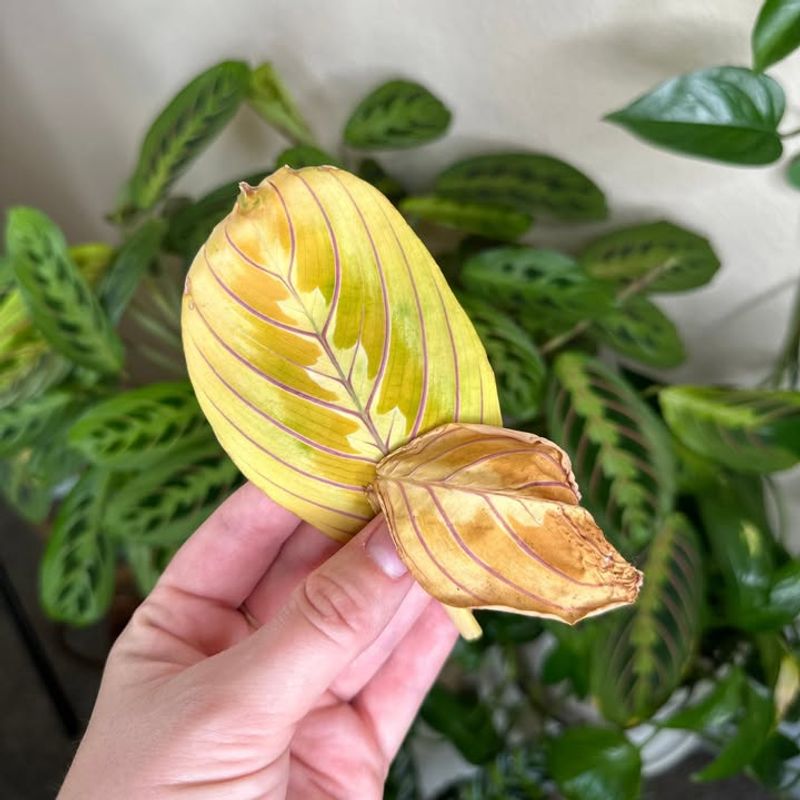
Overwatering causes more houseplant problems in Georgia than any other single factor. Enthusiastic plant parents often water on a fixed schedule rather than checking what their plants actually need.
Roots sitting in constantly wet soil can’t access oxygen, leading to root rot, yellowing leaves, and eventual plant decline.
The finger test is your most reliable watering guide. Stick your finger into the soil up to your second knuckle.
If it feels damp or cool, wait to water. If it feels dry, it’s time to give your plant a drink.
This simple check takes seconds and prevents the vast majority of watering mistakes. Georgia’s humidity levels fluctuate significantly, meaning your plants’ water needs change throughout the year.
Different plants have different preferences. Succulents and cacti should dry out completely between waterings, sometimes going two weeks or more.
Tropical plants like calatheas and ferns prefer their soil to stay slightly moist but never soggy. Most common houseplants fall somewhere in the middle, needing the top inch or two to dry before the next watering.
Pot size and material affect drying time significantly. Small pots dry faster than large ones, and terracotta pots wick moisture away more quickly than plastic or ceramic.
In Georgia’s air-conditioned homes, evaporation slows down considerably compared to outdoor conditions. Your summer watering schedule will differ dramatically from winter needs as daylight hours and plant growth rates change.
Learning to read your specific plants in your specific Georgia home beats following any generic watering schedule.
6. Increase Humidity Without Overwatering
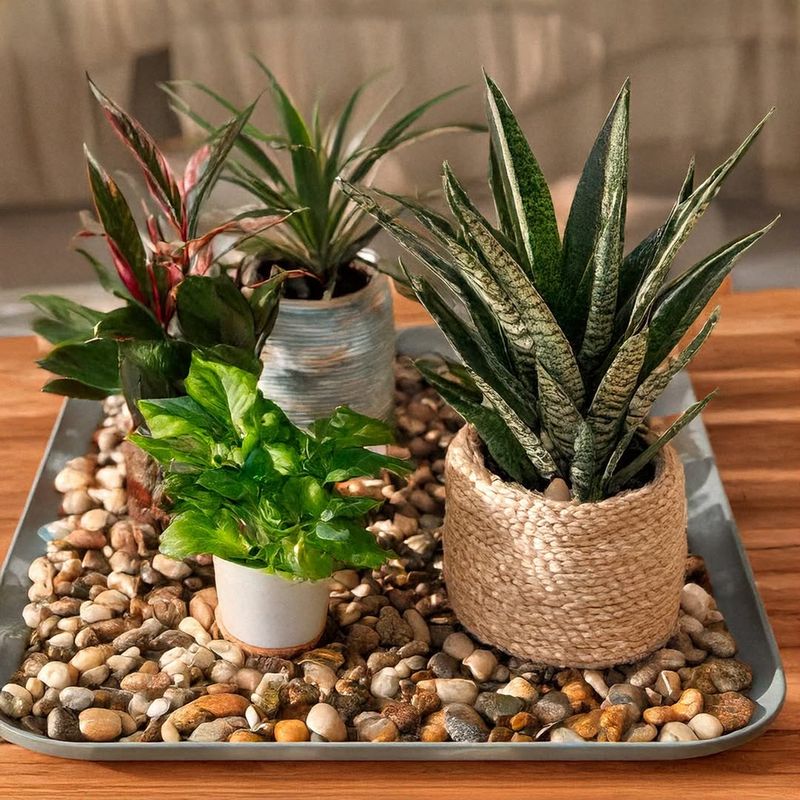
Georgia’s humidity outdoors doesn’t automatically translate indoors, especially when air conditioning runs constantly during our long, hot summers. Many popular houseplants are tropical species that evolved in consistently humid environments.
When indoor air becomes too dry, these plants develop brown leaf tips, crispy edges, and slowed growth even when watering is correct.
Grouping plants together creates a microclimate where they benefit from each other’s transpiration. As plants release moisture through their leaves, nearby plants absorb that humidity.
This natural system works especially well in Georgia homes where AC units pull moisture from the air. Clustering your houseplants on a table or plant stand boosts humidity for the whole group without any extra effort.
Pebble trays provide consistent humidity without risking overwatered soil. Fill a shallow tray with small stones, add water until it reaches just below the top of the pebbles, then set your pots on top.
As water evaporates, it raises humidity around your plants. The pots shouldn’t sit directly in water, which would waterlog the roots.
This method works beautifully year-round in Georgia, requiring only occasional refilling.
Bathrooms and kitchens naturally have higher humidity from showers and cooking. If you have appropriate light in these rooms, they can be perfect spots for humidity-loving plants like ferns, orchids, and calatheas.
Avoid misting as a humidity solution since it provides only temporary relief and can promote fungal issues on leaves. Real humidity comes from water vapor in the air, not droplets sitting on foliage that quickly evaporate in Georgia’s climate-controlled homes.
7. Adjust Care As Days Get Shorter Or Brighter
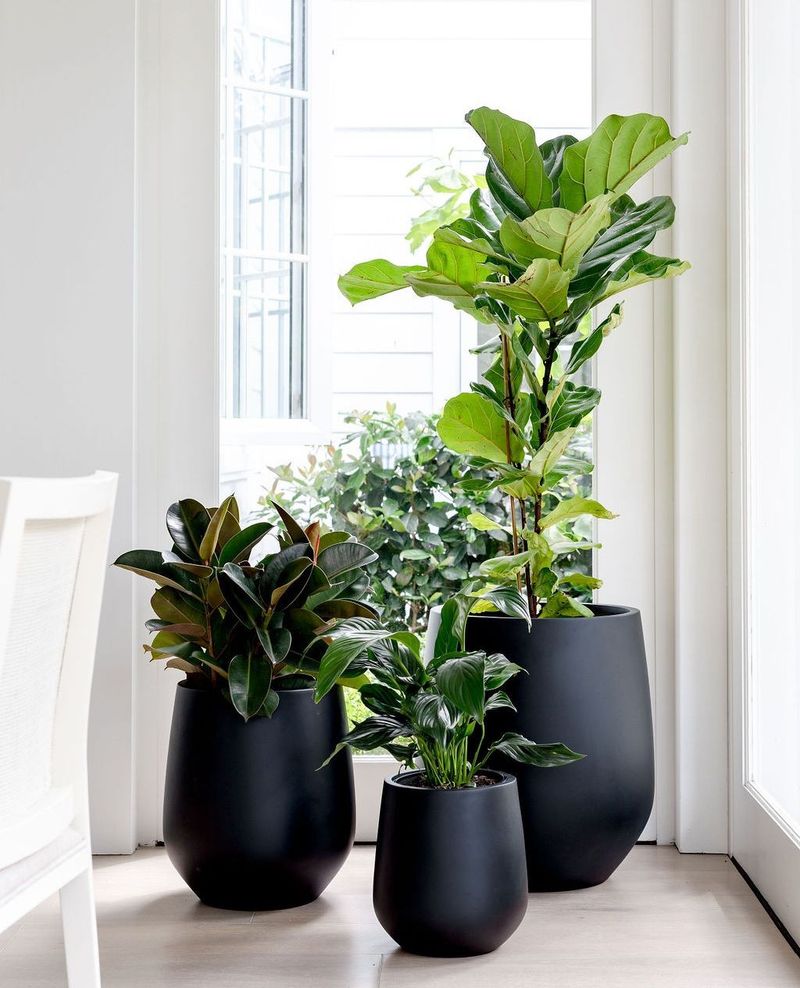
Georgia experiences significant seasonal light changes that directly impact houseplant care needs. Summer brings long, intense days with the sun high overhead, while winter offers shorter, weaker light with a lower sun angle.
Your plants respond to these shifts by adjusting their growth rate, and your care routine should change accordingly.
During Georgia’s bright growing season from April through September, most houseplants actively produce new leaves and stems. They need more frequent watering, benefit from regular fertilizing, and can handle being closer to windows.
Growth happens quickly during these months, and plants use resources at their maximum rate. This is when your houseplants truly flourish and when attention to their needs pays off most visibly.
Winter changes everything. From November through February, Georgia’s shorter days and weaker sun cause most houseplants to enter a rest period.
Growth slows dramatically or stops entirely, meaning plants use far less water and nutrients. Continuing your summer watering schedule during winter almost guarantees overwatering problems.
Soil stays wet much longer, and roots sitting in cold, soggy conditions struggle significantly.
Reduce watering frequency by roughly half during Georgia’s winter months. Let soil dry more thoroughly between waterings, and stop fertilizing completely until spring growth resumes.
You might water weekly in summer but only every two weeks in winter. Pay attention to heating systems too, which can dry indoor air significantly.
Plants placed near heating vents may need more frequent watering despite the season. Matching your care to Georgia’s actual seasonal conditions rather than following year-round instructions prevents most cold-weather houseplant problems.
8. Create A Simple Routine That Stays Consistent
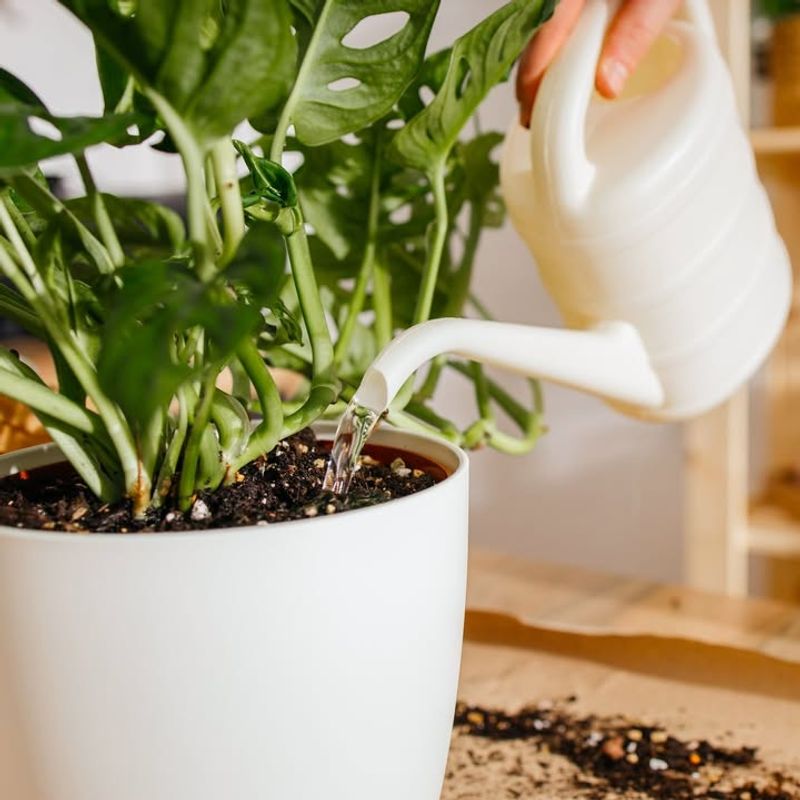
Consistency matters more than perfection when it comes to houseplant success. Georgia plant owners who check their plants on the same day each week catch problems early and maintain steady care that prevents most issues.
Random, sporadic attention leads to forgotten waterings, missed warning signs, and plants that decline before you notice something’s wrong.
Choose one specific day as your plant care day. Sunday mornings or Wednesday evenings work well for most people.
Keep supplies in one convenient location. A watering can, small scissors for trimming, and fertilizer stored together means you’re always ready for care tasks.
Georgia’s climate means you might also want a spray bottle for humidity boosts and a soft cloth for wiping dust off large leaves. Having everything accessible removes barriers to consistent care.
Track your observations simply. A phone note or small journal where you record watering dates and observations helps you learn each plant’s patterns.
You’ll quickly notice that your pothos needs water every ten days while your snake plant goes three weeks. This personalized knowledge beats generic advice because it reflects your specific Georgia home conditions, your pots, your light, and your plants’ individual needs.
Building these habits transforms houseplant care from guesswork into a reliable system that keeps your indoor garden thriving year-round.