The Real Reasons Butterflies Are Avoiding Your Garden
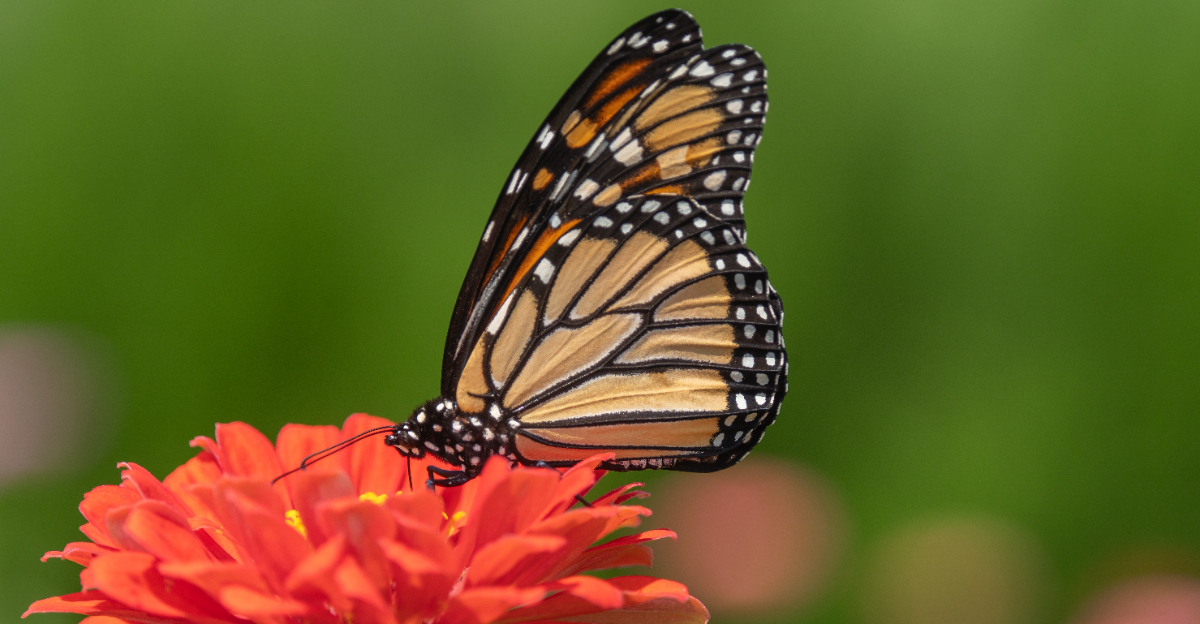
Nothing about your empty garden is a coincidence. You planted nectar plants, but butterflies never came. Your soil might hold chemicals drifting from someone else’s yard.
Missing host plants send your caterpillars searching elsewhere for food. Local nurseries rarely stock the native host plants butterflies require. Backyard gardens often miss this detail without anyone noticing.
Nectar keeps your butterflies fed, but larvae need different plants. Wind, shade, and sunlight quietly decide who visits your yard. Every butterfly species carries specific habitat needs.
Neighboring pesticide use can quietly limit your gardening results. Shelter from wind determines whether butterflies linger or leave. Timing your blooms wrong pushes migrating species toward other yards.
Even a local microclimate can quietly shift your results. Small, overlooked details separate thriving gardens from silent ones.
Understanding this gives you more control than you realize. Once you see what’s missing, you won’t garden the same way again.
Why Butterflies Are Pickier Than You Think
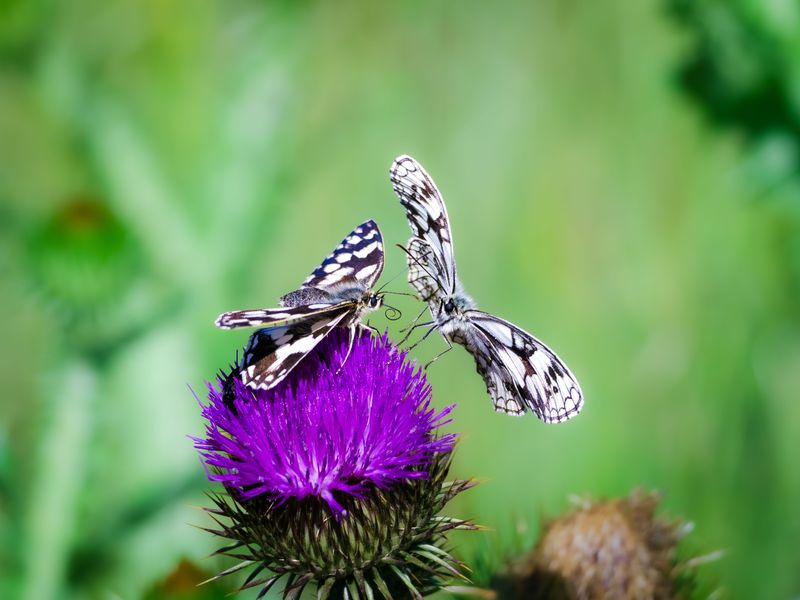
Butterflies do not just wander into any yard and settle down. They are running a checklist in their heads, and your garden may be failing the test.
Think of them like house hunters. They need the right neighborhood, the right food, and the right conditions before they commit.
The surprising reason butterflies are avoiding your garden often comes down to a mismatch between what you planted and what they actually need. Nectar is just one piece of a much bigger puzzle.
Butterflies have evolved over millions of years to seek out very specific plants. Some species will only lay eggs on one or two plant types in the entire world.
If those plants are not in your yard, those butterflies will simply keep flying. No amount of colorful blooms will change that biological drive.
Beyond plants, butterflies also look for shelter, sun exposure, and safe spots to rest. A garden that is too shady or too exposed can be less suitable for them.
Wind is another factor most gardeners never consider. Strong, open spaces make it hard for butterflies to fly and feed comfortably.
Even the color palette of your garden matters. Many butterflies show a preference for purples, yellows, and pinks, though this can vary by species.
Understanding their preferences is the first step toward creating a space they love. Once you know the rules, playing the game gets a lot more fun.
The Foot-Tasting Secret Behind Egg-Laying
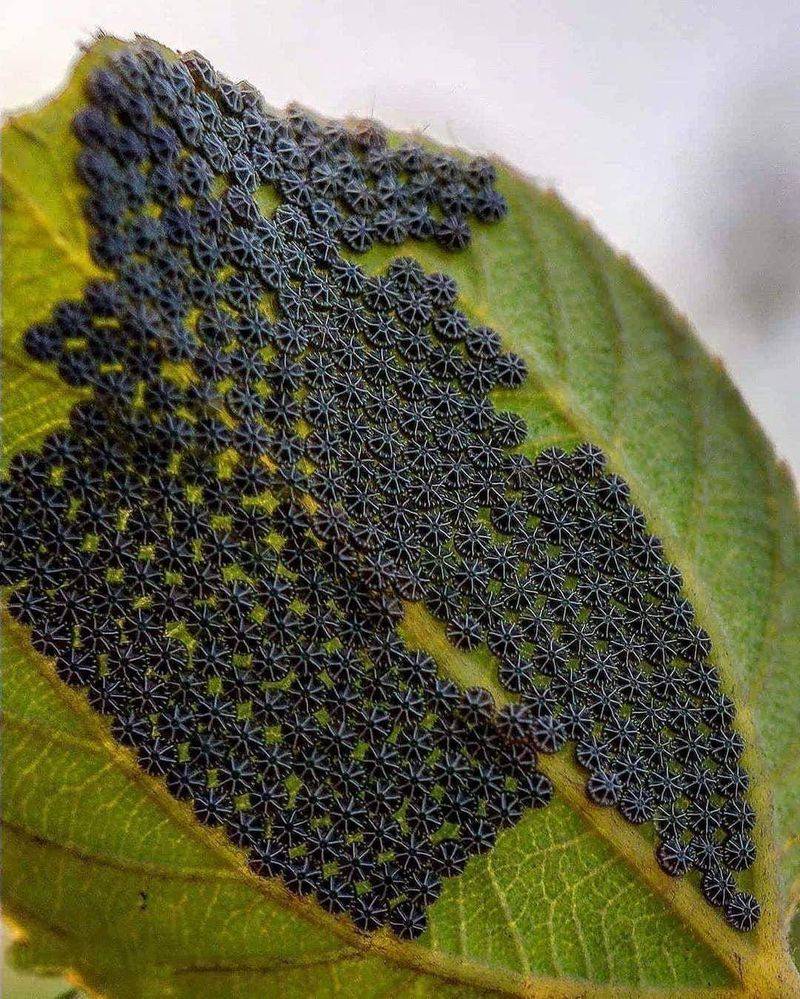
Butterflies taste with their feet. That wild fact changes everything about how you understand their behavior in your garden.
When a female butterfly lands on a plant, she is not just resting. She is running a chemical analysis through sensors on her legs.
Those sensors detect the specific compounds in a plant’s leaves. If the plant is the right host for her eggs, she knows instantly.
If it is the wrong plant, she lifts off and moves on without a second thought. No foot-taste approval means no eggs laid there.
This is why host plants matter so much more than most gardeners realize. You could have a yard full of gorgeous nectar flowers and still get no egg-laying.
The female butterfly is not being dramatic. She is protecting her offspring. Caterpillars can only eat specific plants, so she must get the location exactly right.
Monarch butterflies, for example, will only lay eggs on milkweed. Some swallowtails, like the black swallowtail, prefer plants in the carrot family, such as parsley or fennel, while other swallowtail species rely on entirely different host plants.
Black swallowtail caterpillars need dill or Queen Anne’s lace to survive. Without those plants nearby, the adults have no reason to stay.
Adding even one or two host plants can transform your garden from a rest stop into a full butterfly nursery. That single change can meaningfully improve your results.
Host Plants Matter More Than Nectar Alone
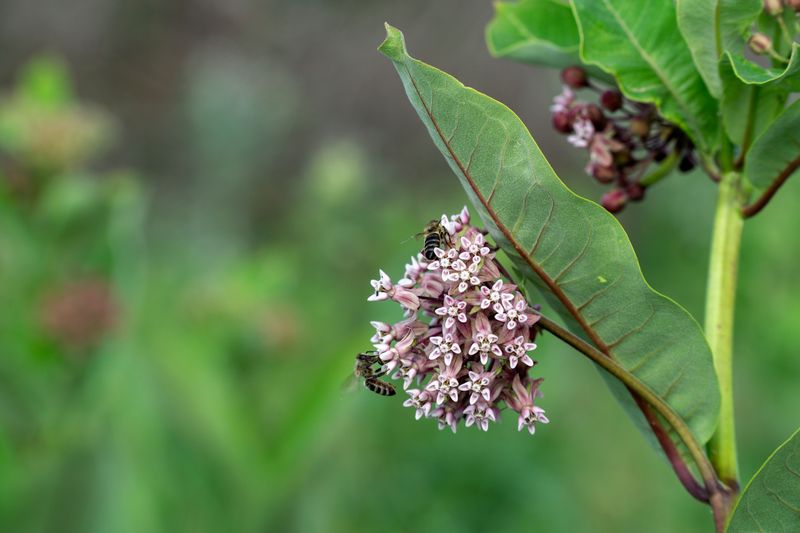
Nectar flowers get all the attention, but host plants are the real backbone of a butterfly-friendly space. Without them, you are only solving half the problem.
A host plant is any plant that a caterpillar can eat and survive on. Each butterfly species has its own short list of approved hosts.
Monarchs need milkweed. Painted ladies love thistles and hollyhocks. Zebra longwings depend on passionflower vines to complete their life cycle.
If those caterpillar food sources are absent, adult butterflies will not linger. They are always scouting ahead for the next generation.
Many gardeners plant only nectar sources like coneflowers and lantana. Those are wonderful, but they only feed the adults.
Caterpillars are the stage that needs the most food and the most specific plants. Skipping host plants means the lifecycle breaks down completely.
The good news is that many host plants are beautiful on their own. Fennel has feathery, elegant foliage. Milkweed produces stunning clusters of pink and orange blooms.
Passionflower vines are absolutely spectacular and attract several species at once. Native violets attract fritillary butterflies and spread easily on their own.
Building a garden that supports the full butterfly lifecycle, from egg to adult, is what separates a good garden from a more complete one. Plant for the caterpillars, and the butterflies will come to you.
How Pesticides Send Butterflies Away
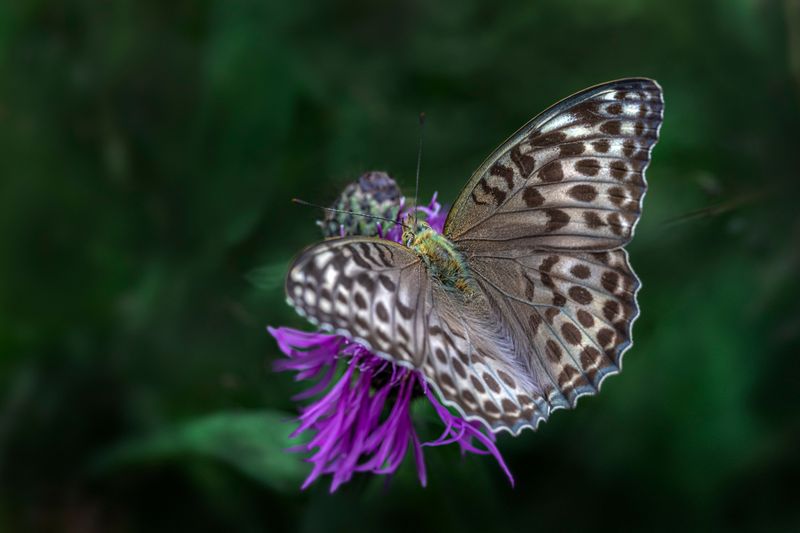
Pesticides are one of the biggest overlooked threats to butterfly populations in home gardens. Even products labeled as safe can cause serious harm.
Systemic insecticides are especially dangerous. They get absorbed into every part of a plant, including the nectar and leaves that butterflies and caterpillars consume.
Neonicotinoids are a class of systemic pesticides found in many common garden products. Research on pollinators has linked them to impaired navigation, reproduction, and survival in some Lepidoptera species.
The tricky part is that many nursery plants have historically been pre-treated with systemic pesticides before sale, a practice that varies by retailer and region. You bring them home thinking they are safe, but they are not.
Even organic pesticides like spinosad can harm caterpillars if applied carelessly. Timing and target matter more than the label says organic or natural.
Broad-spectrum sprays do not distinguish between pests and beneficial insects. Caterpillars are soft-bodied and extremely vulnerable to chemical exposure.
Neighboring yards are also a concern. Pesticides drift on the wind and can contaminate your garden even when you did not spray a drop.
The surprising reason butterflies are avoiding your garden might literally be in the air around you. A drift problem is harder to fix but worth investigating.
Switching to integrated pest management, or IPM, can help you protect plants without harming pollinators. Tolerance for a little leaf damage goes a long way toward keeping butterflies safe and happy.
The Problem With Hybrid Showy Flowers
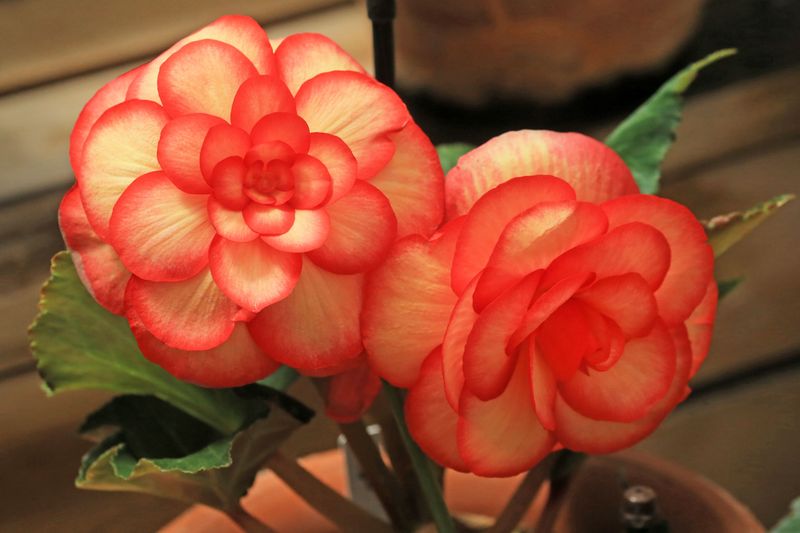
Those perfectly round, fluffy double blooms are popular at garden centers for their appearance. But butterflies often cannot access the nectar inside them at all.
Hybrid flowers are bred for visual appeal, not for wildlife. The process of creating showier petals often removes or blocks the nectar and pollen that insects need.
Double-flowered varieties like double impatiens or double petunias have so many extra petals that the flower’s center becomes inaccessible. Butterflies need a clear landing pad and a short path to nectar.
Sterile hybrids are another issue. Because they were bred not to set seed, many also produce reduced nectar or pollen, though the two traits aren’t the same thing.
Some hybrid plants also lack the scent cues that help butterflies locate flowers from a distance. Fragrance is a key signal that food is available nearby.
Native and heirloom varieties hold the advantage here. They have been shaped by evolution to attract pollinators and offer genuine rewards for visiting insects.
Simple, open-faced flowers like coneflowers, black-eyed Susans, and native asters tend to be more useful to butterflies than showier hybrid varieties. Their architecture makes feeding easy and efficient.
Swapping even a few hybrid plants for native species can noticeably increase butterfly activity. Beauty and function do not have to be opposites in your garden.
Choose flowers that work as hard as they look, and you’re likely to see more winged visitors than a catalog-perfect flower bed typically attracts.
Simple Fixes To Make Your Garden Butterfly-Friendly
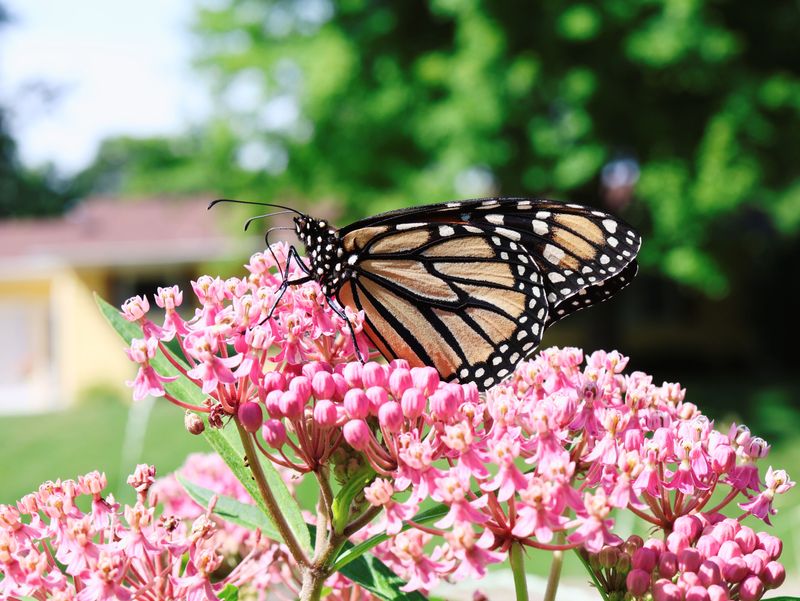
Turning your garden into a butterfly haven does not require a total overhaul. A few smart additions can noticeably improve butterfly activity over time.
Start by adding one or two host plants specific to butterflies common in your region. Milkweed for monarchs and parsley for swallowtails are excellent starting points.
Flat stones placed in sunny spots give butterflies a place to bask and warm their wings. Cold butterflies cannot fly well, so warming stations are genuinely helpful.
A shallow dish of wet sand or mud serves as a puddling station. Butterflies gather minerals and salts from moist soil, and they will return to a reliable source.
Reduce or avoid pesticide use in areas where you want to attract butterflies. Even skipping one spray cycle during peak season can help caterpillar populations recover.
Let a corner of your yard go a little wild. Leaf litter, tall grasses, and native weeds provide shelter and overwintering spots for pupae and adults alike.
Group plants in clusters rather than spreading them out. Butterflies see patches of color from a distance and are drawn to larger masses of blooms.
Add water nearby, but keep it shallow. A birdbath with a few pebbles works perfectly as a landing and drinking zone for thirsty visitors.
The surprising reason butterflies are avoiding your garden is fixable, one plant and one small habit at a time. Start now, and next summer’s results may look noticeably different.