The Reason Tufted Titmice Are Being Seen More In North Carolina Yards This December
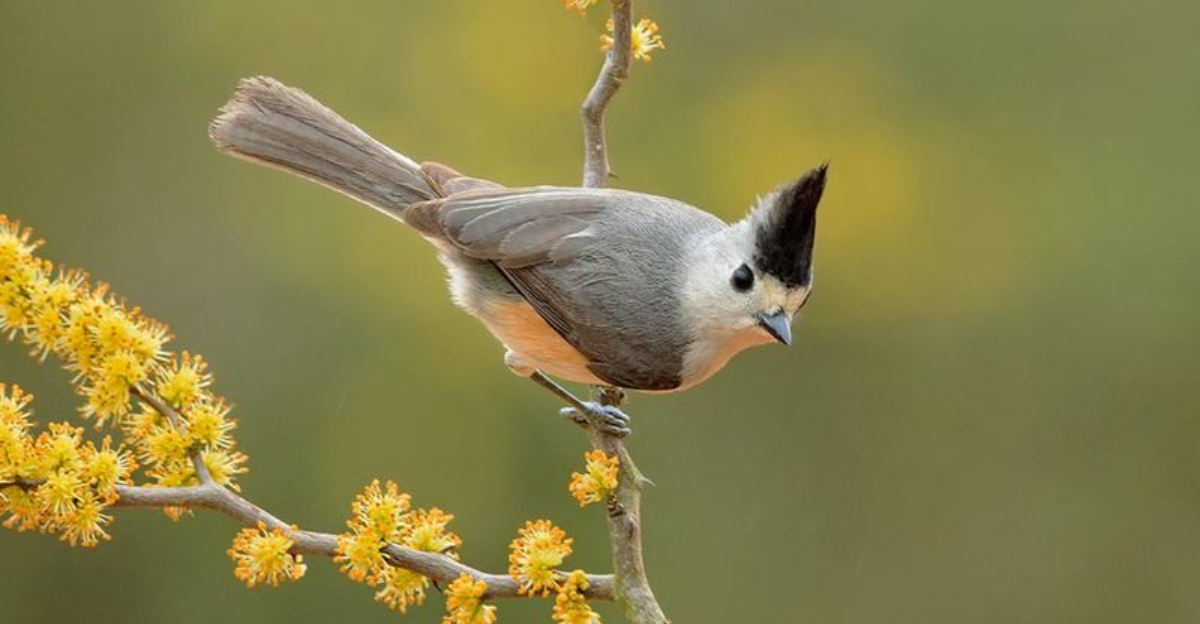
Cold mornings across North Carolina bring small gray guests closer to home.
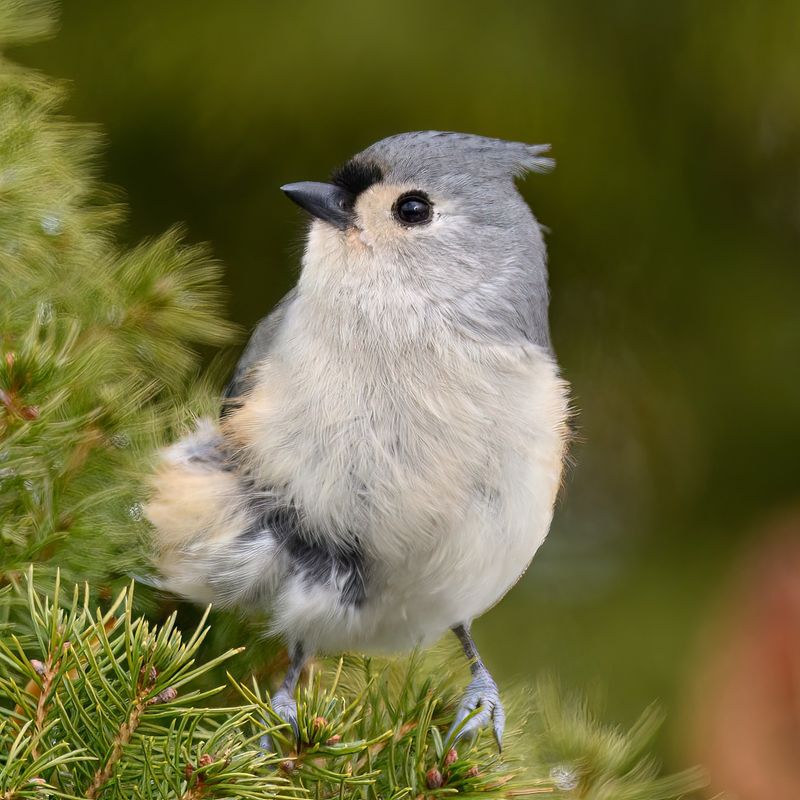
Tufted titmice now hop from fence to feeder, bold as brass, bright eyes full of nerve.
December chill tightens food supplies in woods, so yards turn into safe bets.
Feeders offer seed, suet, and steady reward, while leaf piles hide insects worth the risk.
Suburban growth adds edge habitat, and mild spells keep birds active later into the year.
These quick minds learn fast and follow opportunity like a compass needle.
For homeowners, the visit feels like a lucky charm, a flash of life on short days.
With simple choices, yards can serve as winter havens, where soft whistles replace silence and nature meets daily life at arm’s reach for curious local birders.
1. Winter Food Scarcity Drives Them To Feeders
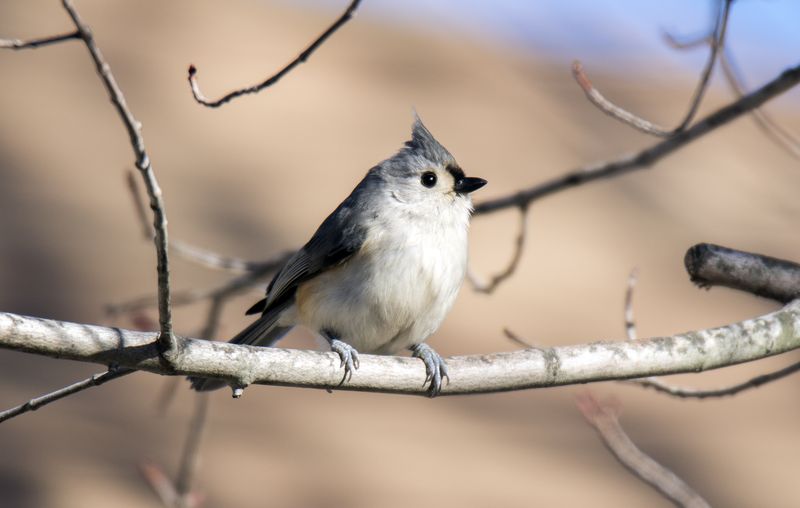
Natural food sources become harder to find as December temperatures drop across North Carolina.
Insects hide away or become dormant, and many seeds get buried under fallen leaves or consumed by other wildlife.
Tufted Titmice need consistent energy sources to maintain their body heat during cold nights.
Backyard bird feeders offer reliable meals when wild options grow scarce.
Sunflower seeds, peanuts, and suet cakes provide the fat and protein these birds require.
Homeowners who keep their feeders stocked notice more frequent visits throughout the day.
The birds remember which yards offer good food and return regularly.
Their bold personalities make them comfortable approaching feeders even when people are nearby.
This survival strategy helps them conserve energy that would otherwise be spent searching for scattered natural food.
Observers enjoy watching their acrobatic feeding habits and hear their distinctive calls as they announce their presence.
The combination of need and opportunity creates perfect conditions for increased sightings during December.
Yards with multiple feeder types attract even more attention from these clever birds.
2. Mild Early Winter Temperatures Encourage Activity
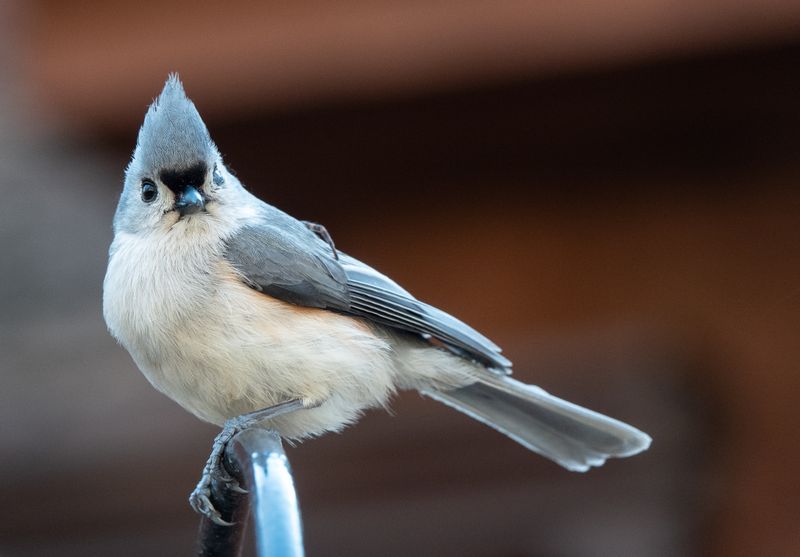
December 2023 brought unusually warm days to many parts of North Carolina, creating ideal conditions for bird activity.
Tufted Titmice stay more active when temperatures remain above freezing for extended periods.
Warmer weather means they spend less energy just staying warm and more time foraging and exploring.
These birds naturally become more visible when comfortable conditions encourage movement between trees and feeders.
Cold snaps force many species to hunker down and conserve energy, but mild spells do the opposite.
Residents notice increased singing and calling during these pleasant December days.
The birds travel farther from their core territories when weather permits safe exploration.
This expanded range brings them into yards they might avoid during harsher conditions.
Morning hours see particularly high activity as birds take advantage of warming sunshine.
The extended comfortable periods also mean longer feeding windows throughout each day.
Climate patterns that delay the arrival of bitter cold keep these energetic birds in constant motion.
Backyard observers benefit from this increased activity with more opportunities to watch their behaviors.
3. Increased Backyard Bird Feeding During Holidays
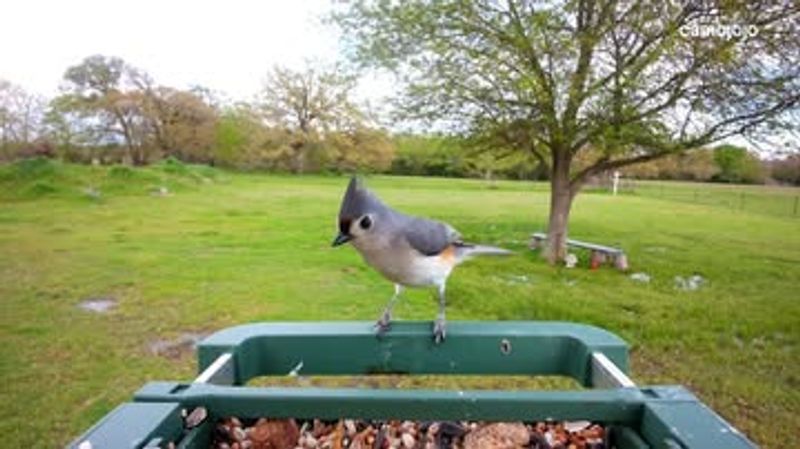
December brings many families together, and holiday preparations often include filling bird feeders as part of yard decorations.
More people spend time at home during the season and notice their outdoor spaces need attention.
Garden centers and stores promote bird feeding supplies as gift ideas and seasonal activities.
This surge in feeder installation creates new food stations that attract Tufted Titmice to neighborhoods.
Birds quickly discover these fresh resources and spread the word to others through their social behaviors.
Families enjoy watching wildlife while gathered indoors for holiday celebrations.
Children home from school have time to observe and report sightings to excited adults.
The combination of more feeders and more observers creates the impression of increased bird populations.
Reality shows that birds concentrate where food appears rather than actual population growth.
Neighborhoods that previously had few feeders suddenly become bird hotspots when several homes participate.
Tufted Titmice benefit greatly from this seasonal generosity and adjust their daily routes accordingly.
The tradition of winter bird feeding strengthens each year as families share their experiences.
4. Natural Mast Crop Failures Push Birds To Suburbs
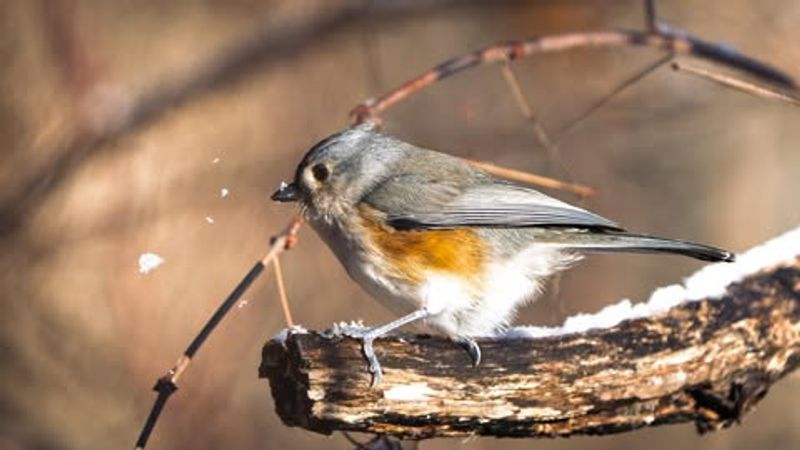
Some years produce abundant acorns, beechnuts, and other tree seeds, while others yield very little.
2023 saw poor mast production across many North Carolina forests due to spring weather patterns.
Tufted Titmice depend heavily on these natural seed crops during winter months
When forests fail to provide adequate food, birds must look elsewhere for survival.
Suburban and urban yards become essential feeding grounds during these shortage years.
The birds venture farther from wooded areas than they would during abundant years.
Oak trees that normally drop thousands of acorns produced only scattered crops this season.
This ecological reality forces wildlife to adapt by seeking human-provided resources.
Experienced birders recognize these patterns and anticipate higher feeder traffic during poor mast years.
The phenomenon affects many species, but Tufted Titmice are particularly noticeable due to their bold behavior.
Their willingness to approach human structures makes them stand out among shyer forest birds.
Understanding these natural cycles helps explain why some winters bring more visitors than others.
5. Population Growth From Successful Breeding Seasons
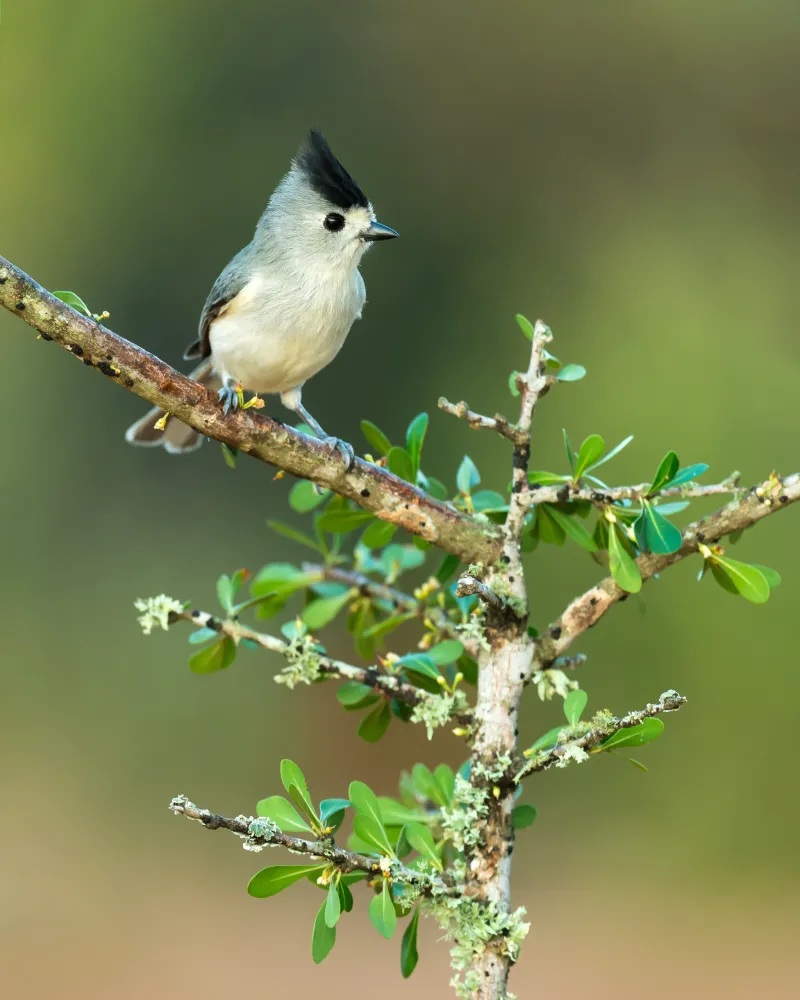
Spring and summer 2023 provided excellent conditions for Tufted Titmice to raise their young successfully.
Mild weather and abundant insects meant more chicks survived to adulthood than in typical years.
By December, these juvenile birds had matured and joined the population seeking winter food sources.
A single successful breeding season can significantly increase local bird numbers.
Young Tufted Titmice explore new territories as they establish their own ranges.
This dispersal brings them into yards that may not have hosted them before.
Healthy populations produce more visible birds across all habitats, including residential areas.
The species benefits from nesting boxes and natural cavities protected by conservation-minded homeowners.
Predator control and reduced pesticide use also contribute to higher survival rates.
As populations grow, birds become more tolerant of each other and share feeding areas.
What appears as sudden increases may actually reflect gradual population growth becoming noticeable.
Birdwatchers celebrate these signs of thriving local ecosystems and healthy bird communities.
6. Social Flocking Behavior Makes Them More Noticeable
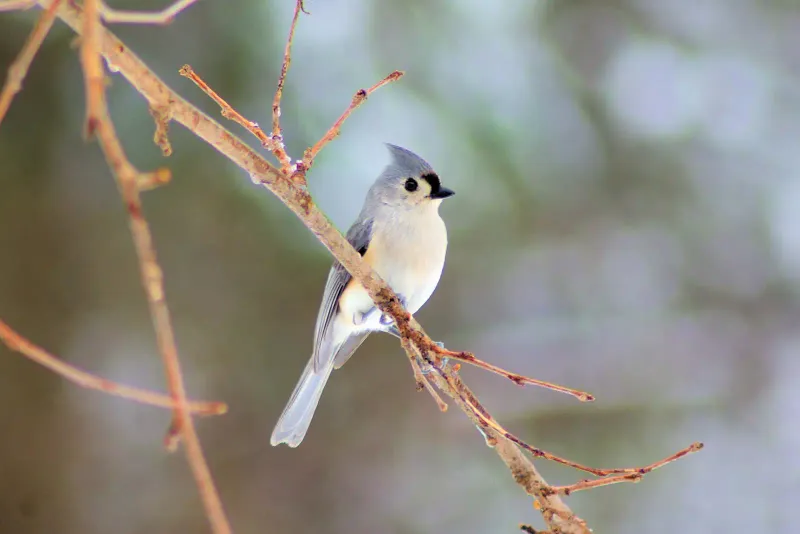
Tufted Titmice join mixed-species flocks during winter months for better survival.
These groups include chickadees, nuthatches, woodpeckers, and other small birds.
Traveling together provides more eyes to watch for predators and locate food sources.
When a flock discovers a well-stocked feeder, multiple birds arrive at once.
This creates dramatic sightings that catch the attention of yard owners.
The titmice often act as flock leaders, calling loudly to communicate with group members.
Their vocalizations draw human attention even before the birds become visible.
A single bird might go unnoticed, but a flock of six to ten creates memorable encounters.
These social groups move through neighborhoods on regular routes, visiting productive yards repeatedly.
Observers who learn the flock schedule can predict when birds will appear.
The cooperative behavior also makes the birds bolder around human activity.
Flocking peaks during the coldest months, making December prime time for impressive group sightings.
7. Habitat Loss Concentrates Birds In Remaining Green Spaces
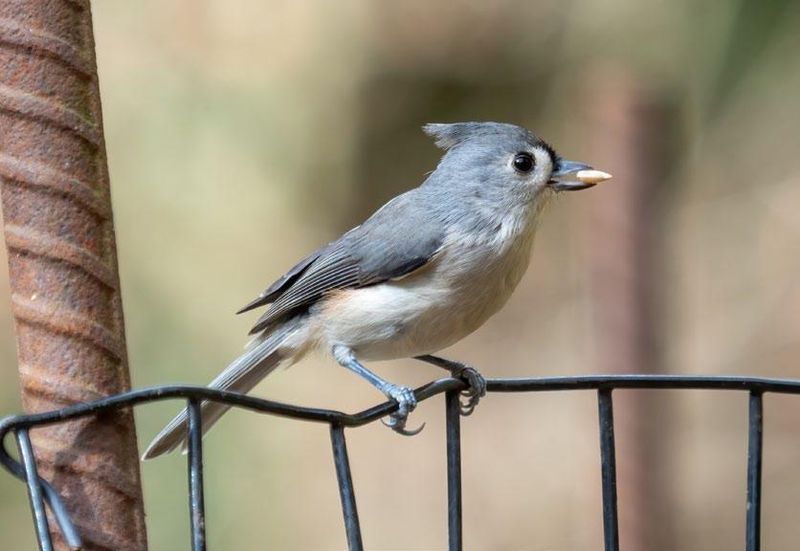
North Carolina continues experiencing rapid development as new neighborhoods replace former woodlands and fields.
Construction projects eliminate traditional bird habitats, forcing wildlife into smaller remaining areas.
Mature yards with trees and feeders become islands of habitat surrounded by newer developments.
Tufted Titmice concentrate in these refuges, making them appear more numerous than before.
The birds actually face habitat loss, but their visibility increases in the spaces they still occupy.
Homeowners in established neighborhoods notice more birds as surrounding wild areas disappear.
This pattern particularly affects suburban edges where development meets forest.
Birds that once spread across larger territories now compress into available habitat patches.
Yards that maintain native plants and mature trees become critical survival spots.
The phenomenon creates both challenges for conservation and opportunities for backyard birding.
Residents can help by preserving trees, planting native species, and providing supplemental food.
Understanding this context makes bird sightings both enjoyable and a call to protect remaining green spaces.
8. Water Sources Attract Birds During Dry Periods
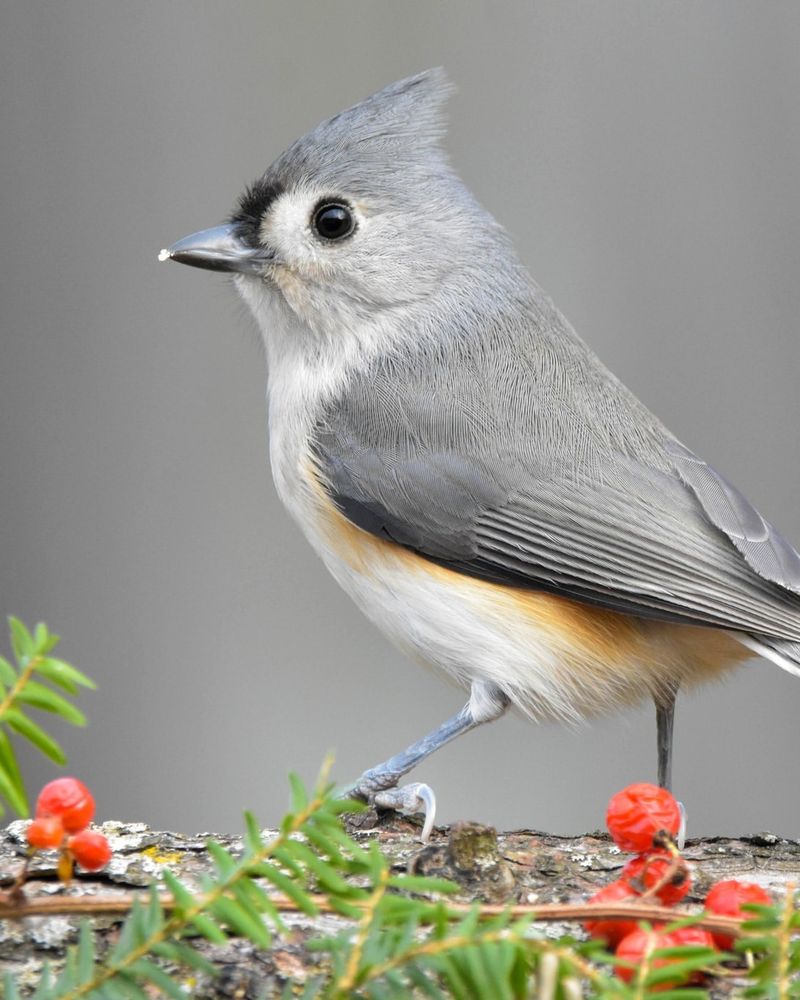
December can bring surprisingly dry conditions to North Carolina, especially during mild winters.
Natural water sources like streams and puddles freeze during cold snaps or dry up between rain events.
Tufted Titmice need daily water for drinking and maintaining their feathers.
Heated bird baths and open water features become magnets for thirsty birds.
Yards with reliable water sources attract more birds than those offering only food.
The sound of moving water from fountains or drippers carries far and draws birds from surrounding areas.
Birds remember dependable water locations and visit them regularly throughout winter.
A single bird bath can serve dozens of individual birds each day.
Observers stationed near water features enjoy close-up views as birds approach to drink and bathe.
Even during cold weather, birds maintain their feathers through careful bathing and preening.
The combination of food and water in one yard creates ideal conditions that birds prefer.
Simple additions like shallow dishes with fresh water can dramatically increase bird activity.
9. Enhanced Observation Tools And Social Media Awareness
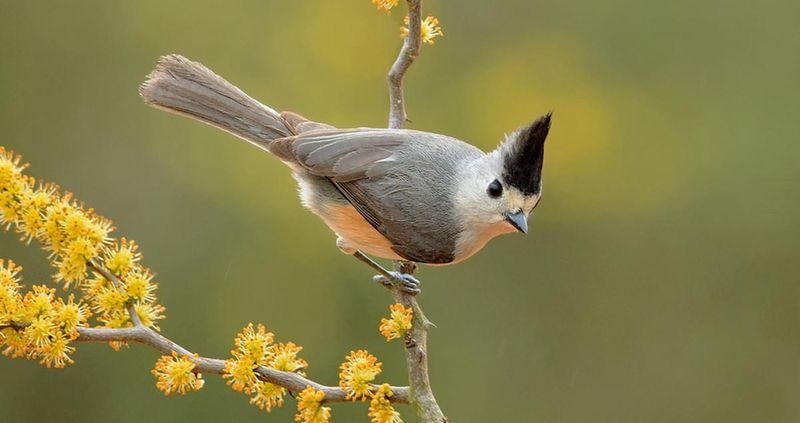
Modern technology makes bird watching easier and more popular than ever before.
Smartphone cameras allow people to capture and share bird sightings instantly on social media.
Bird identification apps help newcomers recognize species they might have previously ignored.
Online communities celebrate sightings and encourage members to watch their own yards more carefully.
What once went unnoticed now becomes documented and shared with hundreds of fellow enthusiasts.
This increased awareness creates the impression that more birds are present.
Reality shows that observation efforts have increased rather than actual bird populations.
Citizen science projects like eBird encourage regular monitoring and reporting of backyard species.
People spend more time actively watching feeders when they know others appreciate their observations.
The social aspect transforms casual bird watching into engaging hobby communities.
Tufted Titmice, with their photogenic crests and approachable nature, become social media favorites.
This positive feedback loop encourages more people to set up feeders and report what they see.
10. Range Expansion Due To Climate Change Patterns
Long-term climate trends have gradually shifted bird ranges across North America.
Tufted Titmice historically preferred more southern regions but now thrive farther north.
North Carolina sits in the heart of their expanding range, benefiting from increasing populations.
Warmer winter temperatures allow these non-migrating birds to survive in areas once too harsh.
The species has steadily moved northward over the past several decades.
Scientific studies document this expansion through decades of bird count data.
Areas that rarely saw titmice thirty years ago now host them year-round.
North Carolina provides ideal conditions with mixed forests, suburban habitats, and mild winters.
The state supports both established populations and newcomers from farther south.
Climate change creates winners and losers among wildlife, and titmice currently benefit from warming trends.
Their adaptability to human-modified landscapes helps them take advantage of new opportunities.
Birders in the state witness this ecological shift firsthand through increased December sightings and year-round presence.