The Repotting Method Michigan Gardeners Use For Bigger Amaryllis Blooms
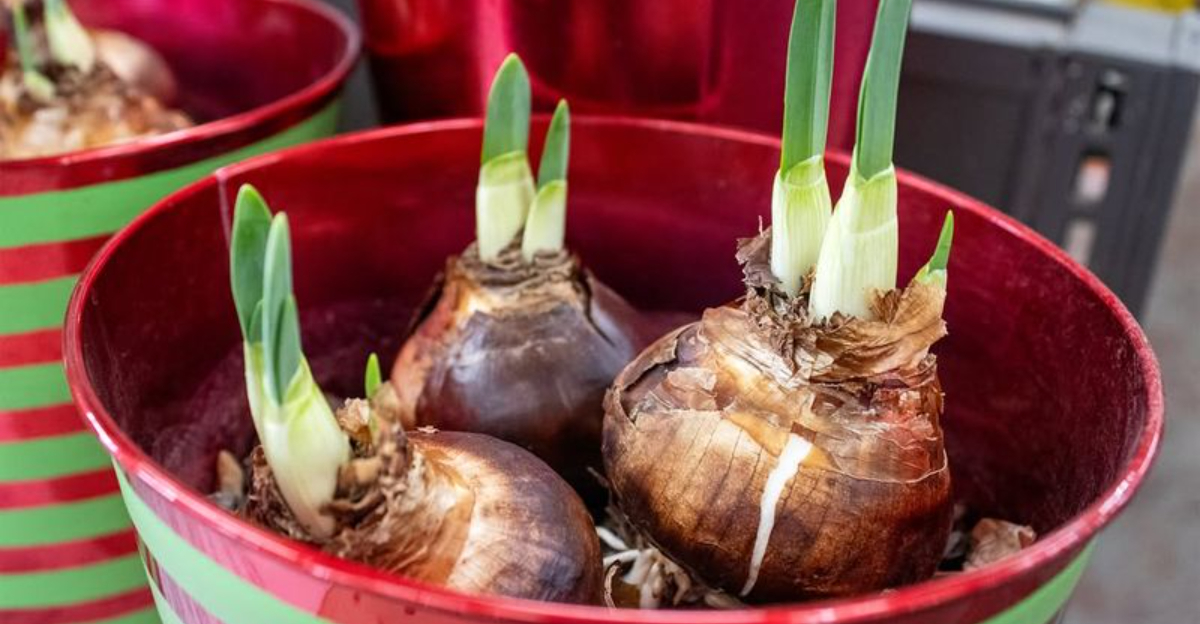
Michigan gardeners know patience like a virtue and winter like an old adversary—which is why the amaryllis has become a cold-season favorite.
But this year, something’s different.
Blooms are bigger, bolder, and stopping people in their tracks, thanks to a repotting method that’s quietly making the rounds.
At first glance, it sounds simple enough, but as any seasoned gardener will tell you, the devil’s in the details.
From choosing the right pot size to letting the bulb sit just proud of the soil, this technique gives the amaryllis exactly what it wants—no more, no less.
The result? Stronger stems, fuller flowers, and blooms that feel downright theatrical.
For gardeners staring out at frozen beds and snow-covered soil, this method offers a small but mighty victory.
It’s proof that even in the dead of winter, growth is still possible—sometimes spectacularly so.
With the right timing and a little know-how, Michigan gardeners are coaxing tropical drama from a single bulb, reminding us all that a bit of care can turn quiet potential into a full-blown show.
Timing Repotting After Dormancy Ends
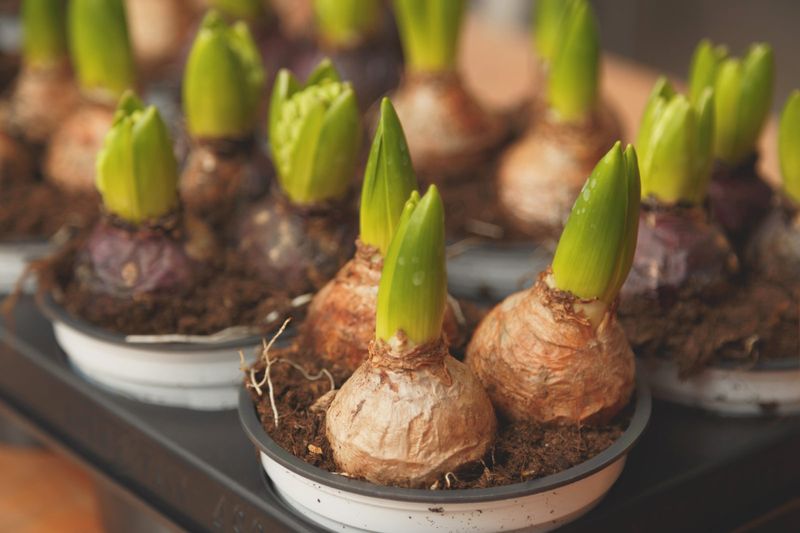
Patience pays off when it comes to repotting amaryllis bulbs.
Michigan gardeners know that waiting until dormancy ends and fresh green shoots appear gives the plant a major advantage.
Rushing the process while the bulb is still resting can drain stored energy and lead to smaller, weaker blooms.
Amaryllis bulbs spend their dormant period storing up nutrients and preparing for the next flowering cycle.
Once you see new growth emerging from the top of the bulb, that’s your signal that the plant is ready to invest energy into roots and flowers.
Repotting at this stage allows the bulb to settle into fresh soil just as it begins actively growing.
This timing ensures the roots can establish quickly without unnecessary stress.
In Michigan’s cooler indoor environments during late winter and early spring, this approach supports stronger stems and larger blooms.
Watching for that first sign of green growth takes only a moment each day, but it makes all the difference.
Gardeners who follow this simple timing rule consistently report taller flower stalks and more vibrant, oversized blossoms.
Let the bulb tell you when it’s ready, and you’ll be rewarded with a show-stopping display that brightens even the grayest Michigan day.
Choosing A Slightly Snug Pot
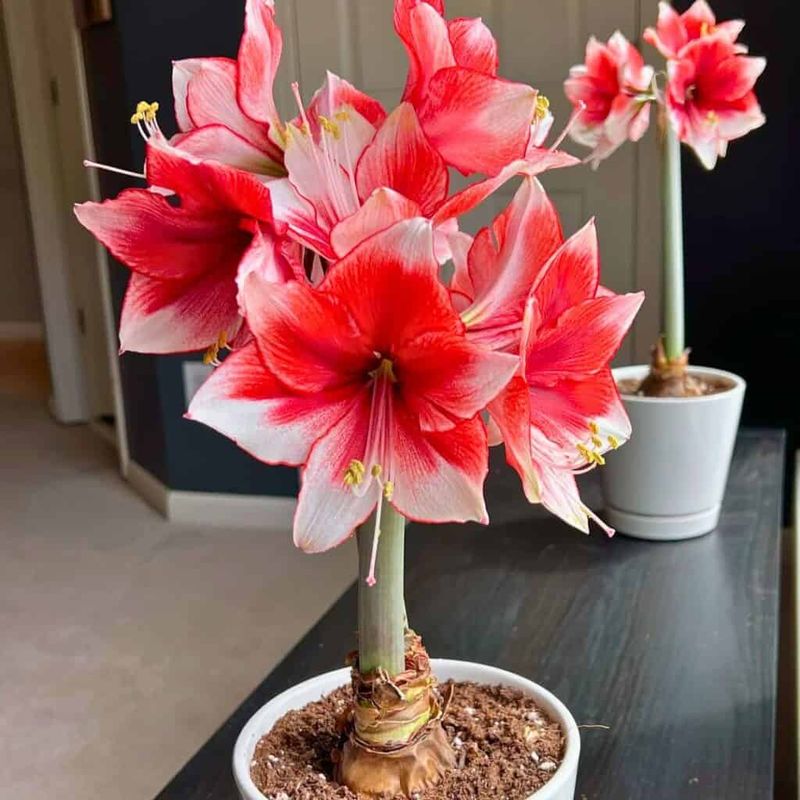
Bigger isn’t always better when it comes to pots for amaryllis.
Michigan gardeners have learned that keeping bulbs slightly root-bound actually encourages larger, more impressive blooms.
When an amaryllis has too much room to spread out, it focuses energy on growing roots instead of producing flowers.
Selecting a pot that’s only one to two inches wider than the bulb itself creates just the right amount of pressure.
This gentle confinement signals the plant to prioritize flowering over root expansion.
The result is taller stalks and bigger, bolder blossoms that steal the show.
A snug fit also helps the potting mix dry out more evenly, reducing the risk of soggy soil that can harm the bulb.
Measure your bulb’s diameter before shopping for a new container, and aim for that narrow margin of extra space.
Ceramic, terracotta, and heavy plastic pots all work well as long as they provide drainage holes.
Avoid the temptation to give your amaryllis a spacious home.
Tight quarters might seem uncomfortable, but they’re exactly what the plant needs to channel its energy into producing those stunning, oversized flowers.
Michigan gardeners swear by this trick, and once you see the results, you will too.
Using Heavy, Stable Containers
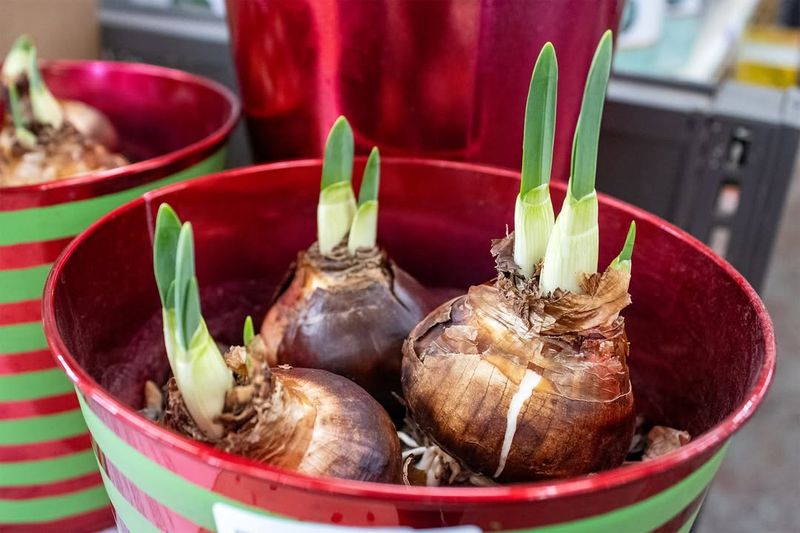
Amaryllis plants can become surprisingly top-heavy as their tall flower stalks reach for the sky.
Michigan gardeners know that a lightweight pot is a recipe for disaster when those massive blooms finally open.
Choosing a heavy, stable container prevents tipping and keeps your plant safe throughout its growth cycle.
Ceramic and clay pots are popular choices because they add weight and stability without taking up extra space.
These materials also help regulate soil moisture, which is especially helpful in heated Michigan homes during winter.
A sturdy base means you won’t have to worry about your amaryllis toppling over when the flowers reach full size.
Some gardeners even place a layer of small stones or gravel at the bottom of the pot for added weight.
This simple step can make all the difference when a four-foot flower stalk crowned with enormous blossoms starts to lean.
Stability also reduces stress on the bulb and roots, allowing the plant to focus energy on bloom production rather than trying to stay upright.
When you invest in a quality, heavy pot, you’re setting your amaryllis up for success from the start.
Michigan’s experienced growers wouldn’t dream of using flimsy containers, and neither should you if you want the biggest, most beautiful blooms possible.
Refreshing, Not Replacing, All The Soil
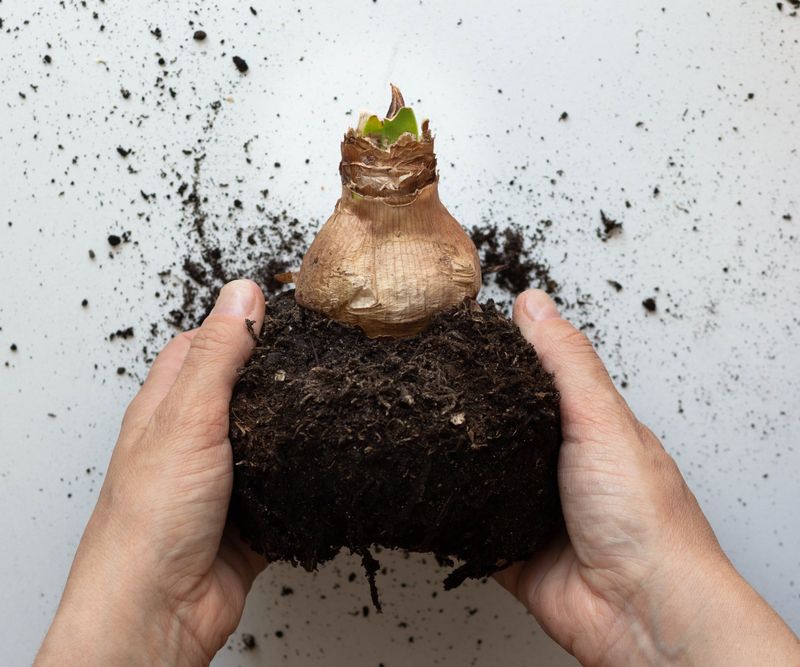
One of the best-kept secrets among Michigan amaryllis enthusiasts is the art of refreshing soil without stripping it all away.
Removing every bit of old potting mix can shock the plant and damage delicate root hairs.
Instead, gently shake off loose soil and replace only the tired, compacted material around the bulb.
This approach preserves the healthy root system while still providing fresh nutrients and improved drainage.
Amaryllis roots are surprisingly sensitive, and keeping some of the original soil helps them adjust to the new environment more quickly.
Michigan gardeners use their fingers or a small tool to carefully loosen the outer layer of soil, leaving the inner root ball mostly intact.
This method reduces transplant shock and allows the plant to bounce back faster after repotting.
Fresh potting mix around the edges gives the roots room to expand and access new nutrients just as the bulb prepares to bloom.
The result is stronger growth, healthier foliage, and significantly larger flowers.
Rather than viewing repotting as a complete overhaul, think of it as a gentle refresh that respects the plant’s existing root structure.
This technique takes a bit more care and attention, but the payoff in bloom size and plant health is well worth the effort.
Michigan’s most successful amaryllis growers rely on this balanced approach every single season.
Using Fast-Draining Potting Mix
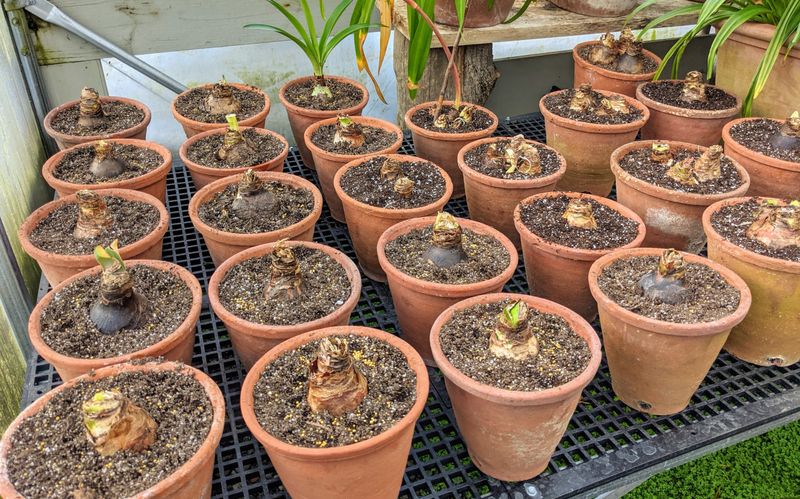
Amaryllis bulbs are incredibly sensitive to waterlogged soil, especially in Michigan’s indoor winter conditions.
Using a fast-draining potting mix is absolutely essential for preventing rot and promoting vigorous growth.
Michigan gardeners often blend standard potting soil with perlite, coarse sand, or orchid bark to improve drainage.
This combination allows water to flow through quickly while still retaining just enough moisture to keep roots hydrated.
Heavy, dense soil holds too much water and creates an environment where bulbs can soften and fail to bloom.
A light, airy mix encourages healthy root development and helps the bulb focus energy on producing those spectacular flowers.
When repotting, fill the container with your well-draining mix and gently settle the bulb into place.
Avoid packing the soil down too firmly, as this can reduce air circulation around the roots.
Proper drainage is even more important during Michigan’s cold months when indoor heating can create unpredictable humidity levels.
Well-draining soil also makes it easier to control watering, reducing the risk of overwatering mistakes.
Many experienced growers swear by adding a handful of perlite to every pot, ensuring that excess moisture never becomes a problem.
This simple step protects your bulb, supports robust growth, and sets the stage for the biggest, most vibrant amaryllis blooms you’ve ever seen.
Positioning The Bulb Above The Soil Line
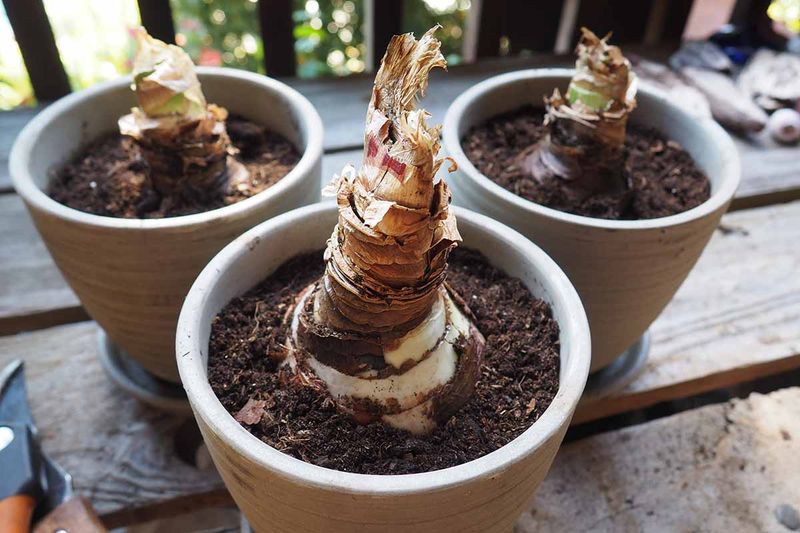
One of the most common mistakes new amaryllis growers make is burying the bulb too deeply.
Michigan gardeners know that leaving the top third of the bulb exposed is the key to preventing rot and encouraging bigger blooms.
When the bulb sits too far below the soil surface, moisture can collect around the neck and lead to serious problems.
Positioning the bulb so that its shoulders and upper portion remain above the soil line allows air to circulate freely.
This exposure helps the bulb stay dry and healthy, even in the humid conditions of a heated Michigan home.
It also makes it easier to monitor the bulb for any signs of softness or discoloration.
Proper positioning encourages the plant to direct energy upward into strong stems and large flowers rather than fighting off moisture-related stress.
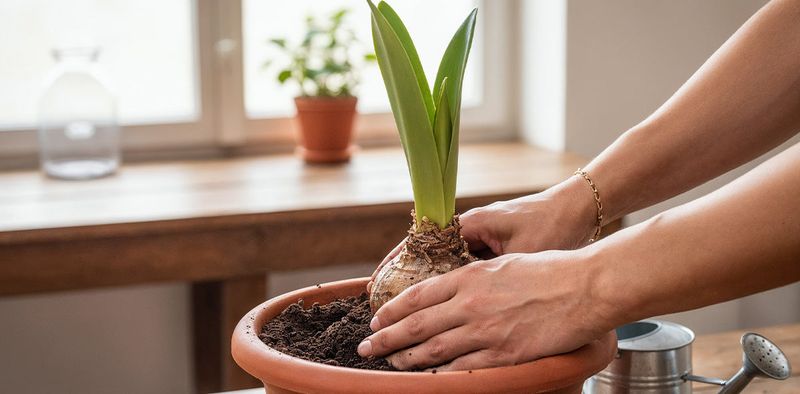
When repotting, settle the bulb into the pot and add soil around the sides, stopping well before you reach the top of the bulb.
The roots should be covered, but the upper portion should remain proudly visible.
This technique has been passed down through generations of Michigan gardeners because it works so reliably.
Exposed bulbs are healthier, bloom more consistently, and produce larger flowers year after year.
Trust this tried-and-true method, and you’ll see the difference in both plant health and bloom size.
Watering Lightly After Repotting
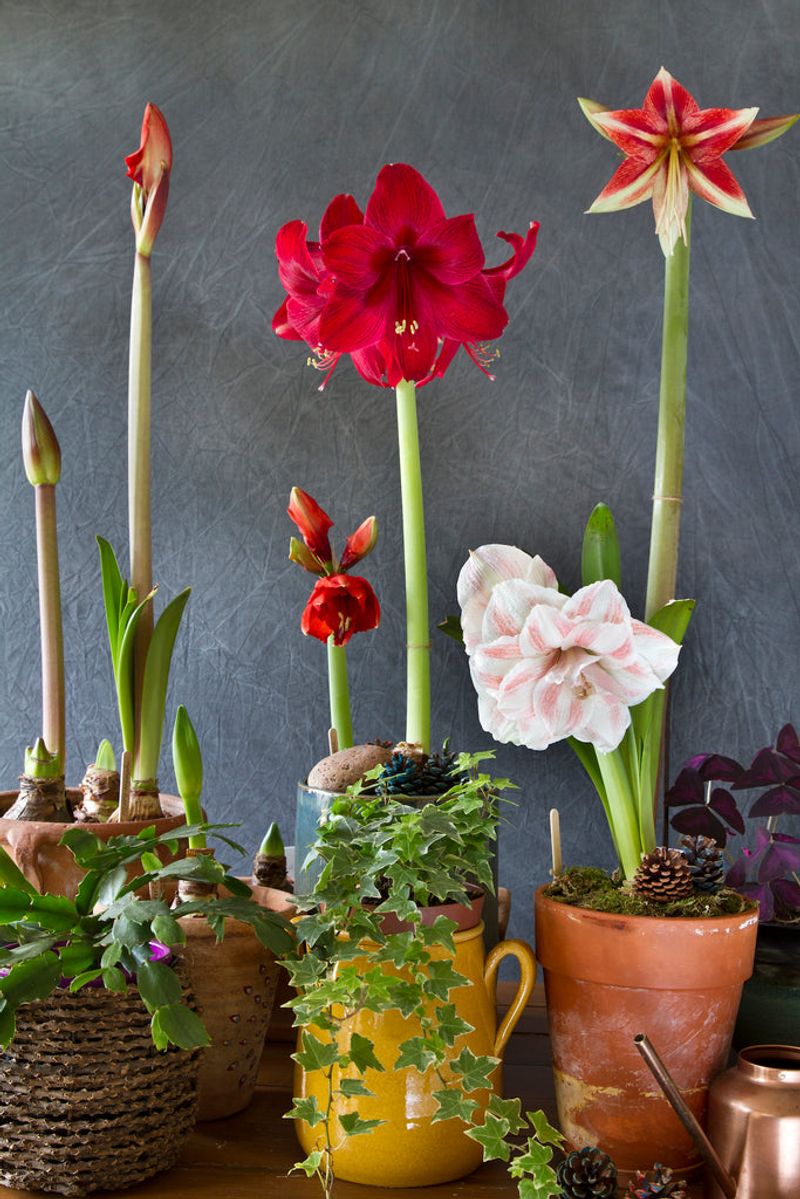
After repotting, the urge to give your amaryllis a generous drink can be strong, but restraint is key.
Michigan gardeners have learned that light watering immediately after repotting helps roots re-establish without risking bulb rot.
A newly repotted bulb needs time to settle into its fresh soil and begin growing new root hairs.
Too much water at this stage can overwhelm the roots and create soggy conditions that harm the bulb.
Instead, add just enough water to lightly moisten the potting mix, then wait for the soil to dry out slightly before watering again.
This approach encourages the roots to search for moisture, promoting stronger, more extensive root systems.
In Michigan’s cooler indoor temperatures during late winter and early spring, soil takes longer to dry out, making careful watering even more important.
Watch the bulb closely over the next few days and resist the temptation to water again until the top inch of soil feels dry to the touch.
Once you see active growth and the flower stalk begins to emerge, you can gradually increase watering frequency.
Light watering after repotting reduces stress, prevents rot, and gives the bulb the best possible start.
This simple technique is one of the most important steps in the Michigan method for growing bigger, healthier amaryllis blooms.
Patience and a gentle hand with the watering can make all the difference in your plant’s success.
Gradually Reintroducing Bright Light
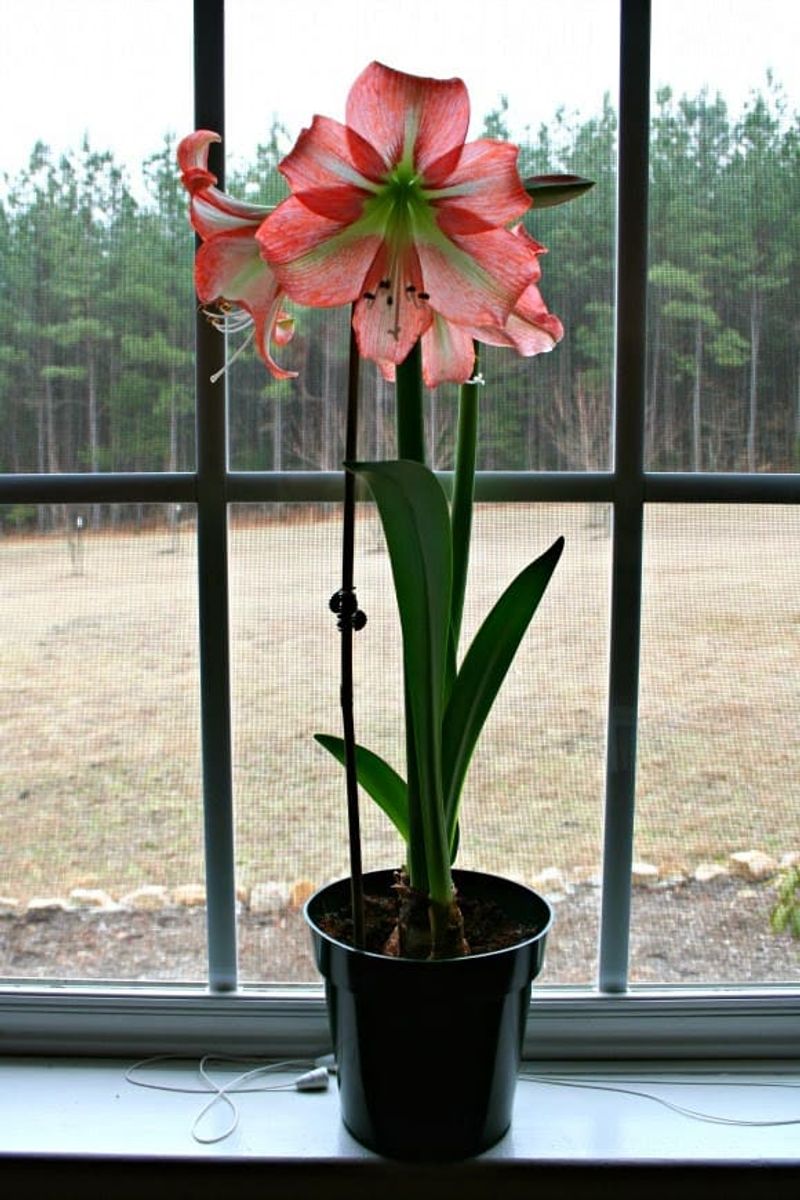
Light is essential for strong stems and large blooms, but too much too soon can stress a freshly repotted amaryllis.
Michigan gardeners use a gradual approach, starting with moderate light and slowly increasing exposure as the plant adjusts.
After repotting, place your amaryllis in a spot with bright, indirect light for the first few days.
This allows the roots to settle and the bulb to recover from any transplant stress without the added burden of intense sunlight.
Once you see new growth and the flower stalk begins to emerge, you can move the plant closer to a sunny window.
Bright light encourages sturdy, upright stems and helps the blooms develop their full size and vibrant color.
In Michigan, south-facing or east-facing windows work especially well during late winter and early spring.
Avoid placing the plant in direct, hot afternoon sun, as this can scorch the leaves and stress the bulb.
Rotate the pot every few days to ensure even growth and prevent the flower stalk from leaning toward the light.
Gradual light exposure reduces shock and supports healthy, balanced development.
This method gives the amaryllis time to adjust while still providing the bright conditions it needs to produce those spectacular, oversized blooms.
Michigan’s most successful growers swear by this patient approach, and the results speak for themselves in the form of towering, show-stopping flowers.
Delaying Fertilizer Until Growth Strengthens
Fertilizer is a powerful tool, but timing is everything when it comes to amaryllis.
Michigan gardeners wait until leaves and flower stalks are actively growing before adding any nutrients.
Applying fertilizer too early can push weak, leggy growth instead of channeling energy into large, healthy blooms.
After repotting, the bulb relies on its stored energy and the nutrients already present in fresh potting mix.
Giving the plant time to establish roots and begin growing naturally ensures that fertilizer boosts bloom size rather than causing imbalanced development.
Once you see strong green leaves and a sturdy flower stalk emerging, that’s the perfect time to introduce a balanced, water-soluble fertilizer.
Dilute the fertilizer to half strength and apply it every two to three weeks while the plant is actively growing.
This gentle feeding schedule supports robust blooms without overwhelming the bulb.
In Michigan’s indoor conditions, where light and temperature can vary, this careful approach prevents nutrient burn and promotes steady, healthy growth.
Delaying fertilizer also reduces the risk of soft, floppy stems that can’t support the weight of large flowers.
Experienced growers know that patience with feeding leads to stronger plants and bigger, more vibrant blossoms.
Follow this timing rule, and you’ll see your amaryllis reach its full potential, producing the kind of dramatic, oversized blooms that make Michigan winters feel a little warmer.