The Right Way To Grow Garlic In Ohio Gardens
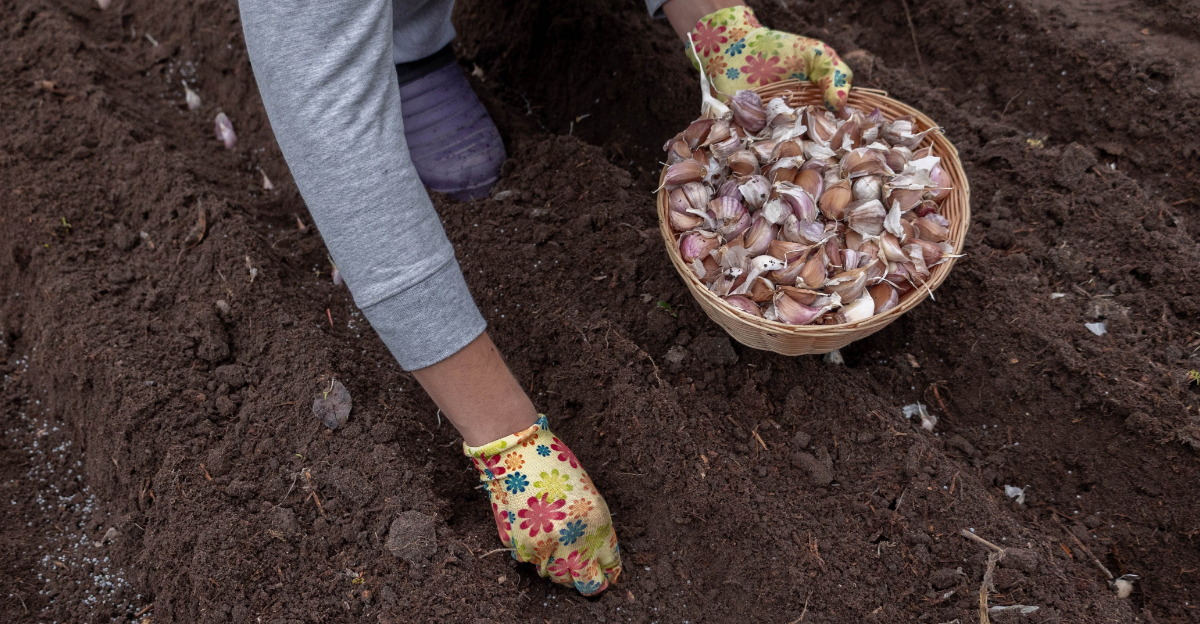
Garlic might seem like one of those set-it-and-forget-it crops, but many Ohio gardeners know it does not always turn out the way they hoped.
You plant cloves in fall, wait through winter, and then end up with small bulbs that do not quite match expectations. It can feel like something went off track, even when you followed the usual steps.
Ohio’s changing seasons play a big role in how garlic develops, from cold winter dormancy to the steady warm-up in spring. Timing, soil conditions, and even how you handle the plants early on can all influence the final harvest more than most people realize.
A few simple shifts at the right moments can lead to fuller bulbs and stronger growth. The difference often shows up at harvest time, when healthy plants deliver the kind of garlic that makes the effort feel worth it.
1. Pick Hardneck Garlic For Better Ohio Performance
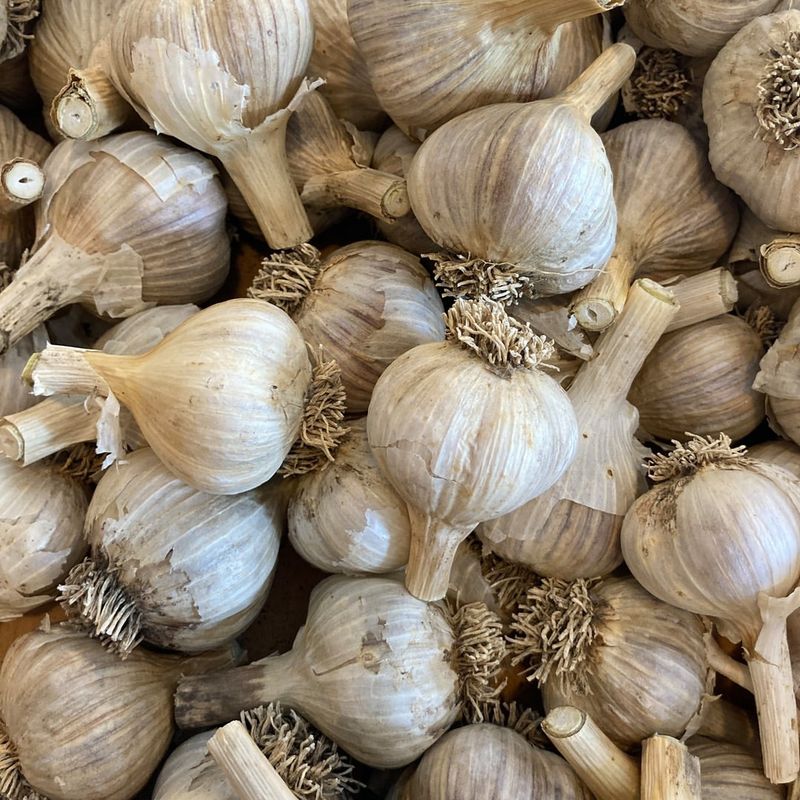
Not all garlic is created equal, and Ohio gardeners who skip the variety selection step often end up disappointed at harvest time. Hardneck varieties are the clear winner for Ohio’s climate, and for good reason.
They handle cold winters better than softneck types and tend to produce larger, more flavorful cloves that home cooks absolutely love.
Popular hardneck varieties like Music, Georgian Fire, and Georgia Crystal are well-suited to Ohio’s zone 5 and 6 growing conditions. Music garlic is especially popular among Ohio growers because it produces big, bold bulbs with a rich flavor that holds up well in cooking.
Georgian Fire brings a spicier kick, which makes it a favorite for garlic lovers who enjoy a little heat in their food.
Softneck garlic, the kind you usually find braided at farmers markets, can be less reliable in Ohio’s colder winters compared to hardneck types. It prefers milder climates and may not develop properly when temperatures drop hard in January and February.
Hardneck types, on the other hand, actually need that cold exposure to form full, well-developed bulbs.
When purchasing seed garlic, always buy from a reputable source rather than using grocery store garlic. Store-bought garlic is often treated to slow sprouting and may carry diseases that can affect your garden soil.
Local Ohio farm supply stores and online seed companies that specialize in garlic are your best bet for getting healthy, certified seed garlic ready to perform well in Ohio gardens.
2. Plant Garlic In Fall Instead Of Spring
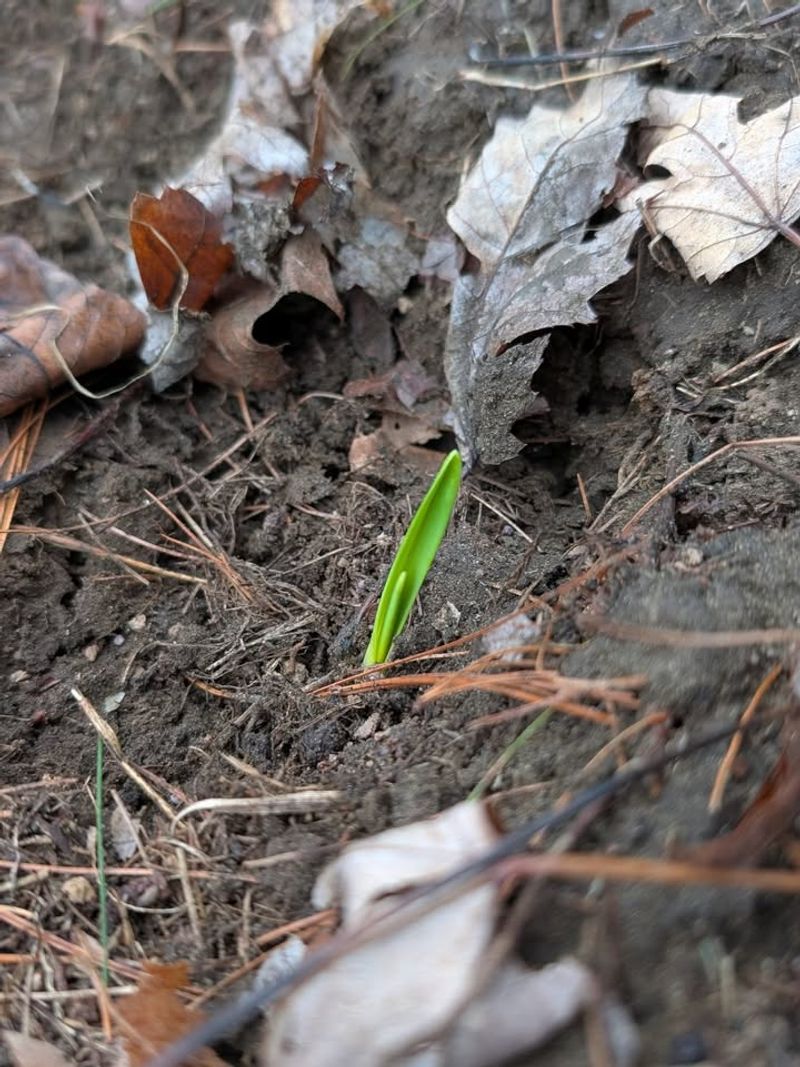
Timing is everything when it comes to garlic, and Ohio is one of those states where fall planting makes all the difference. Most vegetables go in the ground in spring, but garlic follows a different schedule that catches many new gardeners off guard.
Planting in fall gives the cloves time to settle in and grow roots before winter arrives.
In Ohio, the sweet spot for planting is between late October and early November. You want to get the cloves in the ground before a hard freeze locks the soil solid, but not so early that they sprout too much above ground before winter.
A few inches of green growth before the cold sets in is perfectly fine and totally normal.
The cold temperatures that Ohio winters bring are not a problem for hardneck garlic. In fact, that cold period triggers a process called vernalization, which is what tells the garlic plant to start forming a bulb come spring.
Without enough cold exposure, garlic may grow beautiful green tops but produce small, underdeveloped bulbs that are frustrating to harvest.
Spring-planted garlic in Ohio usually produces smaller bulbs and lower yields compared to fall-planted garlic. The growing season simply is not long enough for spring-planted cloves to go through all the stages they need.
Stick to fall planting, mark your calendar for late October, and you will set your Ohio garlic crop up for real success from day one.
3. Start With Full Sun And Well-Drained Soil
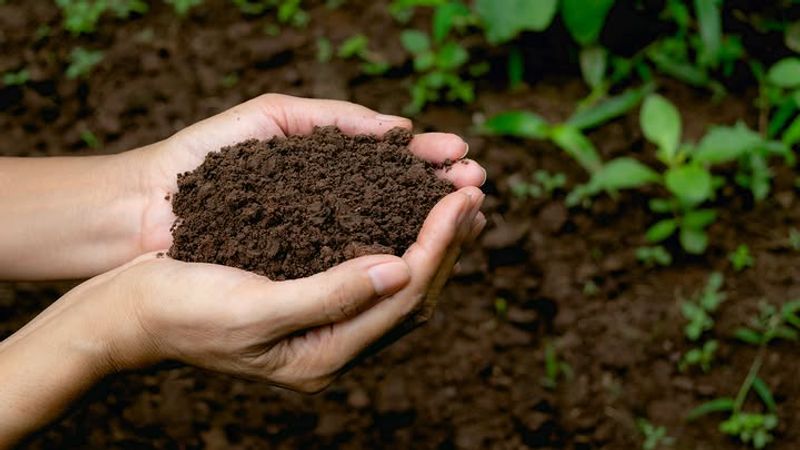
Garlic is a sun-lover through and through. Choosing a garden spot that gets at least six to eight hours of direct sunlight each day is one of the most important decisions you will make before planting a single clove.
In Ohio, where spring and early summer bring plenty of sunshine, picking the right location in your yard sets the stage for everything that follows.
Well-drained soil is just as critical as sunlight. Garlic bulbs sitting in soggy, waterlogged ground are prone to rotting before they ever get the chance to size up.
Ohio gardens can range from heavy clay soils in the central part of the state to sandier soils in other regions, so understanding what you are working with matters a lot.
If your Ohio garden has clay-heavy soil, mixing in generous amounts of compost before planting will make a big difference. Compost loosens the soil structure, improves drainage, and adds nutrients all at the same time.
Well-rotted manure is another excellent amendment that Ohio gardeners have relied on for generations to improve garden soil quality.
Raised beds are a fantastic option for Ohio gardeners dealing with drainage problems in their yard. Building a raised bed even just eight to ten inches high gives you full control over the soil mix and ensures water moves through freely.
Garlic planted in a well-built raised bed with quality soil almost always outperforms garlic planted in untreated, compacted ground anywhere across Ohio.
4. Test Your Soil Before Adding Fertilizer
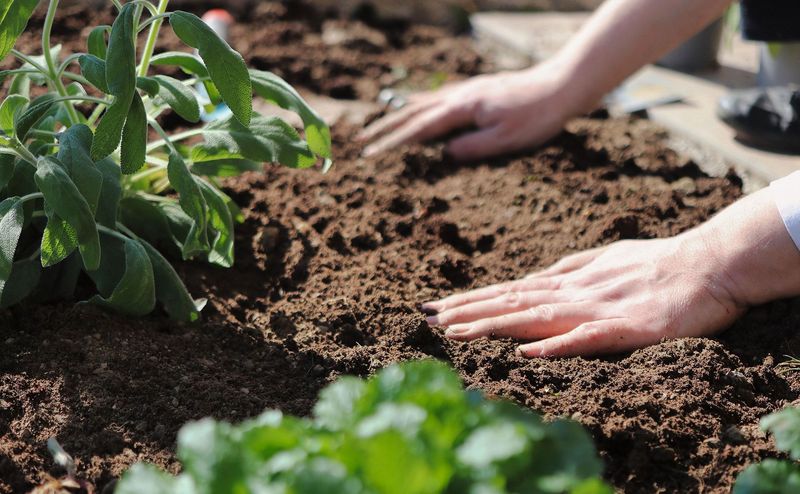
Guessing at what your soil needs is a recipe for wasted money and underwhelming garlic. Soil testing is a step that experienced Ohio gardeners swear by, even though beginners often skip it.
A simple test tells you the pH level of your soil and which nutrients are lacking, so you can fertilize with purpose instead of just hoping for the best.
Garlic grows best in soil with a pH between 6.0 and 7.0, which is slightly acidic to neutral. Ohio soils vary quite a bit across the state, with some areas trending more acidic and others being more alkaline depending on local geology and land use history.
Without a test, you are essentially flying blind when it comes to soil chemistry.
Ohio State University Extension offers affordable soil testing services that are a great resource for Ohio gardeners. You can also find reliable test kits at most garden centers across the state.
Either option will give you the information you need to make smart decisions about lime, sulfur, or fertilizer additions before you plant your garlic cloves.
If your soil test shows low nitrogen levels, adding a balanced fertilizer or compost in the fall before planting gives nutrients time to work into the soil. Garlic is a moderate feeder that appreciates good fertility but does not need heavy doses of synthetic fertilizer.
Working with your soil test results rather than against them is the smartest and most cost-effective approach for any Ohio garlic grower.
5. Space Cloves Properly For Bigger, Healthier Bulbs
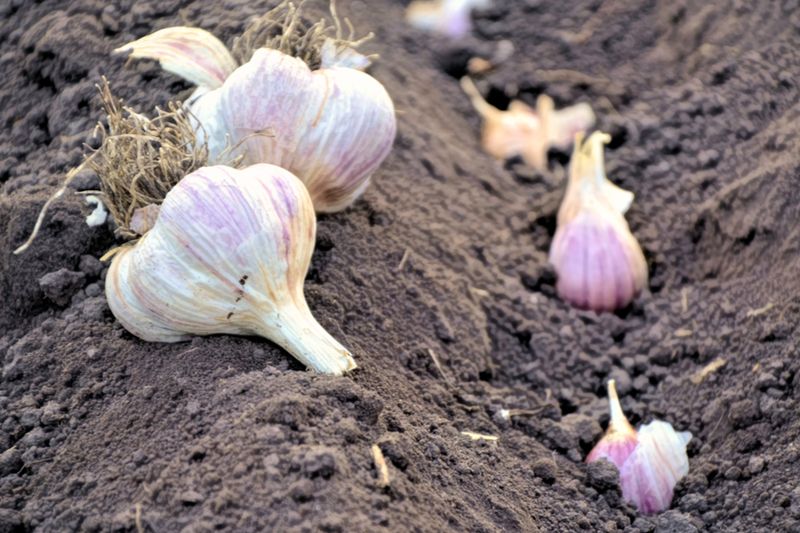
Crowding your garlic is one of the most common mistakes Ohio gardeners make, especially when they are excited about planting and want to fit as many cloves as possible into a small space. Garlic needs room to breathe and grow, and cloves planted too close together end up competing for nutrients, water, and sunlight in ways that shrink your final harvest.
The general rule of thumb is to plant each clove about four to six inches apart within the row. Rows themselves should be spaced twelve to twenty-four inches apart to give you room to walk between them and manage weeds throughout the growing season.
Following these spacing guidelines might feel like you are wasting space, but your bulbs will thank you come harvest time in July.
Each clove should be planted about two inches deep with the pointed tip facing upward. Planting too shallow leaves cloves vulnerable to frost heaving during Ohio’s freeze-thaw cycles in late winter and early spring.
Planting too deep can slow emergence and make it harder for the young plant to push through the soil when temperatures start to warm up in March and April.
Bigger cloves from your seed garlic will generally produce bigger bulbs, so it is worth separating out the largest cloves for planting and saving the smaller ones for cooking. This simple selection trick is something experienced Ohio garlic growers use season after season to gradually improve the quality and size of their harvest without spending extra money on new seed garlic every year.
6. Mulch With Clean Straw For Winter Protection
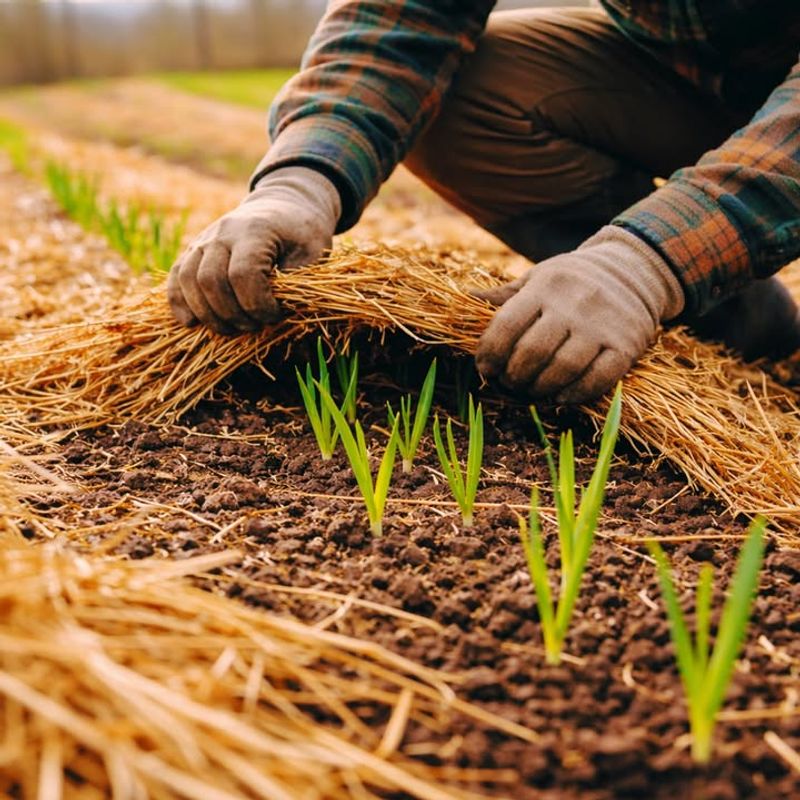
After all that work getting your garlic in the ground, the last thing you want is for an Ohio winter to freeze the cloves before they can establish themselves. A good layer of mulch is your best defense against the cold, and clean straw is the go-to material for garlic growers across Ohio and the entire Midwest.
It is affordable, easy to apply, and does the job beautifully.
Aim to lay down about three to four inches of clean straw over your garlic bed after planting. This layer acts like a cozy blanket, keeping soil temperatures more stable during the wild temperature swings Ohio winters are known for.
It also helps retain moisture and suppresses early weed growth, which gives your garlic a cleaner start in spring.
Make sure to use clean straw, not hay. Hay is full of weed seeds that will sprout in your garlic bed and cause headaches all season long.
Clean straw from a farm supply store is weed-seed-free and breaks down slowly enough to stay in place through Ohio’s winter winds and rain without blowing away or matting down too quickly.
When spring arrives and temperatures start climbing in Ohio, you can pull the straw back slightly to let the soil warm up faster. Many gardeners leave a thin layer in place as a light mulch to help with moisture retention and weed control through the growing season.
Either way, the straw you put down in fall has already done its most important job of protecting your cloves through the cold Ohio winter months.
7. Remove Scapes To Help Bulbs Size Up
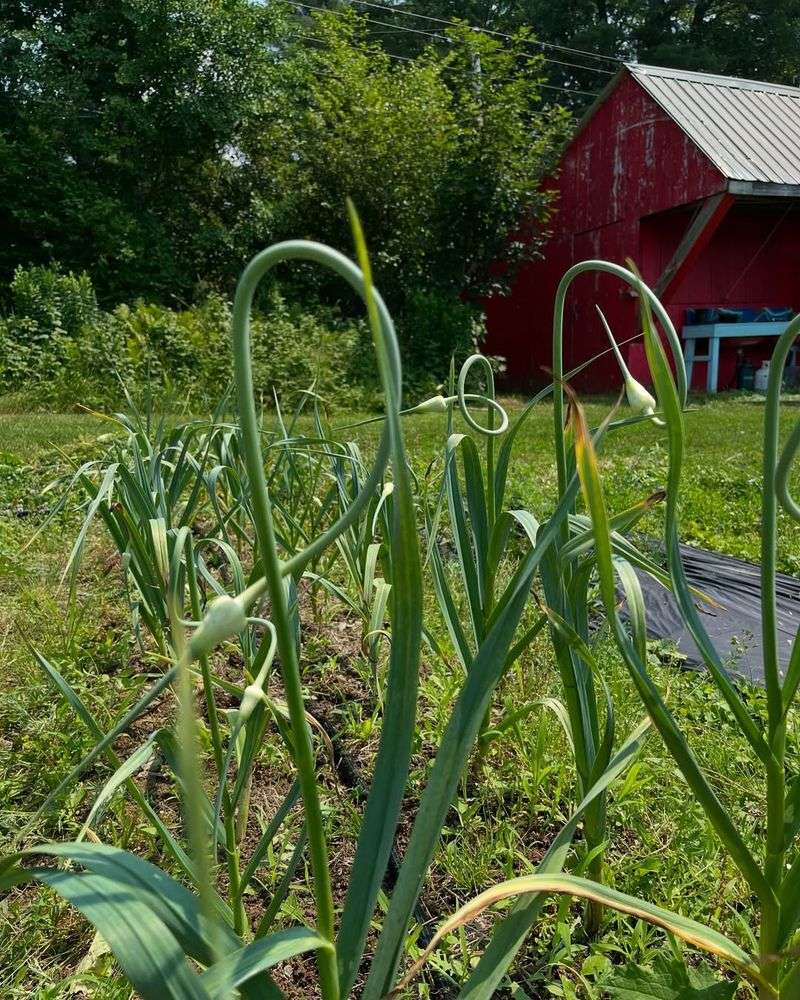
Somewhere around late May or early June, Ohio garlic gardeners get a fun surprise from their hardneck plants: scapes. These curly, bright green flower stalks spiral up from the center of the plant and look almost too pretty to cut.
But cutting them is exactly what you should do if you want your garlic bulbs to reach their full potential size.
Scapes are the garlic plant’s way of putting energy toward reproduction. If you leave them on the plant, they will eventually form a flower head and then tiny bulblets called bulbils.
All that reproductive effort pulls energy away from the underground bulb, which is the part you actually want to harvest and eat. Snipping the scape redirects that energy right back down into the bulb.
Cut the scape once it has made one full curl, which is usually when it looks like a loose loop or spiral. Use clean scissors or garden snips and cut it close to where it emerges from the leaves.
The good news is that scapes are completely edible and absolutely delicious, with a mild garlic flavor that works wonderfully in stir-fries, pestos, and pasta dishes.
Ohio farmers market vendors often sell scapes as a seasonal specialty in June, which tells you just how much people enjoy cooking with them. So removing scapes from your Ohio garden is not a sacrifice at all.
You get bigger bulbs underground and a tasty bonus harvest above ground, making it one of the most satisfying tasks of the entire garlic growing season.
8. Ease Up On Water As Harvest Nears
Watering garlic consistently through spring is important, but knowing when to back off is just as valuable a skill. As your Ohio garlic moves through June and heads toward its July harvest window, reducing irrigation is one of the smartest things you can do.
Too much water late in the season can increase the risk of bulb rot or splitting and may affect how well the wrappers hold during curing.
Garlic generally needs about an inch of water per week during its active spring growing period. Ohio springs are often rainy enough that you may not need to water much at all, which is a nice bonus.
Keep an eye on rainfall amounts and only supplement when the soil feels dry a couple of inches below the surface.
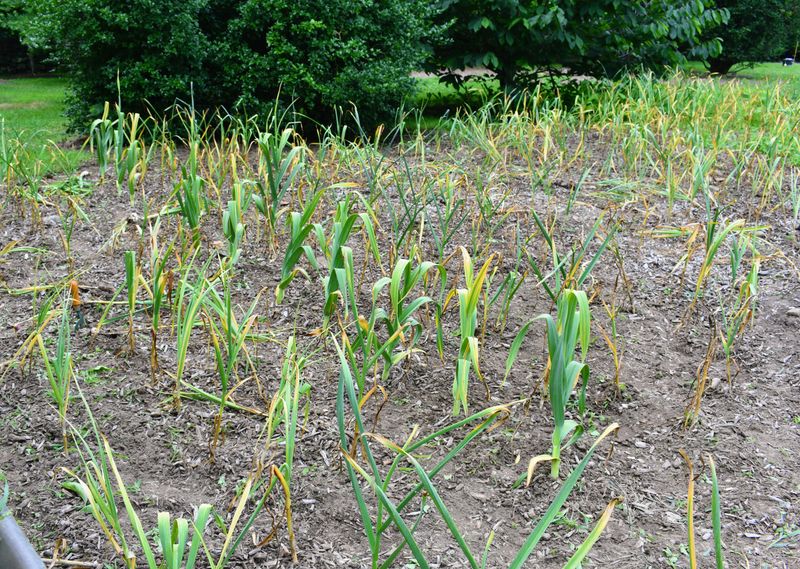
About two to three weeks before you plan to harvest, stop watering almost entirely. This dry-down period helps the outer wrapper leaves on the bulb tighten up and cure slightly while still in the ground.
Well-cured wrappers mean better storage life, which matters a lot if you want your Ohio-grown garlic to last through fall and into winter.
Garlic is ready to harvest when the lower three or four leaves have turned brown while the upper leaves are still mostly green. Each leaf corresponds to a wrapper layer on the bulb, so having some green leaves left means your bulb still has protective layers intact.
Use a garden fork to loosen the soil gently and lift bulbs without bruising them, then move them to a shaded, well-ventilated spot to cure for two to three weeks before storing.