The Right Way To Prune Azaleas In Georgia For Fuller Spring Blooms
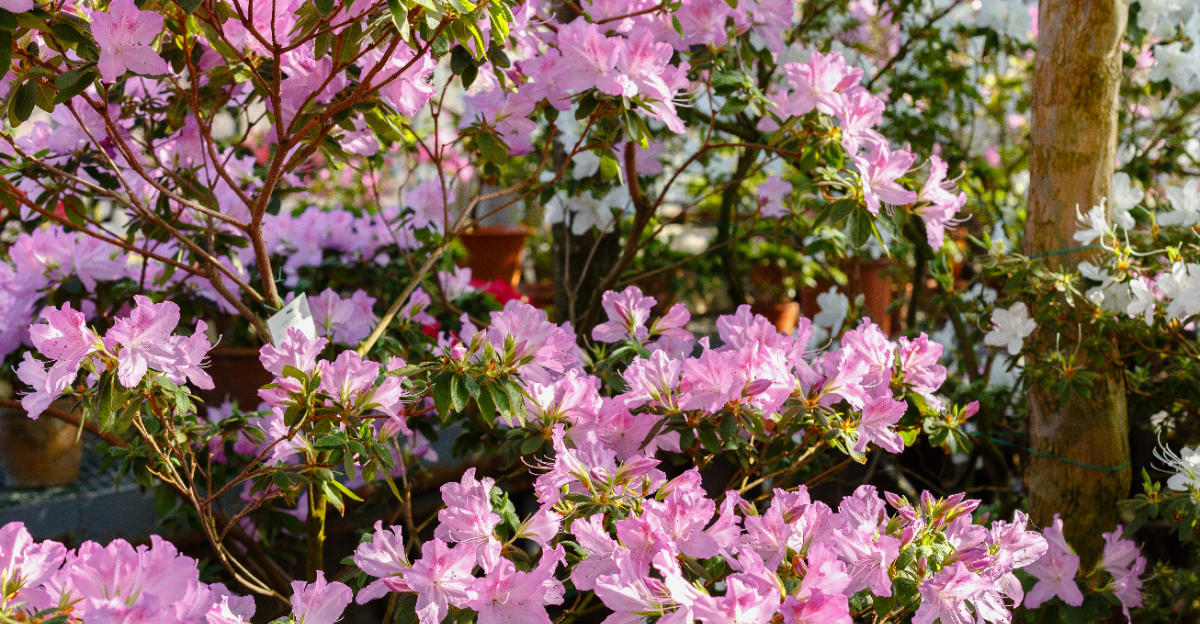
Azaleas are one of the plants that make Georgia spring feel like spring. Those clouds of pink, white, and red flowers show up all across yards, but the way they are pruned has a lot to do with how full they look the following year.
Many gardeners wait too long or cut them back at the wrong time and accidentally remove the buds that were meant to bloom next season.
The good news is that azaleas are actually pretty forgiving if you understand when and how to trim them.
In Georgia’s climate, timing and a few simple pruning habits make a big difference. A light, careful trim right after the flowers fade helps keep plants compact, encourages thicker growth, and sets the stage for an even better display next spring.
With the right approach, azaleas stay healthy, balanced, and covered in blooms instead of turning leggy and sparse.
1. Prune Azaleas Soon After Flowering Ends
Right after the last petal drops is your window, and it closes faster than most people realize. Azaleas in Georgia typically finish blooming anywhere from late March through early May, depending on the variety and where you live in the state.
Once those flowers fade, the plant immediately starts working on next year’s buds.
Waiting even a few extra weeks can mean those new buds are already forming when you pick up your pruners. Cut too late, and you are removing next spring’s blooms before they ever get a chance.
Pruning within two to three weeks after flowering ends gives the plant plenty of time to push out fresh growth and set strong buds before summer heat arrives.
Gardeners in North Georgia sometimes have a slightly longer window than those in the warmer southern parts of the state, but the rule stays the same. Watch the shrub, not the calendar.
When the color is gone and the petals have dropped, that is your cue to get moving.
Skipping a year of pruning is always better than pruning too late. If you missed the window this season, just wait until next spring.
Azaleas are forgiving that way, but only if you respect their natural schedule. Staying aware of your specific bloom time each year makes it much easier to catch that sweet spot and set your shrubs up for a spectacular show the following spring.
2. Remove Weak Or Crowded Branches First
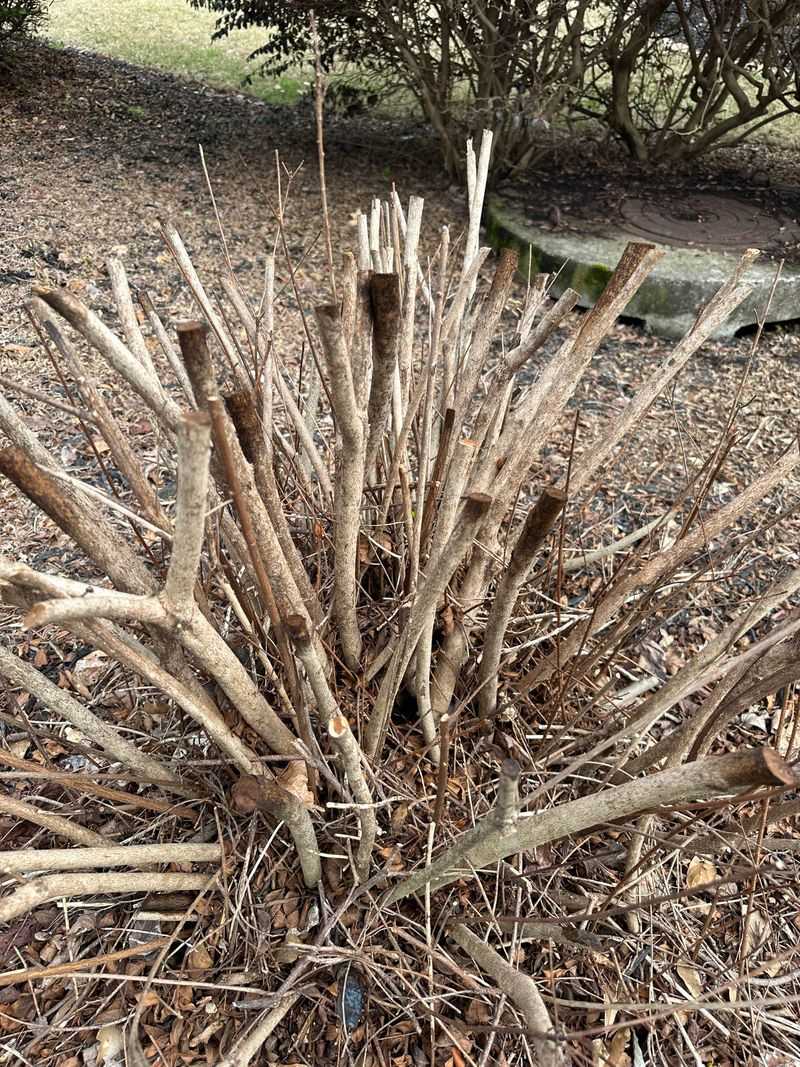
Before you start shaping anything, take a good look at what is actually going on inside that shrub. Crowded azaleas are a common sight in Georgia yards, especially on older plants that have gone several seasons without any attention.
Branches that cross, rub against each other, or grow straight toward the center of the plant are the first ones to go.
Weak, spindly stems that barely have any leaves are also worth cutting out. They are not contributing much to the plant, and they pull energy away from the stronger branches that will actually carry blooms.
Removing them opens things up and lets the healthy wood take over.
Start from the base and work your way outward. Look for any branches that are noticeably thinner than the rest or ones that look pale and struggling.
Cut those back to where they meet a larger, healthier branch rather than just shortening them.
Crowded growth also creates spots where moisture sits too long, which can lead to fungal problems, especially during Georgia’s humid summers. Thinning out the weakest wood improves the overall health of the plant, not just its looks.
You do not need to go overboard here. Removing even five or six problem branches can make a noticeable difference in how the shrub grows and blooms the following season.
Focus on quality over quantity, and the plant will reward you with a much cleaner, more vigorous structure going into summer.
3. Cut Stems Just Above A Healthy Leaf Node
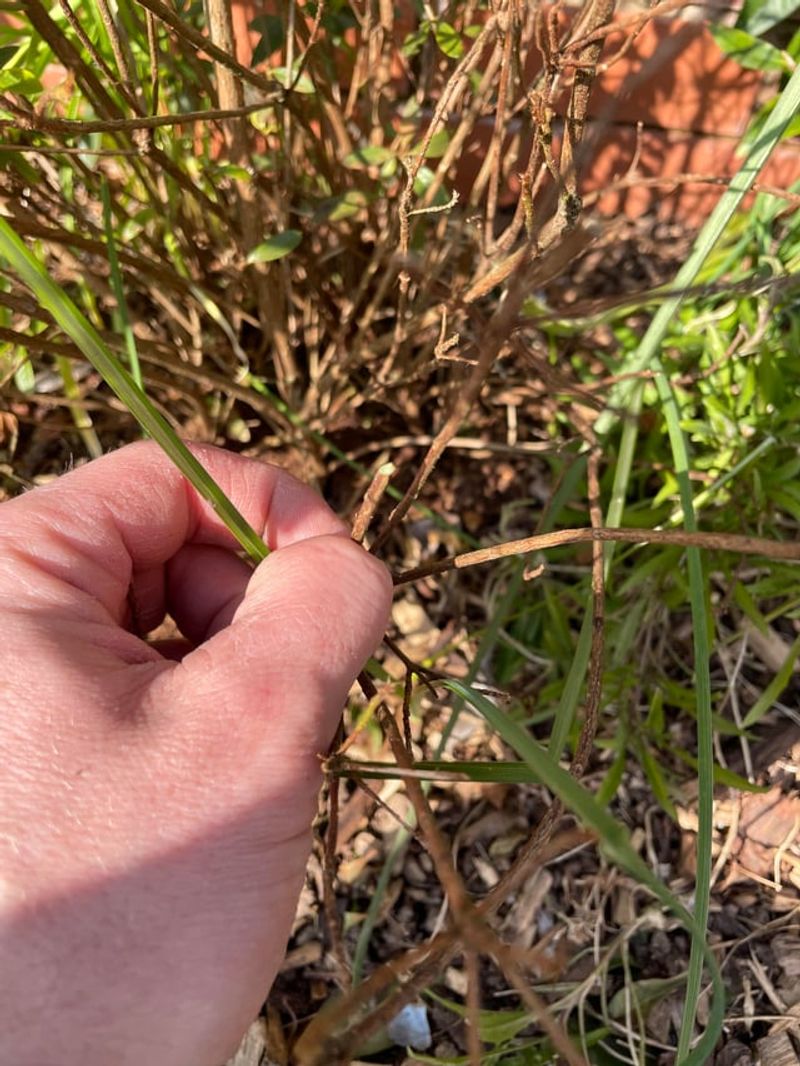
Where exactly you make each cut matters more than most people think. Cutting a stem in a random spot leaves a stub that the plant has trouble sealing off properly.
Stubs can dry out, invite pests, and slow down the whole recovery process after pruning.
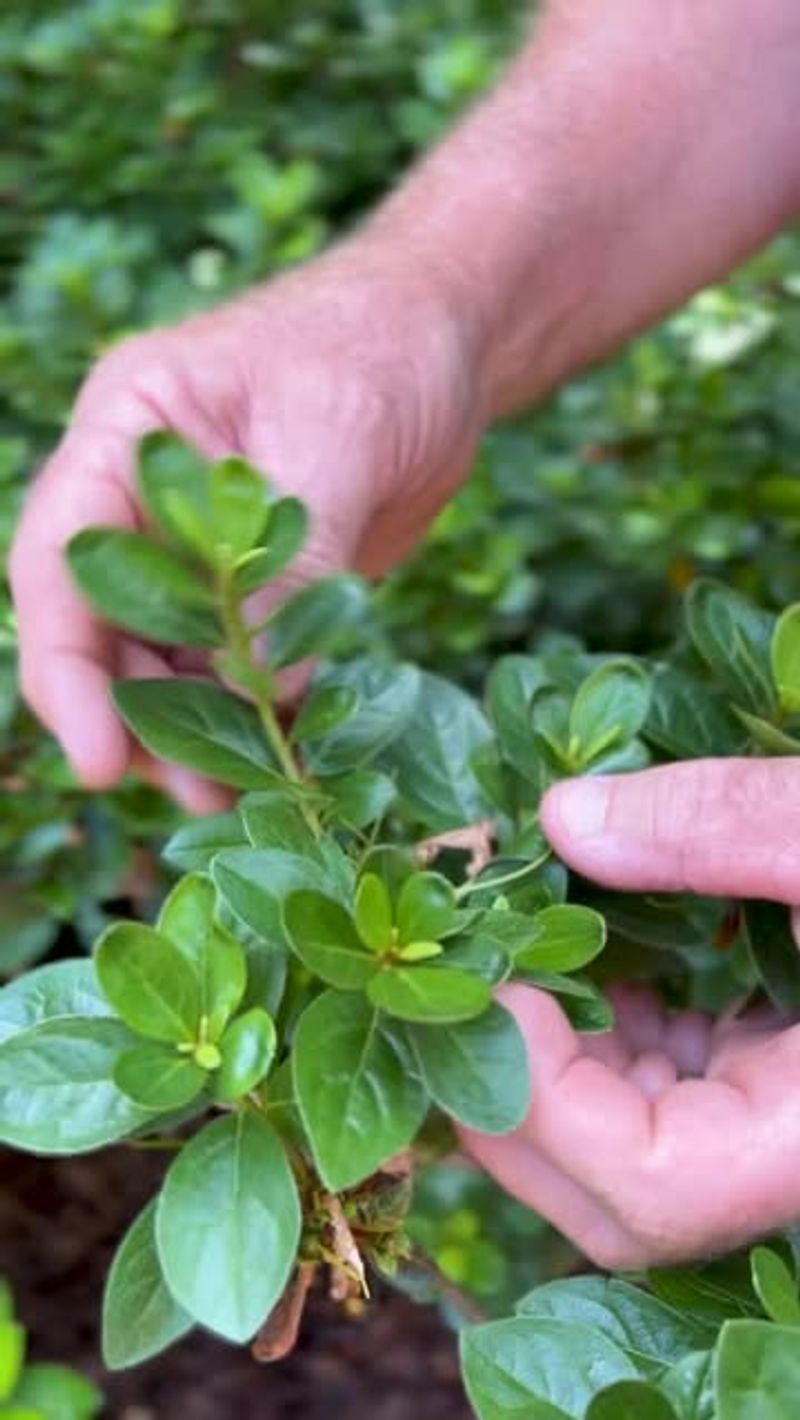
Always cut just above a healthy leaf node, which is the spot on the stem where a leaf or cluster of leaves is attached. New growth will push out from that exact point, so choosing a node that faces outward helps direct new branches away from the center of the shrub.
That keeps the plant from getting too dense in the middle over time.
Angle your cut slightly, maybe about 45 degrees, so water runs off rather than pooling on the wound. Keep the cut close to the node without actually damaging it.
Leaving even a half inch of stem above the node is enough to cause problems down the road.
In Georgia, where spring humidity is already high, any unnecessary plant tissue left above a cut can become a spot for fungal issues to take hold. Clean, precise cuts heal faster and leave the plant less vulnerable.
Practicing this technique on every cut, not just the obvious ones, makes a real difference in how quickly your azaleas bounce back and push out new growth.
It takes a little extra attention at first, but it quickly becomes second nature once you see how much healthier your shrubs look after a careful, node-focused pruning session.
4. Shape The Shrub Lightly Instead Of Cutting Back Hard
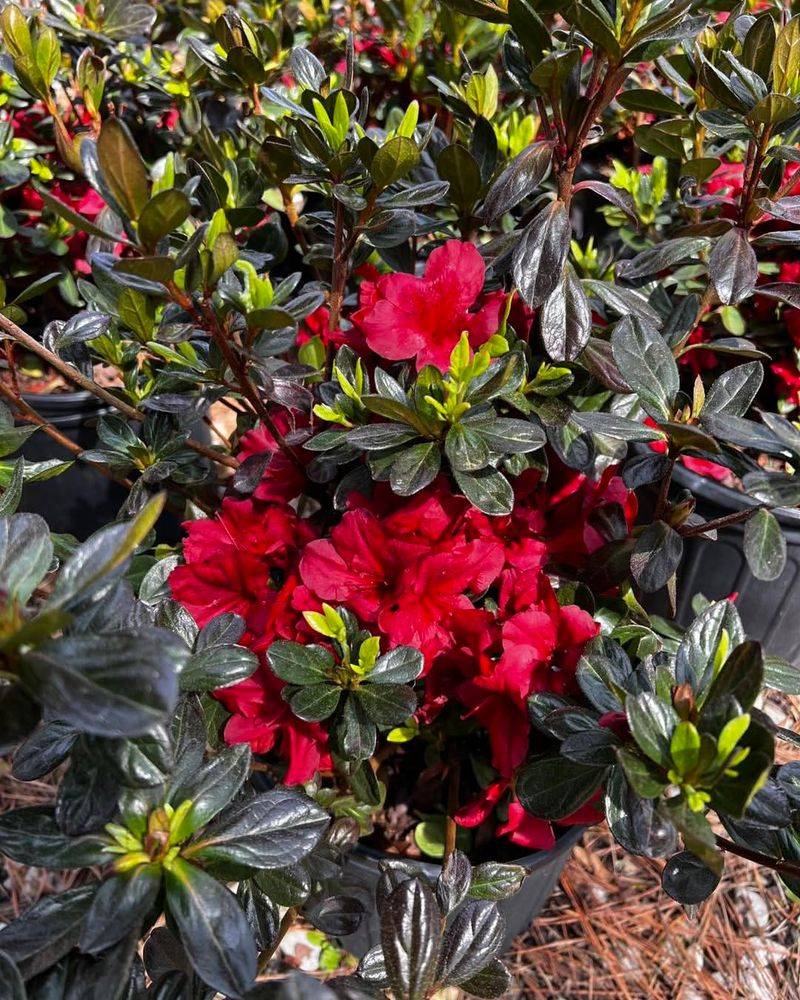
Grabbing the hedge trimmer and going to town on an azalea might feel satisfying in the moment, but it usually leads to disappointment the following spring.
Hard pruning removes a huge portion of the wood that would have carried next year’s buds, and the result is a shrub that looks bare and blooms poorly for a season or two afterward.
Light shaping is the smarter approach. Aim to remove no more than one-third of the plant at any one time.
Work with the natural shape the shrub already has rather than trying to force it into a tight ball or box. Azaleas naturally grow in a loose, layered form, and that shape is actually what makes them look their best.
Walk around the shrub before you cut a single branch. Notice where it looks uneven, where branches are sticking out awkwardly, or where one side is noticeably heavier than the other.
Those are the spots to address. A few targeted cuts can clean up the look without stripping the plant of its blooming potential.
Georgia gardeners sometimes feel pressure to keep shrubs looking manicured and tidy year-round, especially in neighborhoods with active HOAs. Light shaping after bloom season keeps things looking neat without sacrificing the flower show.
Over several seasons of consistent, gentle pruning, azaleas actually develop a fuller, more attractive natural form than plants that get cut back hard every year. Patience with the shears always pays off in the end.
5. Open The Center Slightly To Improve Airflow
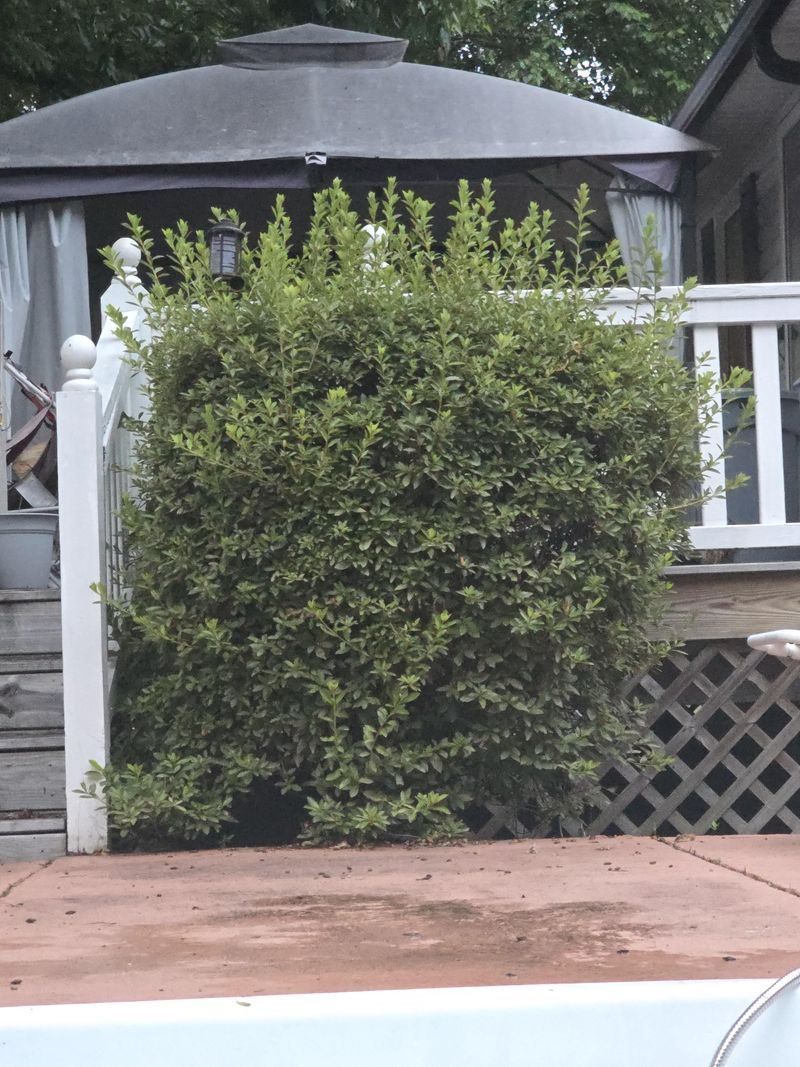
Thick, overgrown azalea centers are basically an open invitation for fungal disease, especially in a state like Georgia where summer air is heavy and humid for months on end.
When branches are packed tightly together in the middle of the shrub, air cannot move through, moisture lingers, and problems start to develop on the foliage and stems.
Opening up the center does not mean gutting the inside of the plant. It means selectively removing a handful of branches that are growing inward or crossing over each other, just enough to let some light and airflow reach the interior.
Even small improvements in circulation make a meaningful difference.
Look for branches that are pointing straight toward the middle of the shrub rather than outward. Those are usually the best candidates for removal.
Cut them back to a main branch or all the way to the base if they are thin and unproductive.
Gardeners in coastal and central Georgia often notice fewer leaf spot problems and less stem damage when they thin the center during post bloom pruning.
Better airflow also means the outer branches get more light, which supports stronger bud development for the following year. A plant that can breathe properly simply performs better across the board.
Opening the center is one of those small adjustments that quietly makes a big difference in the long-term health and appearance of your azaleas.
6. Use Clean, Sharp Pruners For Precise Cuts
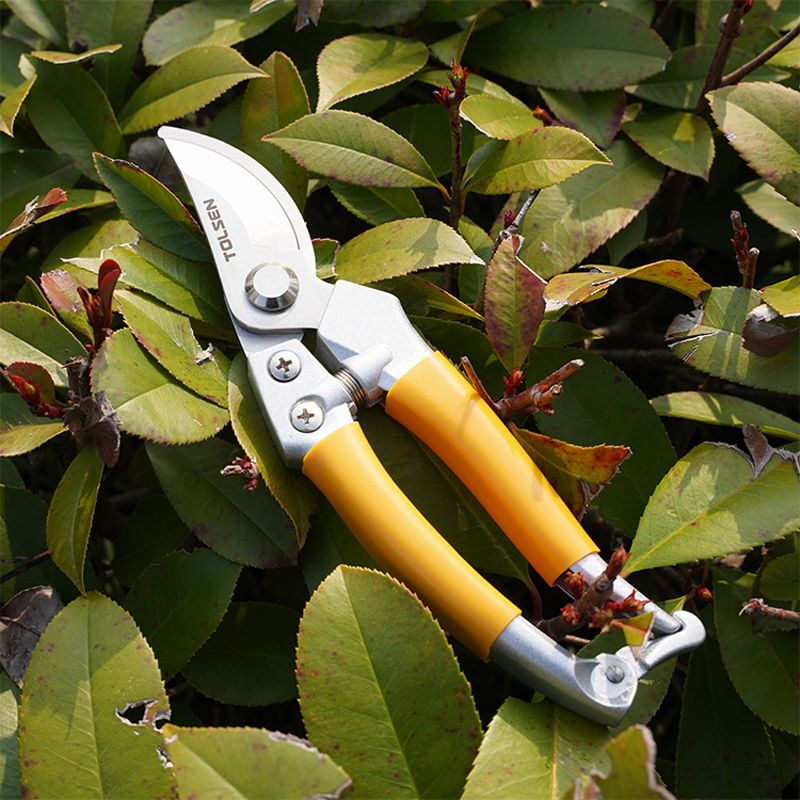
Dull blades do more damage than most gardeners give them credit for. A pruner that is not sharp enough will crush or tear the stem rather than slicing cleanly through it, and that kind of wound takes much longer for the plant to seal.
Ragged cuts also give fungal spores and bacteria an easy entry point into the tissue.
Sharp bypass pruners are the right tool for azaleas. Anvil pruners, where one blade presses against a flat surface, tend to crush softer stems.
Bypass pruners work like scissors, making a clean cut that heals quickly and leaves the surrounding tissue undamaged.
Clean your blades before you start pruning and again if you notice any diseased wood. A quick wipe with rubbing alcohol is enough.
Skipping this step can spread problems from one branch to the next, or even from one shrub to another if you are working through multiple plants in your yard.
In Georgia, where certain fungal diseases and bacterial issues are more common due to the warm, moist climate, tool hygiene is worth taking seriously.
Sharpening your pruners once or twice a season is not a big time investment, and it makes every cut cleaner and more precise.
Keep a small sharpening stone or a pull-through sharpener in your garden kit so it is always within reach. Well-maintained tools make pruning easier, faster, and far more effective, and your azaleas will show the difference in how cleanly and quickly they recover each season.
7. Stop Pruning By Early Summer To Protect Next Year’s Buds
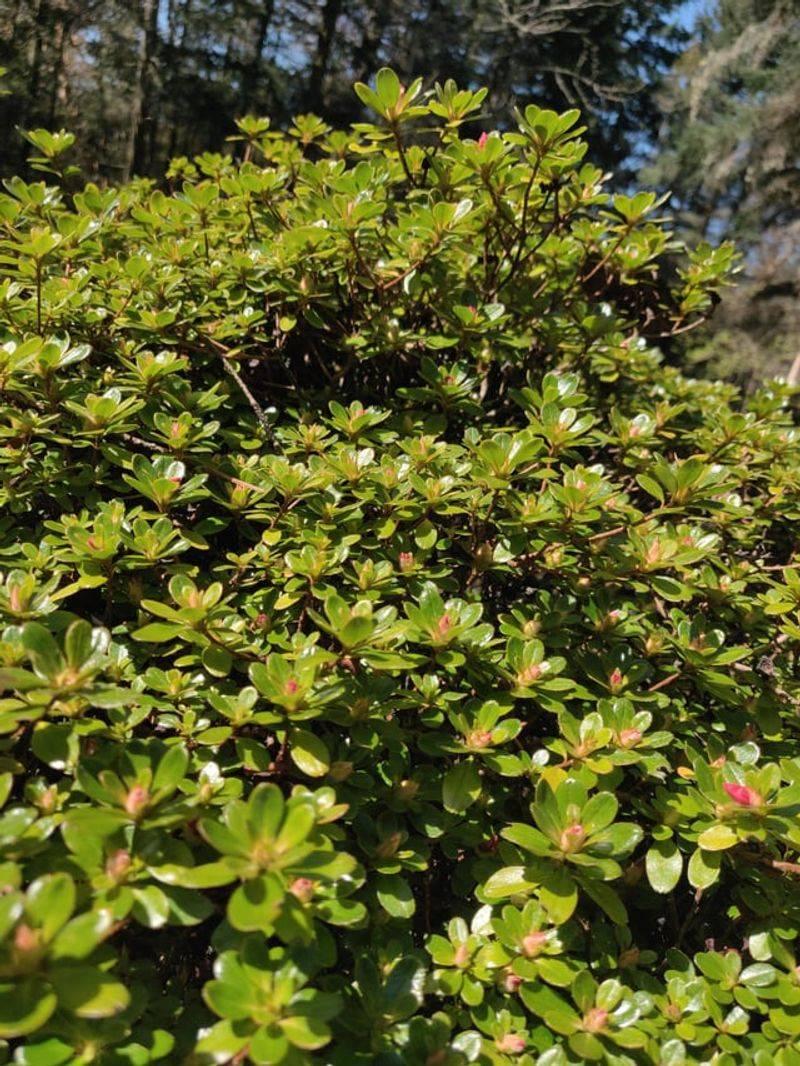
July 1st is the line in the sand for azalea pruning in Georgia, and crossing it is one of the most common mistakes homeowners make. By the time early summer rolls around, azaleas are already deep into the process of forming the buds that will open next spring.
Any pruning done after that point removes those developing buds before they ever have a chance to mature.
Some gardeners notice a stray branch sticking out in August and figure a quick snip will not hurt anything. But azalea buds are not always visible to the naked eye at that stage, and cutting a stem means losing whatever blooms it was carrying for the following year.
Those losses add up fast across an entire shrub.
Set a reminder if you need to. Finishing all pruning by late June gives the plant a comfortable buffer before bud set really kicks into high gear.
Varieties in South Georgia may begin this process even earlier than those growing in the cooler northern part of the state, so if you are in the southern half, aim to wrap things up by mid-June just to be safe.
Summer and fall are the seasons to leave azaleas completely alone. Water them during dry spells, add a layer of mulch if the soil is drying out quickly, and let the plant do its quiet work underground and inside those stems.
The restraint you practice from July through winter is exactly what shows up as a full, breathtaking bloom display the following spring across your Georgia landscape.