The Right Way To Prune California Fruit Trees In February
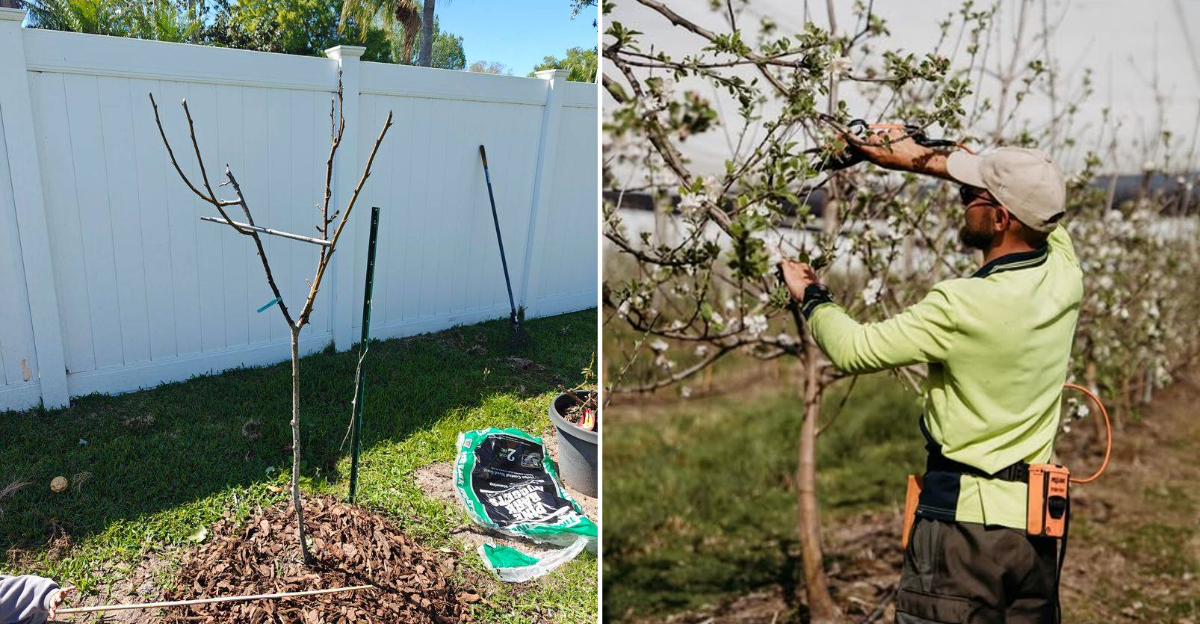
February is one of the most important pruning months for fruit trees in California. Trees are still dormant, which makes this the perfect time to shape growth without causing stress.
What you cut now directly affects how much fruit you’ll get later.
Many gardeners either prune too little or cut too much. Both can lead to weak branches, poor air flow, and smaller harvests.
Learning the right balance makes a big difference in tree health and production.
California’s mild winter weather gives fruit trees a great recovery window after pruning. Cuts heal faster and new growth starts strong once spring arrives.
This timing also helps reduce disease problems.
Using the right techniques in February sets your fruit trees up for better structure, stronger branches, and bigger, healthier harvests.
1. Which Fruit Trees Should Be Pruned
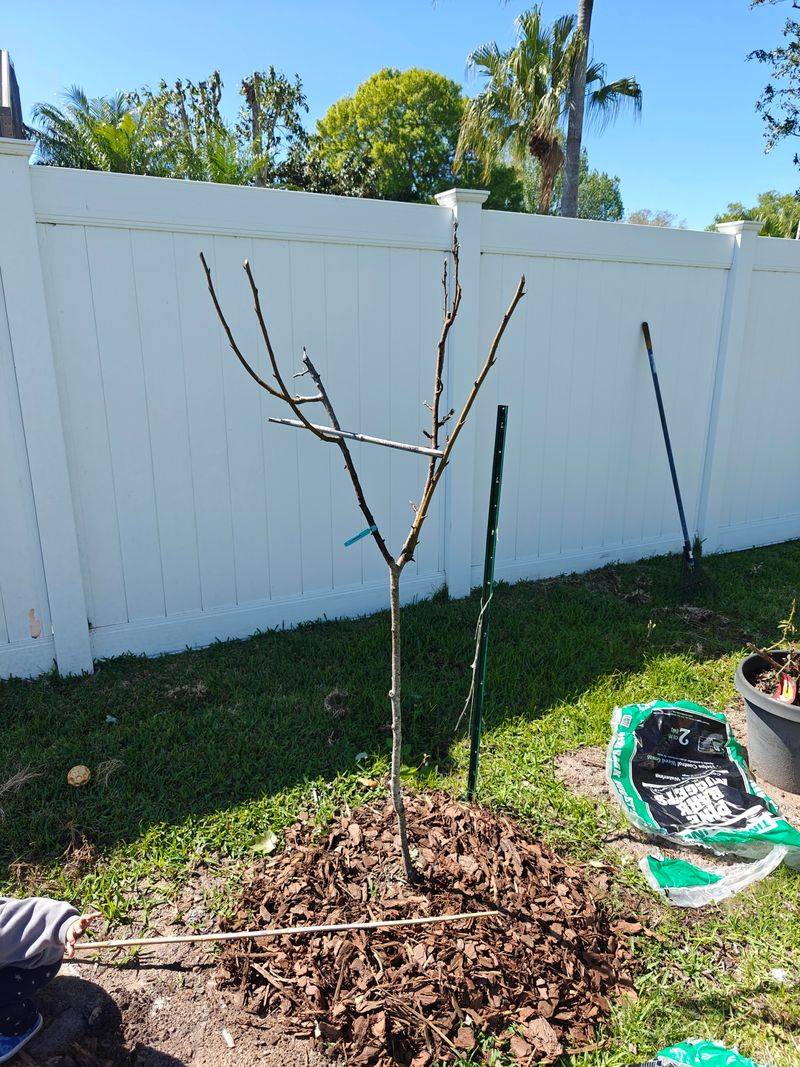
Most deciduous fruit trees benefit from February pruning because they are still dormant and haven’t started their spring growth yet. Apples, pears, peaches, nectarines, plums, apricots, and cherries all fall into this category.
Pruning while the tree is asleep reduces stress and gives you a clear view of the branch structure without leaves getting in the way.
Citrus trees are different. They don’t go fully dormant in California’s mild winters, so you should wait until after harvest or early spring to prune them lightly.
Figs can be pruned in February, but they also tolerate late winter or early spring trimming without much trouble.
Avocados prefer pruning after harvest, typically in late winter or early spring, but not during active flowering. Persimmons can be pruned in February, though they bleed sap when cut, so light shaping is best.
Check your specific variety and local frost dates. Coastal areas warm up earlier than inland valleys, so timing can shift slightly.
If your tree is already showing buds swelling or leaf tips emerging, you’re cutting it close. Aim to finish pruning before trees wake up fully, which usually happens by mid to late February in warmer parts of California.
2. Why Late Winter Pruning Works Best
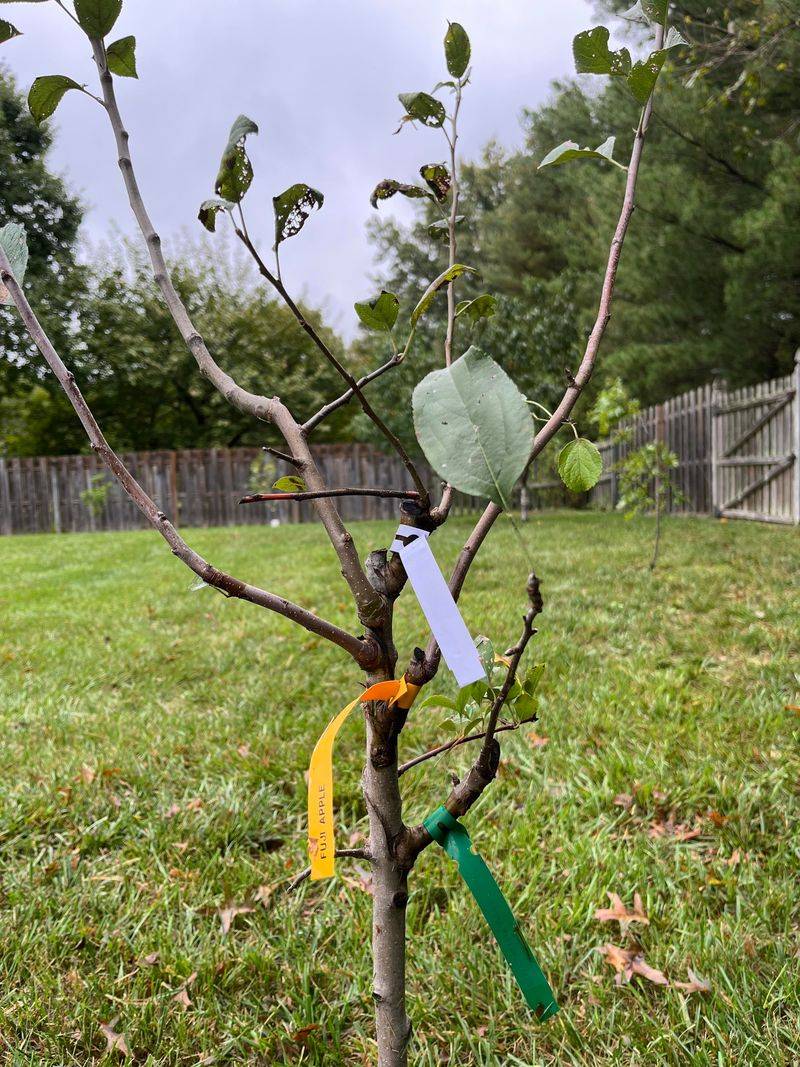
Pruning in late winter takes advantage of dormancy, when the tree’s energy is stored in the roots and trunk rather than being sent to leaves and fruit. Cutting branches during this time causes minimal stress because the tree isn’t actively growing.
Once spring arrives and sap starts flowing, the tree can quickly heal pruning wounds and redirect energy to the branches you kept.
February also gives you a clear view of the tree’s structure. Without leaves, you can easily spot crossing branches, dead wood, and crowded areas that need thinning.
This clarity makes it easier to make smart cuts that improve airflow and sunlight penetration, both of which help prevent diseases like brown rot and powdery mildew.
Pest and disease pressure is lower in late winter too. Many insects are still inactive, and fungal spores spread less in cooler, drier conditions.
Pruning now reduces the chance of introducing infections through fresh cuts.
Timing also matters for fruit production. Pruning too early in fall or early winter can stimulate new growth that gets damaged by frost.
Pruning too late in spring wastes the tree’s energy on branches you’re about to remove. February hits the sweet spot in most California regions, giving trees time to heal before the growing season kicks in.
3. Tools You Need
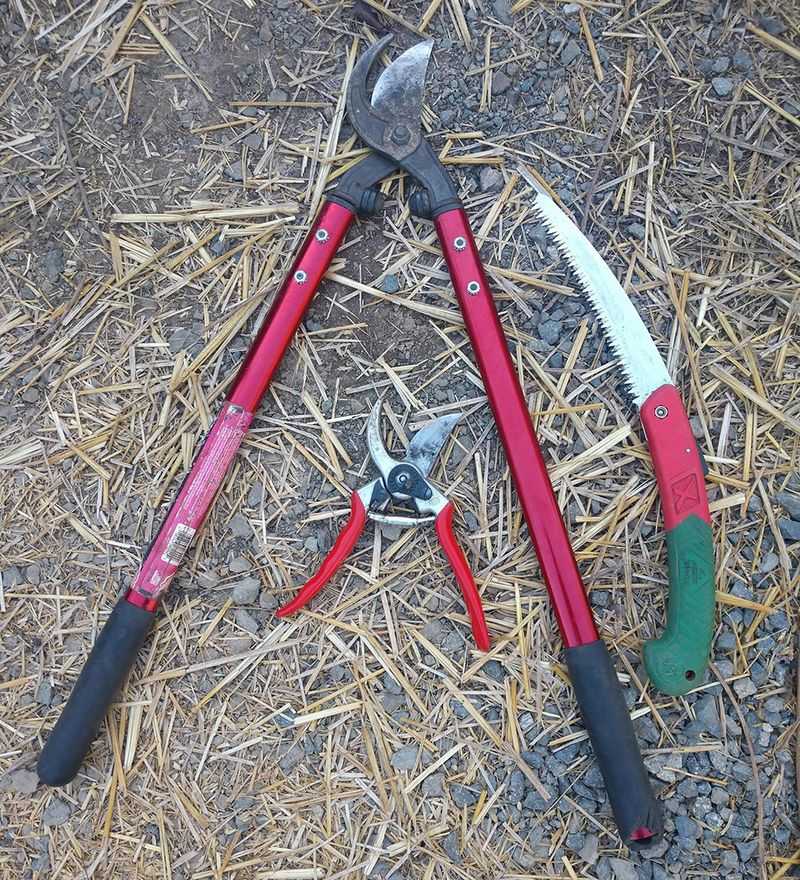
Sharp, clean tools make all the difference when pruning fruit trees. Dull blades crush stems instead of making clean cuts, which slows healing and invites disease.
Start with a pair of bypass hand pruners for branches up to three-quarters of an inch thick. Bypass pruners cut like scissors, creating a cleaner wound than anvil-style pruners.
For branches between three-quarters of an inch and two inches thick, use loppers. Long handles give you leverage and reach without straining your arms.
A pruning saw is essential for anything thicker than two inches. Folding saws are easy to carry and store, and they cut quickly through larger limbs.
Disinfect your tools between trees to prevent spreading diseases like fire blight or bacterial canker. A simple solution of one part bleach to nine parts water works well, or you can use rubbing alcohol or a commercial disinfectant.
Wipe or dip your blades after each tree, especially if you see any signs of disease.
Wear gloves to protect your hands from rough bark and sharp edges. Safety glasses are smart too, especially when cutting overhead branches.
A small bottle of pruning sealer is optional; most experts say healthy trees seal wounds naturally, but sealer can help if you’re worried about borers or disease in your area.
4. How Much To Prune Without Hurting Your Tree
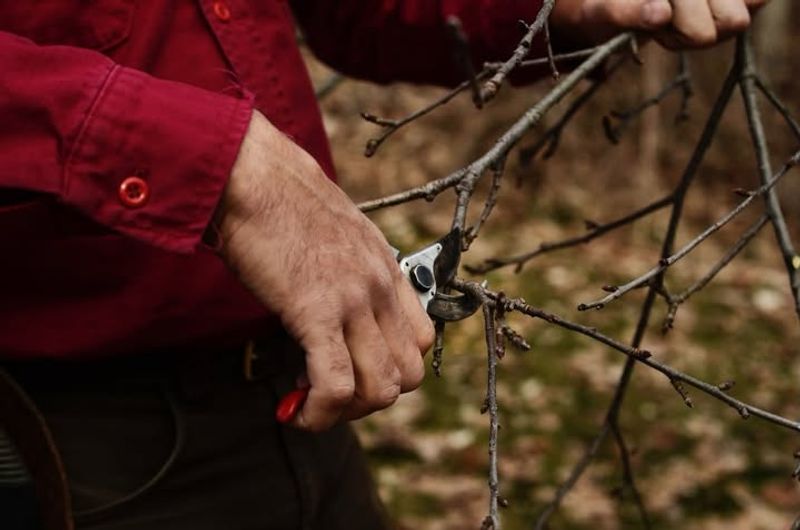
Knowing how much to remove is just as important as knowing when to prune. A good rule of thumb is to remove no more than twenty to thirty percent of the tree’s canopy in a single year.
Cutting more than that can shock the tree, reduce fruiting, and trigger excessive water sprout growth.
Start by removing the three D’s: diseased, damaged, and crossing branches. Withered wood is easy to spot; it’s brittle, dry, and doesn’t have any buds.
Diseased branches often show discoloration, cankers, or oozing sap. Damaged limbs might be cracked or broken from wind or heavy fruit loads.
Crossing branches rub against each other, creating wounds that invite pests and disease.
Next, thin out crowded areas to improve airflow and light penetration. Branches that grow straight up or straight down usually don’t produce much fruit, so consider removing them.
Aim to keep branches that grow outward at a forty-five to sixty-degree angle from the trunk; these are the most productive.
Young trees need lighter pruning than mature ones. Focus on shaping and building strong structure rather than heavy thinning.
Mature trees can handle more aggressive pruning if they’ve become overgrown, but spread heavy cuts over two or three years to avoid stressing the tree.
5. Common Pruning Mistakes To Avoid
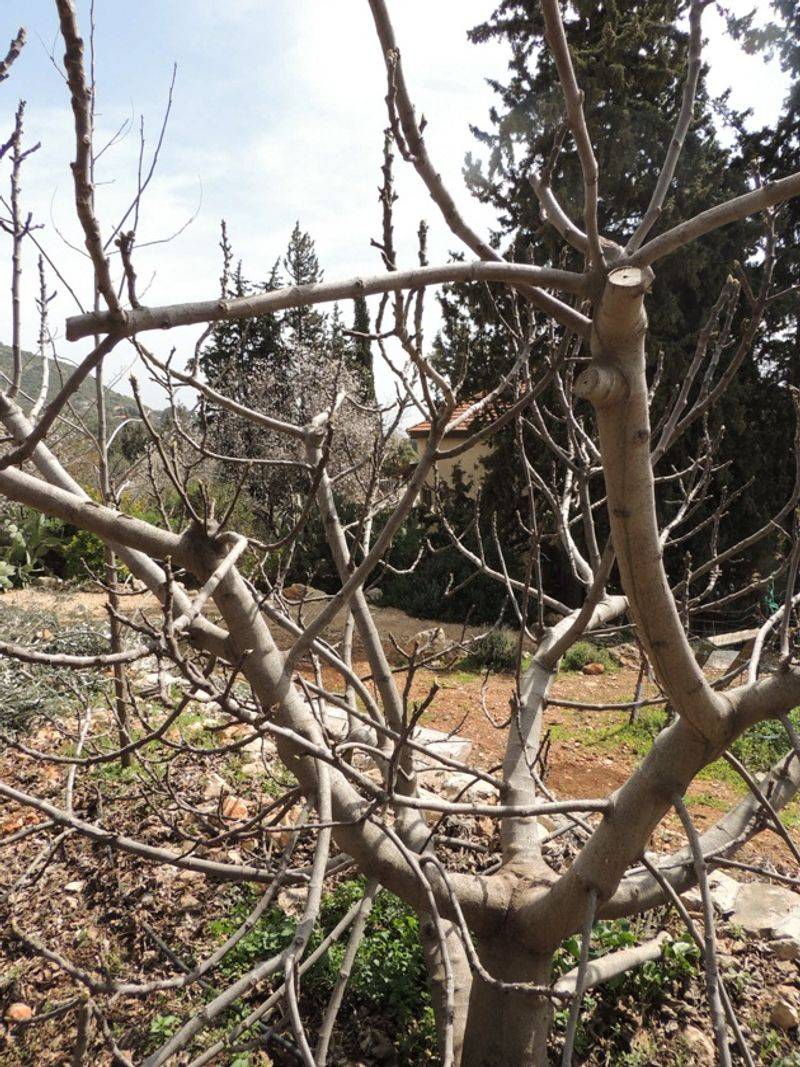
One of the biggest mistakes is topping your tree, which means cutting off the top of the main trunk or large branches. Topping creates weak, bushy regrowth called water sprouts that don’t produce fruit and make the tree more vulnerable to breakage.
Instead, selectively thin branches to control height while maintaining the tree’s natural shape.
Another common error is making flush cuts right against the trunk or parent branch. Every branch has a collar, a slightly swollen area where it meets the trunk.
Cutting into the collar removes protective tissue that helps the tree heal. Leave the collar intact and cut just outside it at a slight angle.
Leaving stubs is just as bad as flush cuts. Stubs can’t heal properly and often become entry points for decay and pests.
Make your cut close enough to the collar to allow healing, but not so close that you damage it.
Pruning too late is another pitfall. If you wait until buds are opening or leaves are emerging, you’re wasting the tree’s stored energy and increasing stress.
Finish your pruning while the tree is still fully dormant.
Finally, don’t forget to step back and look at the whole tree regularly. It’s easy to get focused on one area and accidentally create an unbalanced shape.
Walk around the tree and check your progress from all angles.
6. How To Shape Young Fruit Trees Properly
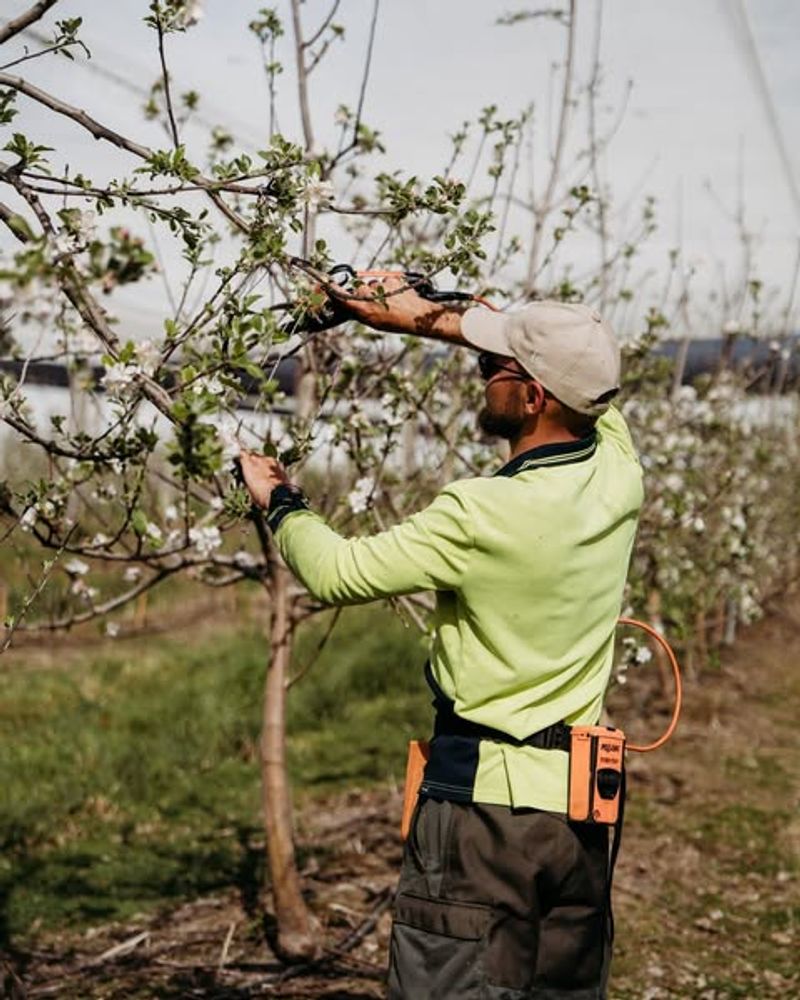
Young trees need training to develop strong structure and productive shape. The first few years of pruning set the foundation for a tree’s entire life.
Start by choosing three to five main scaffold branches that radiate evenly around the trunk at different heights. These scaffolds should be spaced six to twelve inches apart vertically and grow at wide angles from the trunk.
Remove any branches that compete with the central leader or scaffolds. If you’re training an open center tree like a peach or nectarine, remove the central leader entirely after the first year to encourage an open, vase-shaped canopy.
For apple and pear trees, keep the central leader and train scaffold branches to grow outward.
Head back scaffold branches by about one-third to encourage branching and thicken the limbs. Make cuts just above an outward-facing bud to direct new growth away from the center of the tree.
This creates a strong, open structure that supports heavy fruit loads and allows sunlight to reach all parts of the canopy.
Don’t let young trees fruit too heavily in the first few years. Remove most blossoms or small fruitlets to direct energy into building strong roots and branches.
A well-shaped young tree will produce more fruit over its lifetime than one allowed to fruit heavily too soon.
7. What To Do After Pruning For Faster Recovery
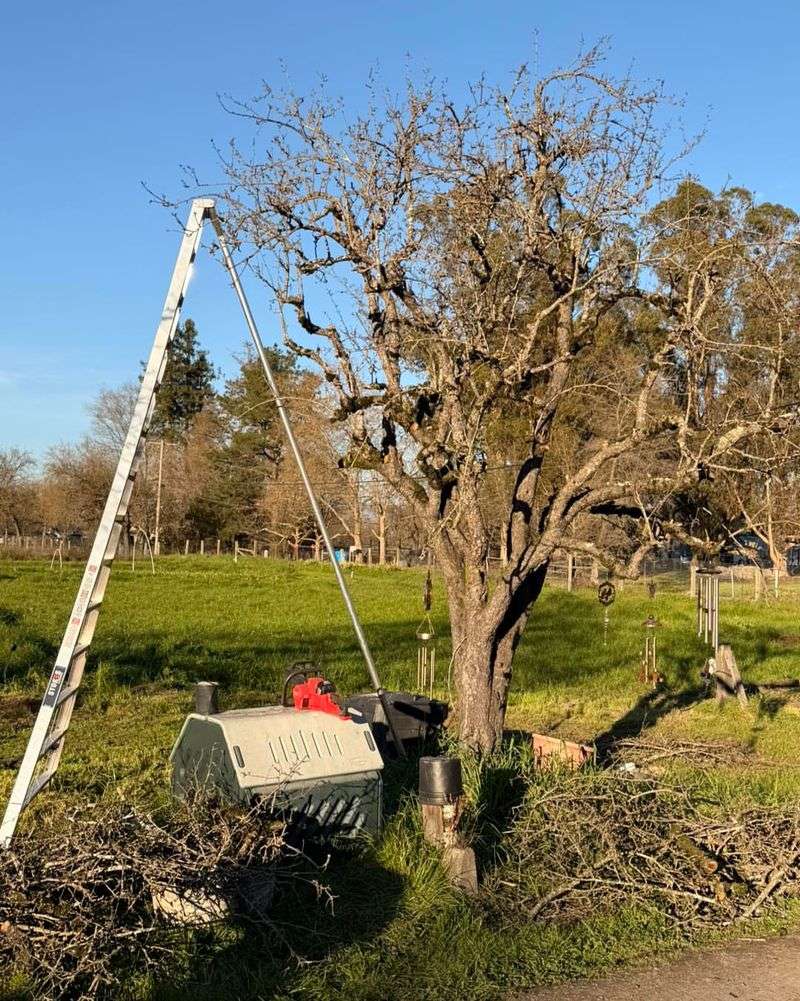
After you finish pruning, clean up all the cuttings and debris from around the tree. Fallen leaves, twigs, and branches can harbor pests and disease spores that reinfect your tree once spring arrives.
Chip the debris for mulch if it’s healthy, or dispose of diseased material in the green waste bin.
Apply a layer of compost or aged manure around the base of the tree, keeping it a few inches away from the trunk. This feeds the soil and gives the tree nutrients to support new growth.
Avoid chemical fertilizers in February; wait until early spring when the tree starts actively growing.
Water your tree lightly if the soil is dry. Even dormant trees need some moisture, especially in California’s dry winters.
A deep watering every few weeks is usually enough, but check your soil moisture first. Overwatering during dormancy can lead to root rot.
Monitor your tree as it wakes up in spring. New growth should emerge from the buds you left behind, and the tree should leaf out evenly.
If you see excessive water sprouts or weak growth, you might have pruned too heavily. Light corrective pruning in summer can help, but avoid heavy cuts once the tree is actively growing.
With proper care after pruning, your tree will recover quickly and reward you with healthy growth and abundant fruit.