The Right Way To Prune Camellias In Georgia Without Losing Next Year’s Blooms
Camellias are one of the most loved flowering shrubs in Georgia gardens, but pruning them at the wrong time can easily mean fewer blooms next season.
After putting on a beautiful winter and early spring display, these shrubs begin setting the buds that will become next year’s flowers.
That is why timing and technique matter so much when trimming them. Many gardeners hesitate to prune camellias at all because they worry about cutting off future blooms.
The good news is that camellias can be pruned safely if it is done the right way and at the right moment.
A few careful cuts can help shape the plant, remove crowded growth, and keep the shrub looking healthy without sacrificing those beautiful flowers that Georgia gardeners look forward to every year.
Knowing when and how to prune makes all the difference.
1. Wait Until Camellias Finish Blooming Before Pruning
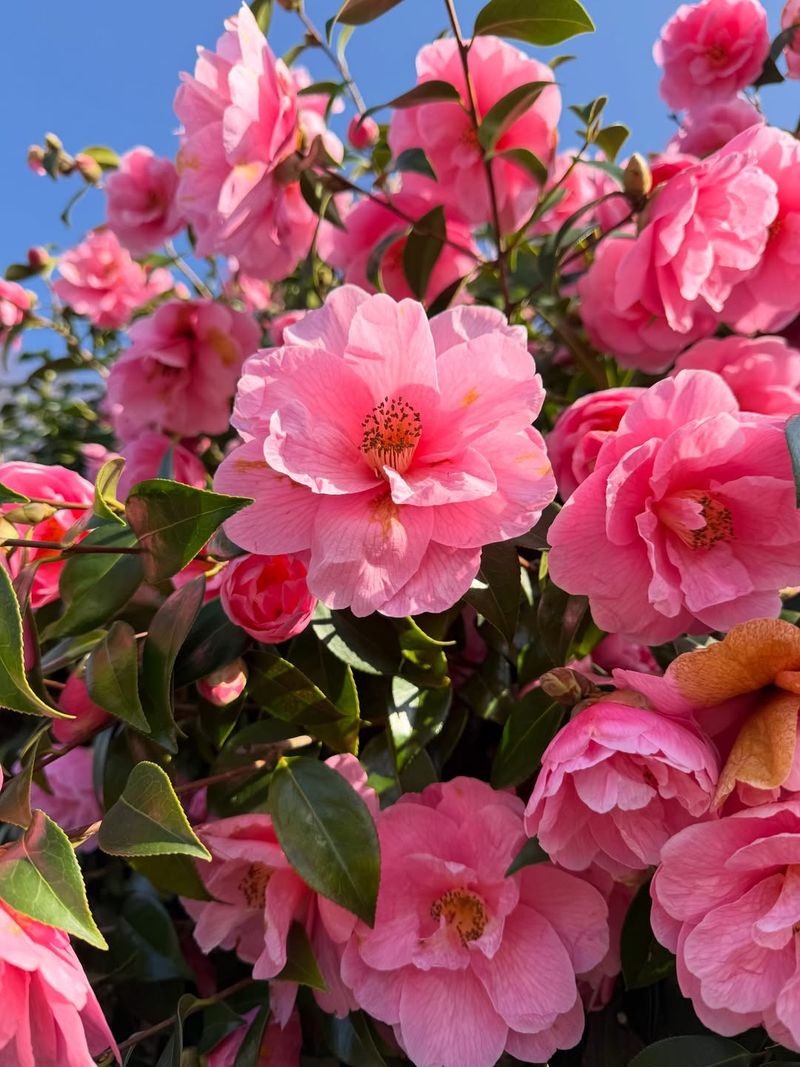
Grab your pruners too early and you will regret it come next bloom season. Camellias set their flower buds for the following year months before you ever see a single petal open, so cutting at the wrong time means cutting those buds right off the plant.
Georgia has two main types of camellias most people grow. Camellia sasanqua blooms in fall and early winter, usually wrapping up around late December or January.
Camellia japonica takes its time, blooming from mid-winter all the way into spring, sometimes as late as April or May depending on where you are in the state.
Pruning windows are different for each type. For sasanqua, aim to prune between late December and mid-February.
For japonica, wait until late March through early May, after the very last flower has dropped from the plant.
Rushing this step is one of the most common mistakes Georgia gardeners make. You might look at a shrub in February and think it needs a trim, but if it is still holding blooms or just finished, give it another week or two before touching it.
Patience here is not just about being careful — it is about protecting a whole season of color. Once blooming is completely done and petals have fallen, that is your green light.
Pruning right after flowering gives the plant the longest possible time to grow new wood and set fresh buds before the following season begins.
2. Remove Weak Or Crowded Branches First
Not every branch on a camellia deserves to stay. Weak, spindly stems that barely hold themselves upright are not contributing much to the plant, and crowded branches rubbing against each other create entry points for disease and pests over time.
Start by walking around the entire shrub before making a single cut. Look for branches that cross through the center, stems that are noticeably thinner than the rest, and any growth that looks damaged or discolored.
Having a clear picture of what needs to go before you start cutting helps avoid over-pruning.
Crowded growth in the middle of a camellia traps moisture and blocks airflow. In Georgia’s humid summers, that kind of environment encourages fungal problems that can affect both leaves and buds.
Thinning out congested areas is one of the most practical things you can do for long-term plant health.
Remove one branch at a time and step back frequently to evaluate. It is much easier to take off a little more later than to wish you had left something alone.
Prioritize branches that are growing inward toward the center of the plant rather than outward.
Damaged or diseased wood should always come out as soon as you spot it, no matter what time of year it appears.
Beyond that, focus on any branch that is clearly competing with a stronger, better-positioned stem nearby. Cleaning up weak and crowded growth first gives you a clear view of the shrub’s actual structure before you do any shaping.
3. Make Cuts Just Above A Leaf Node
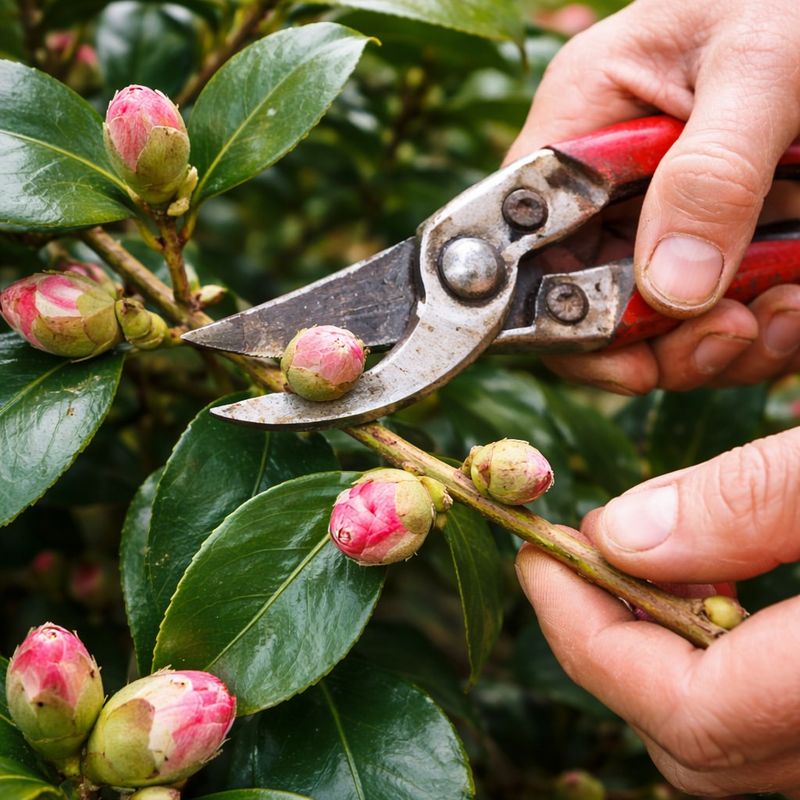
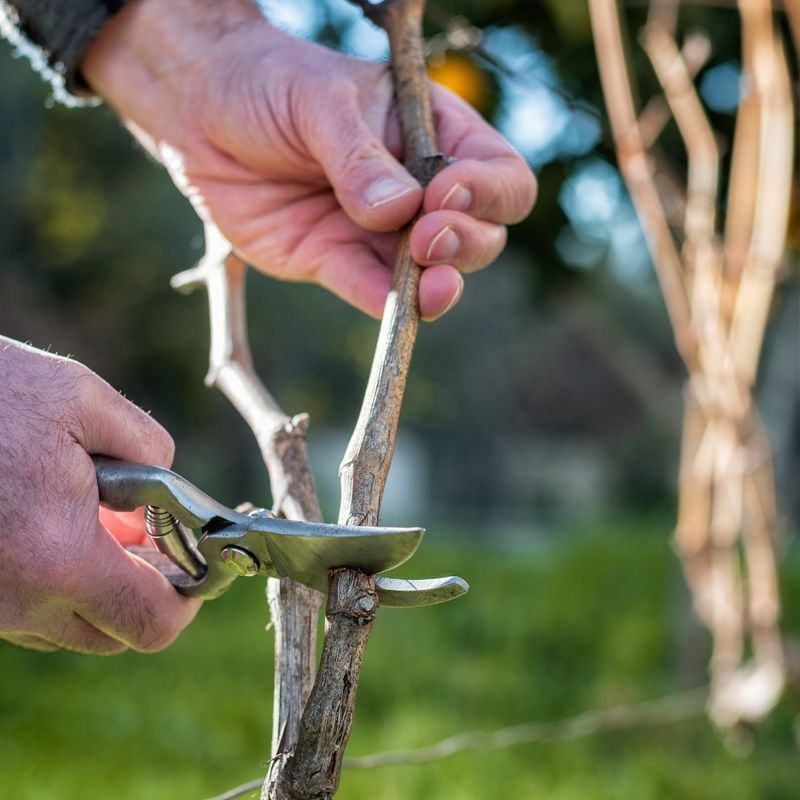
Where you cut matters just as much as when you cut. Leaving a long stub above a leaf node might look harmless, but it creates a section that can invite rot and weaken the branch below it over time.
A leaf node is simply the spot on the stem where a leaf or set of leaves attaches. Just above that point is where new growth will sprout after pruning.
Cutting cleanly about a quarter inch above the node gives the plant a clear signal to push new growth from that spot.
Angle your cut slightly so water runs off rather than pooling on the cut surface. A flat horizontal cut holds moisture, which is not ideal in Georgia’s rainy spring season.
A gentle slant away from the node is all it takes to improve how the wound sheds water.
Avoid cutting too close to the node either. Nicking the node itself can damage the bud hiding inside, which defeats the whole purpose of careful pruning.
A small gap — about the width of a fingernail above the node — is the right target.
Once you get comfortable identifying leaf nodes, the whole process speeds up significantly. On camellias, nodes are usually easy to spot because leaves are glossy and distinctly spaced along the stem.
Practicing this technique consistently across every cut you make results in a cleaner-looking shrub and healthier regrowth throughout the growing season ahead.
4. Shape The Shrub Lightly Instead Of Cutting Back Hard
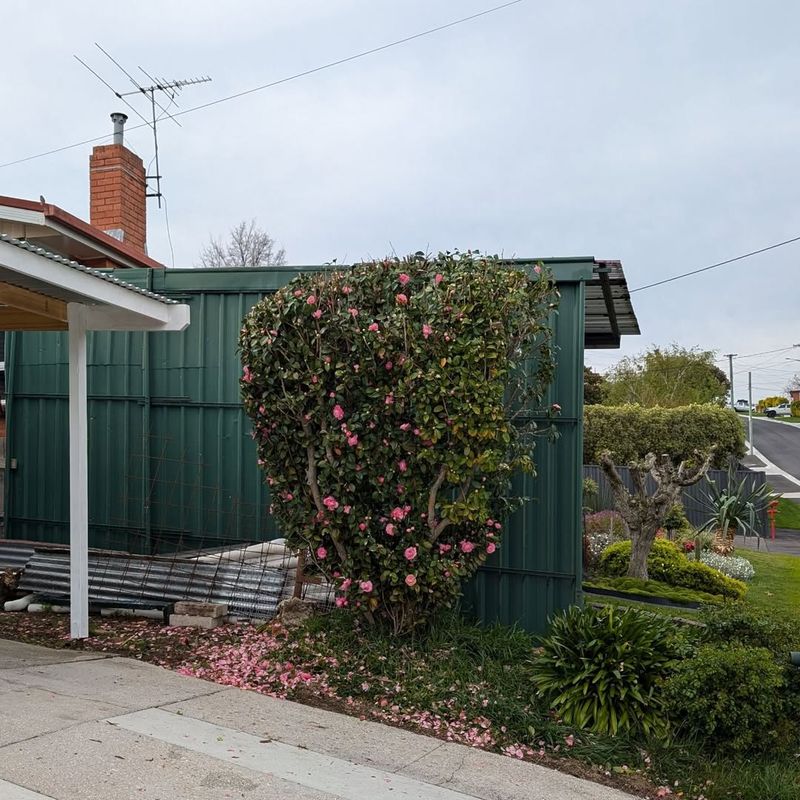
Camellias are not like boxwoods — they do not bounce back quickly from severe cutting. Taking off huge amounts of growth at once stresses the plant and can seriously reduce flowering for a year or more while it recovers.
Light shaping means removing no more than about a third of the plant’s overall growth in a single season.
For most established camellias in Georgia, that translates to trimming back the longest, most outward-reaching branches by six inches to a foot, depending on the size of the shrub.
Step back every few cuts and look at the overall silhouette. Camellias naturally grow in a rounded or slightly upright form, and working with that natural shape rather than against it produces better results.
Trying to force a camellia into a tight formal hedge shape tends to create dense outer growth that blocks light from reaching inner branches.
If a shrub has gotten genuinely overgrown over several years, resist the urge to fix everything at once. Spread heavier pruning over two or three seasons instead, removing the worst offenders first and letting the plant adjust gradually.
Georgia gardeners who rush severe renovation pruning often end up with a plant that sulks through an entire bloom cycle.
Light, consistent pruning every year after blooming keeps camellias at a manageable size without the stress of drastic cuts. Regular maintenance is always easier on the plant than infrequent heavy pruning, and the blooms stay more reliable season after season.
5. Use Clean, Sharp Pruners For Smooth Cuts
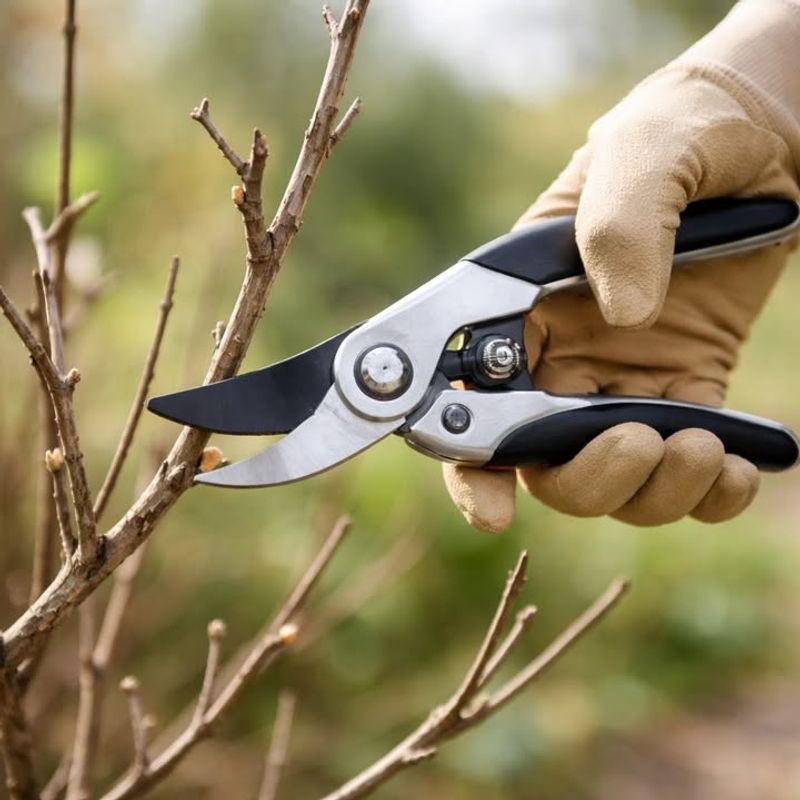
Dull blades do more damage than most people realize. Instead of slicing cleanly through a stem, a dull pruner crushes and tears the tissue, leaving a ragged wound that takes much longer to close and creates a vulnerable spot for fungal infections.
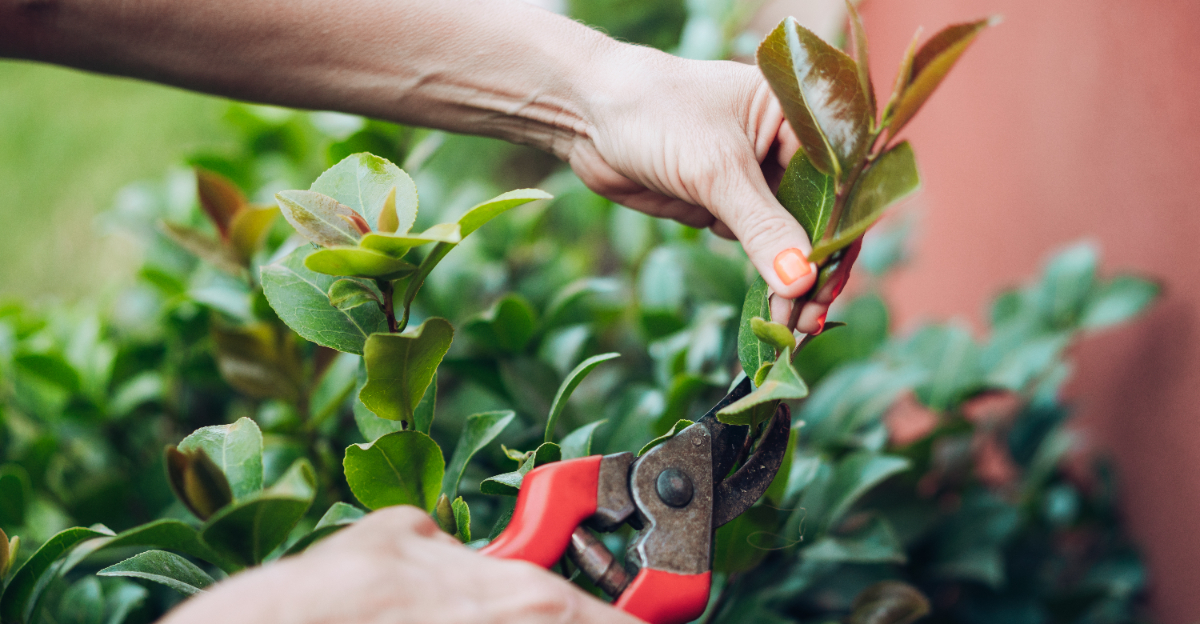
Before you head out to prune your camellias, take a minute to check your tools. Bypass pruners — the kind with two curved blades that cross like scissors — are the right choice for camellia stems.
Sharpening pruners is not complicated. A simple whetstone or a pull-through blade sharpener gets the job done in a few minutes.
If you have not sharpened yours in a year or more, they probably need attention before camellia pruning season arrives.
Cleaning matters too. Wipe blades with rubbing alcohol or a diluted bleach solution between plants or even between cuts if you suspect any disease issues.
Georgia’s warm, humid climate allows fungal and bacterial problems to spread faster than in drier regions, so clean tools are a real line of defense.
After pruning, wipe off any plant sap, dry the blades thoroughly, and apply a light coat of oil to prevent rust. Tools that are cared for last years longer and perform consistently better.
Sharp, clean pruners are honestly one of the simplest upgrades any Georgia gardener can make for healthier plants across the board.
6. Open The Center Slightly To Improve Airflow
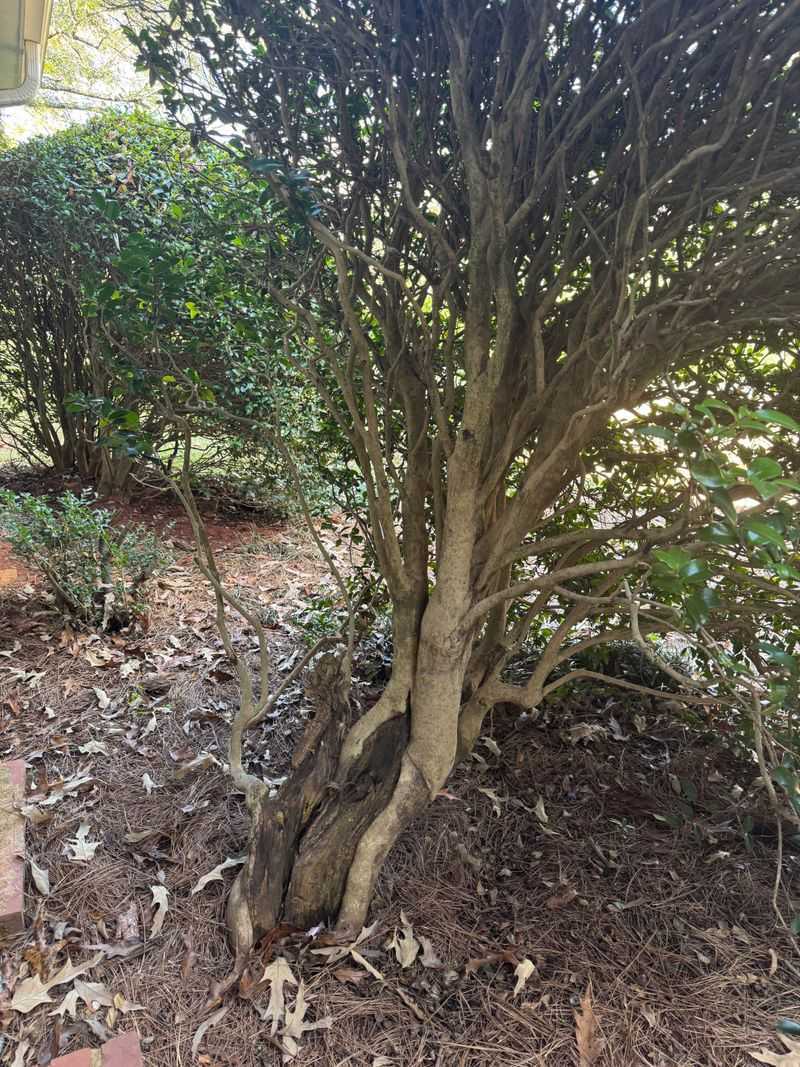
A camellia that is packed tight from the inside out might look full and healthy at first glance, but what is happening in the center of that shrub tells a different story.
Dense interior growth with no airflow is exactly where fungal problems like camellia petal blight and leaf spot get started.
Opening the center does not mean gutting the inside of the plant. Remove only the branches that are genuinely crossing, growing straight inward, or so tightly packed that no light reaches the inner stems.
A few well-chosen cuts can make a noticeable difference without changing the plant’s overall appearance from the outside.
Georgia summers bring serious humidity, and that moisture lingers in dense shrubs long after rain stops. Giving air a clear path through the center of your camellias helps foliage dry faster and reduces the conditions that fungal spores need to take hold.
Look for branches that rub against each other when the wind blows. That friction damages bark and creates wounds that become infection points.
Removing one of the two rubbing branches eliminates the problem cleanly.
After thinning the center, stand back and look through the shrub toward a light source. You should be able to see some light filtering through the interior rather than a completely solid wall of foliage.
That visual check is a practical way to gauge whether you have opened things up enough without overdoing it. Healthy airflow through a camellia is one of the best preventive measures any Georgia gardener can take.
7. Stop Pruning By Late Spring To Protect Next Year’s Buds
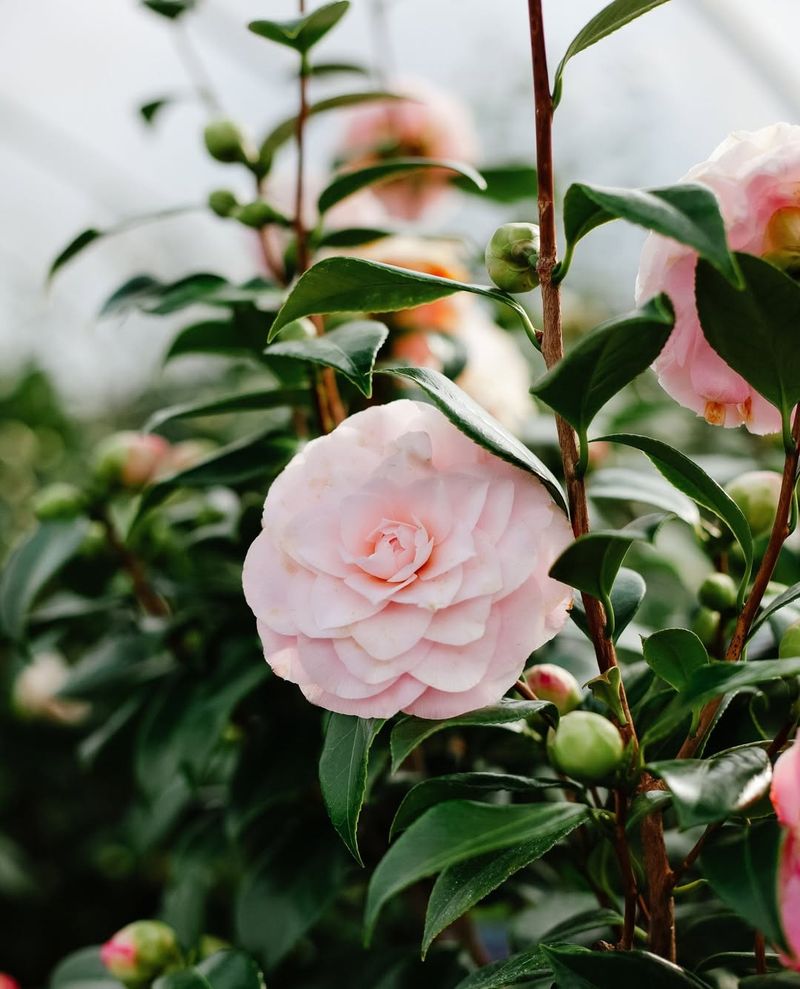
Late spring is where a lot of well-meaning gardeners accidentally undo all their careful work.
Camellias start forming next year’s flower buds in early summer, and any pruning done after that point risks cutting off the buds before they ever have a chance to develop fully.
In Georgia, the general rule is to finish all camellia pruning by the end of May at the absolute latest. For sasanqua varieties, ideally wrapping up by mid-February is even better.
Japonica types give you a little more time, but late May is still the firm cutoff to protect the upcoming bloom cycle.
Summer pruning might seem tempting, especially if a branch shoots out in an unexpected direction after spring growth kicks in. Resist it.
A slightly awkward branch is a much better outcome than a shrub that produces half its normal blooms next winter because bud-bearing wood got removed in July.
Mark your calendar if it helps. A simple reminder in late April or early May to do a final light cleanup keeps you from missing the window.
Once that reminder passes, put the pruners away until after next year’s flowers have finished.
One thing worth knowing — if you missed the ideal pruning window this year, it is better to skip pruning entirely than to cut at the wrong time. Waiting a full season and pruning correctly next year will always produce better results than trying to make up for lost time in summer.
Protecting those buds is what keeps your Georgia camellias blooming year after year.