The Right Way To Prune Flowering Shrubs In Oregon’s Rainy Climate
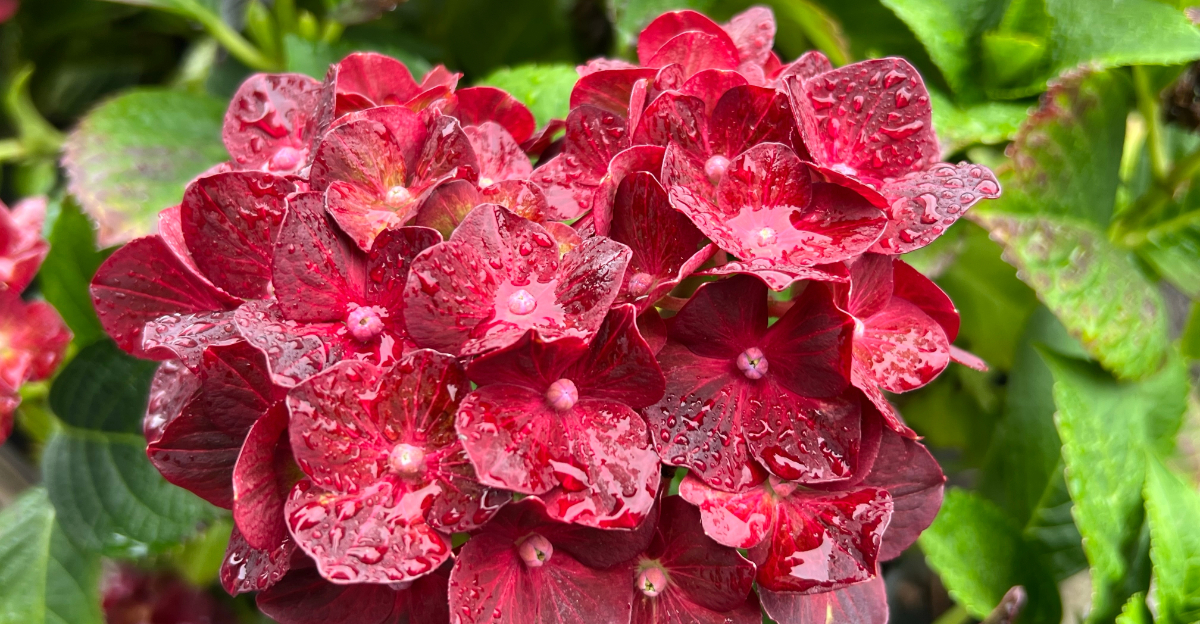
Pruning flowering shrubs in Oregon can feel like a bit of a gamble, especially with all the rain we get. You want to help your plants thrive, but trim too early or too aggressively, and you might end up with fewer blooms instead of more.
Fortunately, with the right timing and technique, you can give your shrubs the boost they need to shine without overdoing it.
The key is understanding when to prune and which branches to cut. Some shrubs bloom on old wood (previous year’s growth), while others bloom on new wood (current year’s growth).
Pruning at the wrong time can accidentally remove the very buds that were going to burst into color.
With Oregon’s rainy climate, it’s also important to focus on airflow, removing withered, damaged, or overcrowded branches can help reduce the risk of fungal diseases that thrive in wet conditions.
When done right, your flowering shrubs will have more room to grow, thrive, and deliver a stunning show of blooms when the rain finally lets up.
1. Know Your Bloom Time
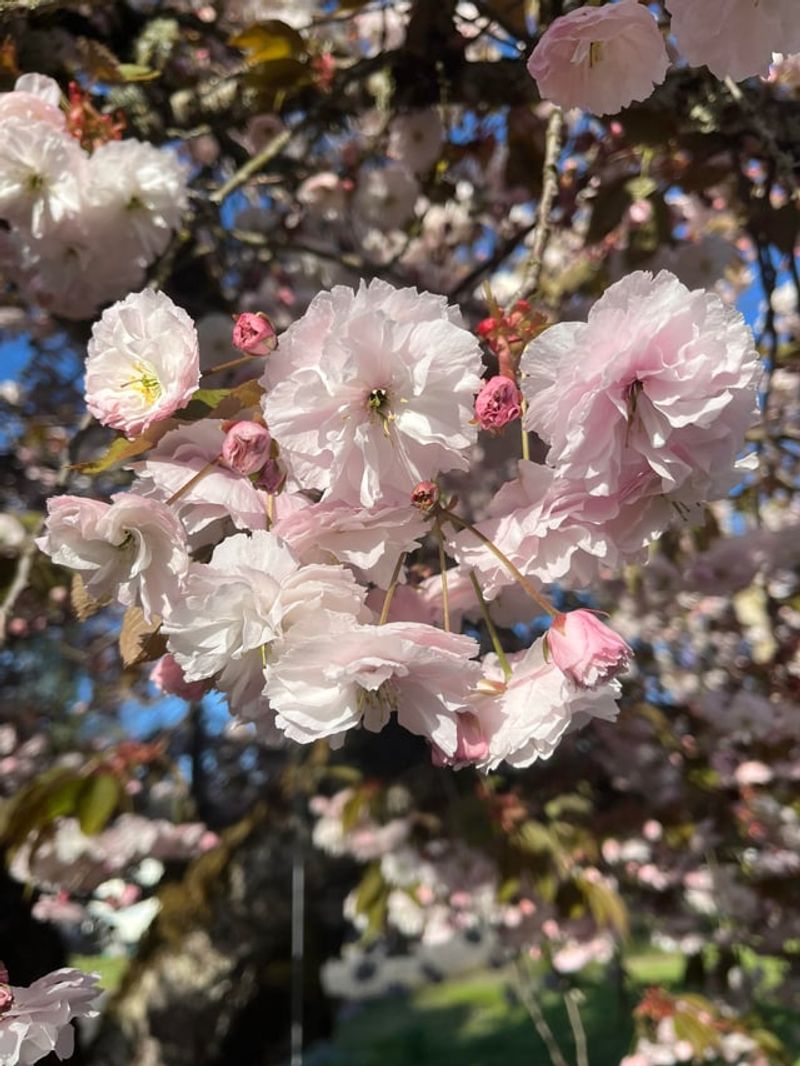
Not all flowering shrubs follow the same schedule, and that’s actually a good thing once you understand how it works. Some shrubs bloom on “old wood,” meaning they form their flower buds on last year’s branches.
Others bloom on “new wood,” which means they grow fresh stems and flower buds in the same season.
Lilacs, azaleas, and rhododendrons are classic old-wood bloomers you’ll find all over Oregon. If you prune them at the wrong time, you’ll accidentally cut off next year’s flowers before they even get a chance to open.
That’s a frustrating mistake that’s easy to avoid once you know what type of shrub you have.
Panicle hydrangeas and butterfly bushes are new-wood bloomers. They can be pruned in late winter without any worry because they’ll grow fresh stems and bloom beautifully in summer.
Take a few minutes to research each shrub in your yard. Knowing your bloom time is the single most important step in pruning correctly in Oregon’s garden season.
2. Never Prune In The Rain
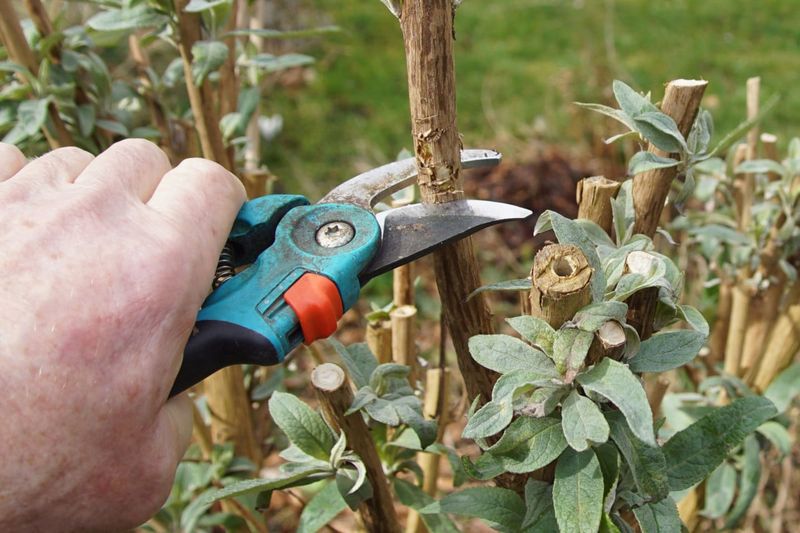
Oregon is famous for its rainfall, and while that moisture helps gardens thrive, it’s actually your worst enemy on pruning day. Cutting into wet plant tissue opens the door to fungal infections and bacterial diseases.
Fresh pruning cuts are like open wounds, and wet conditions let pathogens spread fast.
Fungal problems like powdery mildew and botrytis blight are already common in the Pacific Northwest. Pruning during a rainy stretch makes shrubs much more likely to pick up these issues.
You might not notice the damage right away, but over time the shrub can weaken and stop blooming as well as it should.
Always check the weather forecast before you grab your pruning shears. Look for a dry window of at least two to three days.
Morning pruning on a clear day is ideal because the cuts have time to dry and begin healing before nighttime moisture rolls in.
Oregon gardeners who follow this one simple rule tend to have far healthier shrubs than those who prune whenever it feels convenient. Patience here really does pay off in the long run.
3. Prune Spring Bloomers After Flowering
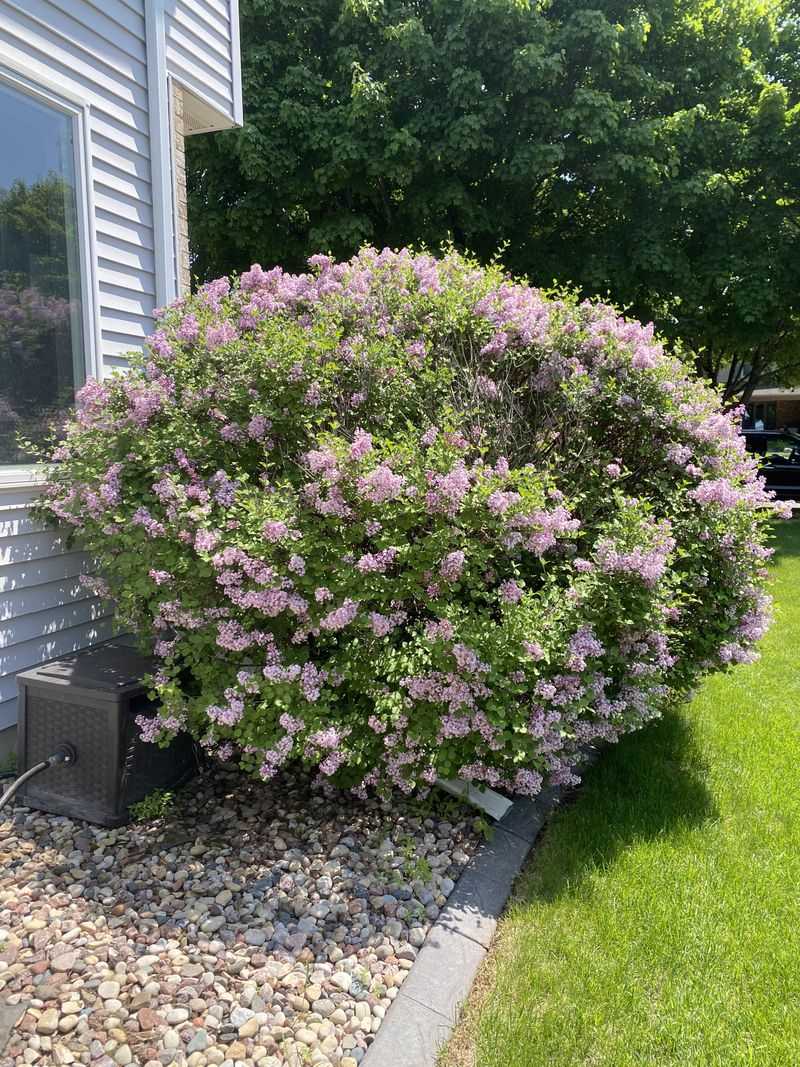
Spring-blooming shrubs put on a gorgeous show every year, but timing your pruning correctly is what keeps that show going season after season. Lilacs, forsythias, azaleas, and rhododendrons all bloom on old wood.
That means they start forming next year’s buds almost immediately after this year’s flowers fade.
The sweet spot for pruning these shrubs is right after the blooms drop, usually within two to four weeks of peak flowering. In Oregon, that window often falls between late April and early June, depending on the plant and your location.
If you wait too long into summer, you risk cutting off buds that are already forming for next spring.
Focus your cuts on removing spent flower clusters, crossing branches, and any stems that look crowded or weak. Don’t go overboard.
Light to moderate shaping is all these plants really need after blooming. Keeping the cuts clean and minimal helps the shrub put its energy into bud development rather than recovery.
Many Oregon gardeners mark their calendars right when the blooms open so they remember to prune at exactly the right time. It’s a small habit that leads to big, beautiful results every spring.
4. Cut Summer Bloomers In Late Winter
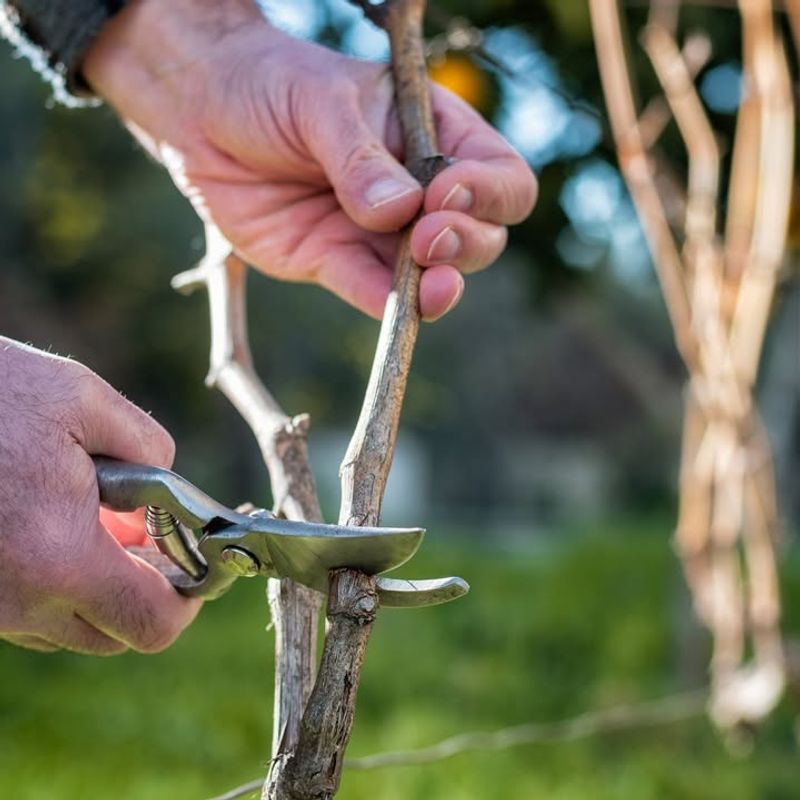
Summer-blooming shrubs work on a completely different schedule than their spring counterparts.
Because they bloom on new wood grown in the current season, cutting them back in late winter actually encourages stronger growth and bigger blooms come summer.
It feels a little counterintuitive at first, but the results speak for themselves.
Butterfly bushes, panicle hydrangeas like Limelight, and smooth hydrangeas like Annabelle all fall into this category. In Oregon, late February and March is usually the ideal time to get this pruning done.
The shrubs are still dormant, the worst of the winter rains may be easing up, and new growth hasn’t started pushing yet.
For butterfly bushes, cut them back hard, down to about 12 inches from the ground. This keeps them from getting too woody and spreading aggressively, which matters in Oregon since butterfly bush is considered invasive in some areas.
Panicle hydrangeas do well when cut back by one-third to one-half. Smooth hydrangeas can be cut back close to the ground for a fresh, strong start.
Late-winter pruning for summer bloomers is one of the most rewarding tasks in the Oregon garden calendar.
5. Thin For Better Airflow
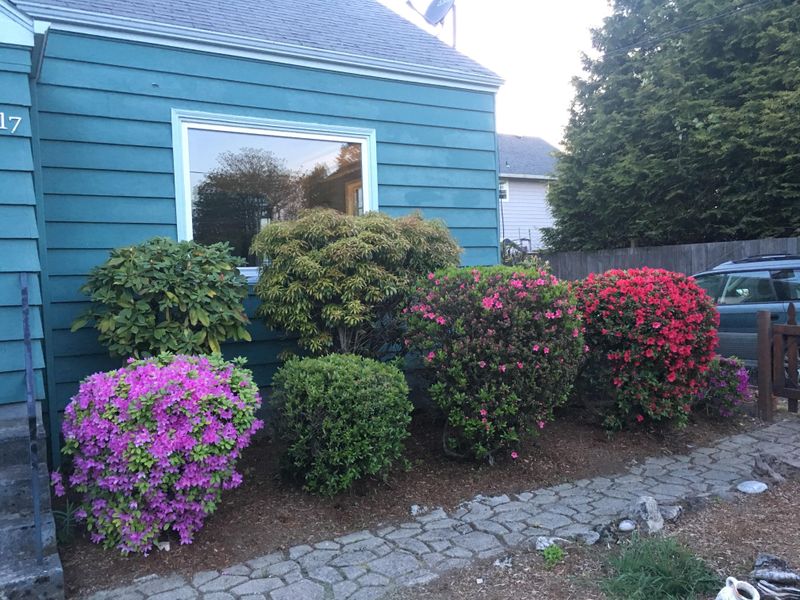
Oregon’s wet climate creates the perfect conditions for fungal diseases to take hold in dense, crowded shrubs. When branches are packed too tightly together, moisture gets trapped inside the plant.
That warm, damp environment is exactly where problems like botrytis, powdery mildew, and leaf spot love to grow.
Thinning means selectively removing branches from the inside of the shrub to open it up and let air move through freely. It’s different from shearing, which just trims the outside shape.
Thinning actually improves the health of the whole plant by reducing humidity inside the canopy and letting sunlight reach more of the stems and leaves.
When thinning, start by removing any dead, damaged, or crossing branches first. Then step back and look at the overall structure.
Remove a few of the oldest, thickest stems at the base to encourage fresh new growth from the center. Work gradually and avoid removing too much at once.
A well-thinned shrub has an open, airy look that still feels full and natural. Oregon gardeners who make thinning a regular part of their pruning routine tend to deal with far fewer disease problems throughout the rainy season.
6. Stick To The One-Third Rule
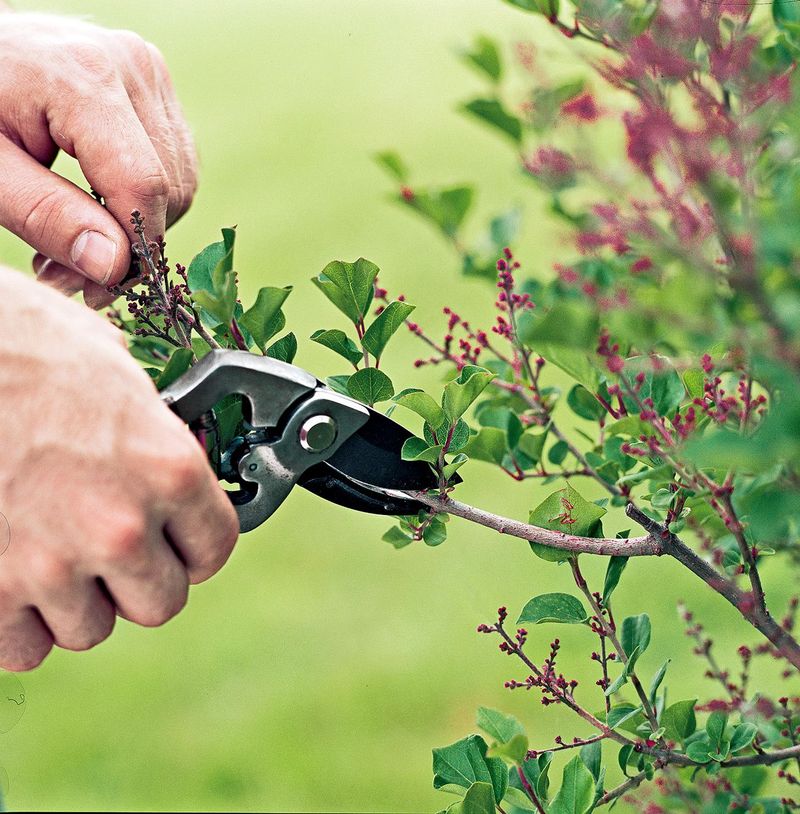
One of the most common pruning mistakes gardeners make is cutting back too much at once. It’s tempting to do a big, dramatic trim when a shrub starts looking overgrown, but removing too much growth in one session puts the plant under serious stress.
That stress can slow blooming and weaken the shrub over time.
The one-third rule is a simple and reliable guideline that helps you avoid this problem. Never remove more than one-third of the shrub’s total growth in a single pruning session.
This gives the plant enough healthy stems and leaves to keep producing energy through photosynthesis while it recovers and regrows.
If your shrub has gotten seriously overgrown, don’t try to fix it all in one year. Spread the renovation pruning over two or three seasons, taking a little more each time.
This gradual approach is much gentler and leads to a healthier, fuller plant in the long run. Portland Nursery actually recommends this one-third limit as a standard guideline for Oregon gardeners.
Following this rule consistently means your shrubs bounce back quickly, keep blooming reliably, and stay strong enough to handle whatever Oregon’s unpredictable weather throws their way.
7. Use Clean, Sharp Tools
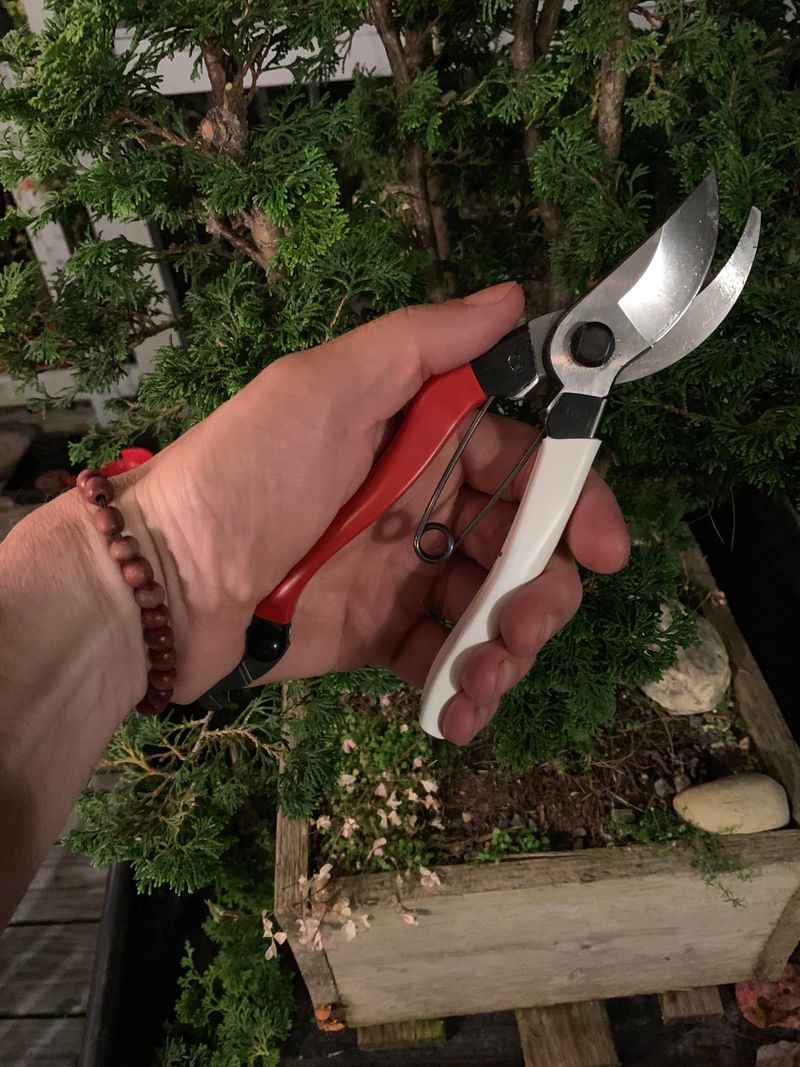
Dull, dirty pruning tools do more harm than most gardeners realize. A blunt blade tears through plant tissue instead of cutting cleanly, leaving ragged wounds that take much longer to heal.
In Oregon’s wet climate, those rough cuts stay moist and become easy entry points for bacteria and fungal spores.
Sharp tools make smooth, precise cuts that heal faster and leave the plant less vulnerable to infection. Before each pruning session, take a few minutes to sharpen your blades using a whetstone or a simple blade sharpener.
It doesn’t have to be a big production. Even a quick touch-up makes a noticeable difference in cut quality.
Cleaning your tools is just as important as sharpening them. Wipe the blades with a disinfectant solution, like diluted rubbing alcohol or a bleach and water mix, between plants.
This stops any disease from one shrub spreading to the next. It’s especially important in Oregon where fungal issues can travel easily from plant to plant in damp conditions.
Store your tools in a dry place and oil the hinges occasionally to keep everything moving smoothly. Well-maintained tools are a small investment that pays off in healthier, happier flowering shrubs all across your Oregon garden.
8. Watch For Signs Of Disease
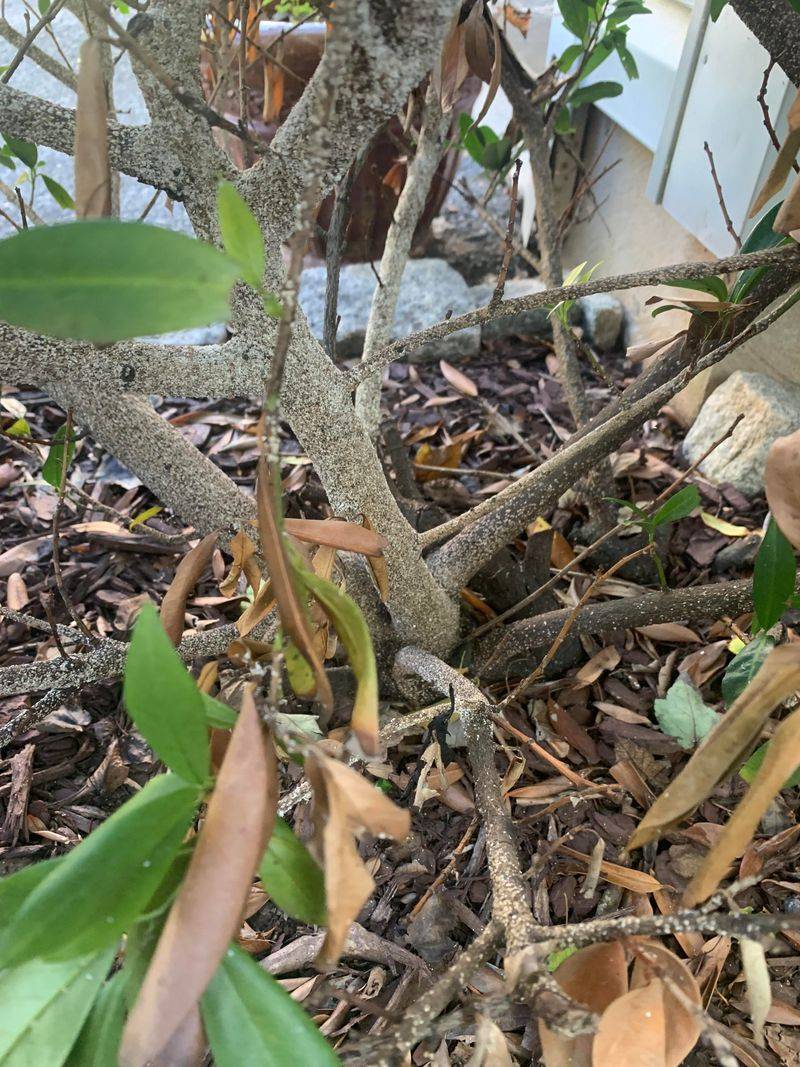
Pruning season is actually one of the best times to catch early signs of disease in your shrubs.
When you’re up close, cutting and examining branches, you get a clear look at what’s happening inside the plant.
Many Oregon gardeners are surprised by what they find once they start looking carefully.
Watch for branches with dark, sunken spots called cankers, which are often caused by fungal infections. Discolored wood inside a cut stem, usually brown or black instead of healthy white or green, can signal a deeper problem.
Grayish fuzzy growth on stems or leaves is often botrytis, a fungal disease that thrives in Oregon’s cool, wet springs.
If you spot diseased wood, cut back past the affected area until you reach clean, healthy tissue. Then immediately disinfect your tools before making any other cuts.
Bag up the diseased clippings and put them in the trash rather than the compost pile. Composting diseased material can spread the problem throughout your entire garden.
Staying alert during pruning means you can deal with small issues before they turn into big ones. Oregon’s climate rewards attentive gardeners, and a watchful eye during pruning time keeps your flowering shrubs looking their absolute best.