The Right Way To Prune Hibiscus For Bigger Blooms In Michigan
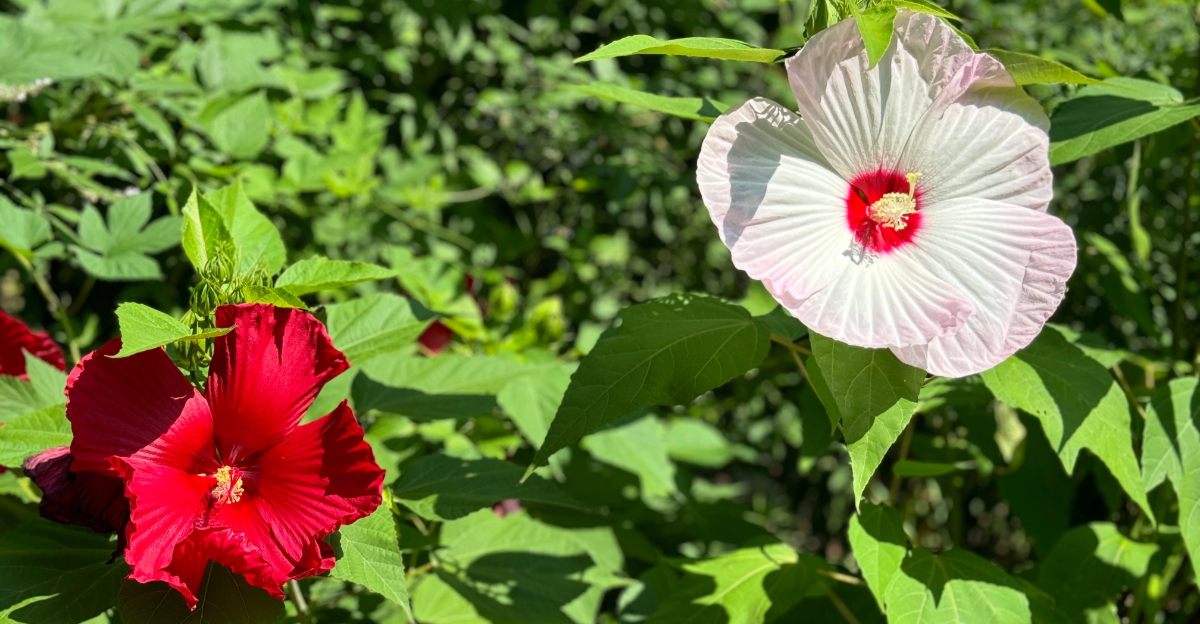
Few plants create a bigger summer statement in a Michigan garden than hardy hibiscus. When these plants begin blooming, the flowers can grow as large as dinner plates, instantly drawing attention in garden beds across the state.
Their bold colors and dramatic size make them one of the most exciting perennials to grow. Across Michigan, from colder Zone 4 areas in the Upper Peninsula to milder Zone 6 gardens in the southern part of the state, hardy hibiscus proves surprisingly resilient.
Once established, it handles the region’s winters well and returns each year ready to produce another round of impressive blooms. One detail that makes a major difference is how the plant is pruned.
With the right approach, gardeners can encourage stronger stems and even larger flowers. Understanding how and when to prune hardy hibiscus helps Michigan gardeners enjoy a truly spectacular summer display.
1. Hardy Hibiscus Goes Dormant During Michigan Winters
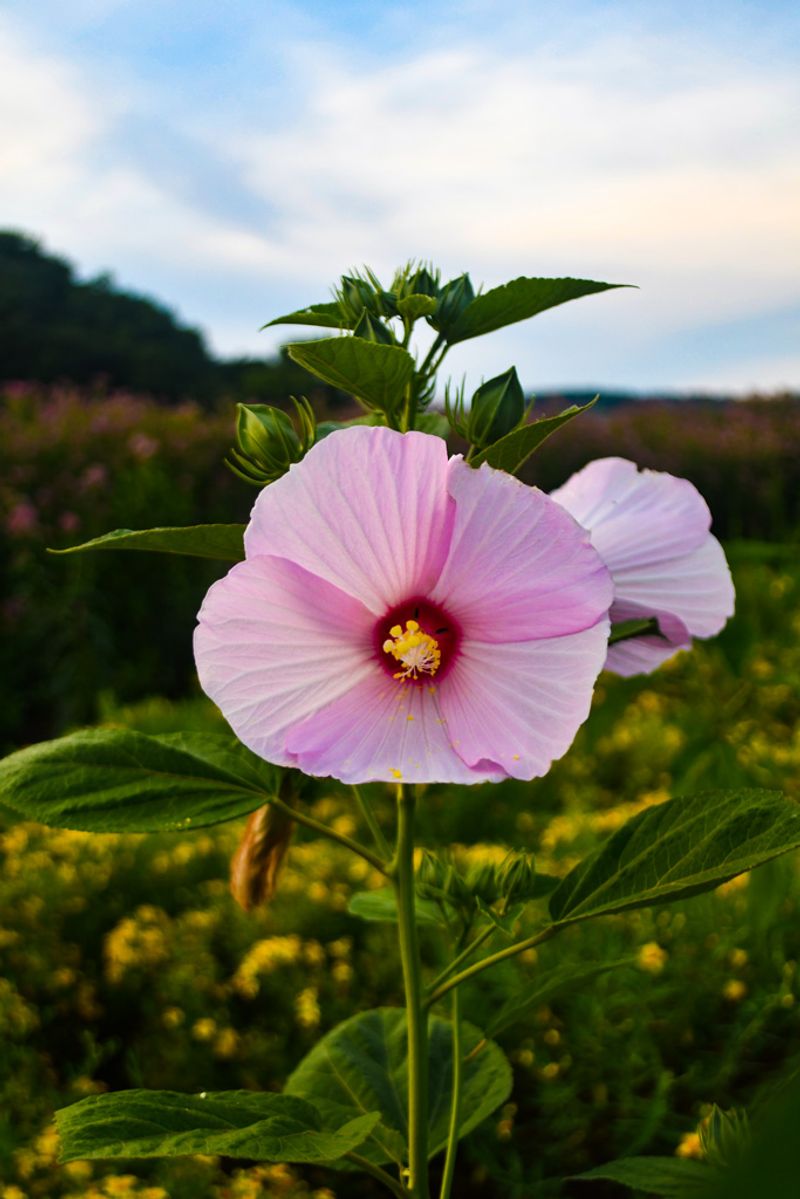
Every fall, something quietly remarkable happens beneath the soil of Michigan gardens. Hardy hibiscus, known scientifically as Hibiscus moscheutos, begins pulling all its energy down into its root crown as temperatures drop.
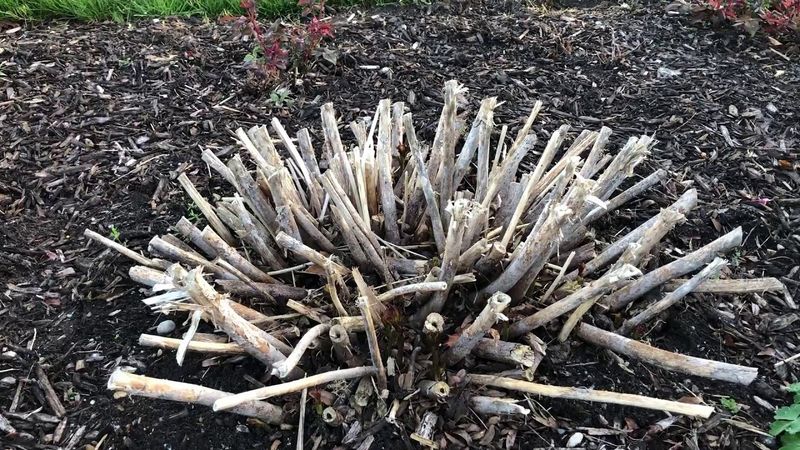
The above-ground stems slowly fade and turn brown, looking completely lifeless by the time Michigan winters fully set in.
This process is called dormancy, and it is completely normal. The plant is not struggling at all.
Underground, the root crown stays alive and protected, storing energy for the growing season ahead. Many new Michigan gardeners panic when they see the stems looking dry and brittle in November, but there is nothing to worry about.
What makes hardy hibiscus so special for Zone 4 and Zone 6 gardeners is this incredible ability to survive brutal Michigan winters. Once spring arrives and soil temperatures begin climbing, the crown wakes back up and pushes out fresh new shoots.
Knowing this cycle helps you plan your pruning schedule perfectly. You can leave the old stems standing through winter, since they actually help mark where the plant is located and offer a small amount of insulation for the crown below.
Come spring, you will have a clear picture of where to focus your pruning efforts for the season ahead.
2. Prune In Early Spring After Winter Conditions Ease
Timing is everything when it comes to pruning hardy hibiscus in Michigan. Most experienced Michigan gardeners wait until April, once the harshest winter conditions have passed and the ground begins to thaw reliably.
Cutting too early, while frost is still a regular visitor, can expose the crown to unnecessary stress just as it starts waking up.
Watching the weather is a smart habit for Zone 4 and Zone 6 gardeners before picking up the pruners. A mild stretch of days in late March might feel tempting, but a sudden cold snap can follow quickly in Michigan.
Waiting for more consistent warmth gives the plant the best possible start to the growing season.
One helpful trick many Michigan gardeners use is watching for tiny red or green nubs beginning to appear at the base of the plant. Those small emerging shoots are a reliable signal that the root crown is actively waking up and that pruning time has arrived.
Pruning at this stage means you can clearly see exactly where new growth is happening, making it much easier to cut with confidence.
Early spring pruning sets the entire season up for success, encouraging strong new stems and the spectacular blooms that make hardy hibiscus one of the most beloved perennials in Michigan gardens from Zone 4 all the way through Zone 6.
3. Cut Stems Close To The Ground
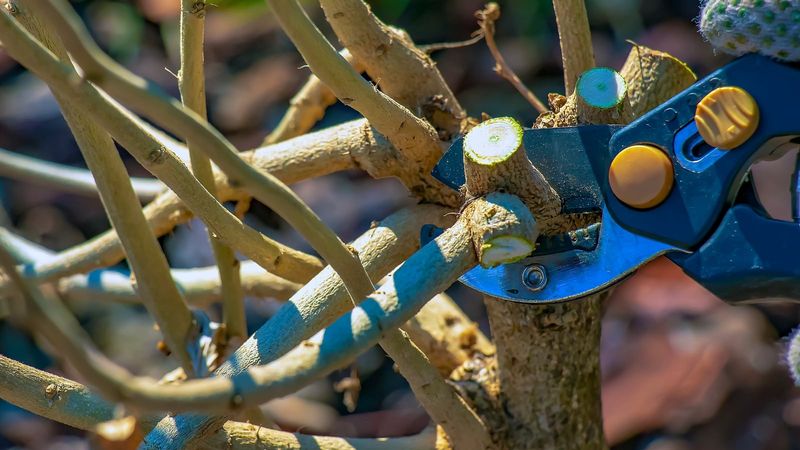
When pruning season finally arrives in Michigan, the actual cutting technique matters more than most people realize. The goal is to remove all of last year’s stems by cutting them down to about 2 to 4 inches above the soil line.
This low cut clears away the old, woody growth and opens up the garden bed beautifully for the fresh season ahead.
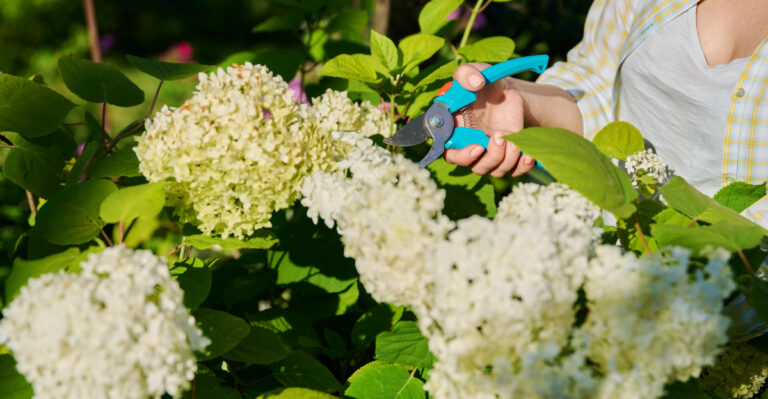
Using sharp, clean bypass pruners makes this job much easier and cleaner. Dull blades can crush or tear the stem rather than making a smooth cut, which can invite disease into the plant.
A quick wipe of the blades with rubbing alcohol before you start is a simple habit that keeps your tools and your plants in great shape throughout the Michigan growing season.
Leaving that small 2 to 4 inch stub above the soil serves an important purpose. It marks exactly where the plant is located in the bed, preventing accidental digging or foot traffic over the crown before the new shoots fully emerge.
Once those fresh shoots start climbing upward in late spring, you will see just how much space the old stems were taking up.
Clearing them away gives the new growth room to stretch out, improves airflow around the base, and keeps your Michigan perennial beds looking tidy and well-maintained from the very start of the season.
4. The Plant Blooms On New Season Growth
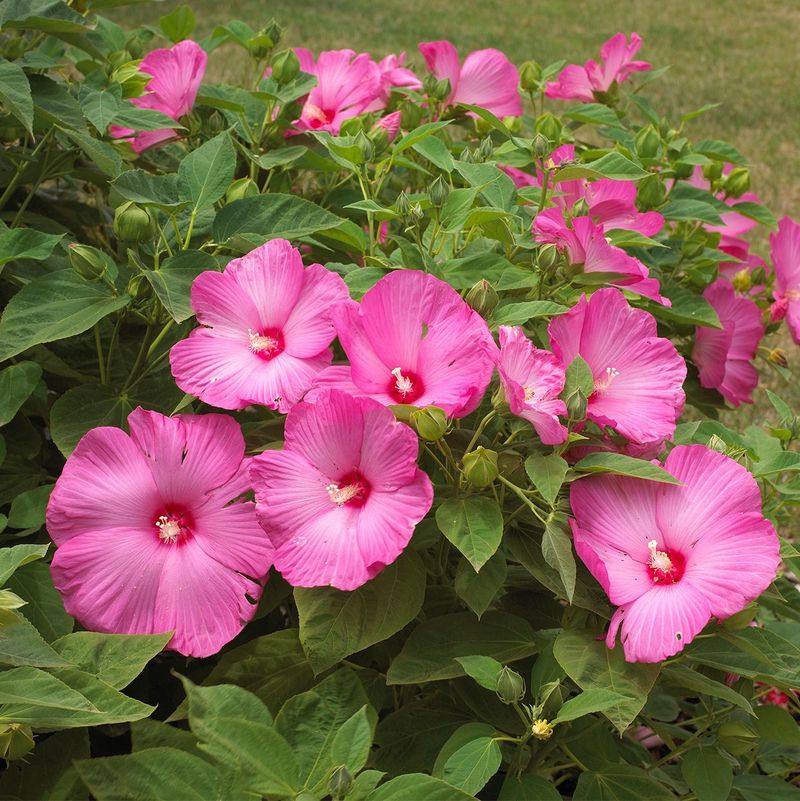
Here is one of the best facts about hardy hibiscus that every Michigan gardener should know. Unlike some flowering shrubs that bloom on old wood from the previous year, Hibiscus moscheutos produces all of its flowers on brand-new stems that grow each spring.
This means pruning in early spring does absolutely nothing to reduce your summer flower show.
In fact, the opposite is true. Cutting away the old stems encourages the plant to push out multiple strong new shoots from the crown, which means more stems and ultimately more flowers.
Michigan gardeners in Zone 4 and Zone 6 who skip pruning often find their plants looking crowded and producing fewer, smaller blooms compared to well-pruned neighbors.
Understanding this new-growth blooming habit completely changes how you approach spring maintenance. There is no reason to hesitate or worry about cutting too much when you know fresh stems will replace everything within weeks.
Each new stem that emerges from the crown in late spring has the potential to carry several enormous blooms by mid-summer.
Giving those new stems the best possible start by clearing away old growth is the single most effective thing you can do for bigger, bolder blooms all season long.
Michigan gardeners who embrace this fact consistently enjoy the most spectacular hibiscus displays in their neighborhoods every summer without fail.
5. Removing Old Stems Improves Garden Appearance
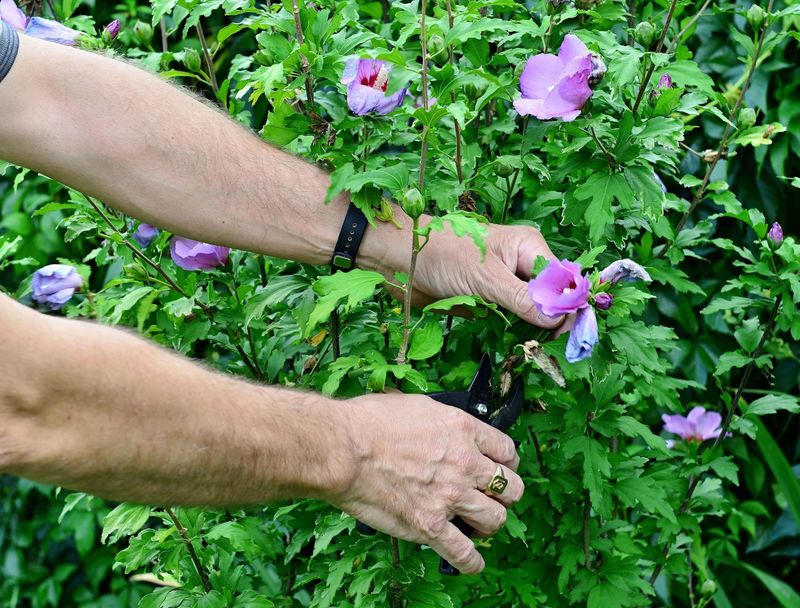
Beyond the blooming benefits, there is a very satisfying visual reason to clear out old hibiscus stems every spring in Michigan. After a long winter, those tall, dried, brown stalks can make even the most beautiful perennial bed look neglected and messy.
Cutting them back transforms the garden almost instantly, giving the whole space a fresh, clean look that feels energizing.
Spring garden cleanup is a ritual that many Michigan gardeners genuinely look forward to, and tackling the hibiscus is one of the most rewarding parts of the process. Once the old stems are removed, you can see the garden bed clearly and plan for the season ahead.
It also becomes much easier to add fresh mulch, check on neighboring plants, and assess the overall health of your growing space.
Clearing away the old growth also allows sunlight to reach the soil more directly around the crown, which helps warm the ground faster in Michigan’s sometimes slow spring. Warmer soil encourages the root crown to send up new shoots sooner and with more vigor.
There is also a practical benefit when it comes to pest management, since old stems can harbor overwintering insects or fungal spores if left in place too long.
A clean garden bed from the start gives your hardy hibiscus in Zone 4 and Zone 6 the healthiest possible foundation for another stunning Michigan summer season.
6. Hardy Hibiscus Grows Quickly Once Temperatures Warm
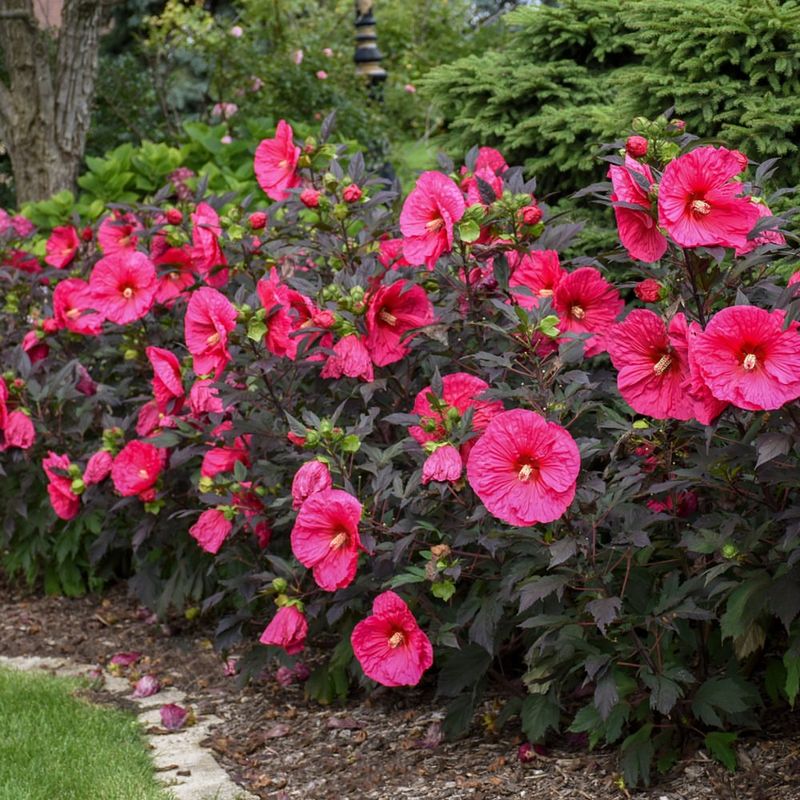
One thing that surprises first-time hardy hibiscus growers in Michigan every single year is how late the plant emerges compared to other perennials.
While daffodils and hostas are already showing strong growth in April, the hibiscus crown often stays completely quiet well into late May.
Many gardeners assume something went wrong during the winter, but patience is all that is needed.
Once soil temperatures warm up enough in Michigan, usually around late May or early June depending on your specific Zone 4 or Zone 6 location, the plant absolutely takes off.
Growth can be dramatic and fast, with stems climbing several inches per week under ideal conditions.
By midsummer, a well-established hardy hibiscus can easily reach 4 to 6 feet tall, creating a bold, tropical-looking focal point in any sunny Michigan garden bed.
This rapid growth habit is actually one of the reasons early spring pruning works so well. The plant does not waste energy maintaining old stems once conditions improve.
Instead, all of that stored root energy goes directly into producing thick, strong new growth at an impressive pace.
Gardeners in Zone 4 and Zone 6 across Michigan are often amazed by how quickly a seemingly bare patch of garden transforms into a towering, lush plant within just a few weeks.
Trusting the process and giving the plant time to wake up on its own schedule is always the right approach.
7. Light Mulch Helps Protect The Root Crown
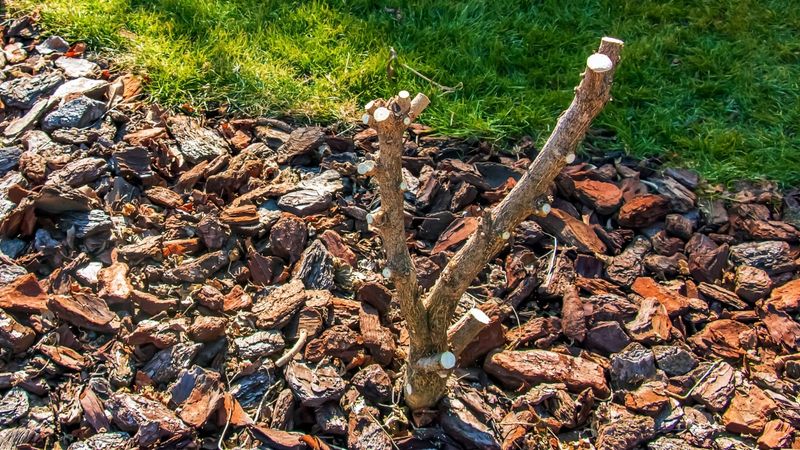
Spring in Michigan can be unpredictable, with warm sunny days followed by sudden cold nights that catch even experienced gardeners off guard.
Applying a light layer of mulch around your hardy hibiscus after pruning is one of the simplest and most effective ways to protect the root crown during these temperature swings in Zone 4 and Zone 6 gardens.
A 2 to 3 inch layer of organic mulch, such as shredded bark, wood chips, or straw, works beautifully around the base of the plant. This layer helps maintain consistent soil moisture as spring rains come and go, which the emerging crown appreciates enormously.
It also acts as a gentle temperature buffer, keeping the soil from heating up and cooling down too rapidly as Michigan weather shifts through its unpredictable spring moods.
One important detail to keep in mind is to avoid piling mulch directly on top of the crown itself.
Pulling the mulch back a few inches from the base of the stems allows air to circulate freely and prevents moisture from building up against the crown, which can cause rot. Think of mulch as a protective ring rather than a blanket directly over the plant.
This small but important habit helps Michigan gardeners maintain healthy, vigorous hibiscus plants that bounce back strong every spring and reward the garden with jaw-dropping blooms all the way through summer and into early fall without missing a beat.
8. Expect Giant Flowers In Mid To Late Summer
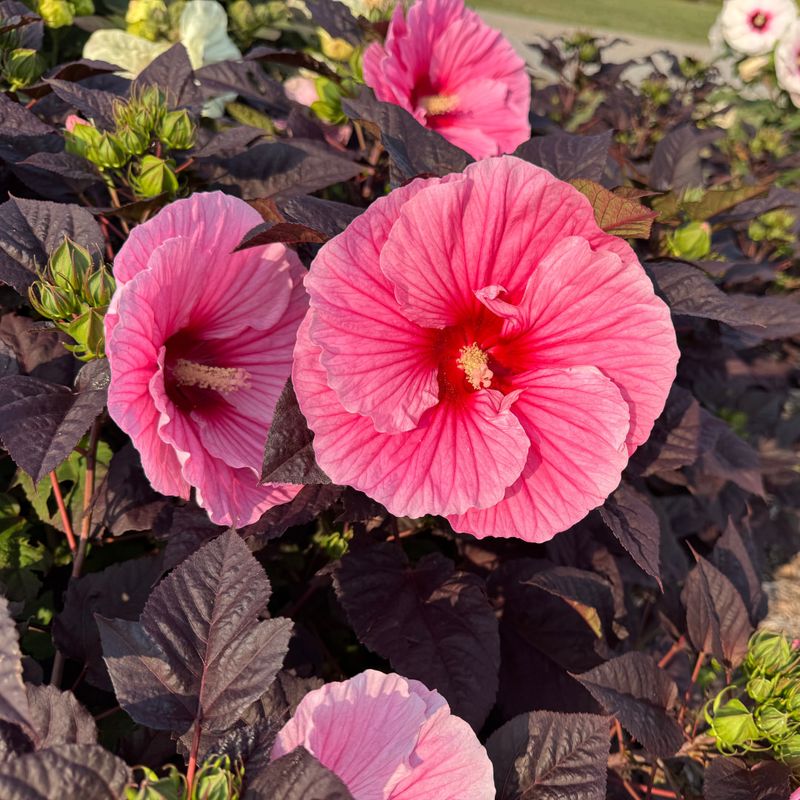
All of the spring pruning, careful mulching, and patient waiting pays off in the most spectacular way possible when mid-summer arrives in Michigan.
Hardy hibiscus produces some of the largest flowers of any perennial plant you can grow in Zone 4 and Zone 6, with individual blooms regularly reaching 10 to 12 inches across.
Neighbors will stop to take photos, and you will be very glad you put in the work.
Flowering typically begins in July and continues strong into August and even early September across much of Michigan.
Each individual flower only lasts about a day, but the plant produces new blooms continuously throughout the season, so the display feels constant and generous.
Colors range from pure white to soft pink, deep red, and striking bicolor combinations that add incredible drama to sunny perennial beds.
Properly pruned and well-maintained plants consistently outperform neglected ones when it comes to flower size and quantity.
Strong new stems that grew from a cleanly pruned crown have more energy available for flower production than crowded, unpruned plants fighting through old woody growth.
Michigan gardeners in both Zone 4 and Zone 6 who follow a consistent spring pruning routine year after year notice a clear improvement in bloom size over time.
The reward for doing things right is a hibiscus that becomes more impressive with every passing season, filling your Michigan garden with bold, breathtaking color from midsummer all the way to the first cool nights of fall.