The Right Way To Prune Hibiscus In Arizona For Bigger Flowers
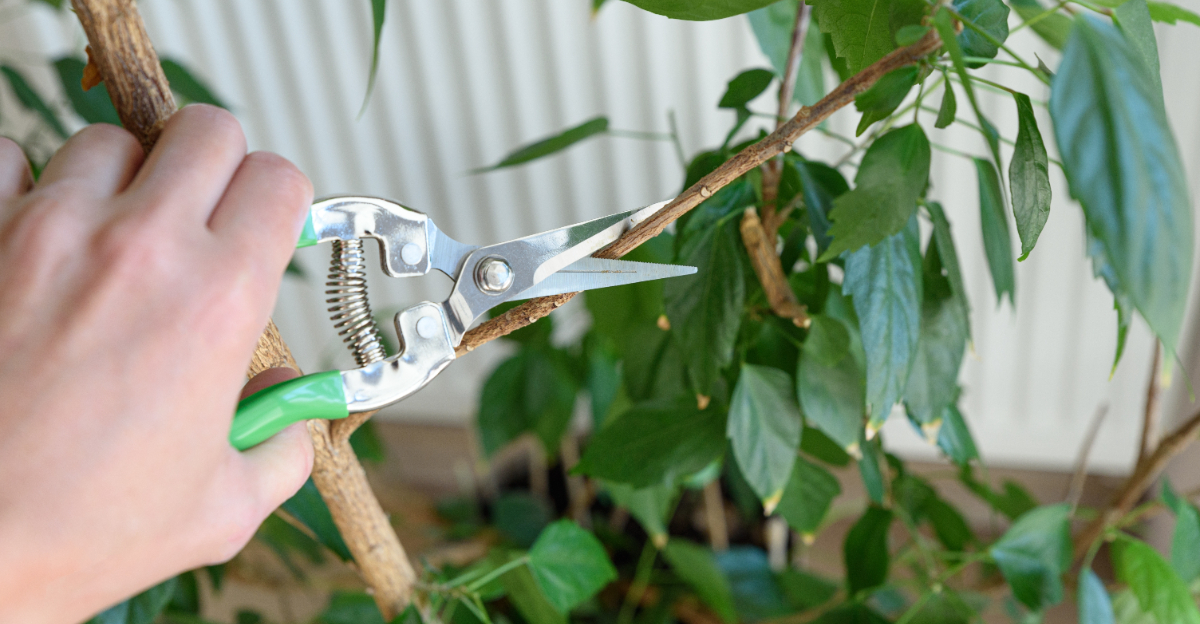
Hibiscus can look full and healthy in an Arizona yard, then suddenly stop putting out those big, eye catching blooms. Growth stays green, leaves look fine, but flowers just do not show up the way they should.
That is usually where pruning comes into play, and timing matters more here than most expect.
Desert heat changes how hibiscus responds, especially once late spring starts pushing temperatures higher. Cuts that seem harmless can slow things down or send the plant in the wrong direction if they are done at the wrong moment.
Many Arizona gardeners trim their hibiscus thinking it will help, then end up with fewer flowers instead of more.
There is a simple way to shape the plant so it keeps growing strong while setting up for better blooms, and it starts with understanding what the plant actually needs right now.
1. Light Pruning Is Safe Before Extreme Heat Sets In
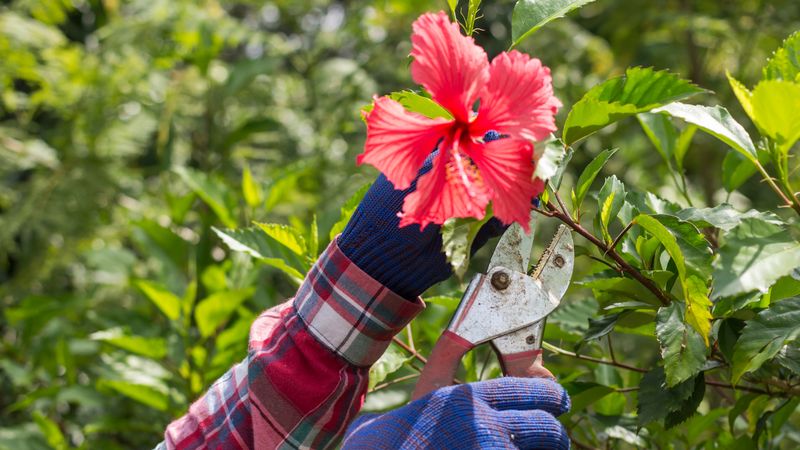
Before Arizona’s summer temperatures climb past 100 degrees, there is a short window where light pruning is not just safe but genuinely helpful.
Early spring, roughly between late February and mid-April depending on your elevation, gives hibiscus plants enough mild weather to bounce back quickly after a trim.
Catching this window can set your plant up for a much stronger bloom season. Light pruning at this stage means removing only about one-third of the plant at most.
You are not cutting it back hard, just tidying up the shape, snipping off dried or crossing branches, and encouraging the plant to push out fresh new growth before the real heat arrives.
Hibiscus in Arizona respond well to this kind of early-season attention.
Waiting too long into spring and suddenly the temperatures spike, leaving your freshly trimmed plant exposed to harsh conditions before it has had a chance to recover.
Timing matters more in Arizona than it does in cooler states because the heat arrives fast and stays long.
A plant that has had a few weeks to push out new leaves and harden off slightly will handle the coming summer far better than one that was just cut.
2. Cut Above A Leaf Node To Encourage New Growth
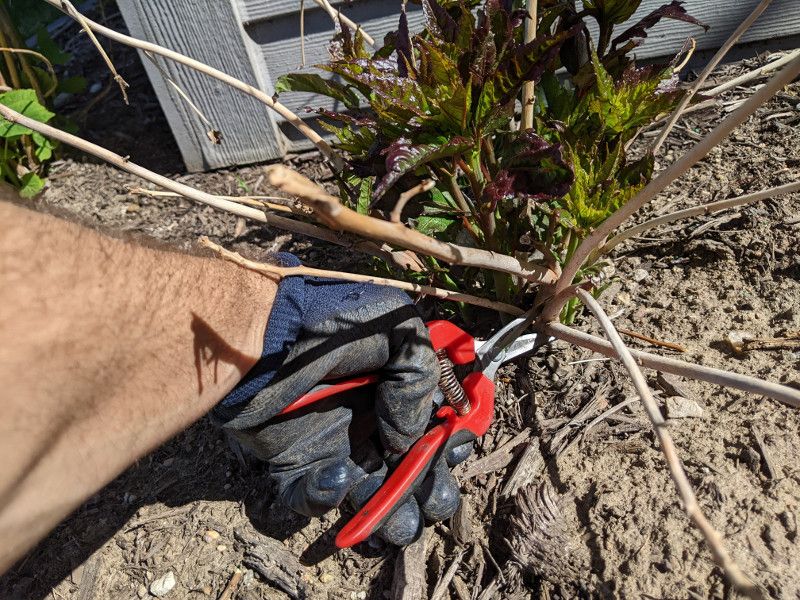
Where you make your cut matters just as much as when you make it. Cutting directly above a leaf node, that small bump or joint where a leaf attaches to the stem, tells the plant exactly where to send its new growth.
Skip this detail and you could end up with stubby, unproductive stems that just sit there looking sad all season.
A leaf node is where the plant stores the hormones responsible for branching. When you cut just above one, usually leaving about a quarter inch of stem above it, the plant reads that signal and begins pushing out new shoots from that exact point.
More shoots mean more branches, and more branches mean more flowers. In Arizona, where you want maximum bloom production during the cooler parts of the growing season, this technique pays off noticeably.
Your Arizona Garden Changes Every Week. Your Plan Should Too.
Gardening in Arizona changes quickly throughout the season. Every Friday you’ll receive a simple weekly plan showing exactly what to plant, prune, fertilize, harvest, and protect so you never miss the right timing.
Cutting too far below a node leaves a section of stem that has no purpose. That leftover stub often dries out, becomes an entry point for pests or disease, and does nothing to encourage growth.
Cutting too close can damage the node itself, which defeats the whole purpose of the trim.
3. Avoid Heavy Pruning During Hot Weather
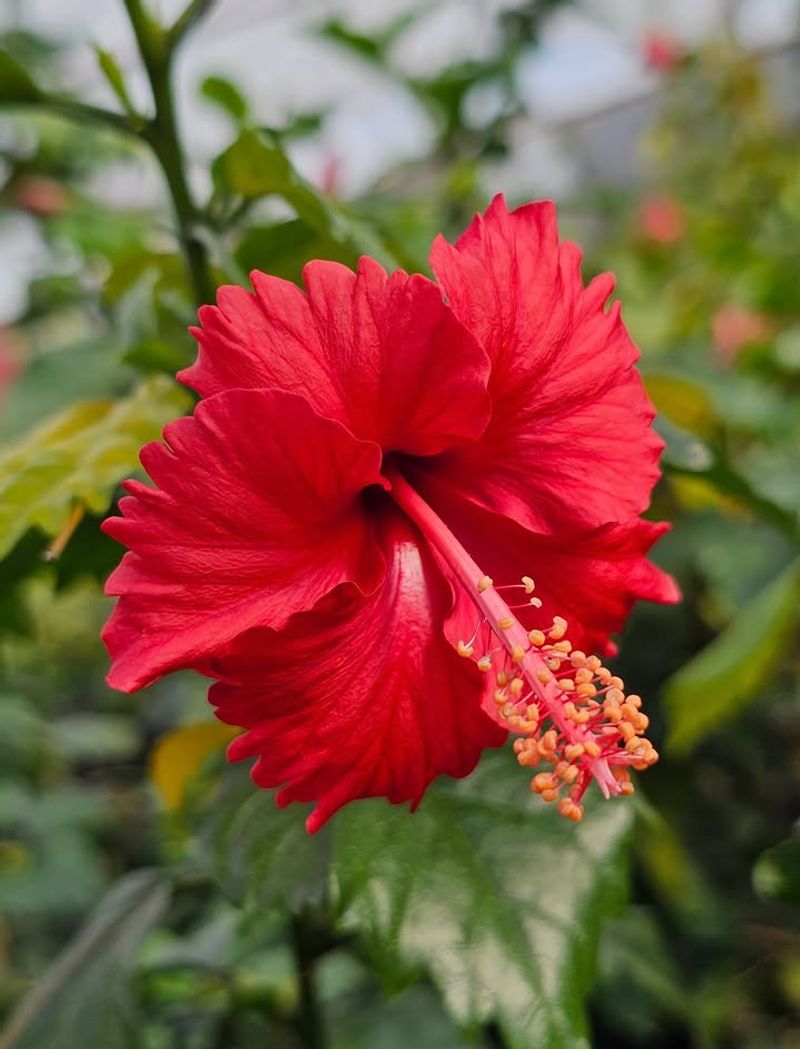
Cutting a hibiscus hard when temperatures are already blazing is one of the most common mistakes Arizona gardeners make. Heavy pruning removes a large portion of the plant’s leaf coverage, and those leaves are what shade the stems and help regulate the plant’s internal temperature.
Strip too many away in July or August and the plant suddenly has far less protection against the brutal Arizona sun.
Hibiscus already work overtime during peak summer heat, pulling water from the soil and pushing it through every stem and leaf just to stay stable. Adding the stress of significant pruning on top of that is asking a lot.
Recovery takes energy the plant simply does not have when it is already dealing with triple-digit temperatures and intense UV exposure.
Heavy pruning is best reserved for late winter or very early spring before the heat builds. If you missed that window and your plant is already deep into summer, stick to removing only what is clearly damaged or broken.
Anything beyond light cleanup during hot weather can slow your plant down considerably and reduce the number of blooms you get in the fall flush.
4. Use Clean Sharp Tools For Healthier Cuts
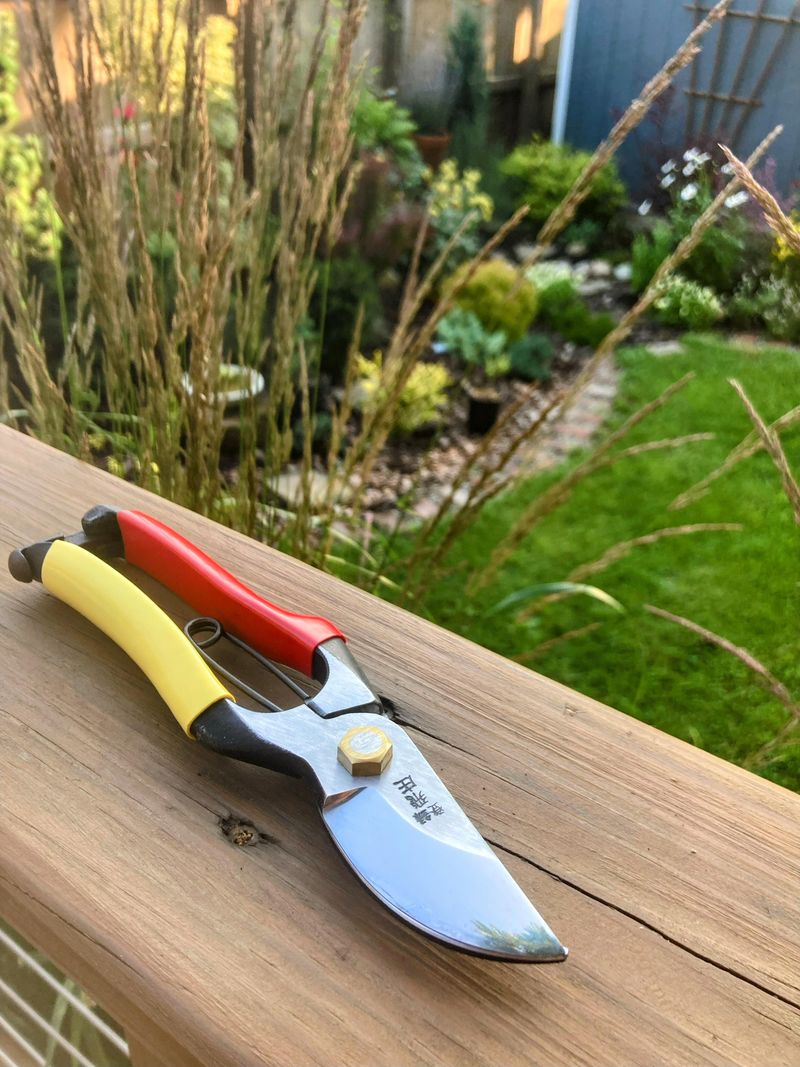
Dull blades crush plant tissue instead of slicing through it cleanly, and that difference is bigger than most people realize. A crushed stem heals slowly, creates a larger wound surface, and is far more vulnerable to bacterial or fungal problems than a clean cut.
Sharp tools are not just a convenience in Arizona gardening, they are genuinely important for plant health.
Bypass pruners, the type that work like scissors with two curved blades, are the go-to choice for hibiscus. They make clean cuts without squeezing the stem, which matters a lot when you are working on softer, newer growth.
Anvil-style pruners, where one blade presses against a flat surface, tend to crush more than they cut and are better suited for dry or hardened stems.
Keeping your tools clean is equally important. Wiping blades with rubbing alcohol between plants, or even between cuts on a plant that shows signs of stress, prevents spreading pathogens from one area to another.
Arizona’s warm climate can allow certain bacteria and fungi to thrive year-round, so this simple step is worth making a habit.
5. Shape The Plant To Improve Airflow
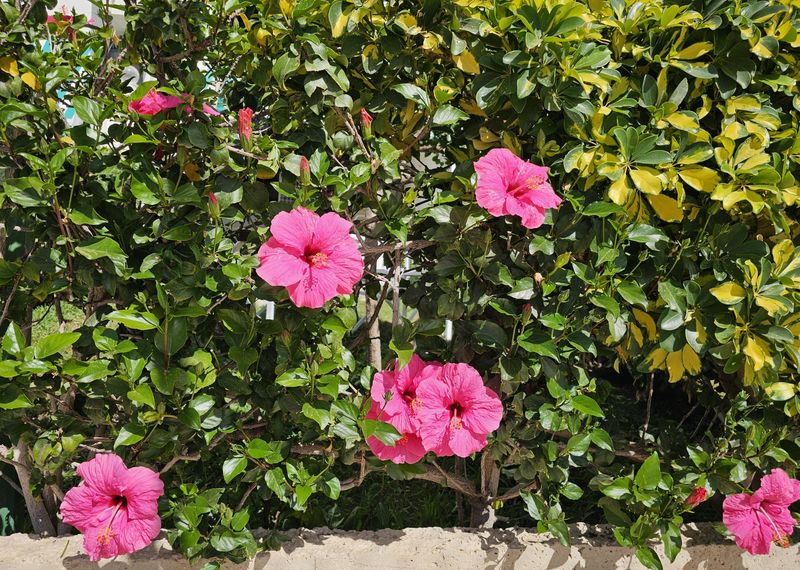
Good airflow through a hibiscus plant is something you earn with intentional pruning, not something that just happens on its own. When branches grow too close together or cross over each other, the inside of the plant becomes congested.
Moisture from irrigation and morning dew gets trapped, and that humid pocket inside an otherwise dry Arizona garden can invite fungal issues and pest problems.
Shaping a hibiscus for airflow means selectively removing branches that point inward toward the center of the plant. You are essentially opening up the canopy so light and air can move through freely.
A well-shaped plant looks more attractive, but more importantly, it stays healthier over the long haul because every part of it gets exposed to the dry Arizona breeze.
Start by standing back and looking at the overall structure before making any cuts. Identify which branches are crossing, rubbing against each other, or growing in a direction that crowds the center.
Remove those first, then step back again and reassess before cutting more. Rushing this process often leads to removing too much at once, which is easy to do when you get into a cutting rhythm.
In humid climates, people can sometimes get away with a denser plant structure.
6. Remove Weak Growth To Support Stronger Branches
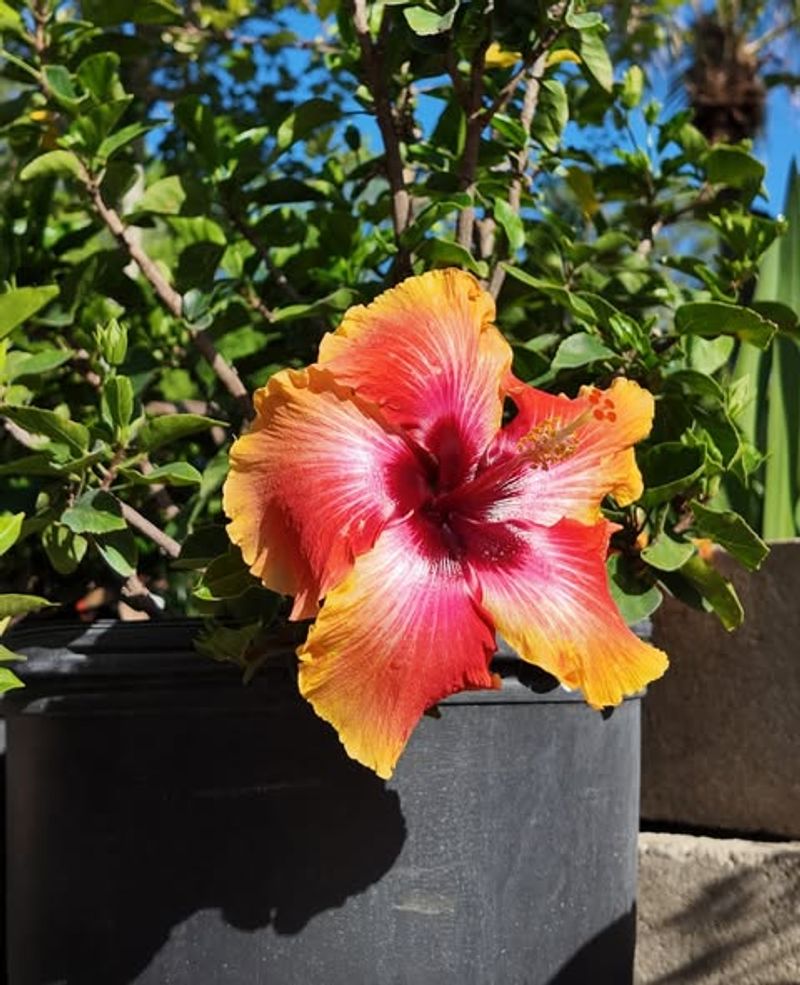
Spindly, weak stems are passengers on your hibiscus, taking up water and nutrients without contributing much in return.
Removing them is one of the most straightforward ways to redirect the plant’s energy toward the branches that are actually capable of producing large, healthy blooms.
Stronger branches get more resources, and that shows up directly in flower size and frequency.
Weak growth usually looks noticeably thinner than the main stems, often pale in color, and tends to flop rather than stand upright. You will often find it near the base of the plant or growing in low-light areas deep inside the canopy where it never really had a chance to develop properly.
Cutting these stems back to the base or to the nearest healthy junction is the right move.
One thing worth knowing is that not every thin stem is automatically weak. Young growth that is actively pushing upward and showing healthy color can be left alone to develop.
What you are targeting is growth that looks stressed, pale, or structurally floppy with no clear sign of vigorous development. Context and observation matter more than just cutting everything thin.
Arizona gardeners dealing with intense summer conditions will especially notice the benefit here.
7. Light Trimming Can Encourage More Blooms
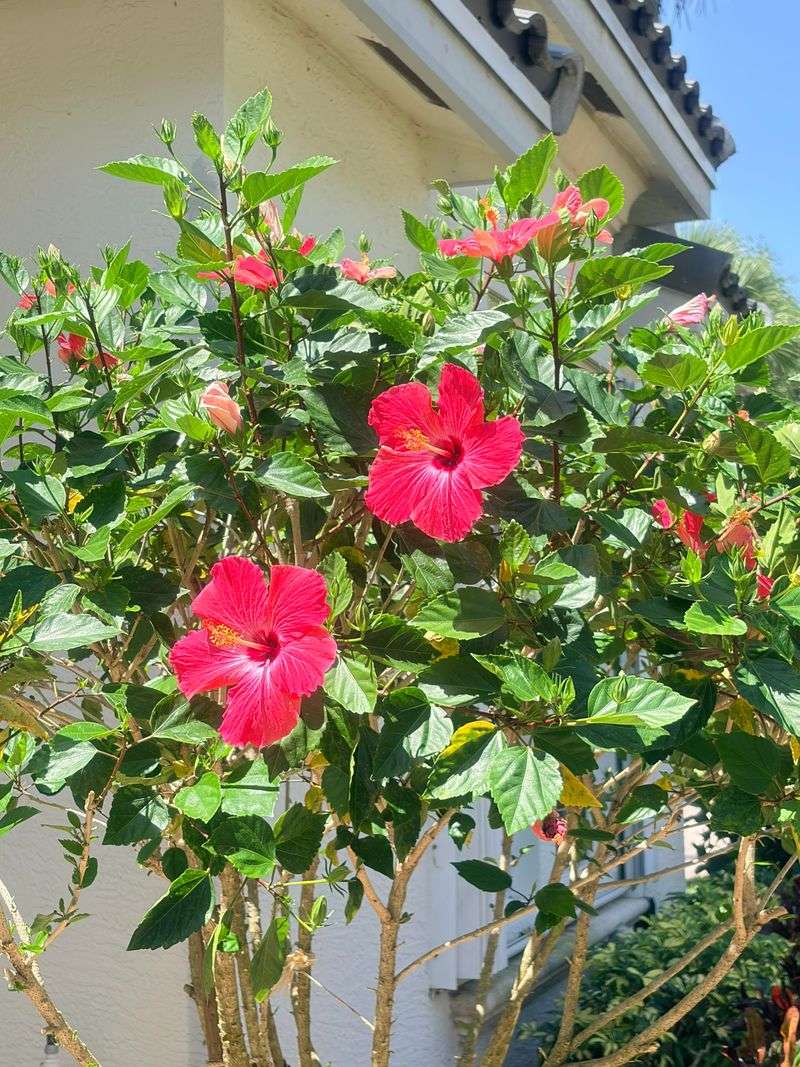
Hibiscus are what gardeners call repeat bloomers, meaning they have the ability to flower in waves rather than all at once and then stop. Light, regular trimming nudges the plant to keep cycling through those waves instead of slowing down between flushes.
A few strategic snips at the right moments can extend your blooming season considerably, especially in Arizona where the growing window stretches well into fall.
Deadheading spent flowers is the simplest version of this. Once a bloom fades, removing it along with the short stem it sits on tells the plant to produce another bud rather than putting energy into developing a seed pod.
Hibiscus that are consistently deadheaded in Tempe and Gilbert gardens often stay in bloom noticeably longer than those left completely untended.
Beyond deadheading, trimming back branch tips by just a few inches after a heavy bloom flush can trigger the next wave of flowering. You are essentially resetting the tip of each branch so new buds can form.
This works best during the milder parts of the year in Arizona, spring and early fall, when temperatures are cooperative and the plant has enough energy to respond quickly.