The Right Way To Prune Hibiscus In Georgia For Massive Blooms
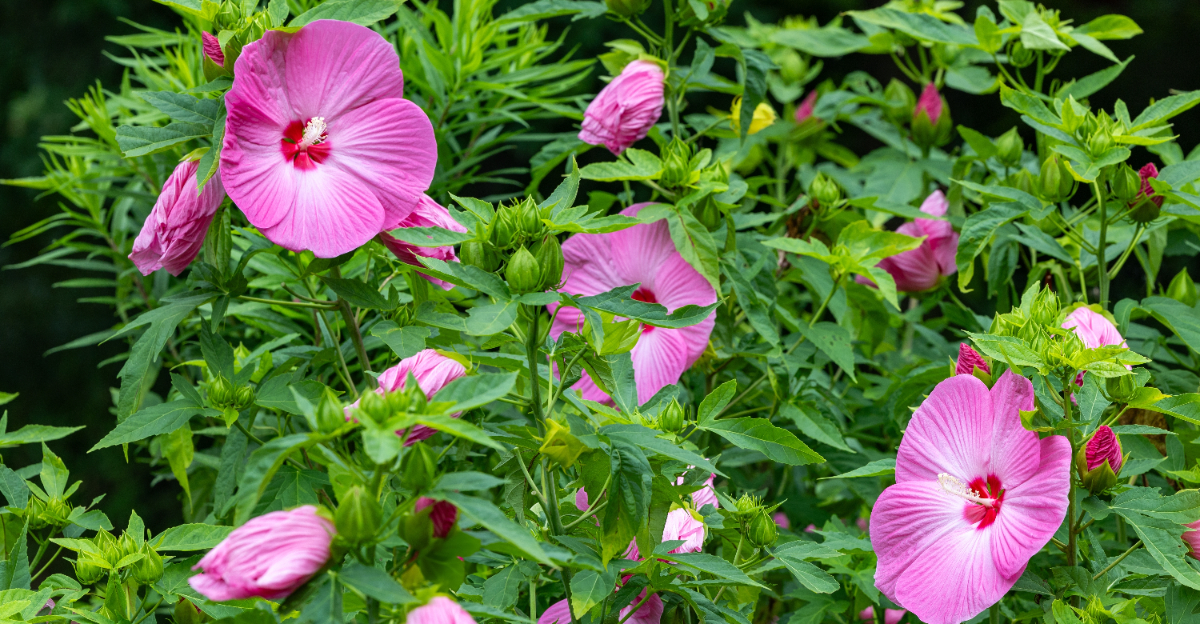
Hibiscus can grow fast and look full, but without the right pruning, those big, bold blooms can be fewer than expected. In Georgia, timing and technique both play a role in how well these plants perform once the growing season kicks in.
Cutting at the right moment encourages fresh growth, which is exactly where most hibiscus varieties produce their flowers. A well-timed prune can lead to stronger stems, more branching, and a plant that is ready to put on a much better show.
It does not take complicated steps, but it does take knowing when to cut and how much to remove.
Get that balance right, and hibiscus responds quickly, filling out and producing the kind of large, eye-catching blooms that make it stand out all summer.
1. Prune Hibiscus After The Last Frost For Best Results
Timing is everything when it comes to hibiscus in Georgia. Cut too early and a surprise late frost can shock the plant right when it is trying to wake up.
Most of Georgia sees its last frost somewhere between mid-February in the south and mid-March in the northern parts of the state, so pay attention to your local forecast before reaching for your pruners.
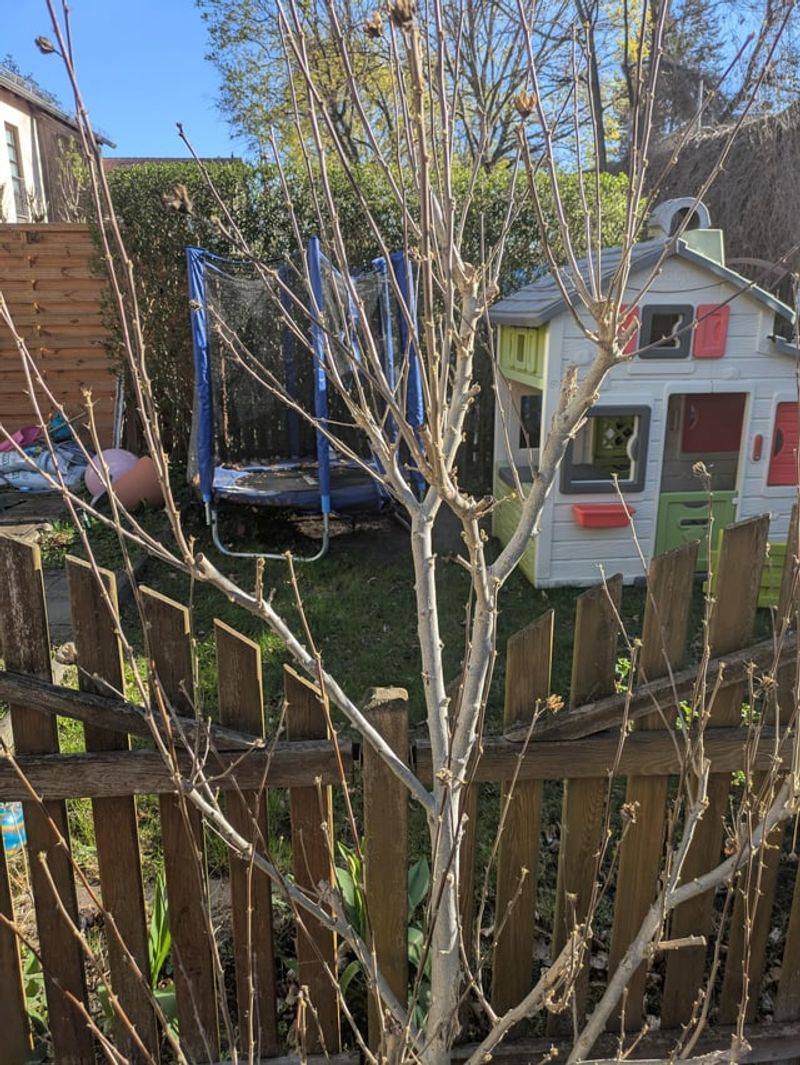
Hardy hibiscus varieties, like Hibiscus moscheutos, go dormant over winter and come back from the roots each spring. Wait until you spot those tiny red or green buds pushing up from the base before you start cutting away last year’s old stems.
Cutting too soon means you might accidentally remove parts that still have life in them.
Tropical hibiscus is a little different since it holds onto its woody structure year-round. In Georgia, late February through early March is usually a safe window to prune tropical varieties, right after cold nights start backing off.
Watching the 10-day forecast before you prune can save you a lot of frustration.
A good rule of thumb for Georgia gardeners is to wait until nighttime temperatures stay consistently above 50 degrees Fahrenheit. At that point, your hibiscus is actively pushing energy upward and pruning will encourage faster, stronger regrowth.
Pruning at the right moment sets the entire growing season up for success, and in Georgia’s long warm summers, that means months of nonstop blooms.
2. Remove Weak And Damaged Wood First To Encourage Healthy Growth
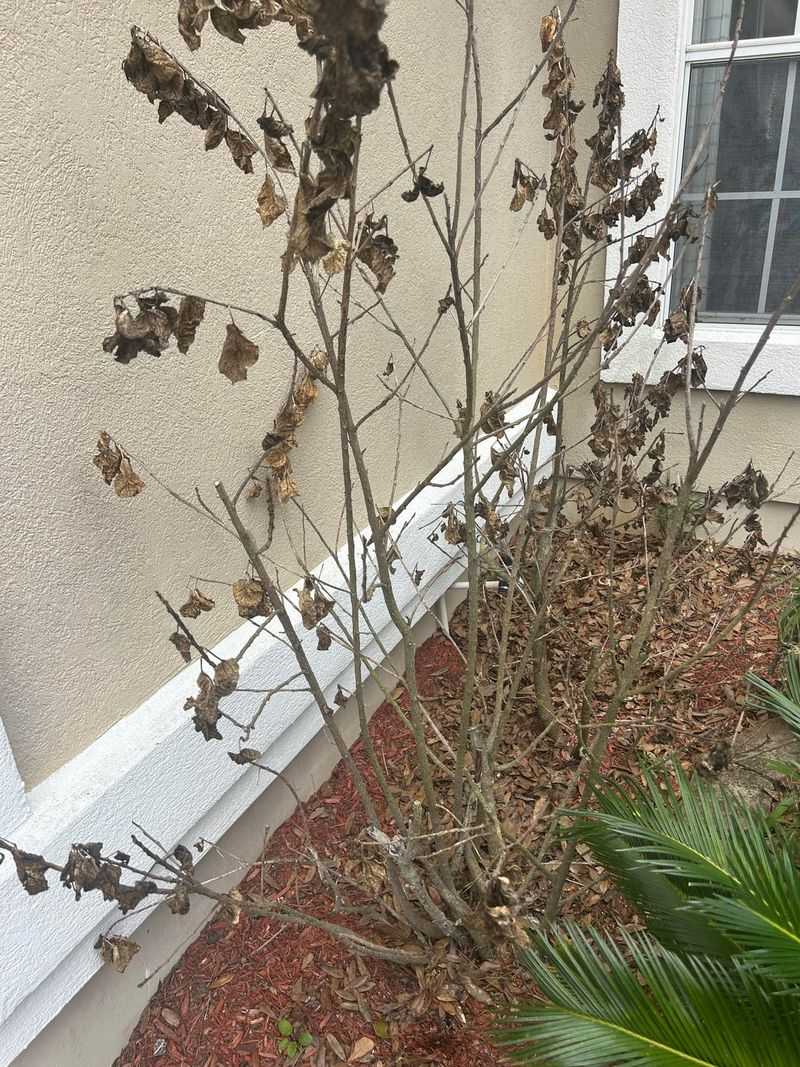
Before you shape anything, clear out the junk first. Weak, spindly stems and unproductive wood pull energy away from the parts of the plant that are actually capable of producing flowers.
Starting your pruning session by removing this material makes every cut after it more effective.
Look for stems that are brown, hollow, or snap easily when bent slightly. In Georgia’s humid climate, hibiscus can develop spots of fungal damage over winter, and leaving that wood on the plant just invites more problems once warm, wet weather rolls in.
Getting rid of it early keeps the rest of the plant cleaner and healthier going into the growing season.
Crossed branches that rub against each other are also worth removing at this stage. Constant friction creates wounds on the bark, and those wounds become entry points for pests and disease.
A few extra minutes identifying these problem areas will save you a lot of headaches later in the summer.
Thin, pencil-width stems that grew from the interior of the plant rarely produce strong flowers. Snipping these out opens up the canopy and lets sunlight reach the more productive outer branches.
In Georgia’s intense summer sun, good light distribution inside the plant can noticeably improve bloom counts.
Once the weak and damaged material is gone, you will have a much clearer picture of the plant’s real structure. That clarity makes the rest of your pruning session faster, more precise, and more effective overall.
3. Shape The Plant Lightly To Maintain Airflow And Structure
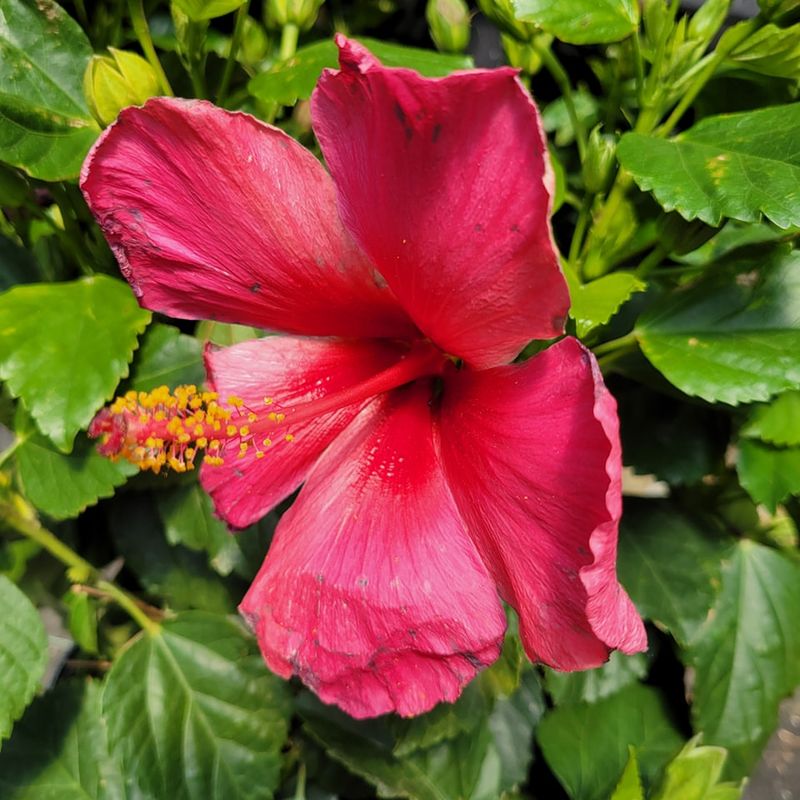
After clearing out the weak and overcrowded wood, step back and look at the overall shape of the plant. Hibiscus can get unruly fast in Georgia’s growing season, and a little shaping now prevents a much bigger job later.
You are not trying to sculpt a perfect sphere here, just encouraging a balanced, open form that lets air move through freely.
Aim to shorten any branches that are shooting out much farther than the rest. Cutting these back by about one-third keeps the plant looking proportional without stressing it out.
Overly long branches tend to flop under the weight of blooms anyway, so trimming them now saves you from staking problems mid-summer.
Good airflow through the center of the plant is especially important in Georgia, where high humidity from June through August creates perfect conditions for fungal issues. A dense, tangled canopy traps moisture and heat right where you do not want it.
Thinning out the interior branches, not aggressively, but thoughtfully, makes a real difference in plant health.
Avoid cutting every branch to the same length because that actually reduces bloom production. Hibiscus sets flowers on new growth, so leaving branches at slightly different lengths means different parts of the plant will be producing new shoots at different times.
That staggered growth pattern keeps flowers coming in waves all season long rather than all at once.
Light shaping done consistently each spring is far easier and less stressful on the plant than trying to rescue an overgrown shrub every few years.
4. Avoid Heavy Pruning Too Early To Prevent Cold Damage
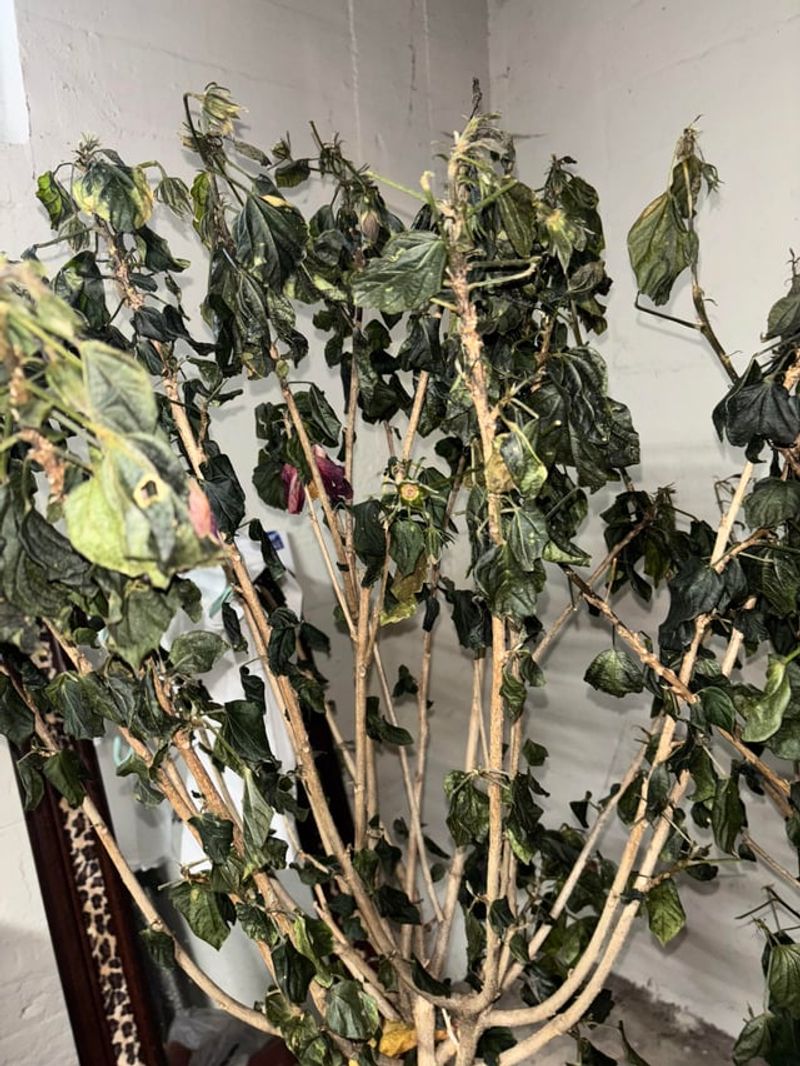
Hard pruning a hibiscus before Georgia’s cold season is truly finished is one of the most common mistakes backyard gardeners make. When you cut back heavily, the plant responds by pushing out a flush of soft, tender new growth almost immediately.
That new growth has zero tolerance for a cold snap, and Georgia can absolutely still throw a surprise frost at you in March.
Heavy pruning in late fall is equally risky. Cutting a lot of material off in September or October tricks the plant into thinking it needs to regrow before winter.
That fresh growth heads into cold weather without any time to harden off, and the damage can set your plant back significantly going into the next spring season.
The safest approach in Georgia is to save major size reduction for after the danger of frost has clearly passed. If your plant is badly overgrown and you feel like you need to cut it back hard, wait until at least late March in north Georgia or mid-February in the southern part of the state.
Even then, watch the weather closely for a week or two afterward.
Light cleanup cuts in early spring are fine and actually helpful, but anything more aggressive than removing a third of the plant should wait until consistent warmth has settled in. Patience here pays off in a big way.
A plant that avoids cold stress after pruning channels all its recovered energy directly into producing the large, vivid blooms that make Georgia hibiscus so impressive in summer.
5. Use Clean Sharp Tools To Prevent Disease Spread
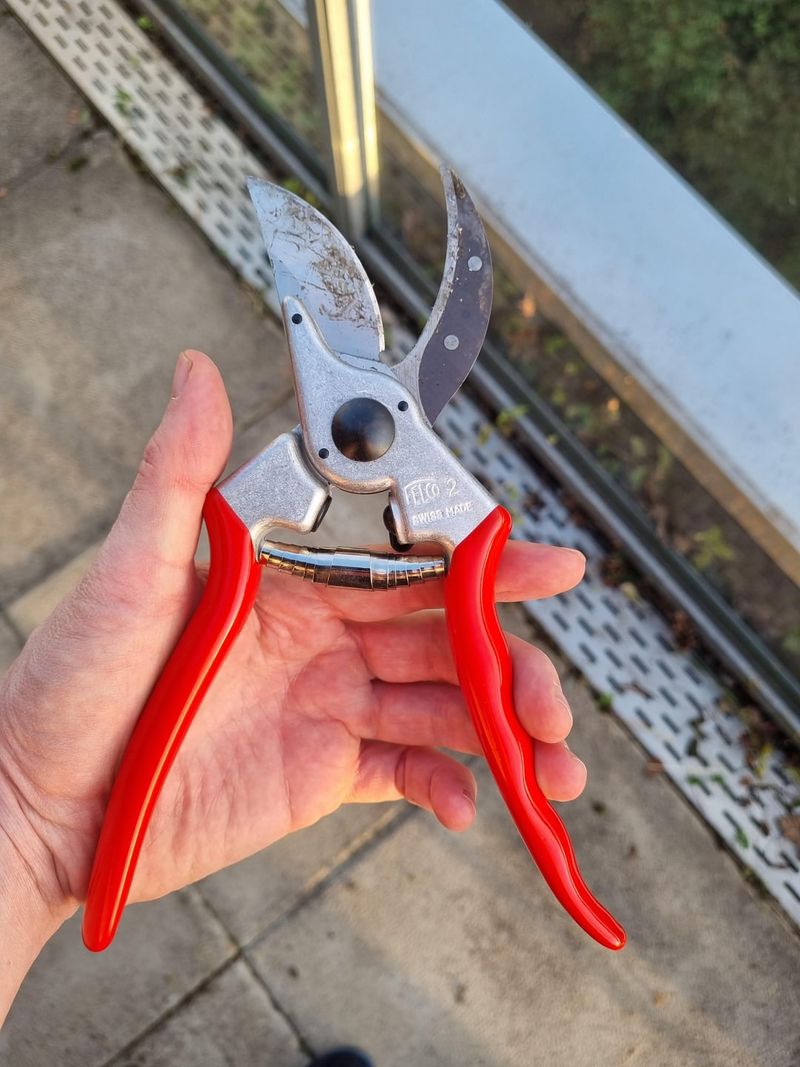
Dull blades are a real problem that most gardeners underestimate. When your pruning shears are not sharp, they crush and tear stem tissue instead of cutting cleanly through it.
Crushed stems heal much more slowly, and that slow healing creates an open window for fungal spores and bacteria to get in, especially during Georgia’s warm, wet summers.
Cleaning your tools is just as important as keeping them sharp. If you pruned a plant last season that had any kind of fungal spots or leaf disease, those pathogens can survive on your blade and transfer directly to your hibiscus the next time you cut.
A quick wipe-down with rubbing alcohol or a diluted bleach solution between plants takes about thirty seconds and prevents a lot of potential problems.
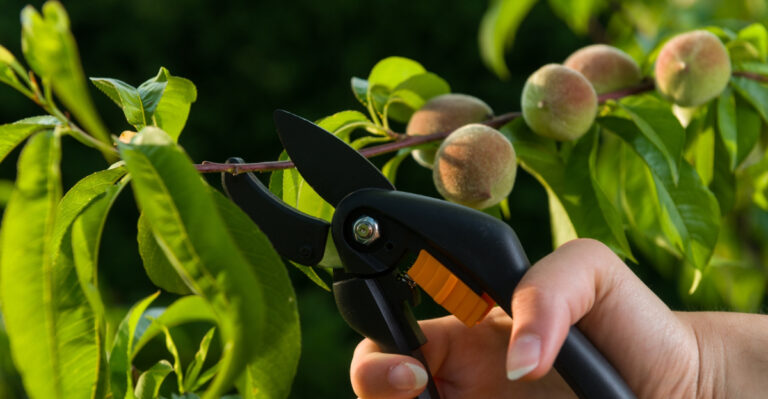
For most home gardeners, a quality bypass pruner is the right tool for hibiscus work. Bypass pruners make a clean scissor-like cut that is much gentler on the plant than anvil-style pruners, which crush the stem as they cut.
Keeping the blade clean and oiled after each use extends the tool’s life and keeps your cuts precise season after season.
Sharpening your pruners once a year, ideally before your spring pruning session begins, is a habit worth building. A sharpening stone or a pull-through sharpener both work well and cost very little.
In Georgia, where hibiscus grows aggressively and you may be making dozens of cuts per plant, sharp tools make the entire job faster and safer for the plant.
6. Make Cuts Just Above Leaf Nodes To Promote New Shoots
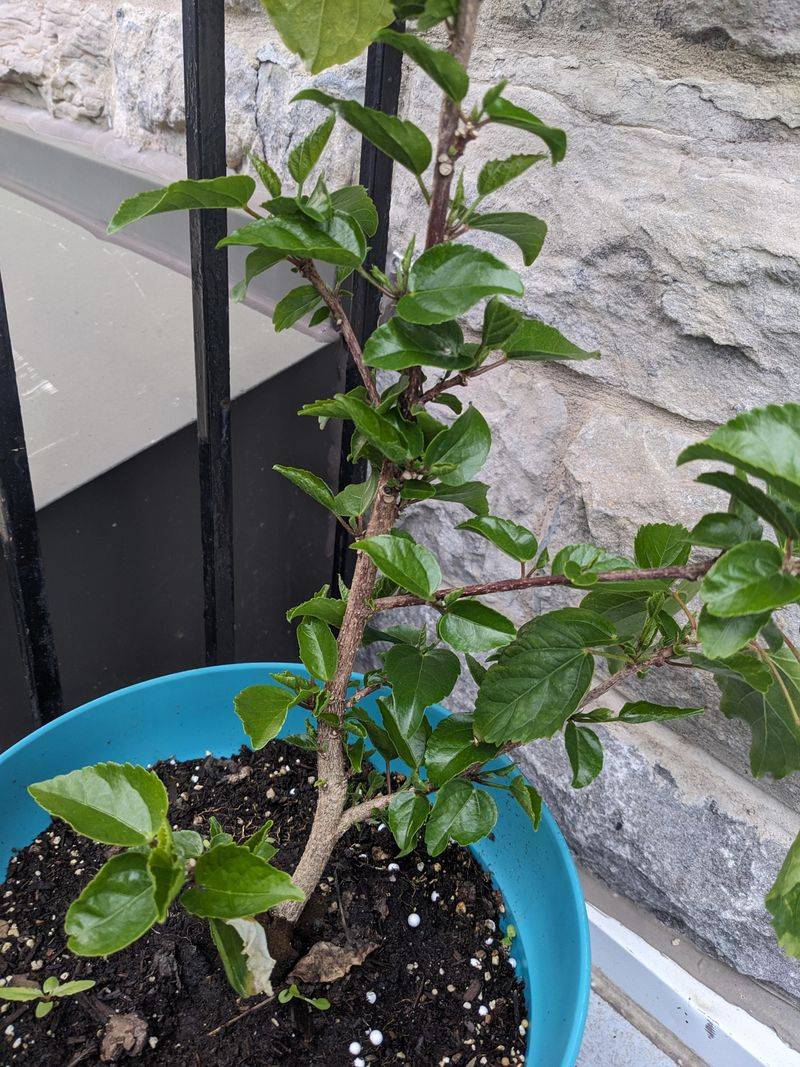
Where exactly you cut matters more than most people realize. Cutting randomly in the middle of a stem between nodes leaves a stub that has no growth point to activate.
A leaf node is the small bump or joint on the stem where a leaf attaches, or where one has recently fallen off. Just above that point is where the plant’s growth hormones concentrate when pruning signals are sent.
Cutting a quarter inch above a node gives that bud the best possible chance to push out a strong new shoot quickly.
Angle your cut slightly, around 45 degrees, so that water runs off the cut surface rather than pooling on top of the stem.
In Georgia’s rainy spring and summer months, standing moisture on a cut stem can lead to rot setting in before the wound has a chance to callus over properly.
Small details like this add up to a noticeably healthier plant.
When you are shaping the plant and want to encourage growth in a particular direction, choose a node that is pointing outward rather than toward the center of the plant.
New growth follows the direction the bud is facing, so being intentional about which node you cut above lets you guide the plant’s shape over the season.
With a little practice, making node-aware cuts becomes second nature and your hibiscus will reward you with thick, productive new branches loaded with blooms all through Georgia’s long summer.
7. Feed And Water After Pruning To Support Strong Blooms
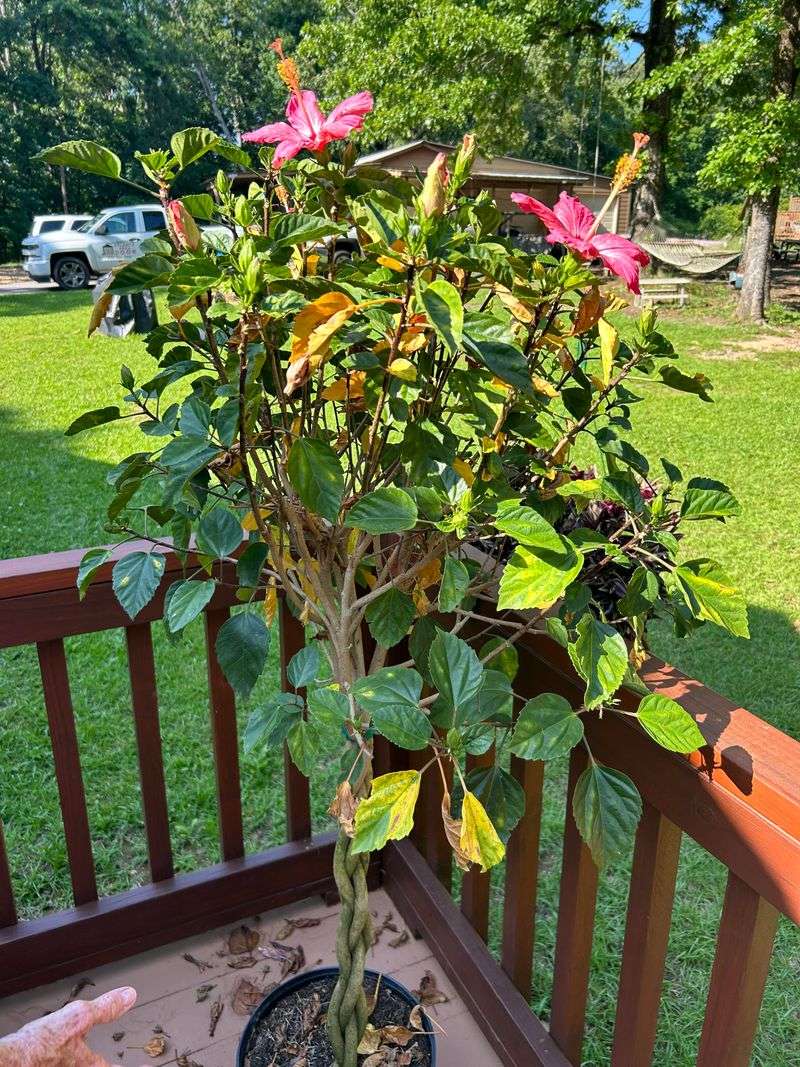
Pruning sends a clear signal to your hibiscus that it is time to grow, and the plant immediately starts pulling resources from the soil to respond. If those resources are not available, the recovery is slow and the new growth comes in weak.
Right after pruning is one of the most important times to make sure your hibiscus has what it needs to thrive.
A balanced fertilizer with a slightly higher potassium content works well for hibiscus after pruning. Potassium supports strong cell walls and flower production, while too much nitrogen at this stage pushes leafy green growth at the expense of blooms.
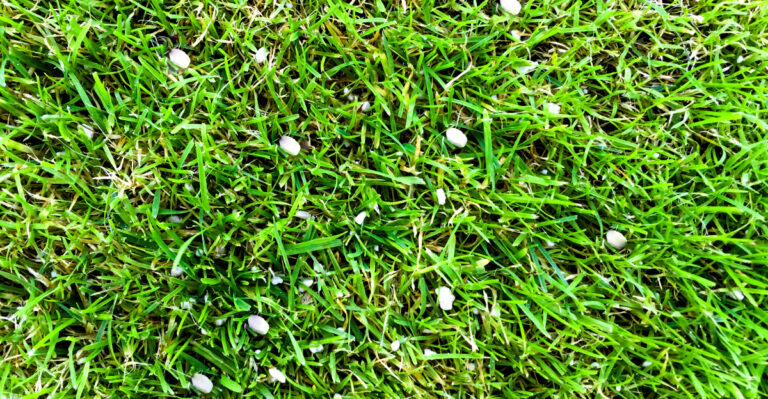
In Georgia’s warm climate, a slow-release granular fertilizer applied around the drip line of the plant feeds it steadily over several weeks without overwhelming the roots.
Watering consistently after pruning is equally critical. Hibiscus roots are actively working to support new shoot development, and they need reliable moisture to do that job well.
Georgia summers get hot fast, and a newly pruned plant that dries out too often will stall out rather than flush with new growth the way you want it to.
Mulching around the base of the plant after pruning and fertilizing helps lock in soil moisture and keeps root temperatures more stable during Georgia’s intense summer heat.
A two to three inch layer of wood chip mulch pulled a few inches away from the main stem does the job well without causing rot issues at the base.
With good nutrition and steady water, your hibiscus will reward you with an impressive display of large, vibrant blooms all season long.