The Right Way To Prune Hibiscus In North Carolina For Bigger Blooms
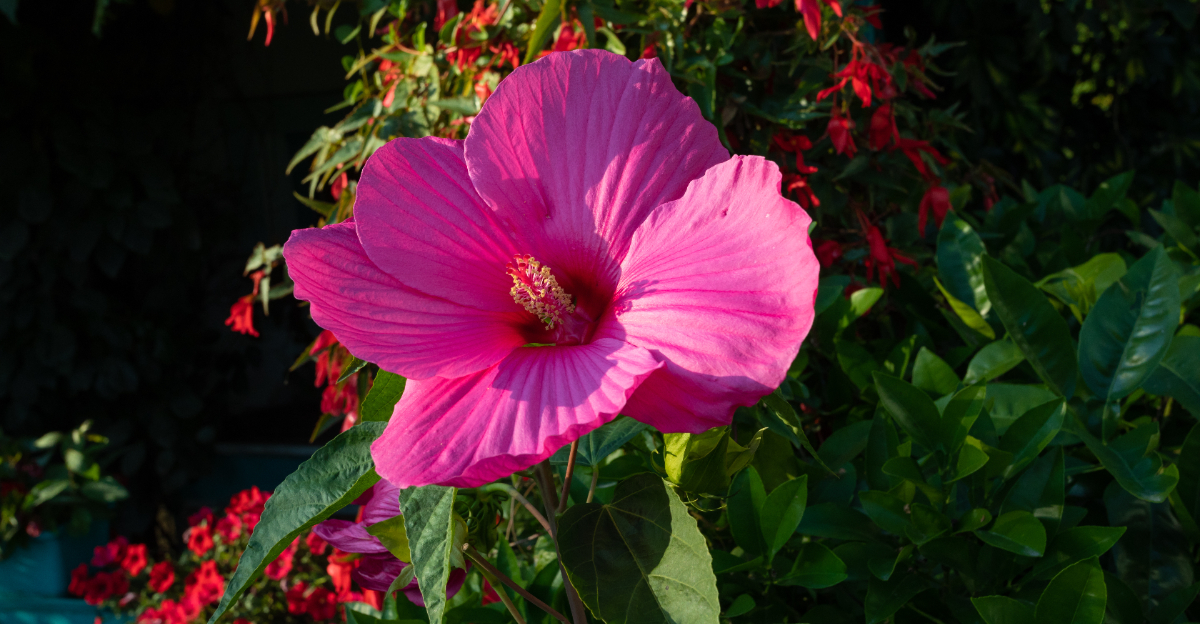
Few plants make a bigger impression in a North Carolina garden than hardy hibiscus. When summer arrives, this bold perennial produces enormous blooms that can rival the size of dinner plates.
Bright shades of pink, red, and white suddenly rise above the foliage, turning an ordinary garden bed into a real showstopper. Across the Coastal Plain, Piedmont, and warmer parts of the Mountain region, hardy hibiscus thrives in the state’s warm growing season.
Many gardeners are surprised to learn that proper pruning is one of the keys to getting those huge flowers. Instead of weakening the plant, cutting it back at the right time actually encourages stronger growth and more impressive blooms.
Understanding how and when to prune can completely change how this plant performs. With the right approach, North Carolina gardeners can enjoy a summer display that easily becomes the highlight of the entire yard.
1. Hardy Hibiscus Goes Dormant Each Winter
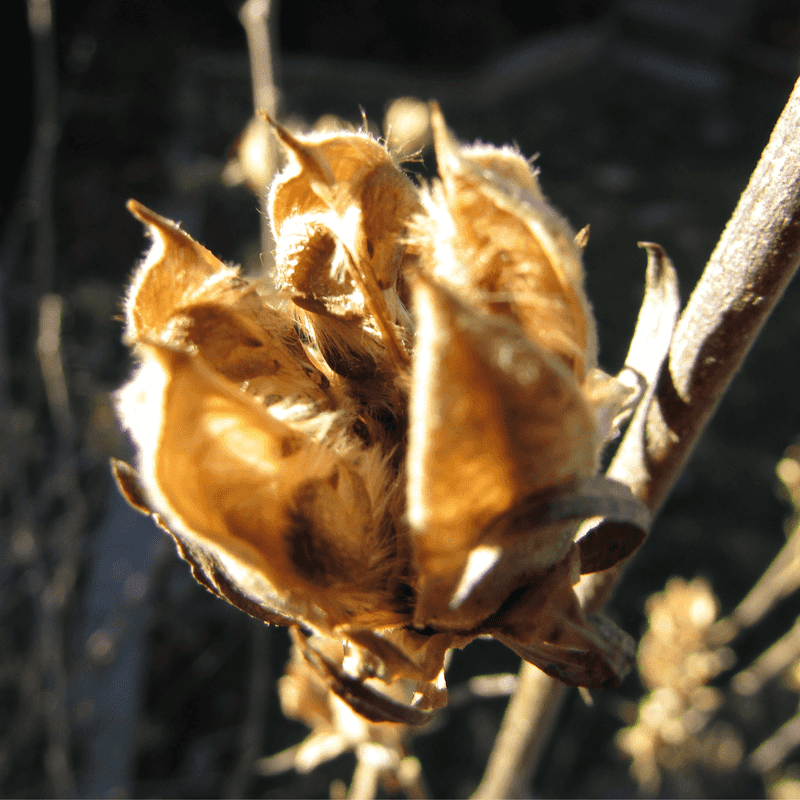
Every fall and winter, something quietly remarkable happens beneath the soil of North Carolina gardens. Hardy Hibiscus (Hibiscus moscheutos) pulls all of its energy down into its root system, and the above-ground stems fade and turn brown.
The plant is not struggling at all. It is simply resting, storing strength for the season ahead. This natural dormancy cycle is completely normal for Hibiscus moscheutos, and understanding it makes pruning much less intimidating.
The roots stay very much alive underground throughout the cold months, even when the top of the plant looks completely lifeless.
Many new gardeners in North Carolina panic when they see those brown stems, thinking something went wrong. Nothing went wrong. The plant is doing exactly what it is designed to do.
Each spring, fresh new shoots push up from the root crown and grow at an impressive speed. This cycle is why removing the old brown stems is not harmful but actually part of healthy seasonal care.
Clearing away those spent stems gives the new growth a clear path to reach sunlight. North Carolina winters are mild enough that the root crown survives without much trouble, making this one of the most reliable perennials you can plant in your yard.
2. Late Winter Or Early Spring Is The Best Time To Cut It Back
Timing really is everything when it comes to pruning Hardy Hibiscus in North Carolina. The sweet spot is late winter to very early spring, roughly February through March, right before the plant wakes up and sends out new growth.
Catching it at this window gives you the cleanest results and sets the plant up for a powerhouse summer season.
Pruning too early in winter can leave fresh cuts exposed to any lingering cold snaps, which is not ideal. Waiting too long, on the other hand, risks cutting into tender new shoots that have already started pushing up from the soil.
North Carolina gardeners have a nice advantage here because the mild climate means new growth often appears earlier than in colder northern states.
Watch the base of the plant closely in late February. Once you notice the tiniest green nubs beginning to form at the soil level, that is your signal to grab your pruning shears.
Cutting at this point removes all the tired old woody growth while leaving the fresh energy below untouched. Sharp, clean cuts also reduce the chance of disease entering the plant.
A well-timed pruning session takes only a few minutes but pays off with stronger stems and bigger blooms all through the North Carolina summer months ahead.
3. Cut Old Stems Close To The Ground
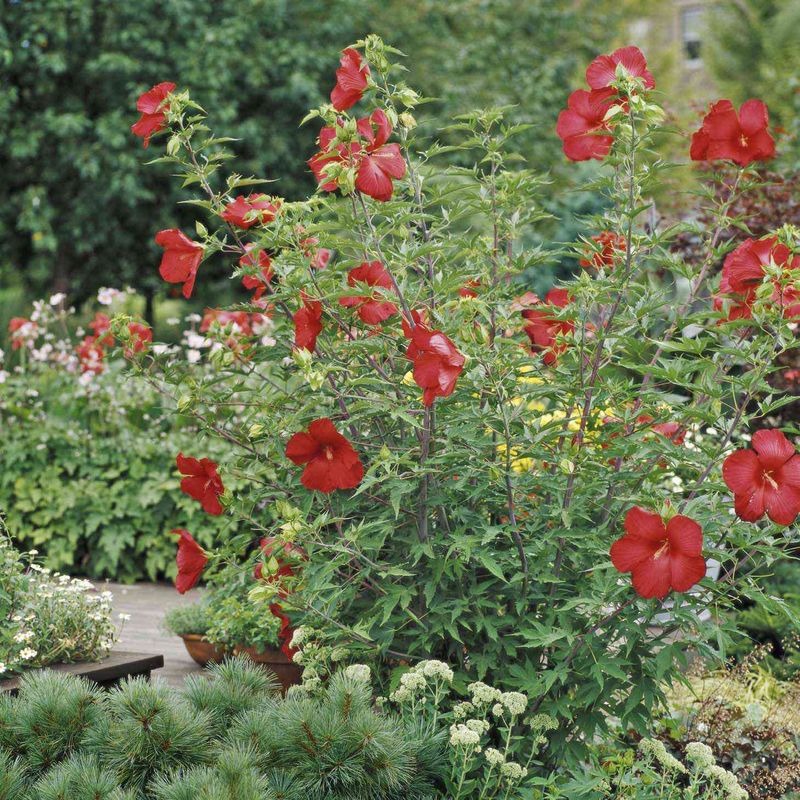
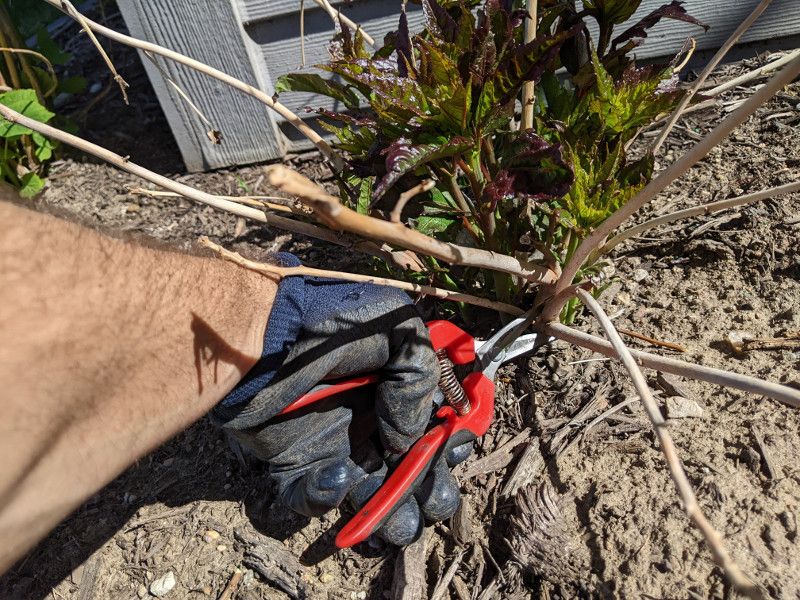
When pruning time arrives, do not be shy about cutting those old stems down low. Hardy Hibiscus responds best when you trim the old woody growth to about 2 to 3 inches above the soil line.
That short stub is all you need to leave behind, and the plant will take it from there with impressive enthusiasm.
Leaving stems too tall can sometimes block new shoots from getting enough light as they emerge from the root crown. A clean, low cut also makes your garden bed look tidy right away, which is a nice bonus while you wait for spring growth to kick in.
In North Carolina gardens, where spring warmth arrives fairly early, you will not have to wait long before new green shoots start appearing.
Always use sharp, clean pruning shears for this job. Dull blades crush the stem tissue instead of cutting cleanly, which can invite fungal issues later in the season.
Wipe your blades with rubbing alcohol before and after pruning to keep things hygienic. Once the old stems are removed and piled up for the compost bin, take a moment to clear away any fallen leaves or plant debris from around the base of the plant.
That small extra step makes a real difference in keeping your North Carolina hibiscus healthy and ready to bloom beautifully.
4. New Growth Produces The Summer Flowers
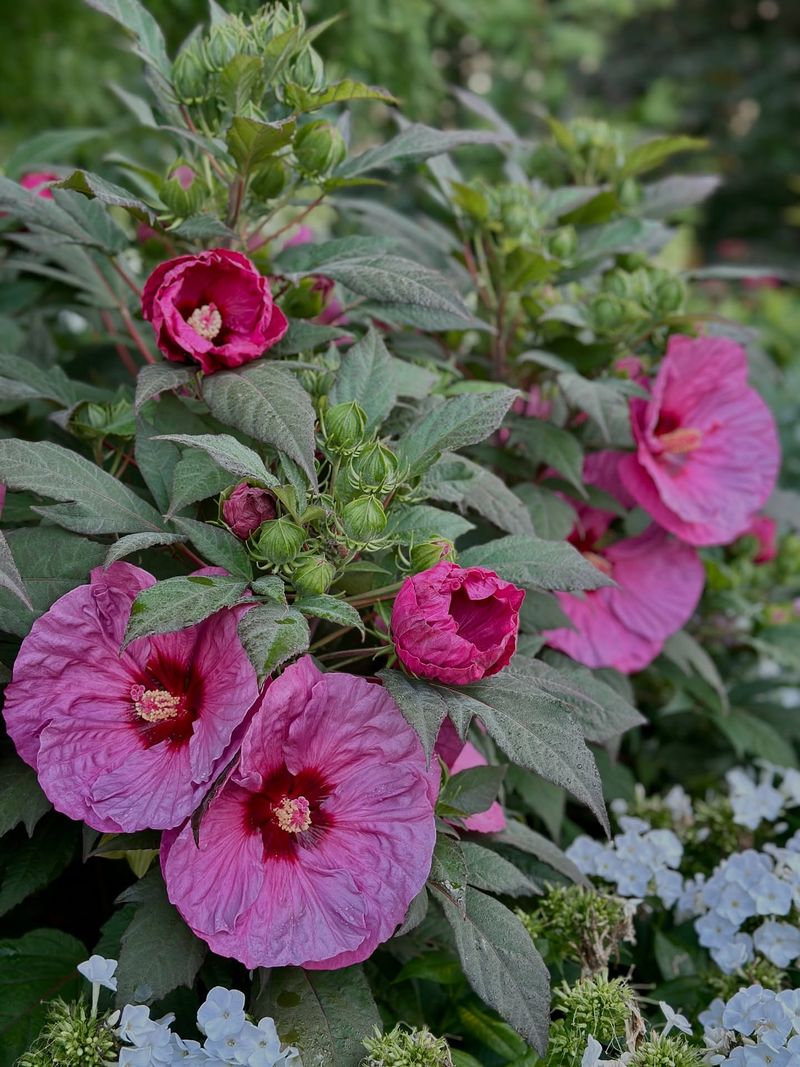
Here is a fact that changes how you think about pruning Hardy Hibiscus forever. Hibiscus moscheutos blooms on new wood, meaning every single flower you enjoy in summer grows on stems that sprouted during that same current season.
Old stems from previous years will never produce a single bloom, no matter how long you leave them standing.
This is great news for North Carolina gardeners because it means spring pruning does not reduce your flower count at all. You are not cutting away potential blooms when you prune in early spring.
You are actually clearing the stage so that strong new stems can rise up and carry even more flowers than before. The plant channels all of its energy into producing vigorous fresh growth rather than wasting resources trying to revive old woody tissue.
Think of it like a fresh start every year. The more cleanly you remove old growth, the more focused and powerful the new growth becomes.
By midsummer, those new stems will be loaded with enormous blooms in shades of white, pink, and deep red that stop neighbors in their tracks.
North Carolina’s long, warm growing season gives Hibiscus moscheutos plenty of time to produce an abundance of new wood and, in turn, an abundance of stunning flowers that keep coming from July well into early fall.
5. Removing Old Stems Prevents Garden Pests
Pruning Hardy Hibiscus is about more than just looks and bloom count. Those old hollow stems left standing through winter can become cozy hiding spots for insects looking for a place to overwinter.
Aphids, sawfly larvae, and other unwanted visitors sometimes tuck themselves into plant debris and emerge in spring ready to munch on your fresh new growth.
Cutting away the old stems and clearing the surrounding ground in early spring removes a lot of that potential pest habitat before the growing season even begins.
North Carolina gardens can be warm enough to support a wide variety of insects, so giving pests fewer places to hide is always a smart move.
It is one of those simple steps that pays off in a big way once summer arrives and your plant is growing strong.
After pruning, rake up fallen leaves and any other organic debris from around the base of the plant and dispose of it or add it to a hot compost pile. A clean garden bed is far less inviting to pests and also reduces the risk of fungal spores lingering in the soil.
Staying on top of this cleanup each year keeps your Hibiscus moscheutos in peak condition throughout the North Carolina growing season.
Healthy plants are naturally more resistant to pest pressure, so good pruning habits truly build a strong foundation for the whole year ahead.
6. Hardy Hibiscus Can Grow Very Tall In One Season
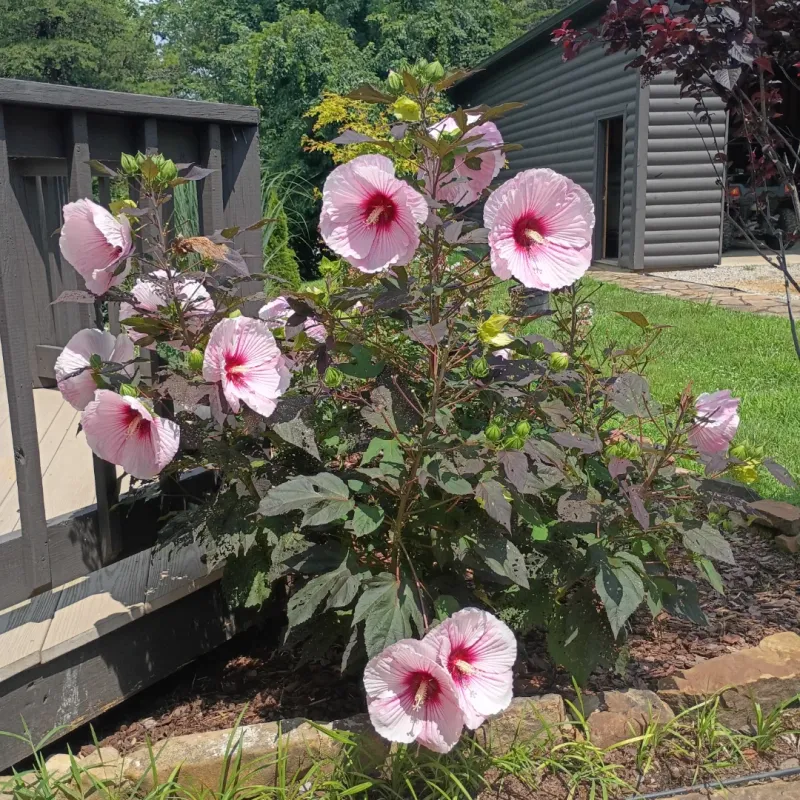
If you have never grown Hardy Hibiscus before, the speed and size of this plant will genuinely surprise you. In North Carolina’s warm climate, Hibiscus moscheutos can shoot up from a few inches to a towering 4 to 7 feet tall in just one growing season.
The stems are thick and sturdy, and the leaves are enormous, creating a lush tropical look right in your backyard.
Because the plant grows so tall and wide, pruning in early spring helps you manage the shape and structure before things get out of hand.
Some gardeners also pinch back the growing tips in late spring or early summer to encourage the plant to branch out and produce more stems, which means more flowers. This technique creates a fuller, bushier plant rather than a few very tall single stalks.
North Carolina’s combination of warm temperatures, decent rainfall, and long summers is almost perfect for this species. You can practically watch it grow on warm June days, and by July it will be a full, leafy showstopper.
Giving the plant enough space when you plant it is important, since a mature specimen can spread 3 to 4 feet wide.
Pruning and shaping early in the season helps you enjoy all that spectacular size without the plant spilling into pathways or neighboring plants in your garden beds.
7. Pruning Encourages Strong New Stems
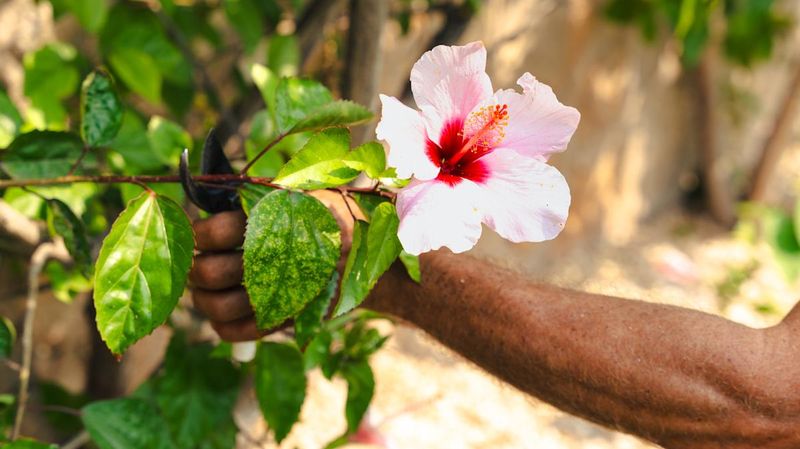
One of the most satisfying things about pruning Hardy Hibiscus is watching what happens next. Within a few weeks of cutting back the old stems, the root crown begins sending up multiple fresh new shoots that are thick, green, and full of energy.
These new stems are the ones that will carry the plant’s massive flowers later in the season, and they are noticeably stronger than anything left over from the previous year.
The root system of Hibiscus moscheutos is remarkably powerful. Over the years, it builds up a large, deep network of roots that can support a huge amount of above-ground growth.
When you remove the old woody stems, all of that stored root energy gets directed into the new shoots rather than being spread across old and new growth at the same time. The result is faster, more vigorous growth from the very start of the season.
North Carolina gardeners who prune consistently each year often notice that their plants get bigger and more productive over time rather than declining.
Those new stems grow thick enough to hold up the plant’s dinner-plate-sized flowers without flopping over, which is a real advantage in summer storms.
Supporting the plant with a simple stake or cage early in the season can also help, especially in locations that get afternoon thunderstorms common to the North Carolina Piedmont and coastal areas during the summer months.
8. Mulching After Pruning Protects The Root Crown
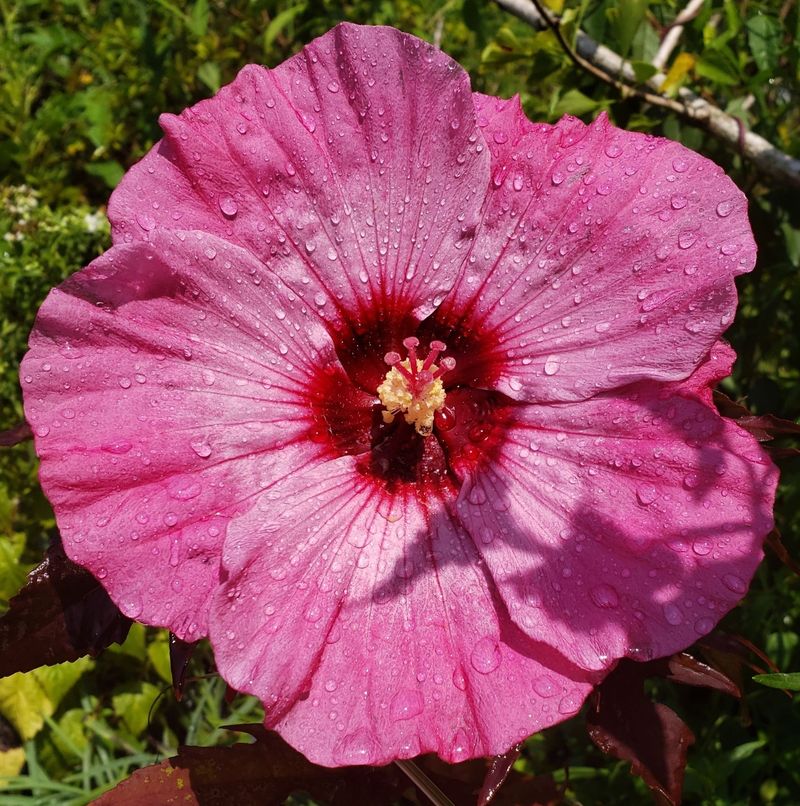
After you finish pruning, there is one more step that makes a real difference in how well your Hardy Hibiscus performs as the season warms up.
Spreading 2 to 3 inches of mulch around the base of the plant protects the root crown from any remaining cold snaps and helps the soil hold onto moisture as temperatures start climbing in North Carolina.
Organic mulches like shredded bark, wood chips, or pine straw work great for this purpose. They slowly break down over the season, adding nutrients back into the soil while keeping weeds from competing with your hibiscus for water and nutrients.
Pine straw is especially popular among North Carolina gardeners because it is widely available and works beautifully in garden beds of all sizes.
Keep the mulch a few inches away from the actual stem stubs to allow good air circulation around the crown. Piling mulch directly against the stems can trap moisture and encourage rot, which you definitely want to avoid.
A neat ring of mulch extending about a foot out from the base is the ideal approach. As spring turns into summer and the new stems grow tall, the mulch will continue working quietly beneath the surface, retaining soil moisture during dry stretches and keeping your North Carolina hibiscus well-supported throughout the entire growing season ahead.
9. Expect Large Blooms In Mid To Late Summer
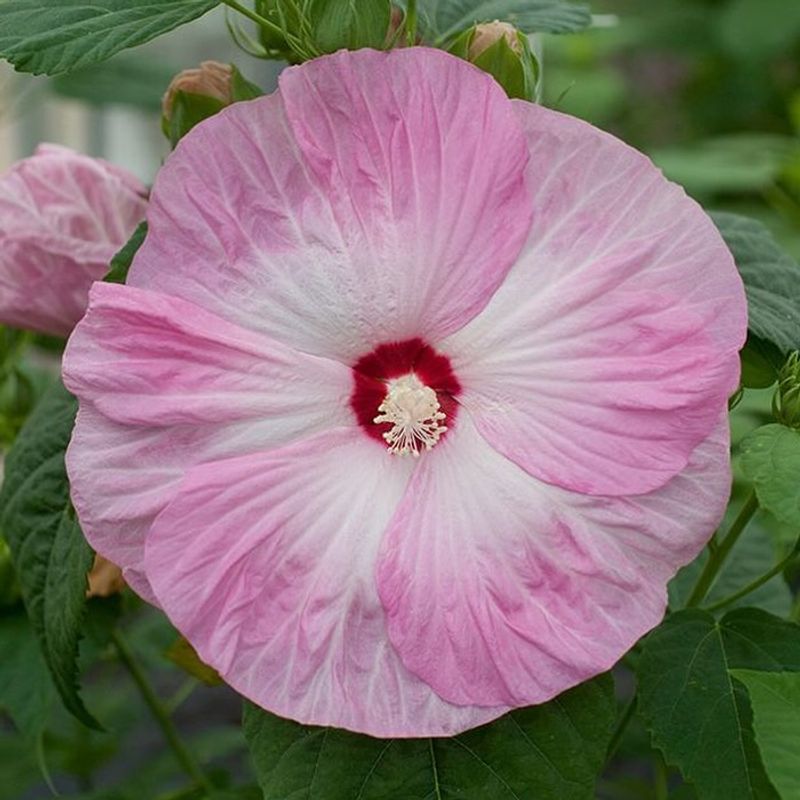
All that pruning, mulching, and patient waiting pays off in the most spectacular way come midsummer.
Hardy Hibiscus (Hibiscus moscheutos) typically begins its blooming season in July in North Carolina, and the flowers keep coming strong through August and often well into September.
Each individual bloom lasts only a day, but the plant produces so many buds that it stays covered in color for weeks on end.
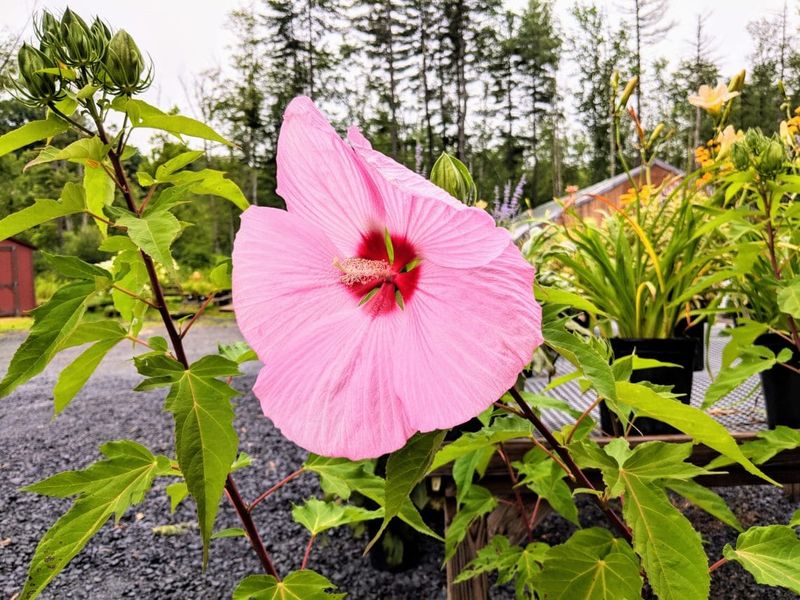
The flowers themselves are genuinely breathtaking. Measuring up to 12 inches across, they come in rich shades of deep red, soft pink, and bright white, often with a contrasting dark center that adds extra visual drama.
Pollinators absolutely love them, and you can expect to see bees, butterflies, and hummingbirds visiting your plant regularly throughout the blooming period.
Having this plant in a North Carolina garden is like having a pollinator magnet right outside your window.
Deadheading spent blooms, which means pinching off flowers once they fade, encourages the plant to keep producing new buds rather than putting energy into forming seeds. This simple habit extends the blooming season noticeably.
By following all the pruning steps outlined here, you give your Hibiscus moscheutos the best possible foundation for producing those jaw-dropping flowers.
North Carolina’s warm summers and long growing season make this plant one of the most rewarding perennials any gardener can choose to grow.