The Right Way To Prune Lavender In Oregon For More Flowers
Lavender can look tough in an Oregon garden, but one mistimed prune can quietly set it back for the whole season.
As winter rain lingers and spring shifts from cool to mild, it becomes easy to grab the shears a little too soon or cut more than the plant can handle.
Oregon’s mix of moisture and fluctuating temperatures makes timing especially important compared to drier regions.
Gardeners who wait for signs of new growth, often around April in milder areas, tend to see better flowering and healthier plants.
A few small adjustments in how and when you prune can make a noticeable difference once bloom season arrives.
1. Early Spring Is The Right Time To Check Lavender In Oregon
Out in an Oregon garden on a cool March morning, it is easy to walk past your lavender and assume it still needs more time to wake up. But early spring is exactly when you should be paying close attention.
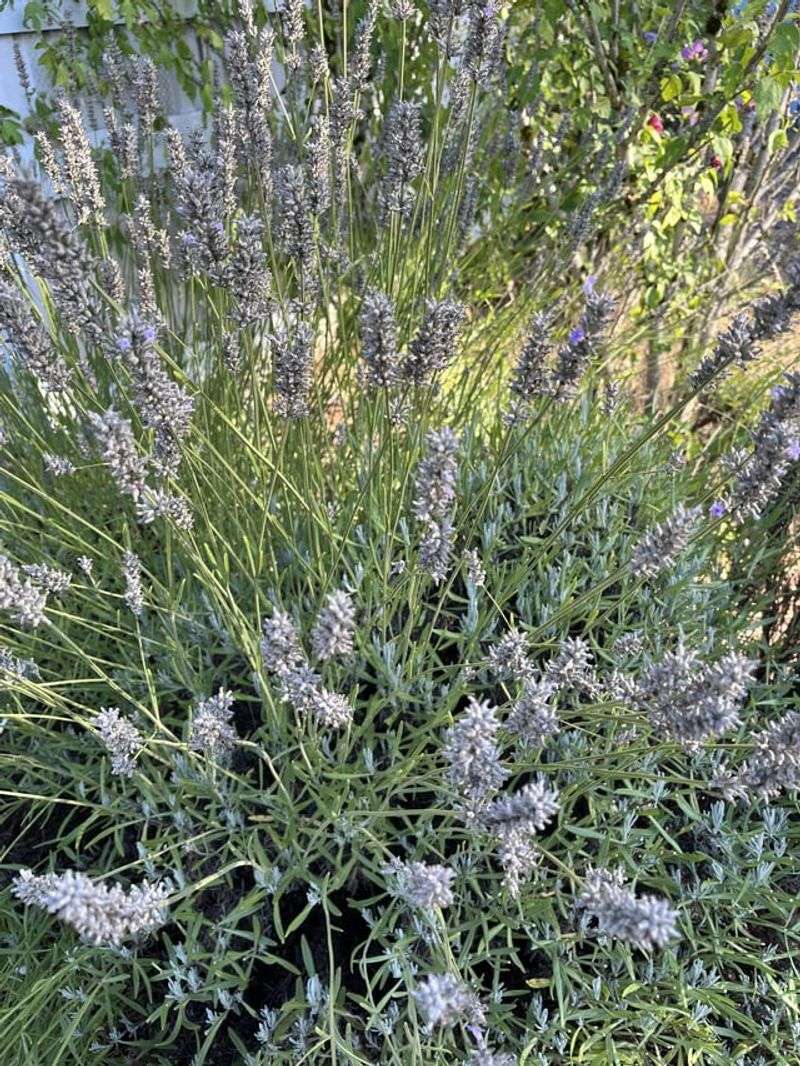
The plant may look rough after a wet Oregon winter, with gray or brown stems and a generally tired appearance, yet that is precisely when your assessment matters most.
Checking your lavender in early spring gives you a clear picture of what survived the winter and what did not. Look along the stems for small green buds or tiny silvery-green leaves beginning to push through.
These are the signals that the plant is alive and starting to move again. Without checking at this stage, it is easy to prune too soon or miss the right window entirely.
Oregon winters tend to be long and damp, and lavender can hold moisture in its stems if left unpruned and crowded. Early spring inspections help you spot any stems that look dark, mushy, or hollow, which are signs of frost damage or rot.
Taking note of these problem areas before you pick up your pruners helps you make smarter cuts later.
A quick walk through the garden in late February or early March, even if you are not yet cutting, sets you up for a much more successful pruning session when the time is right.
2. Wait For New Growth Before Making Any Cuts
Patience is genuinely one of the most useful tools a lavender grower in Oregon can have.
Cutting into your lavender before you see clear signs of new growth is one of the most common mistakes made in Pacific Northwest gardens, and it often leads to fewer flowers and a weaker plant overall.
The temptation to get out there and tidy things up during a warm February day is understandable, but holding off pays off.
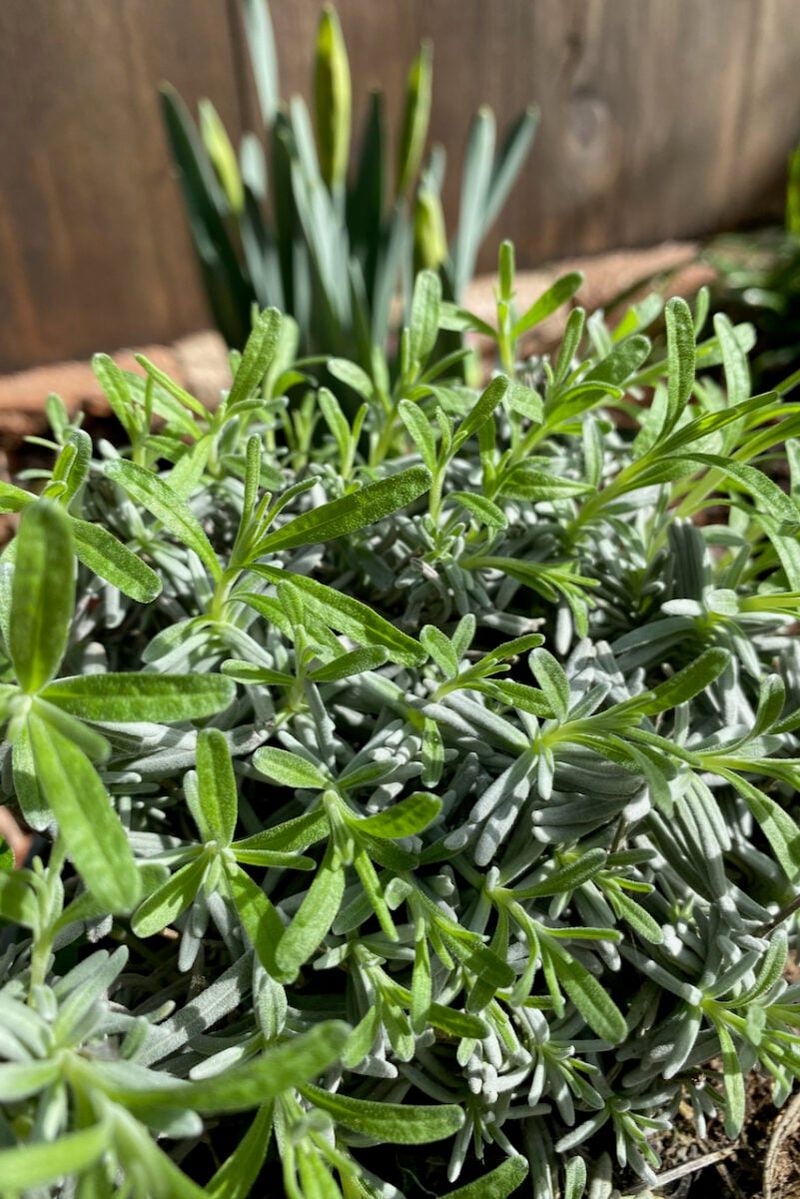
New growth on lavender looks like tiny, soft, gray-green or silver-green shoots emerging from the base of the stems or along last year’s growth. Once you spot these shoots, you know the plant has enough energy stored to handle being pruned.
Cutting before this point can remove viable growth that was just about to emerge, leaving the plant with less to work with as the season gets going.
In Oregon’s Willamette Valley and other milder regions, new growth may appear as early as late February or early March during mild years.
In higher elevation or coastal areas where temperatures stay cooler longer, you might not see it until April.
The key is to follow the plant, not the calendar.
Each lavender responds to its own microclimate, and giving it time to show you what it is doing before you intervene leads to healthier regrowth and a stronger bloom cycle through the summer months ahead.
3. Prune Lightly In April To Shape And Refresh The Plant
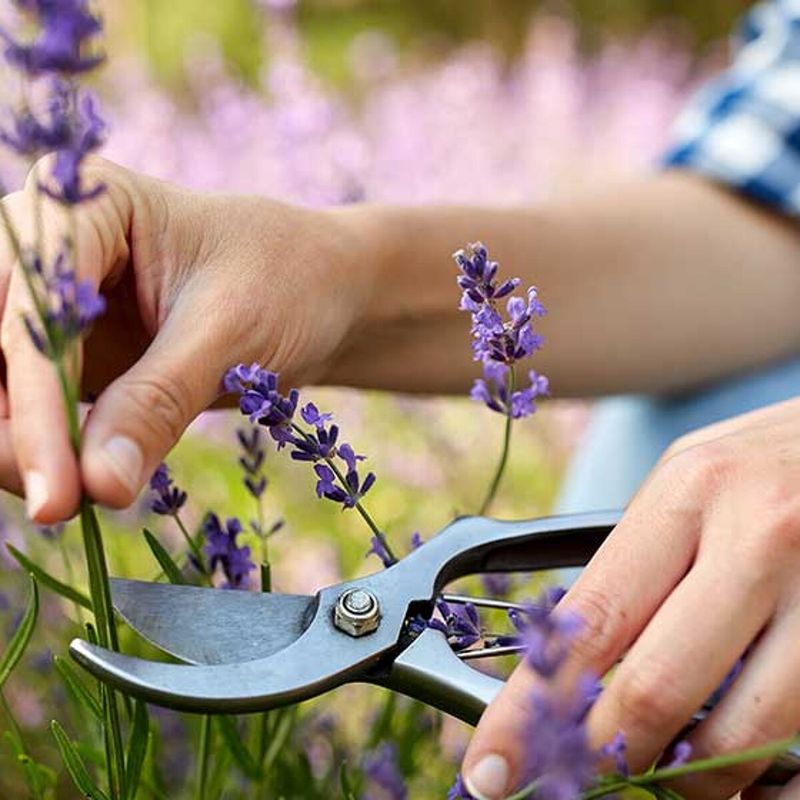
April is often the sweet spot for spring pruning in many parts of Oregon. By this point, new growth is usually visible, the risk of a hard frost has dropped significantly in lower elevation areas, and the plant is actively putting energy into fresh stems.
A light pruning session at this time does a lot of good without putting too much stress on the lavender.
The goal in April is not to dramatically reshape the plant but to refresh it. Trim back the top third of last year’s green growth, following the natural rounded shape of the bush.
This kind of light haircut encourages the plant to branch out from multiple points, which ultimately means more stems and more flower spikes come summer.
Think of it less like a major renovation and more like a tidy-up that sets the plant in the right direction.
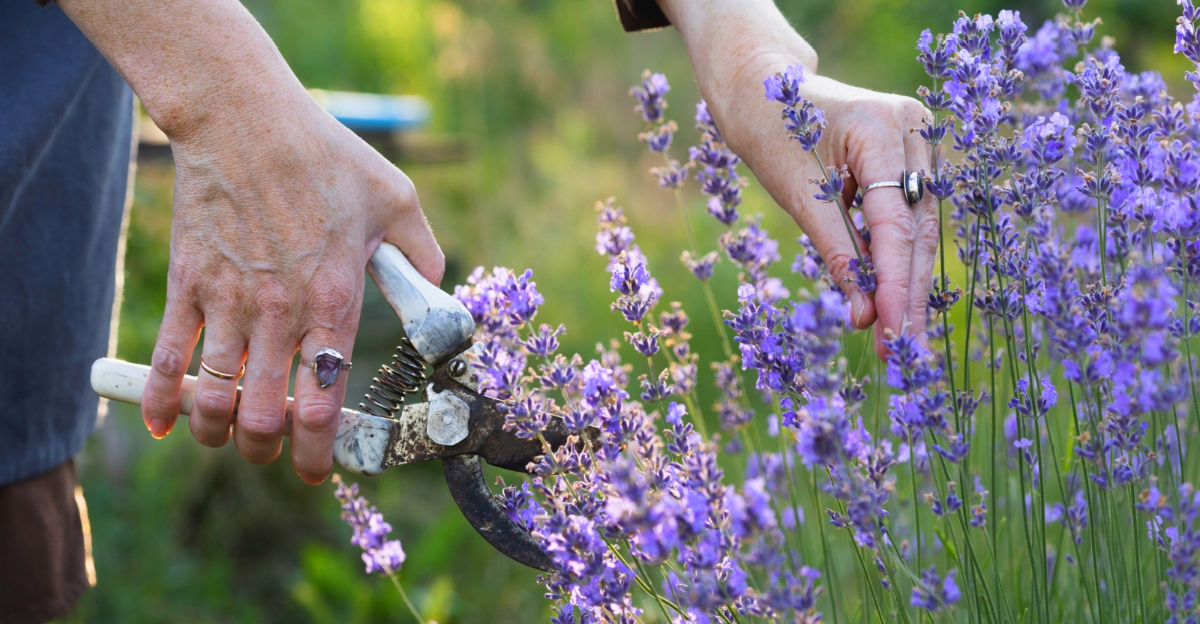
Using clean, sharp pruning shears makes a real difference here. Dull blades crush stems rather than cutting them cleanly, which can invite disease into the plant.
Wipe your shears with a clean cloth before you start, especially if you have been working on other plants. Keep your cuts angled slightly so water does not pool on the cut surface.
In Oregon’s still-damp April conditions, good airflow and clean cuts help the lavender recover quickly and focus its energy on producing those long, fragrant flower spikes you are hoping for.
4. Avoid Cutting Into Old Woody Stems
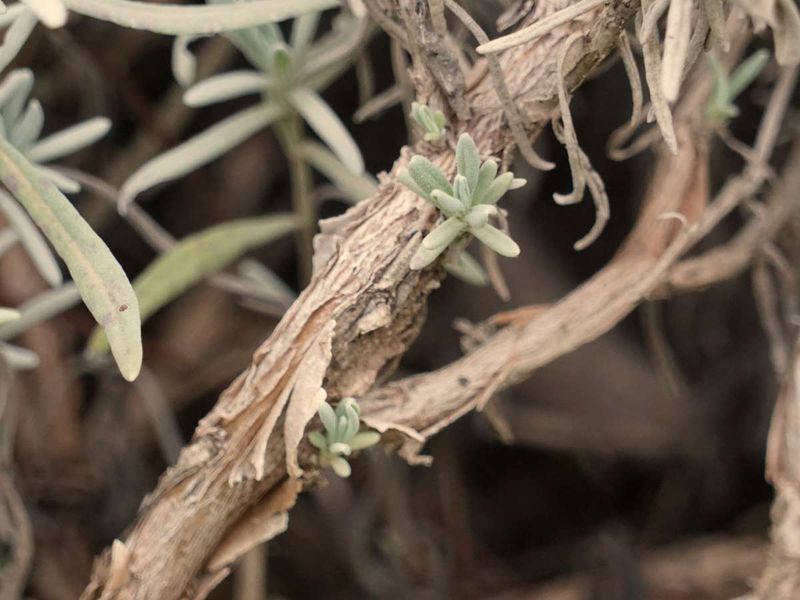
Woody stems are one of lavender’s most misunderstood features. That thick, rough, grayish-brown base that develops over the years may look lifeless, but cutting into it can seriously set the plant back.
Unlike many shrubs and perennials, lavender does not reliably regenerate from old wood. If you cut too far down into those hard, woody sections, the plant may struggle to push out new growth at all.
The safe zone for pruning is the green, leafy portion of the stems. As a general rule, keep your cuts above the point where you can see green tissue or new growth emerging.
If a stem is entirely brown and woody with no green showing anywhere along it, it is likely no longer viable and can be removed entirely. But for stems that still have some green, work above the woody section and let the plant do the rest.
This is especially relevant in Oregon, where older lavender plants that have been in the ground for several years can develop quite thick woody bases.
Some gardeners try to rejuvenate an overgrown plant by cutting it hard in one go, which often results in a plant that never fully recovers.
A better approach is to gradually reduce the size of the plant over two or three seasons, taking a little more off each year. That slower method gives the lavender time to adjust and keeps it producing blooms rather than struggling just to survive.
5. Remove Winter Damage And Weak Growth First
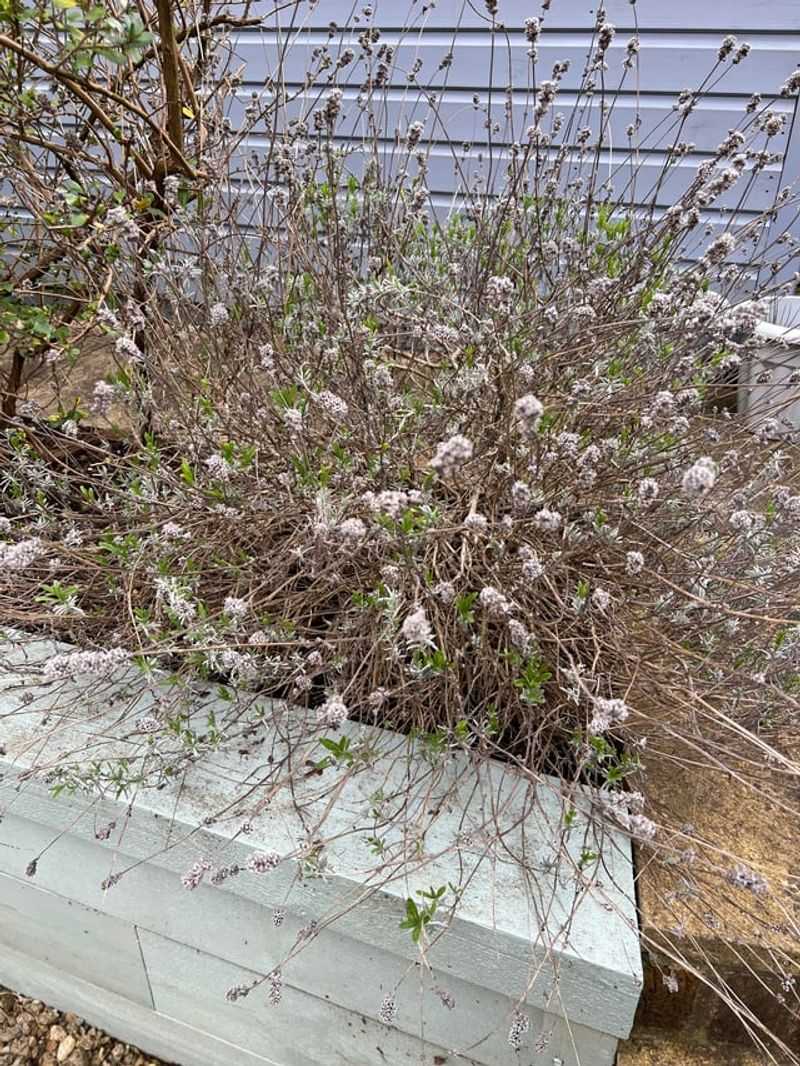
Before shaping anything, the first order of business is clearing out what winter left behind. Oregon winters, especially west of the Cascades, bring extended periods of rain, cold, and sometimes ice or snow.
All of that moisture and temperature swings can leave lavender with dried tips, frost-burned stems, and weak, spindly growth that won’t contribute much this season.
Damaged stems are usually easy to spot once you look closely. They tend to be darker in color, sometimes blackened or tan rather than the usual gray-green.
Gently scratch the surface of a stem with your fingernail – if you see green underneath, the stem is still viable. If it is dry and brown all the way through, it can come off.
Removing this material early helps the plant redirect its energy toward strong, healthy stems rather than trying to support tissue that has no future.
Weak growth, meaning thin, pale stems that look like they grew in low light or struggled through the wet season, should also come out. These spindly shoots rarely produce good flower spikes and can crowd out stronger growth if left in place.
Pulling them or snipping them close to the base opens up the center of the plant, which improves airflow.
In Oregon’s damp climate, that airflow is not just a nice bonus – it actively reduces the chance of fungal issues that can take hold during cool, moist spring conditions.
6. Well-Drained Soil Helps Lavender Recover After Pruning
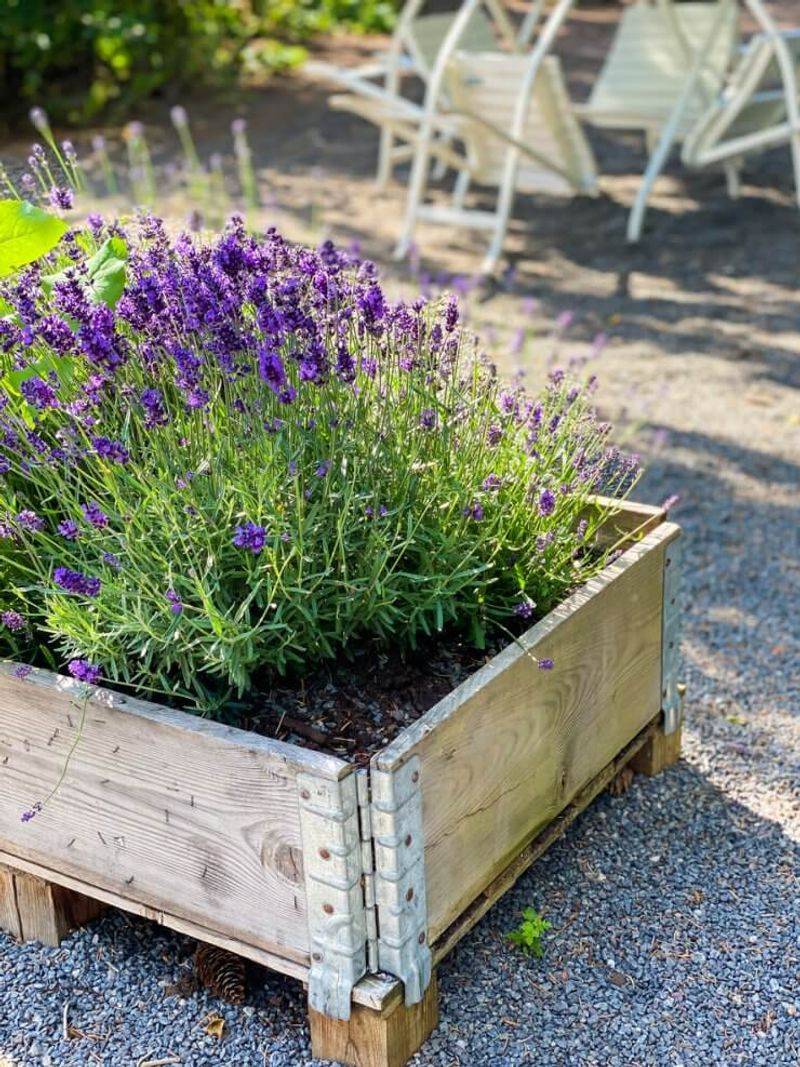
Soil drainage might not be the first thing that comes to mind when thinking about pruning, but the two are closely connected.
After you prune lavender, the plant needs to recover and push out new growth, and that process goes much more smoothly when the roots are not sitting in wet, compacted soil.
In many parts of Oregon, particularly in the Willamette Valley, native soils tend to hold water, which is not what lavender prefers.
Lavender originates from the dry, rocky hillsides of the Mediterranean, so it is naturally adapted to lean, fast-draining conditions.
When roots stay too wet for too long, the plant becomes stressed and more vulnerable to root rot, which can quietly ruin a lavender before the gardener realizes what is happening.
Good drainage allows the soil to warm up faster in spring, which also encourages roots to become active and support post-pruning recovery.
If your Oregon garden has heavy clay soil, mixing in coarse sand, gravel, or fine grit can improve drainage noticeably. Raised beds are another practical option that many Oregon gardeners use specifically for lavender.
Adding a thin layer of gravel around the base of the plant can also help keep moisture from sitting right against the crown, which is one of the most vulnerable spots.
Giving lavender the right foundation means it can handle pruning stress much more gracefully and come back stronger with each passing season.
7. Warmer Regions Of Oregon Allow Earlier Spring Pruning

Oregon is not a one-size-fits-all state when it comes to gardening.
The climate differences between the southern Rogue Valley, the Willamette Valley, and the coast or eastern high desert are significant enough that pruning timing can shift by several weeks depending on where you garden.
Gardeners in warmer inland areas of southern Oregon, like Medford or Ashland, often find that their lavender is ready for a light spring pruning weeks before gardeners in the northern Willamette Valley or coastal regions.
In these warmer pockets of Oregon, temperatures climb earlier in the season, frost risk drops sooner, and new lavender growth can appear as early as late February in mild years.
That earlier warmth gives gardeners in those areas a longer spring pruning window, which can be a real advantage.
Getting the pruning done earlier means the plant has more time to branch out and develop flower spikes before the summer heat arrives.
If you garden in a cooler part of Oregon, such as the coast or higher elevations in the Cascades foothills, holding off until late April or even early May is often the smarter call.
Pruning into cold, wet conditions can leave fresh cuts exposed to frost or excess moisture before they have a chance to heal.
Knowing your local microclimate and watching for new growth cues from the plant itself will serve you better than following a fixed date on the calendar.
8. A Second Light Trim After Bloom Can Encourage More Flowers
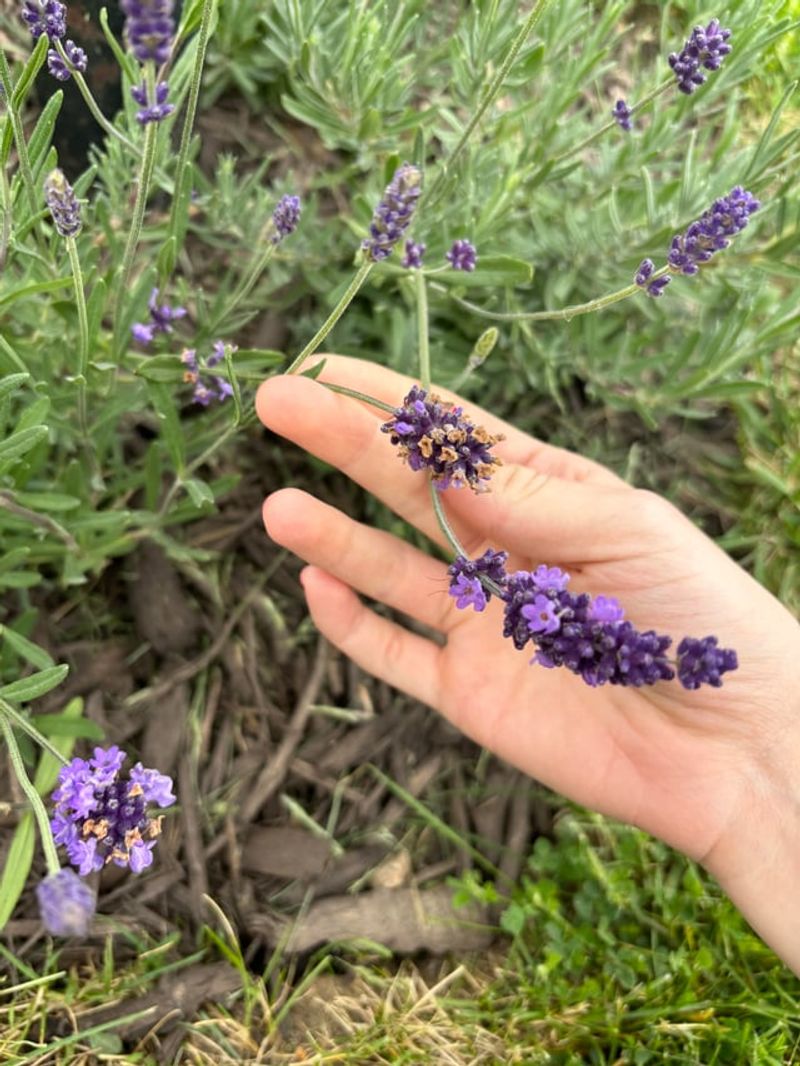
Most people think of pruning lavender as a once-a-year spring task and leave it at that. But giving your lavender a second, lighter trim after the main bloom period can actually encourage the plant to produce another flush of flowers before the season ends.
In Oregon, where summer temperatures are generally moderate, lavender often has enough energy left after the first bloom to put out a second round if you help it along.
Once the flower spikes start to fade and the blooms are mostly spent, usually sometime in July or early August depending on your location and variety, take your shears and snip off the spent flower stalks just above the leafy growth below.
You are not removing much material at this point, just the old flower stems and a small amount of the green growth beneath them.
This signals the plant to redirect its energy into producing new stems rather than setting seed.
Avoid doing this second trim too late in the season. Pruning after late August in most parts of Oregon can push the plant to produce tender new growth that does not have enough time to harden off before winter arrives.
That soft growth is more vulnerable to frost damage, which can undo the progress you made with your careful spring pruning.
Keeping the second trim to midsummer gives the lavender enough time to settle and toughen up before Oregon’s cooler fall weather rolls back in.