The Right Way To Prune Roses In Georgia Without Losing Blooms
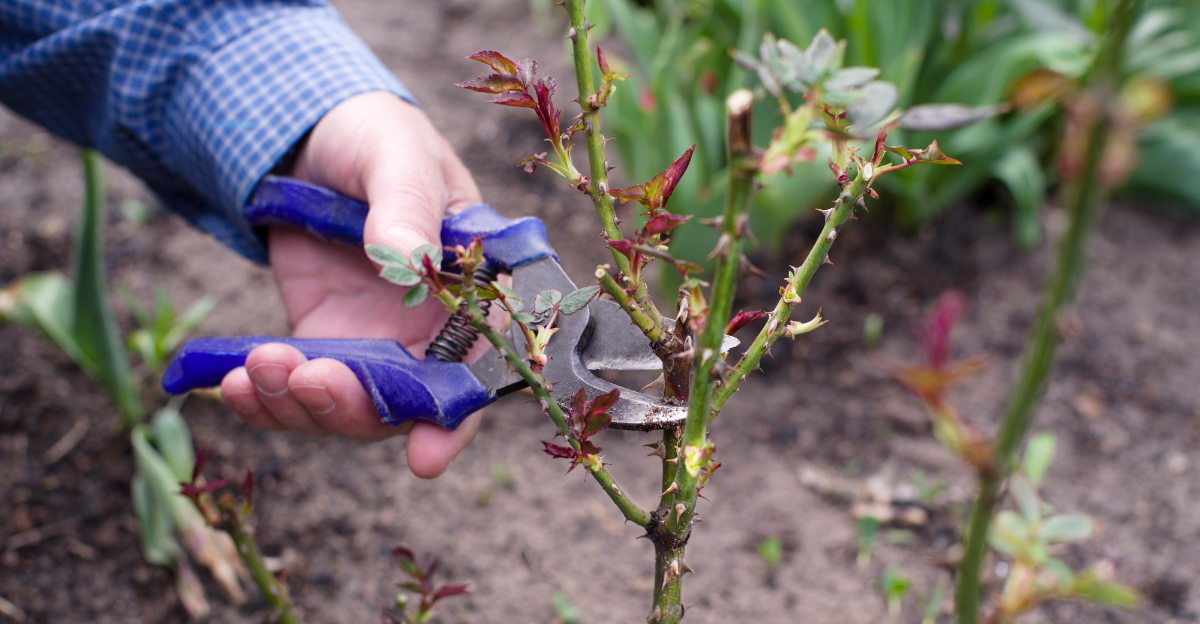
Roses can be a little unforgiving when the timing isn’t right, and that’s where many Georgia gardeners run into trouble. One wrong move with pruning and those expected blooms never show up the way they should.
It’s frustrating, especially after putting in the effort and care leading up to spring. The truth is, roses respond quickly to how and when they’re cut back, and small changes in approach can lead to a completely different result.
This isn’t about complicated techniques or guesswork. It’s about understanding what roses need as they move out of dormancy and into active growth.
Getting that timing right keeps the plant focused on producing strong new stems and full blooms instead of recovering from stress.
With a few simple adjustments, pruning becomes less of a risk and more of a reliable step toward a better flowering season.
1. Prune As New Growth Begins For Best Results
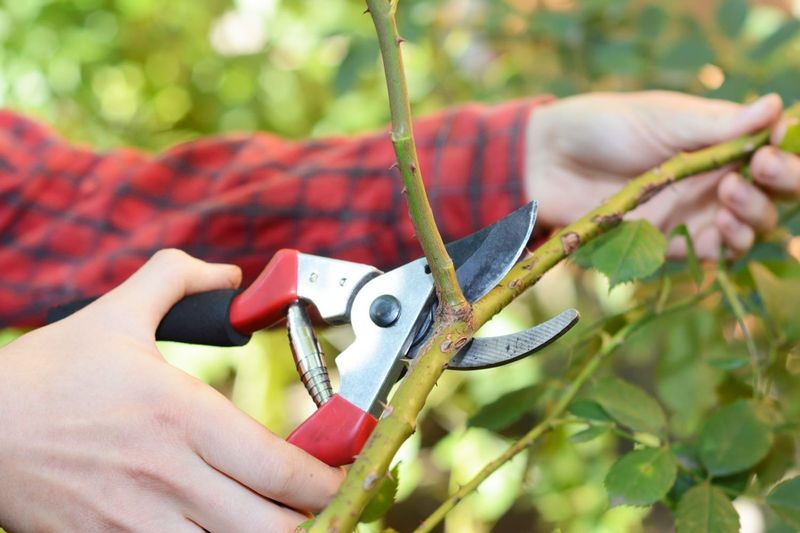
Timing is everything with roses, and in Georgia, that sweet spot usually lands between late February and early March. Right around then, you will start to notice tiny red or green buds swelling on the canes.
That is your signal to get out there with your pruners.
Cutting too early, say in December or January, leaves your roses wide open to a late freeze. Georgia winters can fool you with a warm week followed by a hard frost, and fresh cuts on tender new growth do not handle that well.
Waiting until those buds swell means the plant is already pushing energy upward, so it heals faster and rebounds stronger.
Gardeners in north Georgia near the mountains may need to wait a bit longer than those in coastal areas like Brunswick or Savannah, where warmth arrives earlier. Pay attention to what your specific bushes are doing rather than just following a calendar date.
Your roses will actually tell you when they are ready.
Once you see that bud activity picking up, do not delay. Pruning at the right moment sets the entire season up for success.
Roses pruned while actively waking from dormancy push out new shoots quickly, which means more flowering stems and a fuller, healthier plant by late spring.
Missing this window by even two or three weeks can slow your first bloom cycle noticeably, which is frustrating when Georgia springs are already so short and beautiful.
2. Remove Damaged And Weak Canes First
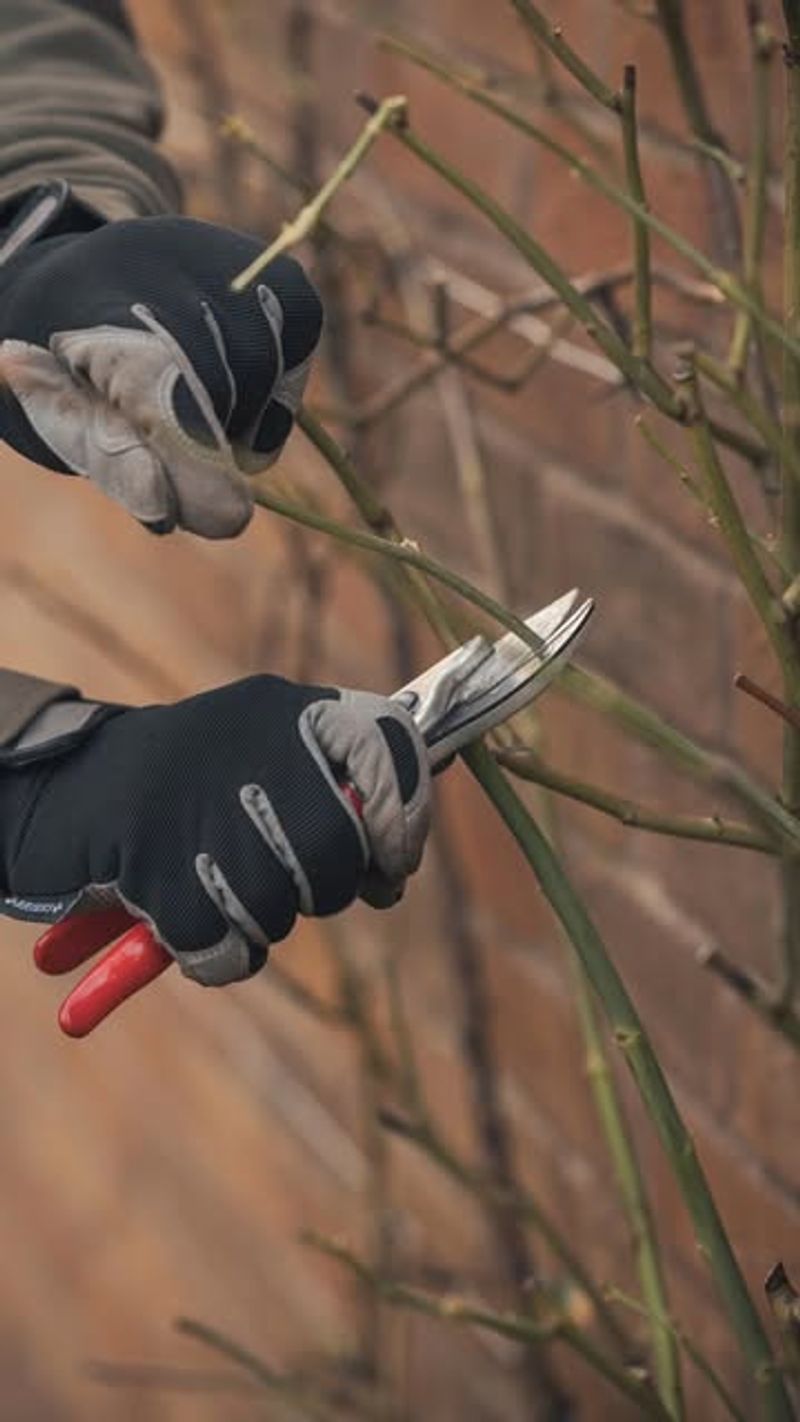
Before you even think about shaping your rose bush, start by clearing out the problem canes. Damaged, worn, or shriveled wood does nothing for the plant and can provide a place for fungal diseases to take hold.
In Georgia’s humid climate, that is a real concern.
Look for canes that are brown all the way through when you make a cut. Healthy canes show white or pale green in the center.
If you slice into a cane and see brown, keep cutting lower until you hit clean wood, or remove the whole cane at the base if needed.
Weak, spindly canes that are thinner than a pencil should also come out. They rarely produce quality blooms and tend to flop around in Georgia’s summer thunderstorms, which can damage the stronger growth around them.
Removing them early lets the plant focus its energy where it actually counts.
Diseased canes need to come out completely, and here is something many gardeners skip: wipe your pruner blades with rubbing alcohol between cuts when dealing with anything that looks infected.
Skipping that step can spread the problem from one cane to the next without you realizing it.
Once all the damaged and weak wood is gone, step back and look at what you have left. You will already have a clearer picture of the plant’s structure, which makes every other pruning decision much easier and more precise from that point forward.
3. Cut Just Above An Outward Facing Bud
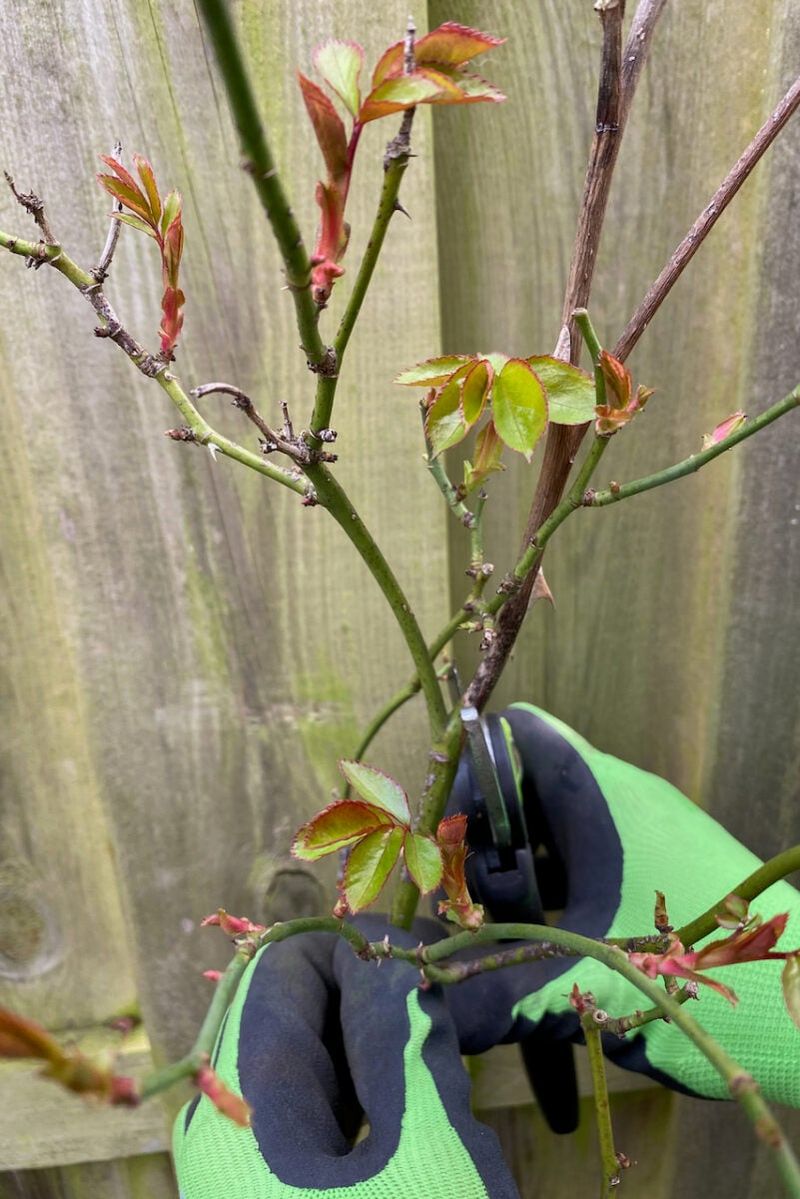
Where exactly you place your cut matters more than most people realize. Cutting just above an outward-facing bud directs new growth away from the center of the plant, which keeps the bush open and airy rather than tangled and crowded.
Aim to cut about a quarter inch above the bud at a 45-degree angle, slanting away from the bud itself. That angle helps rainwater run off the cut surface instead of pooling on it.
In Georgia, where summer humidity and afternoon rain are basically guaranteed, standing water on a fresh cut invites rot and fungal problems fast.
Inward-facing buds might seem like a fine choice, but any shoot that grows toward the center of the plant will eventually cross another cane, block airflow, and create friction that damages both.
Spending a few extra seconds finding the right bud before you cut saves you a lot of cleanup work later in the season.
If you look at a rose cane and cannot immediately find an outward-facing bud, work your way down the cane slowly. Sometimes the right bud is a few inches lower than you expected.
Better to cut a little deeper and get the right bud than to cut high and encourage growth in the wrong direction.
Roses pruned this way tend to develop a natural vase shape over time, which not only looks attractive but also allows sunlight to reach all parts of the plant evenly, boosting bloom production across the entire bush.
4. Thin Crowded Growth To Improve Airflow
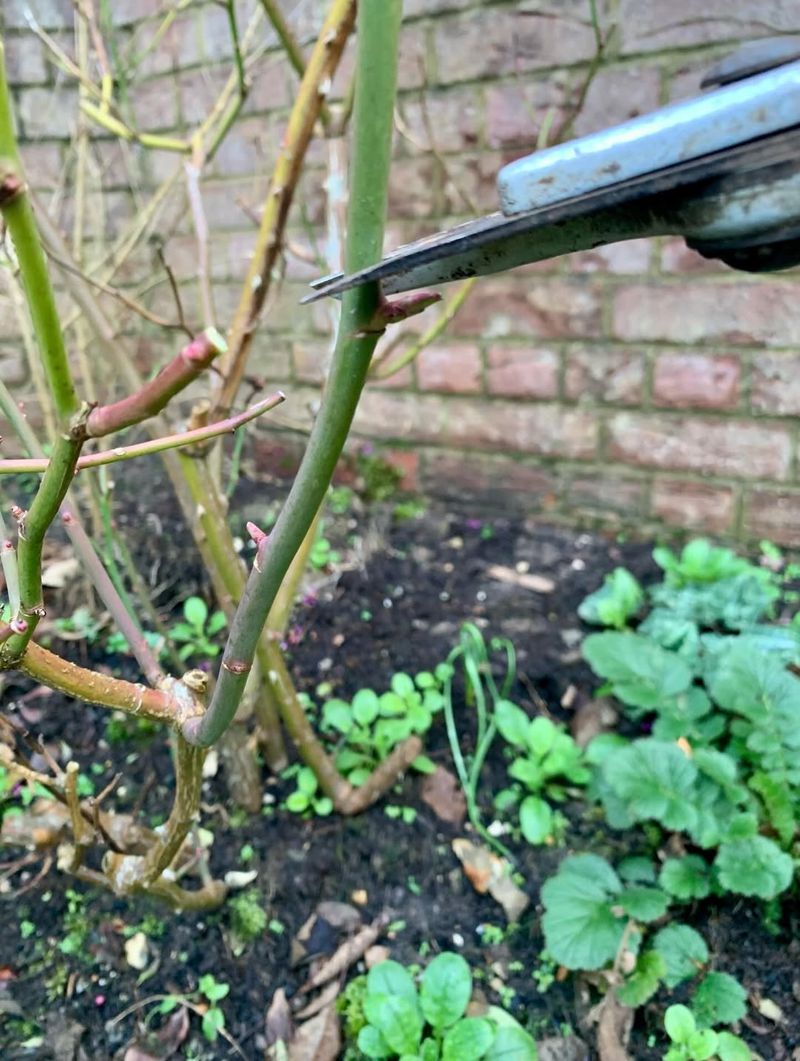
Crowded rose bushes are basically an open invitation for black spot and powdery mildew, two fungal diseases that spread like wildfire in Georgia’s warm, wet summers.
Thinning out congested growth is one of the most effective things you can do to keep your roses healthy without reaching for a spray bottle every week.
Look for canes that cross each other or rub together. When two canes constantly make contact, they create small wounds that pathogens love.
Remove the weaker of the two crossing canes all the way back to the base or to a healthy outward junction.
Also watch for canes growing straight into the center of the bush. A rose with an open center allows air to move freely through the plant, which dries out foliage faster after rain or morning dew.
Wet leaves sitting in stagnant air are where fungal problems start in Georgia gardens every single year.
You do not need to strip the plant bare to get good airflow. Removing just three or four problem canes can completely change how well air circulates through a medium-sized bush.
Step back every few cuts and reassess before taking more off.
Gardeners in humid parts of Georgia, like the coastal plain or the piedmont, should pay extra attention to this step.
The combination of heat and moisture in those regions means airflow is not just helpful, it is genuinely essential for keeping your roses looking good from late spring all the way through October.
5. Avoid Heavy Pruning On Once Blooming Varieties
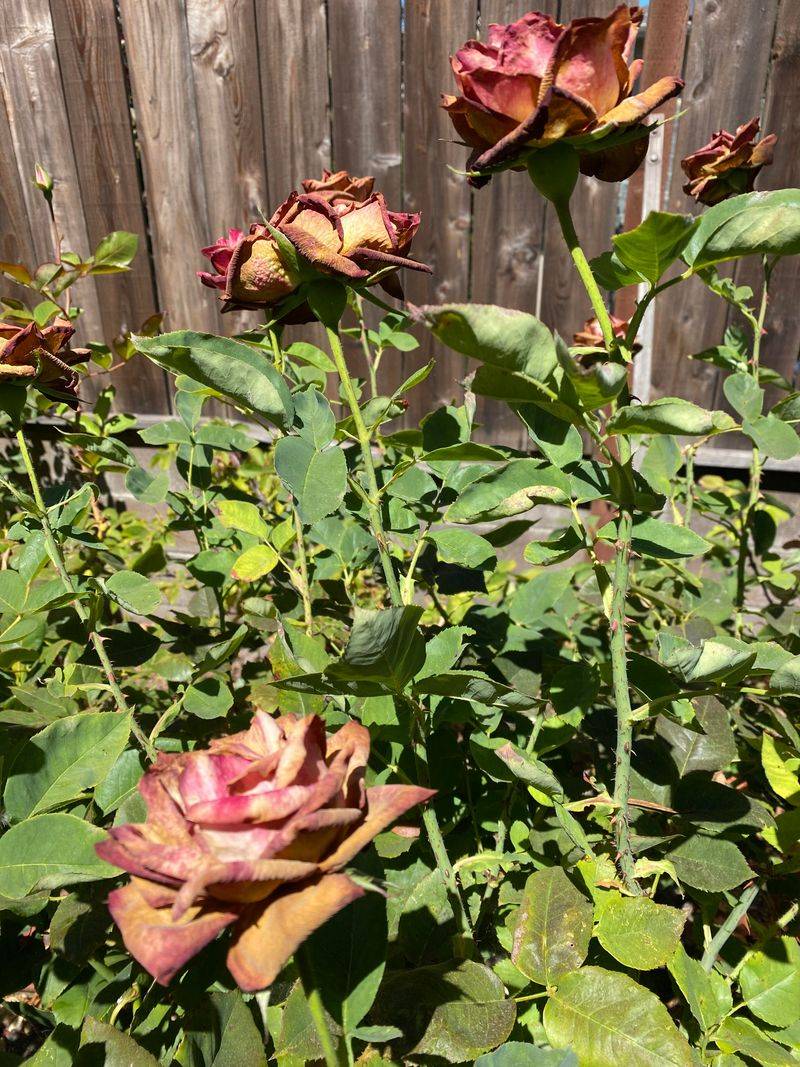
Not all roses follow the same rules, and once-blooming varieties are the ones that catch Georgia gardeners off guard most often. Roses like certain old garden varieties, some climbing roses, and species roses only bloom on wood that grew the previous year.
Prune them hard in late winter and you are cutting off every single flower bud for that season.
Wait until after they finish blooming, usually sometime in late spring or early summer here in Georgia, before doing any significant cutting. That gives you a clear window to shape the plant, remove old canes, and encourage new growth that will carry next year’s blooms.
A quick way to figure out what you have is to watch the plant through its first full season without heavy pruning. If it only blooms once and then stops, you are dealing with a once-blooming variety.
Repeat bloomers, like most hybrid teas and floribundas, will push out new flowers every few weeks throughout the growing season.
Light cleanup, removing spent blooms and obviously damaged wood, is fine to do in late winter on once-bloomers. Just avoid cutting back the main canes significantly until after that spring flower show is finished.
Georgia’s long growing season actually works in your favor here because you still have plenty of warm months left for the plant to develop strong new canes after you prune.
Knowing your variety before you start is the single best way to avoid accidentally pruning away a whole season’s worth of blooms in one afternoon.
6. Use Sharp Clean Tools To Protect Plant Health
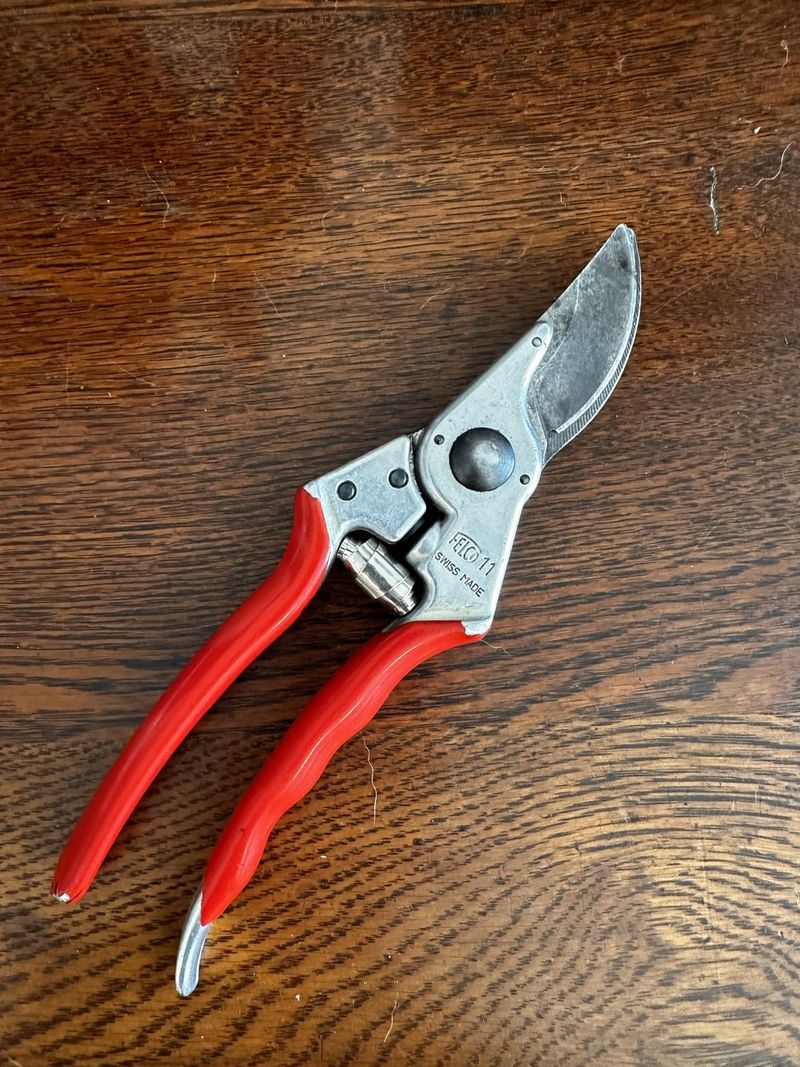
Dull pruners do more damage than most people expect. Instead of slicing cleanly through a cane, a dull blade crushes and tears the tissue, leaving a ragged edge that takes much longer to seal over.
In Georgia’s humid climate, that extra healing time is an open window for fungal infection to take hold.
Sharp tools make clean cuts, and clean cuts heal faster. It is that straightforward.
Sharpen your pruners at the start of each season and again midway through if you are doing a lot of cutting. A basic sharpening stone or a pull-through blade sharpener works fine for most home gardeners.
Cleanliness matters just as much as sharpness. Wipe your blades down with rubbing alcohol or a 10 percent bleach solution before you start pruning and between plants if you notice any signs of disease.
Black spot spores and other pathogens travel easily on pruner blades, and Georgia gardens can harbor these problems in old leaf debris around the base of plants.
Bypass pruners are generally better for roses than anvil-style pruners. Bypass blades pass each other like scissors, creating a cleaner cut.
Anvil pruners press the blade against a flat surface, which can crush softer canes.
Keep a small rag and a spray bottle of alcohol in your garden apron so cleaning your tools between cuts is easy and automatic.
It takes about five seconds and can genuinely save a plant that might otherwise struggle all season long with a preventable infection spreading from one cane to the next.
7. Shape Lightly To Encourage Strong Blooming

Hard pruning feels satisfying in the moment, but cutting roses back too aggressively can set them back significantly.
Light to moderate shaping, removing about one-third of the plant’s overall height, is usually the right approach for most rose varieties growing in Georgia.
Hybrid teas and floribundas respond well to being cut back to around knee height, but you do not need to go lower than that unless a cane is damaged or crossing another one.
Leaving some healthy wood on the plant means more stored energy and a faster, stronger push of new growth when warm weather arrives in March and April.
Shaping is also about balance. Step back and look at the whole plant from a few feet away.
If one side is noticeably longer or heavier than the other, even it out. A lopsided rose bush puts more stress on certain canes and tends to lean or flop as it grows, especially when loaded with blooms during Georgia’s peak spring season.
Resist the urge to keep cutting just because you have pruners in your hand. Over-pruning is one of the most common mistakes Georgia gardeners make, especially in the first few years of growing roses.
Less really is more when the plant is healthy and structurally sound.
A rose bush that gets shaped thoughtfully every late winter will gradually develop a stronger framework year after year.
Good structure built through careful pruning leads to more blooms, better airflow, and a plant that handles Georgia’s heat and humidity with far less trouble over time.