The Right Way To Prune Yellow Bells In Arizona For More Flowers
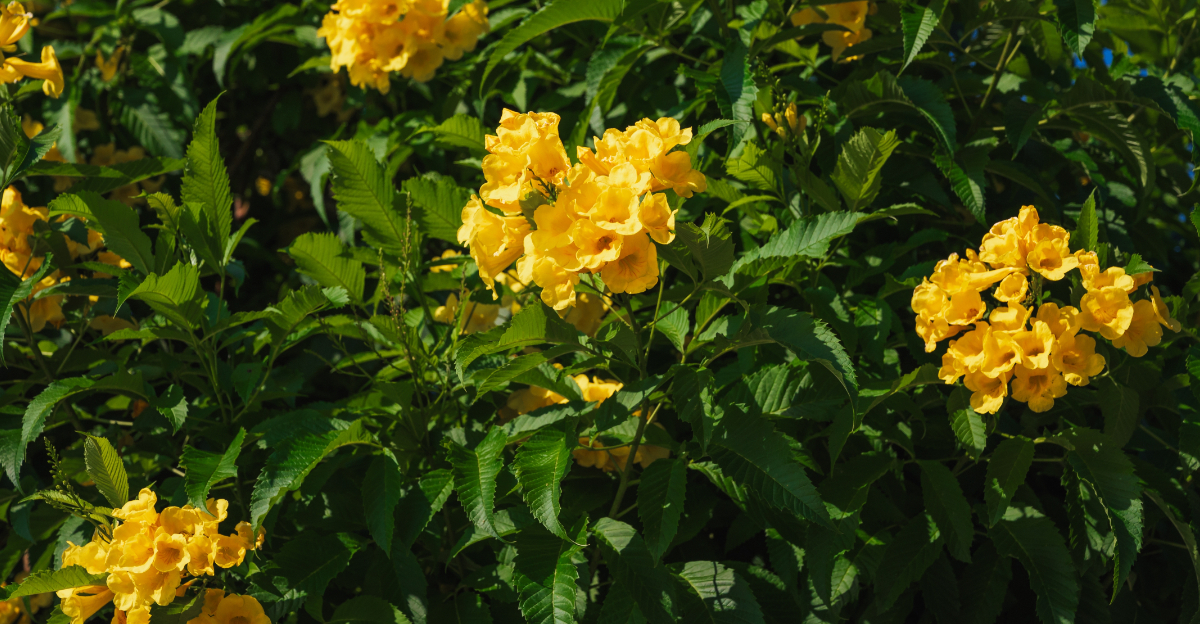
Yellow bells can grow fast in Arizona and put on a big show when they are happy, but pruning is often where things start going wrong.
A shrub that should be full, colorful, and covered in blooms can end up looking awkward, thin, or slower to flower just because of a few cuts made at the wrong time or in the wrong way.
That is what makes this plant a little trickier than it first appears. It is easy to assume more trimming will lead to a neater shape and even better blooming, but yellow bells do not always respond the way people expect.
In Arizona, where warm weather pushes growth quickly, those pruning choices can have a much bigger effect than they seem. A healthy shrub can either build real momentum or lose some of its potential before the best part of the season even begins.
That is why getting the approach right matters so much with yellow bells, especially for gardeners hoping for a fuller plant and a stronger display.
1. Cut Back After Bloom Cycles To Trigger New Flowering
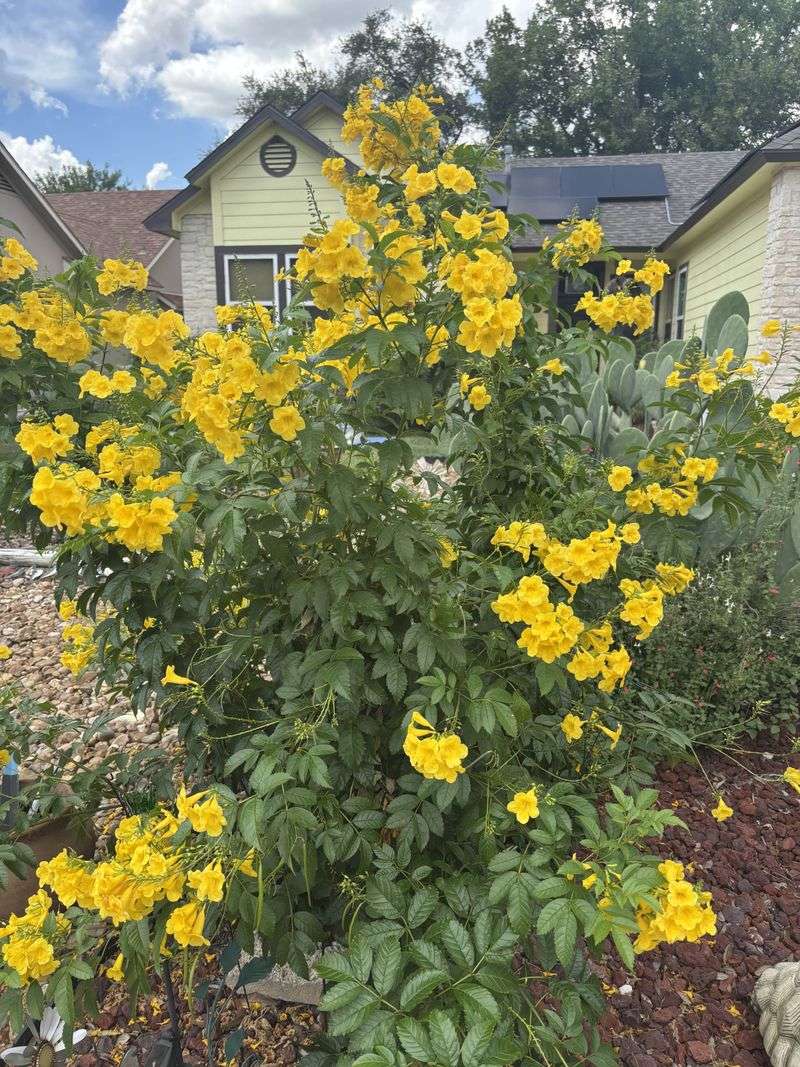
Spent blooms left on the plant are basically wasted energy. Once a flush of flowers fades on your Yellow Bells, those old flower heads start pushing resources into seed pods instead of the next round of blooms.
Cutting them off right after they drop redirects that energy into fresh buds.
In Arizona, Yellow Bells can cycle through multiple bloom periods between spring and late fall. After each wave slows down, go in with clean bypass pruners and snip just below the old flower clusters.
You do not need to cut deep into the branch — a few inches is usually enough to prompt the plant to push out new growth.
Deadheading after every bloom cycle is probably the single most effective trick for keeping flowers coming.
Gardeners in Phoenix and Tucson who do this consistently report noticeably fuller second and third bloom rounds compared to plants that are left untouched.
It takes maybe ten minutes per session, and the payoff is significant.
One thing worth knowing: Yellow Bells will still bloom without deadheading, but the intervals between flowering will stretch out longer. Seed pod production slows the whole cycle down.
Staying on top of spent flowers keeps the momentum going and prevents the plant from looking ragged between flushes. Keep a pair of pruners near your garden hose so you remember to snip while you water.
2. Thinning Out Dense Growth To Improve Airflow And Light
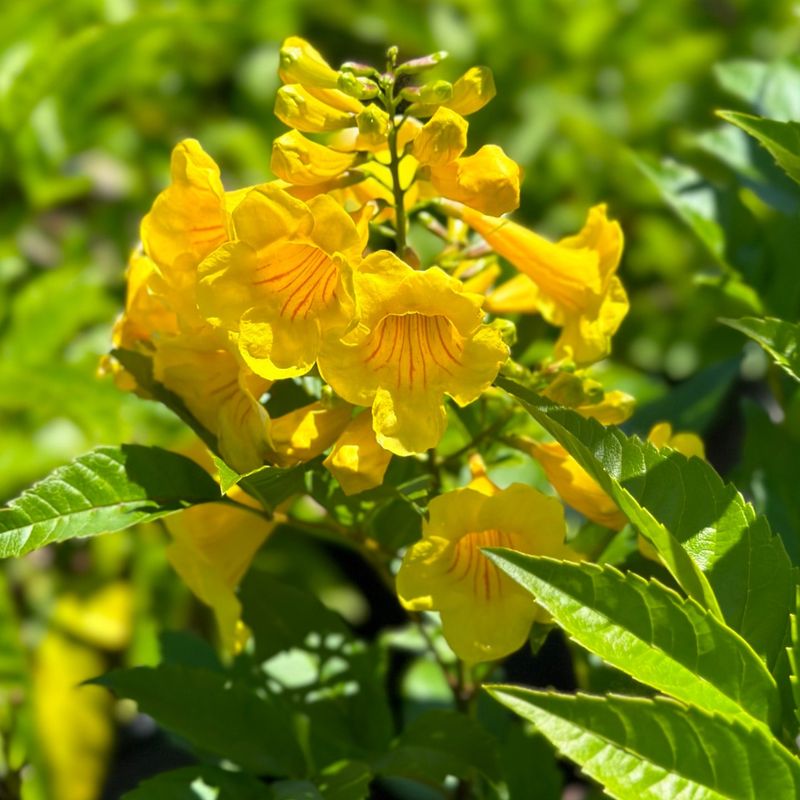
A thick, tangled center might look lush at first glance, but it is actually working against your Yellow Bells.
When branches crowd each other, sunlight cannot reach the inner stems, and airflow drops enough to invite fungal problems and pest buildup — both real concerns in Arizona’s humid monsoon months.
Thinning is different from shaping. Instead of cutting the outside edges, you go inside the plant and remove entire branches at their base.
Look for stems that are crossing over each other, ones growing inward toward the center, or any branch that feels weak and twiggy compared to the main framework. Removing those opens up the canopy without changing the overall silhouette.
Aim to take out no more than a quarter of the interior growth at one time. Removing too much at once can shock the plant, especially during warmer months.
Space your thinning sessions out over a few weeks if the shrub is particularly dense.
Better airflow means less chance of powdery mildew taking hold, which shows up on Yellow Bells in Arizona during late summer when humidity spikes. More light reaching the interior branches also encourages flowering on stems that would otherwise stay shaded and dormant.
Plants that get regular thinning tend to look more open and natural rather than bunched and tight. Grab your loppers for thicker stems and bypass pruners for anything pencil-width or smaller to make cleaner cuts.
3. Shape The Plant Gradually Instead Of Cutting It Back Hard
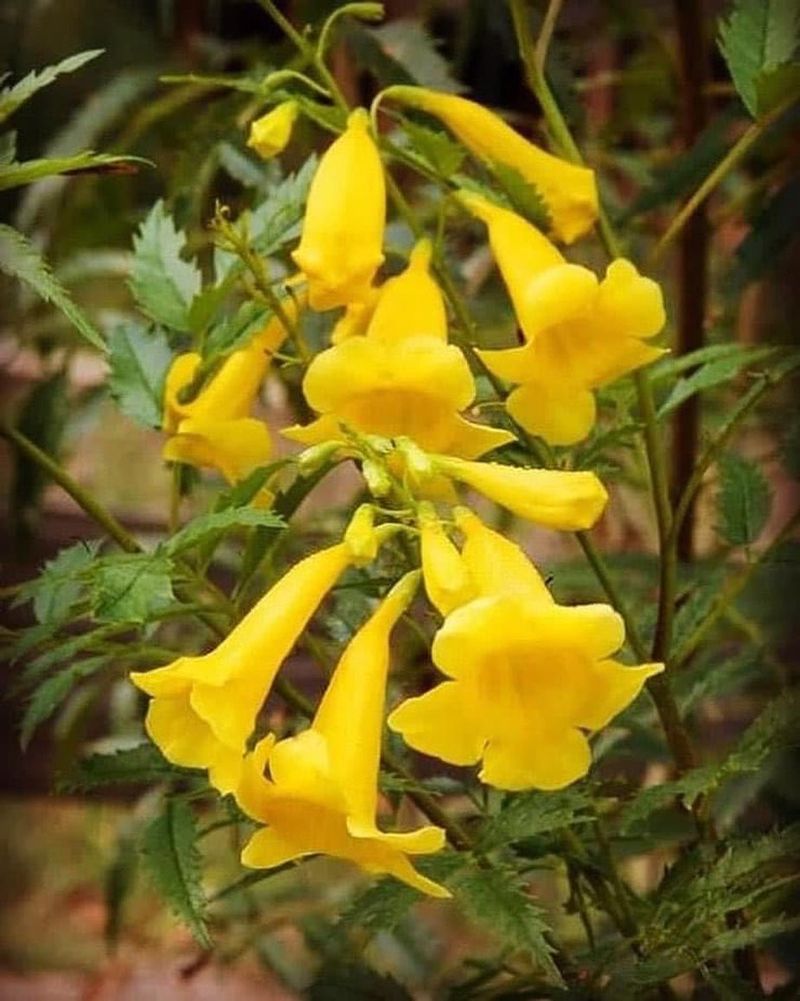
Grabbing the hedge trimmer and going to town on your Yellow Bells might feel satisfying, but hard cutbacks done at the wrong time can set the plant back by weeks. Gradual shaping keeps the structure intact while still managing size and encouraging branching.
Rather than chopping everything down at once, take a little off the outside edges each session. Removing a few inches from the tips of outward-facing branches pushes the plant to branch out below the cut, which fills in the shape and creates more flowering tips.
More tips equal more blooms — that math works in your favor every time.
In Arizona, Yellow Bells can get surprisingly large, especially in lower desert zones around Scottsdale, Mesa, and Chandler where winters are mild. Without regular shaping, they can sprawl wide and get top-heavy.
Gradual trimming over the season keeps them at a manageable height and prevents the woody, bare-legged look that happens when you cut back aggressively after years of neglect.
If the plant has already gotten out of hand, do not try to fix it in one day. Spread the work over several weeks, removing a portion at a time and letting the plant recover between sessions.
Cutting no more than one-third of the total growth at any single pruning keeps stress low and recovery fast. A well-shaped Yellow Bells looks intentional and polished without losing its natural character.
4. Trim Long Stems To Keep Growth Compact And Upright
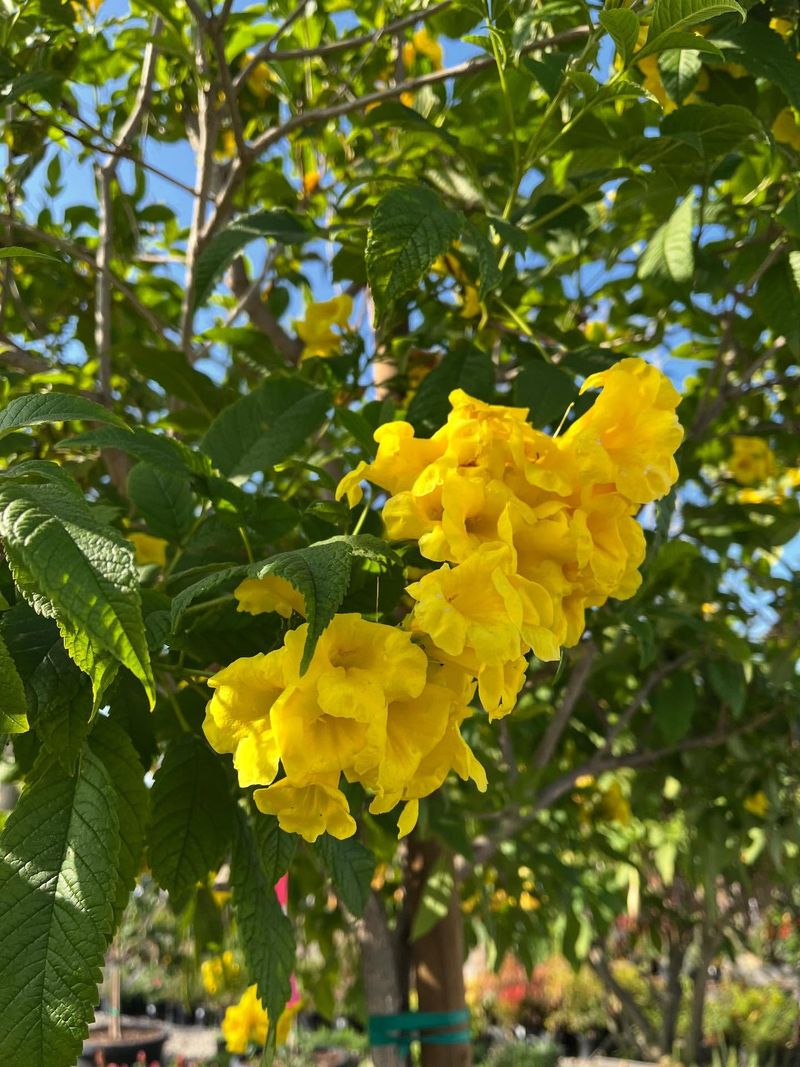
Long, arching stems might look dramatic, but they weaken the overall structure of a Yellow Bells shrub over time.
Stems that stretch out too far tend to droop under their own weight, especially after Arizona’s monsoon rains add extra moisture and heaviness to the foliage.
Trimming those long stems back to a lateral branch or a strong outward-facing bud keeps the plant upright and prevents that floppy, overgrown look.
You want the energy going into sturdy, upright growth rather than long wandering branches that flop over the sidewalk or crowd neighboring plants.
For plants growing near walls or in tight spots — common in many Phoenix-area yards where space between the house and the property line is limited — keeping stems compact is especially practical.
Letting stems run long creates a maintenance headache and can interfere with irrigation lines or other nearby plants.
Check the plant every few weeks during the active growing season from spring through early fall. Any stem that has grown noticeably longer than the rest of the canopy is a candidate for trimming.
Cut it back to where it meets a side branch, making the cut at a slight angle just above a leaf node. Angled cuts shed water better and heal faster than flat ones.
Consistent attention to rogue stems keeps the plant looking neat without requiring a major overhaul later in the season. A compact Yellow Bells also tends to flower more evenly across the whole plant rather than just at the tips.
5. Skip Pruning During Peak Heat To Avoid Stress
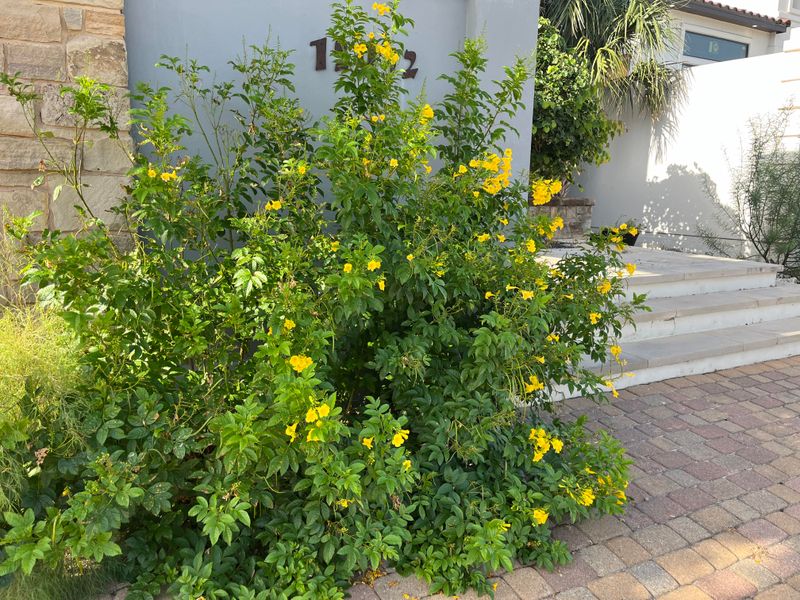
Arizona summers are brutal, and Yellow Bells feel it too. When temperatures climb above 105 degrees — a regular occurrence in Phoenix, Tucson, and surrounding areas from June through August — the plant is already working hard just to stay hydrated and functional.
Pruning on top of that adds unnecessary stress.
Fresh cuts expose new tissue that needs energy and moisture to heal. During peak heat, that demand hits at exactly the wrong time.
The plant cannot recover as efficiently when it is simultaneously dealing with scorching sun, low humidity, and dry soil. Wounds left during extreme heat also take longer to callous over, leaving the plant more vulnerable.
Hold off on any significant pruning once daytime highs are consistently above 100 degrees. Light deadheading — just snipping off spent flower heads — is fine during summer and actually helps.
But avoid cutting into live stems or doing any reshaping until temperatures back off in September or early October.
Watching your Yellow Bells during peak heat is more about patience than skill. Let the plant rest, keep up with deep watering every week or two, and resist the urge to tidy things up when it is too hot.
Once the monsoon season wraps up and temperatures start dropping into the 90s, the plant rebounds quickly and is ready for a light shaping session before the fall bloom cycle kicks in.
Timing your pruning around the heat calendar makes a noticeable difference in how fast and full the plant recovers.
6. Start Pruning Only After Frost Risk Fully Passes
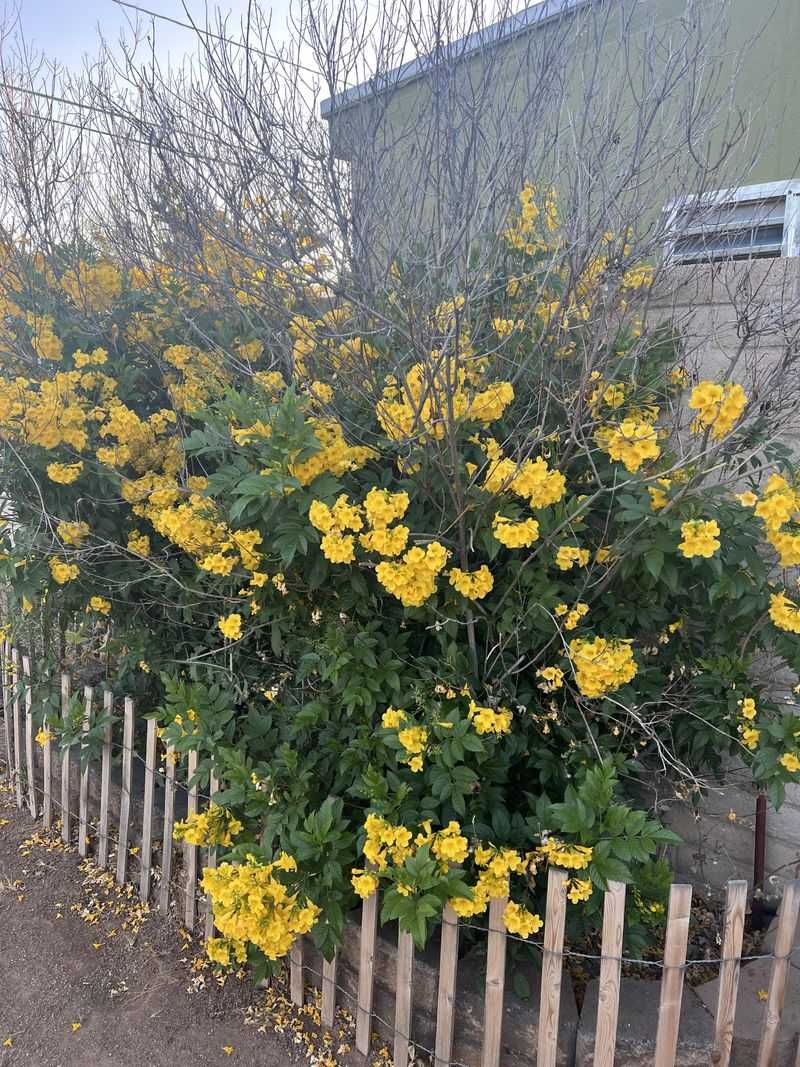
Frost in Arizona might seem like a minor concern compared to colder states, but it still shows up in many parts of the state — especially in higher elevation areas like Prescott, Flagstaff, and even parts of the East Valley on cold January nights.
Yellow Bells are frost-sensitive, and new growth triggered by early pruning is the most vulnerable.
Pruning stimulates the plant to push out fresh tender shoots. If you cut back in January and a late frost hits in February, that new growth can get damaged badly.
Damaged new growth does not just look bad — it slows the entire bloom cycle for the season because the plant has to redirect energy into recovery instead of flowering.
In low desert zones like the greater Phoenix area, mid to late February is usually a safe window to start the main annual pruning. In higher elevation parts of Arizona, waiting until March is smarter.
Check a local frost date calendar for your specific zip code rather than going by what a neighbor in a different part of the valley is doing.
Before you start cutting, look for signs that the plant is waking up — small green buds forming at branch nodes are a reliable signal that frost risk is winding down. Pruning at that moment, right as the plant wants to grow, gives you the best results.
You are working with the plant’s natural momentum instead of against it, and that timing makes the spring and early summer bloom cycle noticeably more productive.
7. Consistent Light Trimming Keeps Flowers Coming Through The Season
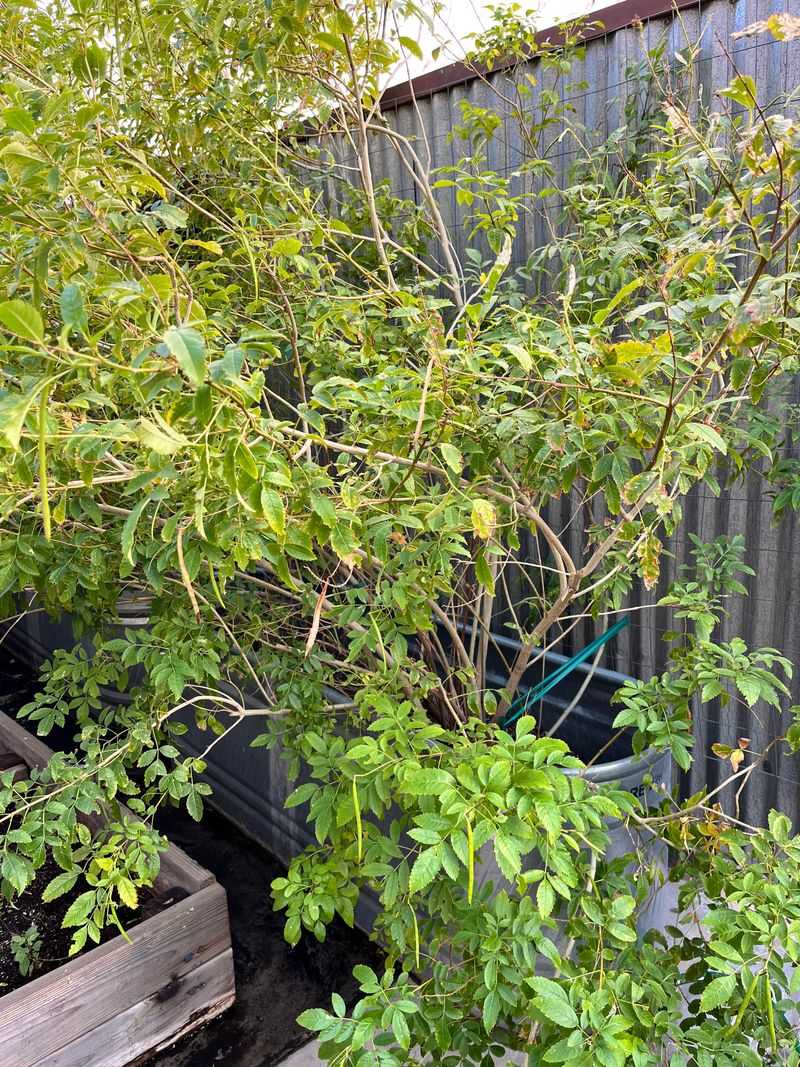
One big prune a year is not enough to get maximum flowers out of a Yellow Bells. Regular light trimming throughout the growing season keeps the plant in a continuous cycle of producing new tips, which is where the flowers form.
Skip a few weeks, and the energy shifts toward seed production and woody growth instead.
Think of light trimming as a steady conversation with the plant rather than a single dramatic event.
Every two to three weeks during spring and fall, walk around the shrub and remove any stems that have finished flowering, any tips that have gotten leggy, and any crossing branches that showed up since your last visit.
It takes five to ten minutes and makes a real cumulative difference.
Arizona gardeners have a longer active season than most of the country, which is an advantage. Yellow Bells in Tucson and Phoenix can flower from April all the way through November in a good year.
Consistent light trimming is what keeps that long window productive rather than having the plant peak once and coast the rest of the year.
Keeping your pruning tools clean and sharp matters more than most people realize. Dull blades crush stems instead of cutting cleanly, and crushed tissue heals slower and creates entry points for disease.
Wipe your pruner blades with isopropyl alcohol between plants, and sharpen them at least once per season. Clean cuts heal fast, and fast healing means the plant gets back to flowering sooner rather than sitting in recovery mode for weeks.