The Right Way To Start Sunflowers In Arizona This February
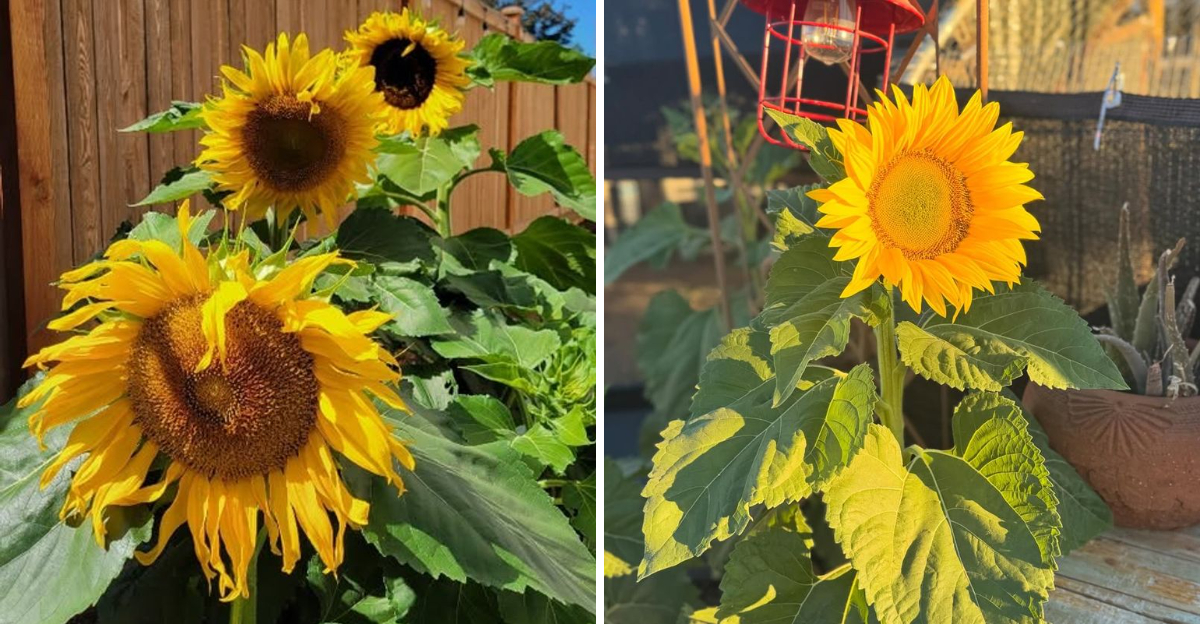
February in Arizona may feel quiet in the garden, but the soil is ready for action if you know how to take advantage of it. Sunflowers planted now get a head start on the season, giving you taller stalks, bigger blooms, and a brighter display come spring.
If you’ve ever struggled with spindly seedlings or late flowers, the timing and technique this month can change everything.
Starting sunflowers successfully means more than tossing seeds in the dirt. Choosing the right spot, preparing the soil, and spacing seeds correctly ensures strong roots and healthy growth before the desert heat ramps up.
A few simple steps now pay off with a garden full of bold, towering blooms that bring color, height, and life to your Arizona yard all season long.
1. Choose Heat-Tolerant Sunflower Varieties Suited For Arizona
Not all sunflowers handle Arizona’s intense climate equally well. Selecting varieties bred for heat tolerance gives your plants the best chance to thrive through the warming spring and into early summer.
Standard garden sunflowers may struggle once temperatures climb past 95 degrees, but heat-adapted types keep blooming beautifully.
Dwarf varieties like Sunspot and Teddy Bear work exceptionally well in Arizona gardens because they mature quickly before the most brutal heat arrives. These compact plants reach only 2-3 feet tall, making them perfect for container growing or small garden spaces.
Their shorter growing season means you’ll see blooms in 55-65 days instead of waiting 80-90 days for giant varieties.
For taller options, consider Mammoth Russian or Apache Brown sunflowers, both showing excellent heat resistance.
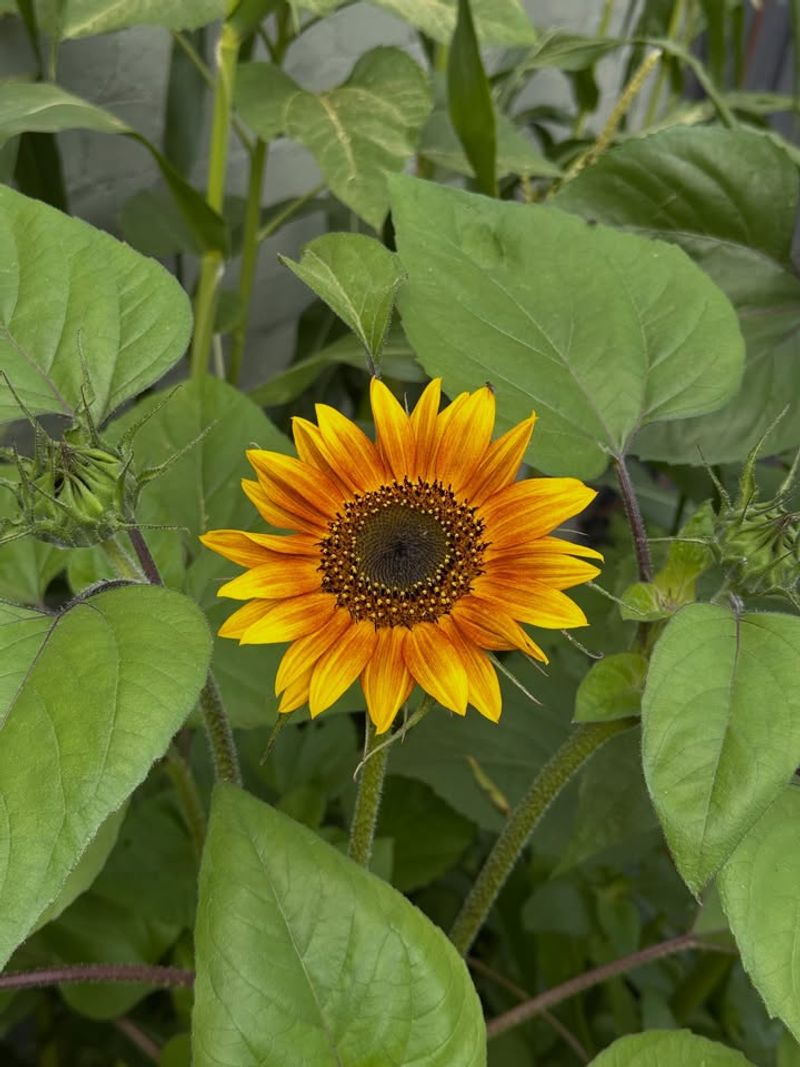
Mammoth Russian produces classic large yellow flowers on sturdy 8-10 foot stalks, while Apache Brown offers unique burgundy-brown petals that add dramatic color to desert landscapes.
These varieties have deeper root systems that help them access moisture during dry spells.
Pollenless varieties deserve special mention for Arizona growers. Types like ProCut Orange and Sunbright Supreme produce gorgeous flowers without the messy pollen that can trigger allergies.
They also last longer as cut flowers, giving you beautiful bouquets for your home. When shopping for seeds in Arizona, look specifically for packages mentioning heat tolerance or drought resistance.
Local nurseries often stock varieties proven successful in desert conditions, giving you region-specific options that general seed catalogs might not highlight.
2. Wait For Soil To Warm Before Direct Sowing Seeds
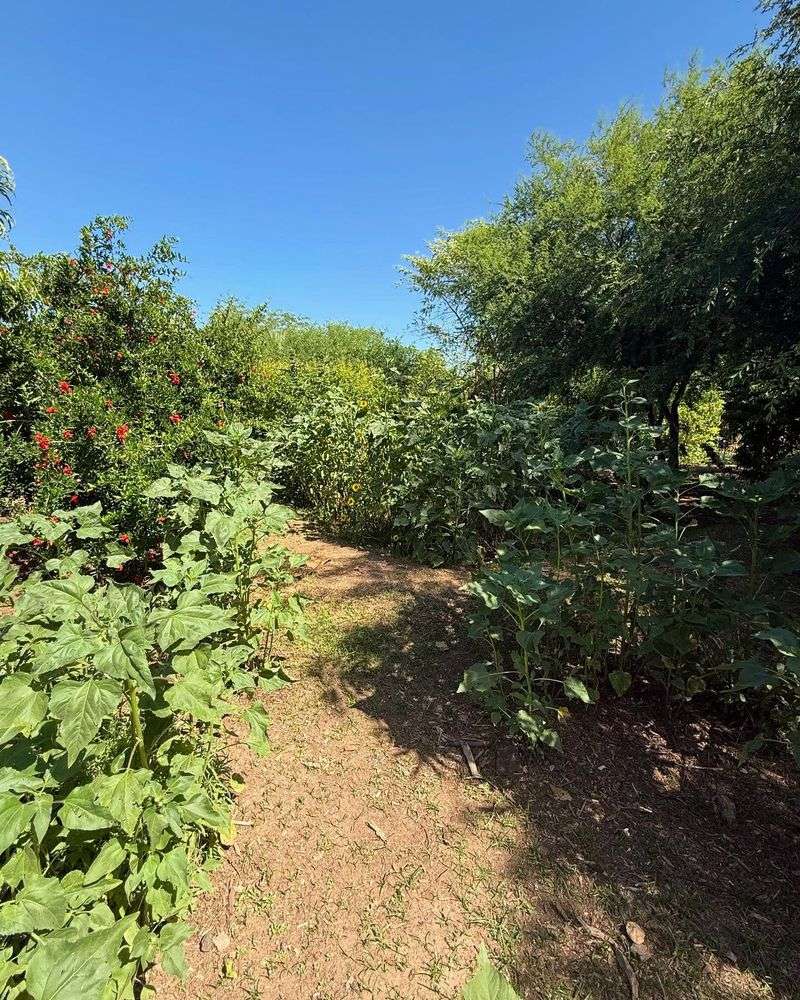
Patience pays off when planting sunflowers in Arizona during February. Soil temperature matters more than calendar dates because seeds won’t germinate properly in cold ground.
Sunflower seeds need soil temperatures consistently above 50 degrees Fahrenheit to sprout successfully, with 55-60 degrees being ideal for quick, healthy germination.
Use a simple soil thermometer to check temperatures at planting depth, about 1-2 inches below the surface. Take readings in the morning for several consecutive days to get accurate averages.
Arizona’s desert regions often reach proper soil temperatures by mid-February, but higher elevation areas around Flagstaff or Prescott may need to wait until early March.
Planting too early causes multiple problems beyond just slow germination. Cold, damp soil encourages seed rot and fungal issues that can wipe out your entire planting before a single sprout emerges.
Seeds sitting dormant in chilly ground also become easy targets for birds, rodents, and insects that feast on them before they have a chance to grow.
Southern Arizona locations like Tucson and Phoenix warm up faster than northern regions, sometimes reaching ideal planting temperatures by early February. If you’re eager to start early, consider pre-sprouting seeds indoors using the paper towel method.
Place seeds between damp paper towels in a plastic bag, keeping them in a warm spot until tiny roots appear. This technique gives you a head start while ensuring soil conditions outside become perfect for transplanting.
Once your soil thermometer consistently shows 55 degrees or higher, you’re ready to sow directly into your Arizona garden beds.
3. Plant In Full Sun With Protection From Strong Spring Winds
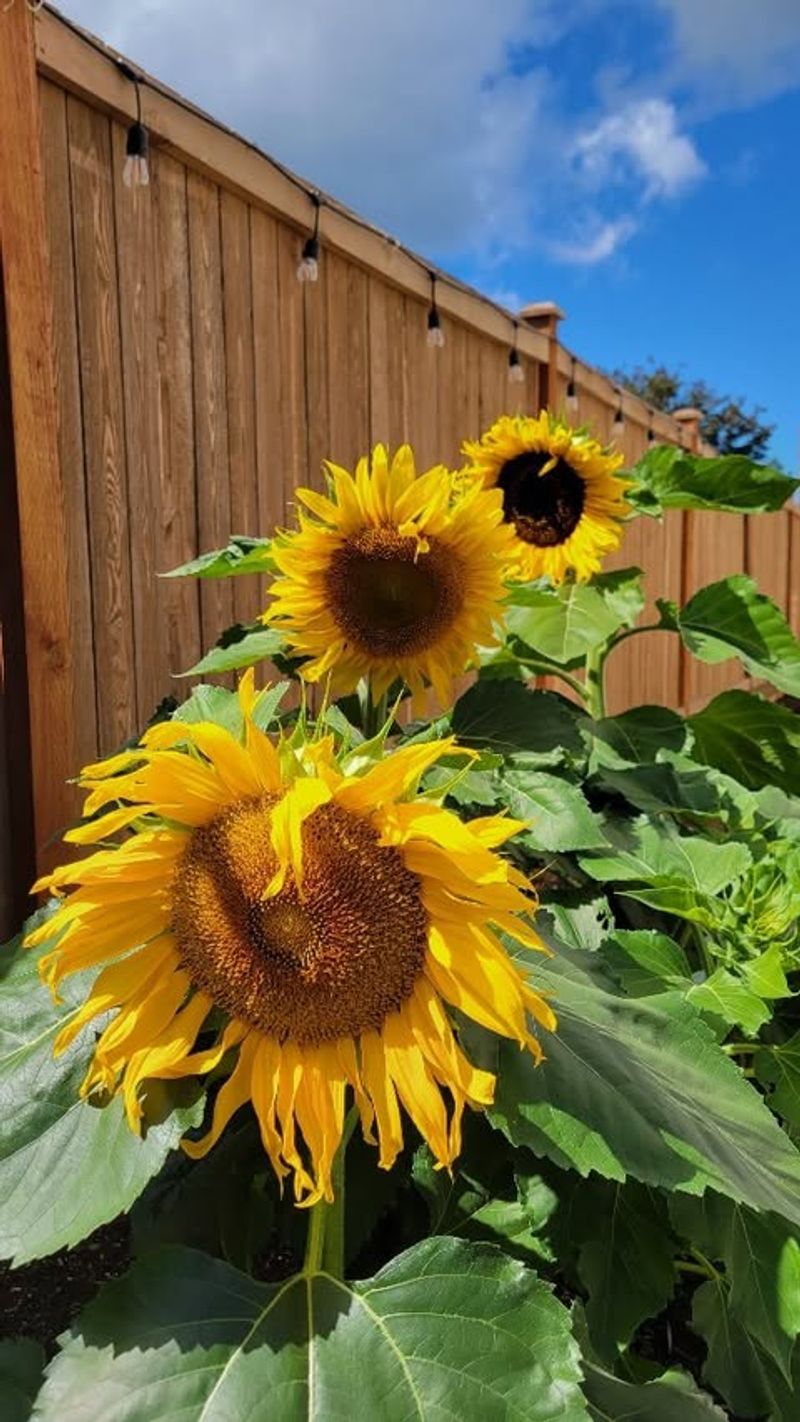
Sunflowers earned their name for good reason. These sun-worshipping plants need at least 6-8 hours of direct sunlight daily to develop strong stems and produce large, vibrant flowers.
Arizona delivers abundant sunshine year-round, making it seemingly perfect for sunflowers, but you’ll need to address wind challenges that come with desert environments.
Spring winds in Arizona can be surprisingly fierce, especially during March and April when young sunflowers are still establishing themselves.
Strong gusts snap tender stems, shred developing leaves, and can uproot entire seedlings before their root systems grow deep enough for stability.
Position your sunflower planting area where buildings, fences, or established shrubs provide some wind protection without blocking precious sunlight.
East-facing locations work wonderfully in Arizona because plants receive gentle morning sun while gaining afternoon shade from structures as temperatures rise later in the season.
This arrangement protects flowers from the most intense western sun during brutal summer months.
If your only option is a fully exposed area, plan to install temporary windbreaks using stakes and burlap or shade cloth.
Create windbreaks on the prevailing wind side of your planting area, typically from the west or southwest in most Arizona locations. These barriers should stand 3-4 feet tall for standard sunflowers, allowing air circulation while blocking the strongest gusts.
Avoid solid barriers that create turbulence; instead, use materials that filter wind by reducing its speed by about 50%. As your sunflowers grow taller and develop thicker stems, they’ll become more wind-resistant and you can remove temporary protections.
4. Improve Drainage In Heavy Or Compacted Desert Soil
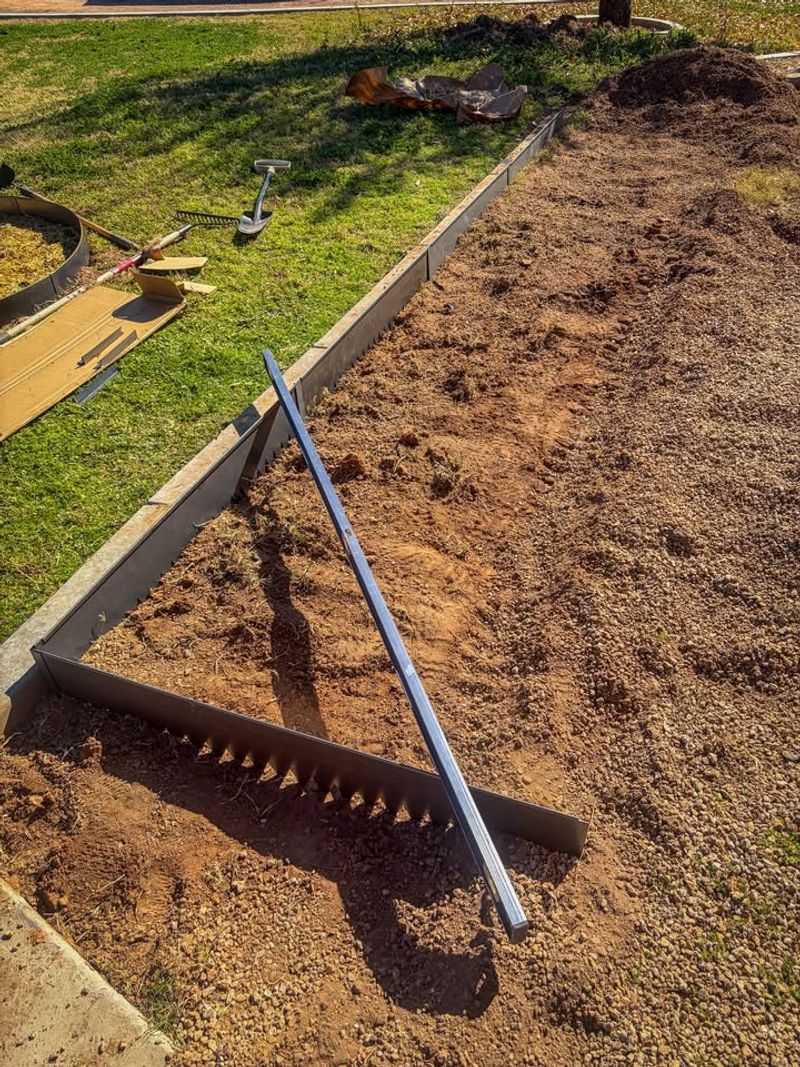
Arizona soil varies dramatically depending on your location, but many areas feature heavy clay or caliche layers that create serious drainage problems. Sunflowers tolerate various soil types but absolutely cannot survive in waterlogged conditions.
Their roots need oxygen just as much as moisture, and standing water suffocates them quickly.
Test your soil’s drainage by digging a hole about 12 inches deep and filling it with water. If water remains after 24 hours, you’ve got drainage issues requiring correction before planting.
Clay soils common around Phoenix and parts of Tucson drain slowly, while caliche, that cement-hard layer of calcium carbonate, can block water movement entirely.
Break up compacted soil by working organic matter deeply into planting areas. Add 3-4 inches of compost, aged manure, or coconut coir to the top 10-12 inches of soil.
This amendment improves drainage in clay while helping sandy soils retain some moisture. For severe drainage problems, consider creating raised beds 8-12 inches high filled with a blend of native soil mixed with compost and coarse sand.
If you encounter caliche while preparing beds, you’ll need to either break through it with a pickaxe or work around it by building up soil above the layer.
Caliche typically forms 6-24 inches below the surface in Arizona, and sunflower roots need to penetrate at least 12-18 inches for proper establishment.
Some Arizona gardeners drill holes through caliche layers to create drainage channels, allowing excess water to escape downward instead of pooling around roots.
Proper drainage preparation takes effort upfront but prevents countless problems throughout the growing season.
5. Water Deeply But Infrequently To Build Strong Roots
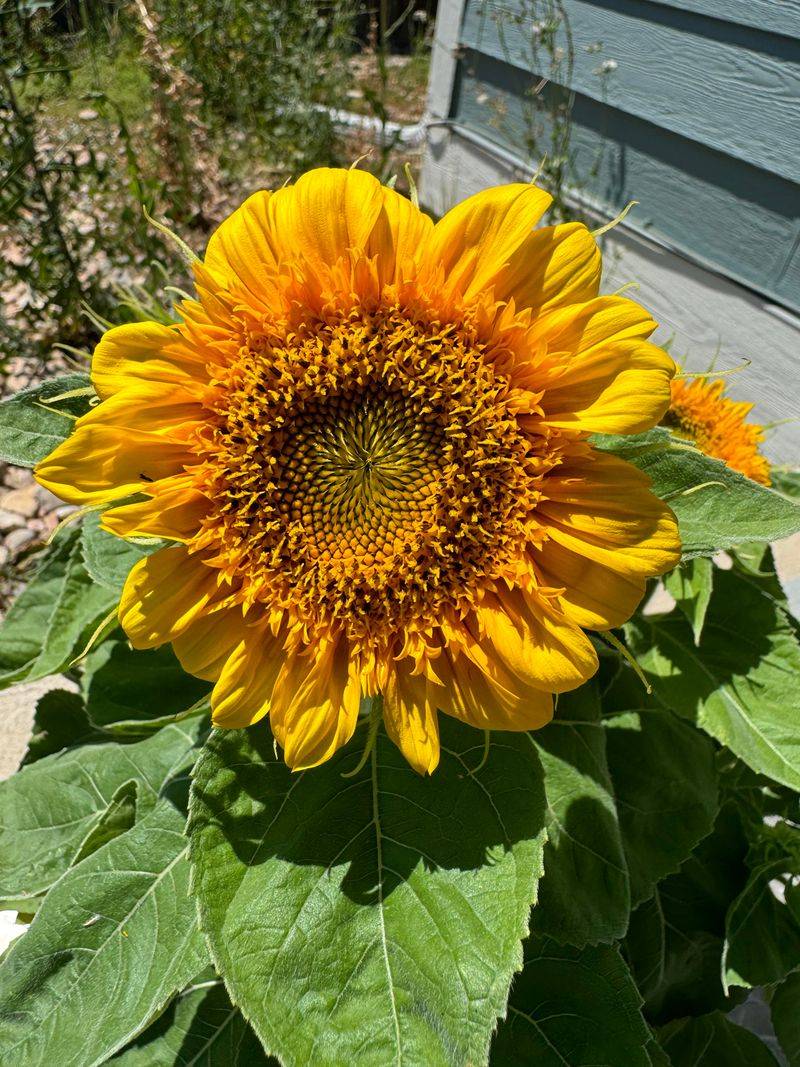
Watering strategy makes or breaks sunflower success in Arizona’s arid climate. Frequent shallow watering creates weak, surface-level root systems that cannot support tall plants or survive hot, dry conditions.
Deep, infrequent watering encourages roots to grow downward, seeking moisture and developing the robust foundation sunflowers need.
Newly planted seeds require consistent moisture in the top 2 inches of soil until germination occurs, typically 7-10 days after planting. Water lightly once or twice daily during this establishment period, keeping soil damp but never soggy.
Once seedlings emerge and develop their first true leaves, transition to deeper, less frequent watering sessions.
Young sunflower plants in Arizona need water every 3-4 days during February and March, with each session delivering enough moisture to penetrate 6-8 inches deep.
As plants mature and temperatures rise, increase water depth to 12 inches while maintaining the same 3-4 day schedule.
Use a moisture meter or simply dig down with your finger to check soil dampness before watering.
Drip irrigation works beautifully for sunflowers in Arizona because it delivers water directly to root zones without wasting moisture to evaporation.
If using overhead watering, do so early in the morning so foliage dries quickly, reducing fungal disease risks.
Apply 1-2 inches of mulch around plants to conserve soil moisture and keep roots cooler as temperatures climb. Avoid mulching right against stems, leaving a 2-3 inch gap to prevent rot.
Proper watering builds sunflowers tough enough to handle Arizona’s challenging climate while producing impressive blooms that brighten your garden through spring and early summer.
6. Space Seeds Properly To Prevent Weak, Crowded Stems
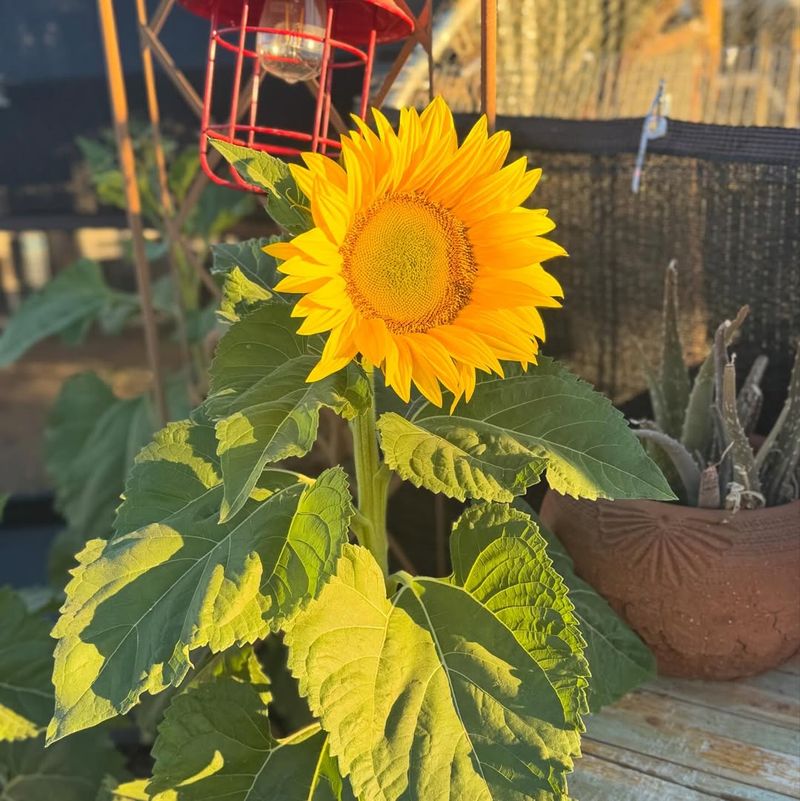
Crowding ranks among the most common mistakes when planting sunflowers in Arizona. Seeds are inexpensive, and it’s tempting to sow them thickly, planning to thin later.
However, proper initial spacing saves work and produces much healthier plants with stronger stems and larger flowers.
Giant sunflower varieties need 18-24 inches between plants to develop properly. These tall types grow massive root systems and thick stems that require substantial space and resources.
Planting them closer forces plants to compete for water, nutrients, and sunlight, resulting in spindly, weak stems that topple over easily in Arizona’s spring winds.
Dwarf and medium varieties can handle slightly tighter spacing of 12-15 inches between plants. Even these smaller types suffer when overcrowded, producing fewer blooms and becoming more susceptible to powdery mildew and other fungal issues.
Good air circulation between plants helps prevent disease problems while allowing each sunflower to develop its full potential.
Plant seeds at the proper spacing from the start, sowing 2-3 seeds per spot and thinning to the strongest seedling once they reach 3-4 inches tall.
When thinning, cut unwanted seedlings at soil level with scissors rather than pulling them, which can disturb roots of neighboring plants.
If you’re planting in rows, space rows 24-30 inches apart for easy access and maintenance.
Proper spacing also matters for pollinator access in Arizona gardens. Bees, butterflies, and other beneficial insects need room to move between flowers efficiently.
Well-spaced sunflowers create an inviting environment for these helpers while giving you better airflow, easier watering, and simpler harvesting of seeds or cut flowers later in the season.
7. Monitor Early Growth As Temperatures Begin To Rise
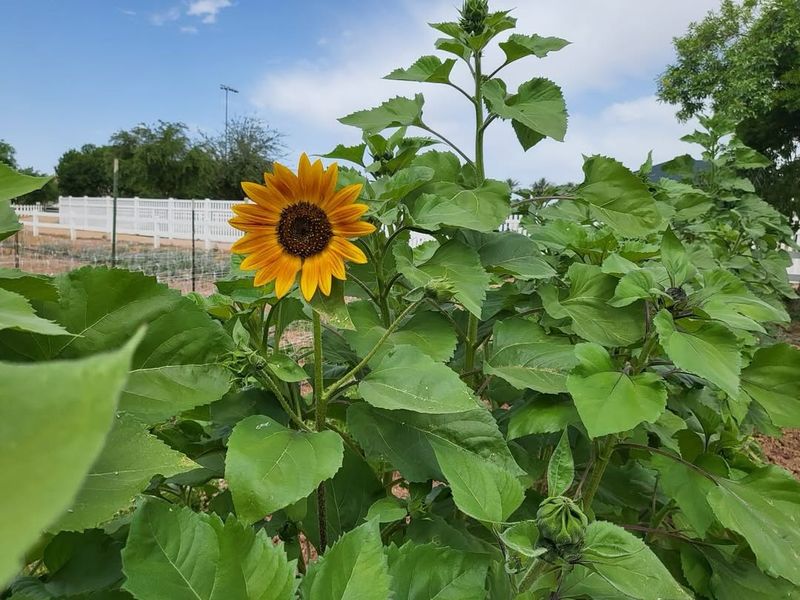
February plantings in Arizona experience rapidly changing conditions as spring progresses. What starts as mild, pleasant weather can quickly shift to warmer temperatures that stress young plants.
Regular monitoring allows you to spot and address problems before they become serious, ensuring your sunflowers transition smoothly into the hotter months ahead.
Check plants every 2-3 days during the first month after germination, looking for signs of stress, pest damage, or disease. Sunflower leaves should appear deep green and firm, standing upright rather than drooping.
Yellowing lower leaves might indicate overwatering, while wilting despite moist soil suggests root problems or extreme heat stress.
Common Arizona pests including aphids, whiteflies, and cucumber beetles often target tender young sunflowers. Inspect the undersides of leaves where these insects typically gather and feed.
Early detection makes control much easier, often requiring nothing more than a strong spray of water to dislodge pests before populations explode.
Beneficial insects like ladybugs and lacewings naturally control many pests if you avoid using harsh chemicals.
As temperatures climb into the 80s and 90s during late March and April, watch for heat stress indicators. Sunflowers may need temporary afternoon shade when temperatures suddenly spike above 95 degrees.
Use shade cloth providing 30-40% shade during the hottest part of the day, removing it once plants adapt or temperatures moderate. Monitor soil moisture more frequently as heat increases evaporation rates.
Adjust your watering schedule as needed, potentially moving to every 2-3 days instead of every 4 days as Arizona’s intense spring heat arrives earlier than expected some years.