The Rise Of Indoor Winter Tomatoes Among Maryland Gardeners
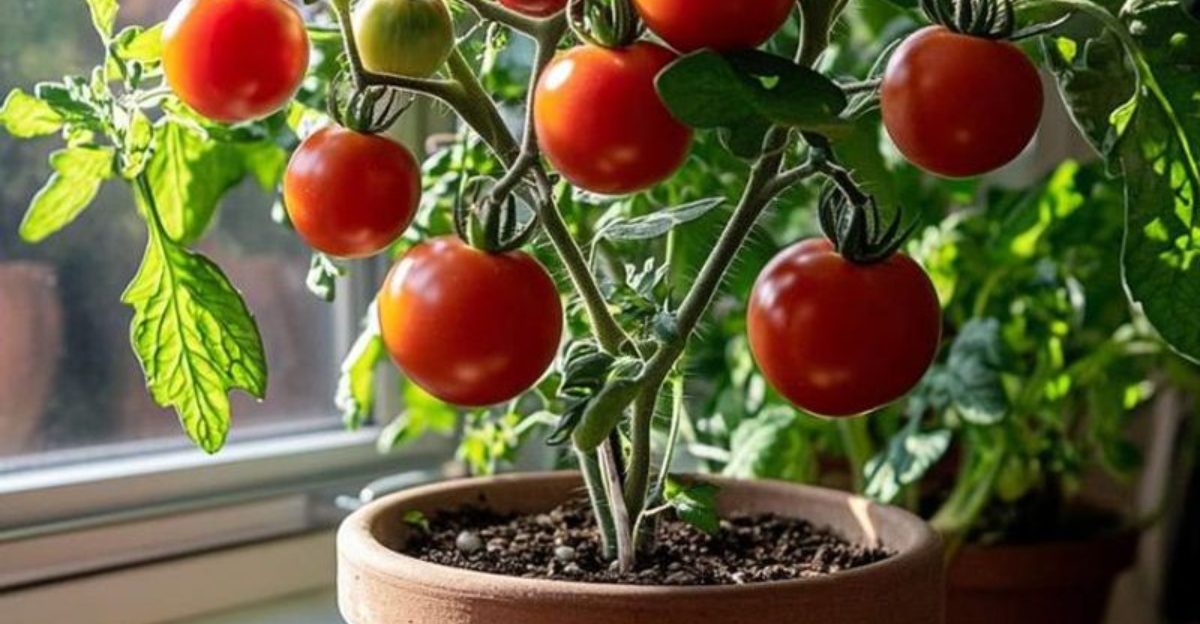
Maryland gardeners are discovering the joys of indoor winter tomatoes, cultivating fresh, flavorful fruit even during the coldest months.
By using containers, grow lights, and carefully controlled temperatures, homeowners can maintain productive plants throughout December and beyond.
These small-scale indoor gardens let residents harvest ripe tomatoes while outdoor gardens remain dormant, providing continuous access to fresh ingredients for salads, sauces, and cooking.
Indoor growing also minimizes pest issues and reduces reliance on store-bought produce.
Varieties chosen for winter performance thrive in smaller spaces and require minimal pruning, making them ideal for apartments, porches, or sunrooms.
Maryland gardeners find that careful attention to light, water, and nutrient balance ensures vigorous growth and consistent fruiting.
This trend is growing quickly as more residents realize that cold weather doesn’t have to mean a vegetable-free kitchen. Indoor winter tomatoes offer freshness, flavor, and satisfaction all year round.
Why Maryland Gardeners Are Choosing Indoor Winter Tomatoes
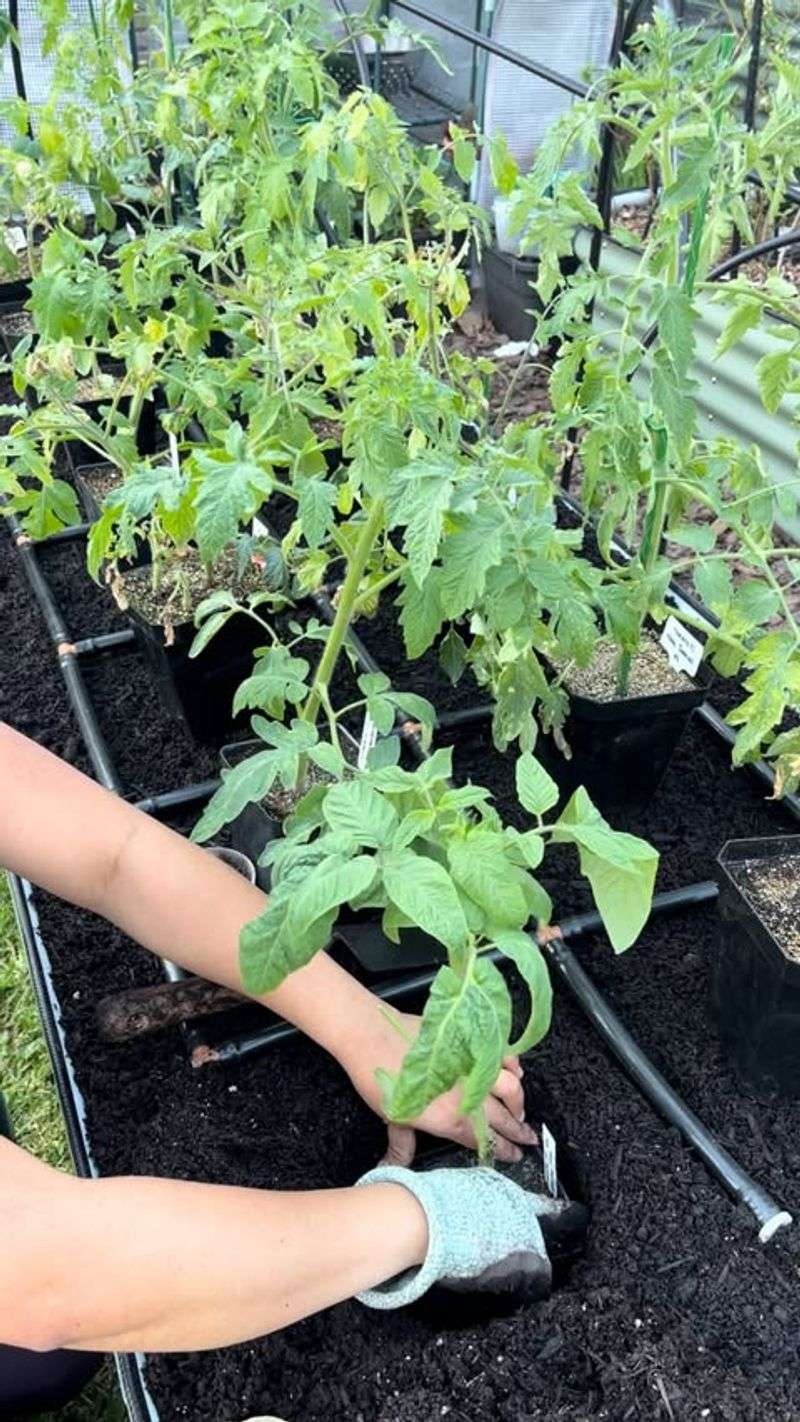
Maryland gardeners are increasingly turning to indoor tomato growing because the state’s unpredictable winter weather makes traditional outdoor gardening nearly impossible during the colder months.
This shift allows them to maintain a steady harvest even when conditions outside feel unfriendly to most plants.
Indoor growing offers total control over temperature, light, and water, giving gardeners a reliable alternative to dealing with frost or abrupt cold spells that can ruin a crop overnight.
Instead of waiting until late spring to enjoy fresh tomatoes, families now harvest ripe fruit directly from their kitchen counters or dining room windows throughout the entire winter season.
This indoor convenience eliminates grocery store trips, saves money, and provides a more flavorful experience than store-bought tomatoes that often travel long distances before reaching shelves.
Indoor gardening fits especially well with Maryland households seeking fresh produce year-round without depending on unpredictable weather patterns.
Because setups can be small, simple, and affordable, many beginners quickly discover that tending plants indoors provides comfort, creativity, and delicious results even during the coldest months of the year.
Best Tomato Varieties For Indoor Winter Success
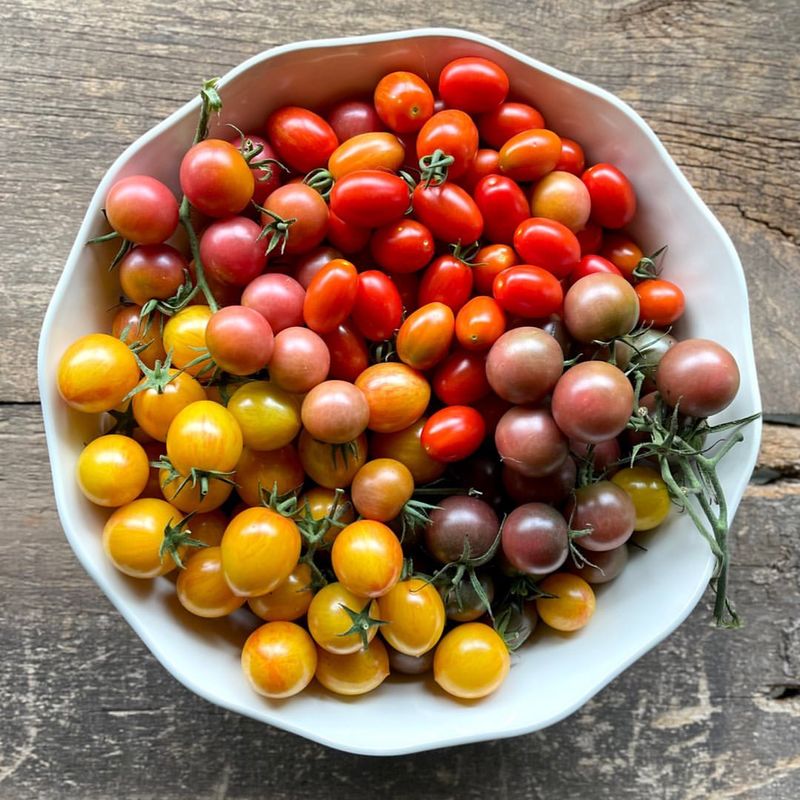
Selecting the right tomato varieties plays a major role in achieving successful indoor harvests, and Maryland growers have discovered that compact, fast-producing types bring the best results during winter months when space and light are limited.
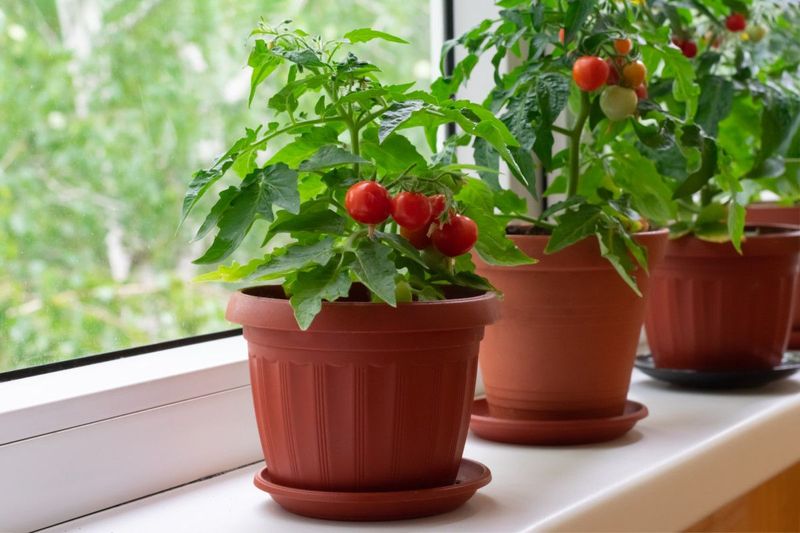
Cherry tomatoes remain the most popular choice because small-fruited plants such as ‘Tiny Tim,’ ‘Red Robin,’ and other dwarf selections thrive in containers and begin producing quickly under consistent indoor lighting.
These compact varieties rarely exceed one foot in height, making them ideal for apartments, windowsills, and tight indoor corners.
Determinate dwarf varieties also produce fruit in clusters, allowing gardeners to enjoy a steady harvest without dealing with sprawling vines.
Because they require less structural support and are easier to manage beneath grow lights, these varieties remain much more practical indoors compared to their larger, indeterminate relatives that grow vigorously during summer.
The combination of small size, quick production, and reliable fruiting makes them a perfect match for households wanting flavorful tomatoes throughout Maryland’s extended winter season.
Creating The Perfect Indoor Setup For Maryland Winters
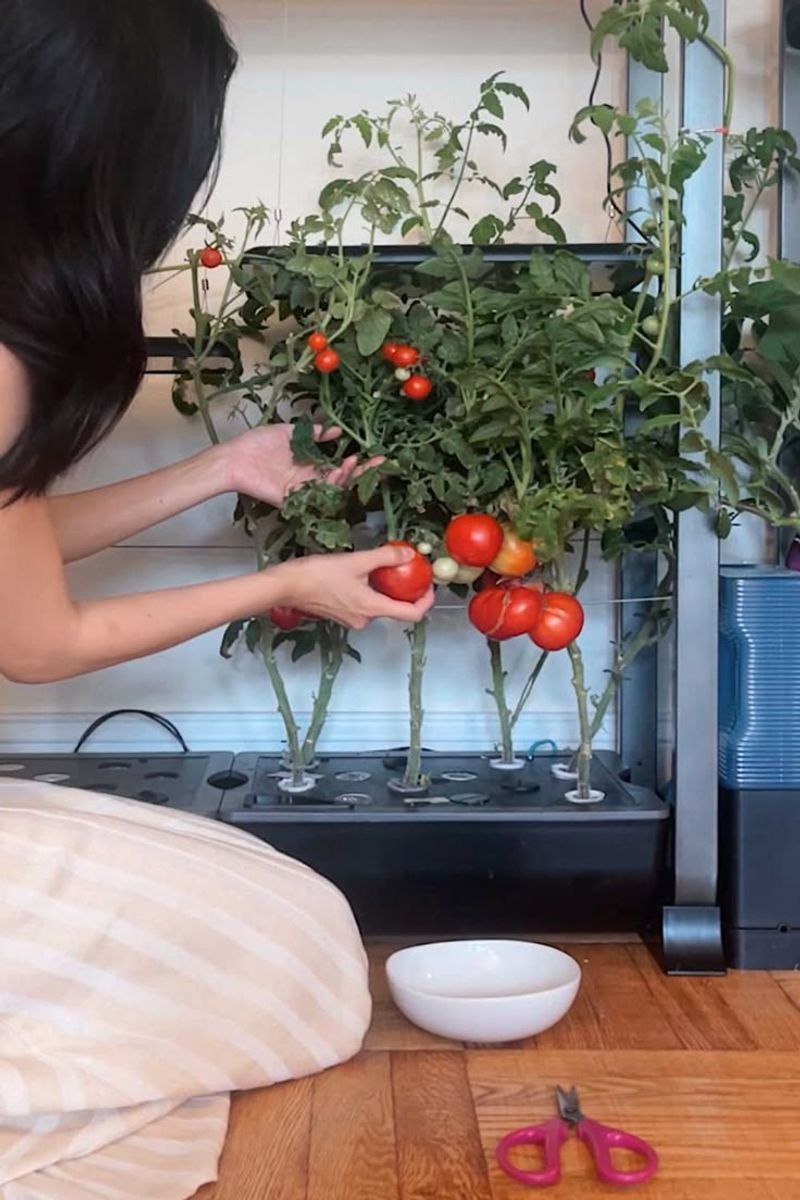
Building the ideal indoor tomato setup during Maryland winters requires just a few essential tools, and once you gather them, you can grow healthy plants with confidence even when outdoor conditions remain cold and unfriendly.
Full-spectrum LED grow lights are the most important component because they replicate the long, bright days tomatoes need, and keeping them on for 12 to 16 hours daily ensures strong plant growth.
Maintaining indoor temperatures between 65 and 75 degrees during the day, with slightly cooler nights, helps plants develop sturdy stems and consistent flowering.
Five-gallon containers give roots enough room to expand, and filling them with high-quality potting mix enriched with compost provides the nutrients tomatoes love.
Watering should occur whenever the top inch of soil feels dry, which in winter usually means every few days depending on humidity levels created by heating systems.
Once these basic elements are in place, indoor tomato gardening becomes straightforward, productive, and enjoyable throughout the entire cold season.
Overcoming Common Indoor Winter Growing Challenges
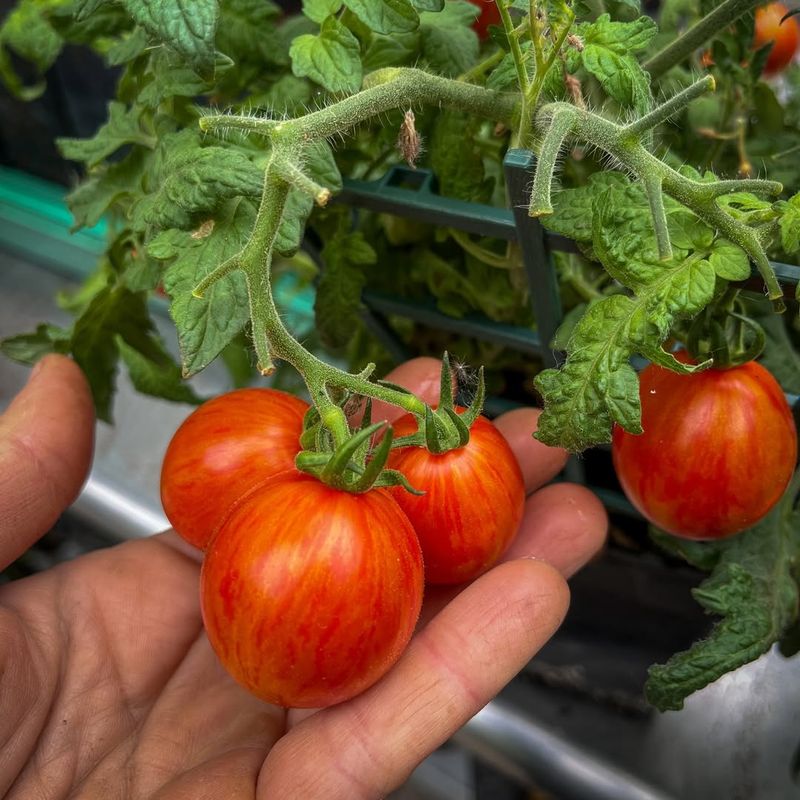
Indoor tomato gardening presents its own unique challenges, but Maryland growers can easily manage them with simple adjustments tailored to their homes and winter climate.
Limited natural sunlight during short winter days makes supplemental lighting essential, and using bright LED grow lights prevents plants from becoming leggy or weak.
Indoor heating systems often reduce humidity, so gardeners can mist leaves, add pebble trays, or run a humidifier to keep plants comfortable and prevent stress.
Pests like aphids and whiteflies occasionally appear indoors because natural outdoor predators are absent, but regularly checking leaves, rinsing plants with gentle soapy water, and improving airflow with a small fan helps maintain a healthy growing environment.
When understood and addressed early, these challenges become manageable parts of the process rather than obstacles.
Mastering these solutions allows Maryland gardeners to enjoy productive plants all winter while improving their indoor gardening skills.
Real Maryland Gardeners Share Their Winter Tomato Success Stories
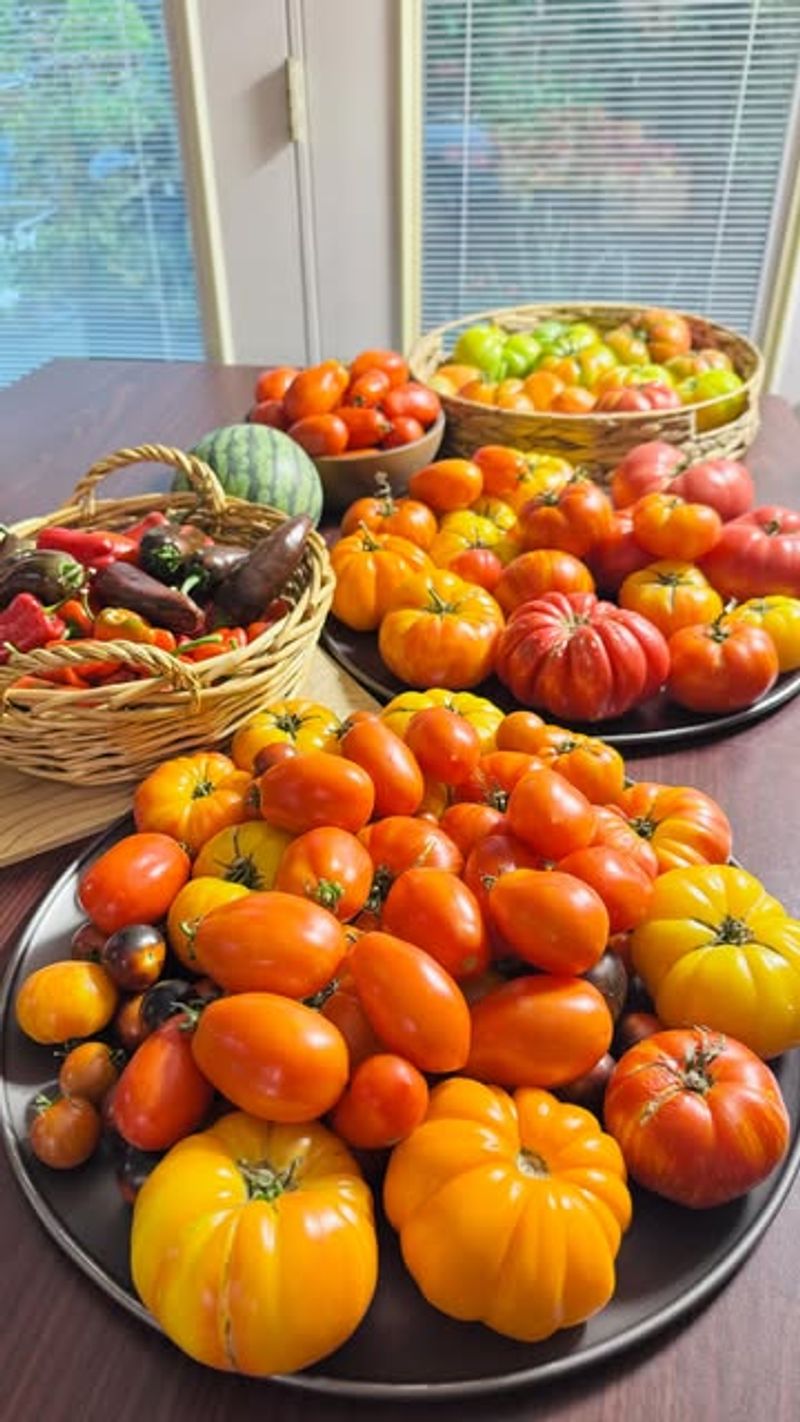
Many Maryland gardeners have embraced indoor tomato growing with impressive results, and their experiences highlight just how rewarding winter gardening can be.
Sarah from Bethesda harvested more than forty cherry tomatoes from just three compact plants during the previous winter, proving that small indoor gardens can provide steady yields even during the coldest months.
She discovered that gently brushing flowers with a small paintbrush dramatically improved fruit set because indoor plants lack pollinating insects.
Tom from Annapolis found that rotating his containers weekly ensured even growth since indoor lighting creates different angles of brightness compared to outdoor sun exposure.
Both gardeners stress starting small, learning how plants respond to indoor conditions, and gradually expanding setups once confidence grows.
Their experiences demonstrate that with patience, steady care, and simple techniques, winter tomato gardening becomes not only possible but deeply enjoyable.
Indoor Winter Growing Versus Traditional Summer Gardening
Indoor winter gardening differs from traditional summer gardening in several important ways, yet both methods offer meaningful benefits depending on the gardener’s goals and available space.
Summer gardens enjoy free sunlight, natural pollination from insects, and the ability to grow large, sprawling tomato varieties that produce abundant harvests outdoors.
However, outdoor crops face unpredictable weather, pest pressure, and environmental factors that can disrupt even the most carefully planned garden.
Indoor winter gardening eliminates those concerns by offering complete environmental control, consistent protection from pests, and the opportunity to enjoy homegrown tomatoes throughout the entire year.
While indoor harvests tend to be smaller and require electricity for lighting, many Maryland gardeners appreciate the ability to grow food during months when outdoor soil remains frozen.
A growing number of people now combine both methods, cultivating tomatoes indoors during winter and shifting back to outdoor gardens once spring arrives to maintain near-continuous production.
Indoor Tomatoes Support Sustainable Self-Sufficient Living
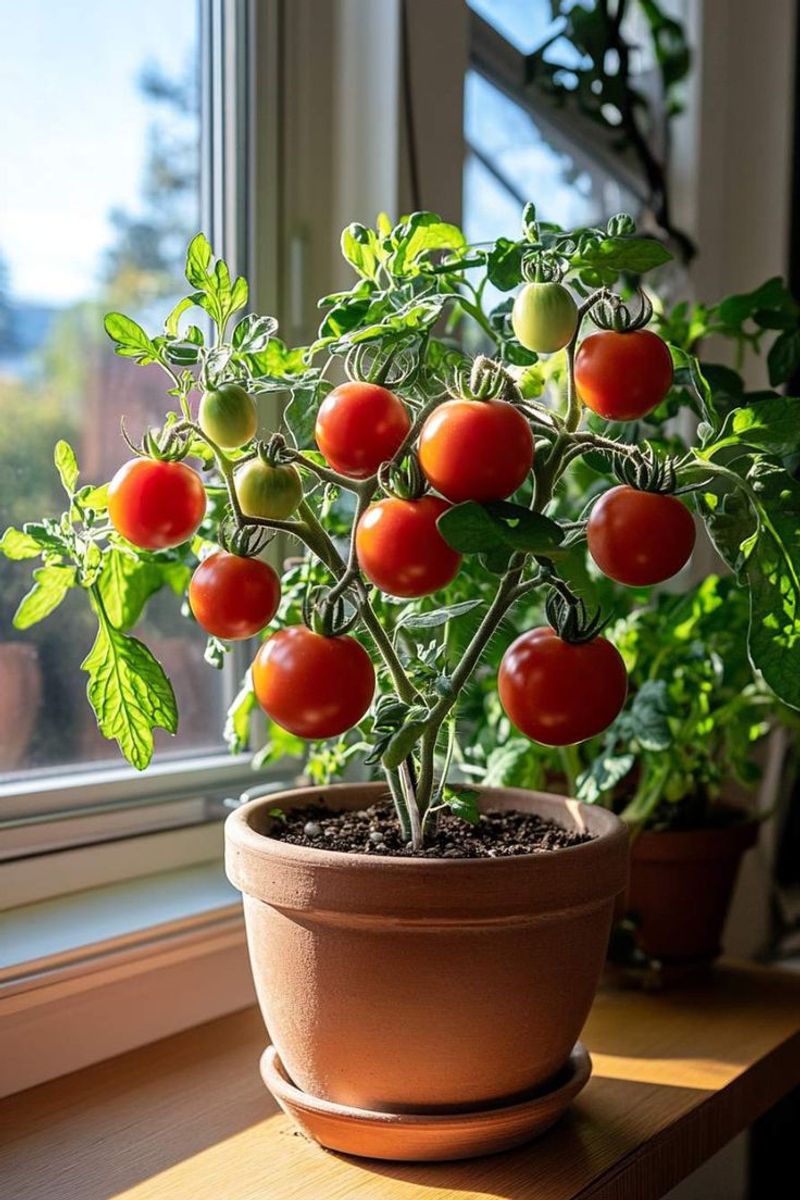
Growing tomatoes indoors supports a more sustainable lifestyle by reducing dependence on large-scale agriculture and eliminating the transportation footprint associated with grocery store produce.
Maryland gardeners appreciate knowing exactly what goes into their soil and enjoy having complete control over fertilizers, watering habits, and growing conditions, which leads to cleaner food and healthier harvests.
Indoor gardening also makes fresh produce accessible to apartment residents, condo dwellers, and households without traditional yards, reinforcing that anyone can participate in local food production regardless of space limitations.
The convenience of harvesting tomatoes just steps away from the kitchen encourages healthier eating habits and reduces food waste by providing only what is needed at any given moment.
Indoor gardening also fosters important skills related to self-sufficiency, resilience, and environmental awareness, helping families develop a stronger connection to where their food comes from.
How Container Gardening Is Transforming Maryland’s Urban Gardening Culture
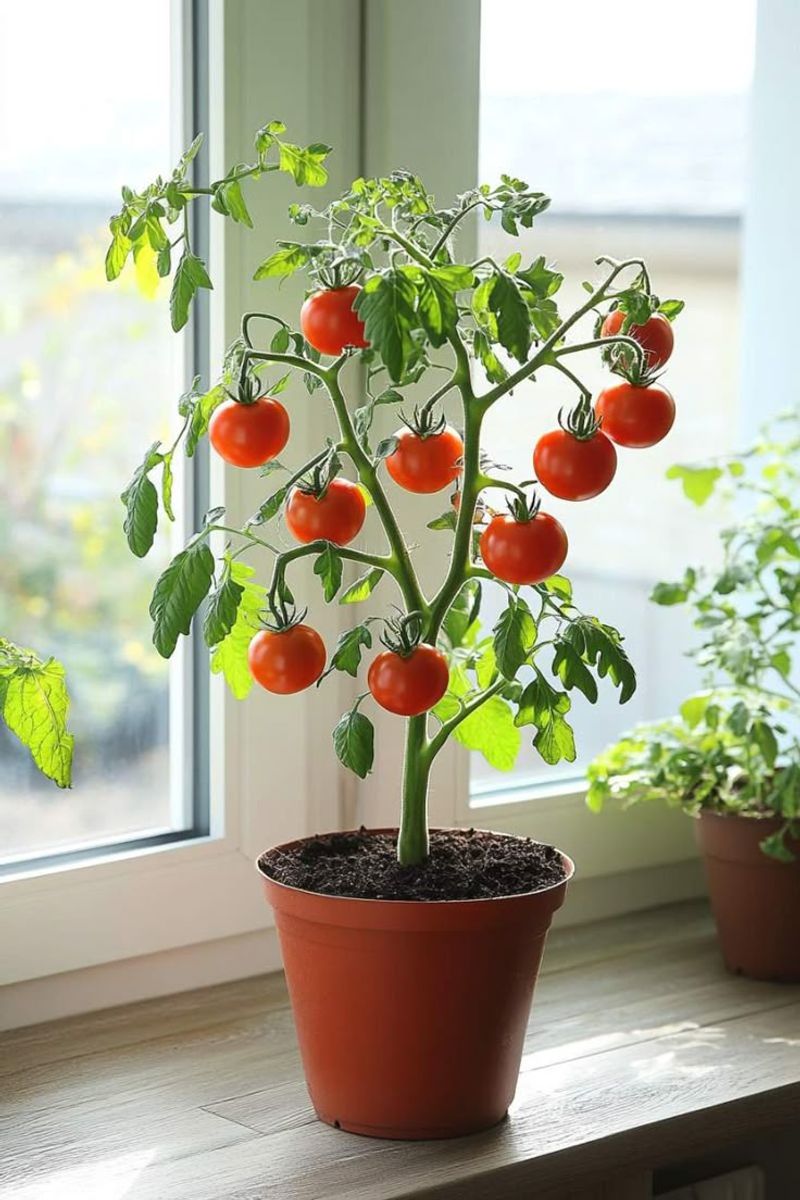
Container gardening has significantly reshaped urban gardening culture throughout Maryland, offering residents in cities like Baltimore and Silver Spring new ways to grow fresh produce in spaces that once seemed unsuitable for gardening.
People in apartments, row homes, and small condos have embraced container setups because they require little space, can be moved easily, and allow for creative indoor or balcony growing.
Online groups dedicated to Maryland indoor gardening have grown rapidly, creating a supportive community where members share photos, tips, challenges, and encouragement.
This sense of connection has transformed gardening from a solitary activity into a shared movement that bridges urban and suburban lifestyles.
Container tomatoes symbolize this shift toward flexible, space-efficient growing methods that align with modern living while preserving the joy of cultivating homegrown food.
Maximizing Yield And Flavor From Your Indoor Winter Tomatoes
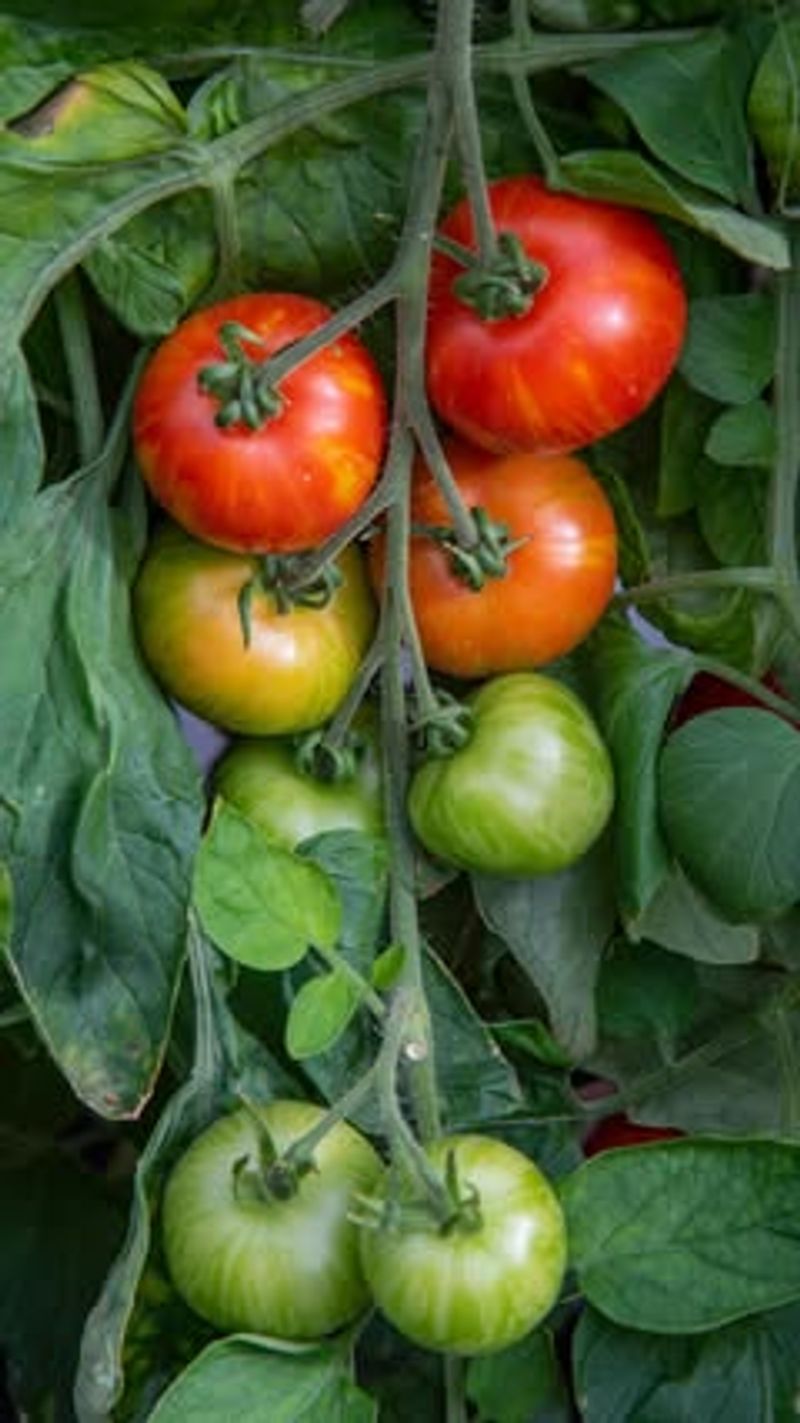
Maximizing yield and flavor from indoor tomatoes requires attention to the quality of soil, nutrition, airflow, and pollination techniques.
An ideal potting mix blends compost, perlite, and worm castings to provide rich nutrients and proper drainage that supports strong root growth.
Once plants begin flowering, feeding them with a balanced liquid fertilizer every two weeks keeps them productive throughout winter.
Pruning small shoots between branches helps direct plant energy toward fruit development, and simple hand-pollination methods—such as gently shaking stems or using a cotton swab—encourage consistent fruit sets indoors.
Good airflow prevents moisture buildup and keeps plants healthy while maintaining strong stems under indoor lighting.
These steps ensure your tomatoes achieve peak flavor and productivity even during cold Maryland winters.
Economic And Lifestyle Factors Driving The Indoor Tomato Trend
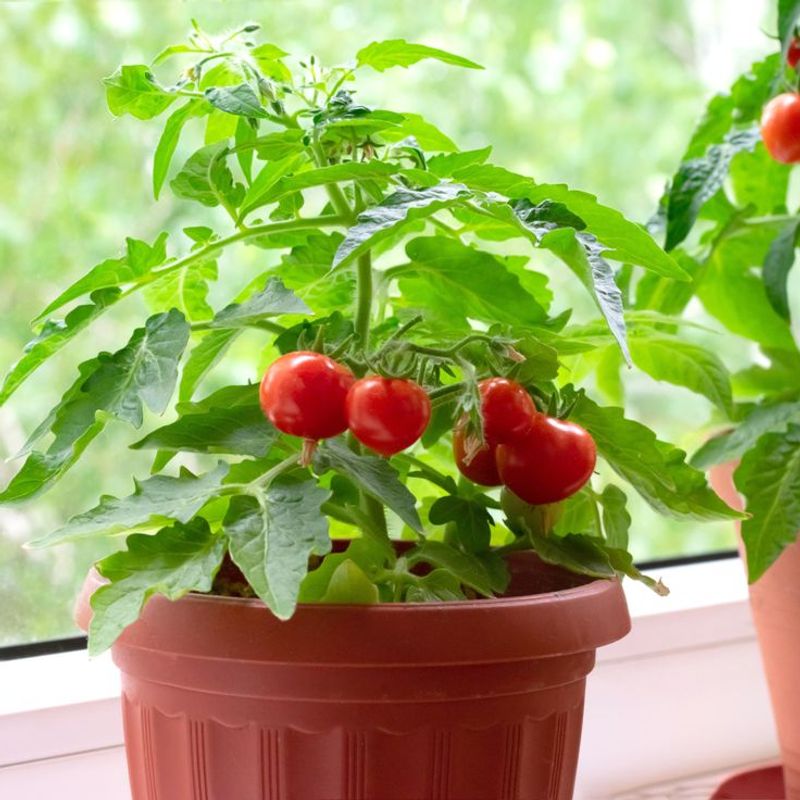
Economic concerns and lifestyle preferences are major reasons Marylanders are adopting indoor tomato gardening.
Grocery store tomato prices continue rising, especially for organic options, making homegrown tomatoes a far more affordable alternative with significantly higher flavor quality.
A single $3 seed packet can produce produce worth many times that amount, making indoor gardening financially appealing for budget-conscious families.
Indoor gardening also appeals to residents who lack outdoor garden space, particularly in apartment-heavy regions.
For many households, the satisfaction of harvesting fresh, flavorful tomatoes grown with their own hands adds emotional and nutritional value that store-bought produce cannot replicate.
These combined factors make indoor tomato growing an attractive, cost-effective, and fulfilling lifestyle choice.
Seasonal Care Calendar For Maryland Indoor Winter Tomatoes
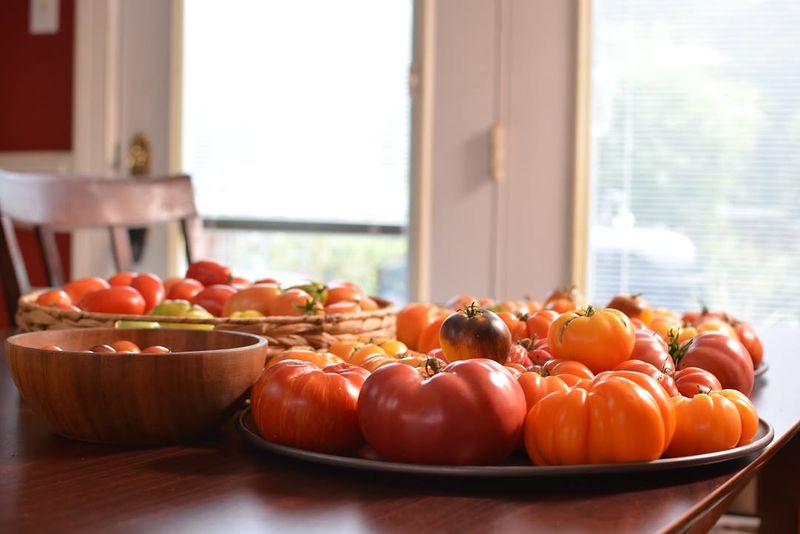
Successfully growing indoor tomatoes in Maryland depends heavily on following a seasonal care calendar tailored to the state’s winter conditions.
In October and November, start seeds or buy seedlings so plants can establish strong roots before deep winter arrives.
During December and January, maintain consistent light, temperature, and humidity while plants begin flowering and forming fruit.
Regular moisture monitoring becomes essential because indoor heating systems accelerate soil drying.
By February and March, tomatoes typically begin ripening gradually, creating a rewarding late-winter harvest.
In April, many growers move their plants outside or start new seeds for a fresh indoor cycle, ensuring ongoing production throughout the year.
Complete Beginner’s Guide To Starting Your First Indoor Tomato Plant
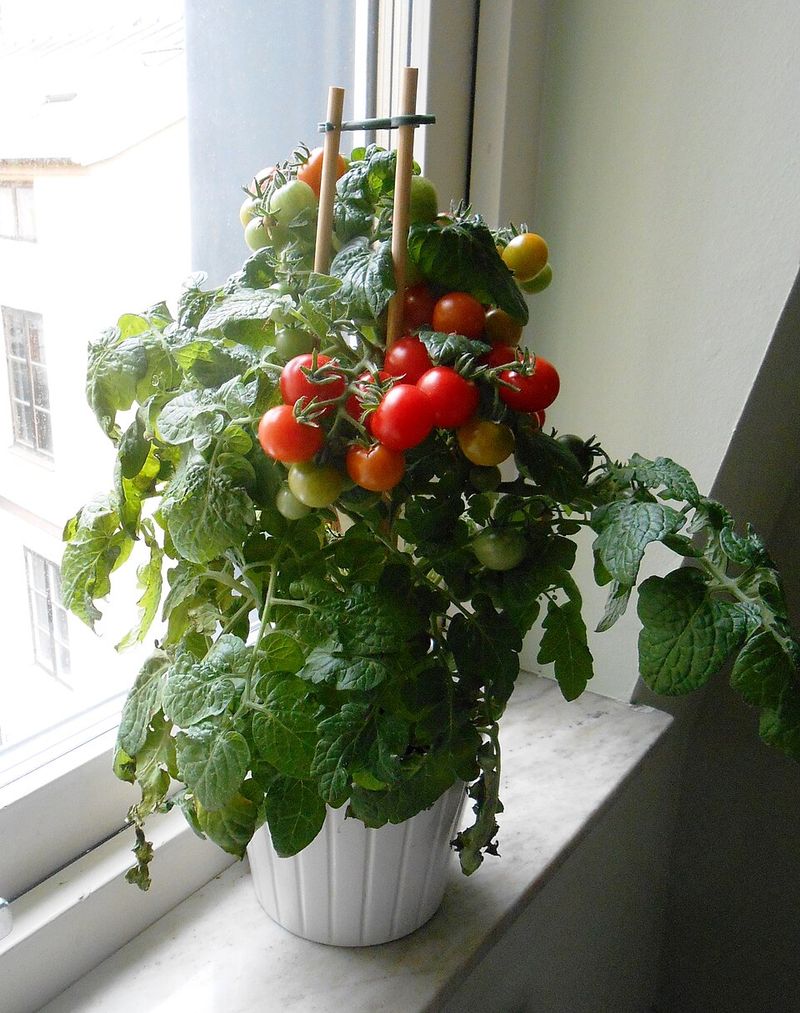
Beginners should start with just one compact tomato plant to learn the process without feeling overwhelmed.
Purchasing a dwarf cherry tomato seedling such as ‘Red Robin’ or ‘Tiny Tim,’ along with a basic LED grow light and a five-gallon pot, creates a beginner-friendly setup for under fifty dollars.
Position the plant six to eight inches below the grow light, water when the soil feels dry an inch down, and provide around fourteen hours of daily light.
Within a few weeks, new leaves, flowers, and eventually fruit begin forming, creating a rewarding introduction to indoor gardening.
Starting small builds skills and confidence, paving the way for expanding into a full indoor tomato garden in future seasons.