The Safest Vegetables You Can Direct Sow In North Carolina This March
March brings a surge of anticipation as North Carolina gardens begin to stir with new life and fresh possibility. Soil temperatures slowly rise, daylight stretches longer, and the growing season finally starts to take shape.
For gardeners eager to begin, direct sowing vegetables this month offers a valuable head start toward a productive spring harvest.
Many cool season crops thrive in the mild conditions that March delivers across North Carolina, establishing strong roots while temperatures remain comfortable.
Regional timing still matters, whether you garden in the cooler mountains, the balanced Piedmont, or the warmer Coastal Plain, but all areas share excellent opportunities for early planting.
Choosing vegetables that prefer these conditions helps seeds germinate reliably and plants develop steady, healthy growth from the start.
With the right selections, your garden can move from quiet winter beds to vibrant green rows surprisingly quickly. These ten dependable vegetables are ideal for direct sowing in March across North Carolina gardens.
1. Radishes Germinate Quickly In Cool March Soil
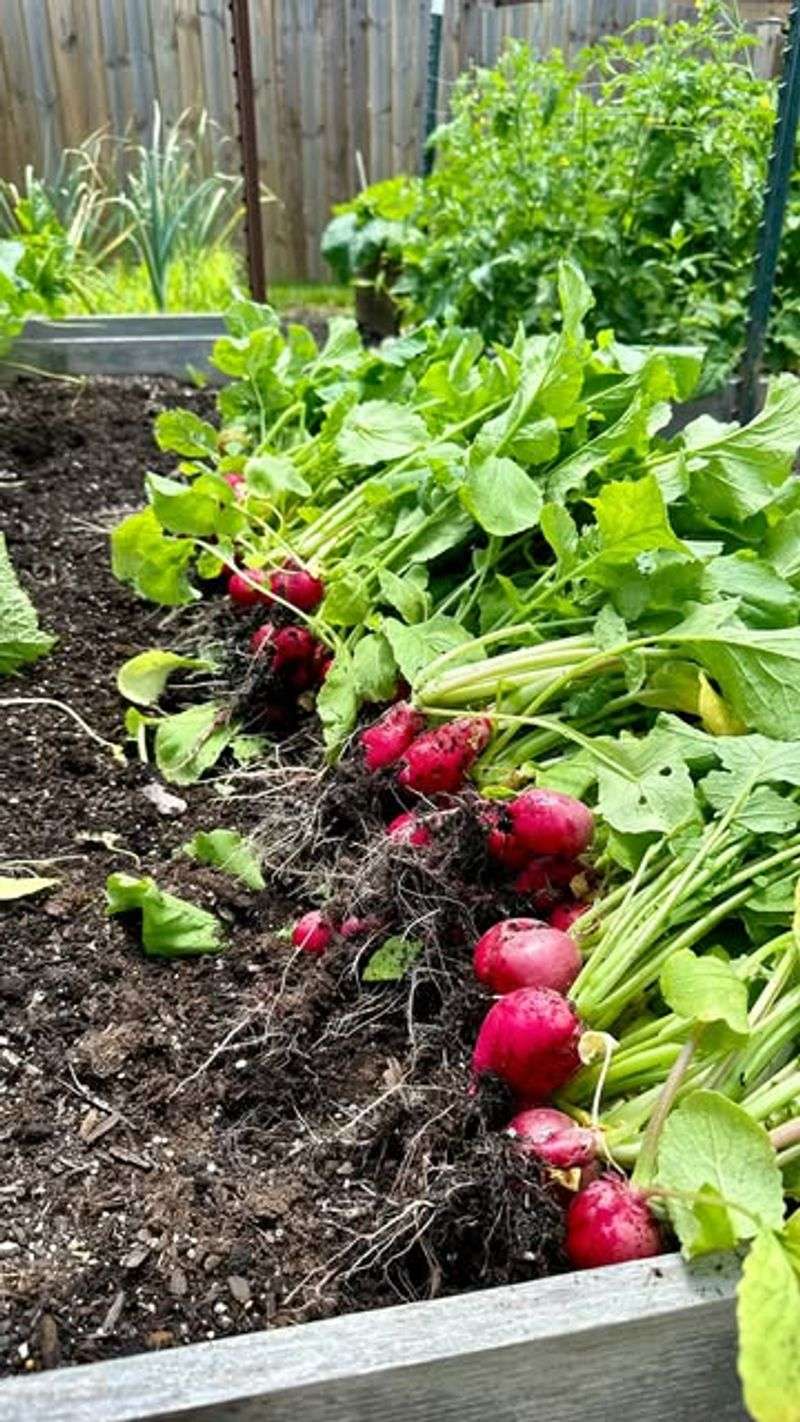
Few vegetables reward impatient gardeners quite like radishes. These speedy little root crops can go from seed to harvest in as little as 22 to 30 days, making them one of the most satisfying plants you can tuck into March soil.
North Carolina’s cool early spring temperatures are practically perfect for radish germination, which kicks off reliably when soil temperatures hover between 45 and 65 degrees Fahrenheit.
Radishes actually prefer cooler conditions and will struggle once summer heat arrives, so March planting puts them right in their sweet spot. Sow seeds about half an inch deep and one inch apart in loose, well-drained soil.
Thin seedlings to about two inches apart once they sprout, giving each root room to swell properly without crowding its neighbors.
Even gardeners in North Carolina’s mountain regions, where March nights can still dip pretty low, can count on radishes to push through without trouble. A light frost won’t set them back at all.
Cherry Belle and Easter Egg are two reliable varieties that perform well statewide.
Succession sowing every ten days throughout March stretches your harvest window nicely, keeping fresh radishes coming to your table well into late spring before the heat shuts things down for the season.
2. Spinach Thrives In Cold Early Spring Conditions
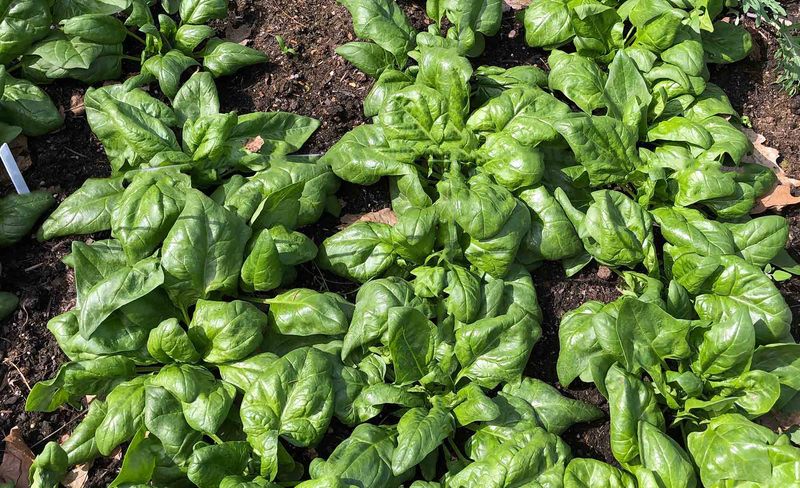
Spinach is practically built for early spring in North Carolina. This leafy green actually needs cold temperatures to really shine, and it can handle frosts down to around 20 degrees Fahrenheit once it has established a few true leaves.
Sowing spinach directly in March across the state, from the coastal plain to the higher elevations, gives it the cool, moist conditions it genuinely loves.
Plant seeds about half an inch deep and two inches apart in fertile, well-drained soil with a slightly neutral pH. Spinach prefers full sun in spring but will tolerate partial shade, which actually slows bolting later in the season.
Germination typically happens within seven to fourteen days when soil temperatures sit between 45 and 70 degrees Fahrenheit, which March in North Carolina delivers consistently.
One thing worth knowing is that spinach bolts quickly once temperatures climb above 75 degrees, so getting seeds in the ground early in March is a smart move.
Varieties like Bloomsdale Long Standing and Tyee are especially popular with North Carolina gardeners because of their reliable performance and bolt resistance.
Harvesting outer leaves regularly encourages the plant to keep producing, giving you a steady supply of tender greens for salads and cooking throughout the entire cool season without rushing the plant.
3. Peas Are Classic Early Spring Direct Sow Crops
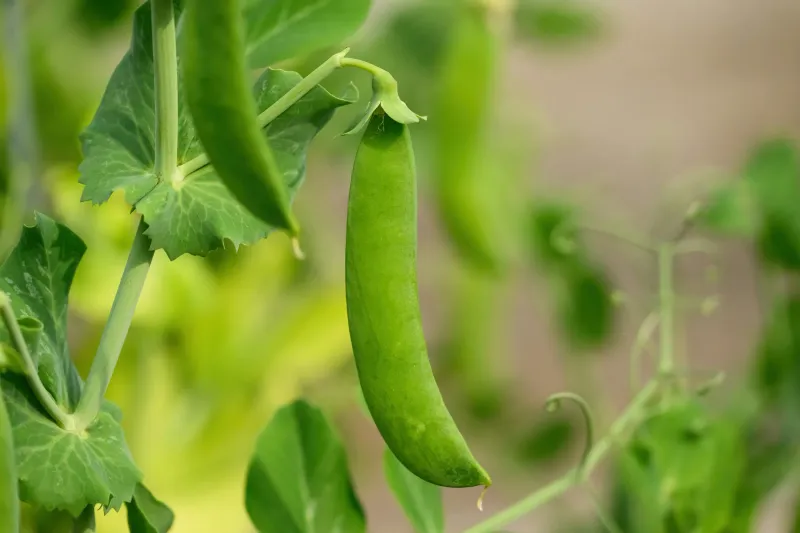
There is something genuinely old-fashioned and wonderful about planting peas in early spring. Generations of gardeners have treated the first pea planting as a rite of the season, and for good reason.
Peas are cool-season champions that actually need cold soil to germinate properly, with ideal soil temperatures falling between 45 and 75 degrees Fahrenheit, conditions that North Carolina delivers reliably throughout March.
Direct sowing peas is straightforward and rewarding. Push seeds about one inch deep and two to three inches apart in a sunny spot with well-drained soil.
Peas climb naturally, so setting up a simple trellis, fence, or some twiggy branches at planting time saves you effort later and keeps vines off the ground where disease pressure is higher. Most varieties are ready to harvest in 60 to 70 days.
Sugar snap and snow pea varieties are especially popular in North Carolina because they produce generously in spring and are incredibly versatile in the kitchen. Shelling peas like Lincoln and Green Arrow also perform well when sown in March statewide.
Peas actually fix nitrogen in the soil through their root nodules, which is a genuine bonus for your garden’s long-term health. Getting them in early means you can pull the vines by early summer and replant that same bed with warm-season crops without missing a beat.
4. Carrots Germinate Well In Cool Soil
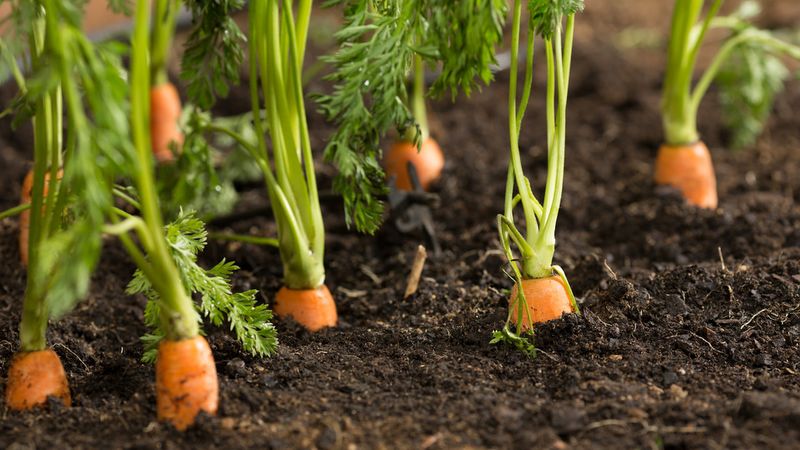
Carrots have a reputation for being finicky, but once you understand what they need, they become surprisingly manageable. The key is loose, deep, rock-free soil and consistent moisture during germination.
March in North Carolina offers the cool soil temperatures between 50 and 70 degrees Fahrenheit that carrots prefer for sprouting, making it an ideal window to get seeds in the ground across most of the state.
Sow carrot seeds about a quarter inch deep and scatter them thinly in rows spaced about a foot apart. Because the seeds are tiny, mixing them with a little sand before sowing helps distribute them more evenly.
Thin seedlings to about two to three inches apart once they reach an inch tall, since crowded carrots produce small, misshapen roots rather than the long, straight ones you are hoping for.
Patience is genuinely required here. Carrot germination can take anywhere from ten to twenty-one days, and the soil surface must stay consistently moist throughout that period or germination rates drop sharply.
Covering the row with a thin board or row cover until sprouts appear helps retain moisture. Nantes and Danvers varieties adapt well to North Carolina’s varied soil types and consistently produce good results.
Carrots sown in March will be ready for harvest by late spring or early summer, right before the heat really intensifies across the region.
5. Lettuce Grows Best In Cool March Weather
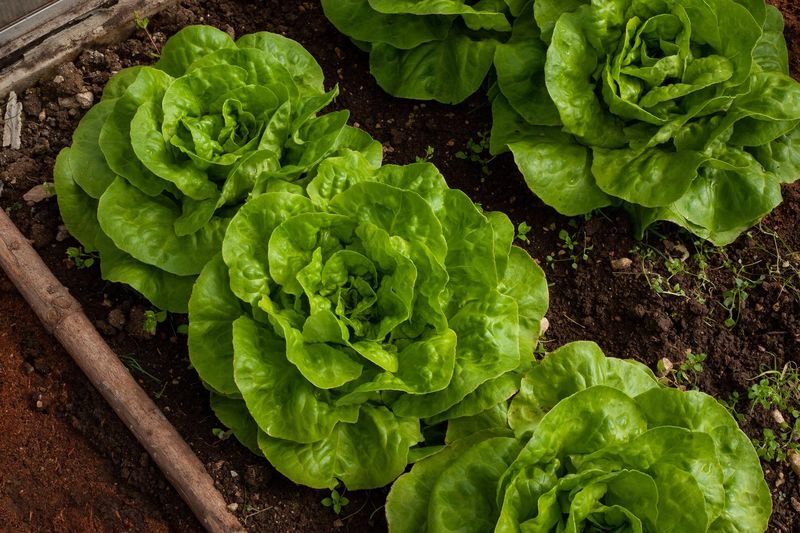
Lettuce is one of those vegetables that seems tailor-made for March gardening in North Carolina.
It germinates in soil temperatures as low as 40 degrees Fahrenheit, grows quickly in cool weather, and produces tender, flavorful leaves that simply cannot be matched by anything from a grocery store.
Planting lettuce directly in the garden in March takes full advantage of the season’s best conditions.
Scatter seeds lightly across prepared soil or sow them in shallow furrows about an eighth of an inch deep. Lettuce seeds need light to germinate, so avoid burying them too deeply.
Thin plants to about six to eight inches apart for loose-leaf types or ten to twelve inches for head varieties, and use the thinnings as your first salad harvest of the season. It is a genuinely satisfying way to use what you pull.
Loose-leaf varieties like Black Seeded Simpson, Red Sails, and Oakleaf are especially popular with North Carolina gardeners because they tolerate temperature swings well and produce over a longer period than head lettuces.
Butterhead types like Buttercrunch also perform reliably in spring conditions statewide. Succession planting every two weeks throughout March keeps fresh lettuce coming steadily.
Providing a bit of afternoon shade in warmer parts of the state extends the harvest season considerably, slowing the bolting process that heat inevitably triggers once summer approaches.
6. Kale Remains Strong Even During Light Frost
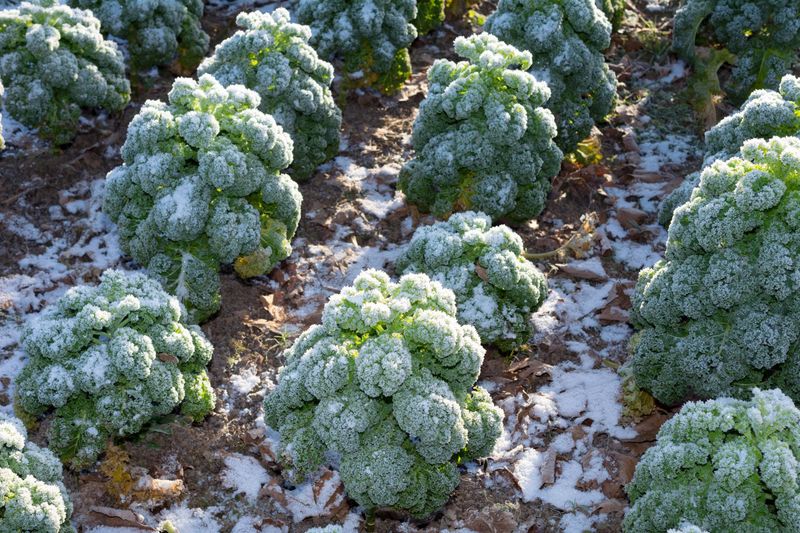
Kale might just be the toughest leafy green you can grow in a North Carolina spring garden.
It genuinely laughs at light frost, and many experienced gardeners will tell you that a touch of cold actually improves kale’s flavor by triggering the plant to convert some of its starches into sugars.
That natural sweetness is one reason kale has become such a beloved crop for early season growing.
Direct sowing kale in March is simple and reliable. Push seeds about a quarter to half an inch into fertile, well-drained soil and space them about three inches apart in rows roughly eighteen inches wide.
Thin plants to twelve to eighteen inches once they reach a few inches tall, giving each one enough room to spread its broad leaves without competing too heavily for light and nutrients.
Kale tolerates a fairly wide soil pH range, though it prefers slightly acidic conditions between 6.0 and 7.0.
Varieties like Lacinato, also called dinosaur kale, and Vates Blue Curled are well-suited to North Carolina’s spring conditions and consistently perform across all regions of the state.
Kale keeps producing new leaves from the center even as you harvest outer ones, so a single planting can supply your kitchen for months.
Starting plants in March means you will be harvesting well before summer heat arrives, and established plants often bounce back nicely if temperatures drop unexpectedly late in the season.
7. Mustard Greens Thrive In Early Spring Conditions
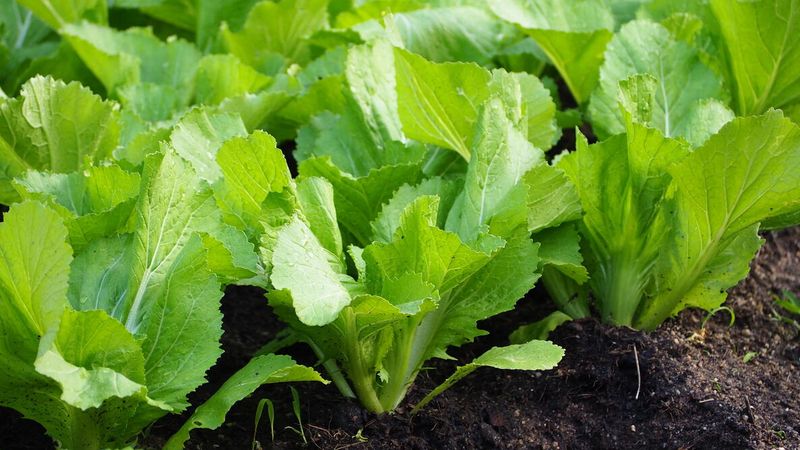
Mustard greens have been a staple of Southern cooking for generations, and North Carolina gardeners have long appreciated how effortlessly they grow in early spring.
These fast-growing leafy vegetables are perfectly adapted to cool conditions, germinating readily in soil temperatures between 40 and 75 degrees Fahrenheit.
March across most of North Carolina sits squarely in that range, making direct sowing easy and reliable statewide.
Sow mustard green seeds about a quarter inch deep in rows spaced about a foot apart. They sprout quickly, often within four to seven days under good conditions, and thin seedlings to about six inches apart once they are established.
Mustard greens grow surprisingly fast and can be ready for a first harvest in as little as 30 to 40 days after planting, which means March sowings can produce tender leaves well before April is finished.
Southern Giant Curled and Tendergreen are two varieties that have proven especially reliable in North Carolina gardens.
Both handle light frosts without any real setback, which is important given that March weather across the state can still throw a cold night your way. Harvesting the outer leaves regularly encourages continued production and delays bolting.
The flavor is bold and peppery when leaves are young and becomes more intense as plants mature, so picking frequently keeps the harvest at its most tender and enjoyable for cooking or fresh use throughout the cool season.
8. Turnips Grow Well In Cool Spring Soil
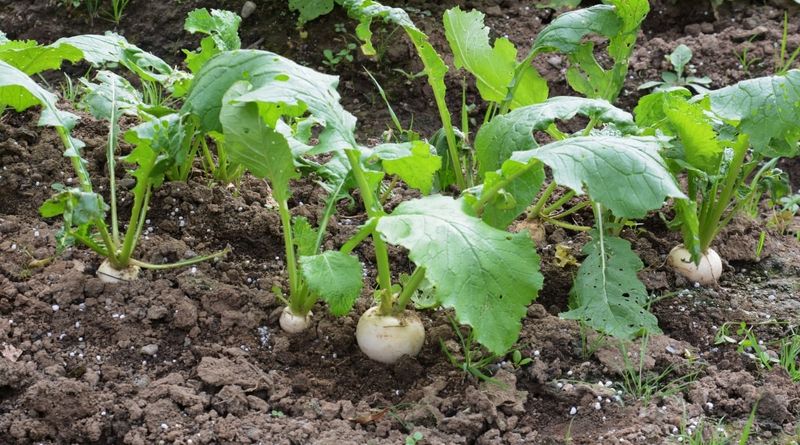
Turnips are one of those wonderfully versatile vegetables that give you two harvests in one planting.
The roots are delicious roasted or mashed, and the leafy tops, often called turnip greens, are a classic Southern side dish that many North Carolina gardeners consider just as valuable as the roots themselves.
Planting turnips in March takes full advantage of the cool soil conditions they need to establish quickly and grow well.
Turnip seeds germinate reliably in soil temperatures between 40 and 75 degrees Fahrenheit, and they can handle frost without a problem, even as young seedlings. Sow seeds about a quarter inch deep and scatter them thinly in rows about a foot apart.
Thin plants to about four to six inches apart once they are growing well, using the thinnings as fresh greens in the kitchen. Turnips are genuinely low-maintenance once established and do not require a lot of fussing.
Purple Top White Globe is probably the most widely grown variety in North Carolina, and it consistently delivers good results for both roots and greens.
Hakurei, a Japanese salad turnip variety, is also gaining popularity because of its mild, sweet flavor and quick maturity of around 38 days.
Turnips sown in March will be ready for harvest well before summer heat causes them to turn woody and bitter, which is exactly the window you want to target for the best quality roots and greens possible.
9. Swiss Chard Can Be Direct Sown In Early Spring
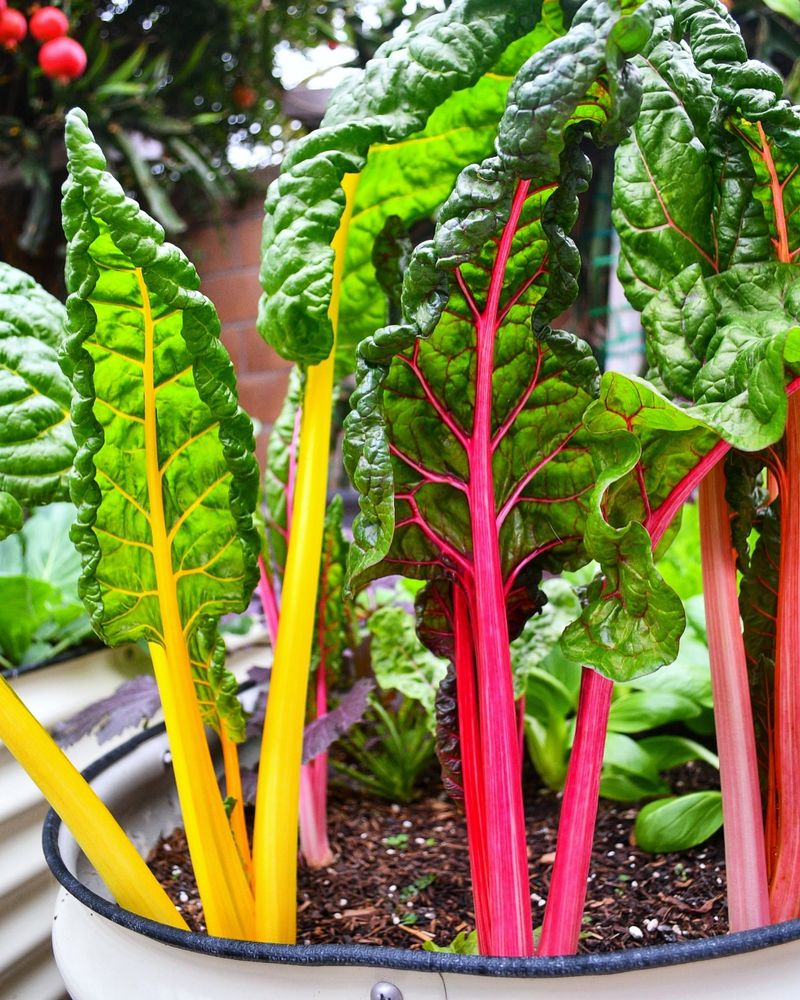
Swiss chard brings a splash of color to the spring garden that few other vegetables can match. Its vivid stems in red, yellow, orange, and white make it as ornamental as it is edible, and the large, glossy leaves are packed with nutrients.
What makes it especially valuable for March planting in North Carolina is its genuine tolerance for cool weather combined with its ability to keep producing through warmer temperatures better than most other spring greens.
Direct sowing Swiss chard in March is straightforward. Plant seeds about half an inch deep and space them about two to four inches apart in rows roughly a foot apart.
Chard seeds are actually multi-germ clusters, meaning one seed produces multiple seedlings, so thinning to about six inches between plants is important for proper development.
Thin seedlings make excellent additions to salads or stir-fries, so nothing goes to waste. Bright Lights and Rainbow Chard are popular variety mixes that produce stems in a gorgeous range of colors and perform reliably across all regions of North Carolina.
Germination typically occurs within seven to fourteen days when soil temperatures are between 50 and 85 degrees Fahrenheit.
Unlike spinach, Swiss chard is more heat-tolerant and can often bridge the gap between the cool spring season and early summer, giving you a longer productive window from a single March sowing than most other cool-season greens provide in the garden.
10. Arugula Germinates Quickly In Cool Conditions
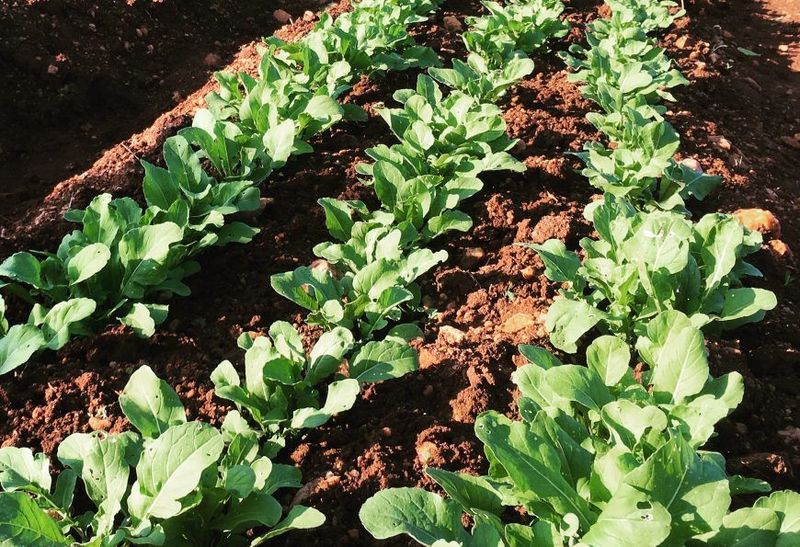
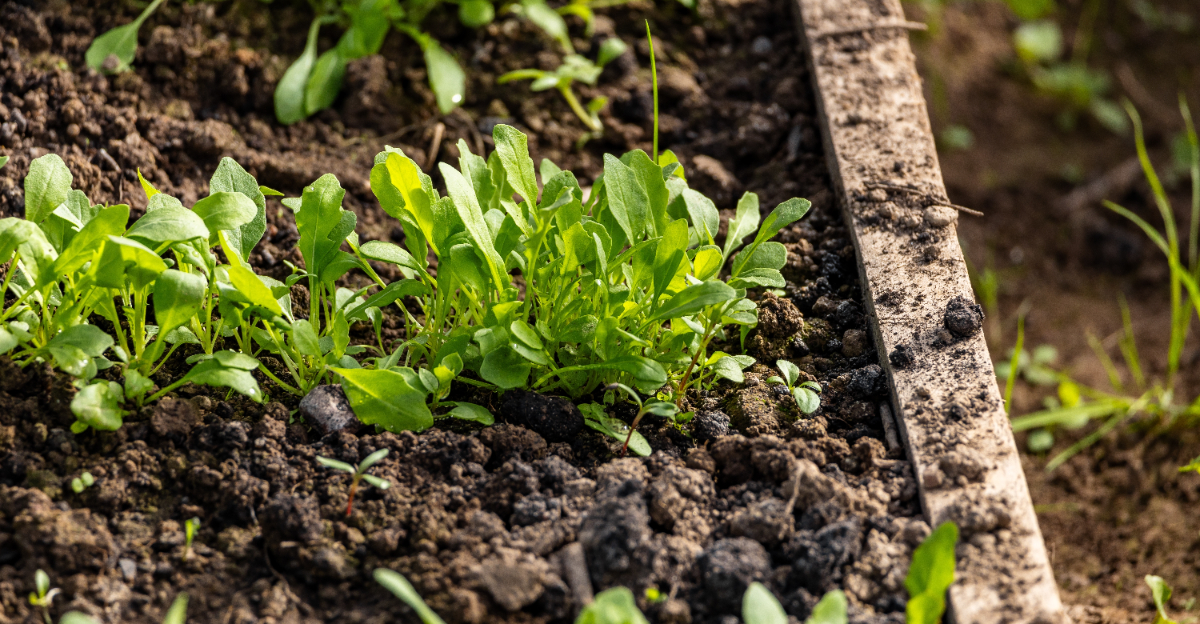
Arugula is the kind of crop that makes new gardeners feel like pros almost immediately. It germinates incredibly fast, often sprouting within five to seven days, and starts producing harvestable leaves in as little as 30 to 40 days after sowing.
That peppery, slightly nutty flavor it delivers is something that grocery store arugula rarely captures, which makes growing your own so genuinely worthwhile from the very first taste.
March in North Carolina is prime time for direct sowing arugula because it thrives in soil temperatures between 40 and 65 degrees Fahrenheit.
Sow seeds shallowly, about an eighth to a quarter inch deep, and scatter them fairly densely in wide rows or broadcast across a prepared bed.
Thin plants to about four to six inches apart once they emerge, and begin harvesting outer leaves as soon as the plant reaches a few inches tall. Cutting regularly actually encourages fresh new growth from the center.
Wild arugula varieties tend to have a more intense flavor and are slightly slower to bolt than standard types, making them a smart choice for gardeners who want to extend their harvest.
Standard arugula bolts quickly once temperatures climb above 60 degrees, so getting seeds in early March and harvesting frequently is the best strategy.
A light row cover can extend the season a bit if warm weather arrives early. Succession sowing every two weeks through March keeps a steady supply of fresh, flavorful leaves coming to your kitchen well into late spring.