The Secret Foods That Keep Woodpeckers Visiting Your Pennsylvania Backyard
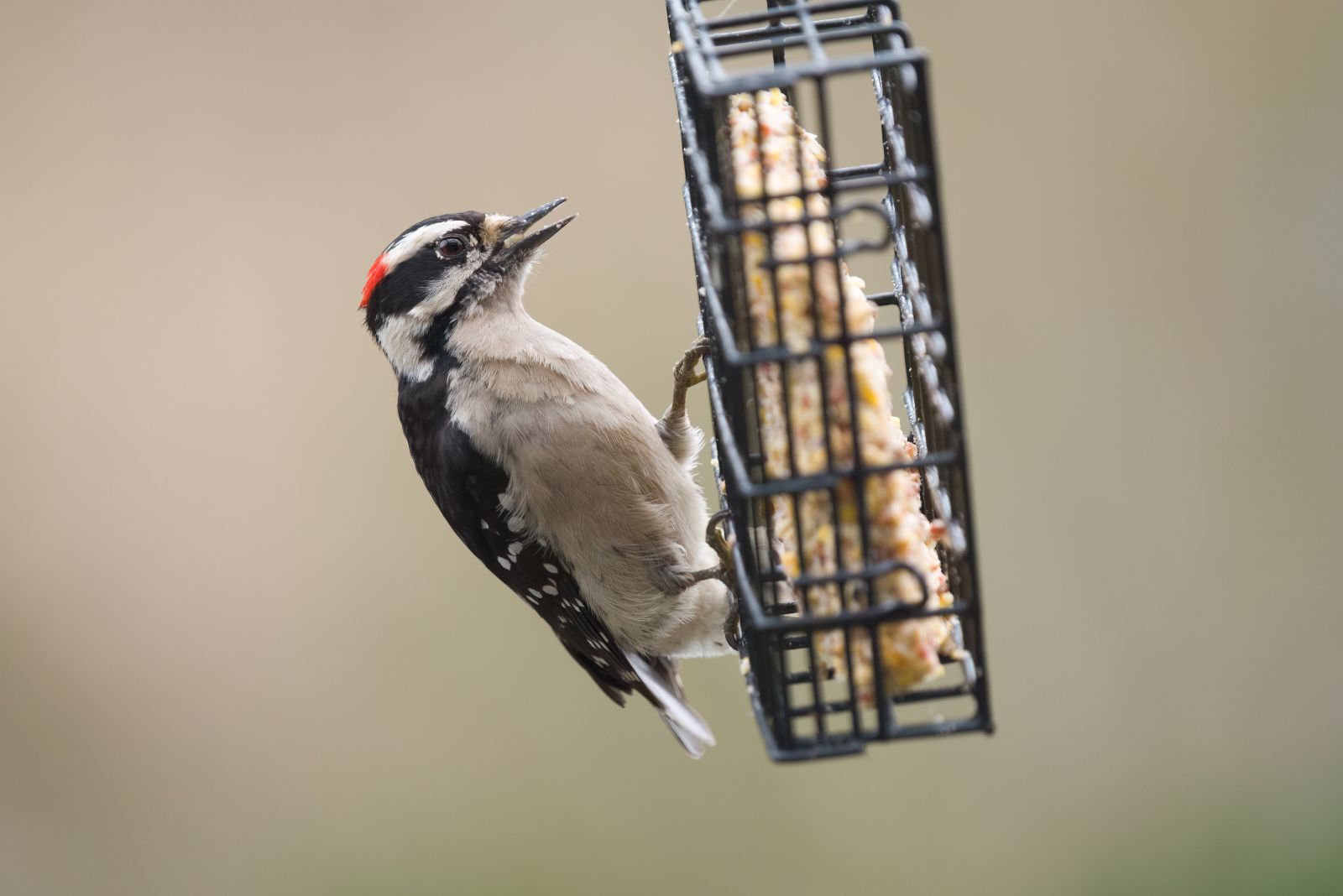
There is something especially satisfying about hearing a woodpecker in the backyard and then spotting one clinging to a tree, a feeder, or even the side of a fence.
In Pennsylvania, these birds add a lot of personality to an outdoor space, and once they start showing up, most people want to know how to keep them around.
The answer is not always as obvious as tossing out a little seed and hoping for the best. Woodpeckers have their own preferences, and the foods they go for can be very different from what works for other backyard birds.
That is what makes attracting them so interesting. A few smart food choices can turn a random visit into a regular habit, especially when those foods match what woodpeckers naturally look for.
Some options are richer, messier, and a lot more effective than people expect, which is exactly why these birds keep coming back for them.
If your goal is a backyard that feels livelier, louder, and a little more exciting, learning what really appeals to woodpeckers can make a big difference. Once they find a food source they trust, they tend to remember it.
1. Suet Cakes (High-Fat Blends)
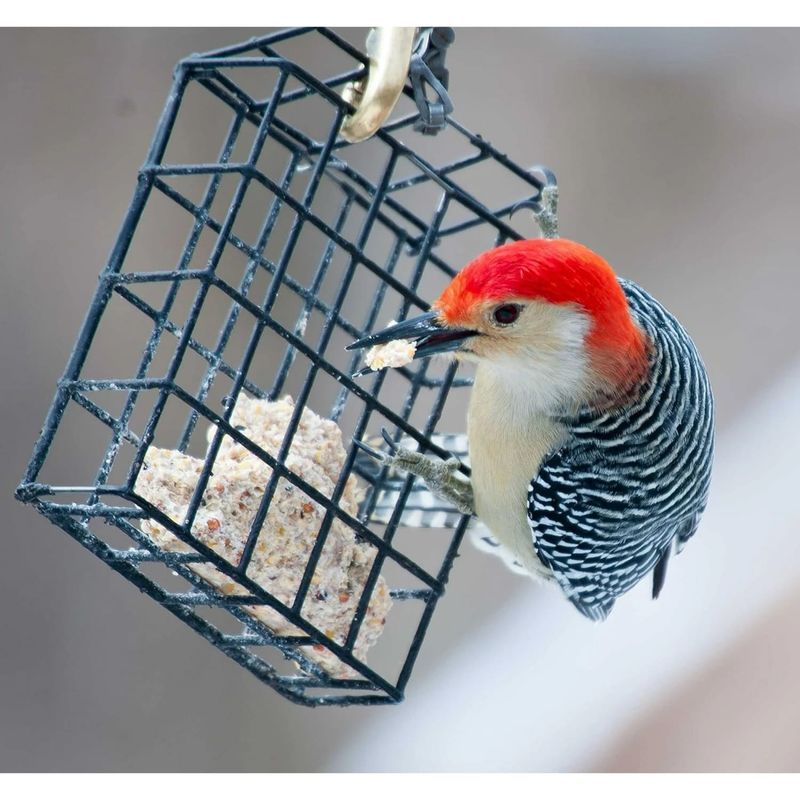
Ask any experienced bird feeder in Pennsylvania, and they will tell you the same thing: suet cakes are the number one food for attracting woodpeckers.
Suet is made from animal fat, and it is packed with the calories these birds need to stay warm and active. During cooler months especially, woodpeckers rely on high-energy foods to survive.
What makes suet cakes even better is that you can find them in all kinds of blends. Look for options that include seeds, nuts, berries, or even dried insects mixed right in.
These added ingredients make the suet extra appealing to a wide range of woodpecker species found across Pennsylvania.
Placement matters a lot when offering suet. Mount your suet feeder on a tree trunk or a wooden post close to trees.
Woodpeckers are used to clinging vertically while they eat, so this setup feels natural to them. Avoid placing feeders in open, exposed areas where birds may feel unsafe.
One helpful tip is to use a cage-style suet feeder. It keeps larger birds like crows from stealing the whole cake at once.
You can also find feeders with a tail prop section, which works great for bigger woodpeckers like the Pileated that visit Pennsylvania yards.
Suet works well in every season, not just winter. During spring and summer, woodpeckers raising chicks still need lots of fat and protein.
Keeping suet available year-round in your Pennsylvania backyard gives these beautiful birds a reliable reason to keep visiting your space regularly.
2. Peanuts (Unsalted, Shelled Or In Mesh Feeders)
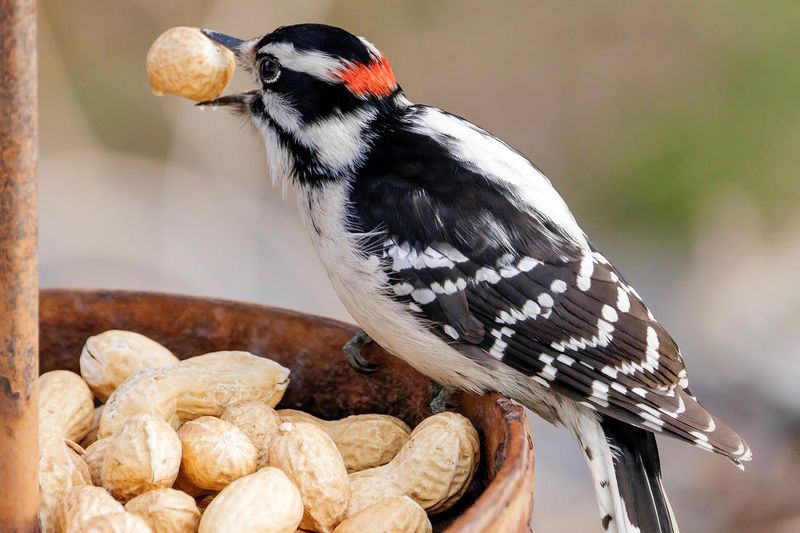
Peanuts might just be the most underrated food you can offer woodpeckers in your Pennsylvania backyard. Packed with healthy fats and protein, peanuts give woodpeckers exactly what their bodies need to stay strong and active.
Both Downy and Hairy woodpeckers, two of the most common species in Pennsylvania, absolutely love them.
You can offer peanuts in a few different ways. Shelled peanuts work great in mesh feeders, which let birds cling to the outside and pull out pieces easily.
Whole peanuts in the shell can also be placed on platform feeders or tucked into the crevices of tree bark for a fun, natural feeding experience.
Always make sure the peanuts you offer are raw and unsalted. Salted or flavored peanuts can be harmful to birds, so plain is always the safest choice.
You can find raw, unsalted peanuts at many garden centers and wild bird supply stores throughout Pennsylvania.
One fun fact: woodpeckers have incredibly strong bills and can crack open peanut shells with ease.
Watching a Hairy woodpecker work through a peanut is honestly one of the coolest things you will see at your feeder. It is quick, precise, and almost mechanical in the best way.
Peanuts are a great year-round feeding option, making them one of the most versatile items on this list.
Whether it is the middle of a Pennsylvania winter or a warm spring morning, a well-stocked peanut feeder will keep woodpeckers returning to your yard again and again without fail.
3. Black Oil Sunflower Seeds
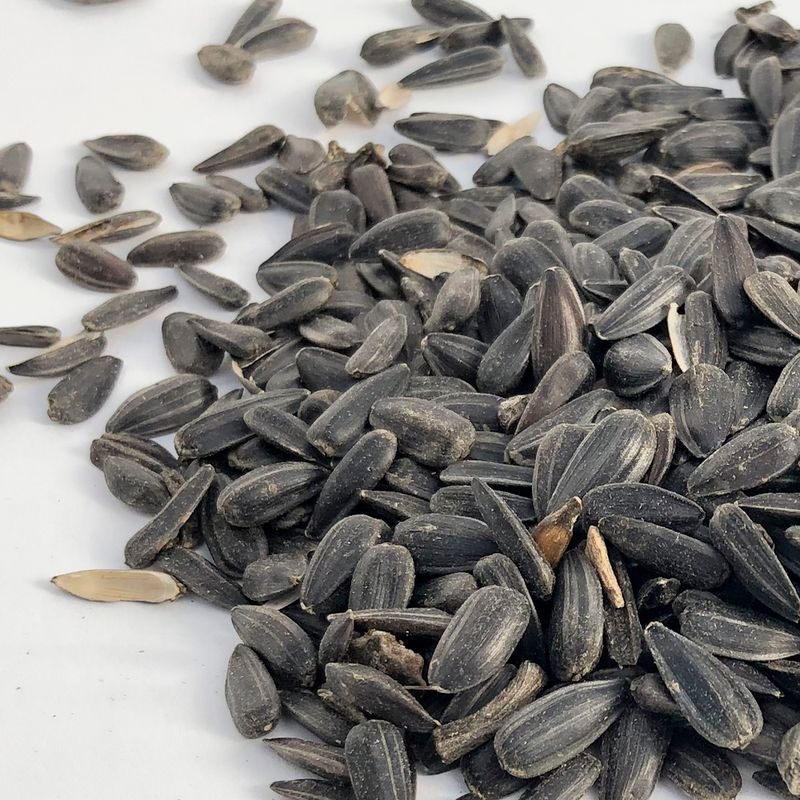
Black oil sunflower seeds are a true crowd-pleaser in the bird-feeding world. Their thin shells make them easy for birds to crack open, and the seed inside is rich in fat and nutrients.
Woodpeckers in Pennsylvania, especially the Red-bellied woodpecker, are known to visit feeders stocked with these seeds regularly.
What sets black oil sunflower seeds apart from striped sunflower seeds is the shell thickness. The thinner shell means birds spend less energy getting to the food inside.
That is a big deal for woodpeckers who are always on the lookout for the most efficient energy source available to them.
These seeds work well in tube feeders, hopper feeders, and platform feeders. A platform feeder is especially useful because it gives woodpeckers enough room to land and eat comfortably.
Placing the feeder near trees or shrubs in your Pennsylvania yard also makes birds feel more secure while feeding.
Another bonus is that black oil sunflower seeds attract a wide variety of other backyard birds too. Cardinals, chickadees, and nuthatches all love them.
So while you are waiting for the woodpeckers to show up, your feeder will never look empty or quiet.
Keeping a steady supply of black oil sunflower seeds in your feeder is one of the easiest ways to build a busy and lively backyard bird scene in Pennsylvania.
Stock up in bulk to save money, and store the seeds in a sealed container to keep them fresh and free from moisture or pests throughout the year.
4. Mealworms (Live Or Dried)
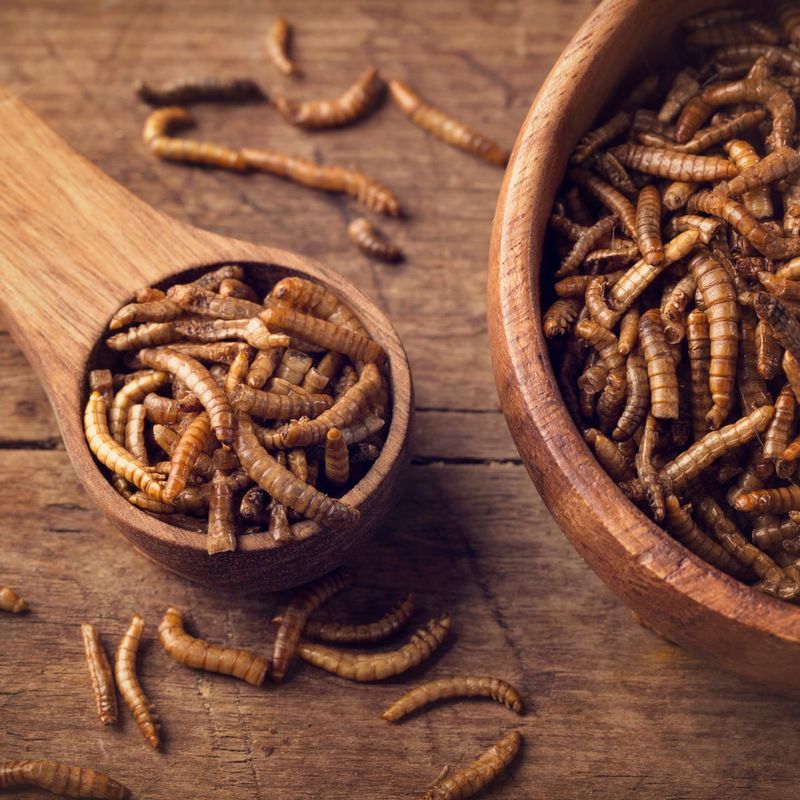
If there is one food that makes woodpeckers go absolutely wild, it is mealworms. Whether you offer them live or dried, these little protein-packed treats are nearly impossible for insect-eating birds to resist.
Woodpeckers are natural insect hunters, so mealworms feel like a familiar and satisfying meal to them.
Live mealworms tend to get the strongest reaction from birds because the movement catches their attention quickly. However, dried mealworms are much easier to store and just as nutritious.
Both options work well in shallow dish feeders or tray feeders placed at a comfortable height in your Pennsylvania yard.
Mealworms are especially valuable during breeding season in the spring. Woodpecker parents need lots of protein to feed their growing chicks in the nest.
Offering mealworms during this time can make your backyard a go-to food source for woodpecker families in your Pennsylvania neighborhood.
Beyond woodpeckers, mealworms attract other insect-eating birds like bluebirds, robins, and wrens. So your feeder setup becomes a hotspot for a whole community of birds at once.
That makes mealworms one of the best investments you can make in your backyard bird-feeding hobby.
A helpful tip is to soak dried mealworms in water for a few minutes before offering them. This rehydrates them slightly and makes them easier for birds to swallow.
Keep your mealworm supply stored in a cool, dry place to maintain freshness. With regular restocking, your Pennsylvania backyard will quickly become a favorite feeding stop for woodpeckers all season long.
5. Tree Bark Butter (DIY Or Store-Bought)
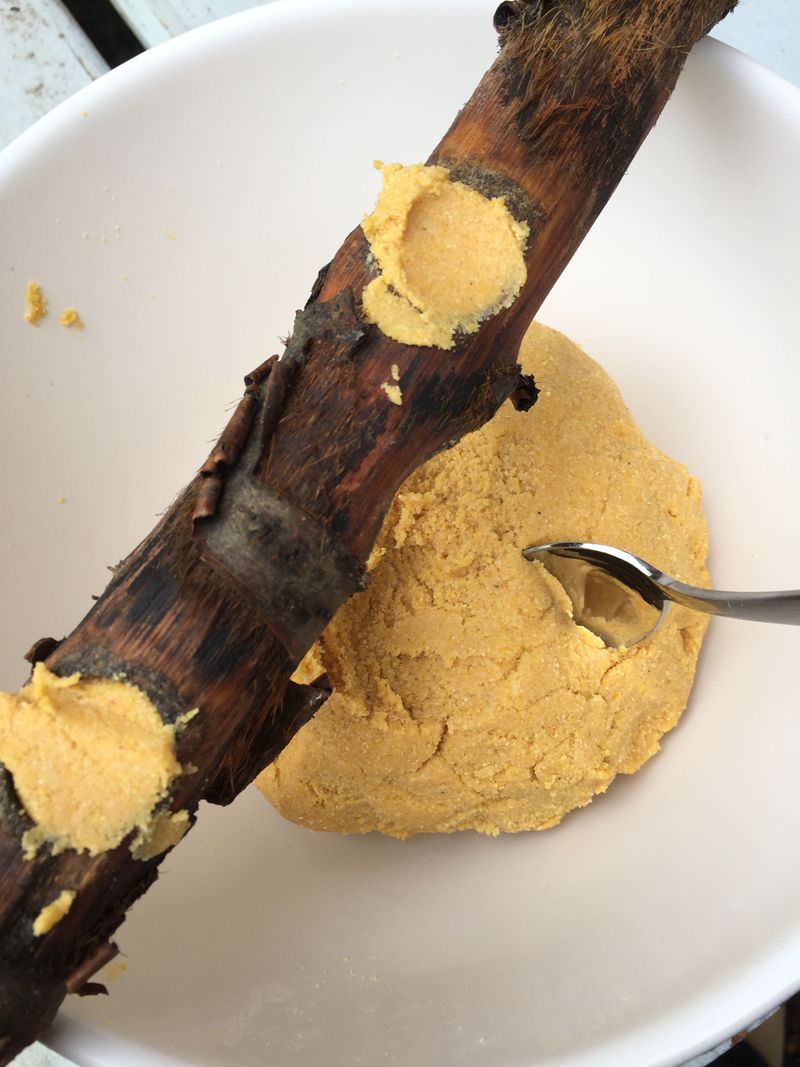
Tree bark butter sounds unusual, but once you try it, you will wonder why you did not start using it sooner. It is a soft, spreadable mixture made from fat, peanut butter, and grains, and woodpeckers absolutely love it.
The texture and scent mimic the insects and larvae that woodpeckers naturally find hiding inside tree bark.
You can buy commercial bark butter products at wild bird stores, or you can make a simple version at home. A basic recipe combines rendered fat or lard with peanut butter and cornmeal.
Mix it together and spread it directly onto tree trunks or rough wooden posts in your Pennsylvania backyard for the most natural presentation possible.
Woodpeckers are drawn to the smell and soft texture of bark butter almost immediately. Species like the Downy, Hairy, and Red-bellied woodpecker have all been spotted using bark butter feeders and coated tree trunks across Pennsylvania.
It truly works remarkably well compared to many other food options available. One creative way to use bark butter is to stuff it into the crevices of a pinecone and hang it from a branch.
Birds have to work a little to get the food out, which keeps them entertained and at your feeder longer. It is a simple, low-cost enrichment activity for your backyard birds.
During cold Pennsylvania winters, bark butter is especially valuable because the fat content helps birds maintain body heat. Reapply it every few days to keep it fresh and appealing.
With consistent offerings, woodpeckers will learn to expect it and return to your yard on a very regular schedule.
6. Cracked Corn (Occasionally)
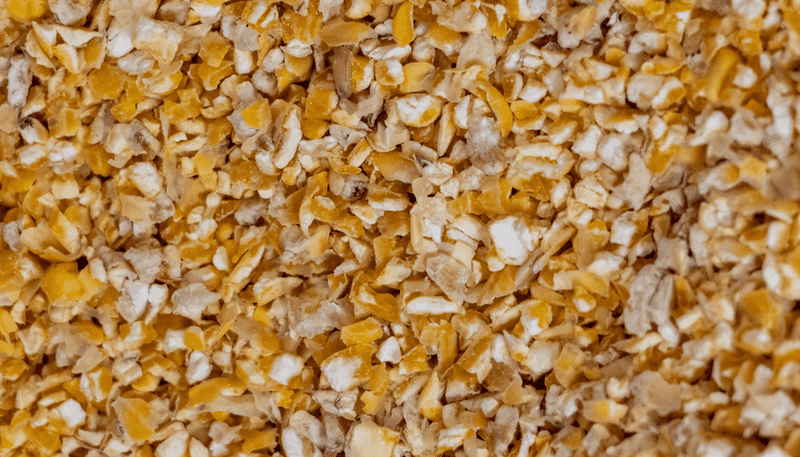
Cracked corn may not be the first food you think of when setting up a woodpecker-friendly yard in Pennsylvania, but it still has a place in the mix.
While it is not their top preference, some woodpecker species will snack on cracked corn when other foods are less available. Think of it as a reliable backup option for your feeding setup.
The best way to offer cracked corn is on a platform feeder. Woodpeckers are not ground feeders by nature, so elevating the corn makes it much more accessible and appealing to them.
A low platform feeder placed near trees or shrubs works perfectly and fits right into a natural Pennsylvania backyard setting.
One of the biggest benefits of adding cracked corn to your feeder lineup is that it attracts a wider variety of birds overall. Sparrows, jays, doves, and squirrels are all fans of cracked corn.
Having more activity around your feeders can actually help attract curious woodpeckers who notice the busy scene and want to check it out for themselves.
Keep in mind that cracked corn can get moldy quickly if it gets wet. Always use a feeder with good drainage and refresh the corn regularly to keep it clean and safe.
Soggy or moldy corn should be removed right away to protect the health of all the birds visiting your Pennsylvania yard.
Offering cracked corn in small amounts alongside higher-quality foods like suet and peanuts creates a well-rounded feeding station.
Woodpeckers will focus on the premium options, but having cracked corn available fills in the gaps and keeps your Pennsylvania backyard lively and full of feathered visitors every single day.