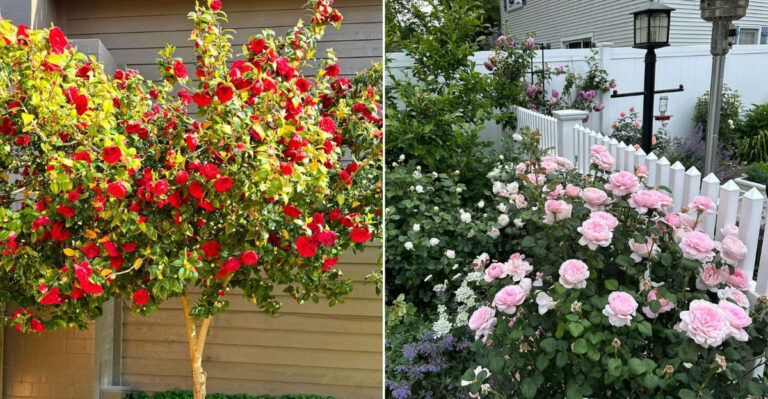
The Secret Microclimates Hiding In Your Oregon Backyard
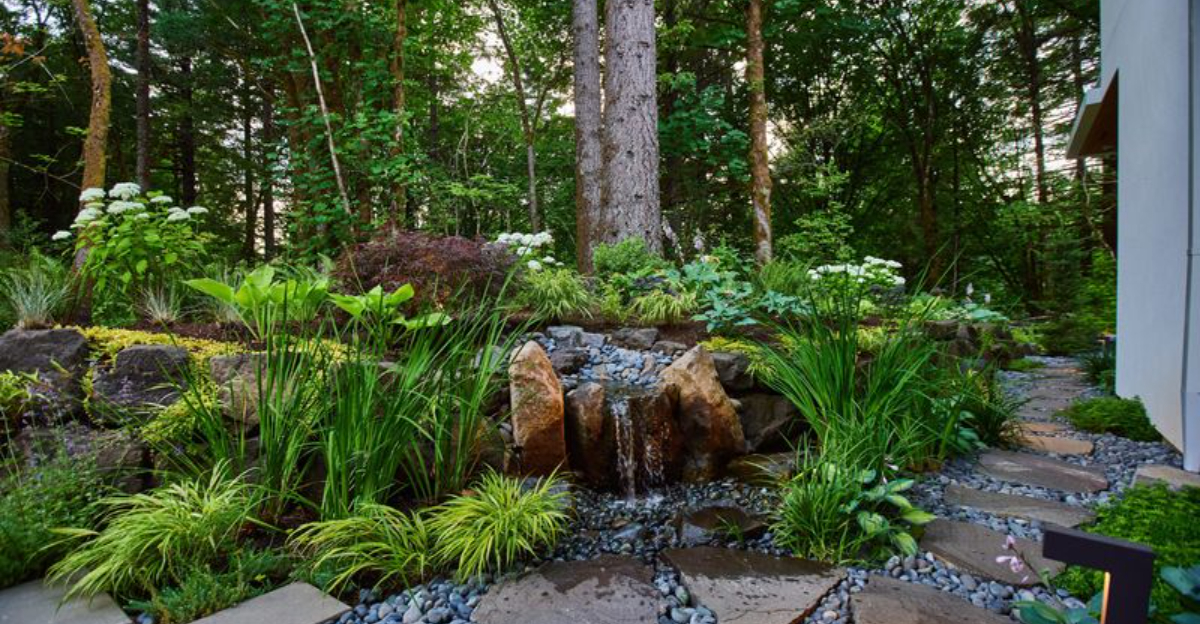
Step into your backyard in Oregon and you might think it is all the same climate. Look closer and you will discover tiny weather worlds hiding in plain sight.
One corner stays warm and sunny while another holds cool, damp air long after morning arrives. Plants feel these subtle shifts every single day, and they respond in surprising ways.
That tomato thriving near a sunny wall and the fern loving a shady fence are both reacting to microclimates you may not even notice.
These small climate pockets are shaped by sunlight, wind, soil, slopes, and nearby structures. Once you learn to spot them, gardening becomes a lot more exciting and far more successful.
You can grow happier plants, extend your growing season, and make smarter choices without changing your whole yard. The secret is already in your backyard.
You just need to know where to look.
Warm South-Facing Walls
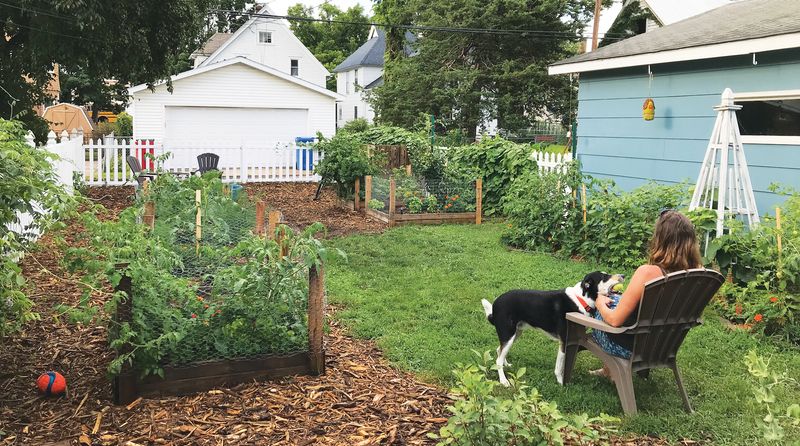
Brick, stone, or even painted wood siding on the south side of your Oregon home absorbs sunshine all day long. This stored heat radiates back out through cool evenings, creating a zone that stays several degrees warmer than the rest of your yard.
Plants tucked against these walls experience longer growing seasons and better protection from overnight chills.
Tomatoes, peppers, and basil absolutely love these warm spots. They ripen faster and produce more fruit when planted within two feet of a south wall.
Even heat-loving flowers like zinnias and marigolds bloom longer here than anywhere else in your garden.
The warmth also helps tender perennials survive Oregon winters that might otherwise be too harsh. Rosemary, lavender, and fig trees often thrive against south walls even in cooler parts of the state.
Just remember these spots dry out quickly since the wall blocks rain and pulls moisture from soil.
Water plants here more frequently during summer months. Adding mulch helps retain moisture while still letting the soil soak up all that beneficial warmth.
This simple microclimate turns challenging plants into easy successes throughout Oregon’s diverse regions.
Wind-Sheltered Corners
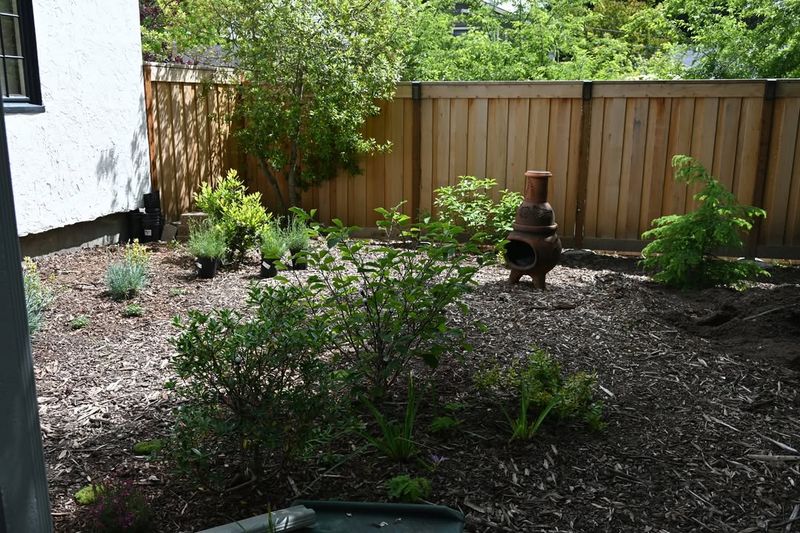
Corners where two walls, fences, or hedges meet create surprisingly calm pockets even on blustery Oregon days. Wind speeds drop dramatically in these L-shaped spaces, giving plants a major advantage.
Less wind means less water loss through leaves and reduced physical stress on stems and branches.
Young transplants establish faster in sheltered corners because they do not have to constantly fight against buffeting breezes. Tall flowers like delphiniums and hollyhocks stand upright without staking when planted in these protected zones.
Climbing plants also grow more vigorously when their tender new growth is not constantly whipped around.
These windbreaks create warmer conditions too since still air holds heat better than moving air. On cold Oregon nights, sheltered corners can be three to five degrees warmer than exposed areas just ten feet away.
This temperature boost extends the growing season and protects marginally hardy plants through winter.
Look for corners on the east or south sides of structures for the best combination of shelter and sunlight. Even a simple right angle between a garage wall and a wooden fence creates enough protection to make a real difference for your plants throughout the year in Oregon gardens.
Cool, Shady North Sides
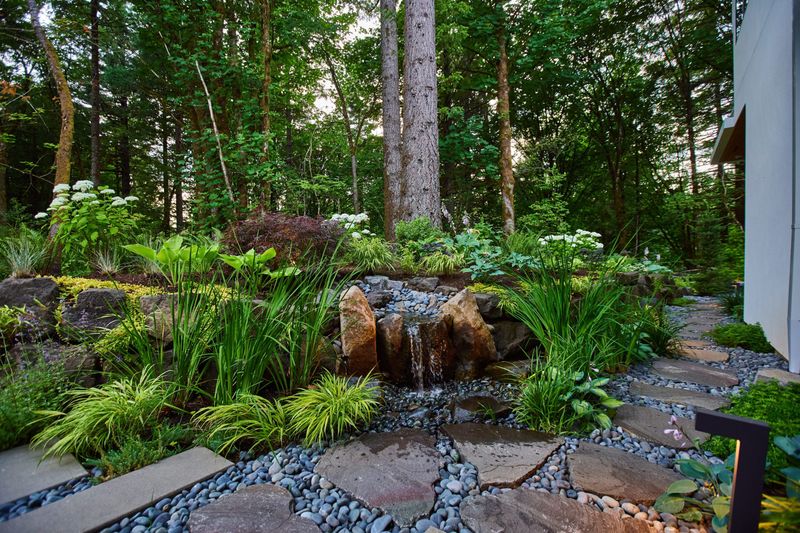
Walk around to the north side of any building and you will immediately feel the difference. These areas receive little direct sunlight and stay noticeably cooler throughout the day.
Oregon gardeners often overlook these shady zones, but they are perfect for plants that struggle in bright, hot conditions.
Ferns, hostas, and bleeding hearts flourish in these consistently cool spots. The reduced sun exposure means less water stress and slower soil drying.
Shade-loving vegetables like lettuce and spinach also perform beautifully here, especially during Oregon’s warmer summer months when they would normally bolt in full sun.
These north-side microclimates stay frost-prone longer in spring since they warm up slowly. Wait an extra week or two before planting tender seedlings compared to sunnier areas.
However, this same quality becomes an advantage in summer when delicate plants need protection from afternoon heat.
The consistent moisture and cool temperatures create ideal conditions for woodland plants native to Oregon forests. Trillium, Oregon grape, and sword ferns adapt naturally to these shaded microclimates.
You can recreate a mini forest ecosystem right beside your house by working with rather than against these naturally cool, protected spaces.
Frost Pockets In Low Spots
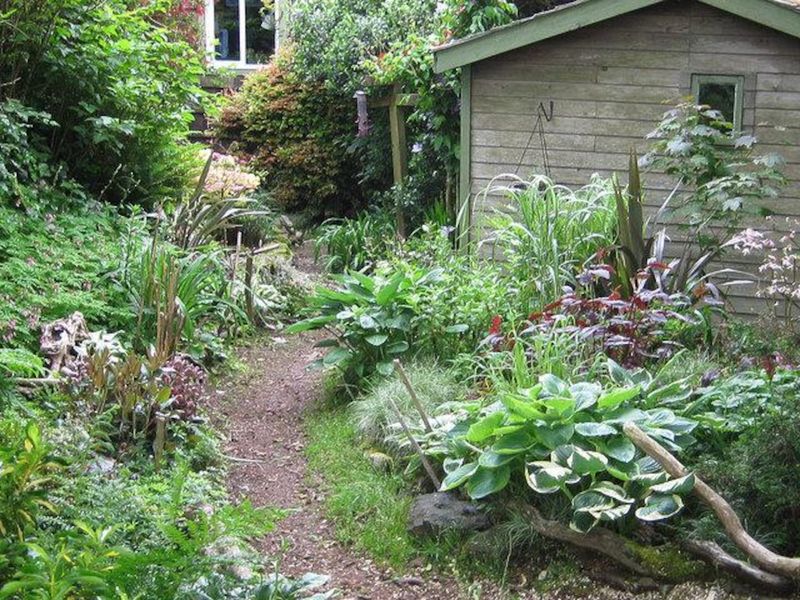
Cold air behaves like water, flowing downhill and pooling in the lowest spots of your Oregon property. These depressions become frost pockets where temperatures drop several degrees below surrounding areas on clear, calm nights.
Understanding where cold air collects helps you avoid planting tender crops in the worst possible locations.
A gentle slope you barely notice while walking can create a significant frost pocket at the bottom. Spring and fall frosts hit these low spots first and last longest into morning.
Vegetables like tomatoes, squash, and beans planted here get damaged while the same plants twenty feet uphill remain perfectly healthy.
You can identify frost pockets by observing where frost lingers longest on spring mornings. Grass stays white with ice in these areas while higher ground has already thawed.
Once you know where cold air settles on your Oregon property, you can plan accordingly.
Reserve frost pockets for cold-hardy plants like kale, Brussels sprouts, and garlic that actually benefit from chilly conditions. Alternatively, improve drainage and add raised beds to lift plants above the coldest air layer.
Simple awareness of these hidden cold zones prevents frustrating crop losses throughout Oregon’s unpredictable growing season.
Heat-Trapping Patios And Stone
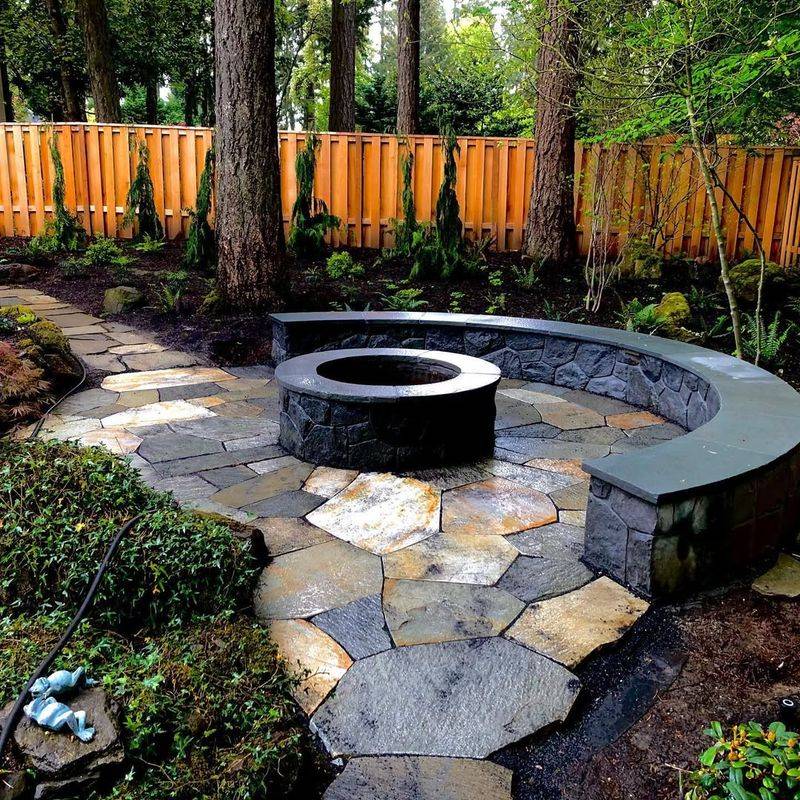
Concrete patios, stone pathways, and gravel areas absorb tremendous amounts of heat during sunny Oregon days. These hard surfaces reach temperatures much higher than surrounding soil or grass.
They continue releasing stored warmth for hours after sunset, creating toasty microclimates perfect for heat-loving container plants.
Place pots of peppers, eggplants, or citrus trees directly on or near paved surfaces for maximum benefit. The reflected heat from below combined with sunshine from above gives plants an extra boost they cannot get anywhere else.
Even cool-season Oregon weather feels more Mediterranean in these heat-trapping zones.
Stone walls and rock gardens function similarly, soaking up daytime warmth and radiating it back through cool evenings. Herbs like thyme, oregano, and sage thrive when planted between paving stones or tucked beside rock features.
These naturally sun-baked microclimates mimic the hot, dry conditions these plants prefer in their native habitats.
Be mindful that these areas can become too hot during Oregon’s occasional heat waves. Afternoon shade from a nearby tree or umbrella prevents scorching while still providing plenty of warmth.
The thermal mass of stone and concrete extends your effective growing season by weeks on both ends throughout Oregon’s variable climate.
Moist Zones Near Downspouts
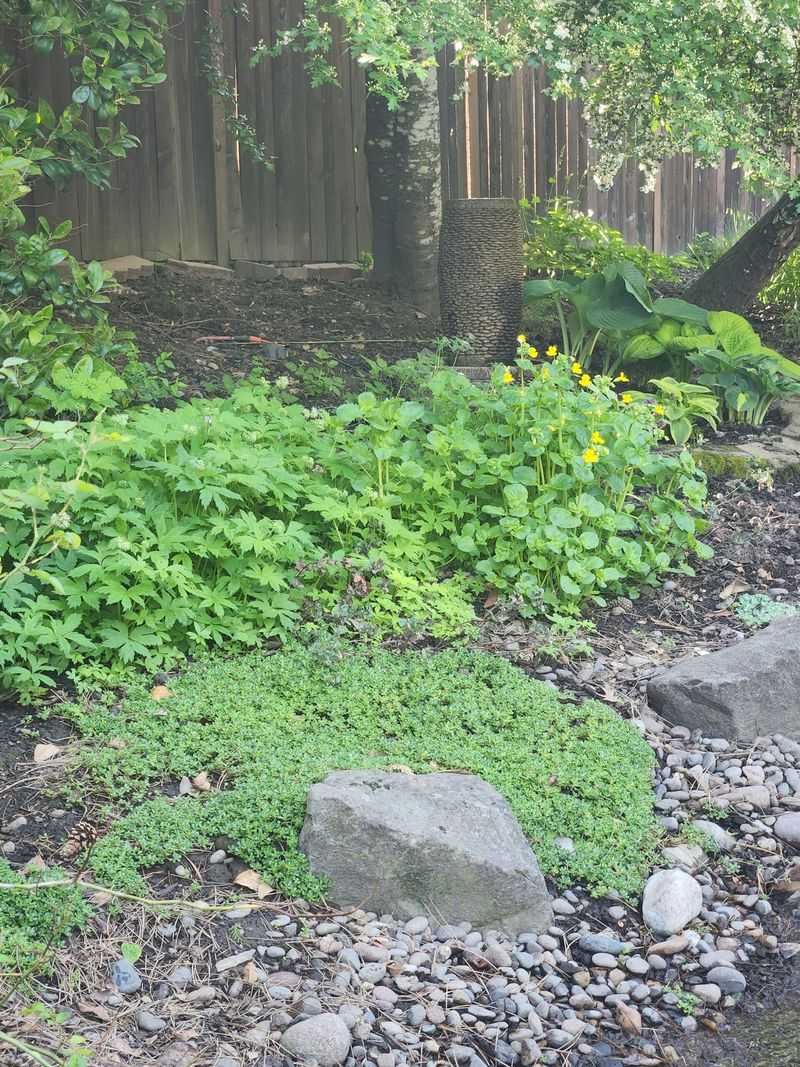
Every time it rains in Oregon, water pours off your roof and concentrates at downspout locations. These spots receive far more moisture than surrounding areas, creating permanently damp microclimates even during dry summer stretches.
Rather than fighting this excess water, smart gardeners embrace it by choosing plants that love wet feet.
Astilbe, ligularia, and Japanese iris flourish in these consistently moist zones. Native Oregon plants like red twig dogwood and vine maple also adapt beautifully to downspout areas.
These water-loving species would struggle in drier parts of your yard but thrive where regular moisture is guaranteed.
The constant water supply means less irrigation work for you throughout summer months. Plants near downspouts rarely show drought stress even during Oregon’s driest weeks.
This natural watering system supports lush growth without any extra effort or expense on your part.
Make sure the soil drains reasonably well to avoid creating a swampy mess. If water pools for days after rain, add organic matter to improve drainage or install a simple rain garden.
Properly managed downspout zones become some of the most productive and beautiful areas in Oregon yards, supporting plants that would otherwise require constant hand-watering throughout the growing season.
Dry Areas Under Eaves
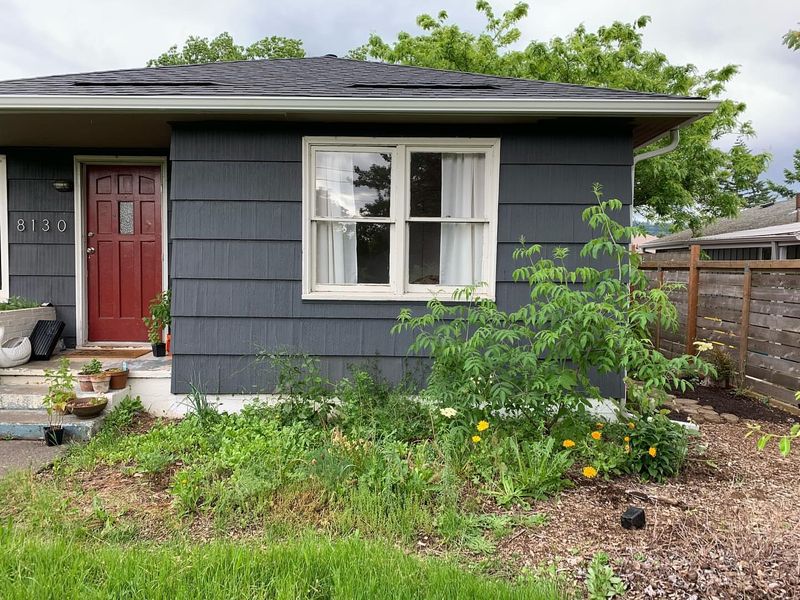
Roof overhangs create rain shadows where surprisingly little moisture reaches the ground. These dry strips running along your Oregon house receive only a fraction of the rainfall hitting the rest of your yard.
Plants here must survive on much less water, making these microclimates perfect for drought-tolerant species.
Mediterranean herbs like lavender, sage, and thyme actually prefer these drier conditions. Succulents and sedums also thrive under eaves where they stay protected from Oregon’s heavy winter rains that can cause rot.
These plants develop stronger root systems and more compact growth when not constantly soaked.
The dry zone typically extends two to four feet from your foundation depending on roof overhang width. Soil here stays dusty even after significant rainfall elsewhere in the garden.
This creates challenges for typical garden plants but opportunities for species adapted to arid conditions.
Supplement rainfall with occasional deep watering during extended Oregon dry spells. Even drought-tolerant plants appreciate a drink every few weeks in summer.
However, these protected areas require far less maintenance than moisture-hungry plantings elsewhere. Embrace the dry microclimate under your eaves by selecting appropriate plants rather than constantly battling nature with endless watering throughout the year in Oregon landscapes.
Hidden Shade From Trees
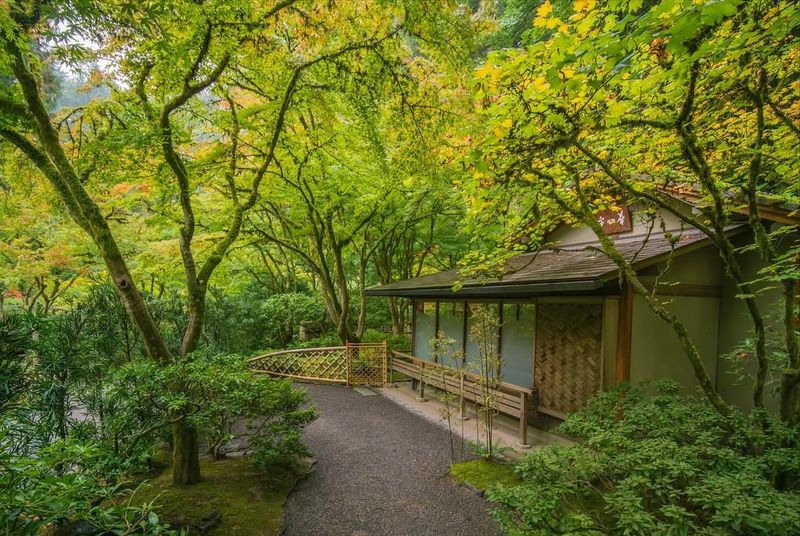
Mature trees create complex microclimates that shift throughout the day and season. Dappled shade under deciduous trees offers bright light in spring before leaves emerge, then cool protection during hot Oregon summers.
This changing pattern suits woodland wildflowers and shade perennials perfectly.
Spring bulbs like daffodils and trilliums bloom while trees remain bare, soaking up sunshine they need. By the time leaves fill in overhead, these plants have already completed their growing cycle and gone dormant.
Summer shade then protects the soil from drying out completely, preserving bulbs until next spring.
The area directly beneath large trees stays consistently cooler and moister than open lawn. Tree roots also compete for water and nutrients, creating challenging but manageable conditions.
Select plants adapted to root competition like epimedium, wild ginger, and Oregon native inside-out flower.
North-side tree shade differs dramatically from south-side conditions even under the same tree. Observe light patterns carefully before planting to match plants with actual conditions rather than assumptions.
Evergreen trees create year-round dense shade requiring different plant selections than deciduous species.
Understanding these tree-created microclimates unlocks gardening potential in spaces that might otherwise seem too difficult to plant successfully throughout Oregon’s diverse growing regions.