The Secret To A Lush Ohio Garden Without Extra Water
Every summer in Ohio, sprinklers kick on before sunrise, hoses snake across lawns, and water bills quietly climb. Gardeners work hard to keep plants alive through humid heat and dry stretches, often assuming that more water equals better results.
Yet even with all that effort, some gardens still look stressed, faded, or patchy by midseason. What surprises many homeowners is that a truly lush garden does not always depend on constant watering.
In fact, too much water can weaken roots, invite disease, and create plants that struggle the moment conditions turn harsh. The real transformation happens below the surface, where smarter strategies help soil hold moisture longer and encourage deeper, stronger root systems.
Ohio’s climate offers more natural support than most people realize. With the right approach, your garden can stay vibrant, full, and resilient through summer heat without relying on extra water to survive.
1. Choosing Native Plants Is Your Secret To A Lush Garden
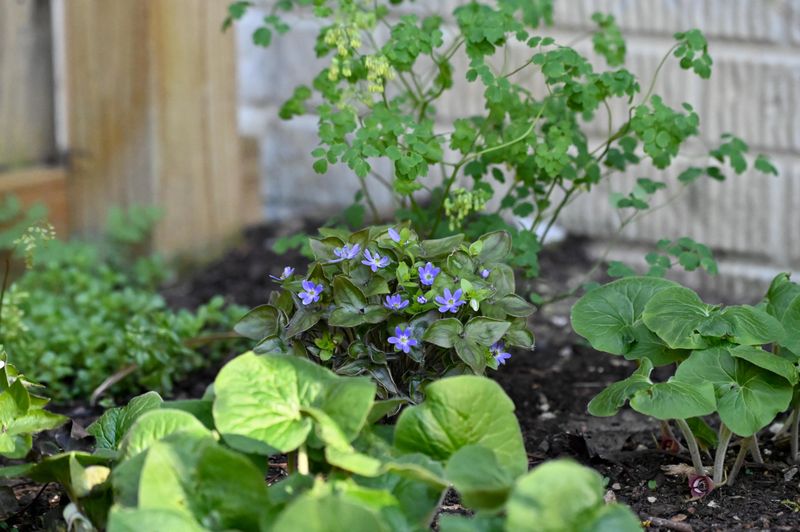
Walk through any Ohio meadow in July, and you will notice something remarkable: wildflowers blooming brilliantly without anyone watering them. That is the magic of native plants, and it is the single most powerful secret to a low-water Ohio garden.
Plants like purple coneflower, black-eyed Susan, wild bergamot, and Ohio spiderwort have evolved over thousands of years right here in this region. They know Ohio’s clay-heavy soils, unpredictable spring rains, and scorching August heat better than any imported garden variety ever could.
Because native plants are perfectly adapted to local conditions, their root systems are incredibly efficient. They pull moisture from deep in the soil long after the surface has dried out.
You spend less time worrying and more time enjoying your garden.
Beyond water savings, native plants attract pollinators like bees, butterflies, and hummingbirds, turning your yard into a buzzing, colorful wildlife habitat. Nurseries across Ohio now carry impressive selections of natives, making it easier than ever to get started.
Replacing even a small section of your lawn with native plantings can dramatically reduce your garden’s water needs while boosting its beauty season after season.
2. Let Deep Roots Keep Your Garden Green
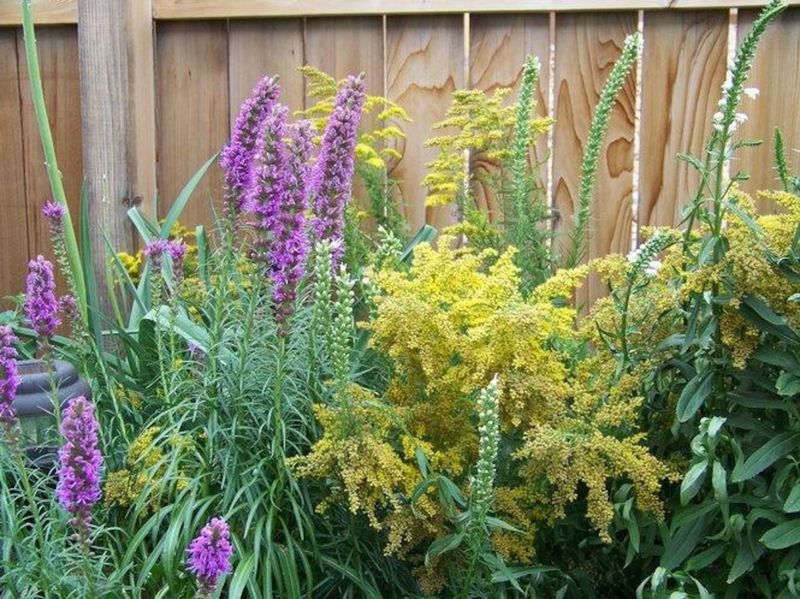
Most people think of gardening as what happens above the ground, but the real action is happening below your feet. Deep-rooted plants are the unsung heroes of any drought-tolerant Ohio garden.
While shallow-rooted annuals struggle the moment the top inch of soil dries out, deep-rooted natives and perennials tap into moisture reserves several feet underground, staying green and healthy even during Ohio’s driest stretches.
Prairie plants are a fantastic example of this underground superpower. Little bluestem grass, for instance, can send roots down six feet or more, which is why Ohio’s original prairies stayed lush through brutal summer droughts.
Planting deep-rooted species like butterfly weed, prairie dropseed, or wild quinine gives your garden a built-in water storage system you never have to refill.
Encouraging deep roots in all your plants is also possible through smart watering habits early in a plant’s life. Water deeply but infrequently when plants are young to train roots to reach downward rather than staying near the surface.
Once established, these plants become remarkably self-sufficient. Think of deep roots as your garden’s personal underground well, always working quietly to keep everything above ground looking lush and full of life.
3. Use Mulch To Hold Moisture Naturally
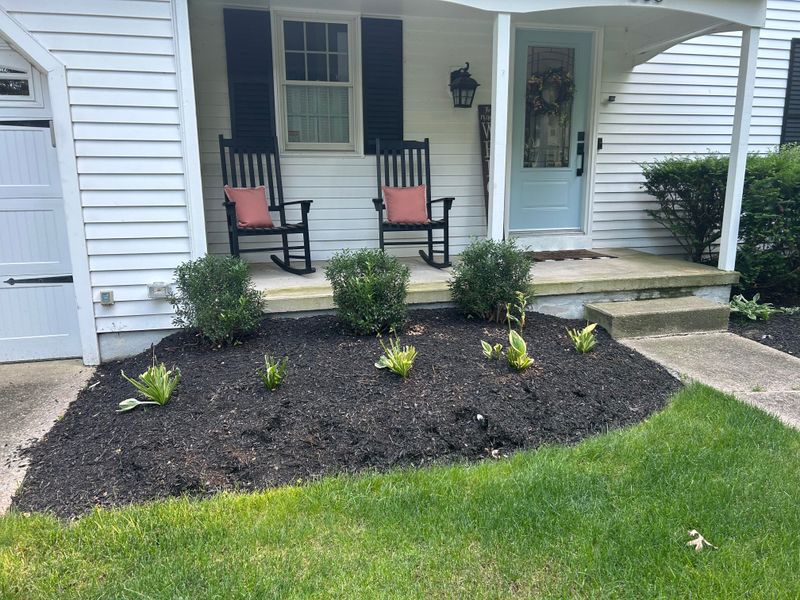
If there is one garden supply that delivers the most bang for your buck, it is a good bag of organic mulch. Spreading a two-to-three-inch layer of shredded wood chips, straw, or shredded leaves around your plants is one of the fastest ways to slash your garden’s water needs.
Mulch acts like a cozy blanket over the soil, blocking the sun and slowing evaporation dramatically. On a hot Ohio afternoon, bare soil can lose a surprising amount of moisture within just a few hours, but mulched soil stays cool and damp far longer.
Beyond moisture retention, mulch does double duty by suppressing weeds, which compete with your plants for precious water. Fewer weeds mean your plants get more of what they need without any extra effort from you.
As organic mulches break down over time, they also enrich the soil with nutrients, improving its texture and water-holding capacity naturally.
Shredded leaves are a completely free mulching option available every fall across Ohio. Instead of bagging them for the curb, run them over with a lawn mower and spread them generously through your garden beds.
Your plants will thank you come July when the rain stops and the temperatures climb.
4. Prepare Your Soil To Survive Dry Spells
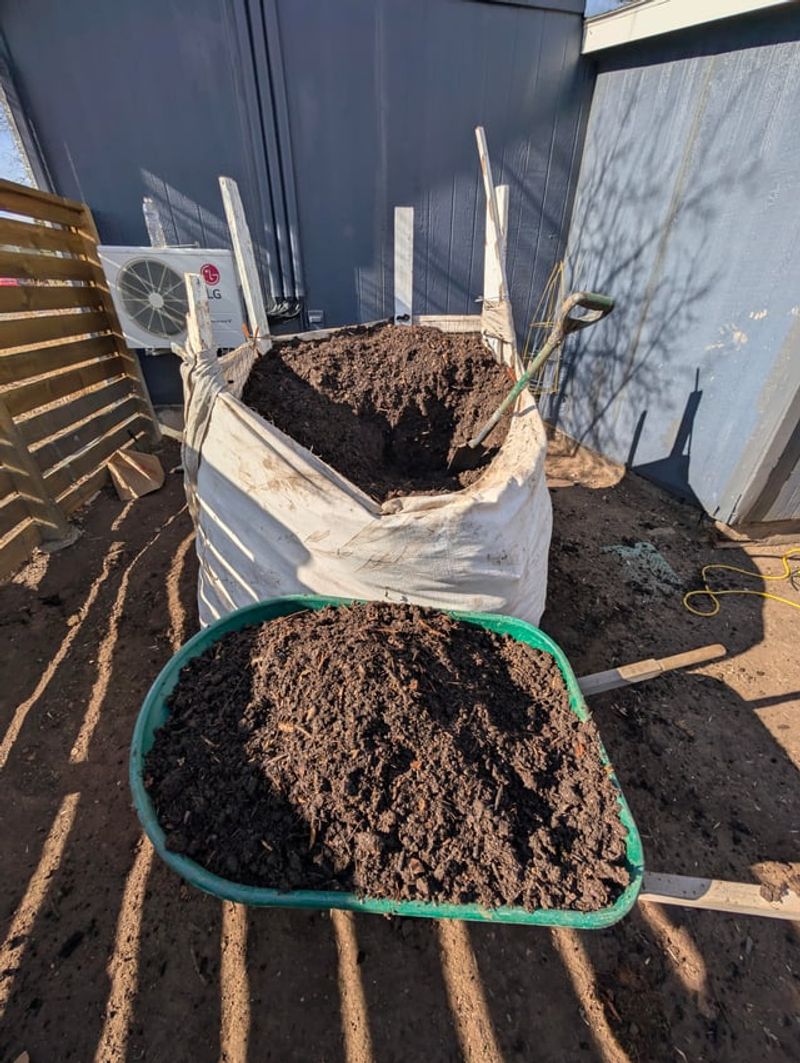
Healthy soil is the foundation of every great garden, and in Ohio, that foundation needs a little help. Much of the state sits on dense clay soil that either holds too much water after heavy spring rains or bakes into something resembling concrete during summer dry spells.
Neither extreme is ideal for plants. The fix, thankfully, is straightforward: add generous amounts of organic matter to your soil every year, and watch its behavior completely transform.
Compost is your best friend here. Working two to four inches of finished compost into your garden beds each season improves soil structure in a remarkable way.
In clay-heavy Ohio soils, compost opens up the texture, allowing air and roots to move freely while also boosting the soil’s ability to hold onto moisture without becoming waterlogged. Sandy soils benefit too, with compost acting like a sponge that slows water from draining away too quickly.
Starting a backyard compost pile is easier than most people expect. Kitchen scraps, grass clippings, and fallen leaves all break down into rich, dark compost within a few months.
You can also find bagged compost at garden centers across Ohio. Either way, investing in your soil upfront means your plants need far less supplemental water throughout the growing season.
5. Group Plants By Their Water Needs
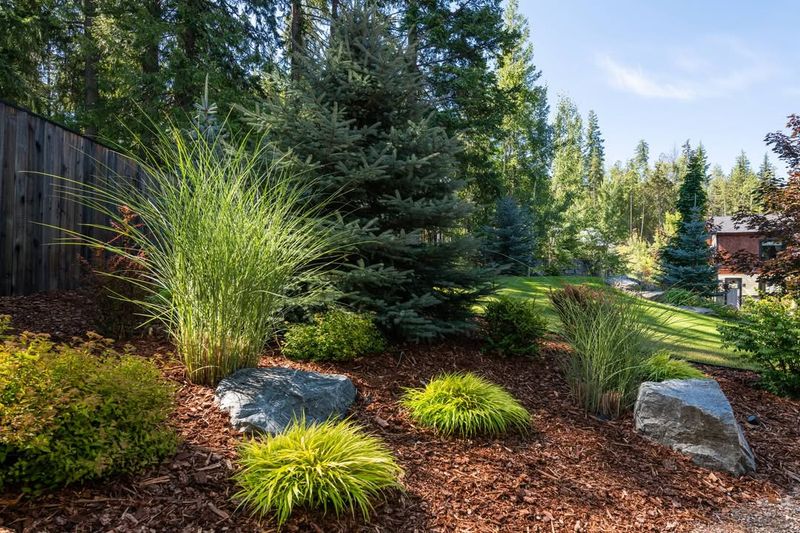
Imagine watering your entire garden based on the thirstiest plant in the bunch. That is exactly what happens when drought-tolerant plants and water-loving plants get mixed together without a plan, and it wastes an enormous amount of water.
Grouping plants by their water needs, a technique often called hydrozoning, is one of the smartest moves an Ohio gardener can make. It is simple in concept but incredibly effective in practice.
Start by mapping out your yard and identifying areas that naturally stay wetter, like low spots near downspouts, versus areas that tend to dry out quickly, like south-facing slopes or spots near driveways. Place moisture-loving plants like cardinal flower and swamp milkweed in the wet zones, and reserve your drought-tolerant natives like prairie dropseed, coneflower, and wild petunia for drier areas.
Each plant ends up right where it naturally thrives.
Hydrozoning also makes any necessary watering far more efficient. Instead of running a sprinkler over the whole yard, you can direct water only where it is genuinely needed.
Ohio summers are unpredictable, with wet springs often giving way to long dry stretches in July and August. Having your garden thoughtfully zoned means you are always one step ahead of the weather, keeping plants healthy with minimal intervention.
6. Design Your Garden To Reduce Evaporation
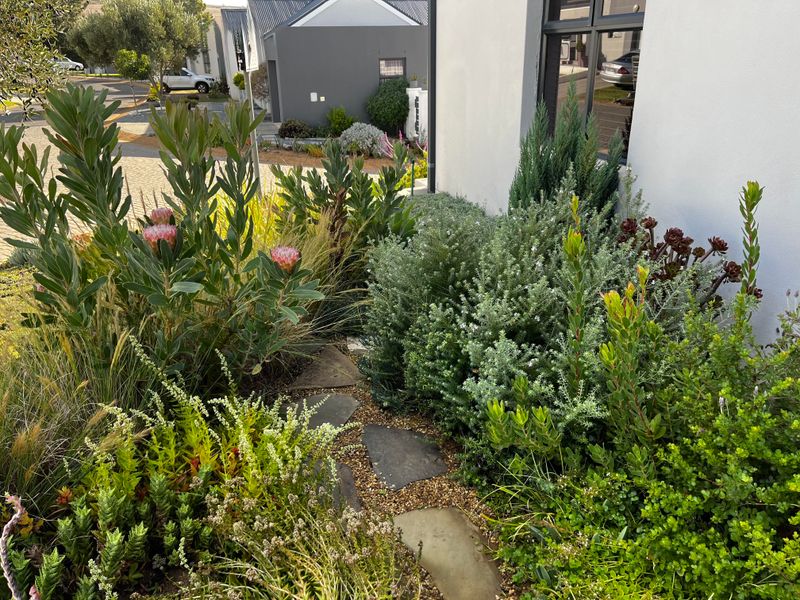
Smart garden design is one of those strategies that quietly works for you around the clock, even when you are not thinking about it. The way you arrange plants, trees, and hardscape elements has a huge impact on how quickly your soil loses moisture.
In Ohio, where summer winds and intense afternoon sun can dry out garden beds surprisingly fast, thoughtful layout choices make a measurable difference in water conservation.
Planting windbreaks using dense shrubs or small trees on the west and northwest sides of your garden can significantly reduce the drying effect of prevailing summer winds. Native shrubs like arrowwood viburnum or American hazelnut work beautifully for this purpose while also supporting local wildlife.
Shade placement matters too: positioning taller plants or small trees on the south and west sides of your garden beds shields lower plants from the most intense midday and afternoon sun, slowing evaporation considerably.
Curved garden beds and sunken rain garden areas also help direct and capture rainwater naturally, giving it time to soak into the soil rather than running off into storm drains. Even simple choices like placing pots near walls or fences to reduce wind exposure add up.
Good design is invisible when it works, but your garden will show the results in how effortlessly it stays green and vibrant all summer long.
7. Rely On Native Perennials For Easy Care
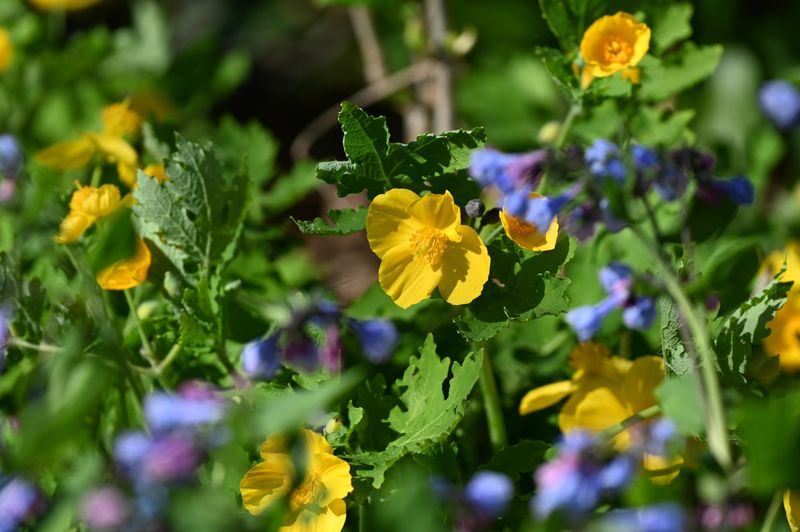
There is something deeply satisfying about plants that come back year after year, growing a little bigger and bolder each season, without demanding much from you in return. Native perennials are the backbone of any low-water Ohio garden, and once they settle in after their first season, they reward you with spectacular color and texture for years to come.
The initial patience required is absolutely worth it.
Ohio is home to an incredible range of native perennials suited to every garden style. Blazing star, also called liatris, sends up dramatic purple spikes in late summer and tolerates drought with ease.
Wild bergamot fills the garden with lavender blooms that bees absolutely adore. Ohio goldenrod brightens the fall landscape with cheerful yellow plumes while asking for almost nothing in return.
These plants do not need babysitting, they just need a chance to establish their roots.
One practical tip: plant native perennials in fall or early spring when Ohio’s natural rainfall gives them the best start. Avoid planting during midsummer heat if possible, since young plants are most vulnerable before their roots spread wide.
After one full growing season, most native perennials become remarkably self-sufficient, shrugging off summer dry spells that would stress ordinary garden plants. Year after year, they simply get better.
8. Follow Seasonal Tips To Keep Gardens Lush All Year
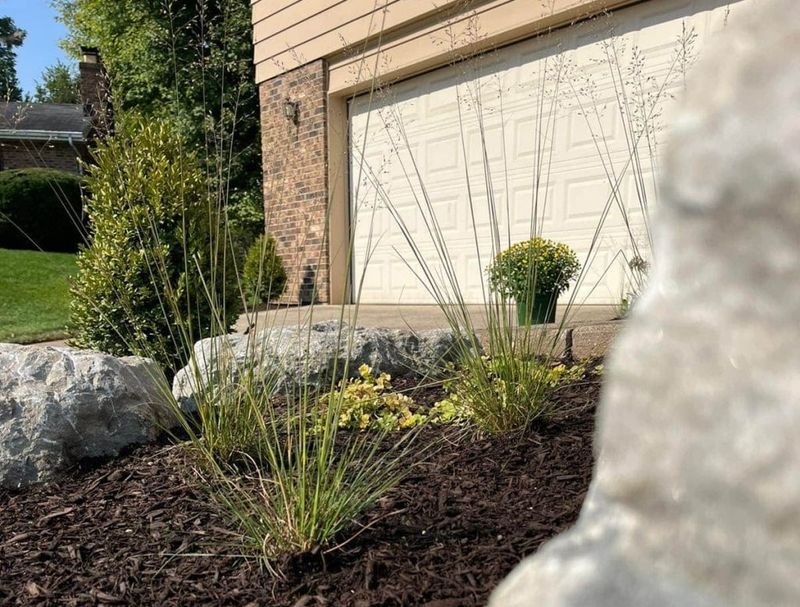
A water-smart Ohio garden does not happen by accident in one season. It is built through small, consistent actions taken throughout the entire year.
Each season offers its own opportunities to set your garden up for success, and taking advantage of them makes an enormous difference when the next dry stretch rolls around.
Spring is the perfect time to add compost, plant new natives, and get mulch down before the soil warms and evaporation picks up. Early spring rains do a lot of the establishment work for you, so take advantage of that free moisture.
Summer calls for watching rather than worrying. A well-prepared, well-planted garden needs very little intervention.
If you do water, do it early in the morning so moisture soaks into the soil before the heat of the day evaporates it away.
Fall is arguably the most important season for a water-wise gardener in Ohio. Shred and spread fallen leaves as mulch, plant spring-blooming natives, and cut back only the plants that truly need it, leaving seed heads to feed birds and hollow stems for native bees to overwinter in.
Winter is a great time to plan next year’s improvements. Review what thrived, note where bare patches lost moisture quickly, and make adjustments before spring arrives again.
Small seasonal habits build a garden that practically sustains itself.