The Secret To Growing Giant Dahlias In California
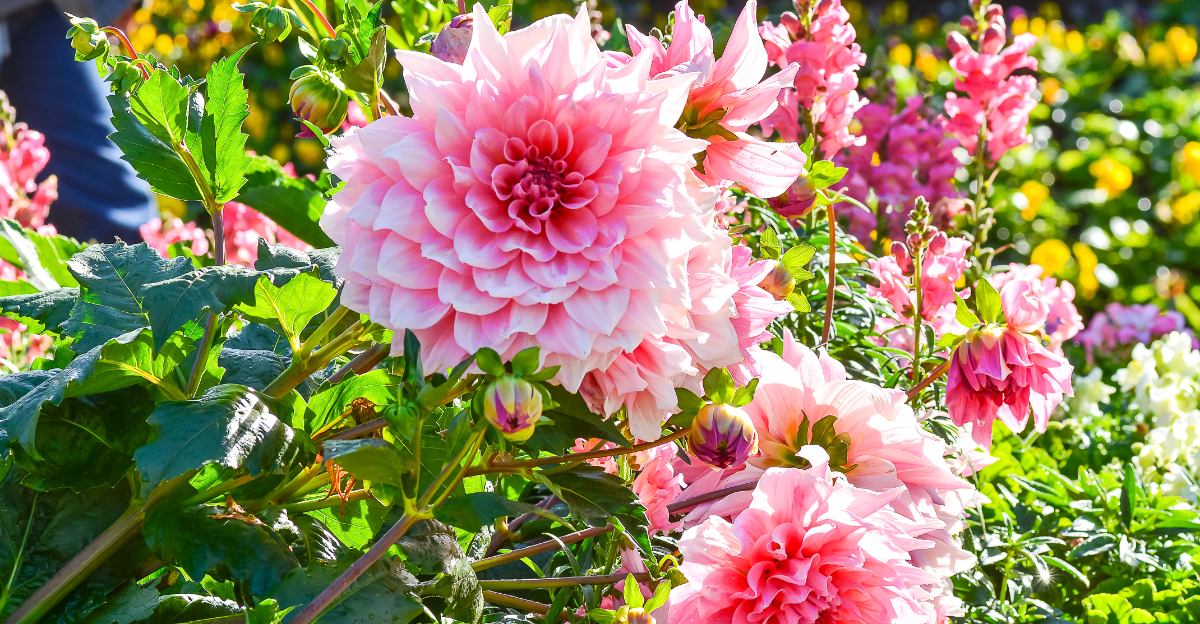
Big, show-stopping dahlias do not happen by accident, especially in California’s mix of cool coastal air and intense inland heat.
One garden might produce dinner-plate blooms while another ends up with smaller, underwhelming flowers, and the difference often comes down to a few key details.
Timing, soil preparation, and consistent care all play a bigger role than most gardeners expect. Dahlias love California’s long growing season, but they also need the right start to reach their full potential.
With a bit of planning early on, you can encourage stronger plants, thicker stems, and blooms that truly stand out.
Once you understand what these flowers respond to, it becomes much easier to grow dahlias that turn heads and keep your garden looking bold and colorful well into the season.
1. Choose Large-Flowering Varieties
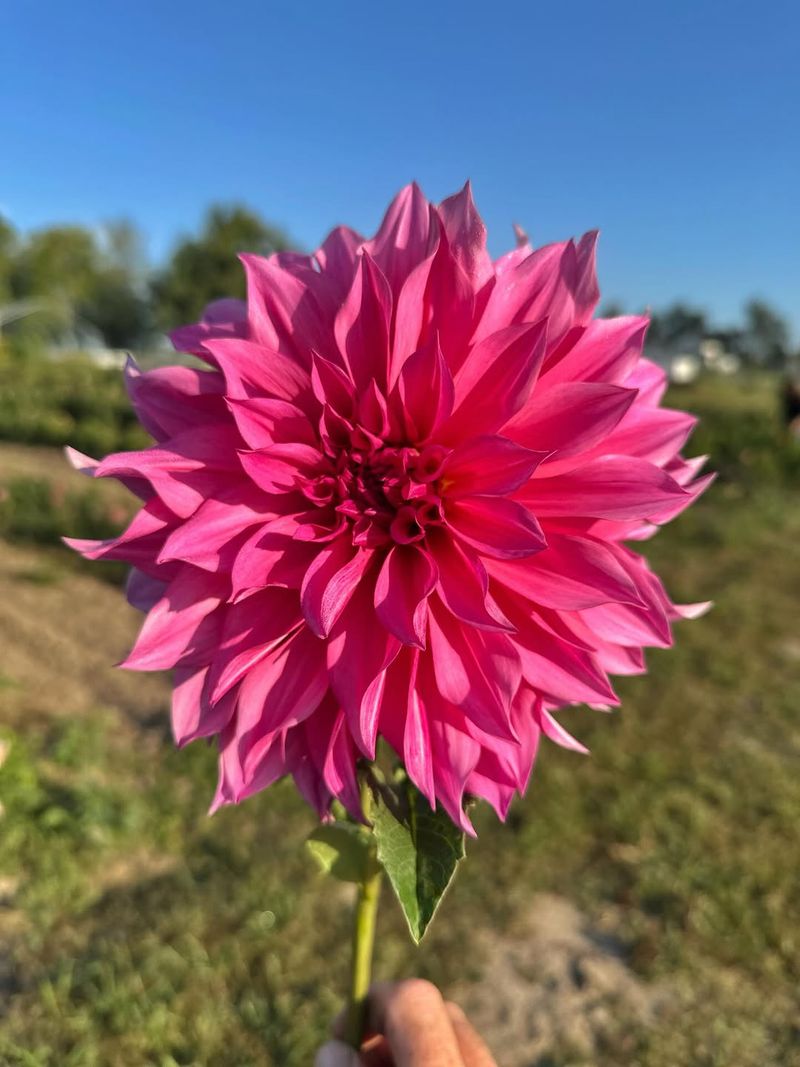
Not all dahlias grow big. If giant blooms are your goal, you need to start with the right variety.
Dinner-plate dahlias are the ones most famous for producing massive flowers, sometimes reaching 10 to 12 inches across. Popular choices like ‘Cafe au Lait,’ ‘Thomas Edison,’ and ‘Kelvin Floodlight’ are known to perform especially well in California’s climate.
When shopping for tubers, look for labels that say “giant” or “dinner-plate” on the packaging. Local nurseries in California often carry varieties that are already proven to grow well in your region.
Buying from a trusted local source gives you a head start.
Online dahlia specialty stores are also a great option. Many offer a huge selection of giant-flowering types with photos and reviews from other growers.
Reading those reviews can help you pick winners. Starting with the right variety is honestly the single most important decision you will make before you even touch the soil.
2. Plant In Full Sun
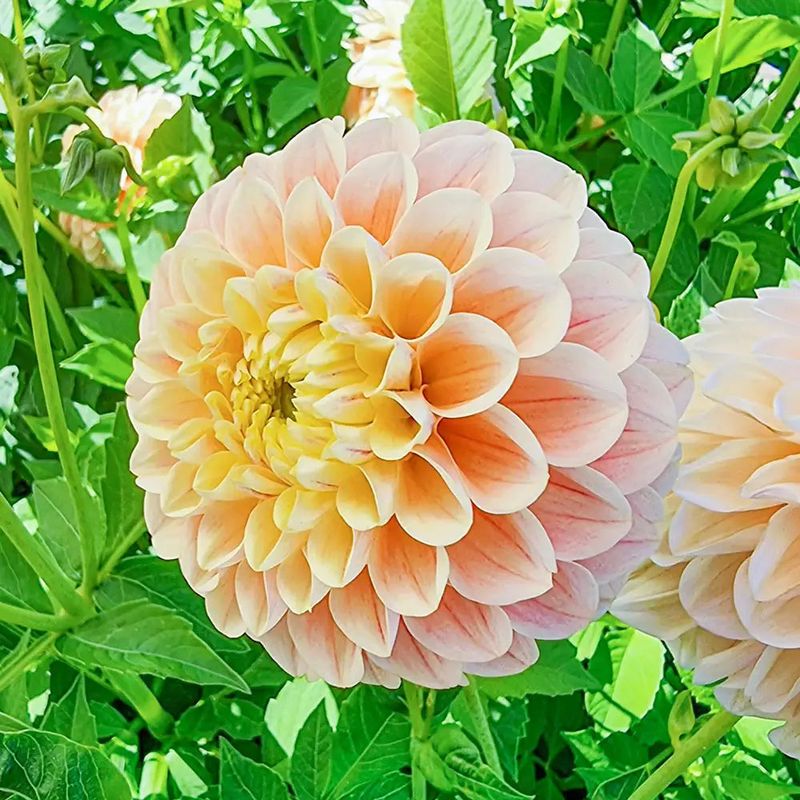
Dahlias are sun-lovers through and through. To grow the biggest blooms possible, your plants need at least six to eight hours of direct sunlight every single day.
In California, most regions get plenty of sunshine, which is a huge advantage for dahlia growers.
If you live in a hotter inland area like the Sacramento Valley or the Inland Empire, a little afternoon shade can actually help. Too much intense heat during the hottest part of the day can stress your plants.
Morning sun with light afternoon shade is a smart setup in those areas.
Coastal gardeners in places like Malibu or Monterey usually have cooler, foggy mornings. In those spots, choosing the sunniest part of your yard is especially important.
Avoid planting near tall trees, fences, or walls that might block the light. Dahlias that grow in the right amount of sun produce stronger stems, deeper color, and much larger flowers than those planted in even partial shade.
Pick your spot carefully before you plant.
3. Start With Rich Soil
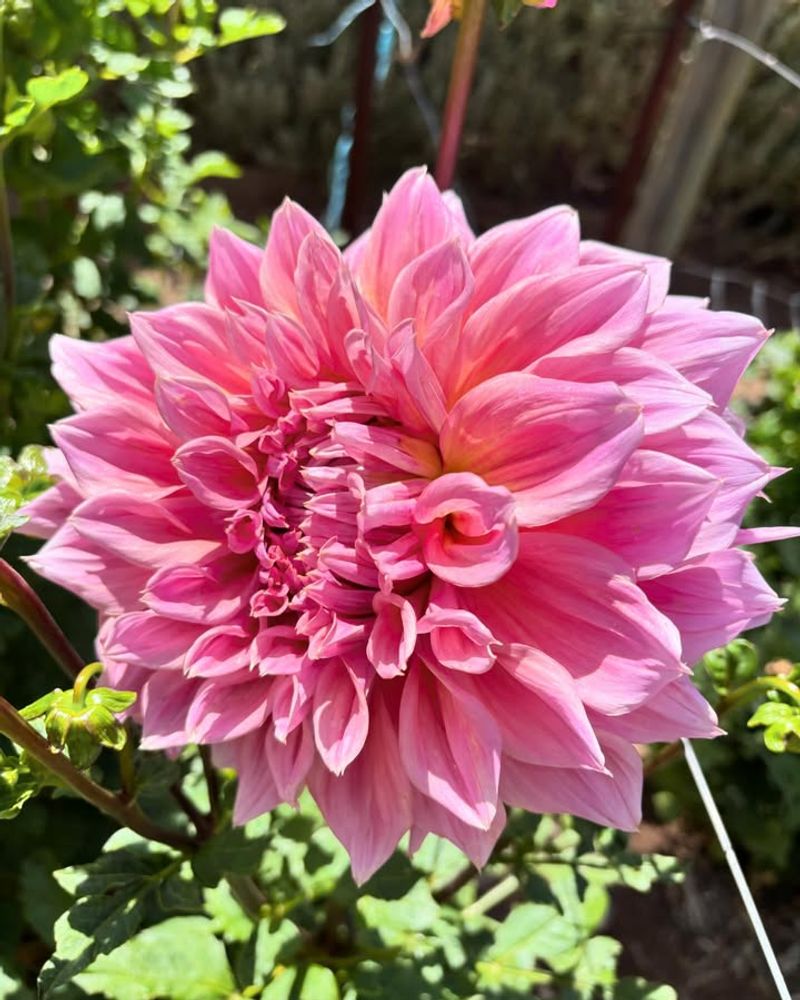
Healthy soil is the foundation of every giant dahlia. These plants are heavy feeders, which means they pull a lot of nutrients from the ground as they grow.
Starting with soil that is rich, loose, and full of organic matter gives your tubers the best possible start.
Before planting, work in plenty of compost or aged manure. This improves drainage, adds nutrients, and makes it easier for roots to spread out.
In many parts of California, native soil can be heavy clay or sandy, so amending it before planting is a must. Aim for a soil pH between 6.5 and 7.0 for the best results.
Raised beds are a fantastic option for California dahlia growers. They give you full control over your soil quality, and they drain much better than in-ground beds in areas with heavy clay.
A raised bed filled with a mix of compost, garden soil, and perlite creates the kind of light, fluffy environment that dahlia roots absolutely love. Great soil from the start means fewer problems and much bigger blooms all season long.
4. Space Tubers Properly
Crowding your dahlias is one of the most common mistakes new growers make. When plants are too close together, they compete for water, nutrients, and sunlight.
That competition leads to smaller blooms and weaker plants overall.
For giant varieties, space your tubers at least 18 to 24 inches apart. Some experienced California growers even go as wide as 30 inches for the very largest dinner-plate types.
More space means better airflow between plants, which also helps prevent fungal diseases like powdery mildew, a common issue in California’s warmer, drier regions.
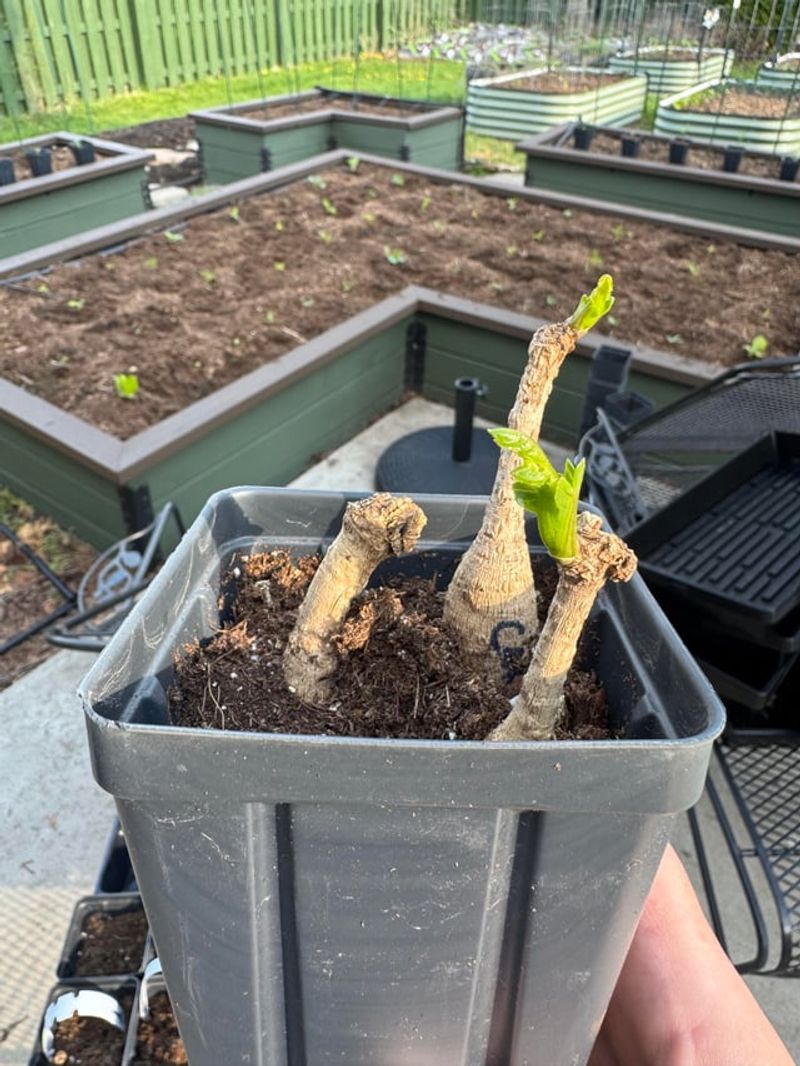
When placing your tubers in the ground, dig holes about four to six inches deep. Lay each tuber on its side with the eye, which is the small growth bud, pointing upward.
Cover it gently with soil and do not water heavily right away. Overwatering before the tuber sprouts can cause rot.
Give each plant room to spread out, and you will be amazed at how much bigger and healthier they grow compared to plants that were squeezed in too tight. Spacing seems like a small detail, but it makes a noticeable difference in your final results.
5. Water Deep And Consistently
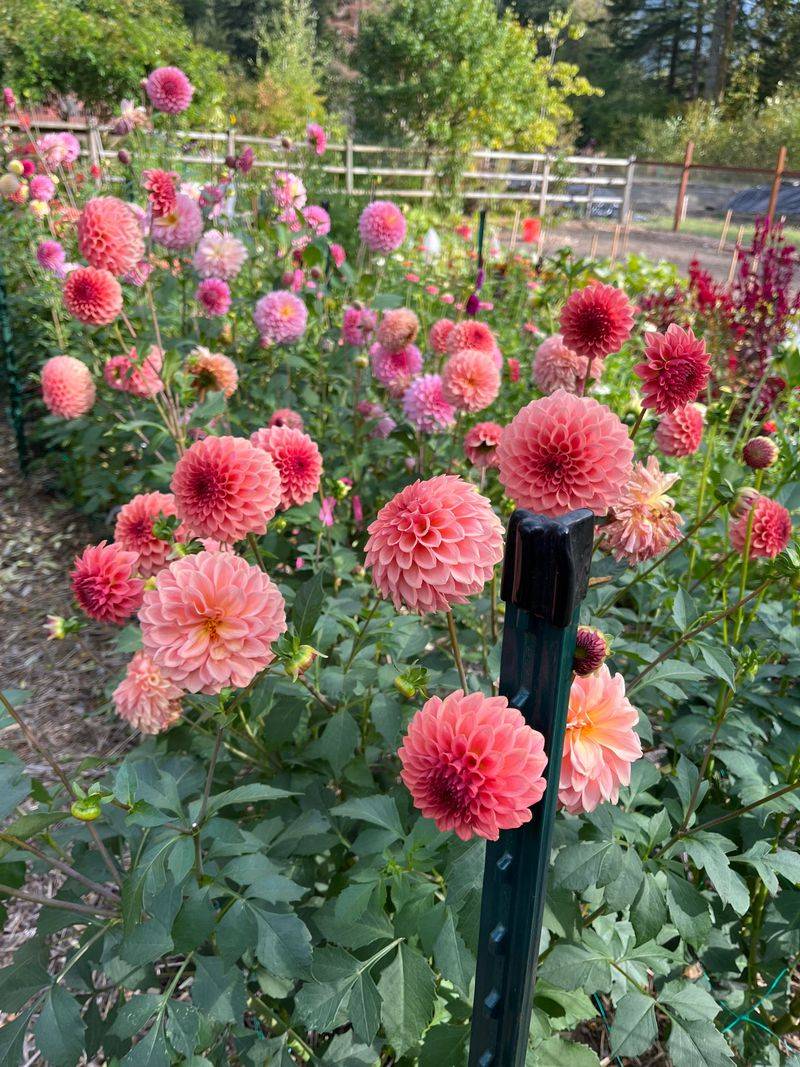
Watering dahlias correctly might be the trickiest part of growing them, but it is also one of the most important. Too little water and your plants will struggle to produce big blooms.
Too much water and the tubers can rot before they ever get a chance to grow.
A deep watering once or twice a week is usually ideal. You want the moisture to reach six to eight inches down into the soil, encouraging roots to grow deep rather than staying shallow.
In California’s hot inland areas during midsummer, you may need to water more often, especially when temperatures climb above 90 degrees.
Drip irrigation is a popular and practical choice for California dahlia growers. It delivers water slowly and directly to the root zone, which keeps the foliage dry and reduces the risk of disease.
Mulching around your plants with a two- to three-inch layer of straw or wood chips also helps hold moisture in the soil between watering sessions. Consistent, deep watering throughout the growing season is one of the key habits that separates gardeners who grow average dahlias from those who grow truly giant ones.
6. Feed For Bigger Blooms
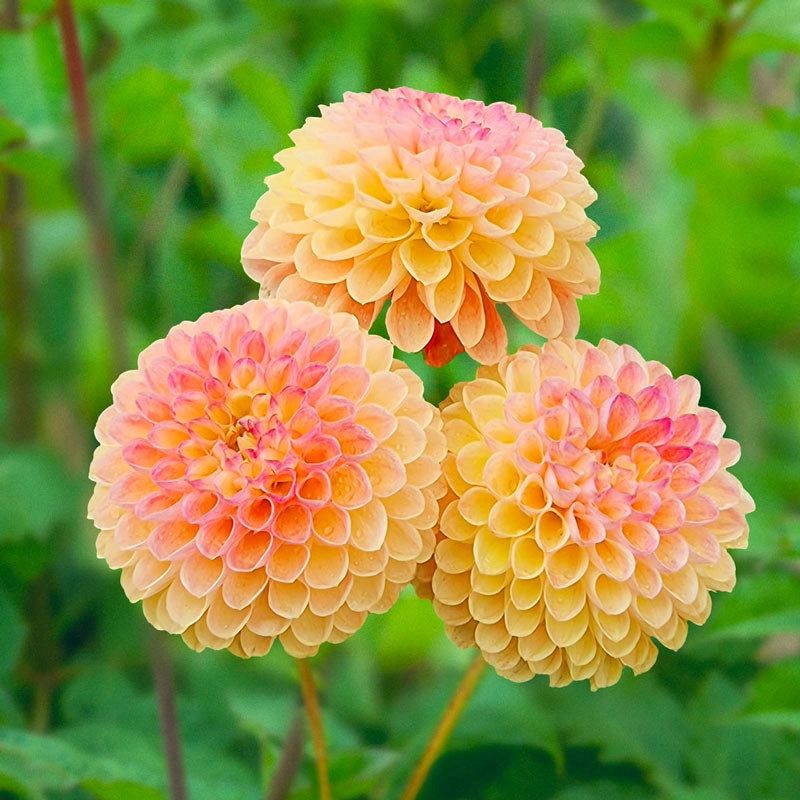
Feeding your dahlias the right way at the right time can make a dramatic difference in bloom size. These plants are hungry growers, and they respond really well to regular fertilizing throughout the season.
Getting the timing and the type of fertilizer right is the key.
When you first plant your tubers, mix a balanced fertilizer like a 10-10-10 formula into the soil. Once your plants reach about 12 inches tall, give them another feeding.
At this stage, a fertilizer higher in phosphorus and potassium, like a 5-10-10 blend, encourages stronger roots and bigger blooms instead of just leafy green growth.
Avoid high-nitrogen fertilizers once buds start to form. Too much nitrogen at that point pushes the plant to grow more leaves instead of flowers.
Many California dahlia enthusiasts also add a weekly dose of liquid kelp or fish emulsion during the blooming season for an extra boost. Organic options are widely available at garden centers across the state.
Feeding consistently every two to three weeks throughout the growing season keeps your plants energized and producing the kind of giant, show-stopping flowers that make your neighbors stop and stare.
7. Pinch For Strong Stems
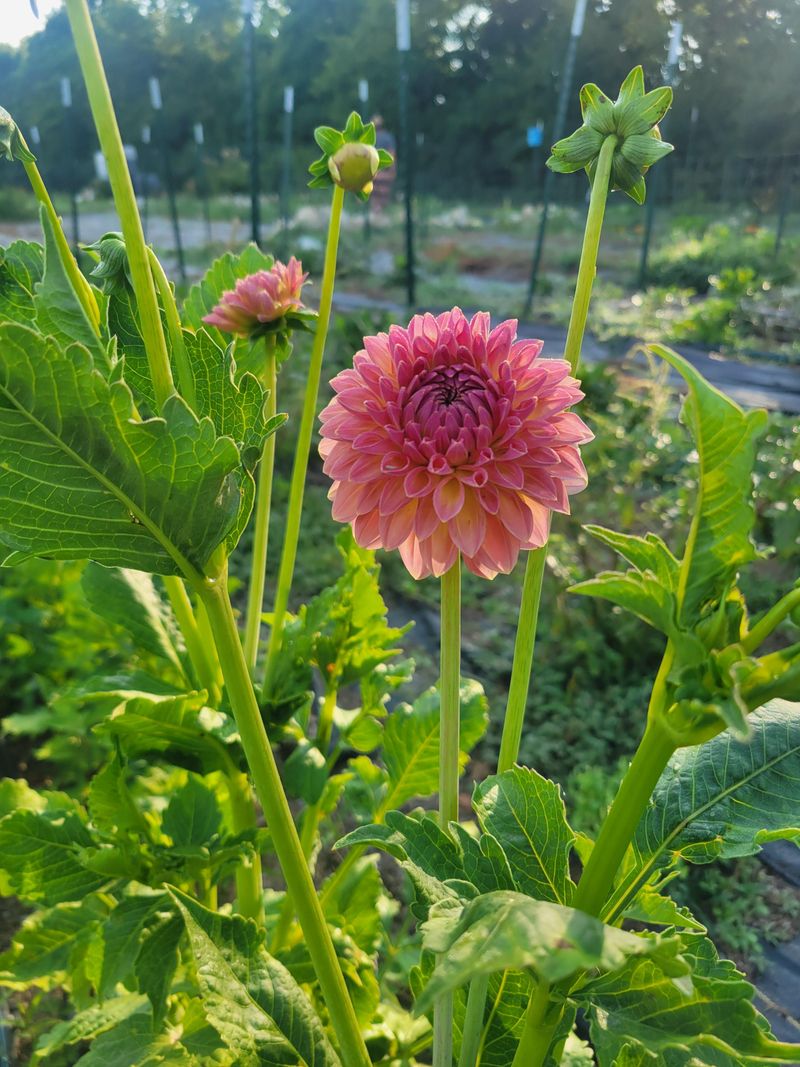
Here is a tip that surprises many first-time dahlia growers: pinching your plant actually helps it grow bigger and better. It sounds counterintuitive, but removing the center growing tip early on forces the plant to branch out and produce more stems, more buds, and ultimately more flowers.
Wait until your dahlia plant is about 12 to 16 inches tall. Then use clean, sharp scissors or your fingers to remove the very top growing tip, right above a set of leaves.
Within a week or two, you will notice new side shoots pushing out from below the pinch point. Each of those shoots can produce a bloom.
For giant dinner-plate varieties, some California growers take it one step further by disbudding. This means removing the smaller side buds around the main central bud on each stem.
When the plant puts all its energy into just one bud per stem, that single flower grows much larger than it would if the energy were spread across multiple buds. Pinching takes less than a minute per plant, but the payoff in stronger stems and bigger blooms is absolutely worth it.
Do not skip this step if large flowers are your goal.
8. Stake Early For Support
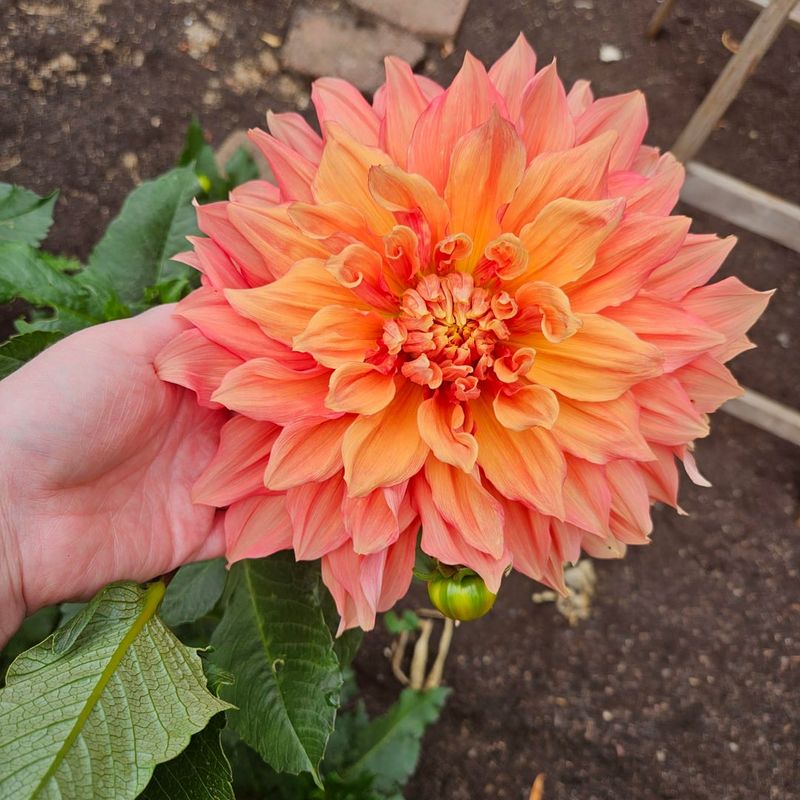
Giant dahlias can grow four to six feet tall, and those big heavy blooms sit right on top of long stems. Without proper support, a strong California coastal breeze or even a regular afternoon wind can snap a stem right off.
Staking your plants early prevents that kind of heartbreak.
Put your stakes in the ground at planting time, before the tubers even sprout. This way you will not accidentally spear a tuber later when the plant is already growing.
Use sturdy bamboo poles or metal garden stakes that are at least five feet tall. Push them at least a foot into the ground so they stay firm.
As your dahlia grows, loosely tie the main stem to the stake every eight to twelve inches using soft garden ties or strips of fabric. Never tie too tightly because that can cut into the stem as it thickens.
Check your ties every couple of weeks and adjust as needed. In windy parts of California, like hillside gardens or coastal properties, you may want to use two stakes per plant for extra security.
A well-supported dahlia stands tall, shows off its blooms beautifully, and stays healthy all season long.