The Secret To Rich Hydrangeas In South Carolina Starts In March
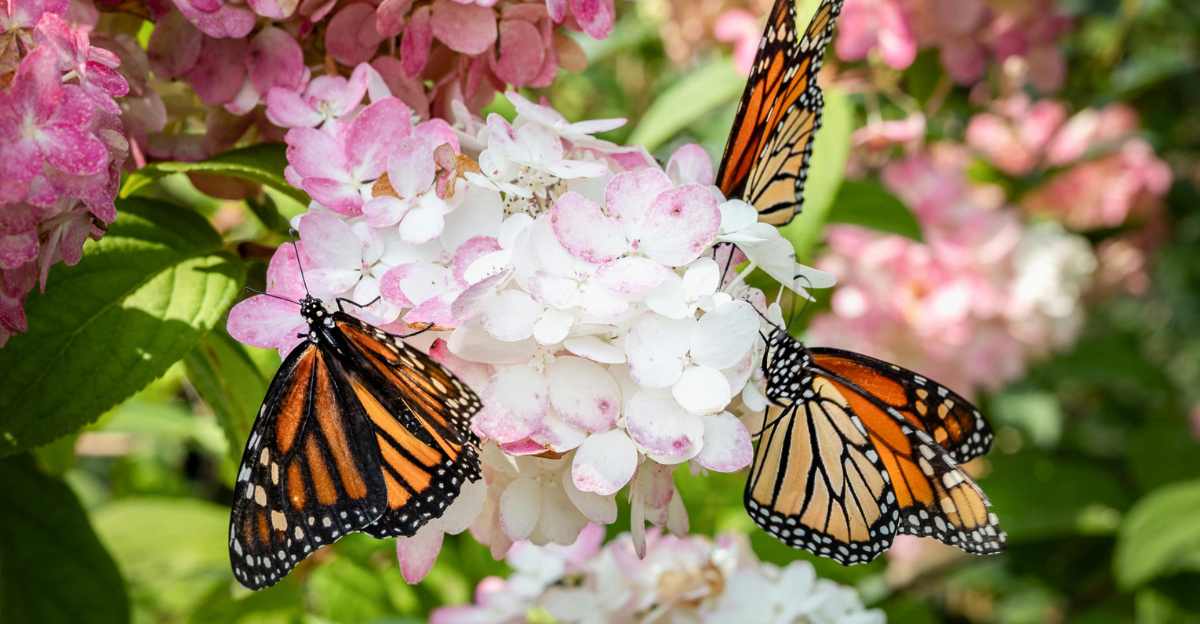
Hydrangeas start telling their summer story long before the first bloom and in South Carolina, that story begins in March.
The air still carries a hint of winter, but underground, everything is shifting. Roots are waking, buds are forming, and your plant is quietly deciding how bold it’s going to be.
This is the moment most gardens miss, the invisible turning point between “just okay” and completely unforgettable. In a place where humidity lingers and warmth arrives early, hydrangeas don’t wait around.
They move fast. And if you move with them in March, you don’t just get flowers, you get volume, color, and that full, dramatic look that feels almost unreal.
From Charleston’s soft coastal light to the rolling hills of the Upstate, what you do now echoes all summer. This is where the magic isn’t seen yet, but it’s already happening.
1. Start With A Soil Test Before Anything Else
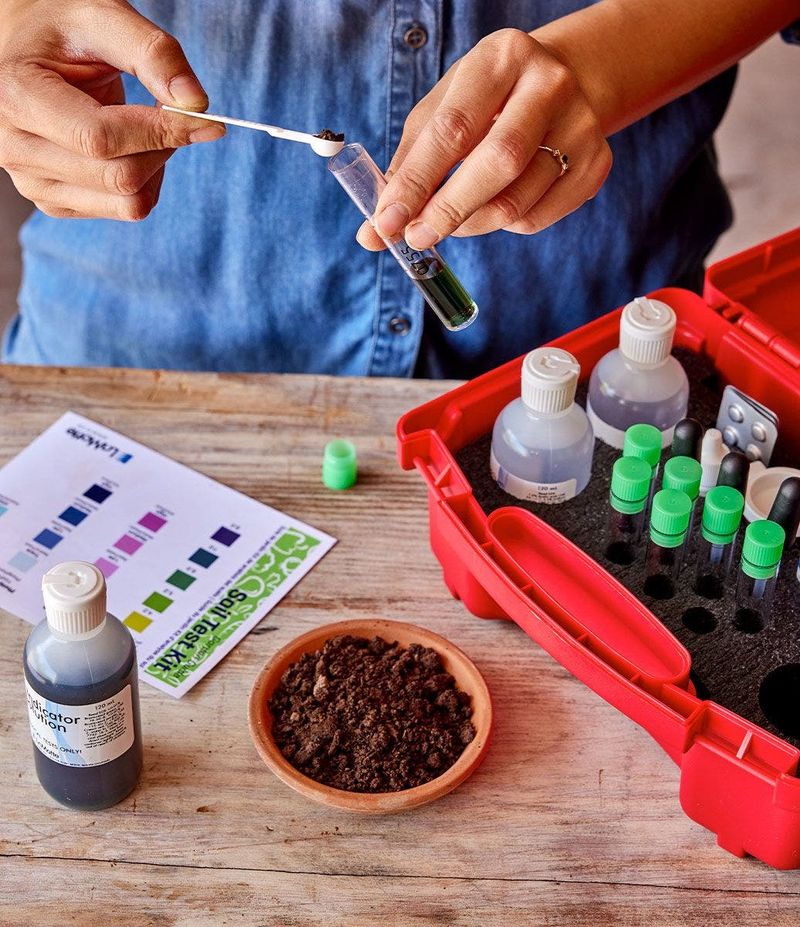
Stop guessing. Your soil is either helping your hydrangeas thrive or quietly holding them back.
Across South Carolina, you’re usually dealing with one of two extremes. Heavy clay that traps water and suffocates roots, or sandy soil that drains too fast and leaves plants thirsty.
Hydrangeas don’t love either without a little help, which is why knowing what’s happening beneath the surface makes all the difference.
A quick soil test from your local cooperative extension office is one of the easiest upgrades you can make. It tells you exactly what your soil is missing and where your pH stands, so you’re not just hoping for results.
Hydrangeas grow best in slightly acidic soil, ideally between 5.5 and 6.5. That same acidity also influences color, especially in bigleaf varieties, where the right conditions can shift blooms into rich, deep blues.
March is the time to figure this out. Test now, make your adjustments, and by the time planting season ramps up, your soil will be ready to support strong growth and vibrant blooms.
2. Choose The Right Hydrangea Variety For South Carolina’s Climate
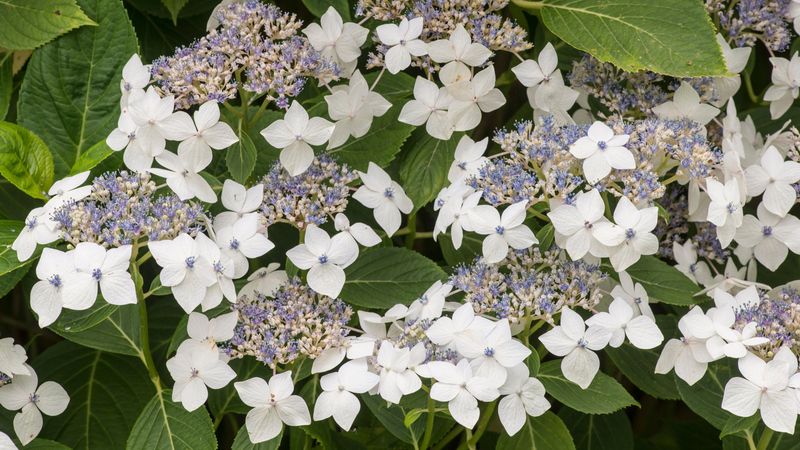
Not all hydrangeas thrive in South Carolina’s long, humid summers and mild winters, and choosing the wrong one often leads to disappointment.
The key to success is picking a variety that matches your local conditions instead of forcing a plant to adapt.
Bigleaf hydrangeas, including varieties like Endless Summer, perform best along the coast and in the Midlands, where humidity helps them stay full and vibrant.
In the Upstate, where heat can be more intense and temperatures fluctuate, panicle hydrangeas are a more reliable option. They are hardy, low-maintenance, and produce tall blooms that gradually shift from white to pink and deep burgundy.
Oakleaf hydrangeas are another excellent choice. As a species native to the Southeast, they are naturally suited to South Carolina’s climate and offer added interest with bold foliage and distinctive flowers that transition beautifully into fall.
Matching the right hydrangea to your specific region makes a noticeable difference in both growth and flowering.
March is the ideal time to research and buy plants, while nurseries are fully stocked and before the best varieties sell out.
3. Prune At The Right Time To Protect Next Season’s Blooms
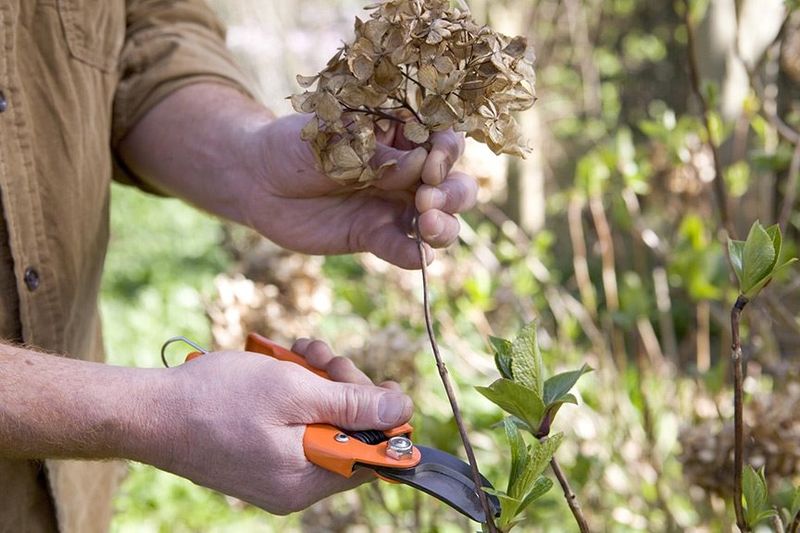
Pruning at the wrong time is one of the fastest ways to ruin a full season of hydrangea blooms.
Many South Carolina gardeners make this mistake without realizing that not all hydrangeas follow the same rules.
The difference comes down to how and when each type forms its flower buds.
Bigleaf and oakleaf hydrangeas bloom on old wood, which means their buds were already formed the previous year.
By the time March arrives, those future flowers are already sitting on the plant, just waiting to open.
Cutting stems back too hard at this stage removes every single bud, leaving you with a healthy-looking plant but little to no blooms.
For these varieties, pruning should stay minimal. Early March is only the time to remove branches that are clearly dead, damaged, or rubbing against each other.
This keeps the plant tidy without interfering with flowering. Panicle and smooth hydrangeas, on the other hand, bloom on new wood.
They produce flowers on fresh growth each season, which makes them far more forgiving.
These types can be cut back more aggressively in early spring, and doing so often leads to stronger stems and larger blooms.
Understanding your hydrangea type before pruning saves you from a season of missed color and unnecessary frustration.
4. Feed Your Hydrangeas With The Right Fertilizer In Early Spring
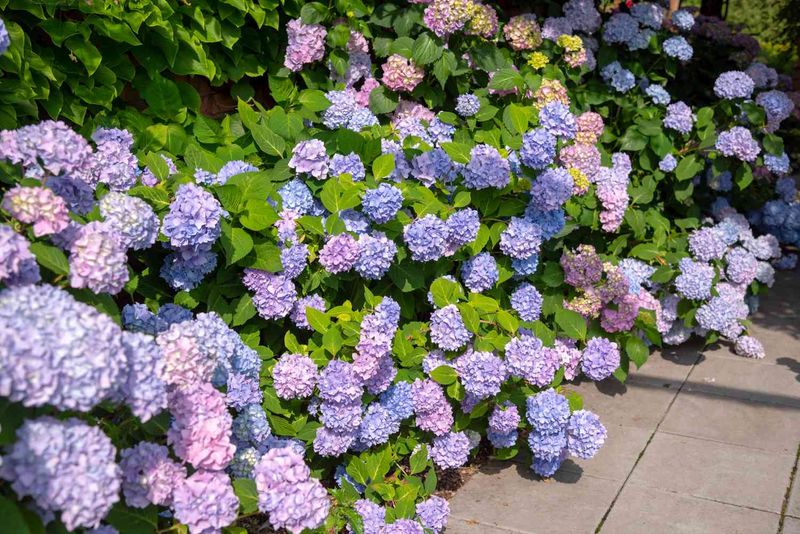
Hungry plants never bloom to their full potential, and hydrangeas are no exception. Feeding them at the right time is what turns decent growth into full, showy flowers.
March is when everything starts moving again. As the soil warms, roots wake up and begin pulling in nutrients, making this the ideal moment to apply a balanced, slow-release fertilizer.
A simple formula like 10-10-10 or one made for flowering shrubs works well, as long as you stick to the recommended amounts. More is not better here.
Too much nitrogen is a common mistake. It encourages lush, leafy growth but often comes at the cost of blooms.
You end up with a big green plant and very little color, which is the opposite of what most gardeners want from hydrangeas.
South Carolina’s long, warm growing season means your plants keep working well into summer. A lighter second feeding around June helps maintain steady growth and supports continued flowering without overwhelming the plant.
Getting this step right early in the season gives your hydrangeas the energy they need to produce fuller plants and more vibrant blooms. It is one of the simplest ways to make a noticeable difference in how your garden looks by summer.
5. Mulch Against South Carolina’s Heat
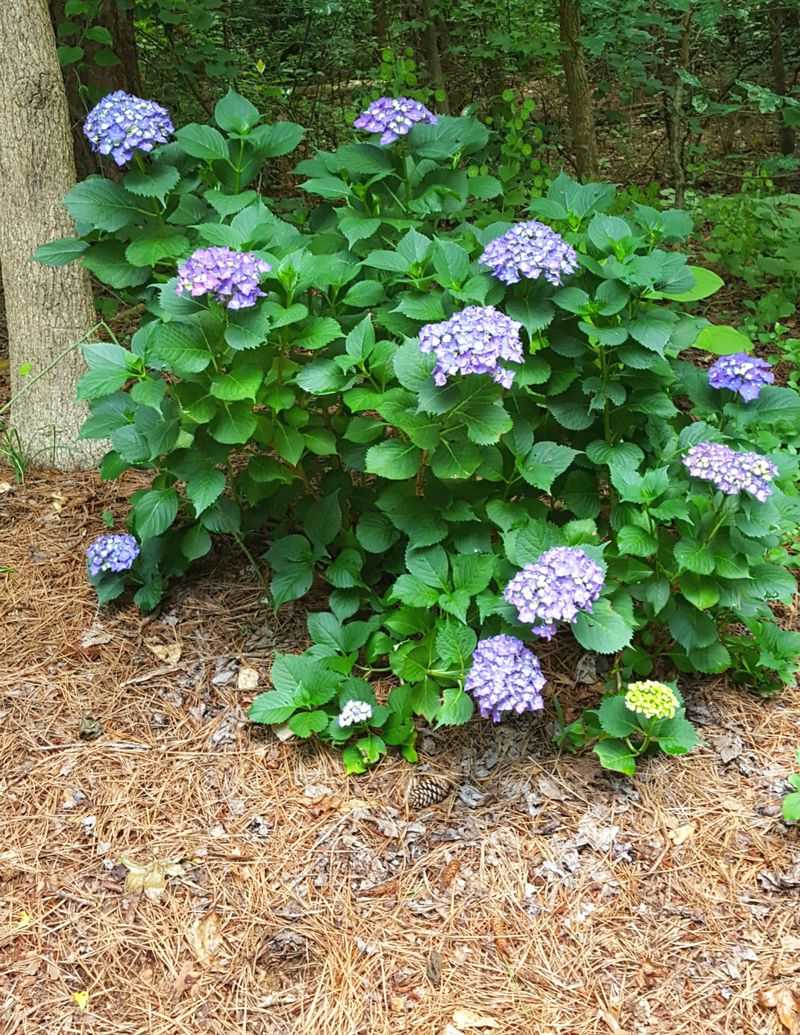
South Carolina heat puts hydrangeas under real pressure, and it starts at the roots. Once soil temperatures spike, plants struggle to hold moisture, stress builds quickly, and blooms suffer.
One of the easiest ways to prevent that is mulching early, before the heat fully sets in.
March is the perfect time to refresh your mulch layer. A depth of about three inches creates a protective barrier that keeps soil conditions stable as temperatures rise.
Pine straw is especially popular across South Carolina because it is affordable, easy to find, and gradually helps maintain the slightly acidic soil hydrangeas prefer.
Mulch does more than just sit on the surface. It locks in moisture, reduces evaporation, and keeps roots cooler during the peak heat of July and August.
This means less frequent watering and more consistent hydration, which directly impacts how well your plants grow and bloom.
It is important to apply it correctly. Keep mulch a few inches away from the base of the plant to prevent excess moisture from building up around the stem, which can lead to rot.
This simple step, done in March, creates a more stable environment for your hydrangeas and supports stronger growth and better blooms throughout the entire summer.
6. Avoid Watering Mistakes That Can Ruin Hydrangea Growth
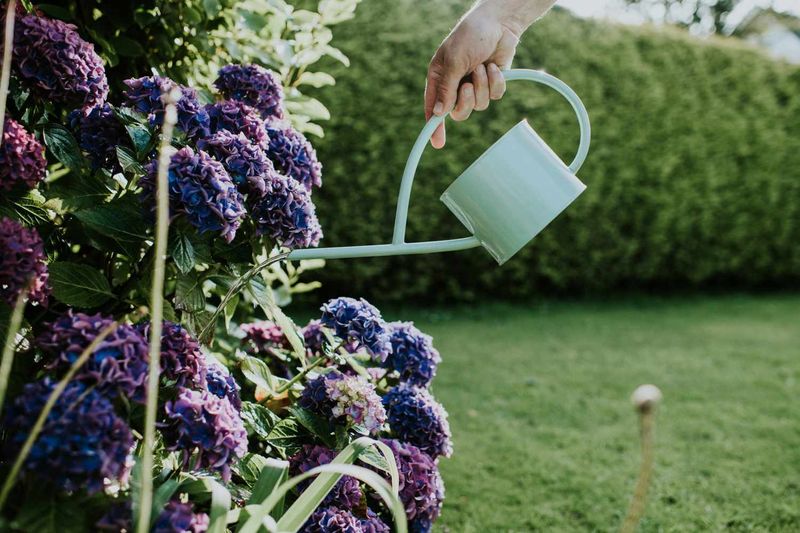
Hydrangeas are quick to show when they need water, but not every wilt means the same thing.
That dramatic droop in the afternoon can look alarming, yet it is often just a response to heat rather than a true lack of moisture. The key is paying attention to how the plant looks the next morning.
If it bounces back overnight, it is handling the heat. If the leaves still appear dull, limp, and lifeless early in the day, the plant is genuinely thirsty.
In South Carolina, where summers bring both heat and humidity, watering the right way matters as much as watering often.
Deep watering two to three times per week encourages roots to grow downward and become more resilient.
Light, frequent watering only wets the surface and creates weaker plants over time.
Always direct water at the base instead of spraying the leaves. Keeping foliage dry reduces the risk of powdery mildew, which thrives in humid conditions and can quickly affect plant health.
Setting up a simple drip irrigation system in early spring makes this process easier and more consistent.
It delivers water exactly where it is needed and helps maintain steady moisture levels as temperatures climb.
7. Place Hydrangeas Where They Get The Right Sunlight
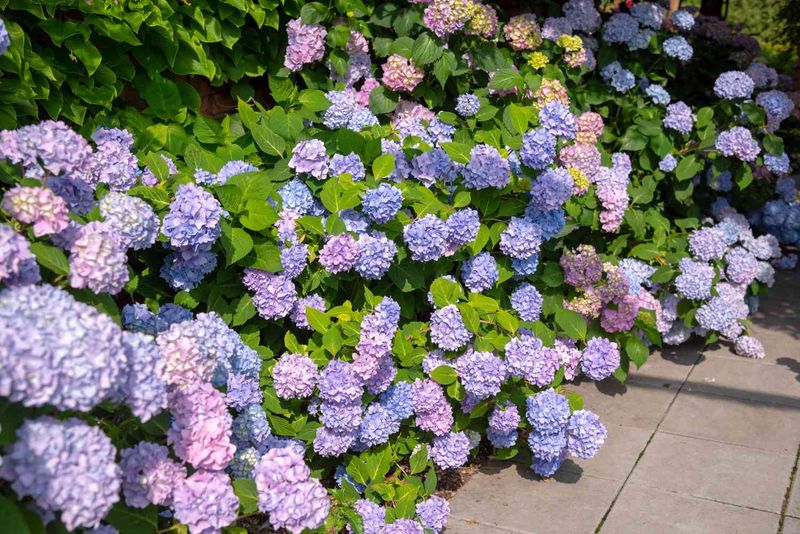
Put a hydrangea in the wrong place, and no amount of care will make it thrive. Location is what determines whether your plant struggles or puts on a full, vibrant display.
Strong afternoon sun can quickly damage leaves and cause blooms to fade just days after opening. The ideal setup is bright morning light followed by soft shade later in the day.
Spots along the east or north side of a house or fence usually offer that balance, giving plants enough light without exposing them to harsh conditions.
Mature trees can make a big difference as well. Light, filtered shade from overhead branches protects hydrangeas from direct sun while still allowing enough light to support healthy growth.
This kind of environment keeps plants cooler and helps blooms last longer.
March is the perfect time to study your space. Walk through your yard at different times of day and notice where the light falls.
Areas that seem fine in the morning may become too intense by the afternoon.
Taking the time to plan before planting prevents unnecessary stress later. Moving hydrangeas after they are established can slow growth and delay blooming, so getting the placement right from the start makes everything easier.
8. Adjust Soil PH To Control Hydrangea Bloom Color
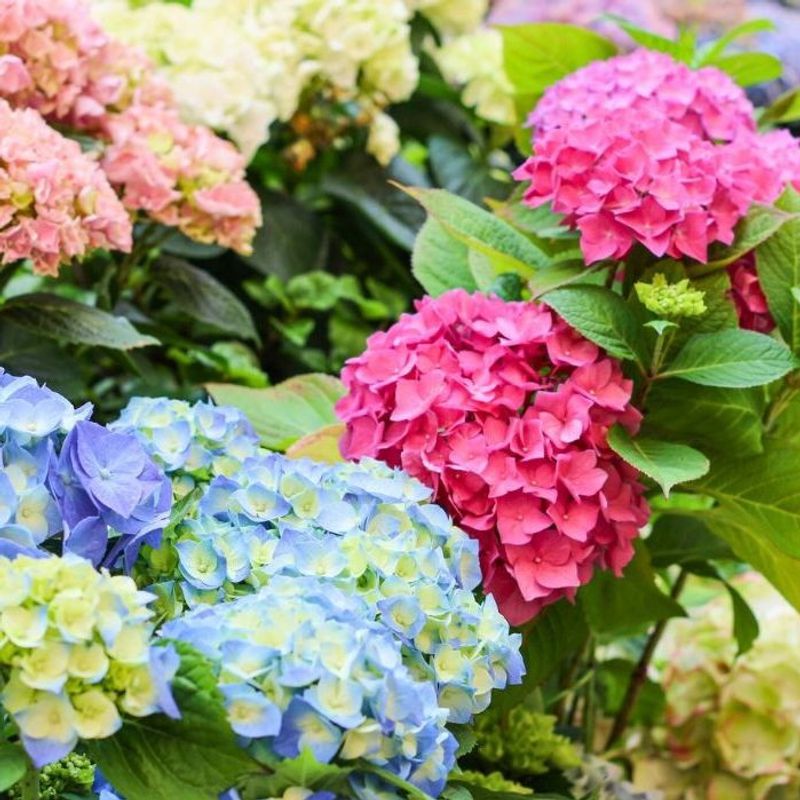
One of the coolest tricks in the gardener’s playbook is actually changing the color of your hydrangea blooms on purpose. Bigleaf hydrangeas are one of the few plants that let you play with color in real time, and it all comes down to what is happening in your soil.
The shade of your blooms is not random. It is controlled by pH and how easily the plant can absorb certain minerals.
When soil becomes more acidic, usually below 6.0, aluminum becomes available to the roots, and flowers shift toward rich blue tones. If you want that deeper color, adding garden sulfur or aluminum sulfate in March gives the soil time to adjust before buds begin to develop.
If pink blooms are your goal, the process goes the other way. Raising the pH above 6.5 with garden lime limits aluminum uptake, keeping flowers in soft pink or rosy shades.
Not every hydrangea responds to these changes. White varieties, including types like Annabelle, will stay white no matter what you add to the soil.
Adjusting pH is one of the most satisfying ways to experiment in the garden. With a few simple changes, you can influence the final look of your hydrangeas and create a completely different effect from one season to the next.