The Seed Starting Mistakes Oregon Gardeners Should Avoid In March
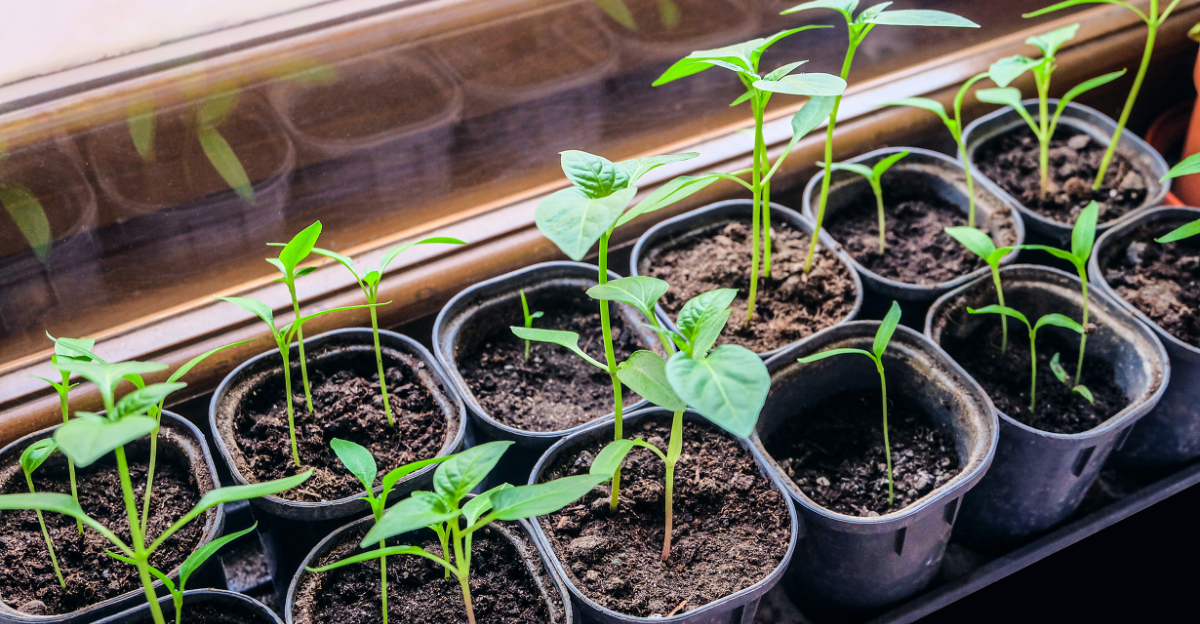
Starting seeds in March feels like the official kickoff to gardening season. Trays come out, soil gets prepped, and suddenly windowsills and grow lights are full of tiny pots with big expectations.
It’s exciting… and just a little easy to get carried away. That’s usually where things go sideways.
Seed starting seems simple, but a few small mistakes early on can lead to weak seedlings, slow growth, or seeds that never sprout at all. Too much water, not enough light, planting too deep, it adds up faster than most people expect.
The tricky part is that everything can look fine at first. Then a week or two later, seedlings start struggling and it’s hard to figure out what went wrong.
The good news is these problems are easy to avoid once you know what to watch for. A few simple adjustments now can mean stronger, healthier plants ready to thrive once they make it into the garden.
1. Starting Seeds Too Early
Timing is everything when it comes to seed starting in Oregon. Many gardeners get excited in March and plant seeds weeks before they should.
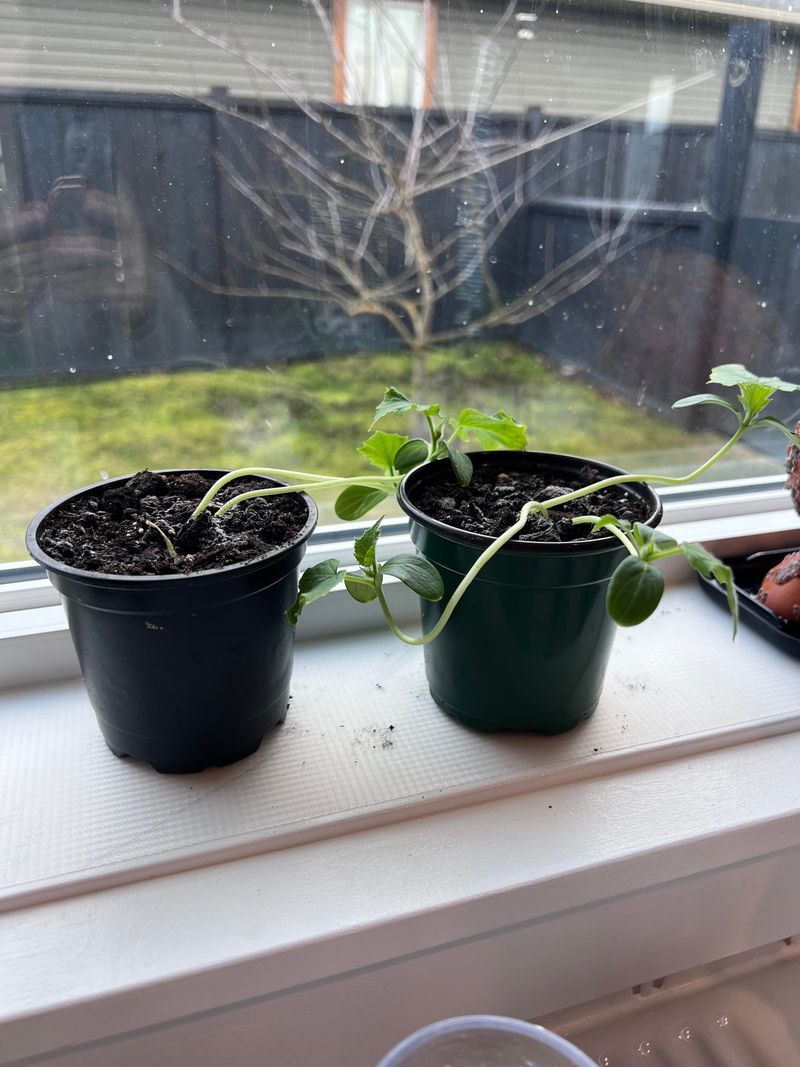
The result? Tall, spindly seedlings that have outgrown their containers before it is safe to move them outside.
Oregon has a wide range of last frost dates depending on where you live. Coastal areas may see their last frost in mid-March, while gardeners in higher elevations and eastern Oregon could face frost well into late May.
Planting too early throws off this whole timeline.
When seedlings spend too long indoors, they get overcrowded, stressed, and harder to transplant successfully. Roots wrap around themselves, stems grow weak, and the plants struggle to adjust to outdoor conditions.
Always count backward from your local last frost date to figure out the right time to start each crop. Seed packets usually tell you how many weeks before transplanting to start indoors.
Following that guide closely will give your Oregon garden a much stronger start this spring.
2. Using Poor Quality Soil
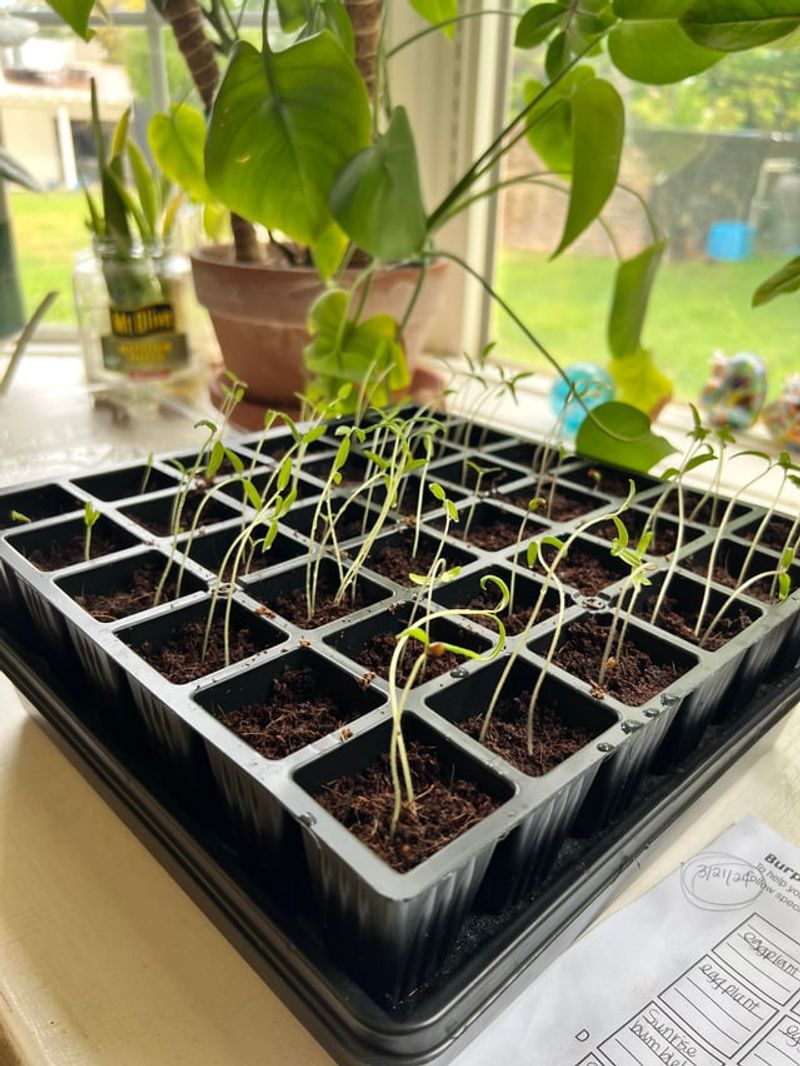
Grabbing a bag of dirt from the backyard feels like an easy shortcut, but it can seriously set your seedlings back. Garden soil is often too dense and heavy for young seeds trying to push their roots through.
It also tends to hold too much water, which creates the perfect conditions for mold and root problems.
On top of that, outdoor soil can carry weed seeds, fungal spores, and insects that will cause trouble in your seed trays. Oregon gardens, especially in wetter regions like the Willamette Valley, often have heavy clay soil that compacts badly when used in containers indoors.
A quality seed-starting mix is light, fluffy, and sterile. It gives seeds the best possible environment to germinate and grow healthy roots.
Look for mixes labeled specifically for seed starting rather than general potting soil. Some gardeners in Oregon also like to add a little perlite to improve drainage even more.
Spending a few extra dollars on good seed-starting mix is one of the smartest investments you can make for a productive spring garden.
3. Overwatering Seedlings
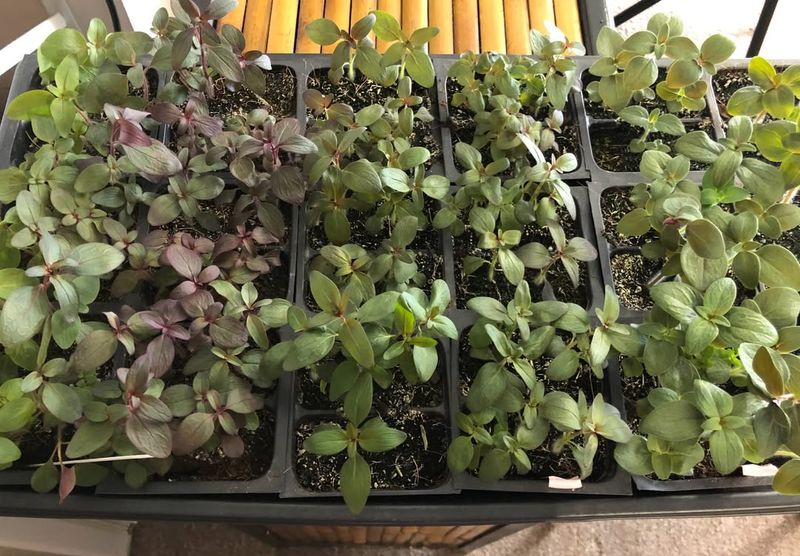
More water does not always mean more growth. Overwatering is one of the most common reasons seedlings struggle indoors, and it happens more often than most gardeners realize.
Young seedlings have tiny, delicate roots that need both moisture and air to grow properly.
When the soil stays soaking wet for too long, those roots cannot breathe. This leads to a condition called damping off, where seedlings suddenly fall over at the soil line and cannot recover.
Oregon’s naturally cool and cloudy March weather slows down evaporation, which means indoor seed trays stay wet longer than they might in drier climates.
The best approach is to check the soil every day by pressing your finger about an inch into the mix. If it still feels damp, wait before watering again.
When you do water, use a gentle spray or misting bottle to avoid disturbing the seeds or washing them out of place.
Bottom watering, where you set your trays in a shallow pan of water and let the soil soak it up from below, is another great method that many experienced Oregon gardeners swear by for keeping moisture levels just right.
4. Not Enough Light
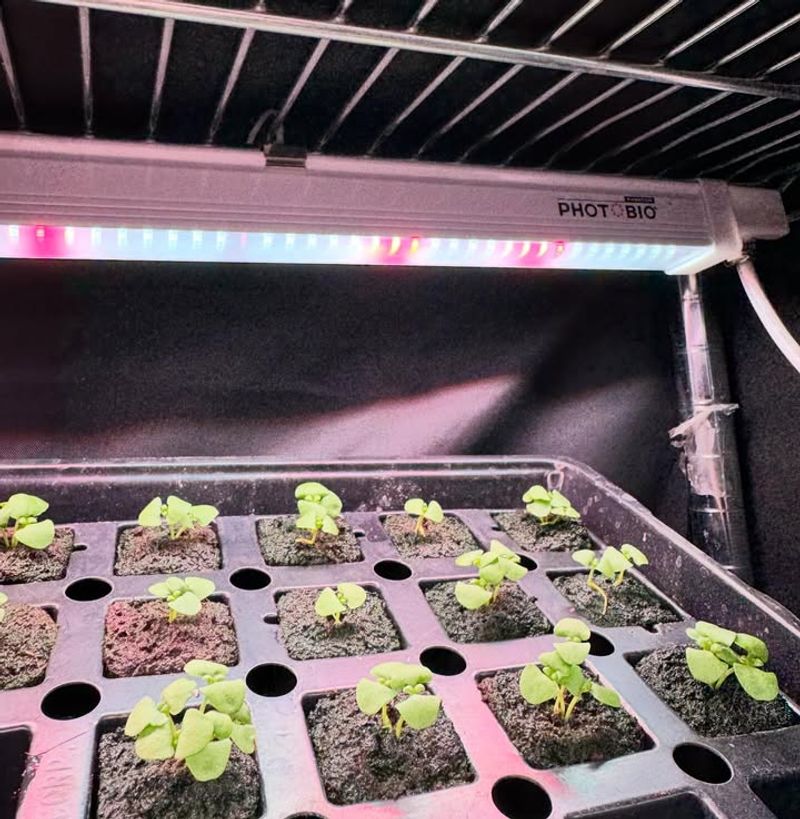
Oregon in March is not exactly known for its sunny skies. The Pacific Northwest gets plenty of clouds and rain this time of year, which means a windowsill simply does not provide enough light for most seedlings to grow strong.
Without enough light, seedlings stretch upward in search of the sun and end up tall, pale, and floppy.
These leggy seedlings are weak and have trouble standing on their own once they are moved outside. They are also more likely to snap in the wind or struggle to adapt to outdoor conditions.
Even the sunniest south-facing window in an Oregon home may only provide a few hours of usable light on a cloudy March day.
Grow lights make a huge difference. Full-spectrum LED grow lights placed just a few inches above your seedlings can provide 12 to 16 hours of consistent light each day.
Set them on a timer so your plants get a steady routine. As your seedlings grow taller, raise the lights to keep them just above the tops of the plants.
This simple setup can completely transform your seed-starting results and give you stocky, healthy transplants ready for the Oregon garden.
5. Skipping Proper Drainage
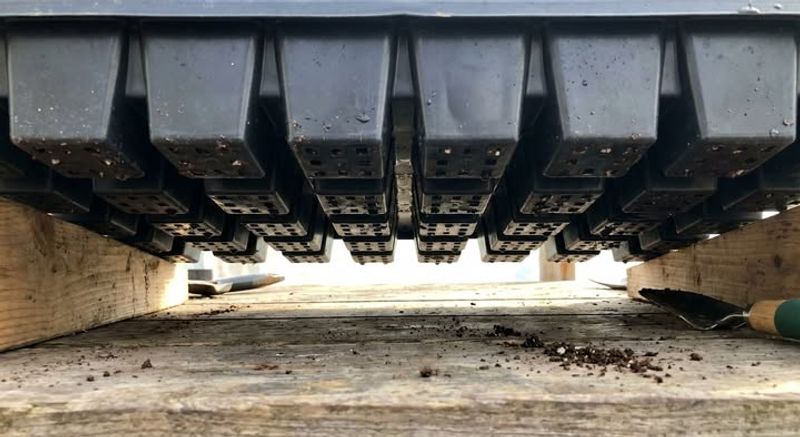
A container without drainage holes is basically a tiny bathtub for your seedlings. Water has nowhere to go, and the roots end up sitting in a soggy mess.
Proper drainage is one of those basics that gets overlooked, especially by newer gardeners who are excited to get started in March.
Standing water at the bottom of a seed tray creates an environment where harmful bacteria and mold thrive. Oregon’s cool spring temperatures slow down drying time even more, making poor drainage a bigger problem here than in warmer states.
Roots that stay waterlogged cannot take up nutrients properly, and seedlings end up stunted and discolored.
Always use seed trays or containers that have drainage holes at the bottom. Place them on a tray or saucer to catch the runoff, but empty that saucer regularly so the roots are not sitting in standing water.
If you are reusing containers from last year, check that the holes have not been clogged with old soil. Pairing good drainage with a light, well-structured seed-starting mix gives Oregon gardeners the best foundation for raising healthy, vigorous transplants through the unpredictable early spring weather.
6. Crowding Seedlings Too Close
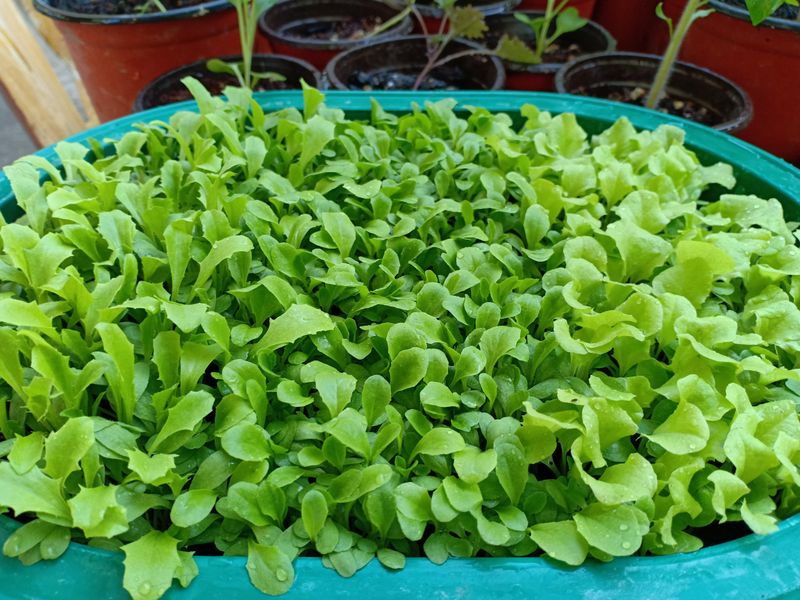
Planting ten seeds in a tiny cell might feel like you are maximizing space, but it usually backfires. When seedlings are packed too tightly together, they compete for light, water, and nutrients right from the start.
The result is a group of weak, underdeveloped plants that struggle to separate at transplant time without damaging their roots.
Crowding also reduces airflow between plants. Poor air circulation creates the warm, damp conditions that fungal problems love, which is especially risky during Oregon’s wet and cool March weather.
Mold can spread quickly through a tray of overcrowded seedlings.
The fix is simple: thin your seedlings early. Once you see the first true leaves appear, snip out the weaker seedlings at soil level using small scissors.
Do not pull them out, as this can disturb the roots of the seedlings you want to keep. Leave only the strongest one or two plants per cell.
Yes, it feels wasteful to remove plants you worked hard to grow, but giving each seedling enough space is what allows it to develop properly. Oregon gardeners who thin early consistently end up with stronger, more productive transplants come planting time.
7. Ignoring Temperature Needs
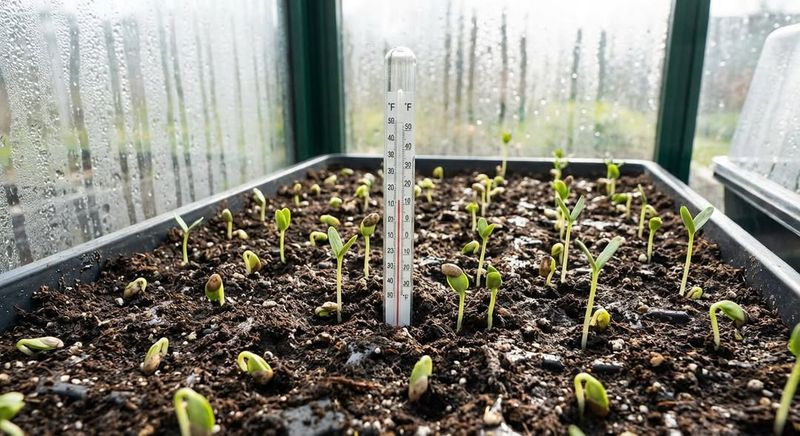
Seeds and seedlings are surprisingly picky about temperature. Too cold and they will barely germinate.
Too warm and they can grow too fast, becoming stressed and weak. Many Oregon gardeners set up their seed trays near a drafty window or in a chilly garage, not realizing how much those temperature swings slow things down.
Most vegetable seeds germinate best when soil temperatures are between 65 and 75 degrees Fahrenheit. In March, many Oregon homes, especially in the Willamette Valley and coastal areas, have rooms that dip below this range at night.
Cold soil means slow germination and uneven sprouting across your trays.
Seedling heat mats are a practical solution. They sit under your trays and keep the soil at a consistent, warm temperature that encourages faster and more even germination.
Once your seedlings have sprouted, you can move them off the heat mat and focus on maintaining a steady room temperature. Avoid placing trays near heating vents that blast dry, hot air, as this dries out the soil too quickly.
Keeping temperatures stable and appropriate for the crops you are growing is one of the most overlooked but impactful steps in a successful Oregon seed-starting setup.