The 11 Self-Seeding Flowers That Bring Color To California Gardens
Imagine planting flowers once and enjoying color year after year with almost no extra work. That is the magic of self seeding flowers.
These garden favorites quietly drop their seeds, return on their own, and often come back even fuller and more beautiful the next season.
In California’s mild climate, many self seeders thrive, spreading cheerful blooms across beds, borders, and even tucked into unexpected corners of the yard.
They soften the landscape, attract pollinators, and create that relaxed, cottage garden feel without constant replanting. The secret is choosing the right varieties and knowing where to let nature take the lead.
Some will gently sprinkle color, while others put on a bold seasonal show. If you love a lively garden that feels effortless and ever changing, these self seeding flowers can keep your California garden blooming with color, charm, and surprise year after year.
1. Lupine (Lupinus spp.)
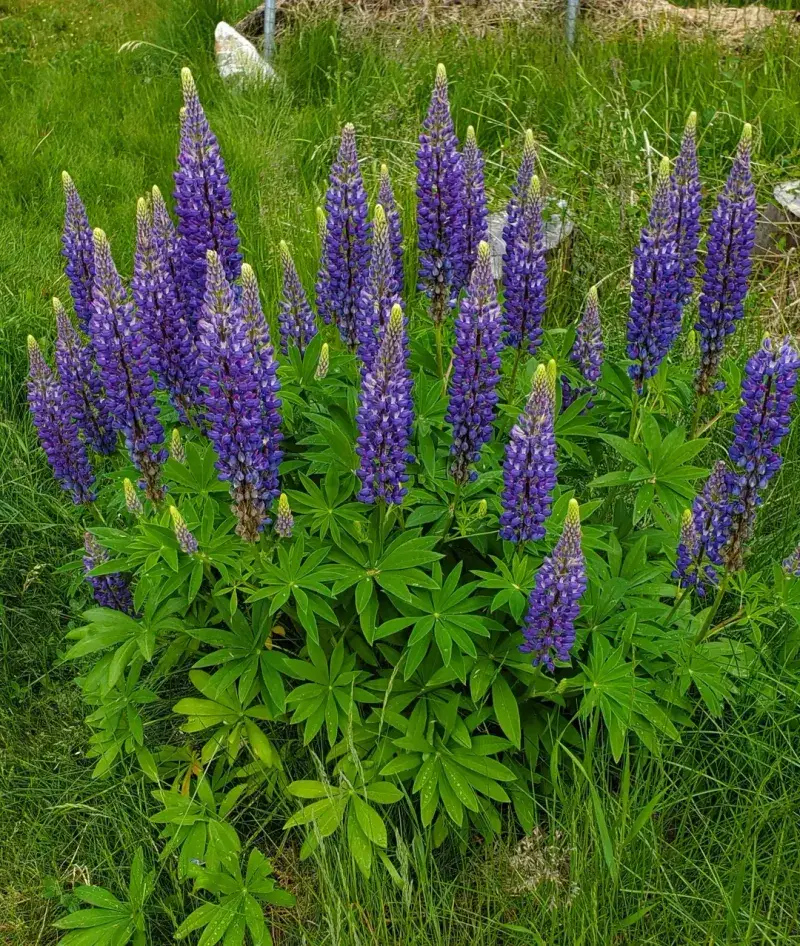
Spring brings tall spikes of purple, blue, pink, or white flowers that attract every pollinator in the neighborhood. Native lupines thrive in California’s seasonal rainfall pattern, germinating with fall and winter rains before putting on spectacular spring shows.
Choose species suited to your region, coastal varieties prefer cooler temperatures and some fog, while inland types handle hotter, drier conditions once established.
Sandy or gravelly soils work beautifully since lupines fix their own nitrogen and don’t need rich garden beds.
Full sun to light afternoon shade provides the right balance for healthy growth.
Water seedlings regularly through their first winter and spring, then reduce watering as they mature and set seed. Mature plants develop extensive root systems that reach deep moisture, making them remarkably drought-tolerant.
When flower spikes dry completely, fat seed pods split open with an audible pop, flinging seeds several feet away.
This natural seed dispersal creates expanding colonies over time without any help from you. Hummingbirds and bumblebees depend heavily on lupine nectar during peak bloom.
Allowing some flower spikes to go to seed instead of deadheading everything ensures steady reseeding and maintains that naturalized wildflower meadow look many California gardeners love.
2. Baby Blue Eyes (Nemophila menziesii)
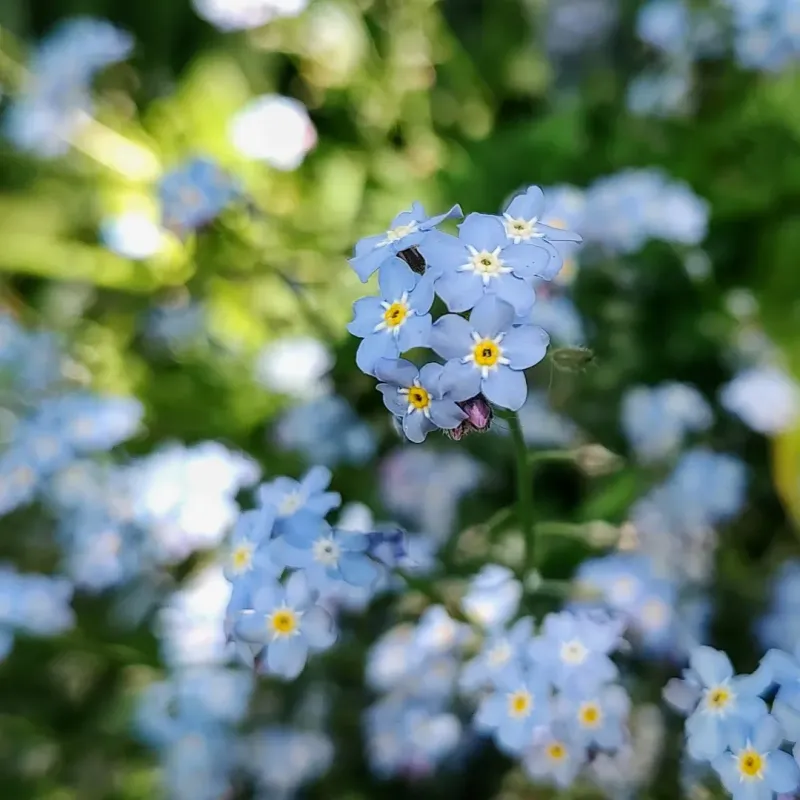
Low-growing mats of sky-blue flowers carpeting shady garden edges create enchanting spring displays that return reliably each year.
These California natives prefer partial shade and consistent moisture during their growing season, making them ideal for woodland garden settings or beneath deciduous trees.
Coastal gardens provide nearly perfect conditions with natural fog moisture and mild temperatures. Inland gardeners succeed by planting in spots that receive morning sun and afternoon shade, protecting delicate flowers from harsh heat.
Rich, moisture-retentive soil supports lush growth and heavy blooming from February through May.
Seeds germinate readily with fall rains, developing small rosettes that grow slowly through winter before exploding with blooms in spring. Water regularly during dry spells in winter and spring to support active growth.
Once flowering finishes, plants set seed quickly and then die back as summer heat arrives.
Fallen seeds lie dormant through hot, dry months, waiting for cooler temperatures and moisture to trigger germination. Avoid disturbing soil in areas where you want volunteers to return.
Their low, spreading habit makes them perfect for edging pathways or filling spaces between larger perennials. Native bees and small butterflies visit these charming flowers throughout their bloom period, adding gentle movement to shaded garden corners.
3. Tidy Tips (Layia platyglossa)
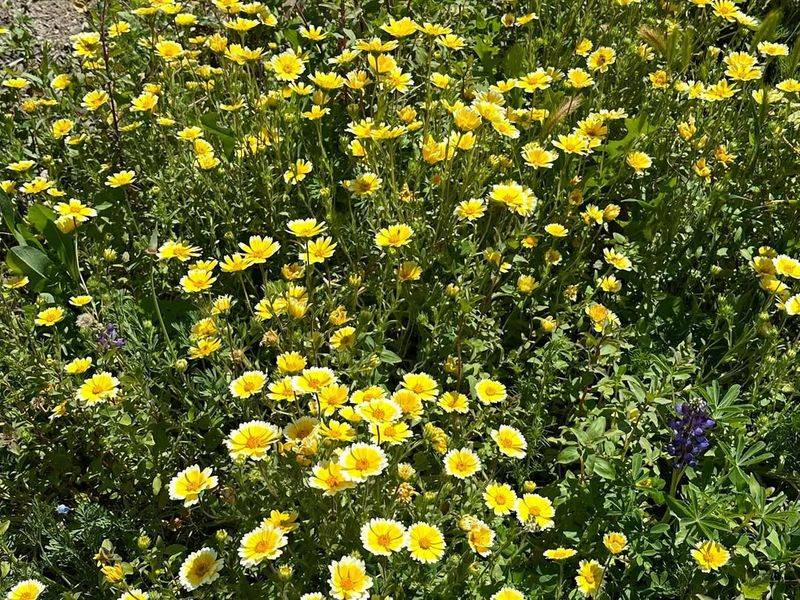
Sunny garden spots needing cheerful yellow and white daisies from early spring through late May benefit enormously from this easygoing native wildflower.
Each petal features a distinctive white tip that gives the flower its common name and creates a tidy, painted appearance.
Full sun and average to lean soil produce the most vigorous plants and heaviest bloom. Rich soils sometimes cause floppy growth, while lean conditions keep plants compact and floriferous.
Seeds germinate with fall and winter rains, creating small rosettes that remain low until lengthening spring days trigger flowering stems.
Water young seedlings through dry winter periods, but reduce watering as plants mature and begin blooming. Once established, they handle typical California spring weather with minimal supplemental irrigation.
Flowers attract native bees, butterflies, and other beneficial insects throughout their extended bloom season.
After blooming finishes, seed heads dry quickly and shatter easily, distributing seeds across nearby bare ground. Light raking or scratching of soil surface in fall helps dropped seeds make good contact for germination.
Coastal and inland gardens both support reliable reseeding when given well-drained soil and full sun exposure.
Their bright, clean color combination works beautifully in meadow-style plantings or mixed with other California natives for layered seasonal interest that returns without replanting.
4. Clarkia (Clarkia unguiculata)
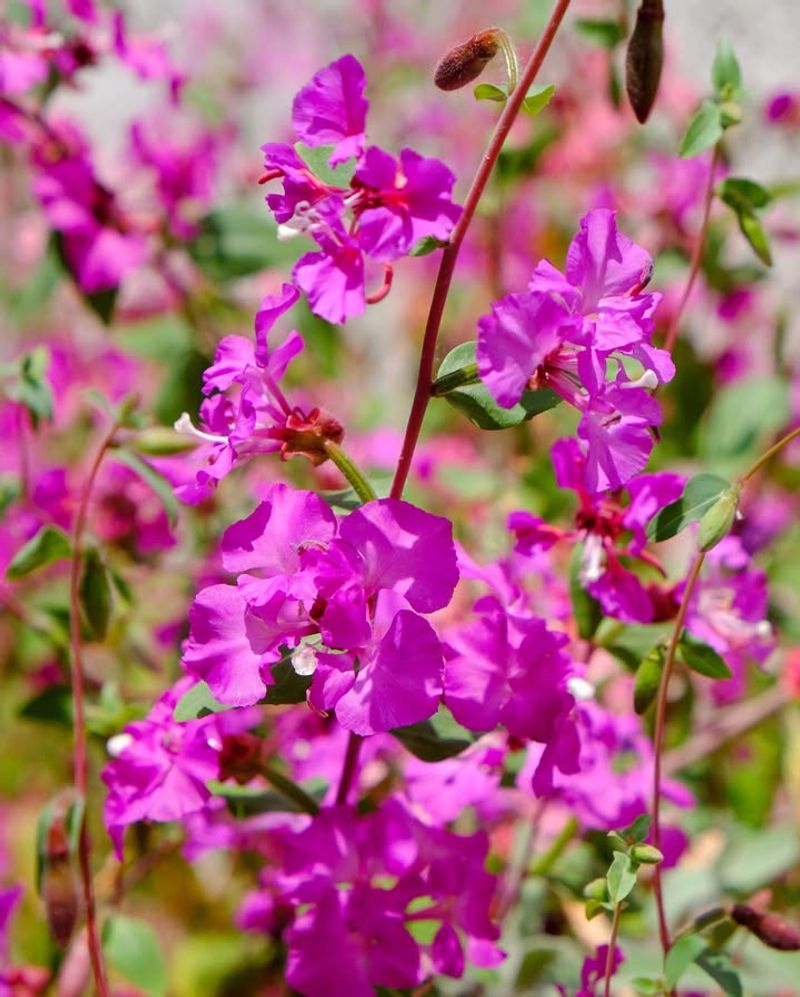
Naturalized garden areas benefit from these elegant natives that send up tall stems covered in ruffled pink, purple, or lavender flowers each spring.
Their graceful, airy appearance softens garden edges and creates beautiful cut flower material for indoor arrangements.
Partial shade to full sun suits them well, though afternoon shade in hotter inland areas prevents stress during late-season bloom. Average garden soil works fine—avoid overwatering or overly rich conditions that promote weak, floppy growth.
Seeds germinate best when sown in fall, allowing plants to develop strong root systems before spring flowering.
Water seedlings regularly through winter, then reduce watering as flowering begins in April and May. Plants bloom heavily for several weeks before setting abundant seed and dying back as temperatures rise.
Seed capsules dry on stems and eventually split, releasing numerous tiny seeds that scatter with wind or garden activity.
Leaving dried stems standing until seeds fully ripen ensures maximum natural reseeding. Butterflies and native bees visit flowers constantly during peak bloom, making them valuable pollinator plants.
Their vertical growth habit adds height variation in wildflower meadows or informal borders. Volunteers appear reliably each fall when conditions favor germination, creating expanding drifts over time without any replanting effort required from you.
5. California Poppy (Eschscholzia californica)
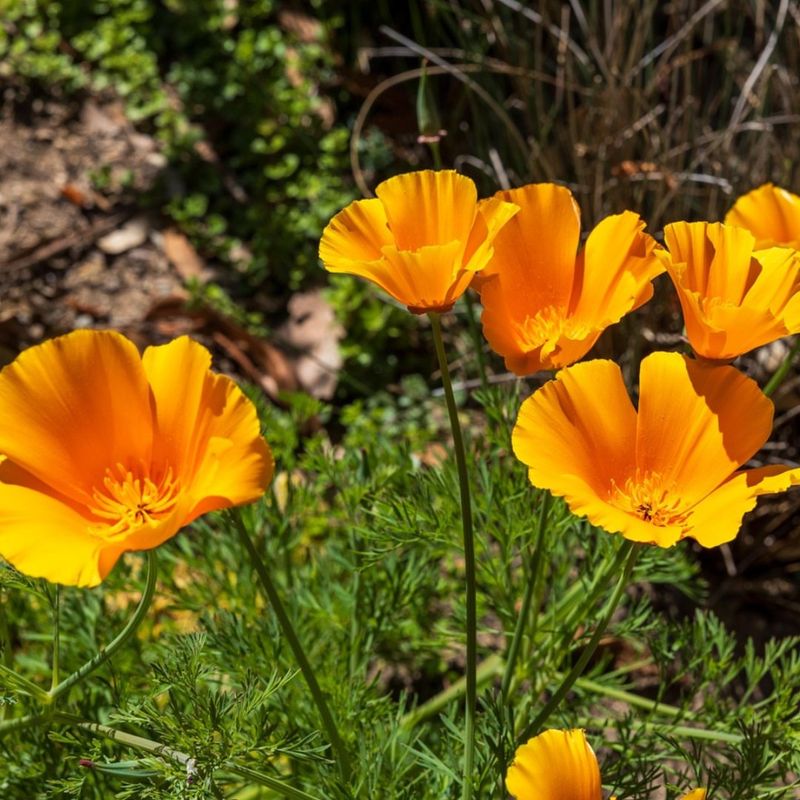
Bare patches along sunny walkways or hillsides transform into golden-orange waves when these native wildflowers establish themselves.
Once the first rains arrive in fall or early winter, tiny seedlings emerge and develop deep taproots that anchor them through dry months ahead.
Full sun and well-drained soil create ideal conditions for reliable reseeding year after year. Coastal gardens see blooms from February through May, while inland areas often enjoy flowers from March into early summer.
Water newly sprouted seedlings lightly until they reach three inches tall, then let winter rains do the work.
After flowers fade, seed pods dry and split open, scattering seeds across bare ground nearby. Avoid mulching too heavily in areas where you want volunteers, since seeds need contact with soil to germinate successfully.
Light scratching of soil surface in fall encourages better seed-to-soil contact.
Butterflies, native bees, and beneficial insects visit these cheerful blooms throughout spring. Their fernlike foliage stays low and tidy, making them perfect for rock gardens, parking strips, or any sunny spot needing low-maintenance color.
Deadheading extends bloom time slightly, but leaving some flowers to set seed ensures next year’s display returns without extra effort from you.
6. Farewell-to-Spring (Clarkia amoena)
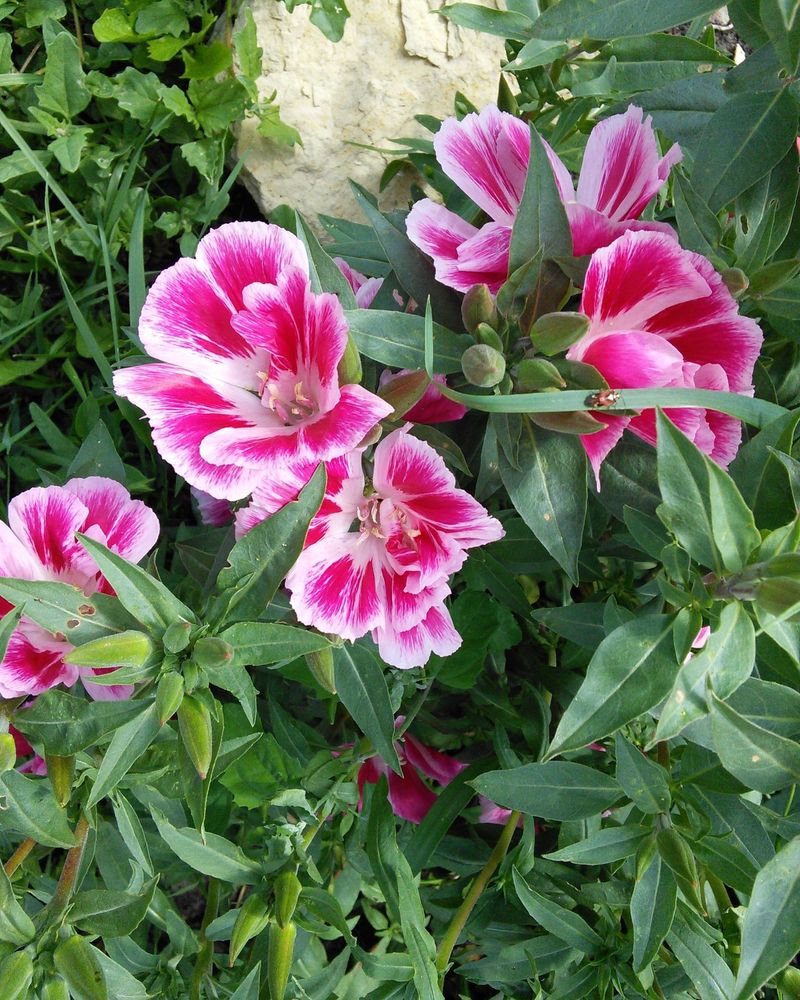
Late spring gardens gain spectacular color from these showy natives that bloom just as many other wildflowers finish their season.
Large, satiny flowers in shades of pink, salmon, and lavender feature distinctive darker markings that catch attention from across the garden.
Full sun to partial shade and well-drained soil create optimal growing conditions throughout California. Coastal gardens enjoy extended bloom periods thanks to cooler temperatures, while inland plantings benefit from afternoon shade during late May and June.
Seeds sown in fall germinate with winter rains and develop sturdy plants that flower prolifically in their first spring.
Water young plants regularly through winter and early spring, then taper off as flowering begins. Mature plants handle typical spring weather patterns without much supplemental irrigation once established.
Their common name reflects their late bloom timing, providing color as spring transitions toward summer.
After flowers fade, slender seed capsules form and gradually dry on upright stems. When fully mature, capsules split lengthwise and release numerous small seeds that fall nearby.
Avoid excessive mulching in reseeding areas since seeds need bare soil contact for successful germination. Hummingbirds, butterflies, and native bees all visit these attractive flowers regularly.
Their taller growth habit works beautifully in middle or back sections of layered plantings, creating vertical interest that returns naturally each year.
7. Sweet Alyssum (Lobularia maritima)
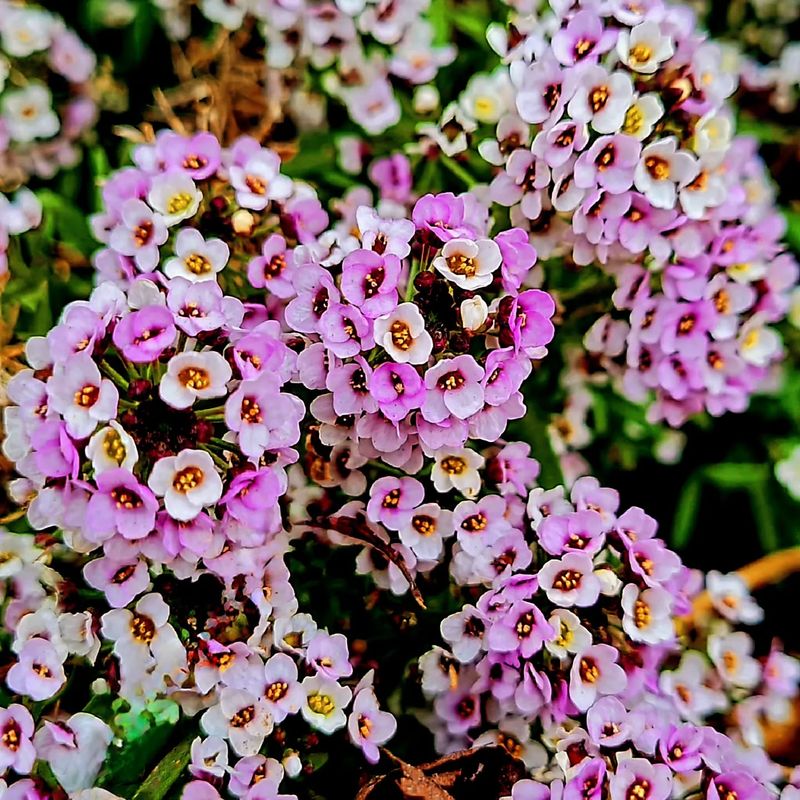
Garden edges and pathway borders benefit from these low-growing plants that create fragrant white, pink, or purple carpets nearly year-round in mild coastal areas.
Their honey-sweet scent attracts beneficial insects while their spreading habit fills gaps between larger plants naturally.
Full sun to partial shade and average garden soil suit them perfectly. Coastal gardens see nearly continuous bloom, while inland areas experience heaviest flowering in spring and fall with some summer slowdown during extreme heat.
Seeds germinate quickly whenever conditions provide adequate moisture and moderate temperatures.
Water regularly during establishment, then reduce to occasional deep watering once plants mature and spread.
They handle typical California dry periods better than many gardeners expect, though some supplemental water during extended droughts keeps them blooming longer.
Shearing plants back by half after heavy bloom encourages fresh growth and renewed flowering.
Tiny seed capsules form abundantly after flowers fade, releasing numerous seeds that scatter across nearby bare soil. Volunteers pop up readily in pathways, between pavers, and along bed edges wherever seeds land.
Their self-sowing habit creates soft, informal edges that feel established and naturalized. Beneficial insects including lacewings, hoverflies, and tiny parasitic wasps depend on alyssum nectar, making these flowers valuable for biological pest control.
Their adaptability and reliable reseeding make them effortless additions to any California garden seeking continuous color with minimal maintenance.
8. Calendula (Calendula officinalis)
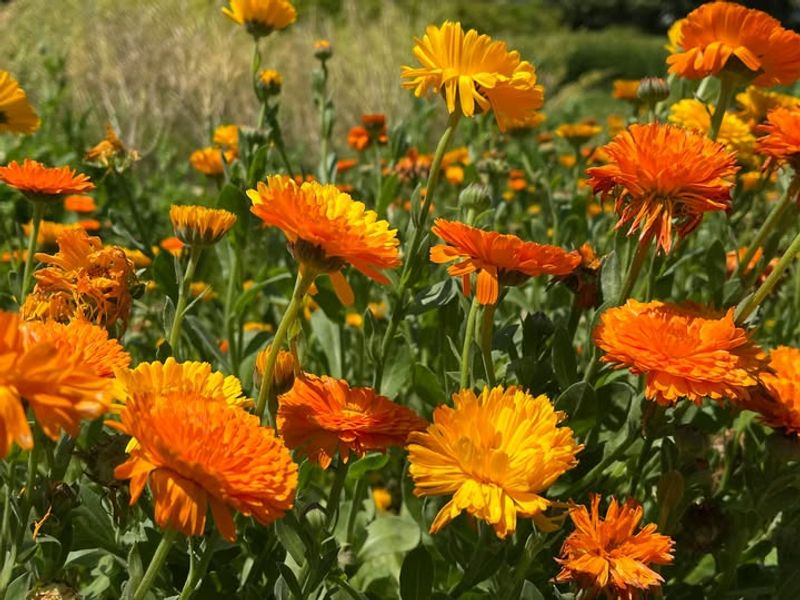
Vegetable gardens and cutting beds gain cheerful orange and yellow flowers that bloom prolifically from fall through late spring in California’s mild climate.
These Mediterranean natives adapted perfectly to similar conditions here, thriving with seasonal rainfall and cool-season growing patterns.
Full sun and average to lean soil produce the healthiest plants with the most abundant blooms. Seeds sown in fall germinate quickly with first rains, developing bushy plants that begin flowering by late winter.
Water regularly during dry spells in winter and spring to support continuous blooming and seed production.
Deadheading extends flowering significantly, but allowing some flowers to mature and set seed ensures volunteers for next season. Curved seed capsules dry on spent flower heads, eventually releasing distinctive crescent-shaped seeds that fall nearby.
These seeds remain viable in soil for several years, creating a persistent seed bank that produces volunteers whenever conditions favor germination.
Butterflies and native bees visit flowers constantly throughout their long bloom season. Edible petals add color to salads and other dishes, while flowers make excellent long-lasting cut stems.
Their reseeding habit means established patches return reliably each fall without replanting. Coastal and inland gardens both support vigorous growth and heavy self-sowing when given well-drained soil and adequate winter moisture.
Their bright, warm colors enliven gardens during cooler months when many other plants remain dormant.
9. Borage (Borago officinalis)
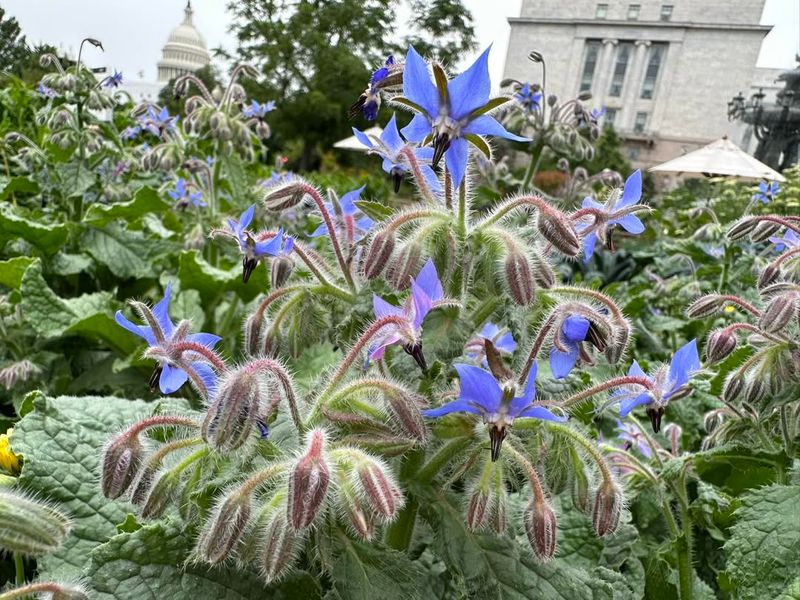
Pollinator gardens reach peak activity when these Mediterranean herbs produce abundant starry blue flowers that bees absolutely cannot resist.
Their rough, cucumber-scented foliage and bright flowers create textural interest while providing continuous nectar and pollen from spring through fall.
Full sun and well-drained soil suit them best, though they tolerate partial shade in hotter inland areas. Seeds germinate readily with fall or spring moisture, quickly developing into bushy plants that begin flowering within weeks.
Water regularly during establishment, then reduce to occasional deep watering once plants mature.
Established borage handles typical California dry periods remarkably well thanks to deep taproots that access moisture other plants miss. Their upright growth habit and large leaves create bold presence in herb gardens or informal borders.
Flowers are edible with a mild cucumber flavor, making them popular garnishes for summer drinks and salads.
After flowering, plants produce numerous black seeds that drop readily and germinate wherever they land. Volunteers appear reliably in fall and again in spring, creating continuous generations that overlap throughout growing seasons.
Bumblebees and honeybees work borage flowers intensively, often visiting the same plant repeatedly. Their enthusiastic self-sowing means established plantings expand naturally without any replanting effort.
Pulling unwanted volunteers is easy when they appear in inconvenient spots, while desired seedlings transplant readily when small.
10. Nigella (Nigella damascena)
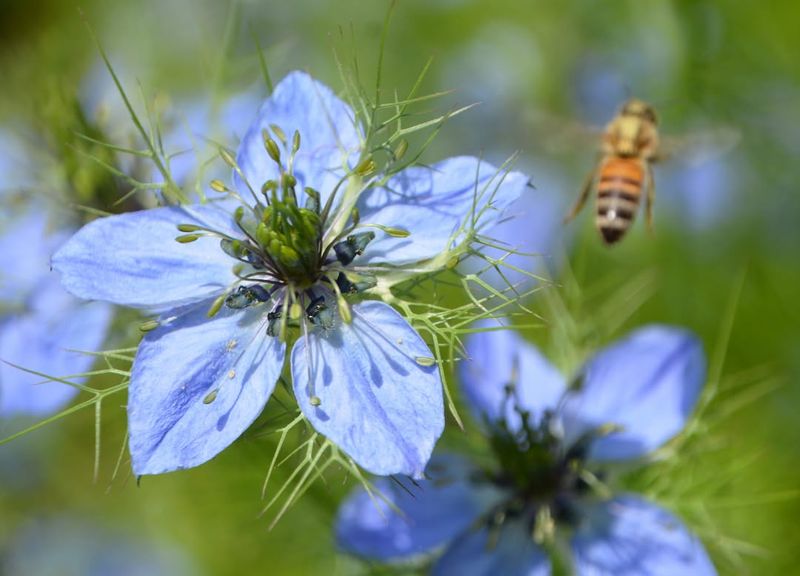
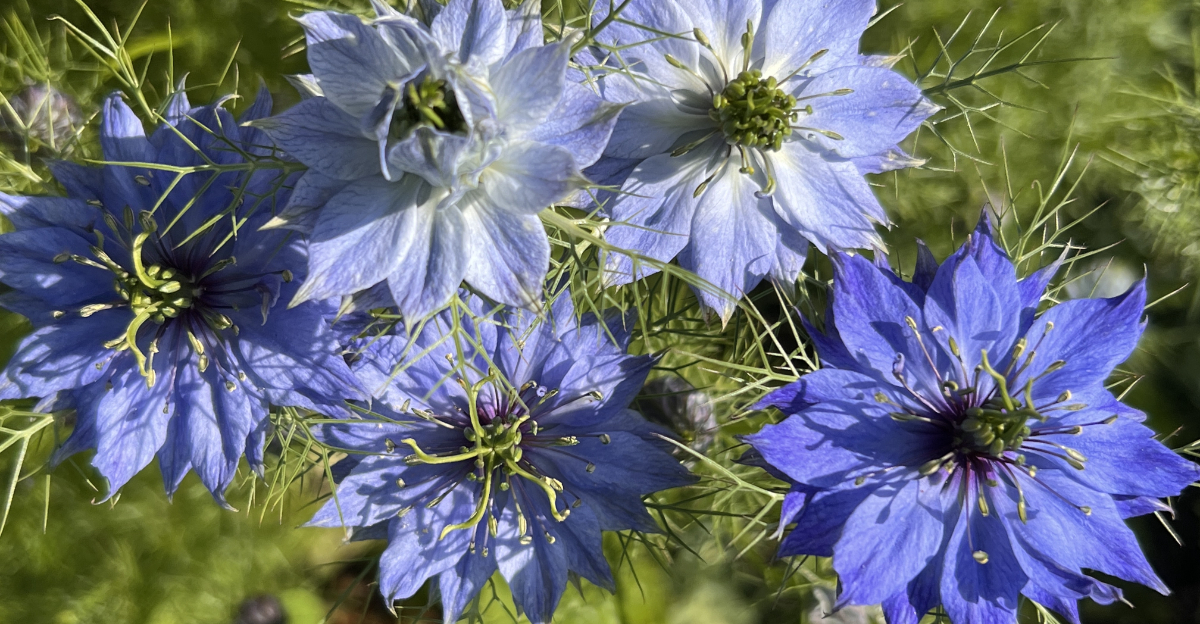
Cottage-style gardens gain ethereal beauty from these charming flowers surrounded by fine, feathery foliage that creates a misty appearance.
Blue, white, pink, or purple blooms appear in spring, followed by distinctive inflated seed pods that remain ornamental long after petals drop.
Full sun and well-drained soil produce the most vigorous plants and heaviest flowering. Seeds sown in fall germinate with winter rains, developing ferny foliage rosettes that remain compact until spring triggers flowering stems.
Water regularly through winter and spring to support active growth and abundant bloom production.
Their delicate appearance belies tough constitution—once established, they handle typical spring weather with minimal supplemental irrigation. Flowers develop into papery seed pods striped with burgundy or green, creating unique dried flower material for arrangements.
These pods eventually split at the top, releasing numerous black seeds that scatter across surrounding soil.
Volunteers emerge reliably each fall wherever seeds landed, creating expanding colonies that fill garden spaces naturally. Their airy foliage and flowers blend beautifully with other cottage garden favorites or California natives in mixed borders.
Bees visit flowers regularly during bloom period, though their primary garden value comes from extended visual interest and effortless reseeding habit.
Coastal and inland gardens both support reliable self-sowing when given adequate drainage and seasonal moisture during their active growing period.
11. Coreopsis (Coreopsis tinctoria)
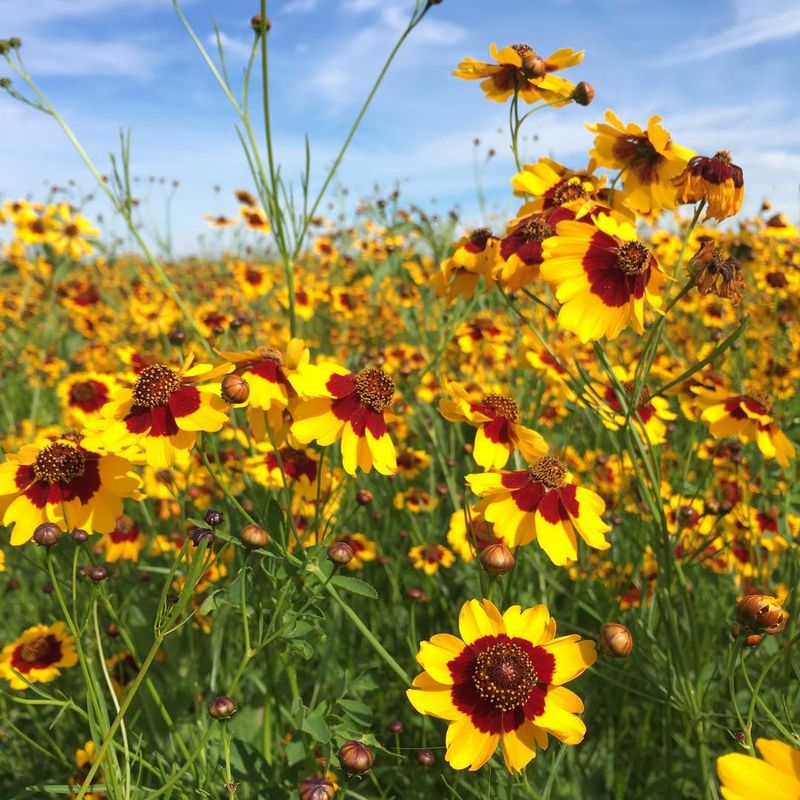
Wildflower meadows and naturalized areas gain months of cheerful yellow and red blooms when these reliable annuals establish themselves in your garden.
Their daisy-like flowers feature bright yellow petals with distinctive burgundy centers, creating bold color combinations that attract attention from across the yard.
Full sun and lean to average soil produce the best results, rich soil sometimes causes excessive foliage at the expense of flowers. Seeds germinate readily in fall or early spring, quickly developing into bushy plants that begin blooming by late spring.
Water regularly during establishment, then reduce to occasional deep watering once flowering begins.
Mature plants handle California’s dry summers surprisingly well, continuing to bloom through heat that stops many other flowers. Deadheading prolongs flowering significantly, but leaving some spent flowers to set seed ensures volunteers for following seasons.
Small, dark seeds develop in cone-shaped centers after petals drop, eventually falling and scattering across nearby bare ground.
These seeds remain viable for years, creating persistent seed banks that produce volunteers whenever conditions favor germination. Butterflies, native bees, and beneficial insects visit flowers constantly throughout their extended bloom season.
Their vertical growth habit adds height to meadow plantings or informal borders. Volunteers appear reliably each year, creating expanding drifts that require no replanting effort while providing steady color from spring through fall in California gardens.