The Shade Loving Shrub Minnesota Gardeners Are Planting Now For Strong Spring Structure
In Minnesota gardens, winter planting decisions are made with spring in mind—and savvy gardeners are turning to a shade-loving shrub that delivers structure long before flowers arrive.
While many plants fade into the background, this one anchors the landscape with form, texture, and reliability.
Shade-heavy yards are common across Minnesota, especially under mature trees or on north-facing lots.
This shrub thrives where others sulk, establishing strong branching that holds its shape even after snowmelt.
Come spring, it provides a framework that makes the rest of the garden look intentional instead of patchy.
Planting now allows roots to settle in while the plant rests, setting the stage for vigorous growth when temperatures rise. It’s a long-game strategy that rewards patience.
For gardeners tired of fighting shade, this shrub feels like a breakthrough.
It doesn’t demand constant attention or perfect conditions—it simply shows up, year after year, doing its job well.
In a climate where reliability matters, that kind of performance is worth planting early.
It’s Red Twig Dogwood (Cornus Sericea)
Red twig dogwood has earned its reputation as one of Minnesota’s most dependable native shrubs, especially for gardeners who need plants that can handle shade and still deliver outstanding visual impact.
This hardy shrub grows naturally throughout the state, which means it’s already adapted to local soil, weather, and wildlife.
Gardeners appreciate that it doesn’t require special care or amendments to thrive in typical Minnesota conditions.
What sets red twig dogwood apart is its ability to provide strong structure even before leaves appear in spring.
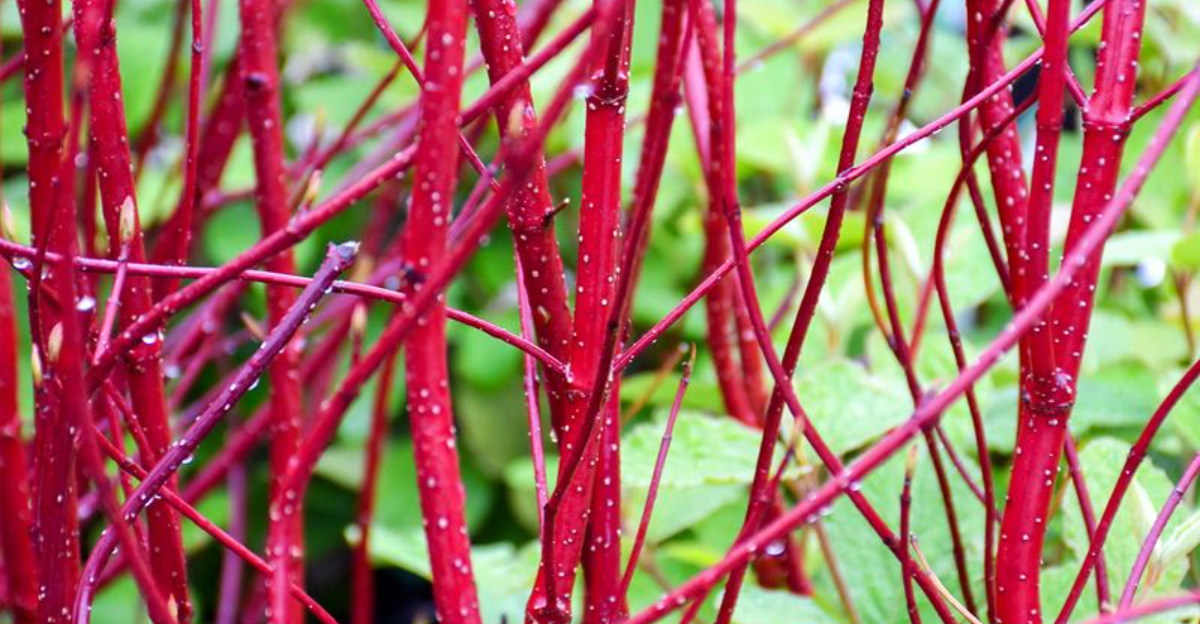
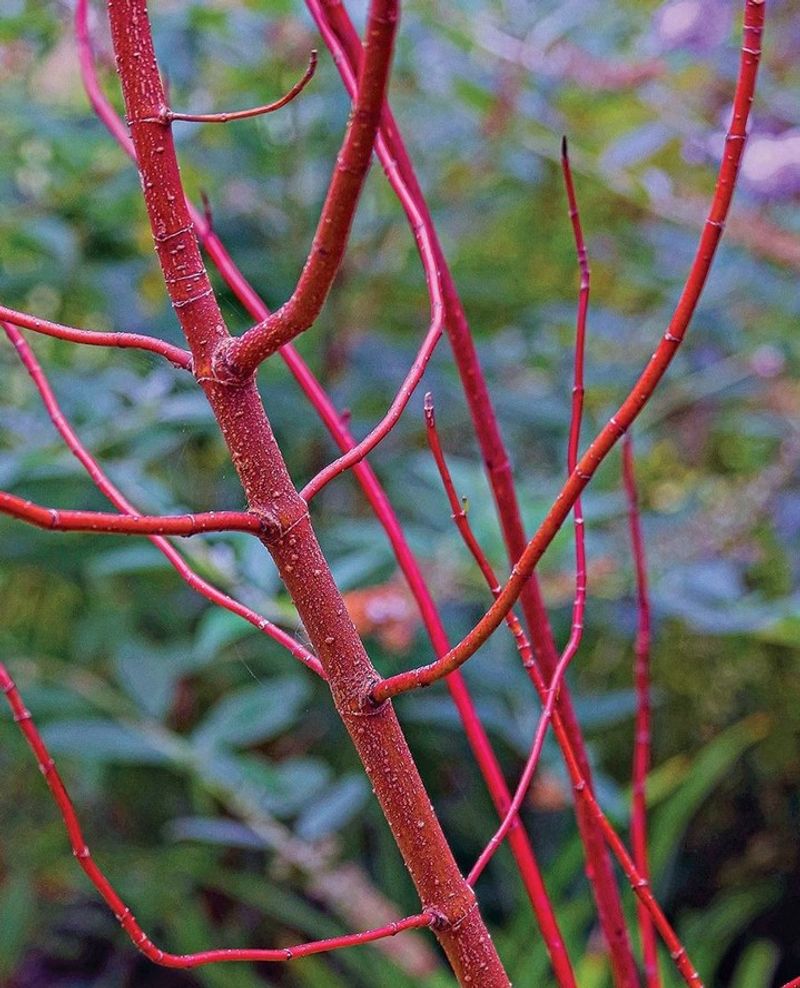
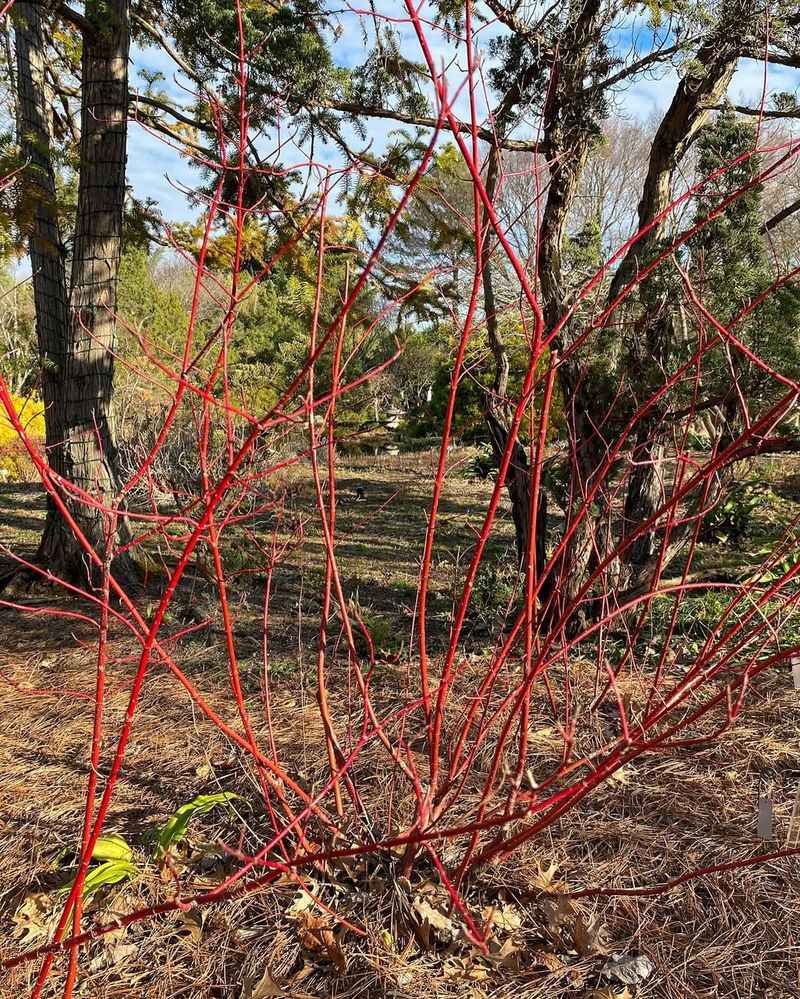
While most shrubs look bare and lifeless during late winter and early spring, red twig dogwood stands tall with its vibrant red stems creating bold lines and form in the garden.
Planting this shrub now means you’ll have a focal point that looks intentional and beautiful during the awkward transition from winter to spring.
The stems hold their color and shape, giving your yard a polished appearance when everything else is just starting to wake up.
Minnesota gardeners are choosing red twig dogwood because it solves multiple problems at once: it tolerates shade, handles cold, and looks stunning when gardens need it most.
Thrives In Partial Shade Where Many Shrubs Fail
Most flowering shrubs demand full sun to perform well, leaving homeowners with shaded yards feeling stuck with limited options.
Red twig dogwood breaks that pattern by flourishing in partial shade and dappled light conditions that would cause other shrubs to struggle or produce weak growth.
North-facing yards, areas beneath mature trees, and spots that only receive morning or late afternoon sun are perfect locations for this adaptable plant.
Minnesota landscapes often feature established trees that create shaded zones where grass grows thin and gardening feels frustrating.
Red twig dogwood fills these challenging spaces with lush foliage during the growing season and dramatic stem color year-round.
The shrub’s natural habitat includes woodland edges and stream banks where tree canopies filter sunlight, so it’s perfectly suited to similar conditions in residential settings.
You won’t see the leggy, pale growth that indicates a sun-loving plant forced into shade.
Instead, red twig dogwood develops full, healthy branches and maintains its vibrant stem color even when tucked beneath taller vegetation.
Gardeners can finally use those difficult shaded corners and create layered plantings that look intentional and professionally designed.
Provides Bold Color All Winter Long
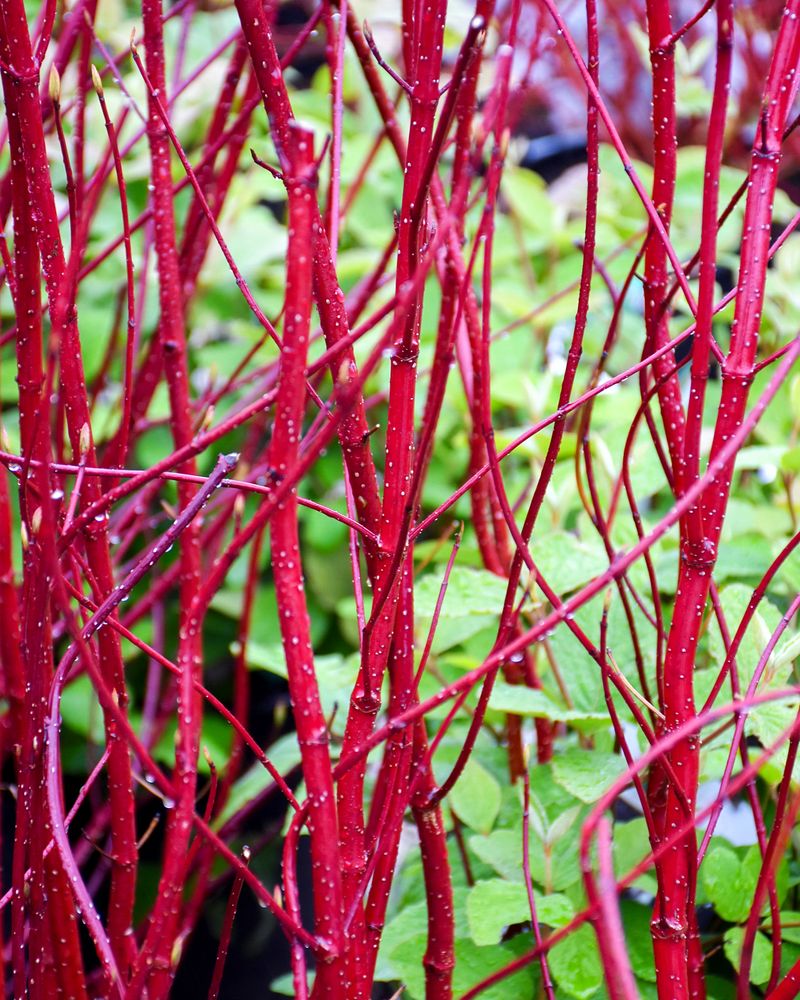
Winter in Minnesota can feel endless, with months of gray skies, brown landscapes, and snow-covered yards that all blend together into one long stretch of visual monotony.
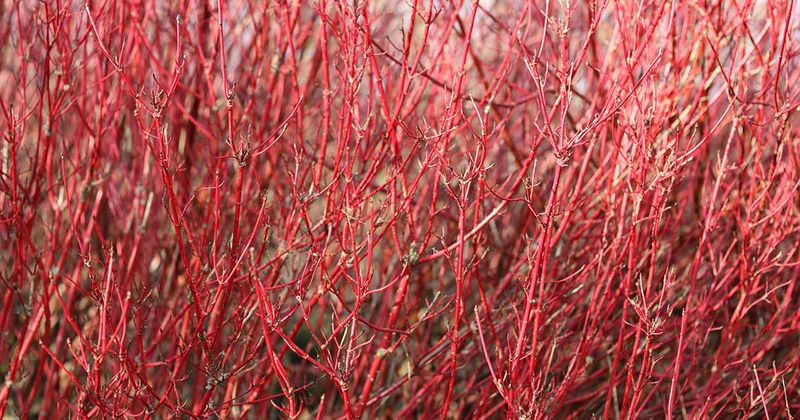
Red twig dogwood transforms that dreary scene by offering brilliant red stems that remain vivid throughout the coldest months, providing a focal point that draws the eye and lifts spirits.
The color doesn’t fade or dull as temperatures drop; if anything, the stems seem to glow more intensely against white snow and dark winter skies.
Gardeners who plant red twig dogwood discover that their yards maintain visual interest and structure long before spring flowers arrive.
The shrub’s branching pattern creates architectural lines that stand out beautifully, especially when viewed from inside the house on cold days.
This winter color isn’t just decorative—it serves as a reminder that your garden is alive and resilient even during harsh weather.
The bright red stems create contrast with evergreens, ornamental grasses, and other winter-interest plants, building a landscape that feels designed rather than dormant.
Minnesota gardeners value plants that earn their space year-round, and red twig dogwood delivers exceptional performance during the season when most gardens offer little to see.
Creates Immediate Structure Before Spring Leaf-Out
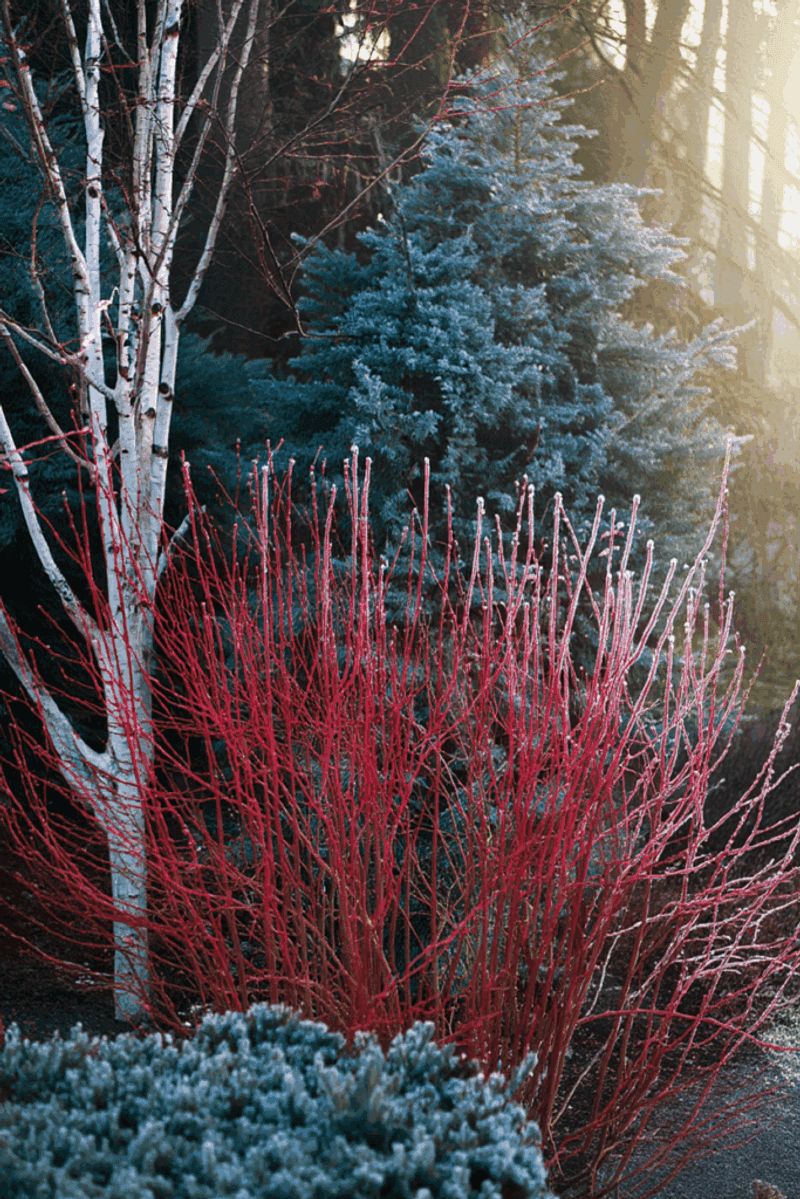
Early spring in Minnesota brings muddy yards, patchy snow, and a generally messy appearance that can make even well-maintained gardens look neglected.
Red twig dogwood solves this problem by providing strong vertical and horizontal lines that give gardens a sense of purpose and design during this awkward transition period.
The shrub’s framework remains visible and attractive, creating structure that anchors the landscape while perennials are still emerging and grass is recovering from winter.
Gardeners appreciate having focal points that look intentional when everything else appears unfinished or chaotic.
Red twig dogwood’s upright habit and colorful stems create a polished appearance that makes it clear your yard is cared for, even before you’ve done any spring cleanup.
This early structure also helps define garden beds and pathways when borders might otherwise disappear into bare ground.
The shrub acts as a living marker that maintains the garden’s layout and visual flow throughout the year.
Planting red twig dogwood means you won’t have to wait for leaves and flowers to enjoy an attractive landscape.
The bare stems themselves are the feature, turning what could be an off-season liability into a design asset that enhances your property’s curb appeal year-round.
Extremely Cold-Hardy For Minnesota Winters
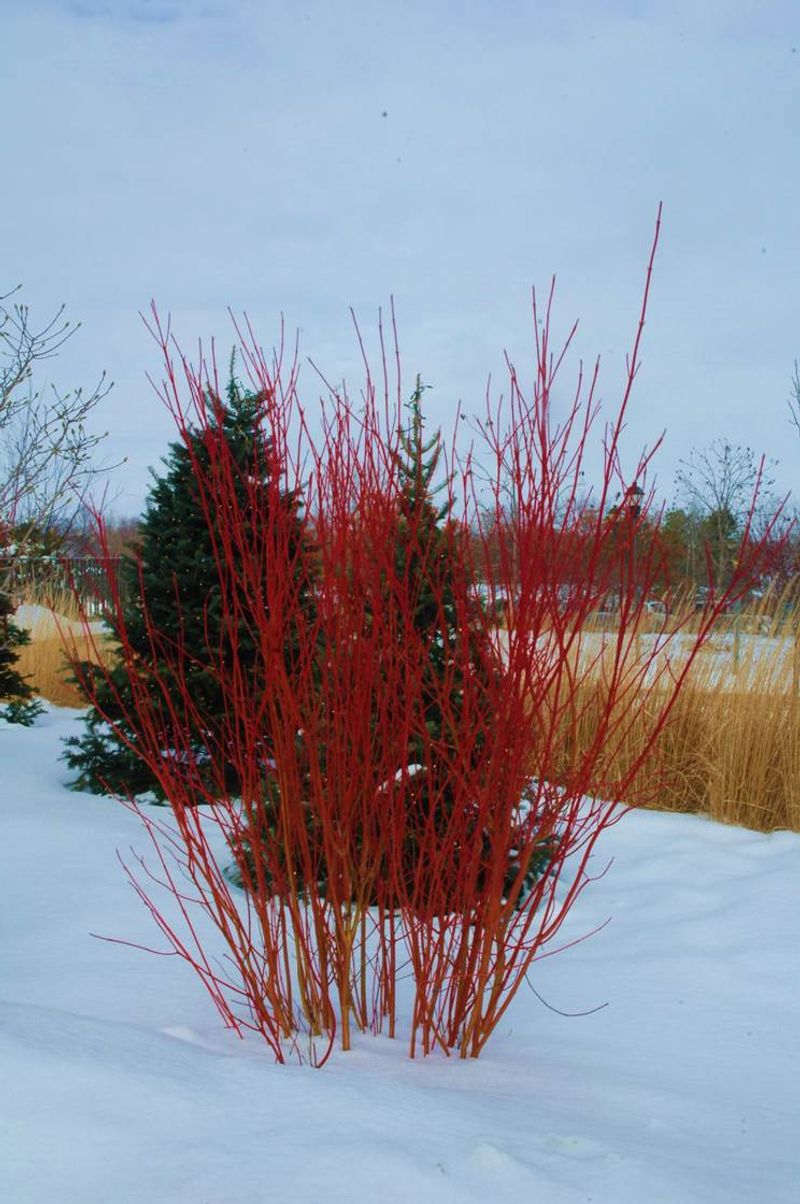
Minnesota winters test plants in ways that gardeners in milder climates can’t imagine, with temperatures plunging well below zero, fierce winds, and repeated freeze-thaw cycles that can damage or destroy less resilient species.
Red twig dogwood handles all of it without complaint, thriving across Minnesota’s growing zones from the southern border to the northern reaches of the state.
This native shrub has evolved to withstand extreme cold, making it one of the most reliable choices for gardeners who want plants that won’t disappoint after a brutal winter.
Unlike marginally hardy shrubs that suffer tip damage or branch loss during cold snaps, red twig dogwood emerges each spring with its structure intact and stems as vibrant as ever.
The plant doesn’t just survive winter—it uses the season to showcase its best features.
Gardeners can plant red twig dogwood with confidence, knowing it won’t require winter protection, special mulching, or anxious checking after every cold spell.
The shrub’s hardiness means less work and worry, allowing you to focus on enjoying your landscape rather than babying vulnerable plants.
This reliability makes red twig dogwood especially valuable for northern Minnesota gardeners who have fewer options when selecting shrubs that can truly handle their climate.
Handles Wet Soil And Poor Drainage
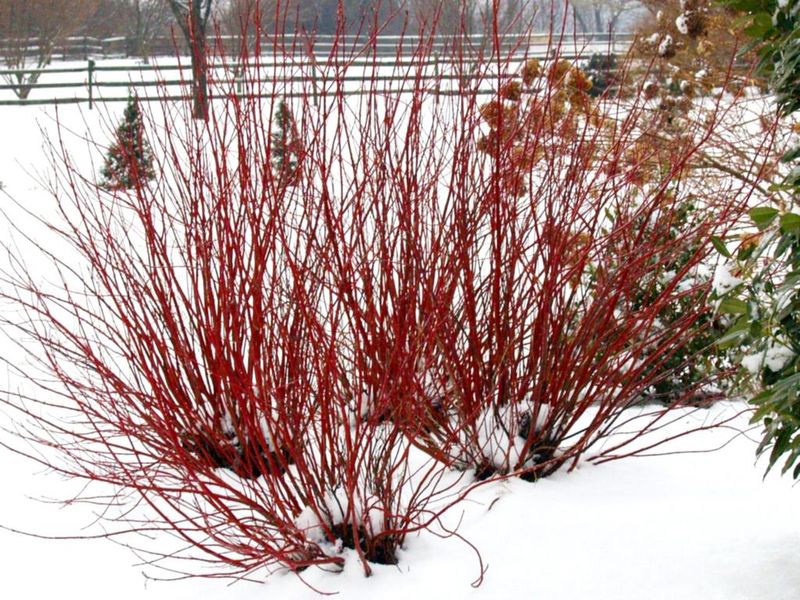
Many Minnesota yards have low spots, clay soil, or areas where water collects after rain and snowmelt, creating challenging conditions that limit planting options and frustrate homeowners.
Red twig dogwood actually prefers these wet conditions, making it the perfect solution for problem areas where other shrubs would struggle or fail.
In nature, this plant grows along stream banks, wetland edges, and other moist habitats, so it’s perfectly adapted to handle saturated soil that would suffocate the roots of less tolerant species.
Gardeners can use red twig dogwood to transform drainage swales, rain garden edges, and soggy corners into attractive features rather than eyesores.
The shrub’s root system helps stabilize soil and absorb excess moisture, actually improving the site while providing visual appeal.
This tolerance for wet conditions doesn’t mean the plant requires constant moisture—red twig dogwood adapts to average garden soil as well.
The flexibility makes it useful across various landscape situations, from perpetually damp areas to typical yard conditions.
Minnesota gardeners appreciate plants that solve problems rather than create them, and red twig dogwood’s ability to thrive where drainage is poor makes it an invaluable addition to challenging properties that need tough, adaptable shrubs.
Responds Well To Pruning For Shape And Color
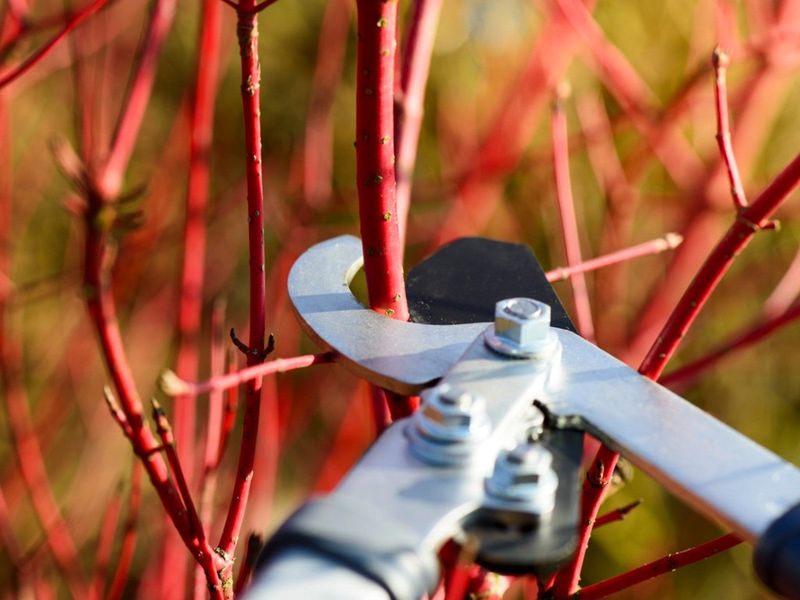
One of red twig dogwood’s best features is how beautifully it responds to pruning, allowing gardeners to maintain the shrub’s size, shape, and most importantly, its brilliant stem color.
The brightest red color appears on younger stems, so periodic pruning encourages fresh growth that delivers the most intense visual impact.
Many gardeners prune about one-third of the oldest stems each year in early spring, which keeps the shrub full while ensuring a constant supply of vibrant new growth.
This pruning isn’t difficult or technical—even beginners can maintain red twig dogwood successfully.
Simply cut older, thicker stems near ground level, and the plant will respond by sending up new shoots with that characteristic bright red color.
The shrub’s natural habit is rounded and somewhat sprawling, but pruning allows you to shape it to fit specific spaces or design preferences.
You can keep it compact for foundation plantings or allow it to grow larger for screening or naturalized areas.
Minnesota gardeners value plants that improve with basic maintenance rather than requiring specialized care.
Red twig dogwood rewards simple annual pruning with better structure, more intense color, and a healthier overall appearance that makes the small effort worthwhile and satisfying.
Supports Pollinators And Beneficial Insects
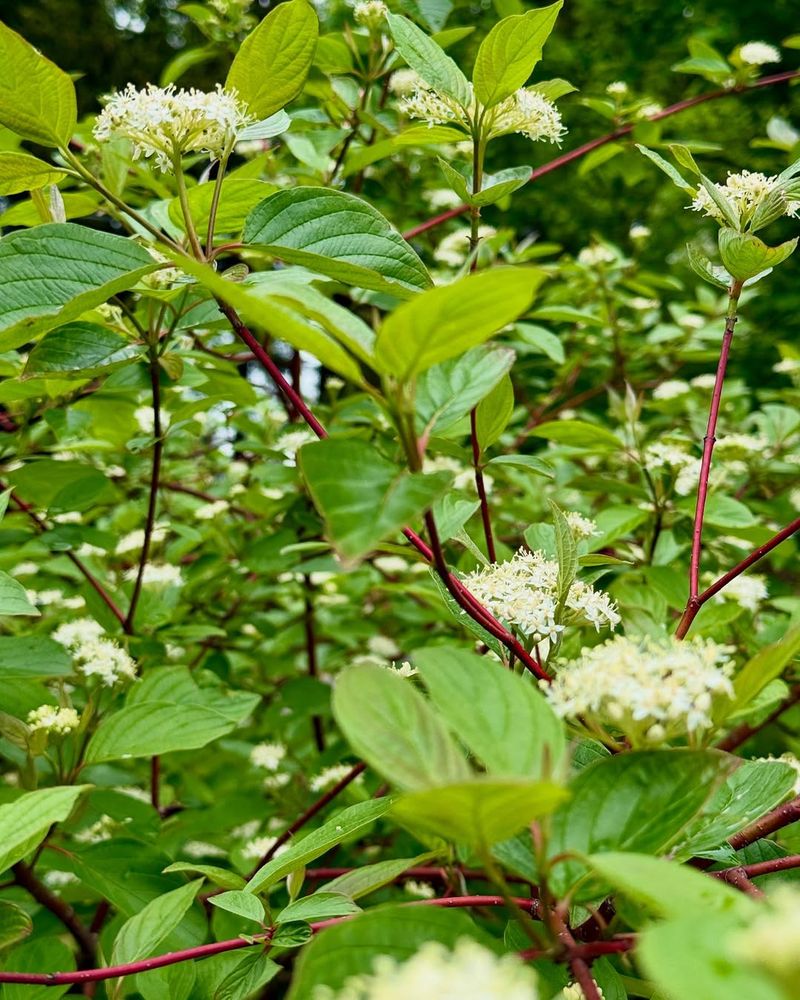
While red twig dogwood is famous for its winter stems, the shrub also produces clusters of small white flowers in late spring that provide valuable nectar for early-season pollinators.
These blooms appear when native bees, beneficial flies, and other insects are actively searching for food sources, making red twig dogwood an important part of a healthy Minnesota ecosystem.
The flowers aren’t showy or dramatic, but they serve a crucial ecological function that gardeners increasingly recognize as important.
Beyond the flowers, red twig dogwood supports a variety of native insects throughout the growing season.
The foliage provides habitat and food for caterpillars and other larvae that in turn feed birds and other wildlife, creating beneficial relationships that strengthen your landscape’s ecological health.
Choosing native plants like red twig dogwood means you’re not just decorating your yard—you’re building habitat that supports local biodiversity.
The shrub fits seamlessly into pollinator gardens, naturalized areas, and wildlife-friendly landscapes that aim to provide resources for beneficial insects.
Minnesota gardeners who care about environmental stewardship appreciate plants that contribute to ecosystem health while still offering aesthetic appeal.
Red twig dogwood delivers both, making it a smart choice for gardeners who want their landscapes to support nature as well as look beautiful.
Feeds Birds Without Requiring Full Sun
Red twig dogwood produces clusters of white berries in late summer and fall that provide important food for migrating and resident birds during critical seasons.
Many berry-producing shrubs require full sun to fruit well, but red twig dogwood produces berries reliably even in partial shade, making it possible to support wildlife in areas of your yard that don’t receive direct sunlight all day.
This feature allows homeowners to keep shaded zones productive for birds and other wildlife rather than leaving them as empty, unused space.
The berries attract a variety of bird species including robins, waxwings, thrushes, and many others that rely on native fruit sources during migration and winter.
Watching birds visit your red twig dogwood adds life and movement to your landscape, creating connections with wildlife that make gardening more rewarding.
The shrub’s dense branching also provides shelter and nesting sites, offering birds protection from predators and weather.
This combination of food and habitat makes red twig dogwood especially valuable in wildlife-friendly landscapes.
Minnesota gardeners who want to support birds don’t have to sacrifice shaded areas or compromise on plant performance.
Red twig dogwood proves that you can create habitat, enjoy beautiful stem color, and work with challenging site conditions all with one reliable native shrub.
Blends Easily Into Natural And Formal Landscapes
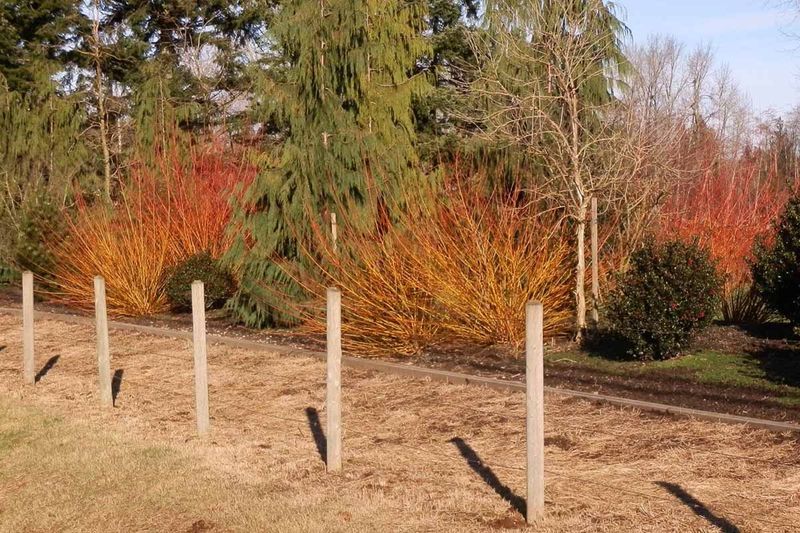
Red twig dogwood’s versatility makes it suitable for nearly any landscape style, from naturalized woodland gardens to structured foundation plantings and formal beds.
In naturalized settings, the shrub looks right at home among other native plants, creating layers and texture that mimic wild landscapes while requiring less maintenance than traditional ornamental gardens.
Its informal growth habit and seasonal changes fit perfectly into prairie-style gardens, rain gardens, and wildlife habitats.
At the same time, red twig dogwood works beautifully in more formal landscapes where its bright stems provide winter interest and structural contrast.
Gardeners can use it in mixed shrub borders, as a hedge or screen, or as a specimen plant that anchors a designed bed.
The shrub’s adaptability means you don’t have to choose between ecological benefits and aesthetic appeal—red twig dogwood delivers both.
It pairs well with ornamental grasses, conifers, perennials, and other shrubs, making it easy to incorporate into existing landscapes regardless of style.
Minnesota gardeners appreciate plants that work hard and fit multiple roles.
Red twig dogwood’s ability to look appropriate in both wild and cultivated settings makes it one of the most useful shrubs available, solving design challenges while providing year-round beauty and ecological value that enhances any property.