The Shade Tree Some Pennsylvania Neighborhoods Are Quietly Adding For Natural Cooling
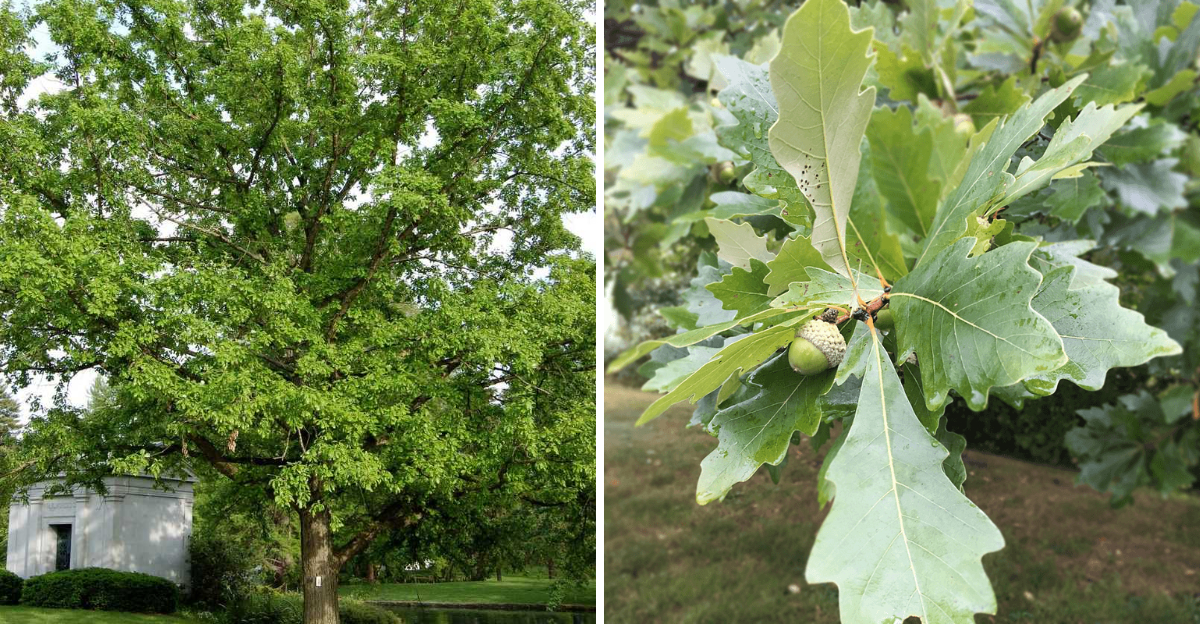
Anyone who has spent a Pennsylvania summer without enough shade knows exactly how much difference a good tree makes. The right shade tree doesn’t just look beautiful.
It genuinely changes the temperature of your outdoor space, reduces the heat load on your home, and turns your yard into a place you actually want to spend time even on the hottest days of the year.
And across Pennsylvania neighborhoods, one particular shade tree is quietly gaining serious momentum. It’s not the most talked about tree at the nursery.
But homeowners and landscapers who know their trees have been recommending it with growing enthusiasm because of how effectively it delivers natural cooling while also being low maintenance, long lived, and genuinely beautiful through every season.
It provides dense, reliable shade, handles Pennsylvania summers without complaint, and brings real ecological value to the neighborhoods planting it. Here’s the shade tree Pennsylvania homeowners are quietly adding and exactly why it’s worth knowing about.
Meet Swamp White Oak
Not every tree earns a reputation for being both tough and generous, but swamp white oak manages both without much fuss.
Native to Pennsylvania and much of the eastern United States, this tree has been growing alongside rivers, wetlands, and neighborhood streets for centuries.
Its scientific name is Quercus bicolor, and once you see a mature one in full leaf, the name starts to make sense. The bark peels back in curling, two-toned layers that give it a rugged, textured look unlike most other oaks.
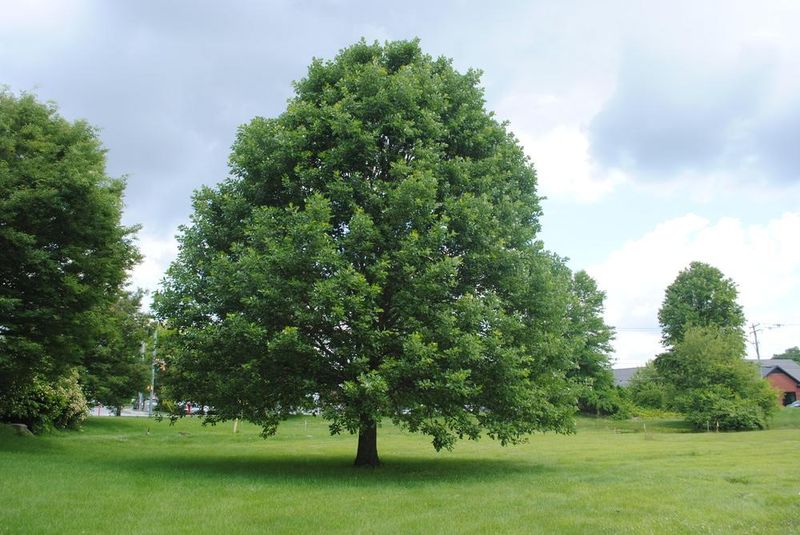
What really sets swamp white oak apart is its canopy. As it matures, the branches spread wide and low, creating a broad dome of thick, dark green leaves.
That canopy can stretch 50 to 60 feet across in ideal conditions, casting generous shade over lawns, sidewalks, and sitting areas. Homeowners who plant one are essentially giving their yard a natural umbrella that keeps getting bigger every year.
The tree grows at a moderate pace, adding roughly one to two feet of height each year under good conditions. It can eventually reach 50 to 70 feet tall.
Neighborhoods that have been quietly adding swamp white oak to parks and front yards are already seeing younger trees filling in with strong branch structure and healthy, dense foliage. Pennsylvania’s climate suits this tree very well.
It handles humid summers, cold winters, and the kind of heavy clay soils that frustrate many other species. For communities looking for a reliable, long-lived shade tree, swamp white oak is a standout choice that rewards patience.
Why Natural Cooling Matters In Pennsylvania Neighborhoods
Walk barefoot across a blacktop driveway at two in the afternoon in July and you will understand the problem immediately. Hard surfaces like asphalt, concrete, and brick absorb solar energy all day long.
By evening, they release that stored heat back into the surrounding air, raising neighborhood temperatures well above what the actual weather forecast says. Scientists call this the urban heat island effect, and it is very real in Pennsylvania towns and suburbs.
Your Pennsylvania Garden Changes Every Week. Your Plan Should Too.
Gardening in Pennsylvania changes quickly throughout the season. Every Friday you’ll receive a simple weekly plan showing exactly what to plant, prune, fertilize, harvest, and protect so you never miss the right timing.
Paved streets hold heat longer than grass or soil ever would. Dark rooftops, parking lots, and even light-colored sidewalks all contribute to the problem.
When a neighborhood has very few trees, there is nothing to interrupt that cycle. Air conditioning units work harder, energy bills climb, and outdoor spaces become uncomfortable for kids, older adults, and anyone who just wants to sit on the porch without sweating through their shirt.
Shade trees break that cycle in a meaningful way. A single large tree can lower the surface temperature of the ground beneath it by 20 to 45 degrees Fahrenheit compared to an unshaded surface nearby.
That is not a small difference. Multiply that across a block or two of well-placed trees and the whole neighborhood starts to feel different. Porches become usable again. Kids play outside longer.
Walking routes to school or the park feel less brutal during heat waves. Natural cooling through tree shade is not a new idea, but communities across Pennsylvania are rediscovering just how effective and affordable it really is compared to mechanical or electrical cooling solutions.
What Makes Swamp White Oak A Smart Shade Choice
Some trees look great in a catalog but struggle the moment you put them in an actual yard. Swamp white oak is not one of those trees.
It has a track record of performing well in real-world conditions across Pennsylvania, including the kinds of compacted, wet, or clay-heavy soils that are common in older neighborhoods and newer developments alike.
That adaptability is one of the biggest reasons landscape planners and community groups keep coming back to it.
The canopy structure is another strong selling point. Unlike trees that grow tall and narrow, swamp white oak develops wide, arching branches that push out in multiple directions.
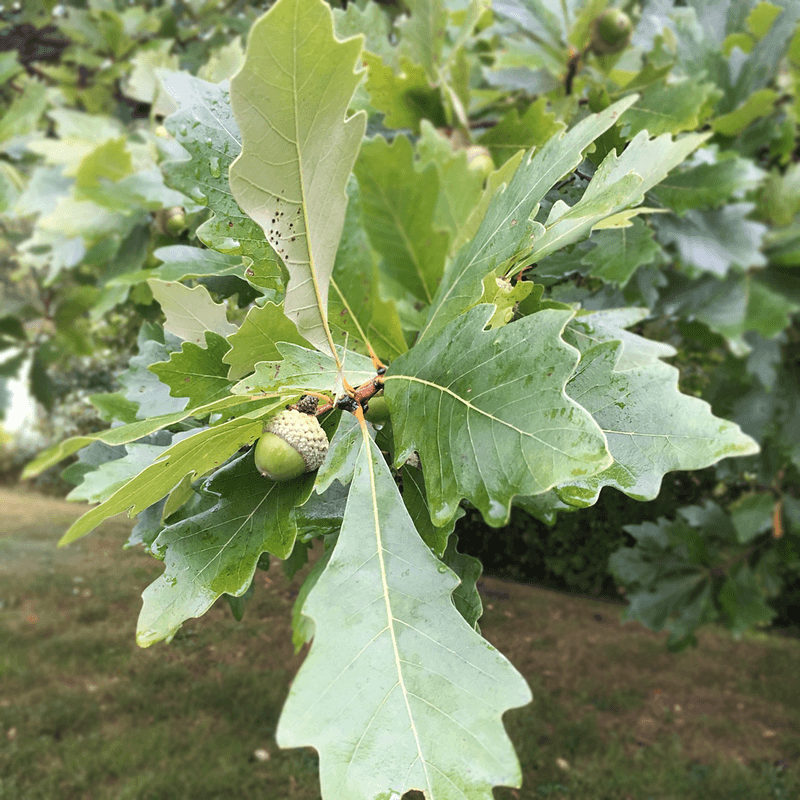
The result is a dome-shaped crown that shades a large footprint of ground beneath it. Leaves are large, dark green on top, and noticeably lighter underneath, which gives the tree a shimmering, layered look when a breeze moves through it.
In autumn, the foliage turns a warm golden-brown before dropping, adding seasonal interest without much mess.
Beyond its looks, swamp white oak is genuinely tough. It handles wet feet better than most oaks, making it a smart pick for low spots in yards where water pools after rain.
It also handles drought reasonably well once established, which matters during Pennsylvania’s increasingly unpredictable summer weather.
The tree produces small acorns that attract birds, squirrels, and other wildlife, adding ecological value to any yard or green space.
For homeowners who want a tree that earns its place year after year with reliable shade, strong structure, and low maintenance demands, swamp white oak consistently delivers on every count.
Where This Tree Works Best
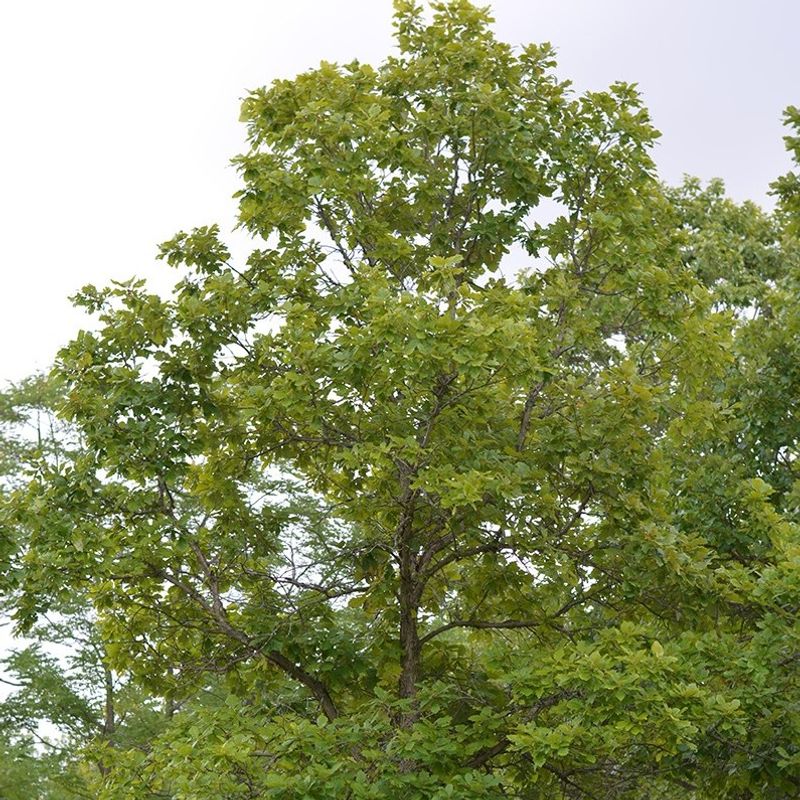
Swamp white oak is a generous tree, and generous trees need generous space. Planting one in the right spot makes the difference between a thriving shade provider and a problem waiting to happen.
Large front yards with at least 20 to 25 feet of open space in all directions are ideal. The tree needs room to spread its canopy without bumping into rooflines, gutters, or neighboring structures as it grows over the decades.
Community green spaces, school grounds, and neighborhood parks are some of the best places for swamp white oak to really shine. These locations typically offer the open ground and soil depth the tree needs to establish strong roots.
Many Pennsylvania municipalities have started including swamp white oak in their community forestry plans precisely because it performs so well in public spaces where long-term shade and low maintenance matter most.
Park strips along wide streets can also work, but only if the planting area is wide enough, ideally at least eight feet, to support root development without cracking sidewalks over time.
There are a few places where swamp white oak simply does not belong. Under power lines is a firm no. The tree will eventually reach heights that conflict with utility wires, creating safety hazards and forcing aggressive pruning that damages its natural shape.
Planting too close to a house foundation is also a mistake. Root systems on mature oaks are wide-spreading and can eventually interfere with underground utilities or structural elements.
Give this tree the open, uncrowded space it deserves, and it will reward the neighborhood with decades of reliable, beautiful shade that keeps growing better every year.
How To Help A Young Swamp White Oak Establish
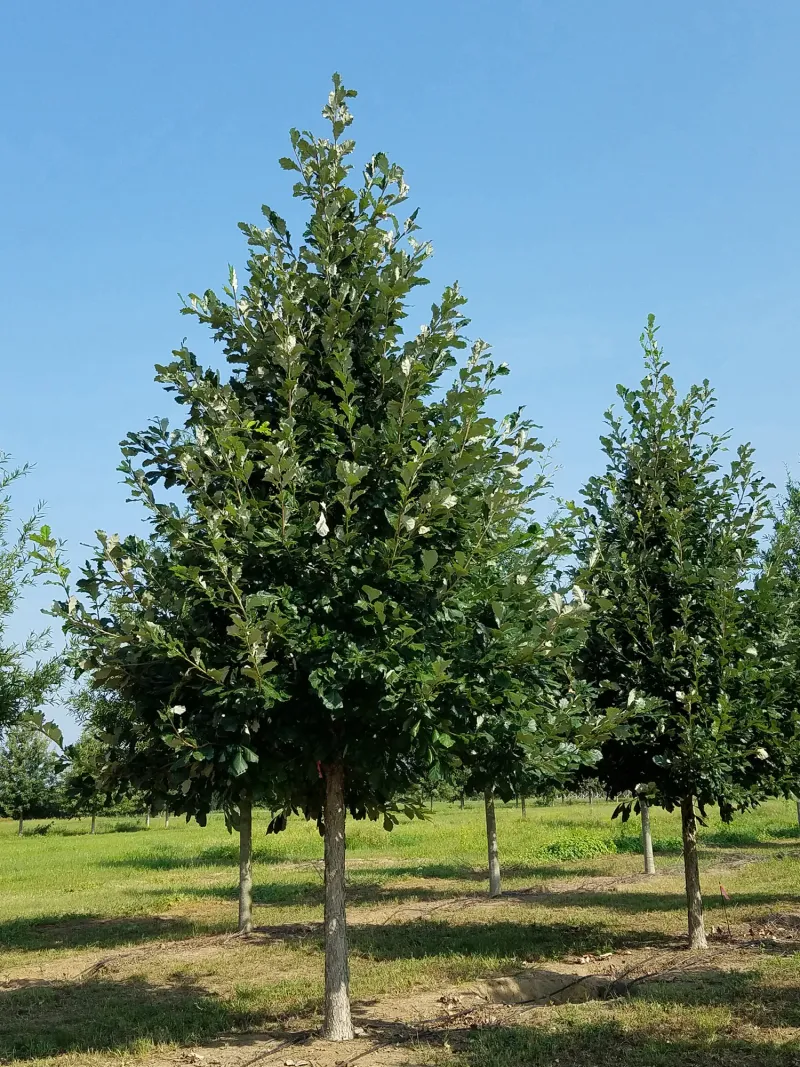
Planting a tree is the easy part. Getting it through the first few years is where most homeowners either set their tree up for success or accidentally hold it back.
Swamp white oak is forgiving, but it still benefits from a strong start. Begin by digging a hole that is two to three times wider than the root ball but only as deep as the root ball itself.
Planting too deep is one of the most common mistakes, and it can stress the tree for years by burying the root flare under soil where it does not belong.
After planting, spread a layer of wood chip mulch around the base of the tree in a wide circle, keeping it two to three inches deep and pulled a few inches away from the trunk itself.
Mulch holds moisture, moderates soil temperature, and reduces competition from grass and weeds.
During the first two summers, water the tree deeply once or twice a week during dry spells. A slow, deep soak is far better than frequent shallow watering because it encourages roots to grow down into the soil rather than staying near the surface.
Protecting the trunk matters more than most people realize. Mower blades and string trimmers can wound the bark at the base of young trees, opening the door to disease and pest problems.
Keep equipment away from the trunk entirely. Staking is usually unnecessary unless the planting site is very windy, and if stakes are used, they should be removed after one growing season.
Strong early care builds the foundation for a tree that will cool your neighborhood for generations to come.
What To Know Before Planting One
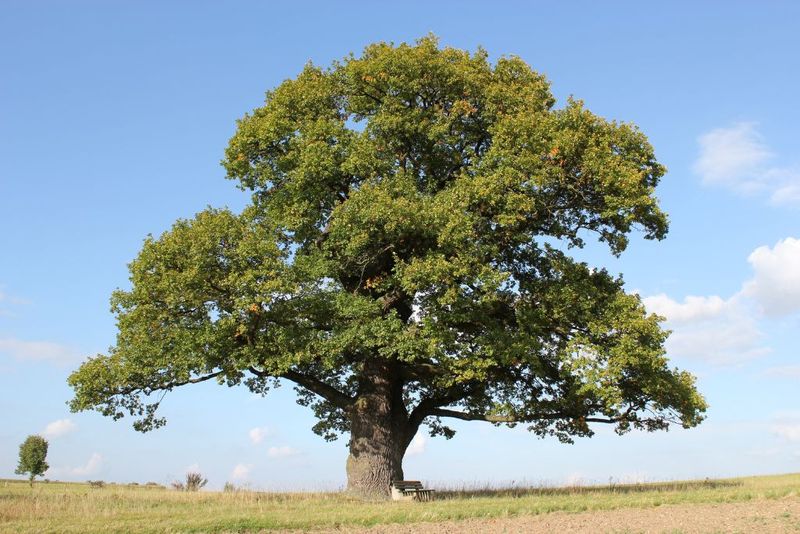
Before you head to the nursery or call a tree planting service, there are a few honest things worth knowing about swamp white oak. First and most importantly, this is a long-term commitment.
You will not get a full canopy of cooling shade in two or three years. Young trees take time to establish, and meaningful shade usually begins showing up around years five through ten.
Full maturity and maximum canopy spread can take 30 years or more. Patience is not optional with this tree.
Space planning should happen before the tree goes in the ground, not after. Walk your yard and measure carefully.
Mark where the canopy will eventually reach. Think about future structures, additions to the house, underground utility lines, and neighboring properties.
A call to your local utility company to check for buried lines before digging is always a smart step.
Many Pennsylvania municipalities also require permits or notifications before planting trees near streets or in certain zones, so checking local rules first can save headaches later.
On the encouraging side, swamp white oak is one of the most ecologically valuable trees you can add to a Pennsylvania yard. It supports hundreds of native insect species, many of which are important food sources for songbirds.
Its acorns feed deer, turkeys, and small mammals throughout the fall and winter. Property values often increase when mature trees are present, and energy savings from natural shade can noticeably reduce summer cooling costs over time.
Swamp white oak is not a quick fix, but for neighborhoods thinking ahead, it may be one of the smartest investments a community can make in its own comfort and future.