The 7 Shrubs Oregon Gardeners Should Cut Back Before Spring
Oregon’s mild winters give gardeners plenty of time to plan and prepare for spring. Anyone who’s nurtured a backyard here knows the satisfaction of seeing healthy shrubs fill out after a careful trim.
But not all pruning is the same, and timing can make a huge difference.
Certain shrubs respond best to a hard cut before the new season begins, which encourages new growth and more vibrant blooms. Leaving it too late can stunt growth or reduce flower production.
Mastering these pre-spring cuts lets your garden come alive with fresh energy. Soon, branches will fill in, buds will swell, and a simple pruning session now can transform your yard into a lively display of color.r.
1. Panicle Hydrangea With Towering Blooms
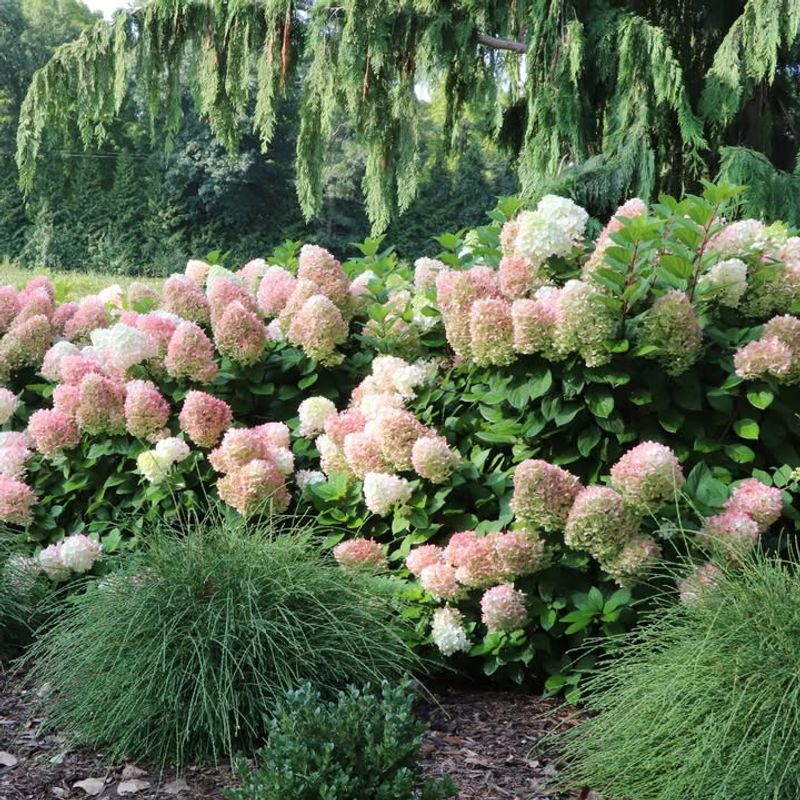
Few shrubs put on a show quite like Panicle Hydrangea, with its dramatic cone-shaped flower clusters that can turn from creamy white to deep pink as the season rolls on. Popular varieties like Limelight and Quick Fire are beloved by Oregon gardeners for good reason.
They are tough, adaptable, and reward a little attention with an absolutely stunning summer display, providing a striking focal point in borders, containers, or mixed garden beds and attracting pollinators along the way.
The best time to prune Panicle Hydrangea in Oregon is late winter or early spring, right before new growth begins to push through. Aim to cut the stems back by one-third to one-half their total length.
This encourages the plant to focus on producing larger flower heads, which often results in a more visually appealing display and ensures a more vibrant and longer-lasting floral season.
One common mistake people make is skipping the pruning because the old dried blooms look pretty in winter. Go ahead and enjoy them through the cold months, but once late February rolls around in Oregon, it is time to get to work.
Use clean, sharp pruners to make smooth cuts just above a healthy bud. Avoid leaving long, stubby stubs behind, as these can invite disease and slow down the plant’s recovery.
If your Panicle Hydrangea has grown large, a more significant pruning can be done carefully, as the plant usually responds with renewed growth. A well-pruned Panicle Hydrangea will reward you with blooms that are fuller, brighter, and longer-lasting through Oregon’s warm summer months, creating a spectacular show that draws attention from every angle in your garden.
2. Smooth Hydrangea That Fills Shady Corners
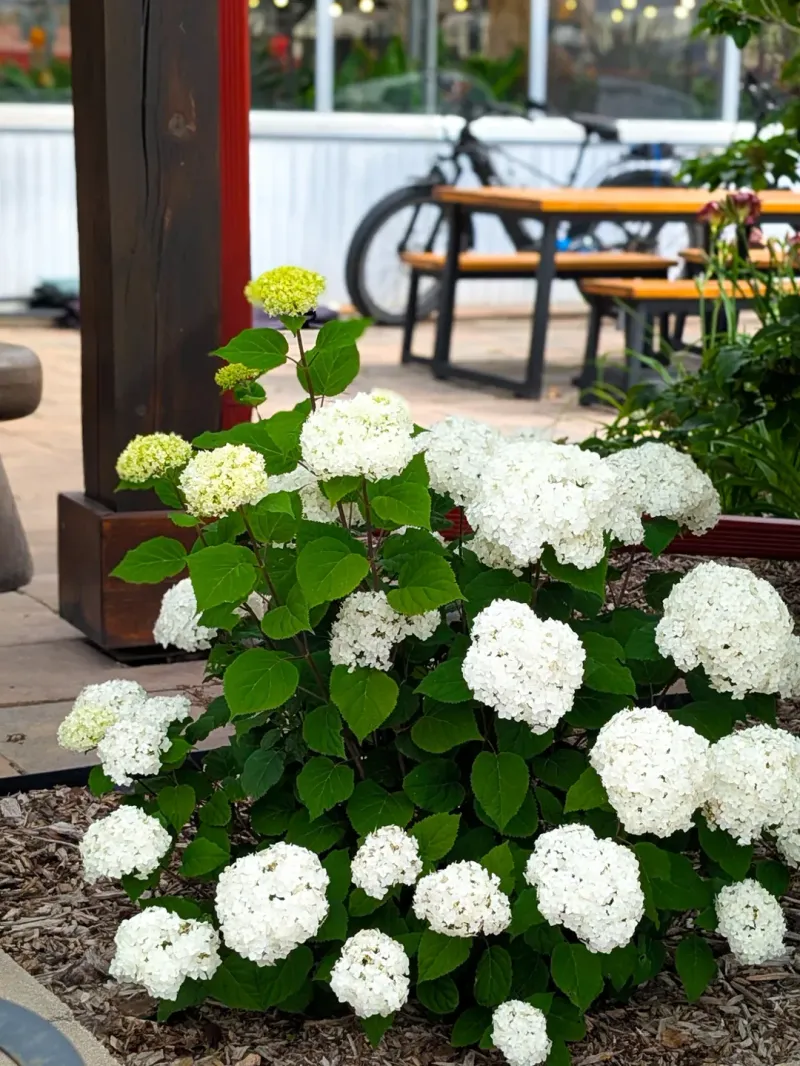
Often sold under the famous variety name Annabelle, smooth hydrangea is one of those plants that makes Oregon gardeners absolutely giddy in summer, brightening borders and bringing stunning texture to every corner. Those enormous, round white flower heads can grow as big as a volleyball, and they have a way of making even the simplest garden look like something out of a magazine.
Getting that kind of payoff, though, starts with a confident pruning session before spring arrives.
Late February to early March is the sweet spot for cutting back Smooth Hydrangea in Oregon. Unlike some other hydrangeas, this species blooms on new wood, which means the fresh stems that grow after pruning are exactly where your flowers will appear.
Cut the stems down to about 12 to 18 inches above the ground. While it may feel like a large cut, the plant typically grows back steadily with proper care and attention from the gardener.
If you skip pruning or only do a light trim, Smooth Hydrangea can get floppy and top-heavy by midsummer, with stems that flop over under the weight of those big blooms. A proper cutback keeps the plant compact and upright.
While you are at it, remove any stems that look gray, hollow, or weak at the base. Oregon’s rainy winters can sometimes leave behind a bit of stem rot, so clearing that out early gives the plant a clean start.
Smooth Hydrangea thrives in the Pacific Northwest climate and with a little annual pruning, it will be one of the most rewarding shrubs in your yard year after year.
3. Japanese Spirea With Fluffy Spring Flowers
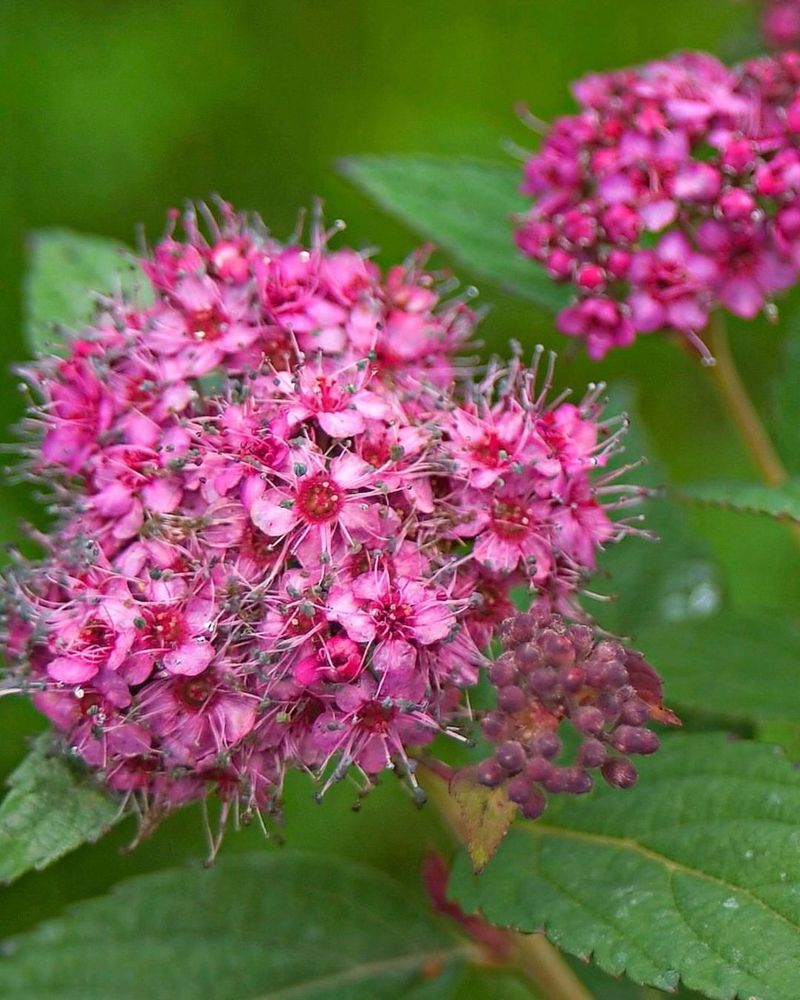
Walk through almost any Oregon neighborhood in early summer and you are bound to spot Japanese Spirea putting on a cheerful show of pink, red, or white blooms, brightening yards and attracting pollinators along the way. This compact, easy-care shrub is a favorite for borders, foundation plantings, and low hedges across the Pacific Northwest.
What a lot of gardeners do not realize is that a timely pruning session before spring is the secret behind those spectacular floral displays.
Early spring is the right window to prune Japanese Spirea in Oregon, specifically before the leaves begin to emerge. Cut the plant back by about one-third of its total height to maintain a tidy shape and stimulate an abundance of new flowering stems.
If your spirea has been neglected for a few seasons and looks woody and sparse in the center, a harder cutback closer to ground level can help rejuvenate it completely.
One handy trick that many Oregon gardeners swear by is light deadheading after the first flush of blooms fades in early summer. Removing the spent flower clusters can actually encourage a second round of blooming later in the season, giving you more color for less effort.
Japanese Spirea is a tough plant that handles Oregon’s wet winters without much fuss, but it does appreciate some structure and shaping to stay looking its best. Keep your pruning tools clean and sharp to avoid tearing the thin stems, and always cut just above an outward-facing bud to encourage a naturally rounded, open form that lets in light and air while keeping the plant healthy and vigorous.
4. Potentilla That Pops With Yellow Blossoms
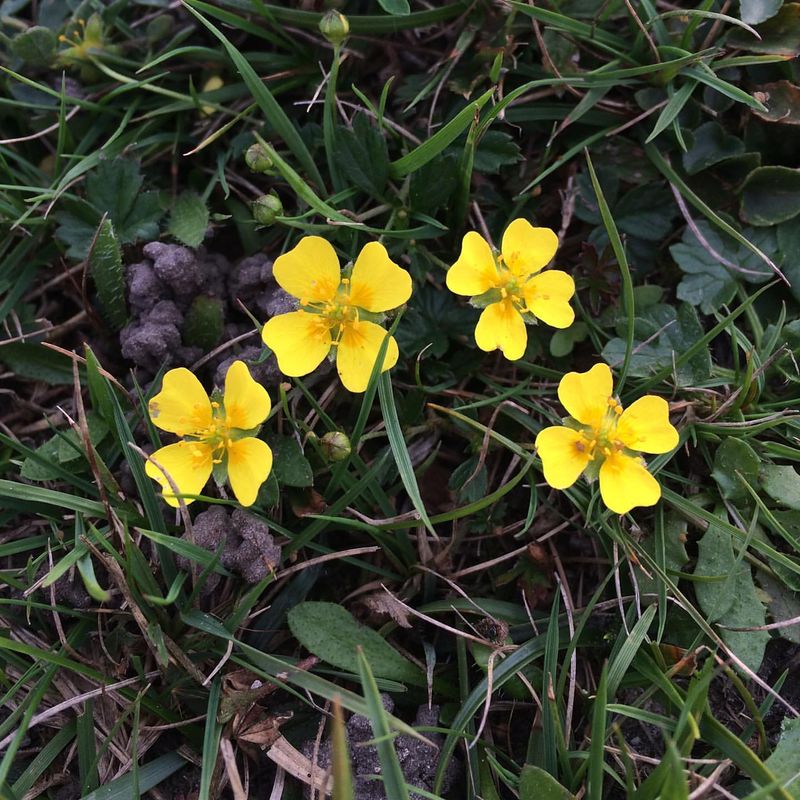
Although it might not get as much attention as hydrangeas or butterfly bush, potentilla is considered one of the most reliable bloomers in the Pacific Northwest by experienced Oregon gardeners, earning a reputation for consistent performance and garden-friendly appeal. Also known as shrubby cinquefoil, this tough little plant produces cheerful yellow, white, or orange flowers from late spring all the way through fall, brightening borders, containers, and informal garden spaces.
It handles Oregon’s variable weather with impressive composure, tolerating everything from summer dry spells to soggy winter soil and occasional unexpected cold snaps.
Pruning Potentilla before spring is a straightforward task that pays off with a tidier shape and more vigorous blooming. In late February or early March, cut the plant back by about one-third to remove older, woodier stems that tend to produce fewer flowers over time.
You can also thin out the center of the shrub to improve airflow and reduce the chances of fungal issues, which can occasionally pop up in Oregon’s moist climate, especially after heavy winter rains.
Some gardeners make the mistake of never pruning Potentilla because it always seems to bloom regardless. While that is true to a point, an unpruned plant gradually becomes dense and twiggy in the middle, with most of the flowers pushed to the outer edges.
A light pruning keeps the whole shrub productive and looking neat. Potentilla is also a fantastic choice for slopes, dry banks, and spots where other shrubs struggle in Oregon landscapes.
Low maintenance and long-blooming, it earns its place in any garden that values color without constant fuss, providing dependable charm and cheerful blooms for months.
5. Bluebeard That Thrives In Full Sun
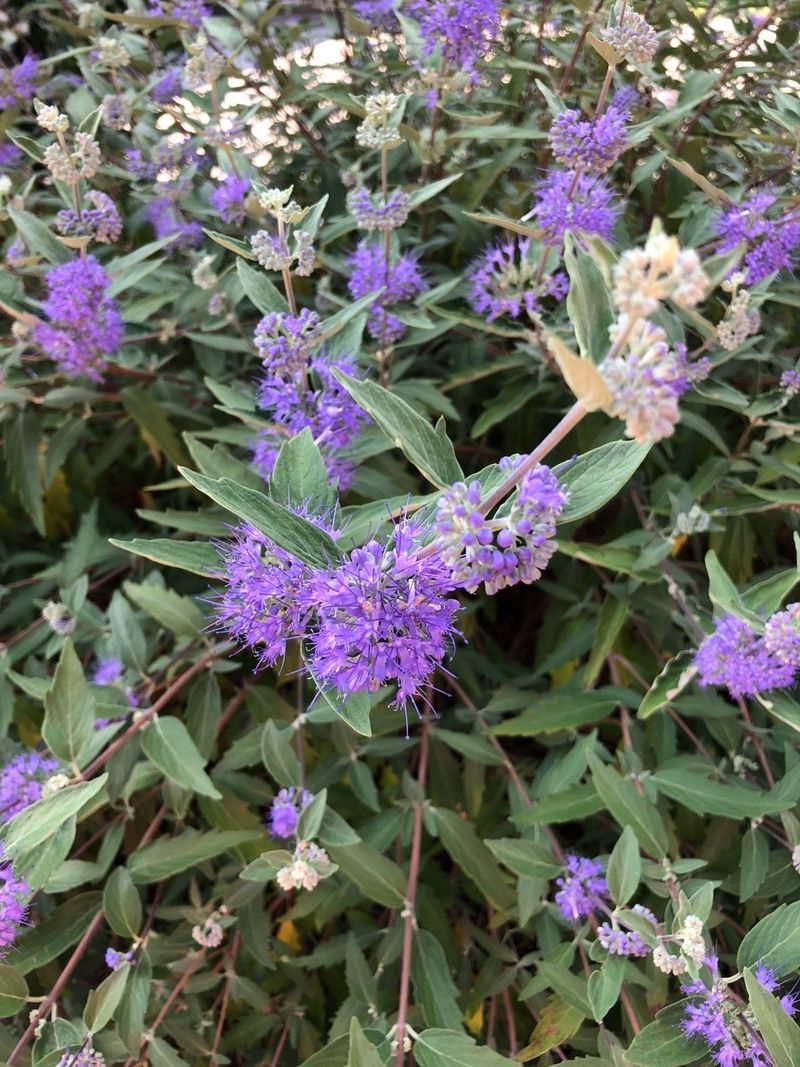
There is something almost magical about the way Bluebeard, also known by its botanical name Caryopteris, lights up a late summer garden with its hazy clouds of blue-purple flowers. At a time when many other shrubs are winding down, Bluebeard is just hitting its stride.
It is a standout performer in Oregon gardens, especially when planted in sunny, well-drained spots where it can really show off and thrive beautifully year after year.
Getting the most out of Bluebeard starts with a confident pruning in late February or early March, just before new growth begins to push from the base. Cut the stems back hard, leaving just 6 to 8 inches above the ground.
This might look severe, but Bluebeard blooms exclusively on new wood, so the fresh stems that sprout after pruning are exactly where the flowers will form. Skipping this pruning step can lead to a leggier plant and may reduce the number of blooms.
Oregon winters are generally mild enough that Bluebeard survives without much protection, but the stems often look brown and weathered by late winter. Do not mistake that weathered appearance for permanent damage.
Once you cut it back and soil temperatures begin to rise, new growth emerges quickly and with impressive energy. Bluebeard is also a magnet for bees and butterflies, making it a smart choice for pollinator-friendly gardens across the Pacific Northwest.
Its silvery-green foliage adds soft texture even before the blooms arrive, so it earns its space in the garden from multiple angles throughout the growing season, delighting the eye and attracting beneficial insects.
6. Butterfly Bush That Attracts Pollinators
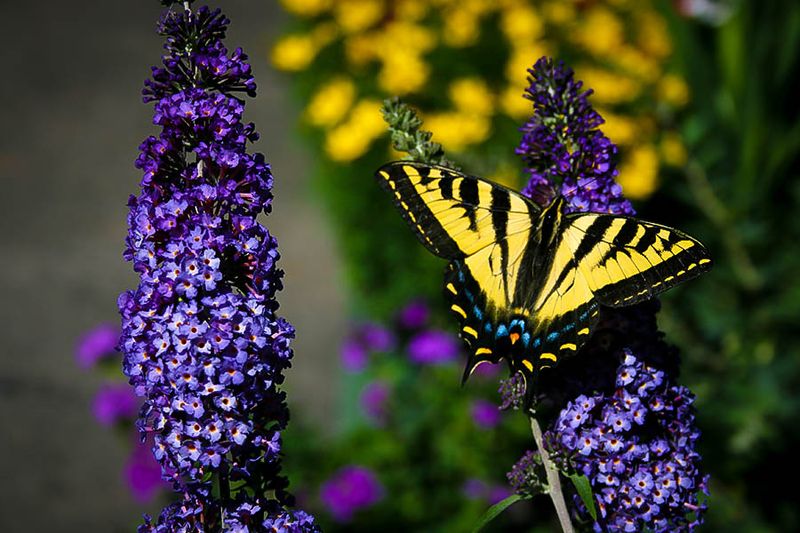
Few plants draw butterflies and hummingbirds quite like Butterfly Bush, and on a warm Oregon summer afternoon, a mature specimen in full bloom is a genuinely breathtaking sight that captivates anyone walking past. The long, fragrant flower spikes in shades of purple, pink, white, and red are irresistible to pollinators and gardeners alike, adding movement and life to any garden corner.
Getting that spectacular summer performance, however, depends almost entirely on what you do with it before spring arrives.
Prune Butterfly Bush in early spring, cutting the stems back hard to about 12 inches above the ground. Because this shrub blooms on new wood, pruning encourages the plant to produce long stems with more flower spikes.
Left unpruned, Butterfly Bush becomes a tangled, woody mess with noticeably smaller blooms and far less visual impact through the Oregon growing season.
One important consideration for Oregon gardeners is that some Butterfly Bush varieties have been flagged as potentially invasive in parts of the Pacific Northwest due to their prolific seed production. The good news is that sterile cultivars like Miss Molly, Pugster Blue, and the Buzz series offer all the beauty without the ecological concerns, and these are widely available at nurseries throughout Oregon.
Always check the label before you buy to confirm you are choosing a non-seeding variety. Beyond that, Butterfly Bush is wonderfully low maintenance.
It tolerates heat, handles dry summers once established, and returns reliably each year with a light pruning in late winter or early spring, providing vibrant color and pollinator activity all summer.
7. Rose Of Sharon With Bold Summer Flowers
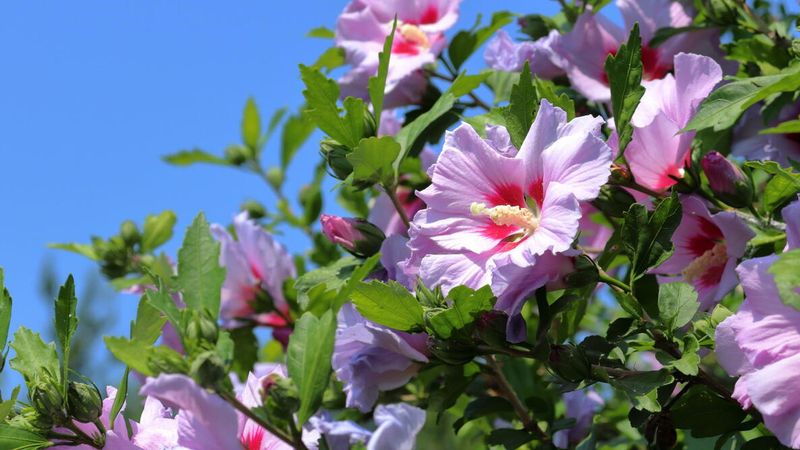
With its certain old-fashioned charm that never really goes out of style, rose of Sharon produces large, hibiscus-like blooms in late summer, filling a valuable gap in the Oregon garden calendar. Colors range from pure white to soft lavender, deep purple, and rosy pink, often with a striking contrasting eye at the center of each flower, attracting butterflies and adding a vibrant focal point to mixed borders and perennial beds.
Late winter to early spring is generally a good time to prune Rose of Sharon in Oregon, just before buds begin to swell. For general maintenance, cut the previous year’s growth back by about one-third to encourage strong new stems and larger individual blooms.
If you have an older, overgrown specimen that has gotten out of hand, a harder rejuvenation pruning can help reset the plant and restore a more manageable size and shape.
One thing worth knowing about Rose of Sharon is that it can self-seed quite prolifically if the spent flowers are left on the plant. Deadheading through the blooming season or choosing one of the newer sterile varieties helps keep unwanted seedlings from popping up all over your Oregon garden beds.
Despite that minor quirk, Rose of Sharon remains a deeply satisfying shrub to grow. It is heat tolerant, relatively drought resistant once established, and blooms reliably for weeks on end.
Planting it near a patio or seating area lets you enjoy those gorgeous late summer flowers up close every single day, providing color, texture, and interest that lasts well into the season.