The Simple April Azalea Step In Georgia That Supports Longer Blooms
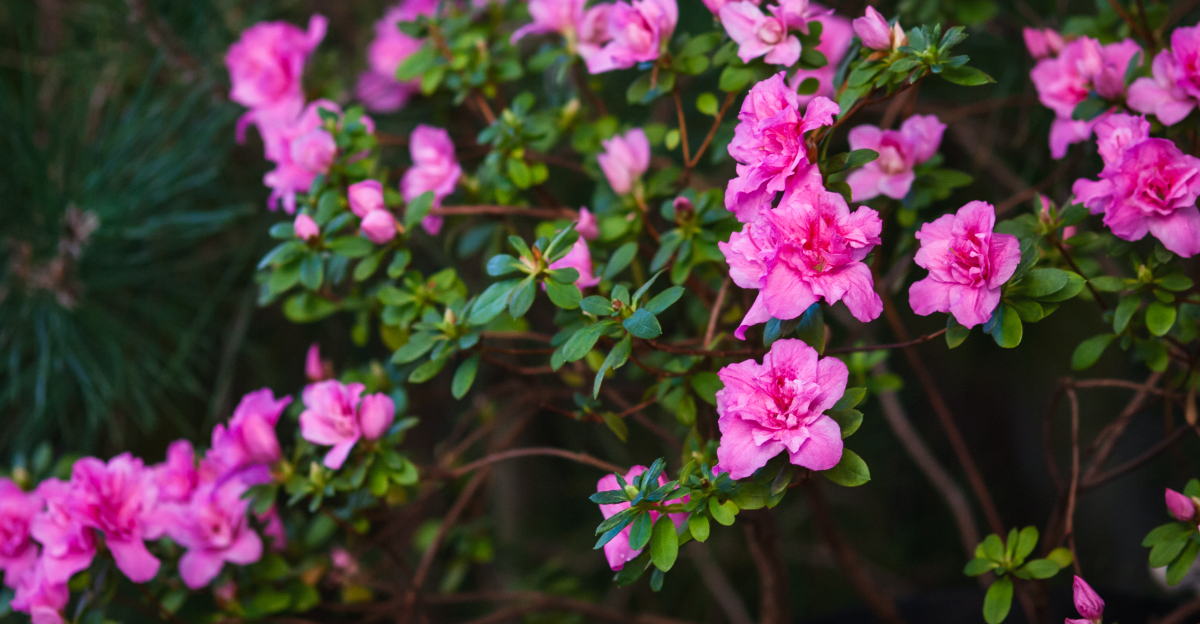
Azaleas in Georgia reach a key point in spring where bloom quality depends on one simple step. At first glance, everything looks full and on track, but this stage can quietly decide how long that color stays strong.
It is easy to miss the timing when plants still look healthy and balanced.
Some azaleas lose shape and color sooner than expected, while others hold a cleaner and fuller look much longer with the right move at the right time.
The difference comes down to a small detail that often gets overlooked during this part of the season.
One correct step here helps keep blooms in better condition as weather shifts and pressure builds.
1. Clean Up Azaleas By Removing Spent Blooms Early
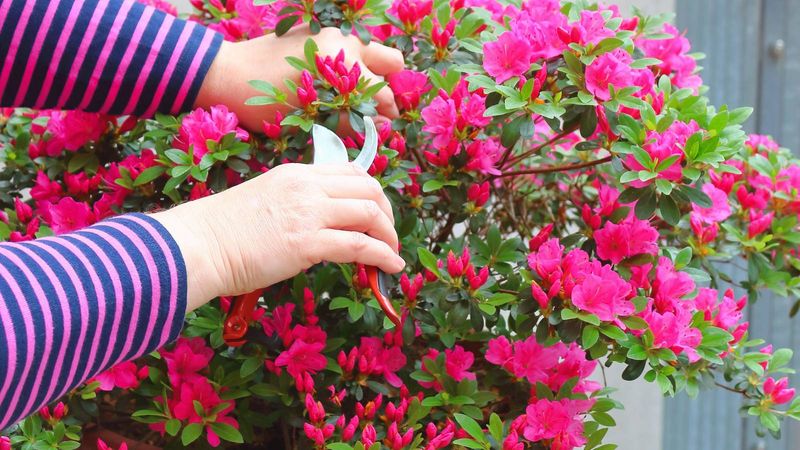
Spent blooms left on an azalea don’t just look messy — they can actually slow down the plant’s energy. When faded flowers hang on the branches, the plant starts putting resources into seed production instead of keeping the remaining blooms going.
Getting ahead of this early in April gives your Georgia azaleas a better shot at staying colorful longer.
Pinching off old blooms is straightforward. Use your fingers or small pruning snips to gently remove flowers that have turned brown or gone limp.
Work your way around the whole shrub, not just the obvious spots facing the street. It takes maybe 15 minutes for an average-sized plant.
Georgia’s warm April temperatures speed up the bloom cycle, which means spent flowers pile up fast. Checking your plants every few days rather than waiting a week can help you stay on top of it.
Regular removal keeps the shrub looking tidy and signals the plant to keep pushing energy into active blooms.
You don’t need to strip every petal off perfectly. Even removing the bulk of the faded flowers makes a noticeable difference.
Gardeners in Georgia who do this consistently often report that their azaleas hold color longer into late April compared to plants that are left untouched. It’s a small habit with a practical payoff when the blooming season is already short.
2. Removing Faded Flowers Helps Keep Plants Looking Tidy
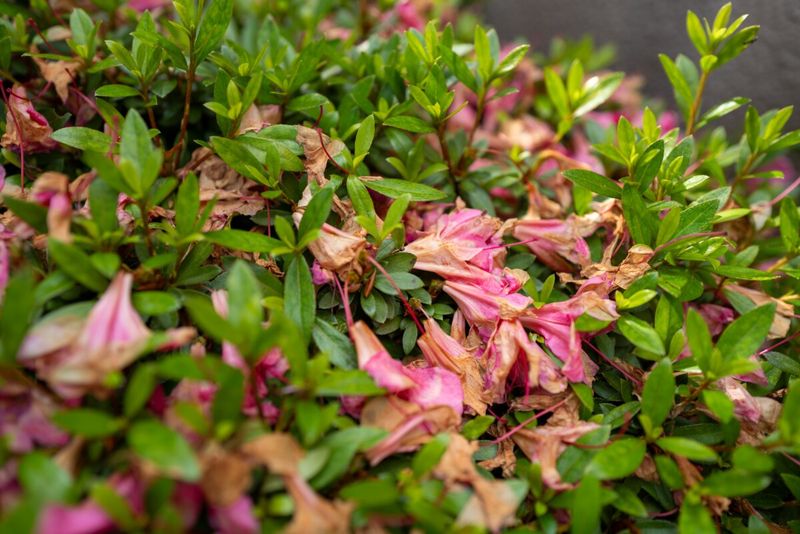
A yard full of azaleas in full bloom is a Georgia spring tradition, but nothing undercuts that scene faster than brown, drooping flowers clinging to otherwise healthy branches.
Faded blooms draw the eye in the wrong direction and make even a healthy plant look worn out before its time.
Keeping up with deadheading — the practice of pulling off spent flowers — is less about perfection and more about basic upkeep. You’re not trying to make the plant look like a showroom display.
You’re just clearing out what’s already finished so the rest of the blooms get their moment.
Azaleas in Georgia tend to bloom in waves during April. Some clusters open while others are still going strong.
Removing only the fully faded sections while leaving untouched clusters means you’re not disrupting what’s still actively blooming. A little selectivity goes a long way here.
Tidy plants also tend to get better airflow between branches, which can reduce the chance of fungal issues during Georgia’s humid spring weather. That’s a practical bonus on top of the aesthetic one.
Spending a few minutes every couple of days walking your yard and pulling spent blooms is a habit that pays off in both appearance and plant health. Most experienced Georgia gardeners treat it as a regular part of their April routine, no different than checking for pests or watering during a dry stretch.
3. Taking Off Spent Blooms Keeps Plants Looking Neat
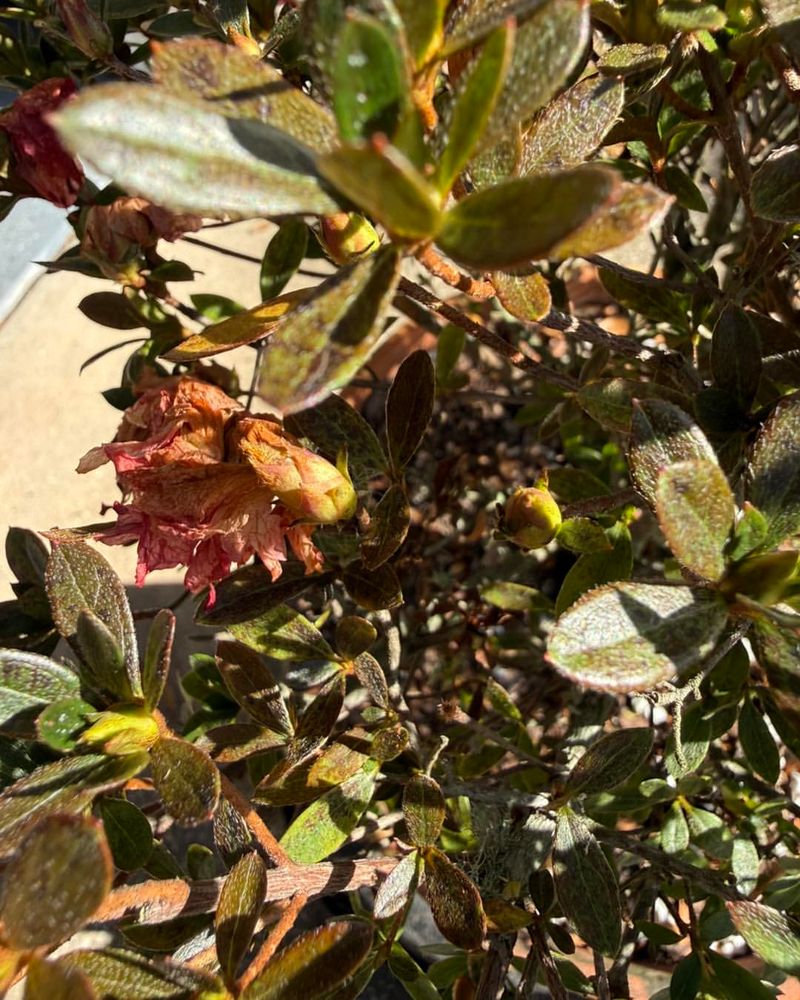
Azaleas don’t clean themselves up. Unlike some plants that drop their old flowers naturally, azaleas often hold onto spent blooms for days, sometimes longer.
In Georgia’s April heat, those lingering flowers brown up quickly and stick out against the fresh color still coming in.
Pulling them off by hand is genuinely the simplest approach. Grasp the faded bloom near the base and give it a gentle twist.
Most come off cleanly without any resistance. For tighter clusters, a pair of small pruning scissors works well and lets you get into spots your fingers can’t reach as easily.
Neatness isn’t just about looks, though that matters too. When a shrub stays cleaner, it’s easier to spot actual problems like insect damage, disease spots, or broken branches.
You’re not just tidying — you’re also giving yourself a better view of what’s actually going on with the plant.
April in Georgia moves fast. Temperatures can swing between mild mornings and warm afternoons, and azalea blooms respond to that variability.
Some sections of a shrub may fade while others are still fully open. Focusing your cleanup on the clearly finished sections while leaving the rest alone keeps things balanced.
Over the course of a few weeks, staying consistent with this kind of light maintenance can help the overall display last noticeably longer than plants that go untouched through the whole bloom season.
4. Clearing Old Flowers Helps Redirect Energy Into Growth
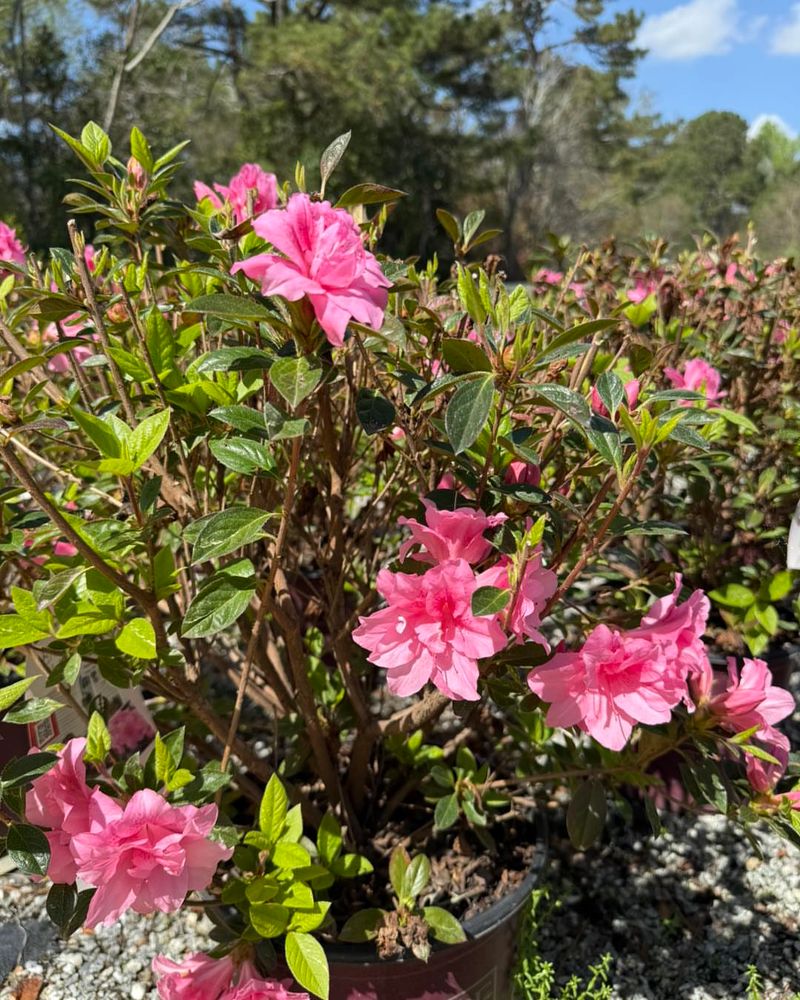
Plants work on a budget. Every resource they have — water, nutrients, sunlight — gets allocated somewhere.
When old flowers stay on an azalea, the plant sometimes shifts effort toward developing seeds from those spent blooms rather than supporting what’s still actively flowering.
Removing faded flowers before seed pods begin to form helps steer that energy back toward the living parts of the plant. You’re not forcing the plant to do something unnatural.
You’re just removing a competing demand so it can focus on what’s still going.
In Georgia, where April brings warm temps and decent rainfall in most years, azaleas are already working hard. Nutrient uptake is active, new growth is pushing, and blooms are cycling through quickly.
Clearing out the old flowers during this active period can support a slightly longer display, though results will vary depending on the variety, soil condition, and how much sun the plant gets.
New leaf growth often pushes through more visibly once spent blooms are cleared. That’s not a coincidence.
The plant has more room and, potentially, more resources to work with. Fresh green foliage filling in behind fading flowers also keeps the shrub looking alive and full rather than sparse.
Gardeners across Georgia who pay attention to this detail often notice their plants transition out of bloom season in better overall shape, which sets up healthier bud development for the following year’s spring show.
5. Removing Spent Blooms Prevents Plants From Looking Tired
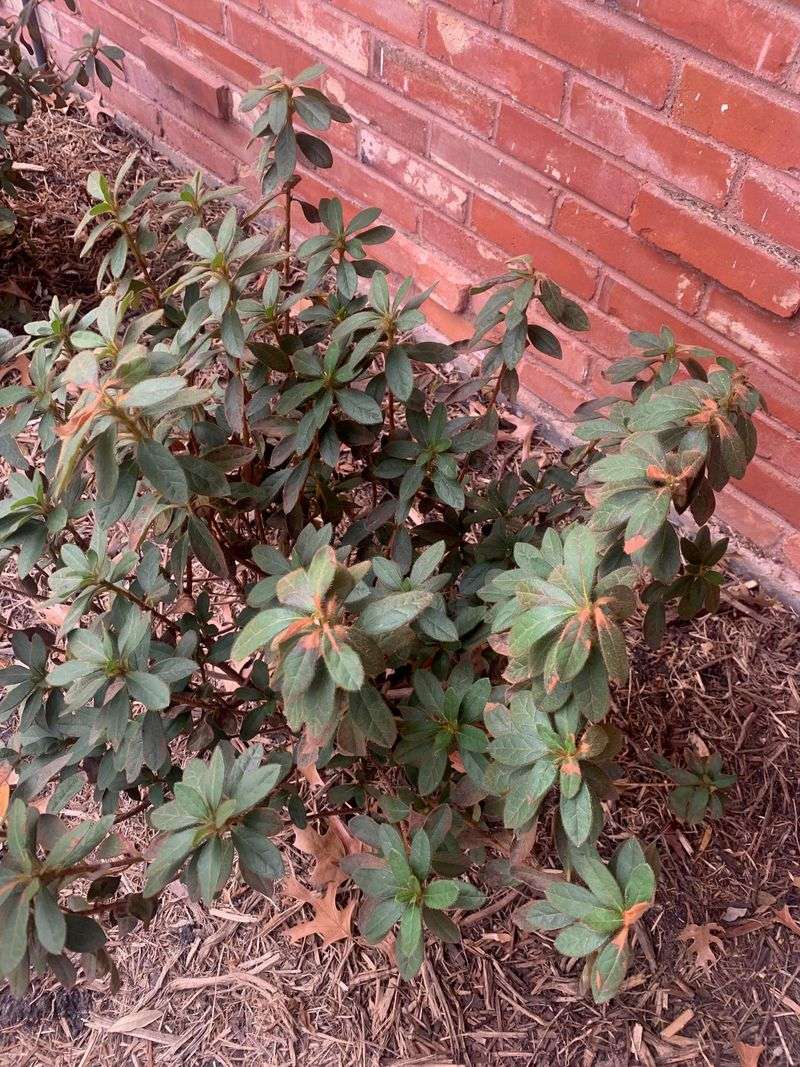
By mid-April in Georgia, some azaleas start looking worn even when they’re not actually struggling. The culprit is usually spent blooms sitting on the branches alongside fresh ones.
That mix of brown and bright makes the whole plant look further along in the season than it really is.
Deadheading resets the visual. Once the faded flowers are gone, what’s left looks intentional and fresh.
It’s the same plant — nothing about its health changed in those few minutes — but the difference in appearance is real and immediate.
There’s also a practical reason to care about this beyond aesthetics. Azaleas that look tired tend to get less attention from gardeners.
When a plant looks healthy and cared for, you’re more likely to notice early signs of trouble like scale insects, leaf spot, or drought stress. Engagement with your plants is actually part of good care.
Spending five to ten minutes every few days on bloom removal during peak season keeps the tired look at bay. April doesn’t last long in Georgia, and neither does peak azalea bloom time.
Stretching that window even slightly by keeping the plant looking its best is worth the small effort involved. It won’t transform a struggling plant into a perfect one, but for a healthy azalea that just needs a little attention, consistent deadheading during April can make a visible difference in how long the display holds up.
6. This Simple Cleanup Helps Maintain A Fuller Appearance

Fullness in an azalea comes from a combination of healthy growth and smart timing. Removing spent blooms during April helps maintain that dense, layered appearance that makes azaleas so eye-catching in Georgia yards.
When old flowers stay put, they create visual gaps that break up the fullness of the display.
Freshly deadheaded plants tend to look more uniform across the whole shrub. Rather than a patchwork of brown and bright, the remaining blooms stand out clearly against clean green foliage.
That contrast is part of what makes azaleas so striking in the first place.
Fullness also depends on the variety. Compact varieties like Formosa or George Tabor, both popular in Georgia, respond well to regular cleanup because their dense branching structure benefits from having old material cleared away.
More open, spreading varieties also benefit, though the effect is slightly less dramatic.
Keeping up with bloom removal doesn’t require a strict schedule. A casual walk through the yard every couple of days, pulling off what’s clearly finished, is enough to maintain the look through most of April.
You don’t need to be precise or systematic about it. Just stay consistent.
Over time, that regular light effort adds up to a noticeably fuller, cleaner plant compared to one that’s left completely alone.
For Georgia gardeners who take pride in their spring yard, this small step is one of the easiest ways to get more out of azalea season without adding much time or cost.
7. Regular Bloom Removal Keeps Plants Looking Fresh Longer
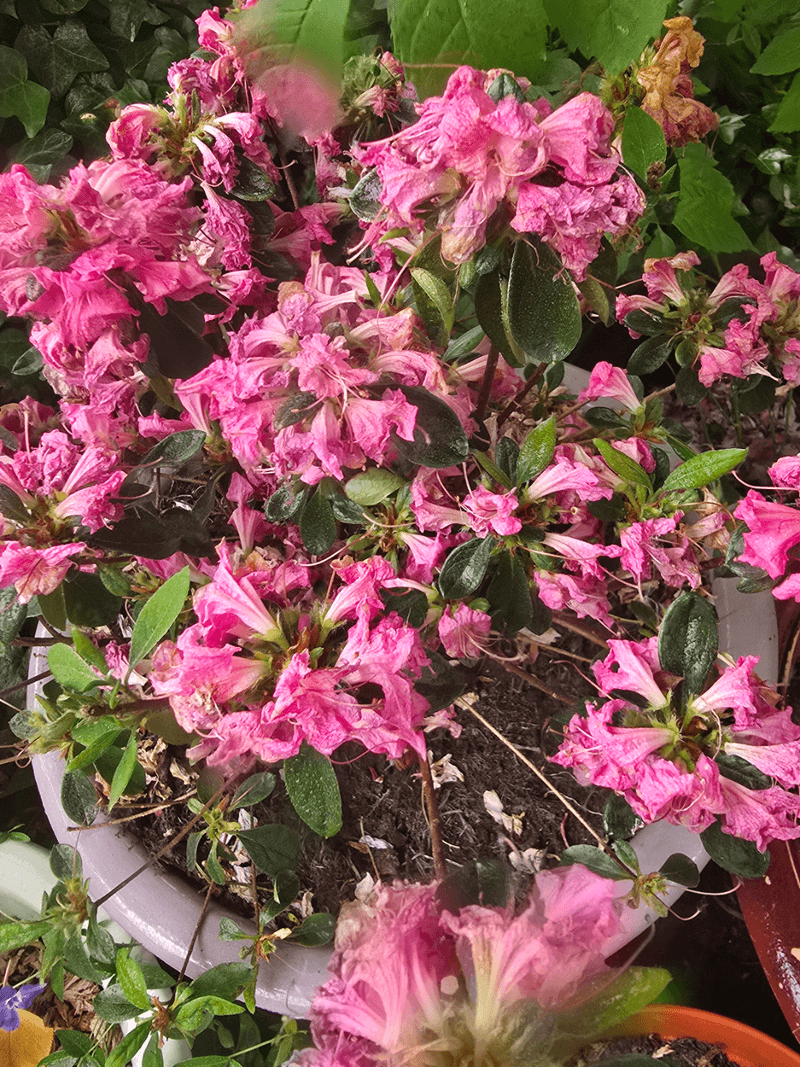
Consistency is the part most people skip. Removing blooms once and calling it done misses the point.
Azaleas in Georgia cycle through flowers over the course of several weeks in April, which means new spent blooms appear regularly as older ones finish and newer ones open up.
Building a simple habit around this makes a real difference. A few minutes every two or three days is far more effective than one big cleanup session at the end of the month.
By the time you do a single late cleanup, most of the bloom season has already passed and the benefit is minimal.
Freshness in a flowering shrub is partly about the flowers themselves and partly about perception. A plant that’s been regularly tended looks alive and cared for even when it’s winding down.
One that’s been ignored can look rough even at peak bloom if spent flowers are piling up throughout the canopy.
Georgia’s April weather varies year to year. Some springs are warm and dry, which accelerates the bloom cycle.
Others are cooler and wetter, which can extend it. Regular deadheading works in either scenario because you’re responding to what the plant is actually doing rather than following a fixed calendar.
Paying attention to your specific plants and adjusting how often you clean up based on what you’re seeing is more effective than any rigid schedule. That kind of attentive, responsive care is what keeps Georgia azaleas looking genuinely fresh from early April all the way through the tail end of bloom season.