The Simple Drought Proof Shrub South Dakota Gardeners Rely On
South Dakota gardeners face a tough challenge every growing season.
The harsh winds, freezing winters, and long dry spells make it difficult to keep many plants alive and looking their best.
Even with careful planning, traditional shrubs can struggle, leaving gardens looking bare or patchy.
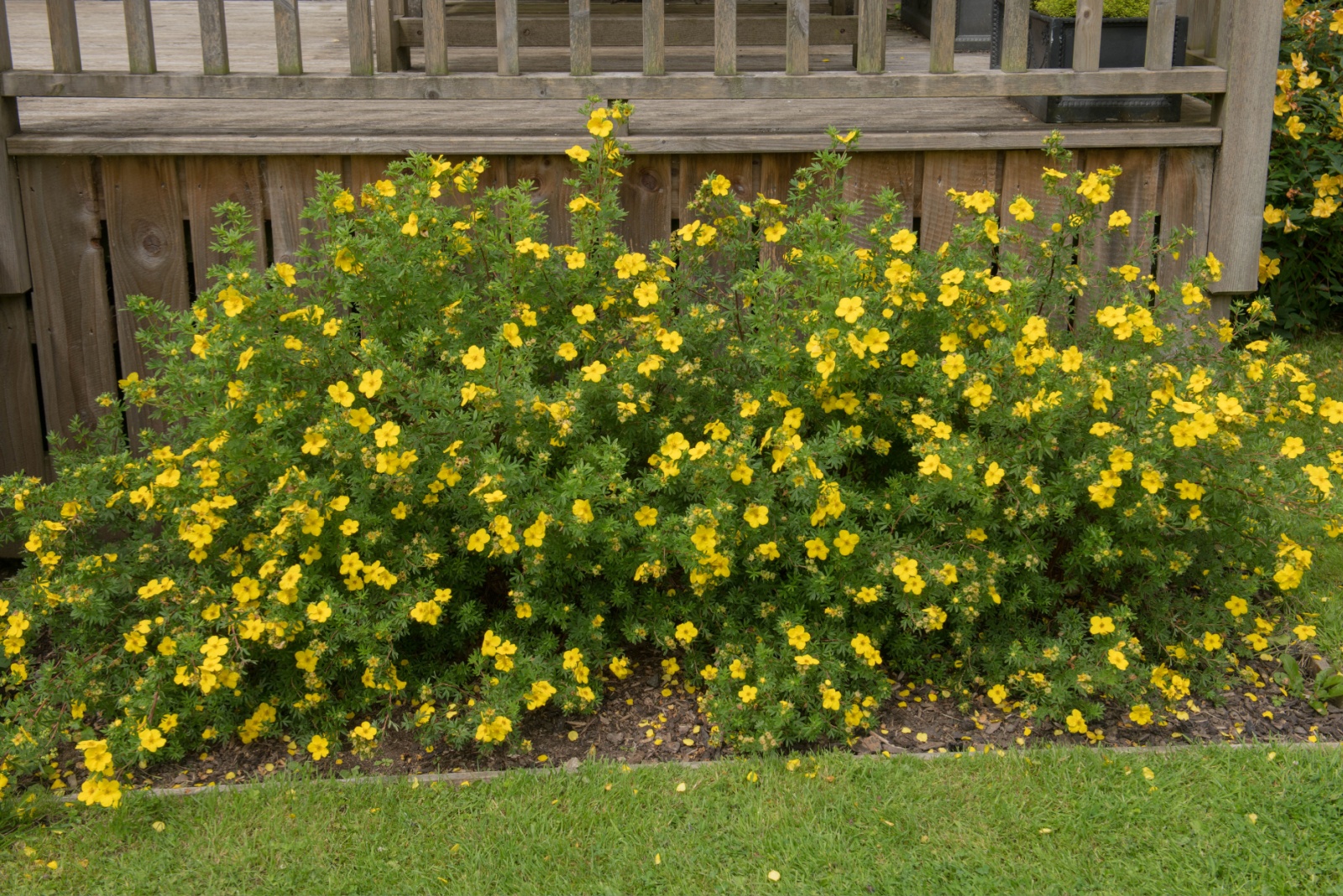
But there’s one shrub that stands up to these challenges year after year: Potentilla.
This hardy, low-maintenance plant has become a favorite among South Dakota gardeners because it continues to bloom and add color no matter what Mother Nature throws its way.
Its bright flowers and compact growth make it ideal for borders, hedges, or mixed garden beds, and it requires minimal watering or attention once established.
For gardeners who want a vibrant, reliable shrub without the constant fuss of pruning, watering, or replanting, Potentilla is the go-to solution.
Its resilience, long blooming season, and adaptability to harsh climates have earned it a permanent place in yards across the state, proving that even in South Dakota’s challenging environment, beautiful gardens are possible.
Survives Extreme Temperature Swings
Potentilla can handle temperatures that would destroy most flowering shrubs.
During South Dakota winters, when the thermometer plunges to twenty below zero, this tough plant simply goes dormant and waits for spring.
Come summer, it doesn’t mind when temperatures soar into the nineties either.
Most shrubs would wilt or stop blooming in that kind of heat, but potentilla just keeps producing flowers like nothing happened.
Gardeners love how they don’t need to baby this plant through temperature changes.
You won’t find yourself running outside with blankets when a late frost threatens your garden beds.
The secret lies in the plant’s natural origins.
Potentilla evolved in mountainous regions where wild temperature swings happen daily, so it developed incredible adaptability over thousands of years.
Whether you live in the Black Hills or out on the eastern plains, potentilla adapts to your specific microclimate.
It’s like having a plant with a built-in thermostat that automatically adjusts to whatever weather rolls through your yard.
Needs Very Little Water Once Established
After the first growing season, potentilla develops deep roots that tap into moisture far below the surface.
You can basically forget about dragging the hose around once this shrub gets settled in your landscape.
During those dry weeks when your lawn turns brown and crunchy, potentilla stays green and keeps flowering.
Many gardeners report going an entire summer without watering their established plants, even during official drought conditions.
The leaves have a special coating that reduces water loss through evaporation.
On hot, windy days when other plants are gasping for moisture, potentilla conserves every drop it has stored.
South Dakota’s average annual rainfall varies wildly from year to year, but potentilla doesn’t seem to notice.
Whether you get twelve inches or twenty inches, this shrub makes do with whatever nature provides.
For new homeowners trying to reduce their water bills, replacing thirsty plants with potentilla makes financial sense.
You’ll save money and still have a beautiful yard that neighbors admire throughout the growing season.
Blooms From Late Spring Through Fall
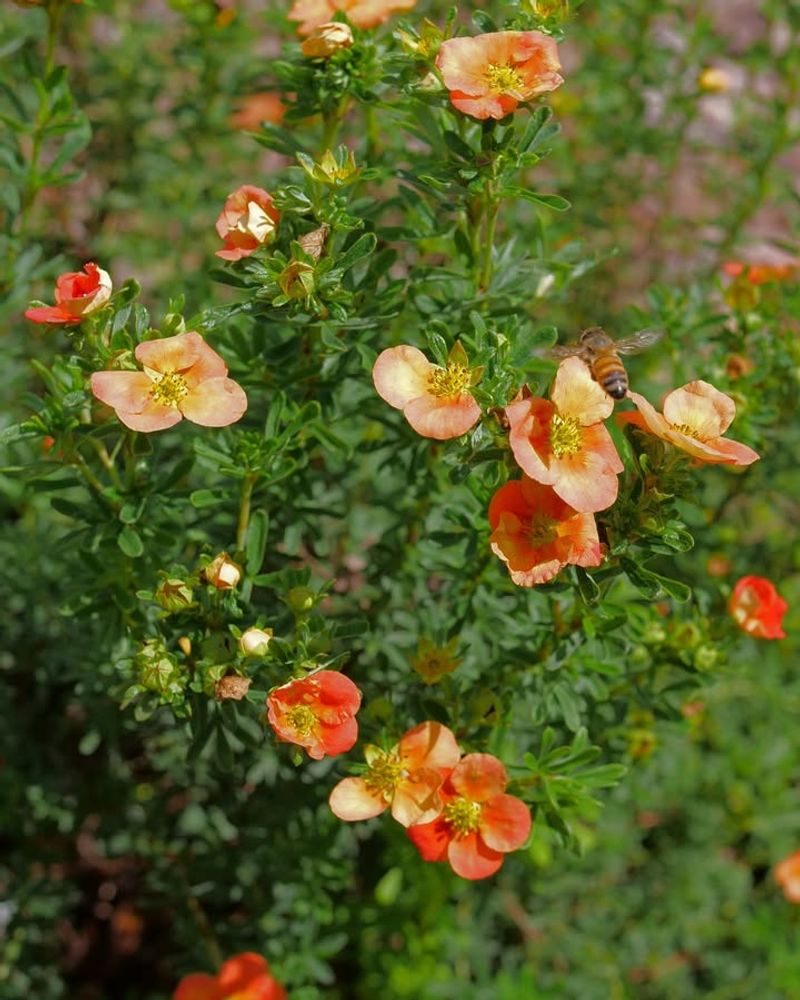
Most flowering shrubs give you a week or two of color, then nothing but green leaves for the rest of summer.
Potentilla breaks that pattern by producing fresh flowers for months on end, giving your garden constant color.
The blooming starts around Memorial Day when most South Dakota gardens are just waking up.
By the Fourth of July, your potentilla will be covered in cheerful flowers that make your yard look festive without any decorations.
Even better, the flowers keep coming until the first hard freeze in October.
That means you get nearly five months of continuous blooms from a single plant that requires almost no maintenance.
Each individual flower lasts about a week before dropping off, but new buds open constantly to replace the old ones.
You’ll never see a bare spot on a healthy potentilla during the growing season.
Gardeners appreciate how this extended bloom time fills the gap between spring bulbs and fall mums.
Your landscape stays interesting all summer long without replanting annuals or fussing with complicated care routines every weekend.
Comes In Multiple Flower Colors
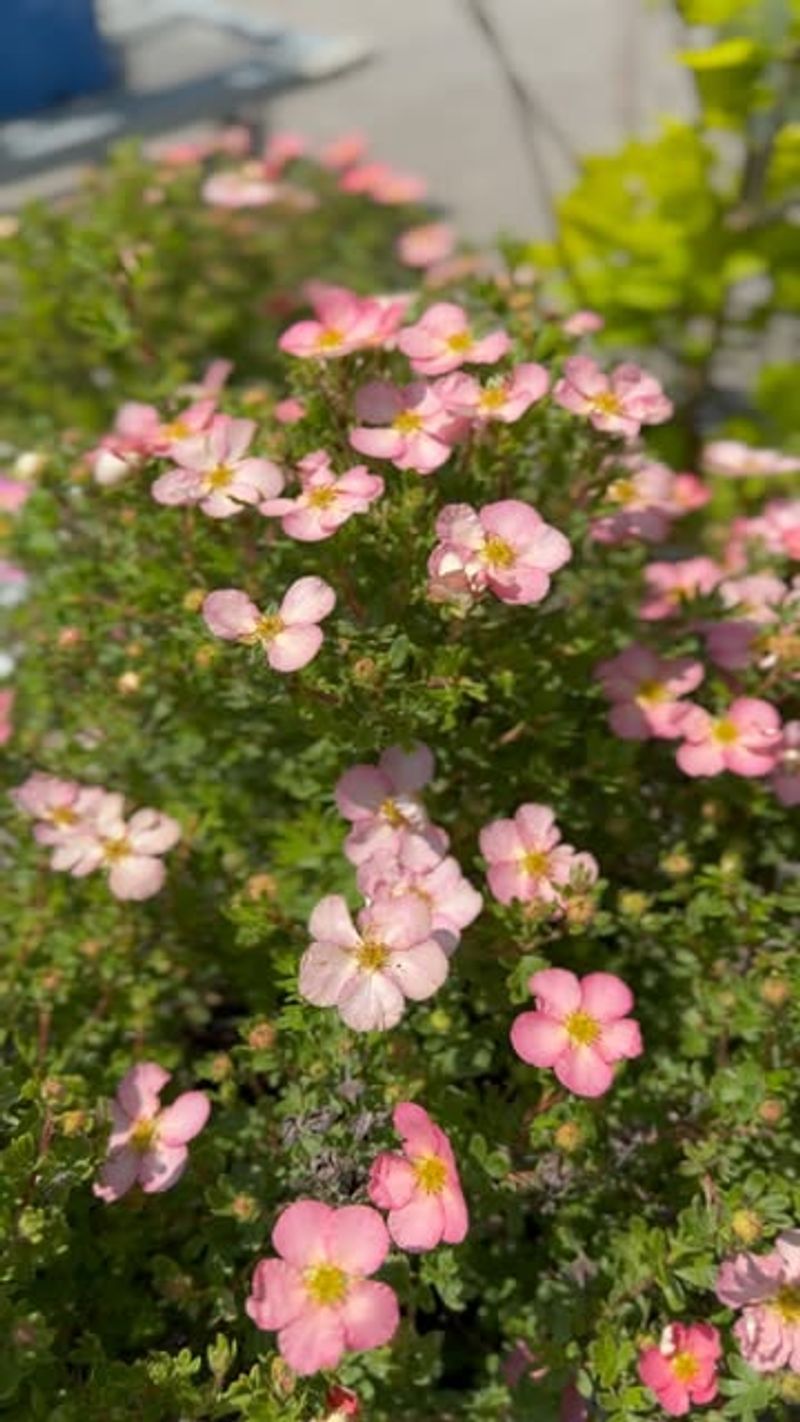
Yellow potentilla is the classic choice, with bright buttercup-colored blooms that practically glow in the sunshine.
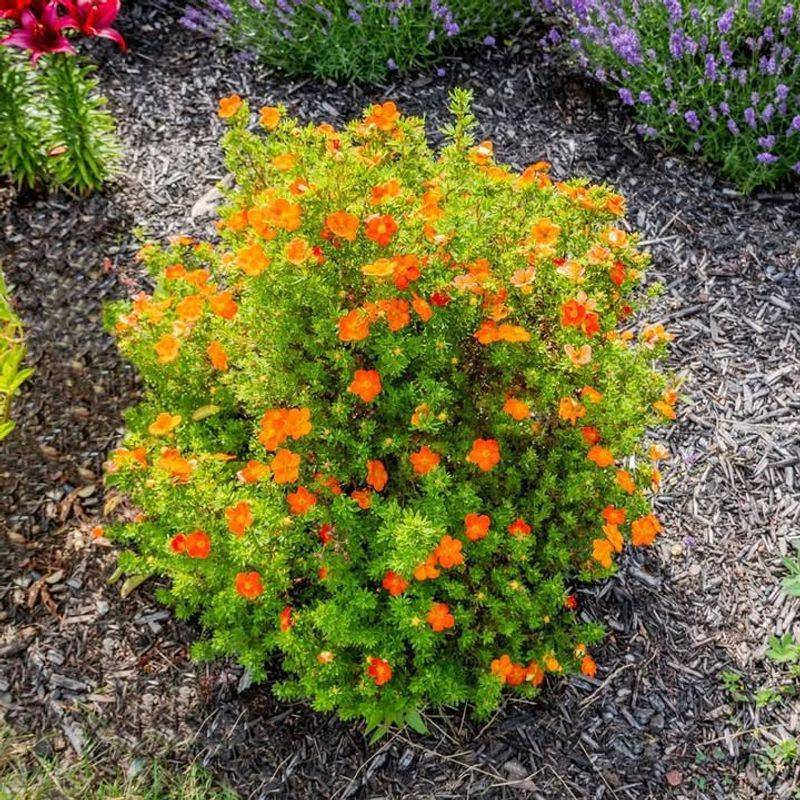
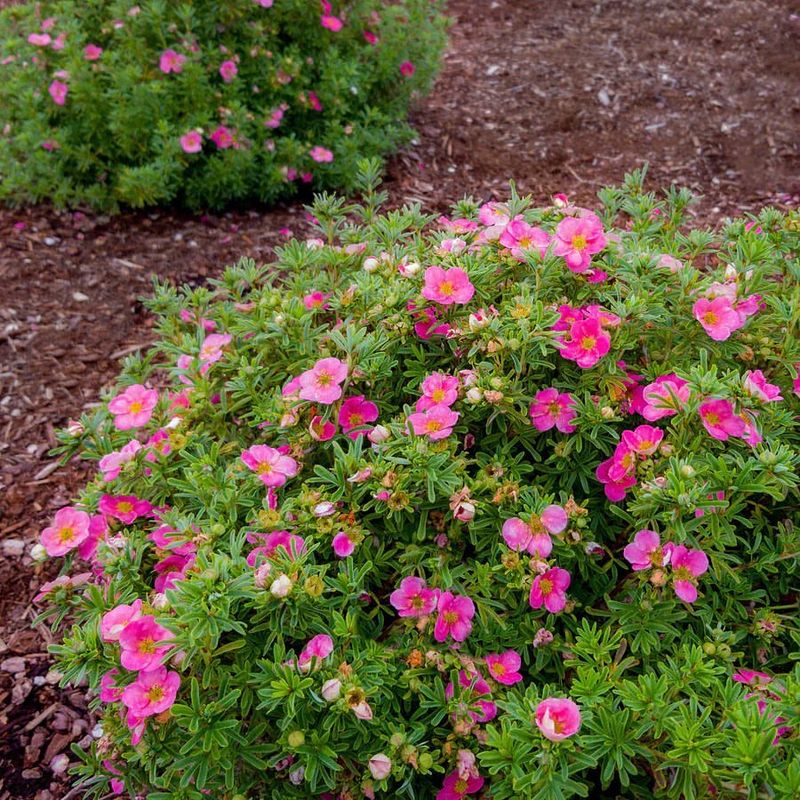
But nurseries now offer varieties in white, pink, peach, orange, and even red shades to match any color scheme.
The white varieties look especially elegant against dark green foliage and work beautifully in moon gardens.
Pink potentillas add a softer touch to cottage-style landscapes where you want a romantic, old-fashioned feel.
Orange and peachy tones bring warmth to your yard and pair wonderfully with purple perennials like salvia or catmint.
Red varieties are harder to find but create stunning focal points when planted near entryways or patios.
Some gardeners plant several different colors together to create a rainbow effect.
Since all potentillas have the same growing requirements, you can mix and match without worrying about complicated care schedules.
When shopping at your local nursery, ask which color varieties perform best in South Dakota conditions.
Some of the newer hybrids haven’t been tested in harsh prairie climates, so stick with proven performers for guaranteed success in your landscape design.
Resistant To Common Garden Pests
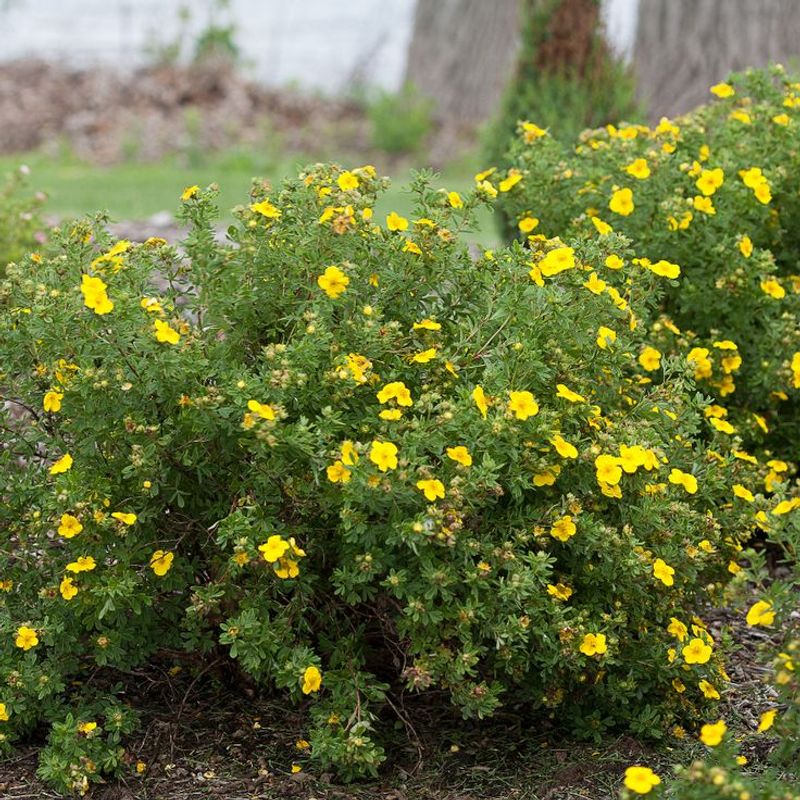
Deer usually ignore potentilla completely, which is a huge advantage for South Dakota gardeners dealing with hungry wildlife.
While deer munch your hostas and roses down to nubs, they walk right past potentilla without taking a single bite.
Rabbits also leave these shrubs alone, probably because the leaves have a slightly bitter taste.
If you’ve ever lost young plants to rabbit damage, you’ll appreciate having something that naturally repels these furry garden raiders.
Japanese beetles, those metallic green pests that skeletonize so many plants, rarely bother with potentilla. You might spot an occasional beetle on the flowers, but they don’t cause any significant damage worth treating.
Aphids sometimes appear on new growth in spring, but beneficial insects usually take care of the problem before you even notice.
Most years, you won’t need to spray anything at all to keep your potentilla looking perfect.
Spider mites can become an issue during extremely hot, dry weather, but a strong blast from the hose usually solves the problem.
Compared to fussy shrubs that need regular pesticide applications, potentilla saves you time, money, and exposure to chemicals you’d rather avoid.
Grows Well In Poor Soil Conditions
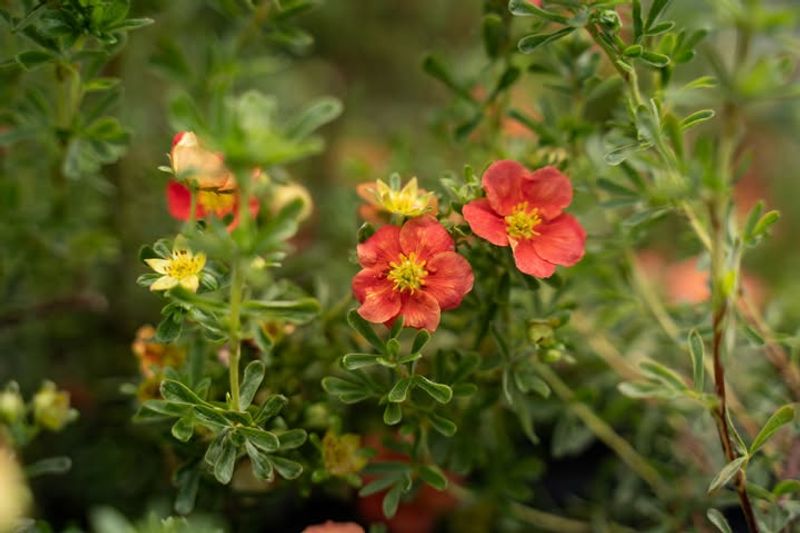
South Dakota soil ranges from heavy clay to sandy loam, and potentilla thrives in all of it.
You don’t need to spend money on expensive soil amendments or compost to make this shrub happy in your yard.
Clay soil, which stays soggy in spring and cracks like concrete in summer, doesn’t bother potentilla at all.
The plant’s flexible root system adapts to compacted conditions that would suffocate more delicate shrubs.
Sandy soil that drains too fast for most plants works fine for potentilla too.
The deep roots reach down to find moisture and nutrients that shallow-rooted plants can’t access.
Rocky soil with lots of stones and gravel actually reminds potentilla of its native mountain habitat.
Many gardeners report their best-performing specimens are planted in areas where nothing else wanted to grow.
Even soil with a high pH, which is common across much of South Dakota, doesn’t cause problems.
While acid-loving plants like azaleas would turn yellow and sickly, potentilla stays green and healthy without any special fertilizers or treatments to adjust the soil chemistry in your landscape beds.
Requires Minimal Pruning And Maintenance
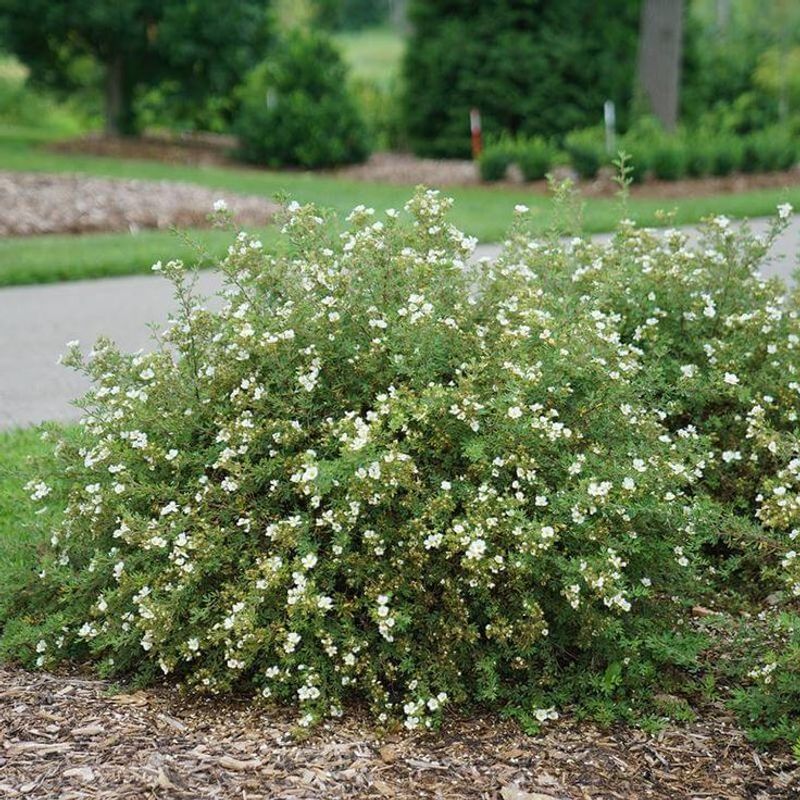
Once a year in early spring, give your potentilla a quick trim to remove dry wood and shape the plant.
That’s honestly all the pruning most specimens need to stay attractive and healthy for decades.
You don’t need to deadhead spent flowers like you do with roses or petunias.
Potentilla drops its old blooms naturally and immediately produces new ones without any help from you.
Some gardeners do a light shearing in midsummer to refresh the plant’s appearance, but this step is completely optional.
If you’re too busy to bother, your potentilla will keep blooming just fine without the extra attention.
Older shrubs that have gotten woody and sparse can be rejuvenated by cutting them back hard in early spring.
This drastic pruning sounds scary, but potentilla bounces back quickly with fresh, vigorous growth that looks better than ever.
Compared to high-maintenance shrubs that need regular shaping, feeding, and fussing, potentilla is practically a no-work plant.
Busy families and elderly gardeners especially appreciate having something beautiful that doesn’t demand constant weekend attention to look its best throughout the growing season.
Compact Size Fits Small Yards Perfectly
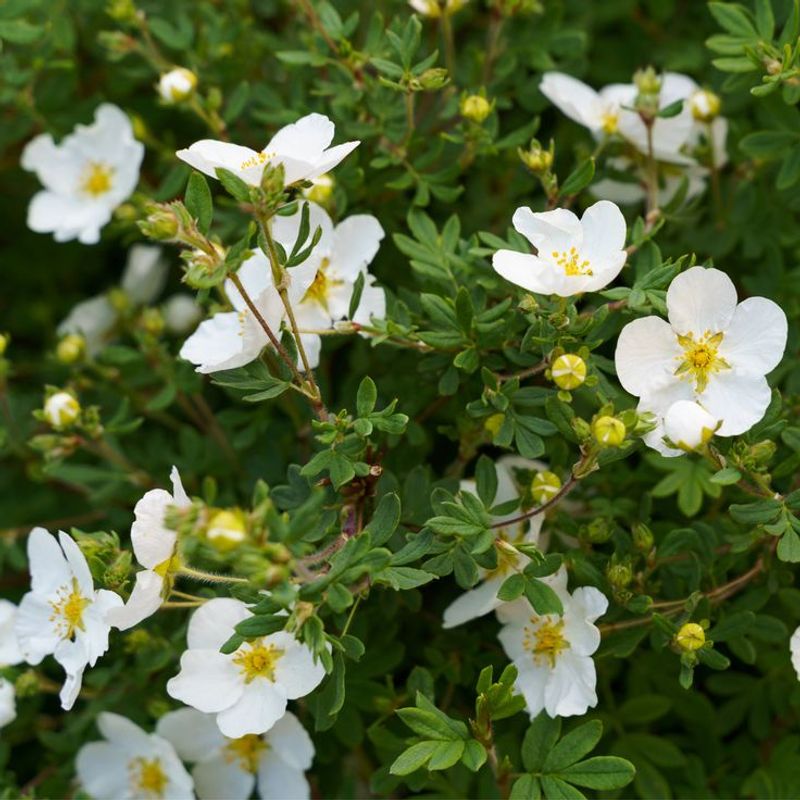
Most potentilla varieties stay under three feet tall and wide, making them perfect for modern yards that don’t have room for huge lilacs or spreading junipers.
You can tuck them into tight spots where bigger shrubs would overwhelm the space.
Foundation plantings benefit from potentilla’s tidy growth habit.
The shrubs won’t block your windows or rub against the house siding like so many other plants do when they outgrow their intended locations.
Apartment dwellers with small patios can even grow potentilla in large containers.
Choose a pot at least eighteen inches across, use quality potting soil, and you’ll have a flowering shrub that brightens your outdoor living space all summer.
In mixed borders, potentilla plays well with perennials without hogging all the space.
You can plant them toward the front of the bed where their neat shape and constant flowers create a colorful anchor for taller plants behind them.
Homeowners who are downsizing from large properties to smaller homes love that they can still enjoy potentilla in their new yards.
The compact size means you don’t have to give up your favorite plant just because you moved to a place with less square footage.
Works As Ground Cover On Slopes
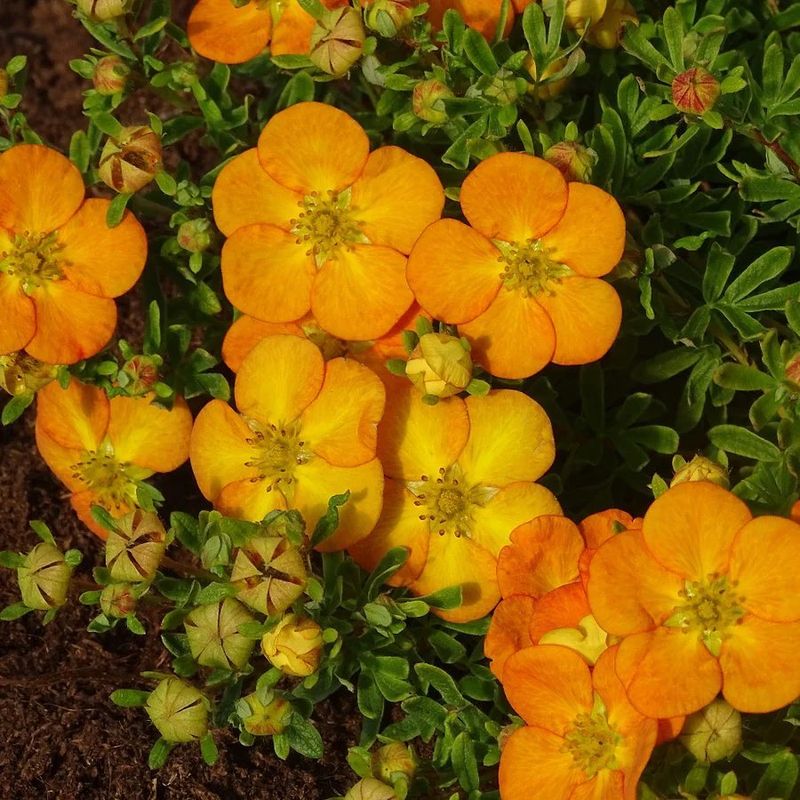
Slopes and hillsides are notoriously difficult to landscape, but potentilla handles them like a champion.
The spreading growth habit covers bare ground while the extensive root system holds soil in place during heavy rains.
Trying to mow a steep slope is dangerous and exhausting, so replacing grass with potentilla makes practical sense.
You’ll eliminate the mowing chore while adding color and reducing erosion at the same time.
Plant potentillas about two feet apart on your slope, and they’ll fill in within a couple of years.
The dense growth prevents weeds from taking hold, which means less time spent pulling unwanted plants from awkward angles.
Rainwater runoff, which can wash away topsoil and create ugly gullies, gets slowed down by potentilla’s stems and leaves.
The plants act like a living mulch that protects your hillside from the destructive power of storm water.
Many South Dakota properties have challenging slopes near driveways, along property lines, or leading down to creeks.
Instead of looking at bare dirt or fighting weeds every summer, plant potentilla and enjoy a colorful, carefree solution that actually improves the landscape instead of being an ongoing problem.
Attracts Pollinators To Your Garden
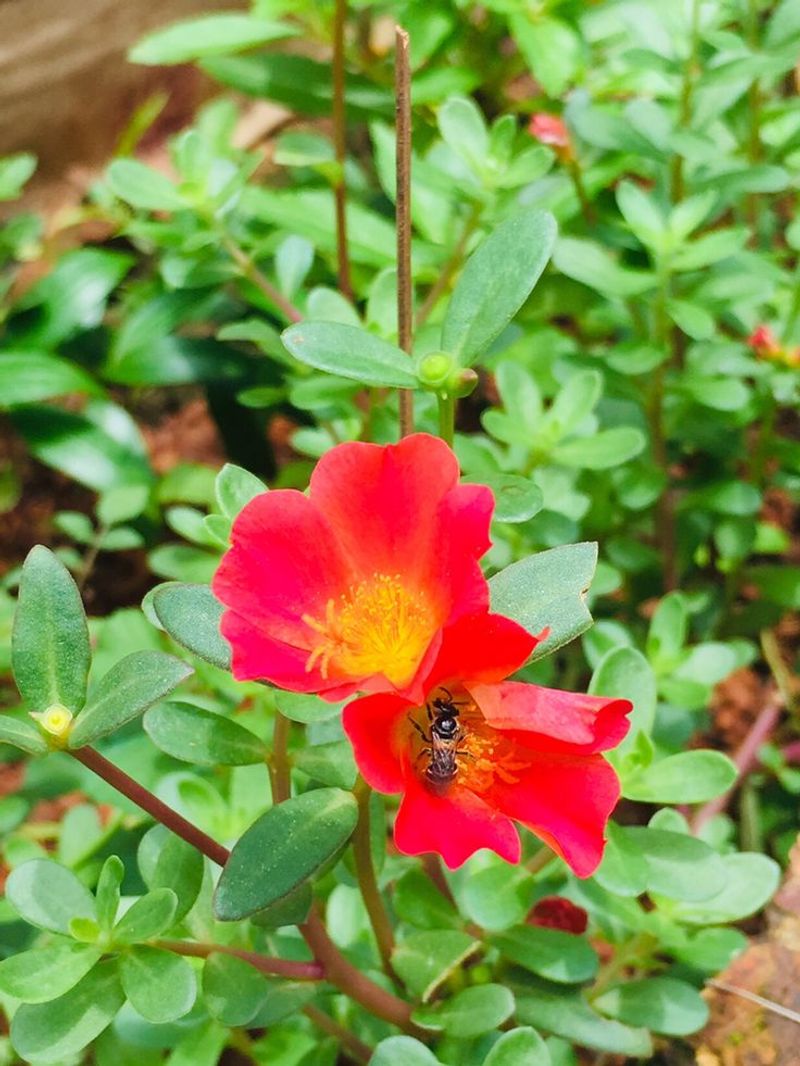
Bees absolutely love potentilla flowers, which provide abundant pollen and nectar throughout the summer.
If you’re trying to support honeybee populations or attract native bees to your yard, potentilla delivers exactly what these important insects need.
Butterflies visit potentilla regularly, especially smaller species that prefer low-growing plants.
You’ll spot cabbage whites, sulphurs, and various skipper butterflies dancing around your shrubs on sunny afternoons.
The open flower structure makes it easy for pollinators to access the nectar, unlike tubular flowers that only certain species can reach.
This accessibility means you’ll see a greater diversity of beneficial insects visiting your landscape.
Hummingbirds occasionally check out potentilla flowers, though they prefer tubular blooms.
Still, these tiny birds will sometimes investigate the bright colors while hunting for small insects hiding among the petals.
Creating pollinator habitat has become increasingly important as bee populations decline nationwide.
By planting potentilla, you’re not just beautifying your yard—you’re providing essential resources that help maintain healthy ecosystems.
Plus, watching the constant activity of visiting pollinators adds another layer of interest and enjoyment to your outdoor space throughout the entire growing season.
Affordable And Easy To Find At Nurseries
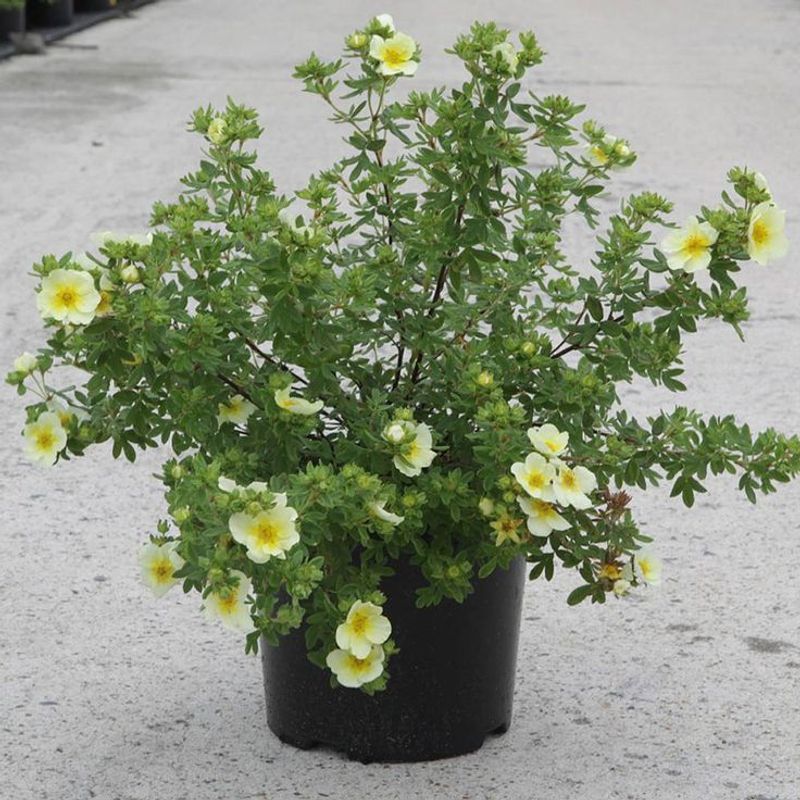
Walk into any South Dakota garden center in spring, and you’ll find potentilla readily available at reasonable prices.
Most nurseries stock several varieties because they know local gardeners depend on this reliable performer year after year.
Prices typically range from fifteen to thirty dollars per plant, depending on size and variety.
That’s far less expensive than many flowering shrubs, and considering how long potentilla lives, you’re getting incredible value for your money.
Big-box stores also carry potentilla during the spring planting season, often at even lower prices.
Just make sure the plants look healthy with green foliage and no signs of disease before you load them in your cart.
Local nurseries can special-order unusual color varieties if you’re looking for something beyond the standard yellow.
Talk to the staff about what grows best in your specific area, and they’ll steer you toward proven winners.
Garden clubs sometimes organize plant swaps where members share divisions and cuttings.
Potentilla roots easily from softwood cuttings taken in early summer, so you might score free plants from generous gardening friends.
Either way, building a collection of these wonderful shrubs won’t break your budget or require hunting through specialty catalogs for hard-to-find varieties.